
Alito and Kavanaugh split over Sackett's Clean Water Act wetlands test
Alito and Kavanaugh agree the Sacketts should win but disagree over federal wetlands coverage. Alito requires a continuous surface connection; Kavanaugh says that test excludes neighboring wetlands Congress protected.
Case period:
Published by The Dispute Index editorial teamPublished Updated
Overview
All nine justices agreed that the Sacketts should win their wetlands case. They split over the governing test. Justice Samuel Alito requires a continuous surface connection to covered waters; Justice Brett Kavanaugh says that excludes neighboring wetlands Congress protected.
Read the full background
The dispute concerns the majority's continuous-surface-connection restriction on Clean Water Act coverage of wetlands.
Alito's five-justice majority requires covered wetlands to be practically indistinguishable from covered waters. It acknowledges that tides or dry spells can temporarily interrupt a surface connection. The ruling addresses federal statutory coverage, not a ban on all state wetland protections.
Kavanaugh agrees with rejecting the significant-nexus test and with the judgment for the Sacketts. His concurrence in the judgment, joined by Sotomayor, Kagan and Jackson, rejects equating adjacent wetlands with adjoining wetlands. He would also cover wetlands separated from covered waters by certain barriers. His criticism targets the majority's test, not the landowners' victory.
People in this case
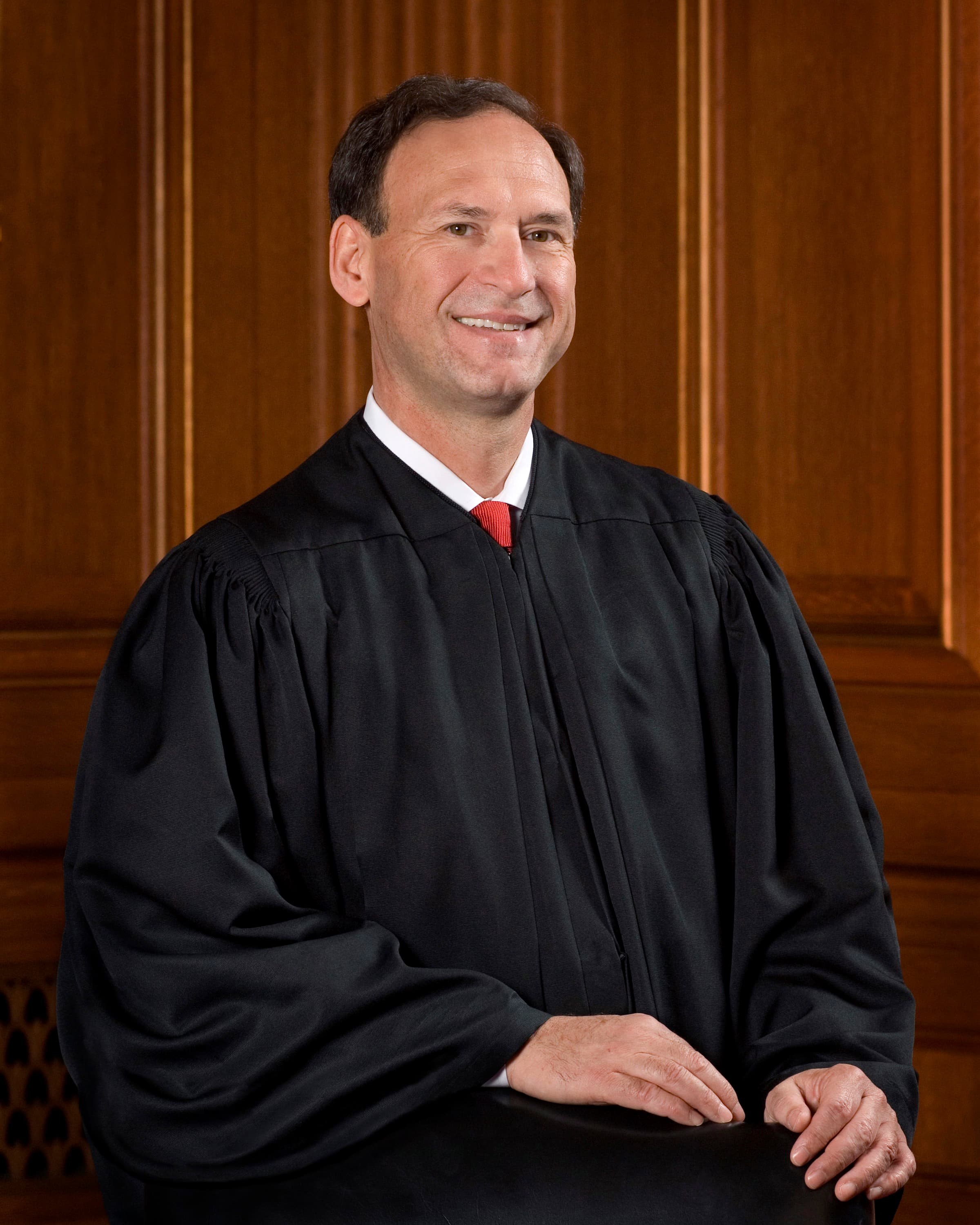 Samuel AlitoDirectly involved
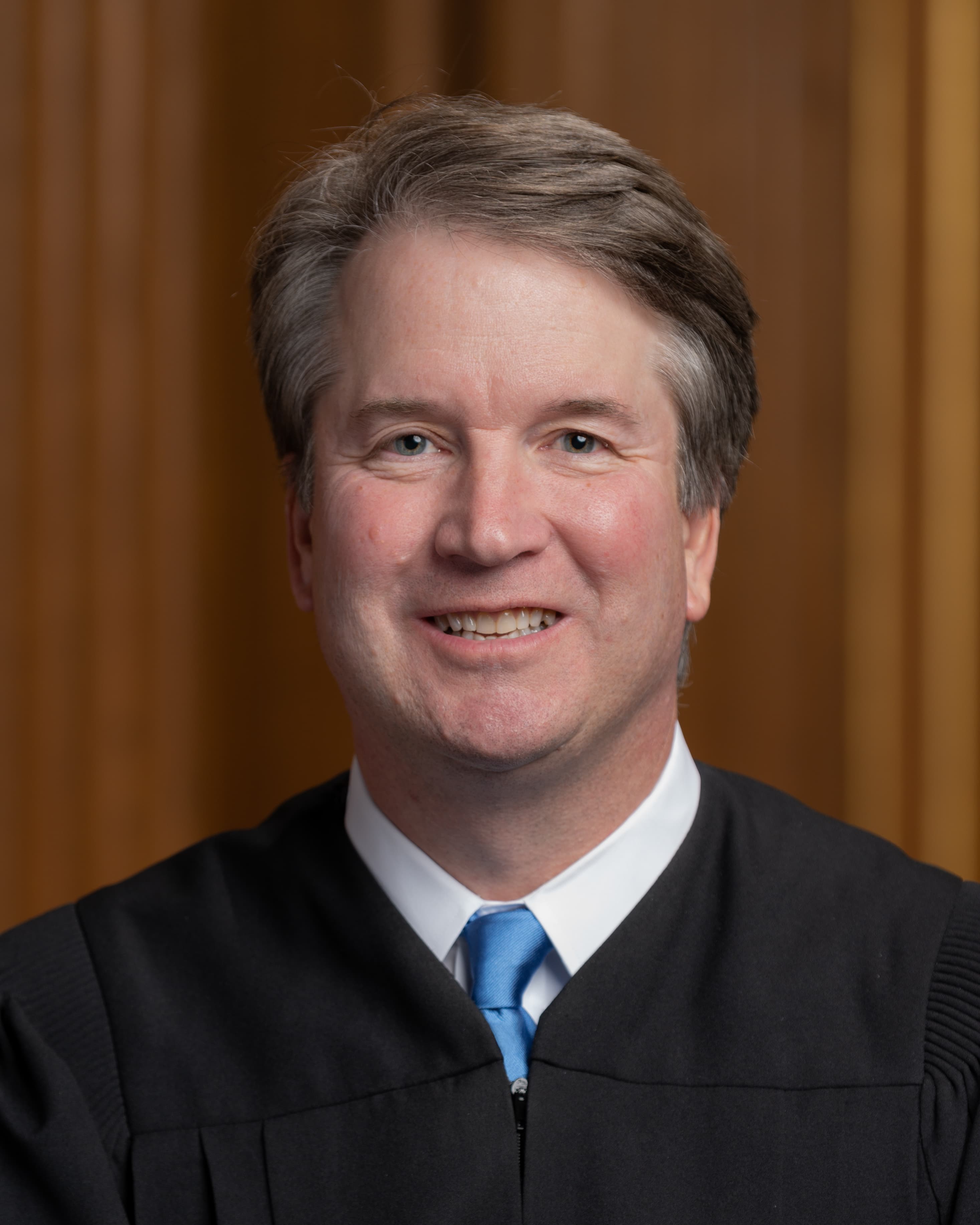 Brett KavanaughDirectly involved
Timeline
1 timeline entry on this page. Dates: May 25, 2023
May 2023
Court rules for the Sacketts but divides over the wetlands test
Alito writes the five-justice majority. Kavanaugh and three colleagues agree with the judgment but reject the continuous-surface-connection test.
[01]Supreme Court of the United States
The justices agree on the judgment for the Sacketts but divide over the continuous-surface-connection test for covered wetlands.
Sackett v. EPA: majority and separate opinions · Supreme Court of the United StatesNo. 21-454; Alito majority pages 19-22 and 27-28; Kavanaugh concurrence pages 1-14
Claims
Claims separate what was said from what is contested. Follow each source for the original wording and context.
What's disputed
Disputed claim
Clean Water Act coverage of adjacent wetlands requires a continuous surface connection that makes the wetland practically indistinguishable from covered waters.
Sources (1)
- Sackett v. EPA: majority and separate opinions · Supreme Court of the United StatesNo. 21-454; Alito majority pages 19-22 and 27-28; Kavanaugh concurrence pages 1-14
Response record
Responses
Choose one response filter, or select All responses to see the full record.
2 matching responses. Newest first.
 Brett KavanaughAssociate justice, concurring in the judgmentDirectly involved
Before this statement
Kavanaugh agrees that the Sacketts should prevail and that the significant-nexus test should be rejected.
"In my view, the Court’s “continuous surface connection” test departs from the statutory text, from 45 years of consistent agency practice, and from this Court’s precedents."
CondemnedResponding to: Clean Water Act coverage of adjacent wetlands requires a continuous surface connection that makes the wetland practically indistinguishable from covered waters.
Full statement and sources
Kavanaugh argues that the majority's wetlands test departs from the statute and precedent.
After the statement
He rejects replacing adjacent with adjoining, citing neighboring wetlands separated by barriers.
Sackett v. EPA: majority and separate opinions · Supreme Court of the United StatesNo. 21-454; Alito majority pages 19-22 and 27-28; Kavanaugh concurrence pages 1-14Why this label?
His criticism is directed at the majority's test. Agreement with the judgment does not defend that test.
This label describes the statement's response within the context above.
 Samuel AlitoAssociate justice, writing the Court's majority opinionDirectly involved
Before this statement
The opinion describes the Rapanos plurality's view that wetlands are covered only when a continuous surface connection to covered waters leaves no clear line between water and wetland.
"We agree with this formulation of when wetlands are part of “the waters of the United States.”"
Defended or excusedResponding to: Clean Water Act coverage of adjacent wetlands requires a continuous surface connection that makes the wetland practically indistinguishable from covered waters.
Full statement and sources
Alito adopts the test requiring covered wetlands to be practically indistinguishable from covered waters.
After the statement
The opinion then acknowledges that low tides or dry spells can temporarily interrupt a surface connection, and holds that the Clean Water Act covers only wetlands that are practically indistinguishable from covered waters.
Sackett v. EPA: majority and separate opinions · Supreme Court of the United StatesNo. 21-454; Alito majority pages 19-22 and 27-28; Kavanaugh concurrence pages 1-14Why this label?
The reference point is the Sackett majority's continuous-surface-connection restriction on Clean Water Act coverage of wetlands. Alito's majority opinion adopts that test as the Court's reading of when wetlands are part of the waters of the United States, which treats the restriction as the correct rule, so we used Defended or excused. The closest competing label is Challenged characterization; it loses because Alito does not dispute how the test is described but adopts it as the governing rule.
This label describes the statement's response within the context above.
Sources
(1)
Original text
Sackett v. EPA: majority and separate opinions
Relevant passage: No. 21-454; Alito majority pages 19-22 and 27-28; Kavanaugh concurrence pages 1-14
About this source
The justices agree on the judgment for the Sacketts but divide over the continuous-surface-connection test for covered wetlands.
- Published
- Accessed
Share or embed this case
The embed keeps its attribution link to The Dispute Index. Credit the image to The Dispute Index and link to the case page.
Cite this record
- Publisher
- The Dispute Index
- Title
- Alito and Kavanaugh split over Sackett's Clean Water Act wetlands test
- First published
- Last updated
- Permalink
- https://disputeindex.com/cases/sackett-epa-alito-kavanaugh-wetlands-test
The Dispute Index. "Alito and Kavanaugh split over Sackett's Clean Water Act wetlands test". First published: 2026-10-22. Last updated: 2026-10-22. https://disputeindex.com/cases/sackett-epa-alito-kavanaugh-wetlands-test