
Heien: Roberts and Sotomayor split over traffic stops based on mistakes of law
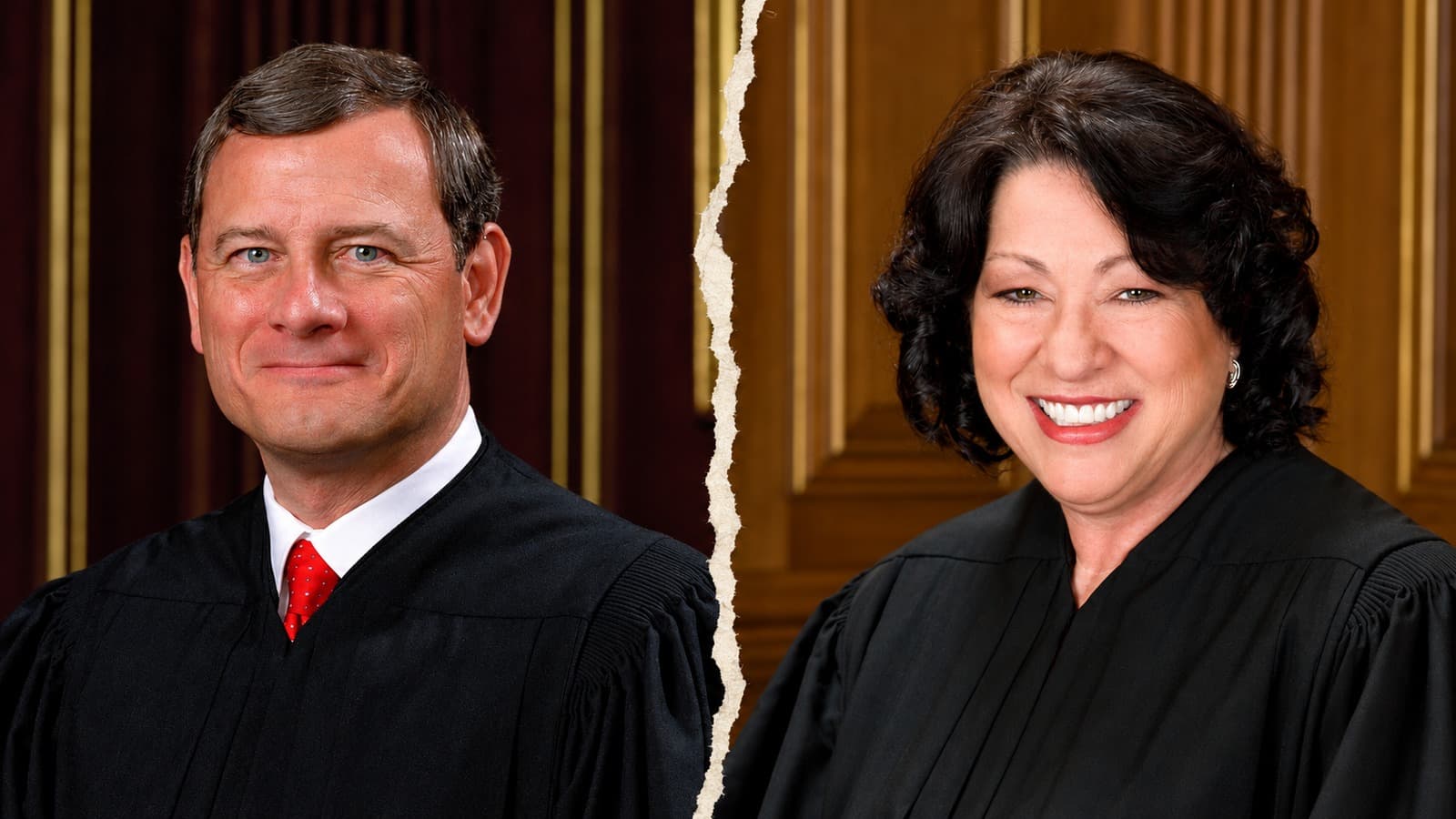
Chief Justice John Roberts defends allowing traffic stops based on objectively reasonable legal mistakes. Justice Sonia Sotomayor argues that police must instead be judged against the law as it actually exists.
Case period:
Published by The Dispute Index editorial teamPublished Updated
Overview
The Supreme Court held in 2014 that an objectively reasonable mistake of law can justify a traffic stop. Chief Justice John Roberts defends that rule. Justice Sonia Sotomayor argues that police should be judged against the law as it actually exists.
Read the full background
The dispute concerns allowing an objectively reasonable mistake of substantive law to supply reasonable suspicion for a traffic stop.
In Heien v. North Carolina, police stopped a car with one broken brake light. A state appeals court later read the statute as requiring only one working brake light. The U.S. Supreme Court ruled 8-1 that the officer's legal mistake was objectively reasonable and the stop did not violate the Fourth Amendment.
Roberts emphasizes objective reasonableness, not the officer's personal ignorance. Kagan's concurrence, joined by Ginsburg, describes genuinely difficult statutory ambiguity as the relevant limit. Sotomayor's dissent would measure the facts against the actual law. The disagreement concerns constitutional validity, not merely whether the exclusionary rule supplies a remedy.
People in this case
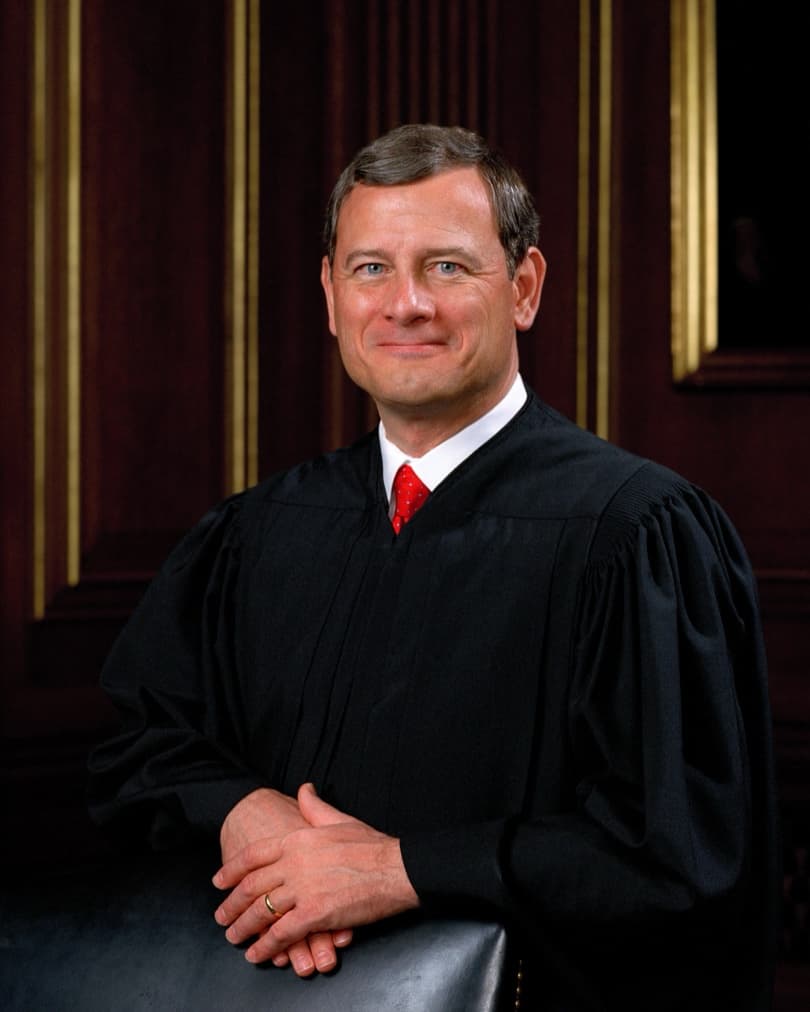 John G. Roberts Jr.Directly involved
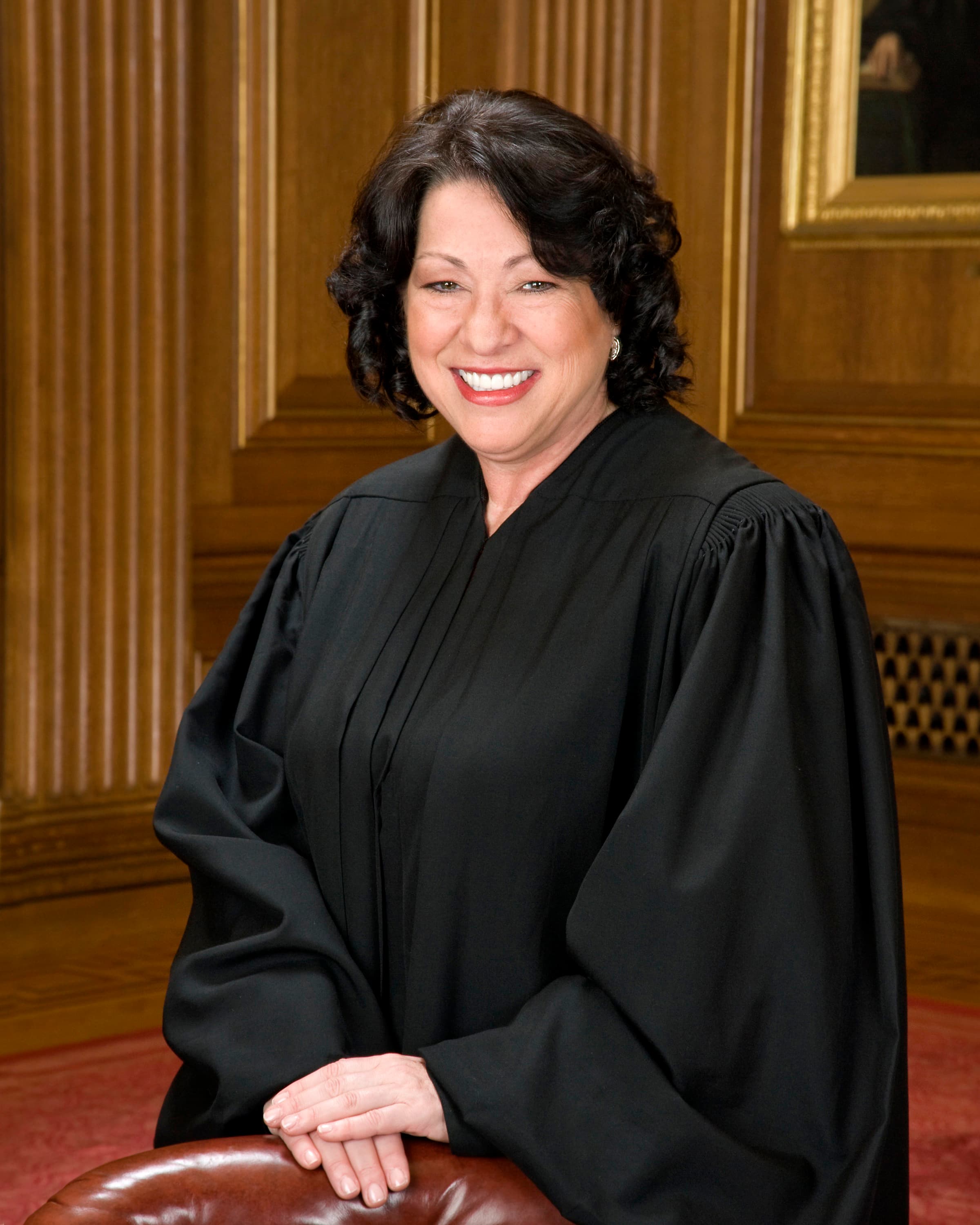 Sonia SotomayorDirectly involved
Timeline
1 timeline entry on this page. Dates: December 15, 2014
December 2014
Supreme Court rules 8-1 on reasonable mistakes of law
The Court upholds the stop by an 8-1 vote. Sotomayor dissents. Kagan, joined by Ginsburg, concurs and describes limits on objectively reasonable legal mistakes.
[01]Supreme Court of the United States
The full opinions set out the disagreement over whether an objectively reasonable mistake of substantive law can justify a traffic stop.
Heien v. North Carolina: majority, concurrence and dissent · Supreme Court of the United States574 U.S. 54, Roberts pages 57-68; Kagan pages 68-71; Sotomayor pages 71-80
Claims
Claims separate what was said from what is contested. Follow each source for the original wording and context.
What's disputed
Disputed claim
An objectively reasonable mistake of substantive law can justify a traffic stop under the Fourth Amendment.
Sources (1)
- Heien v. North Carolina: majority, concurrence and dissent · Supreme Court of the United States574 U.S. 54, Roberts pages 57-68; Kagan pages 68-71; Sotomayor pages 71-80
Response record
Responses
Choose one response filter, or select All responses to see the full record.
2 responses. Newest first.
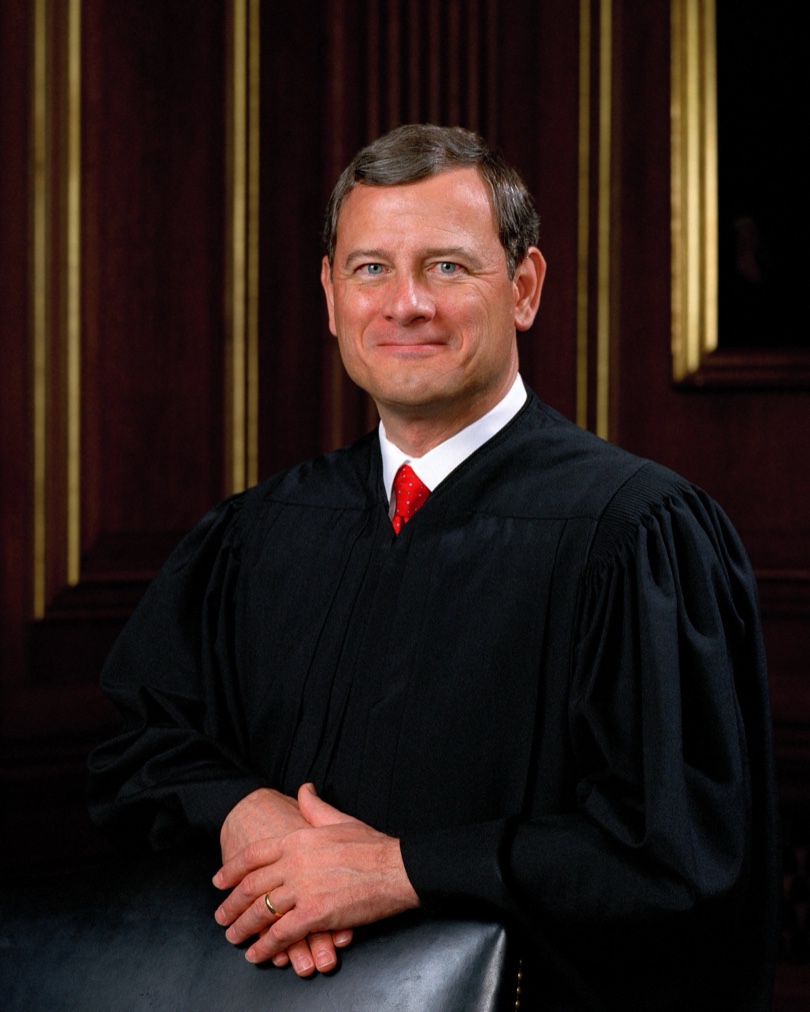 John G. Roberts Jr.Chief justice, writing the Court's majority opinionDirectly involved
Before this statement
The majority considers whether an officer's mistaken reading of a brake-light statute can support reasonable suspicion.
"The Fourth Amendment tolerates only reasonable mistakes, and those mistakes—whether of fact or of law—must be objectively reasonable."
Defended or excusedResponding to: An objectively reasonable mistake of substantive law can justify a traffic stop under the Fourth Amendment.
Full statement and sources
Roberts defends treating objectively reasonable legal mistakes like reasonable factual mistakes.
After the statement
Roberts limits the rule to objective reasonableness and rejects an advantage from sloppy study of the law.
Heien v. North Carolina: majority, concurrence and dissent · Supreme Court of the United States574 U.S. 54, Roberts pages 57-68; Kagan pages 68-71; Sotomayor pages 71-80Why this label?
He supports allowing the stop on this basis, the conduct and rule at issue.
This label describes the statement's response within the context above.
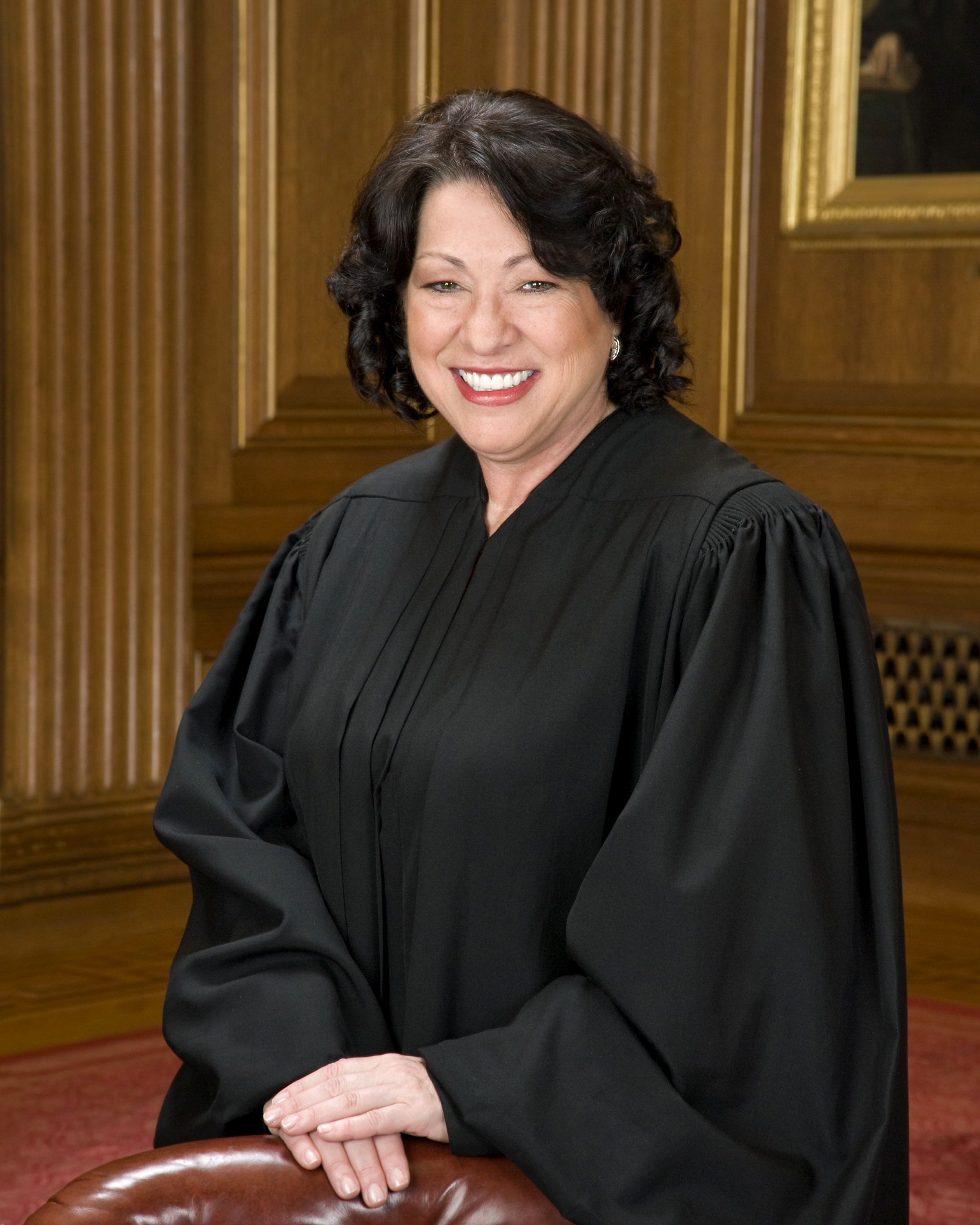 Sonia SotomayorAssociate justice, writing the dissentDirectly involved
Before this statement
Sotomayor would measure the officer's understanding of the facts against the actual law.
"Departing from this tradition means further eroding the Fourth Amendment's protection of civil liberties in a context where that protection has already been worn down."
CondemnedResponding to: An objectively reasonable mistake of substantive law can justify a traffic stop under the Fourth Amendment.
Full statement and sources
Sotomayor argues that the rule further erodes Fourth Amendment protection.
After the statement
She warns that allowing reasonable legal mistakes expands stop authority and can delay clarification of the law.
Heien v. North Carolina: majority, concurrence and dissent · Supreme Court of the United States574 U.S. 54, Roberts pages 57-68; Kagan pages 68-71; Sotomayor pages 71-80Why this label?
Her criticism targets the rule allowing stops based on legal mistakes, not the majority's account of the facts.
This label describes the statement's response within the context above.
Sources
(1)
Original text
Heien v. North Carolina: majority, concurrence and dissent
Relevant passage: 574 U.S. 54, Roberts pages 57-68; Kagan pages 68-71; Sotomayor pages 71-80
About this source
The full opinions set out the disagreement over whether an objectively reasonable mistake of substantive law can justify a traffic stop.
- Published
- Accessed
Share or embed this case
The embed keeps its attribution link to The Dispute Index. Credit the image to The Dispute Index and link to the case page.
Cite this record
- Publisher
- The Dispute Index
- Title
- Heien: Roberts and Sotomayor split over traffic stops based on mistakes of law
- First published
- Last updated
- Permalink
- https://disputeindex.com/cases/heien-north-carolina-reasonable-mistake-law-traffic-stop
The Dispute Index. "Heien: Roberts and Sotomayor split over traffic stops based on mistakes of law". First published: 2026-10-22. Last updated: 2026-10-23. https://disputeindex.com/cases/heien-north-carolina-reasonable-mistake-law-traffic-stop