
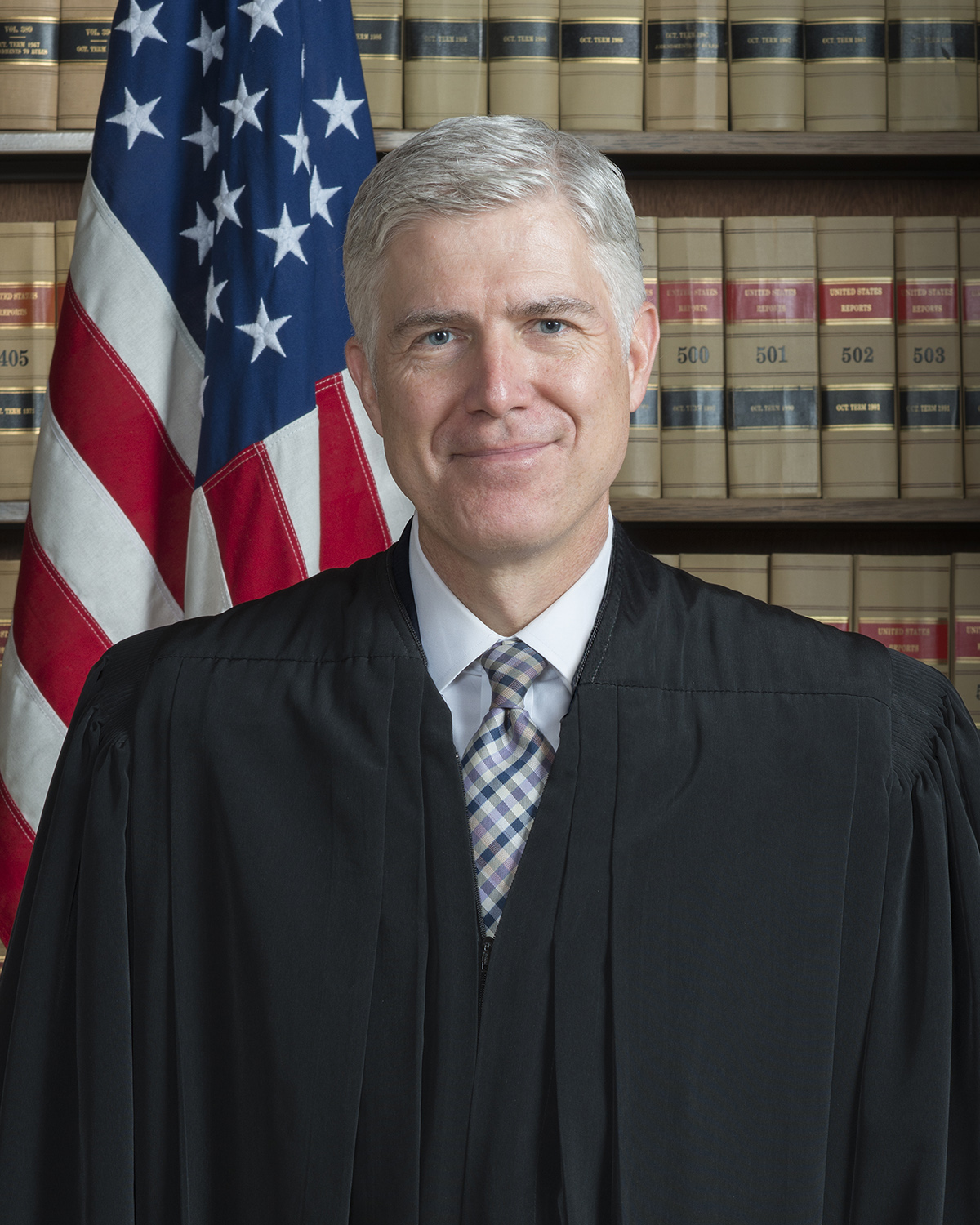
Neil Gorsuch
Role at the time: Associate justice of the Supreme Court, concurring, joined by Justice Clarence Thomas
Statement summary
Gorsuch joined the majority's holding but agreed with the dissent that the case leaves unresolved whether modern civil forfeiture practices can be squared with due process.
“I agree with the Court that, at a minimum, the Due Process Clause requires a prompt hearing in civil forfeiture cases. ... But if all that leads me to join today’s decision, I also agree with the dissent that this case leaves many larger questions unresolved about whether, and to what extent, contemporary civil forfeiture practices can be squared with the Constitution’s promise of due process.”
Why we used this label
The reference point is Alabama's practice, defended by Attorney General Steve Marshall, of holding seized cars until the civil forfeiture hearing without a separate preliminary hearing, which the owners argued the Due Process Clause requires. Label: Mixed or conditional. Gorsuch joins the holding that the owners had no right to a separate preliminary hearing, while saying the case leaves open whether contemporary forfeiture practices fit the Constitution. The closest competing label is Defended or excused; it loses because his opinion questions the broader practices instead of endorsing them, and he writes separately to raise those doubts.