
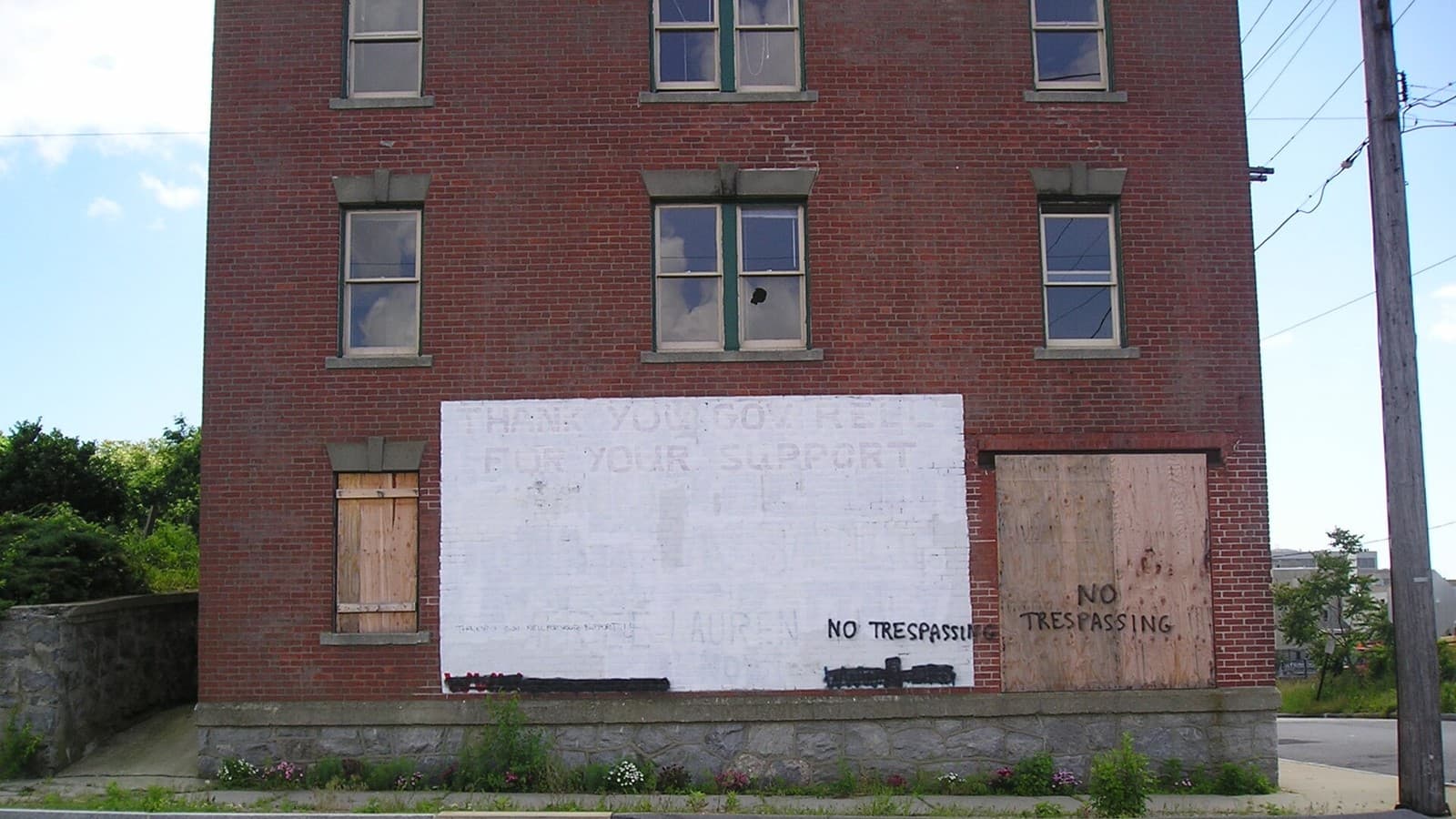
Kelo v. New London: Taking homes for private redevelopment
Case period:
Published by The Dispute Index editorial teamPublished Updated
Overview
The Supreme Court upheld New London's use of eminent domain for an economic-redevelopment plan. The majority treated the plan as a public purpose; dissenters warned that the rule exposed ordinary owners to transfers favoring more powerful private interests.
Read the full background
The June 23, 2005 ruling concerned a planned redevelopment, not a rule permitting every transfer to a private owner. Stevens's majority defers to the city's public-purpose judgment. Kennedy joins that result while insisting that pretextual private favoritism remains forbidden. O'Connor and Thomas reject the majority's treatment of public use. Upholding legal authority did not establish that the projected jobs or tax revenues later materialized. Ilya Somin's twentieth-anniversary essay criticizes both the precedent and the uneven reach of subsequent reforms.
People in this case
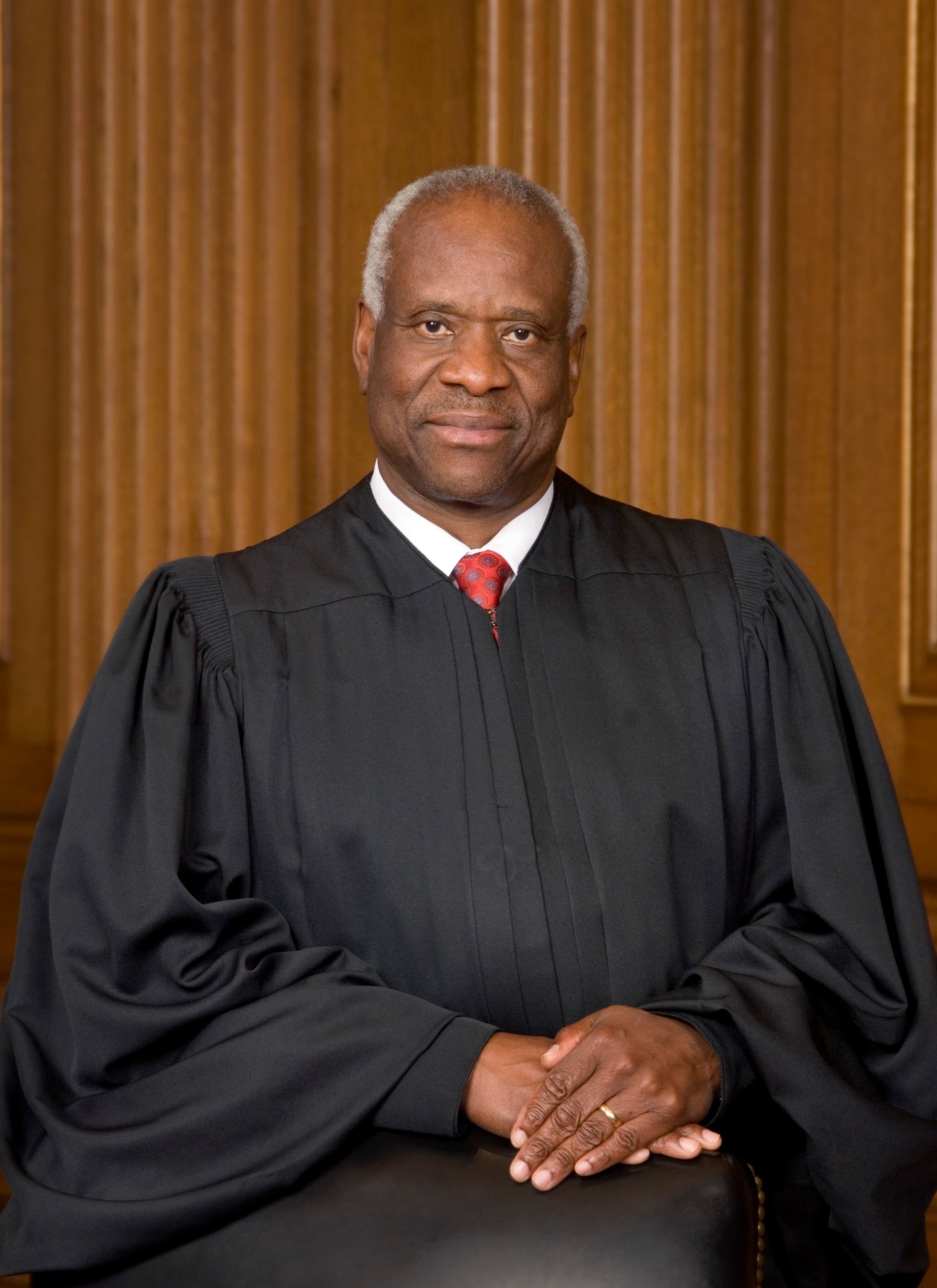 Clarence ThomasDirectly involved
 Ilya SominDirectly involved
Timeline
1 timeline entry on this page. Dates: June 23, 2005
June 2005
Supreme Court upholds New London redevelopment takings
Source release
The majority treats the comprehensive plan as a public purpose. Kennedy concurs separately; O'Connor and Thomas dissent.
[01]Kelo v. New London: Supreme Court opinions
The page includes the syllabus, Stevens majority, Kennedy concurrence and O'Connor and Thomas dissents. The opinions differ over public use and private redevelopment.
Kelo v. New London: Supreme Court opinionsSeparate authored opinions, excluding the syllabus as a quotation by a justice
Claims
Claims separate what was said from what is contested. Follow each source for the original wording and context.
What's disputed
Disputed claim
New London's comprehensive economic-redevelopment plan satisfies the constitutional public-use requirement.
What is disputed
The majority upholds the planned taking. The dissenters dispute that understanding of public use, while Kennedy stresses pretext scrutiny.
Sources (1)
- Kelo v. New London: Supreme Court opinionsSeparate authored opinions, excluding the syllabus as a quotation by a justice
Arguments
Documented position
Stevens majority and Kennedy concurrence
A comprehensive public-purpose plan
Stevens regards the comprehensive redevelopment plan as a public purpose under precedent; Kennedy joins the result while requiring scrutiny of favoritism.
Limit of this argument
The rule does not authorize a taking justified only by pretextual public benefits, and legal authority does not prove economic success.
Read sources and related claim
Related claim
New London's comprehensive economic-redevelopment plan satisfies the constitutional public-use requirement.
Sources
- Kelo v. New London: Supreme Court opinionsSeparate authored opinions, excluding the syllabus as a quotation by a justice
Documented position
O'Connor and Thomas dissents
Ordinary owners face more powerful beneficiaries
O'Connor warns that the rule permits displacement for more lucrative private uses. Thomas disputes the public-purpose interpretation of the constitutional text.
Limit of this argument
Their objection concerns the constitutional rule; not every taking for public infrastructure is the same kind of dispute.
Read sources and related claim
Related claim
New London's comprehensive economic-redevelopment plan satisfies the constitutional public-use requirement.
Sources
- Kelo v. New London: Supreme Court opinionsSeparate authored opinions, excluding the syllabus as a quotation by a justice
Response record
Responses
Choose one response filter, or select All responses to see the full record.
5 matching responses. Newest first.
 Ilya SominLaw professor and author writing at The Volokh ConspiracyDirectly involved
Before this statement
Somin writes that the redevelopment project failed, then notes that he has made this argument in his book The Grasping Hand and other writings.
"Kelo was wrongly decided from the standpoint of prominent versions of both originalism and living constitution theory."
CondemnedCase context: Kelo v. New London: Taking homes for private redevelopment
Full statement and sources
Somin says Kelo was wrongly decided and argues that state reforms since the ruling do not fully substitute for nationwide enforcement of the Public Use Clause.
After the statement
He then introduces a new article arguing that state reforms after Kelo are not a fully adequate substitute for nationwide enforcement of the Public Use Clause.
Ilya Somin on Kelo's twentieth anniversaryAnniversary essayWhy this label?
The reference point is New London's private economic-redevelopment taking. Somin condemns the decision and argues that later reforms have left important gaps in property protection.
This label describes the statement's response within the context above.
John Paul StevensSupreme Court associate justice, writing the majority opinionDirectly involved Before this statement
Stevens rejects the property owners' proposed bright-line rule that economic development does not qualify as a public use.
"Promoting economic development is a traditional and long accepted function of government."
Defended or excusedCase context: Kelo v. New London: Taking homes for private redevelopment
Full statement and sources
Stevens's majority opinion holds that New London's redevelopment plan serves a public purpose, so the takings satisfy the Fifth Amendment's public use requirement.
After the statement
He adds that there is no principled way to distinguish economic development from other public purposes the Court has recognized.
Kelo v. New London: Supreme Court opinionsSeparate authored opinions, excluding the syllabus as a quotation by a justiceWhy this label?
The reference point is New London's private economic-redevelopment taking. Stevens defends the city's redevelopment taking as serving a public purpose under the Court's precedents.
This label describes the statement's response within the context above.
Anthony M. KennedySupreme Court associate justice, writing a concurrenceDirectly involved Before this statement
Kennedy joins the Court's opinion and notes that takings are reviewed under a deferential rational-basis standard.
"transfers intended to confer benefits on particular, favored private entities, and with only incidental or pretextual public benefits, are forbidden by the Public Use Clause."
Defended or excusedCase context: Kelo v. New London: Taking homes for private redevelopment
Full statement and sources
Kennedy joins the majority and writes that courts must strike down takings clearly intended to favor a particular private party with only incidental or pretextual public benefits.
After the statement
He says courts should strike down a taking clearly shown to favor a particular private party, and concludes that no such circumstances are present in New London's case.
Kelo v. New London: Supreme Court opinionsSeparate authored opinions, excluding the syllabus as a quotation by a justiceWhy this label?
The reference point is New London's private economic-redevelopment taking. Kennedy defends the New London result while explaining that courts must reject takings intended to favor a private party with only pretextual public benefits.
This label describes the statement's response within the context above.
Sandra Day O'ConnorSupreme Court associate justice, writing a dissentDirectly involved Before this statement
O'Connor argues that limiting takings to upgrades of property has no realistic effect, because the specter of condemnation hangs over all property.
"Nothing is to prevent the State from replacing any Motel 6 with a Ritz-Carlton, any home with a shopping mall, or any farm with a factory."
CondemnedCase context: Kelo v. New London: Taking homes for private redevelopment
Full statement and sources
O'Connor warns that the decision allows ordinary property to be taken for more lucrative private uses.
After the statement
She cites earlier takings and attempted takings for an industrial park, a Costco and a General Motors plant, and says the facts the majority emphasizes do not blunt the force of its holding.
Kelo v. New London: Supreme Court opinionsSeparate authored opinions, excluding the syllabus as a quotation by a justiceWhy this label?
O'Connor rejects the New London taking and the rule permitting redevelopment takings for more lucrative private uses.
This label describes the statement's response within the context above.
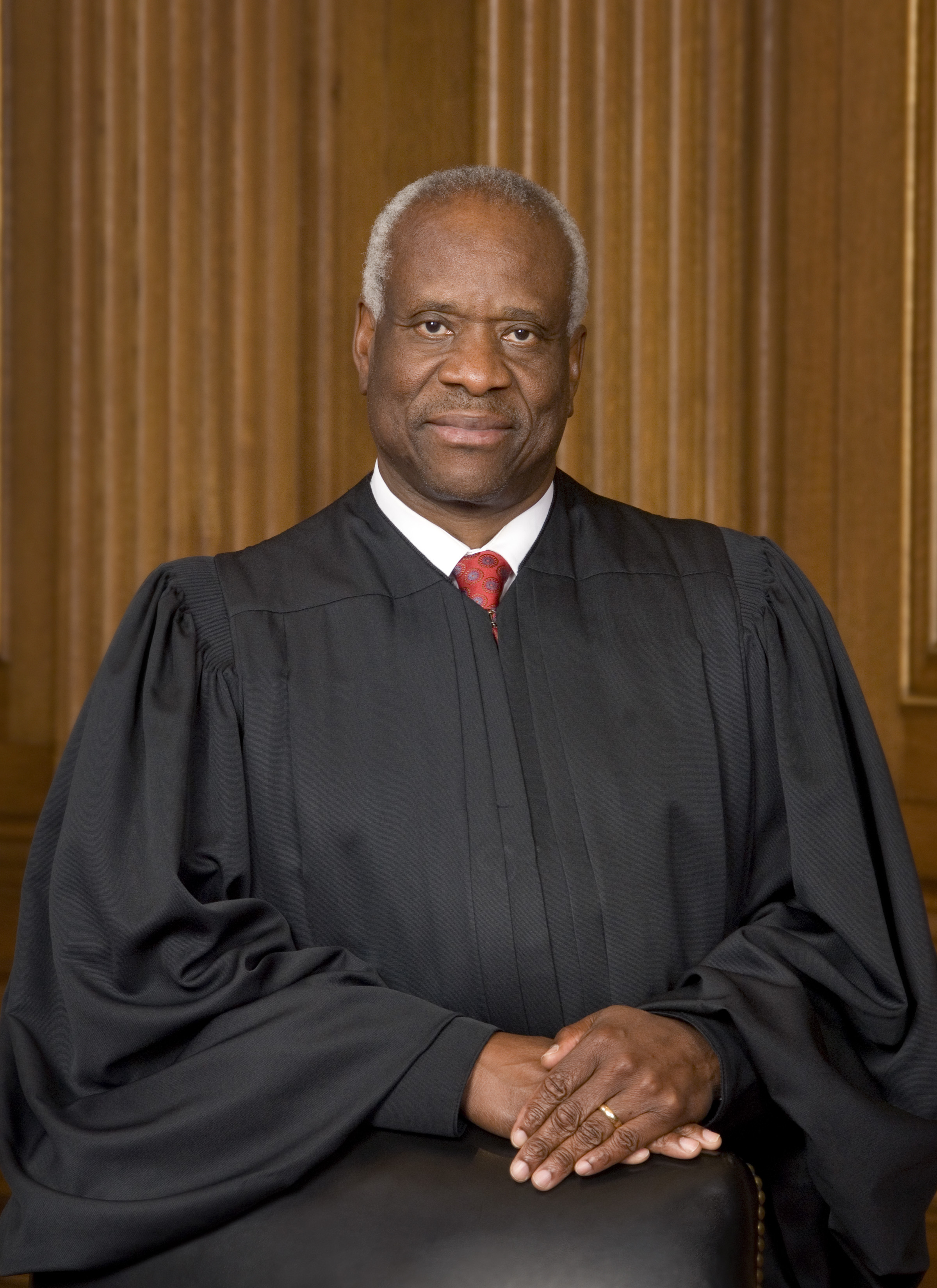 Clarence ThomasSupreme Court associate justice, writing a dissentDirectly involved
Before this statement
Thomas joins O'Connor's dissent and writes separately to argue that the original public-use requirement is narrower than the Court's rule.
"Today’s decision is simply the latest in a string of our cases construing the Public Use Clause to be a virtual nullity, without the slightest nod to its original meaning."
CondemnedCase context: Kelo v. New London: Taking homes for private redevelopment
Full statement and sources
Thomas argues that the decision departs from the original meaning of the Public Use Clause.
After the statement
He says the Court's public-use cases have strayed from the Clause's original meaning and that he would reconsider them.
Kelo v. New London: Supreme Court opinionsSeparate authored opinions, excluding the syllabus as a quotation by a justiceWhy this label?
Thomas rejects the New London result because he disputes the majority's interpretation of public use.
This label describes the statement's response within the context above.
Sources
(2)
Original text
Kelo v. New London: Supreme Court opinions
Relevant passage: Separate authored opinions, excluding the syllabus as a quotation by a justice
About this source
The page includes the syllabus, Stevens majority, Kennedy concurrence and O'Connor and Thomas dissents. The opinions differ over public use and private redevelopment.
- Published
- Accessed
Analysis
Ilya Somin on Kelo's twentieth anniversary
Relevant passage: Anniversary essay
About this source
Somin criticizes the decision and evaluates subsequent reform. He distinguishes property-rights reforms from the continuing federal precedent.
- Published
- Accessed
Share or embed this case
The embed keeps its attribution link to The Dispute Index. Credit the image to The Dispute Index and link to the case page.
Cite this record
- Publisher
- The Dispute Index
- Title
- Kelo v. New London: Taking homes for private redevelopment
- First published
- Last updated
- Permalink
- https://disputeindex.com/cases/kelo-new-london-private-redevelopment-takings
The Dispute Index. "Kelo v. New London: Taking homes for private redevelopment". First published: 2026-10-19. Last updated: 2026-10-19. https://disputeindex.com/cases/kelo-new-london-private-redevelopment-takings