Byron Donalds supports Florida homestead property-tax relief while county officials warn about local-service funding. Compare his interview with revenue estimates for the related ballot measure and the counties' stated concerns.
Role at the time: Republican U.S. representative and candidate for Florida governor
Defended or excused
Statement summary
Donalds supported Amendment 3, said public safety would be funded first, and proposed a funding formula for fiscally constrained counties.
“Local governments have to live within their means”
Open the original interview (opens in a new tab)Donalds vs. Jolly: Where Florida's governor candidates stand on AI, data centers and Amendment 3Amendment 3 section: JOLLY and DONALDS paragraphs.
What this label refers to
Donalds defends tax relief and explains how he proposes to protect services.
Role at the time: Democratic candidate for Florida governor
Condemned
Statement summary
Jolly said Amendment 3 would defund law enforcement and critical services. He anticipated voting against it and said it lacked a sufficient funding backstop.
“It’s gonna defund law enforcement along with critical services that communities need”
Open the original interview (opens in a new tab)Donalds vs. Jolly: Where Florida's governor candidates stand on AI, data centers and Amendment 3Amendment 3 section: JOLLY and DONALDS paragraphs.
What this label refers to
Jolly opposes the related tax-relief measure on the service-funding question tracked by this case.
Role at the time: U.S. representative and Republican candidate for governor of Florida
Defended or excused
Statement summary
At a University of Florida town hall, Byron Donalds defended Amendment 3 as relief from property taxes that he said had outpaced household budgets. WCJB reported that he said he had a plan for the hardest-hit communities.
Hochul says Ross and Wynn's objection to paying more on luxury second homes reinforces her argument for the surcharge.
“they make the case for the pied-à-terre tax better than we ever could.”
Read the original post (opens in a new tab)Hochul defends the pied-a-terre tax after Ross and Wynn sue · Kathy HochulFull quote-post of Laura Nahmias's report on constitutional challenges.
What this label refers to
She defends the tax in direct response to the constitutional challenge.
Hilary Geary Ross joins the constitutional challenge to the surcharge on the Rosses' Manhattan cooperative unit.
“These nonresidents, including Plaintiffs herein, already pay significant sums to the City in property taxes, the same taxes at the same rates paid by New York City residents occupying similarly assessed residential properties.”
Read the original text (opens in a new tab)Ross v. New York: complaint challenging the pied-a-terre taxSuffolk index 628629/2026, NYSCEF document 2; paragraphs 1-19, 72-82 and 119-220; prayer for relief, page 39.
What this label refers to
Her participation in a pleading seeking invalidation is an attributable action opposing the tax.
Wynn joins the Rosses' legal challenge, including their argument that lawmakers cannot exclude property-tax receipts from the constitutional tax-limit calculation by changing the label.
“Article 30-C is therefore unconstitutional to the extent it purports to exclude PAT Tax revenues from the amount raised by tax on real estate for purposes of Article VIII, § 10(e).”
Read the original text (opens in a new tab)Ross v. New York: complaint challenging the pied-a-terre taxSuffolk index 628629/2026, NYSCEF document 2; paragraphs 1-19, 72-82 and 119-220; prayer for relief, page 39.
What this label refers to
He seeks judicial invalidation of the tax and its treatment of receipts.
Role at the time: Investor, former U.S. commerce secretary and plaintiff
Condemned
Statement summary
Wilbur Ross joins Hilary Geary Ross and Wynn in challenging the tax as discriminatory against nonresidents.
“This case arises out of Defendant’s attempt to enact and enforce a discriminatory property tax that falls exclusively on nonresidents of New York City, in violation of the state and federal constitutions.”
Read the original text (opens in a new tab)Ross v. New York: complaint challenging the pied-a-terre taxSuffolk index 628629/2026, NYSCEF document 2; paragraphs 1-19, 72-82 and 119-220; prayer for relief, page 39.
What this label refers to
Seeking to invalidate the surcharge expresses rejection of the tax, not merely disagreement with a description of it.
Rosie Cordero-Stutz supported Amendment 3 and rejected the argument that lower property taxes must mean fewer deputies or weaker public safety. She urged local agencies to find efficiencies.
“Voters should not be led to believe that saving money on their property taxes must mean fewer deputies or weaker public safety”
Open source (opens in a new tab)Miami-Dade sheriff backs Florida Amendment 3Cordero-Stutz quotation near the start of September 23 report
What this label refers to
Supports tax relief while contesting the claim that local services must suffer.
Role at the time: Democratic candidate for governor of Florida
Condemned
Statement summary
David Jolly opposed Amendment 3, warning that it could bankrupt rural counties and reduce law-enforcement funding. He offered a first-time homebuyer exemption instead.
“crisis being created without an answer”
Open source (opens in a new tab)David Jolly discusses Amendment 3 and disaster insuranceSeptember 23 summit interview, Amendment 3 section
What this label refers to
Opposes this tax-relief design; support for other relief does not make that opposition mixed.
Role at the time: U.S. representative and Florida gubernatorial candidate
Defended or excused
Statement summary
At a Florida affordability summit, Donalds said local governments had an opportunity to lower their tax rates as property values rose and argued that residents need property-tax relief. His remarks state a policy rationale and do not establish how Amendment 3 would affect local services.
“Local governments had an opportunity over the last six years to go to a rollback rate.”
Open source (opens in a new tab)Byron Donalds on making Florida more affordable and his support for Amendment 3Amendment 3 section, paragraph beginning "Local governments had an opportunity"
What this label refers to
Donalds defended the amendment's tax relief by arguing that local governments had a chance to limit rate increases.
Role at the time: Rhode Island state representative and Democratic nominee for mayor of Providence
Defended or excused
Statement summary
David Morales said he intends to work with the city council to reintroduce Providence’s rent-stabilization ordinance, seek passage and signature within his first 100 days, and pursue later enforcement.
“In January, I intend to work with the city council when they reintroduce the rent stabilization ordinance.”
Open the original interview (opens in a new tab)David Morales discusses his rent-stabilization plan after the Providence primaryWPRI Newsmakers video, 3:19-3:57 (the quoted sentence is at about 3:23-3:28). Uploaded September 18, 2026.
What this label refers to
The case asks whether Providence should adopt the 4% annual rent-increase limit. Morales says he intends to reintroduce, pass and sign the rent-stabilization ordinance, which supports adoption of the policy.
Role at the time: U.S. representative and Florida Republican gubernatorial nominee, speaking in Orlando as identified by the article.
Defended or excused
Statement summary
Donalds argued that rejecting Amendment 3 could prompt property owners to leave Florida and leave local governments with deeper budget cuts than a property-tax reduction would cause.
“If people leave and they’re not paying property taxes at all, that’s another.”
Open source (opens in a new tab)Byron Donalds says homeowners could leave Florida if Amendment 3 failsFull article; paragraph beginning “Let me take a 100,000-foot view on this entire topic.”
What this label refers to
The case asks whether Donalds's tax-relief approach can protect local services. His statement directly defends the amendment by presenting its defeat as the more damaging alternative for local budgets.
Role at the time: Mayor of Providence and 2026 Democratic mayoral-primary candidate
Condemned
Statement summary
Brett Smiley said he still believed his rent-control veto was the right decision and argued that the policy would worsen home affordability in Providence.
“I do believe it will make things worse and not better in Providence for home affordability.”
Open the original interview (opens in a new tab)Brett Smiley reaffirms his opposition to Providence rent control after the primaryNBC 10 News interview, published September 15, 2026, at 5:59 p.m.; paragraphs discussing the rent-control veto.
What this label refers to
The case asks whether Providence should adopt a 4% annual rent-increase limit. Smiley says the policy would make home affordability worse and reaffirms his veto, which is a direct substantive objection to adoption.
Role at the time: Florida policy research and advocacy organization
Challenged the characterization
Statement summary
The Florida Policy Institute challenged the premise that Amendment 3 would provide relief without other costs. Its updated guide predicted service reductions, higher taxes or fees, and costs shifted to renters and businesses.
“Florida families would see cuts to services”
Open source (opens in a new tab)Voter Guide: What Floridians Should Know About Amendment 3Updated September 15 voter guide, sections 1-2
What this label refers to
Disputes the fiscal account rather than expressly judging whether the policy is justified.
George Landrith, president of Frontiers of Freedom, cited Cea Weaver's "sacred right to seize private property" and "impoverish the white middle class" remarks as an example of the Democratic Party's socialist drift in a Washington Examiner op-ed.
“sacred right to seize private property... impoverish the white middle class”
Role at the time: General counsel, Advancing American Freedom (op-ed co-authored with research assistant Davison Drumm)
Condemned
Statement summary
Advancing American Freedom's J. Marc Wheat and Davison Drumm wrote in a Washington Examiner op-ed that New York City official Cea Weaver has said she would like to "seize private property" and that she claimed homeownership "is a weapon of white supremacy masquerading as 'wealth building' public policy." They present her as an example of Democratic Socialists of America disdain for private property and argue that the Supreme Court should restore property rights.
“The DSA, exemplified by Weaver, has not been shy in its disdain for private property and "ESPECIALLY homeownership," which she claimed "is a weapon of white supremacy masquerading as 'wealth building' public policy."”
Wheat and Drumm present Weaver's remarks as an example of Democratic Socialists of America disdain for private property and criticize those remarks as part of a broader property-rights argument.
Role at the time: Writer and podcaster commenting in a personal capacity on housing policy
Condemned
Statement summary
Tandler criticized Weaver's housing rhetoric within an argument that rent regulation and state intervention would damage housing conditions and harm tenants.
“what happens when the state tries to disarm that weapon? We are about to find out.”
Read the original post (opens in a new tab)Michelle Tandler invokes Weaver's housing rhetoric in criticism of rent regulationParagraph naming Cea Weaver near the end of the original post
What this label refers to
She invokes Weaver by name and rejects the framing and policies she associates with it; the post is criticism of the broader housing rhetoric rather than a separate response to the 2018 imperative.
Defends the tax-relief approach and proposes a partial offset for one category of counties; the quoted estimate is not a statewide fiscal replacement plan.
HCR's Office of Community Renewal did not effectively monitor local program administrators or direct outreach to counties with many disabled veterans, and that delayed home-repair funding for veterans with disabilities.
“When funding sits unused because of poor oversight and inadequate outreach, the people who pay the price are the men and women who sacrificed for our freedom.”
HCR's Office of Community Renewal did not effectively monitor local program administrators or direct outreach to counties with many disabled veterans, and that delayed home-repair funding for veterans with disabilities.
“Veterans with disabilities deserve safe, accessible homes, and this audit shows the state must do more to ensure this program reaches the people it was created to help.”
Read the official statement (opens in a new tab)DiNapoli: Audit Finds Administrative Delays with Housing Program for Veterans with Disabilities · Office of the New York State ComptrollerNews release, July 27, 2026
Why we used this label
She says the audit shows the state falling short in reaching eligible veterans.
Role at the time: Assemblymember and chair of the Assembly Committee on Veterans' Affairs
Condemned
Response to this claim
HCR's Office of Community Renewal did not effectively monitor local program administrators or direct outreach to counties with many disabled veterans, and that delayed home-repair funding for veterans with disabilities.
“our nation's heroes can't, and won't, utilize what they don't know about.”
Read the official statement (opens in a new tab)DiNapoli: Audit Finds Administrative Delays with Housing Program for Veterans with Disabilities · Office of the New York State ComptrollerNews release, July 27, 2026
Why we used this label
He faults the state's publicity and administration of veterans programs, which bears on the outreach finding.
HCR's Office of Community Renewal did not effectively monitor local program administrators or direct outreach to counties with many disabled veterans, and that delayed home-repair funding for veterans with disabilities.
“It is deeply concerning that a program created to help veterans with disabilities remain safely in their homes has fallen short because of administrative delays and inadequate oversight.”
Read the official statement (opens in a new tab)DiNapoli: Audit Finds Administrative Delays with Housing Program for Veterans with Disabilities · Office of the New York State ComptrollerNews release, July 27, 2026
Why we used this label
She attributes the shortfall to administrative delays and inadequate oversight.
HCR's Office of Community Renewal did not effectively monitor local program administrators or direct outreach to counties with many disabled veterans, and that delayed home-repair funding for veterans with disabilities.
“The audit highlights unacceptable administrative delays and the troubling fact that only a fraction of available funds have reached the veterans who need them most.”
Read the official statement (opens in a new tab)DiNapoli: Audit Finds Administrative Delays with Housing Program for Veterans with Disabilities · Office of the New York State ComptrollerNews release, July 27, 2026
Why we used this label
She calls the delays unacceptable and links them to how the program is run.
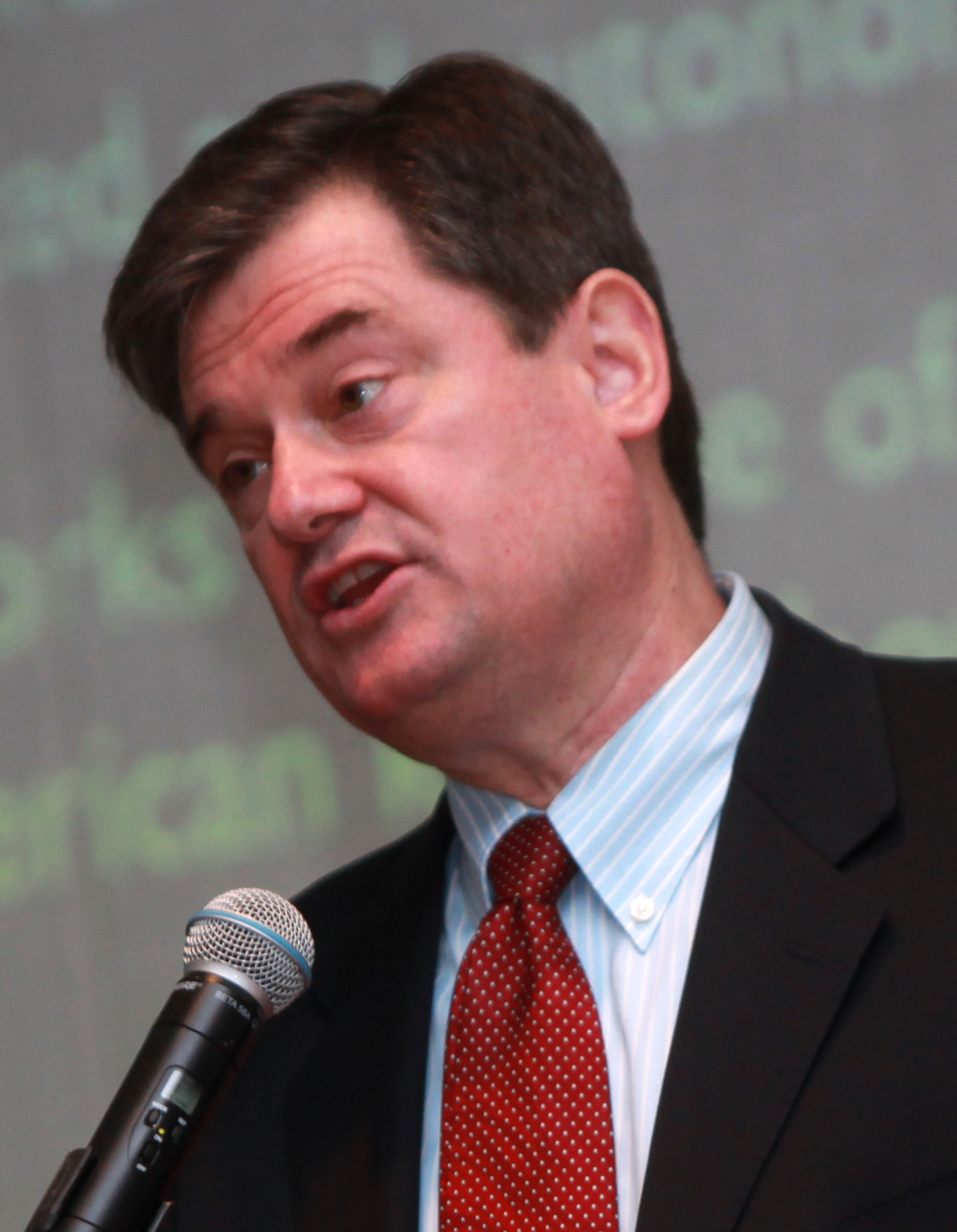
David Jolly is a former U.S. representative from Florida, attorney, and political commentator. He is the Democratic nominee for governor of Florida in 2026.
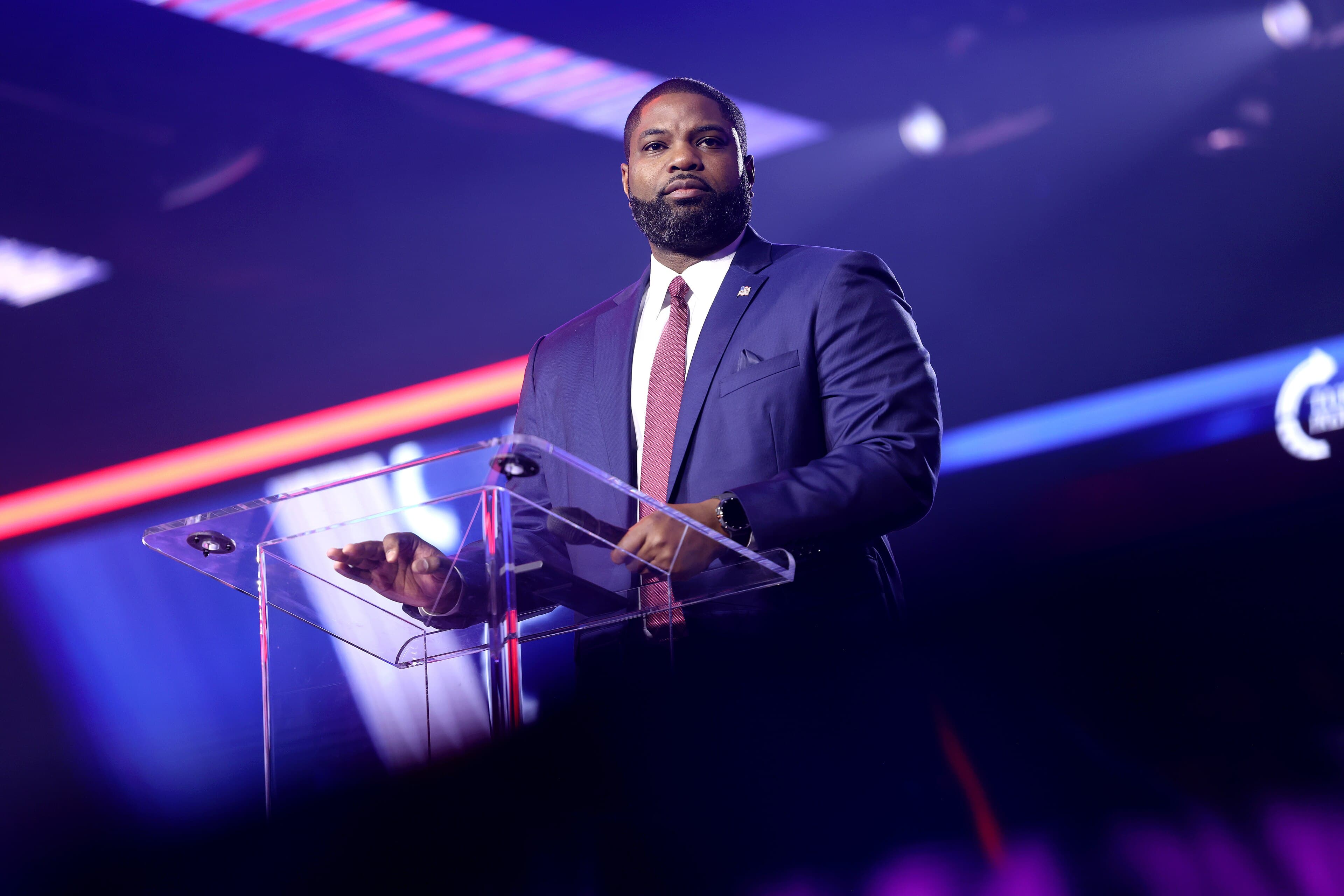
Byron Donalds is a Republican politician in Florida and a candidate for governor. He represents Florida's 19th Congressional District in the U.S. House. Before entering Congress, he held office in the Florida House and worked in banking and finance.
Kathy Hochul is the Democratic governor of New York and the first woman to hold the office. She became governor in August 2021 after holding office as lieutenant governor. Hochul previously represented New York's 26th Congressional District in the U.S. House, was Erie County clerk, and held local office on the Hamburg Town Board. A lawyer, she has worked in local, state and federal government. She graduated from Syracuse University in 1980 and earned her law degree from the Catholic University of America.
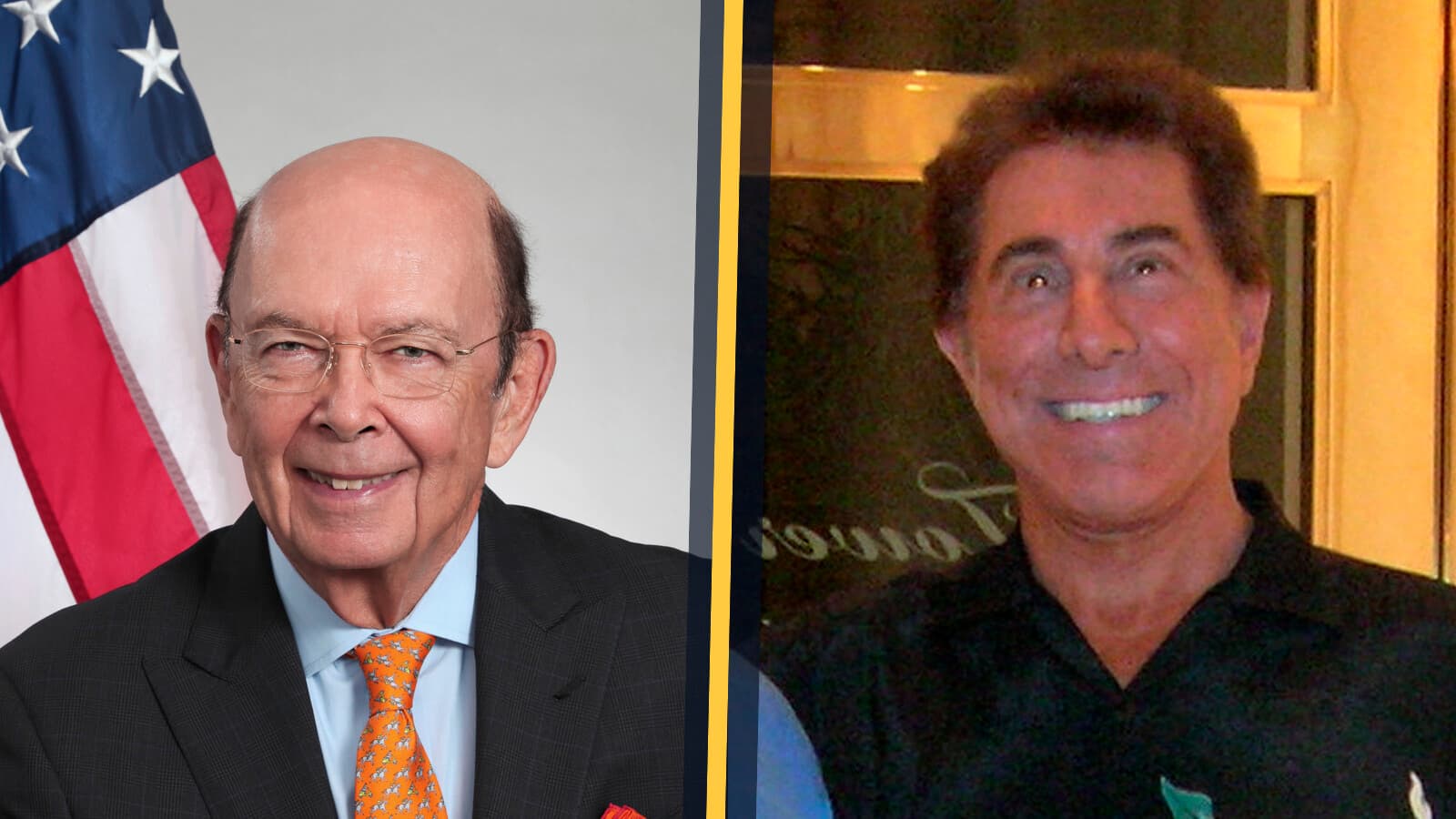
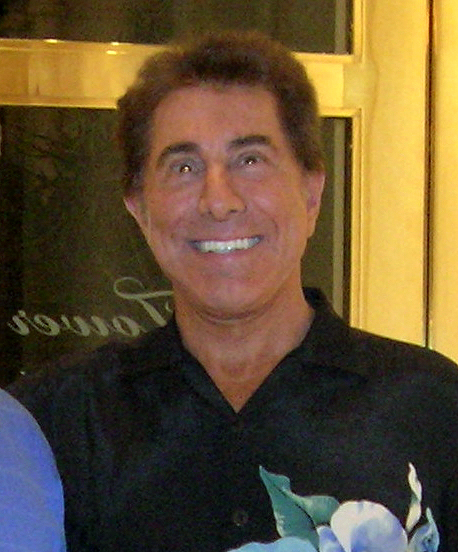
Steve Wynn is an American casino and hotel developer, art collector and philanthropist. He founded Mirage Resorts and Wynn Resorts and developed properties including the Mirage, Bellagio and Wynn Las Vegas.
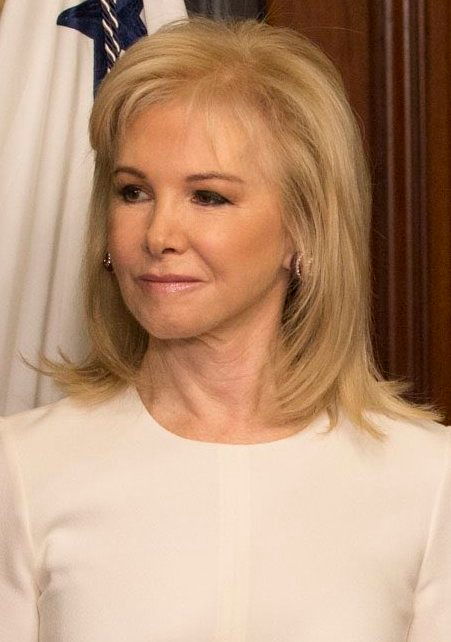
Hilary Geary Ross is an American author, society columnist and philanthropist. She wrote the text for New York, New York and Palm Beach People, books featuring photographs by Harry Benson.
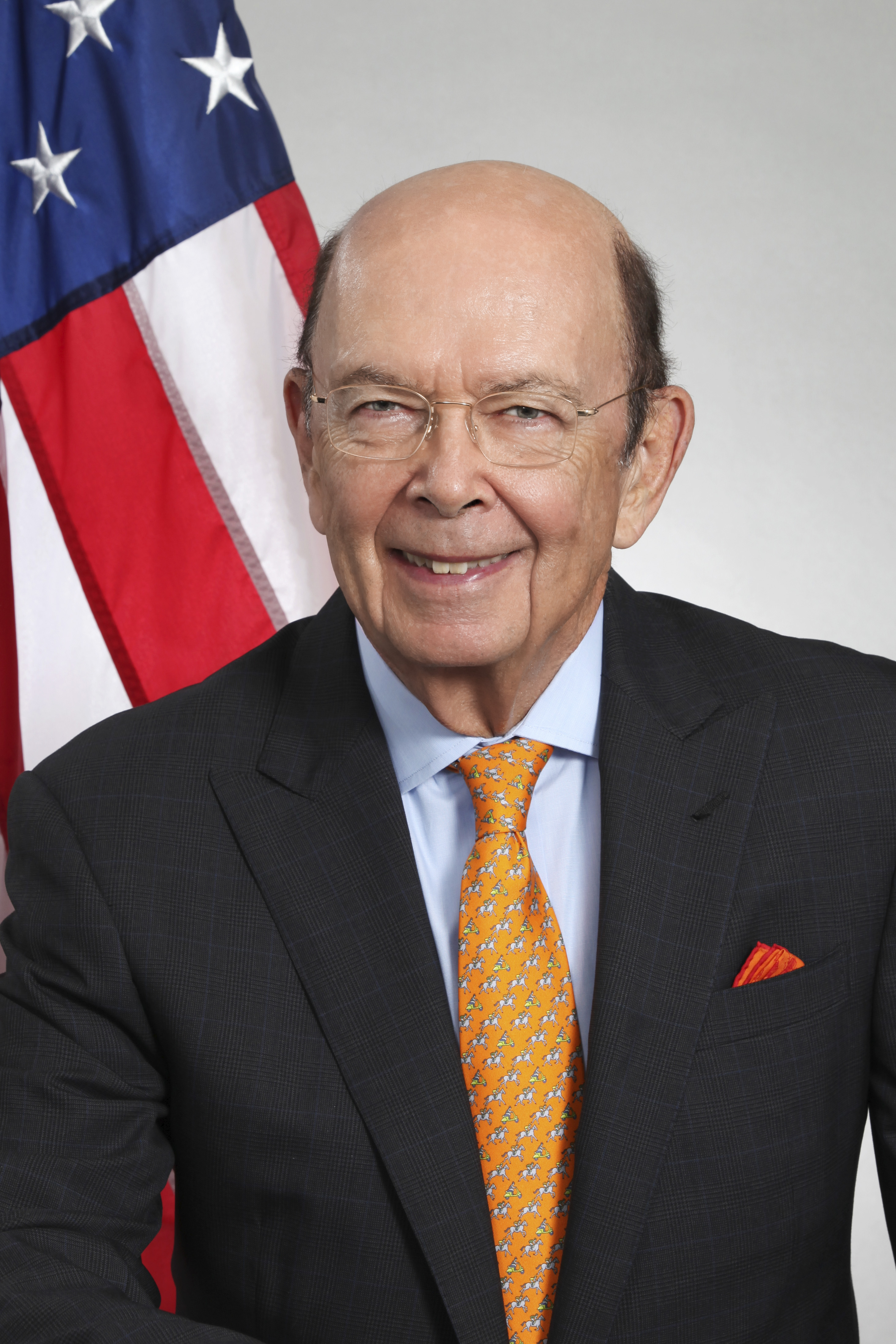
Wilbur Ross is an American investor and businessman who served as U.S. commerce secretary from 2017 to 2021. He founded WL Ross & Co., an investment firm focused on restructuring businesses.
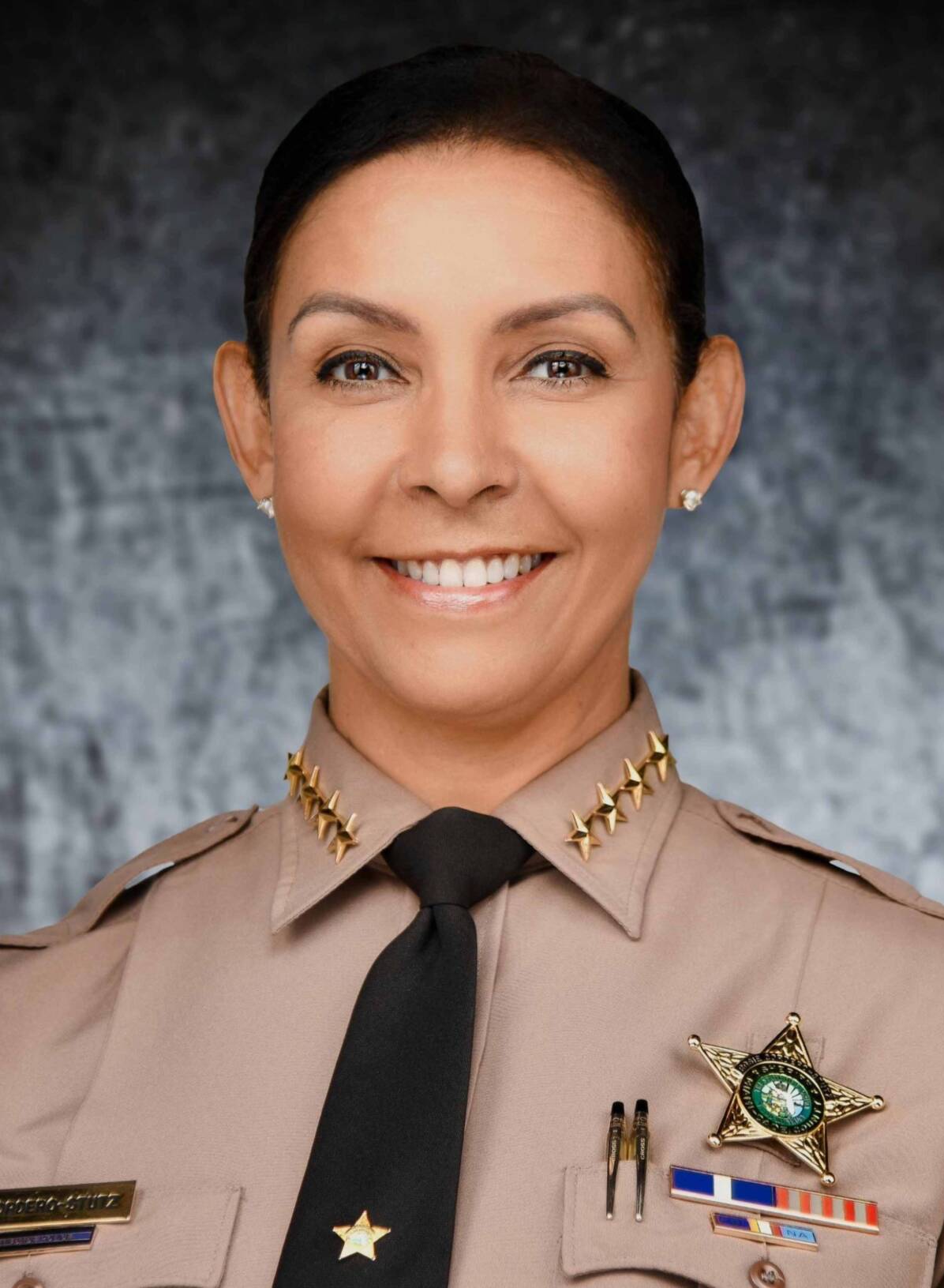
Rosie Cordero-Stutz is the sheriff of Miami-Dade County, Florida. She joined the Miami-Dade Police Department in 1996 and rose to assistant director of investigative services before her election in November 2024 as the county's first elected sheriff in nearly 60 years. She took office in January 2025, and the department became the Miami-Dade Sheriff's Office under her leadership.
David Morales is a Democratic member of the Rhode Island House of Representatives for District 7 in Providence. First elected in 2020, he represents the Mount Pleasant, Valley and Elmhurst neighborhoods. He earned a bachelor's degree in urban studies at the University of California, Irvine, and a master's degree in public affairs at Brown University. He is director of community programs at the Woonasquatucket River Watershed Council.
Brett Smiley is the mayor of Providence, Rhode Island. He previously served as Rhode Island's director of administration, chief of staff to Governor Gina Raimondo and Providence's chief operating officer.
J. Marc Wheat is general counsel at Advancing American Freedom. He previously worked as counsel to the House Energy and Commerce Committee and as staff director and chief counsel to the House Subcommittee on Criminal Justice, Drug Policy and Human Resources. He holds a bachelor's degree in Spanish from the University of Illinois at Urbana-Champaign and a law degree from Scalia Law School.
Michelle Tandler is an American writer and podcaster who publishes Notes from the Front. A former startup executive and venture investor, she interviews public figures and comments on urban policy, housing, and politics.