
Supreme Court rules due process does not require a preliminary hearing before a seized car is held for forfeiture
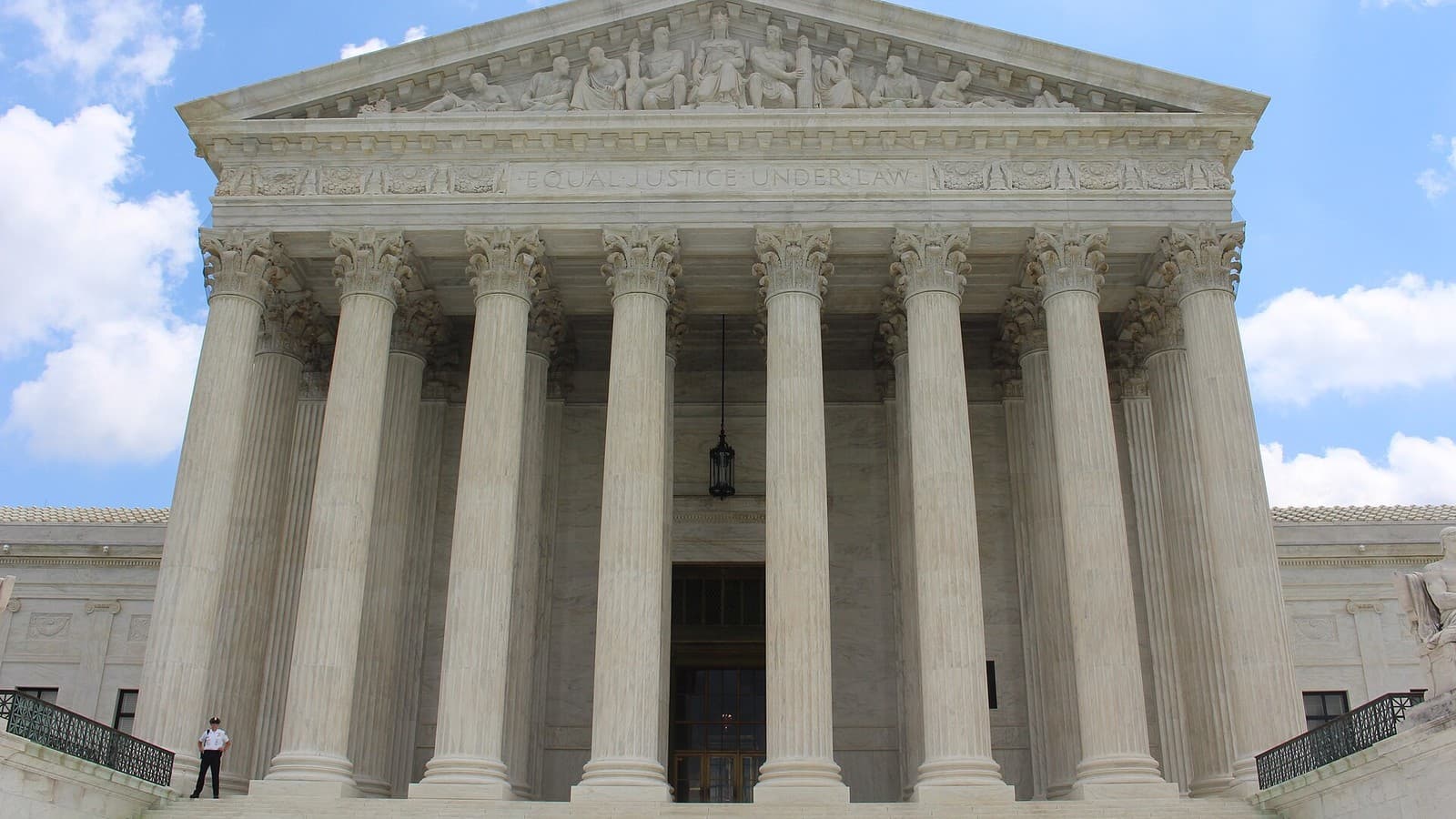
In Culley v. Marshall, decided May 9, 2024, the Supreme Court ruled 6-3 that due process requires a timely forfeiture hearing but no separate preliminary hearing on keeping a seized car. Alabama defended its process. Three justices dissented.
Case period:
Published by The Dispute Index editorial teamPublished Updated
Overview
In 2019, Alabama police seized cars owned by Halima Culley and Lena Sutton after arresting the people driving them on drug charges, and the state sought civil forfeiture. Both women later won their cars back as innocent owners, after about 20 and 15 months. They argued in federal court that due process required a prompt preliminary hearing on whether officials could keep the cars in the meantime. Alabama argued that a timely forfeiture hearing was enough. On May 9, 2024, the Supreme Court sided with Alabama, 6-3.
Read the full background
In February 2019, police in Satsuma and Leesburg, Alabama, stopped two cars, arrested the drivers on drug charges and seized the cars incident to the arrests. Halima Culley had lent her car to her son, and Lena Sutton had lent hers to a friend. Alabama filed civil forfeiture complaints against the cars within 10 and 13 days. Both owners later won summary judgment as innocent owners and got their cars back: Sutton in May 2020 and Culley in October 2020, about 20 months after her car was taken (Supreme Court opinion (opens in a new tab)).
Alabama law at the time let officers seize a car incident to an arrest if the state promptly started a forfeiture case. Before the forfeiture hearing, an owner could recover the car by posting a bond worth double its value, and at the hearing could win it back by proving lack of knowledge of the crime. Alabama amended the law effective January 1, 2022 to let a person claiming to be an innocent owner request an expedited hearing at any time after a seizure and before any conviction in a related criminal case. The Court said that change did not end this case because the owners also sought money damages from the two towns.
Culley and Sutton filed proposed class actions in federal court. Their brief (opens in a new tab) argued that the balancing test of Mathews v. Eldridge applies, and that due process required a prompt retention hearing on whether officials could keep the cars while the forfeiture cases were pending. Alabama, represented by Attorney General Steve Marshall's office, argued (opens in a new tab) that a timely forfeiture proceeding provides all the process due. The federal government, which brings its own forfeiture cases, supported Alabama (opens in a new tab).
On May 9, 2024, the Supreme Court affirmed the dismissal of the owners' claims, 6-3. Justice Brett Kavanaugh, joined by Chief Justice John Roberts and Justices Clarence Thomas, Samuel Alito, Neil Gorsuch and Amy Coney Barrett, wrote that earlier forfeiture decisions already required a timely forfeiture hearing and did not require a separate preliminary hearing. An owner who thinks a hearing is too slow can still challenge its timing under the four-factor test of United States v. $8,850. The owners did not challenge the timeliness of their forfeiture hearings, and the majority noted how long each took to raise an innocent-owner defense in state court.
Justice Gorsuch, joined by Justice Thomas, joined the decision but wrote separately to raise broader questions about whether modern civil forfeiture practices, including law enforcement's financial stake in what it seizes, fit the Constitution's due process guarantee. Justice Sonia Sotomayor, joined by Justices Elena Kagan and Ketanji Brown Jackson, dissented. She would have decided only which due process test governs a request for a retention hearing and left lower courts to apply it.
This case tracks Alabama's practice, defended by Attorney General Steve Marshall, of holding seized cars until the civil forfeiture hearing without a separate preliminary hearing, which the owners argued the Due Process Clause requires. The ruling decided the federal constitutional question. As the majority noted, some states, including Alabama, have required such hearings by statute in recent decades.
People in this case
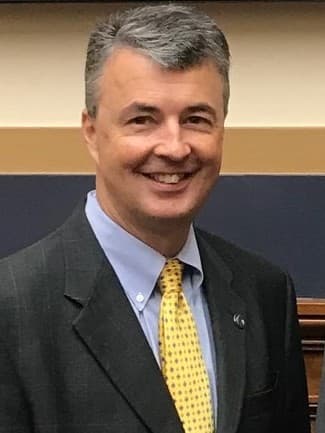 Steve MarshallDirectly involved
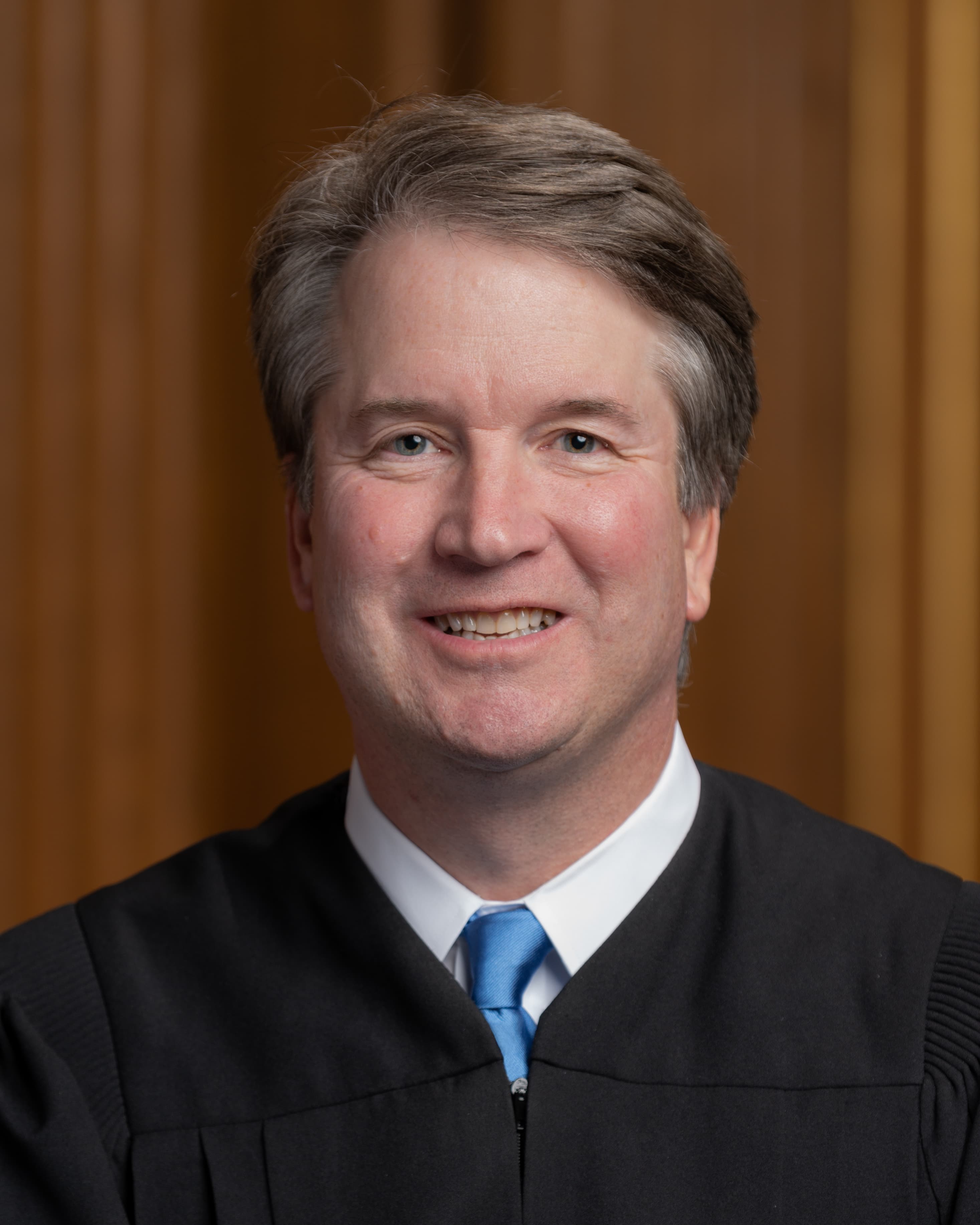 Brett KavanaughDirectly involved
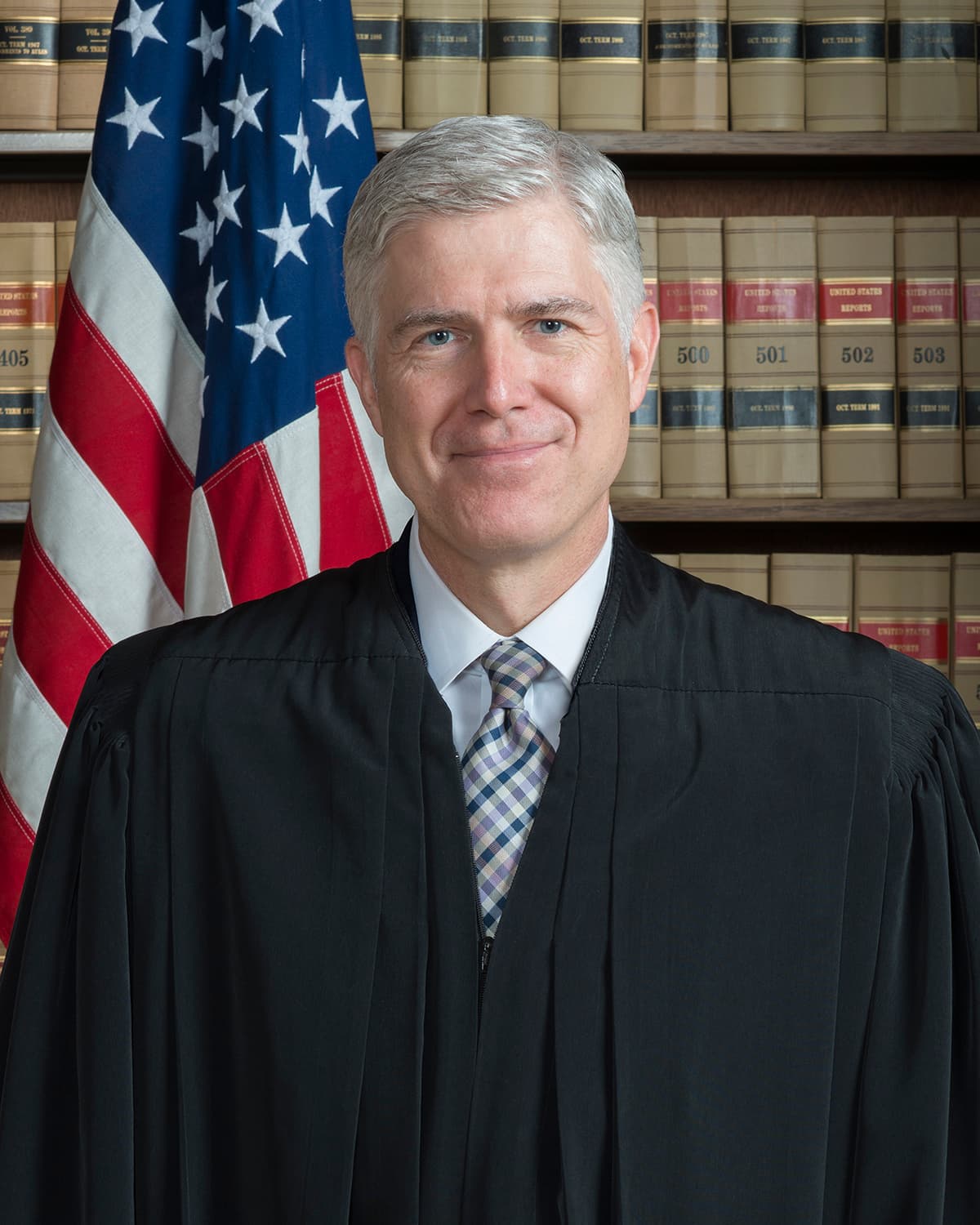 Neil GorsuchDirectly involved
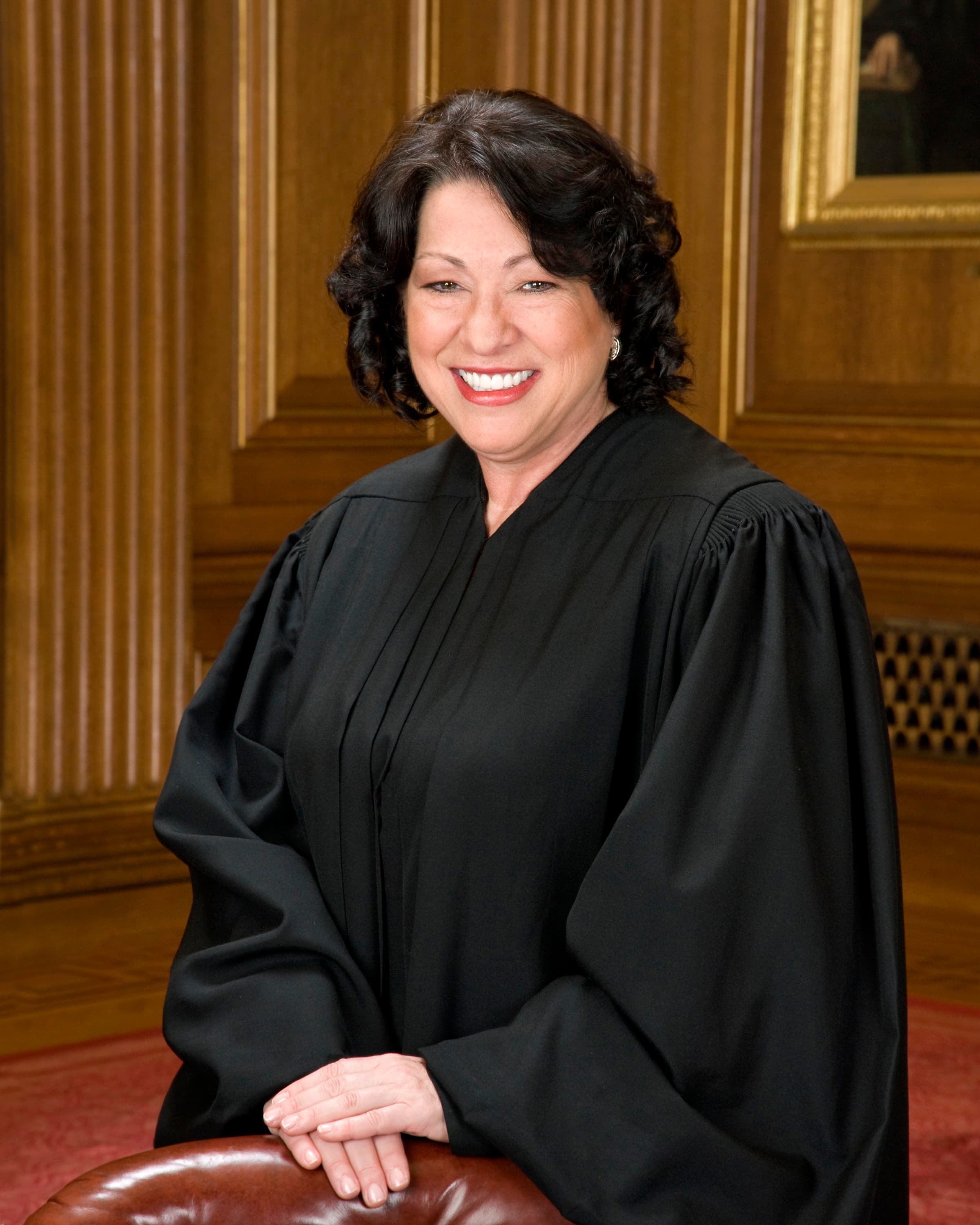 Sonia SotomayorDirectly involved
Timeline
7 timeline entries on this page. Dates: February 17, 2019 to May 9, 2024
February 2019
Alabama police seize two cars after drug arrests
Incident
Police in Satsuma stop Halima Culley's car, driven by her son, and seize it after arresting him on a marijuana charge. On February 21, police in Leesburg seize Lena Sutton's car after arresting the friend driving it.
[01]Supreme Court of the United States
The Court held 6-3 that, after a state seizes personal property and seeks its civil forfeiture, due process requires a timely forfeiture hearing but not a separate preliminary hearing. Justice Gorsuch, joined by Justice Thomas, concurred while raising broader questions about civil forfeiture. Justice Sotomayor, joined by Justices Kagan and Jackson, dissented.
Culley v. Marshall, No. 22-585: Supreme Court opinion, concurrence and dissent (May 9, 2024) · Supreme Court of the United StatesMajority opinion by Justice Kavanaugh (slip opinion pages 1-14); concurrence by Justice Gorsuch, joined by Justice Thomas; dissent by Justice Sotomayor, joined by Justices Kagan and Jackson.
October 2020
Both owners recover their cars
An Alabama court orders Culley's car returned after she wins summary judgment as an innocent owner, about 20 months after the seizure. Sutton had recovered her car the same way in May 2020.
[01]Supreme Court of the United States
The Court held 6-3 that, after a state seizes personal property and seeks its civil forfeiture, due process requires a timely forfeiture hearing but not a separate preliminary hearing. Justice Gorsuch, joined by Justice Thomas, concurred while raising broader questions about civil forfeiture. Justice Sotomayor, joined by Justices Kagan and Jackson, dissented.
Culley v. Marshall, No. 22-585: Supreme Court opinion, concurrence and dissent (May 9, 2024) · Supreme Court of the United StatesMajority opinion by Justice Kavanaugh (slip opinion pages 1-14); concurrence by Justice Gorsuch, joined by Justice Thomas; dissent by Justice Sotomayor, joined by Justices Kagan and Jackson.
July 2022
Appeals court affirms dismissal of the owners' claims
The Eleventh Circuit agrees with two federal district courts that a timely forfeiture hearing satisfies due process and that no separate preliminary hearing is required.
[01]Supreme Court of the United States
The Court held 6-3 that, after a state seizes personal property and seeks its civil forfeiture, due process requires a timely forfeiture hearing but not a separate preliminary hearing. Justice Gorsuch, joined by Justice Thomas, concurred while raising broader questions about civil forfeiture. Justice Sotomayor, joined by Justices Kagan and Jackson, dissented.
Culley v. Marshall, No. 22-585: Supreme Court opinion, concurrence and dissent (May 9, 2024) · Supreme Court of the United StatesMajority opinion by Justice Kavanaugh (slip opinion pages 1-14); concurrence by Justice Gorsuch, joined by Justice Thomas; dissent by Justice Sotomayor, joined by Justices Kagan and Jackson.
April 2023
Supreme Court agrees to hear the case
The Supreme Court grants the owners' petition for review.
[02]Supreme Court of the United States
The official docket lists the parties' briefs, the amicus briefs on both sides, the October 30, 2023 argument and the May 9, 2024 judgment affirming the Eleventh Circuit.
Culley v. Marshall: Supreme Court docket No. 22-585 · Supreme Court of the United StatesProceedings and Orders: petition granted April 17, 2023; argued October 30, 2023; judgment affirmed May 9, 2024.
June 2023
Owners and Alabama file their main briefs
The owners argue that the Mathews v. Eldridge balancing test applies and requires a retention hearing. Alabama responds on August 14, 2023 that a timely forfeiture proceeding is enough, and the federal government supports Alabama on August 21.
[03]Brief for petitioners Halima Tariffa Culley and Lena Sutton, No. 22-585 (June 22, 2023)
The car owners argued that the balancing test of Mathews v. Eldridge decides whether due process requires a retention hearing during a civil forfeiture case, and that Alabama officials violated their rights by holding their cars without one.
Brief for petitioners Halima Tariffa Culley and Lena Sutton, No. 22-585 (June 22, 2023)Question presented; Summary of argument.[04]Brief for the state respondents, Alabama Attorney General Steve Marshall et al., No. 22-585 (August 14, 2023)
Alabama argued that a timely forfeiture proceeding provides all the process due, and that an interim retention hearing could jeopardize the government's interest in the property and ongoing criminal investigations.
Brief for the state respondents, Alabama Attorney General Steve Marshall et al., No. 22-585 (August 14, 2023)Summary of argument, Part I.A.[05]United States Department of Justice
The federal government, which brings its own civil forfeiture cases, supported Alabama. It argued that claimants have no separate due process right to a retention hearing and that timely forfeiture proceedings protect their interests.
Brief for the United States as amicus curiae supporting respondents, Culley v. Marshall, No. 22-585 (August 21, 2023) · United States Department of JusticeInterest of the United States; Summary of argument.
October 2023
Supreme Court hears argument
Shay Dvoretzky argues for the owners. Alabama Solicitor General Edmund LaCour Jr. argues for the state, and Nicole F. Reaves of the Solicitor General's office argues for the United States in support of Alabama.
[02]Supreme Court of the United States
The official docket lists the parties' briefs, the amicus briefs on both sides, the October 30, 2023 argument and the May 9, 2024 judgment affirming the Eleventh Circuit.
Culley v. Marshall: Supreme Court docket No. 22-585 · Supreme Court of the United StatesProceedings and Orders: petition granted April 17, 2023; argued October 30, 2023; judgment affirmed May 9, 2024.
May 2024
Supreme Court rules for Alabama, 6-3
The Court holds that due process requires a timely forfeiture hearing but not a separate preliminary hearing. Justice Gorsuch concurs and Justice Sotomayor dissents.
[01]Supreme Court of the United States
The Court held 6-3 that, after a state seizes personal property and seeks its civil forfeiture, due process requires a timely forfeiture hearing but not a separate preliminary hearing. Justice Gorsuch, joined by Justice Thomas, concurred while raising broader questions about civil forfeiture. Justice Sotomayor, joined by Justices Kagan and Jackson, dissented.
Culley v. Marshall, No. 22-585: Supreme Court opinion, concurrence and dissent (May 9, 2024) · Supreme Court of the United StatesMajority opinion by Justice Kavanaugh (slip opinion pages 1-14); concurrence by Justice Gorsuch, joined by Justice Thomas; dissent by Justice Sotomayor, joined by Justices Kagan and Jackson.[02]Supreme Court of the United States
The official docket lists the parties' briefs, the amicus briefs on both sides, the October 30, 2023 argument and the May 9, 2024 judgment affirming the Eleventh Circuit.
Culley v. Marshall: Supreme Court docket No. 22-585 · Supreme Court of the United StatesProceedings and Orders: petition granted April 17, 2023; argued October 30, 2023; judgment affirmed May 9, 2024.
Claims
Claims separate what was said from what is contested. Follow each source for the original wording and context.
What's disputed
Disputed claim
When a government seizes personal property for civil forfeiture, a timely forfeiture proceeding provides all the process the Constitution requires, so owners have no right to a separate interim retention hearing.
Sources (1)
- Brief for the state respondents, Alabama Attorney General Steve Marshall et al., No. 22-585 (August 14, 2023)Summary of argument, Part I.A.
Response record
Responses
Choose one response filter, or select All responses to see the full record.
7 responses. First 6 shown initially. Newest first.
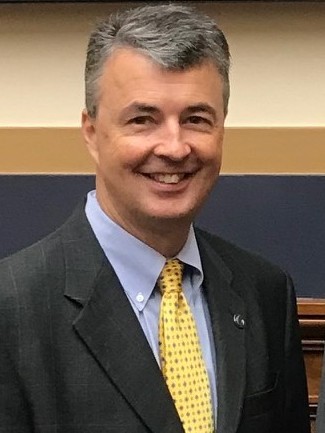 Steve MarshallAttorney general of Alabama, in a news release from his officeDirectly involved
Before this statement
The release says Marshall applauded the 6-3 opinion and that Alabama Solicitor General Edmund LaCour argued the case.
"The U.S. Supreme Court affirmed our previous victories in these cases. Law enforcement officers across Alabama work hard every day to keep their fellow citizens safe while respecting their constitutional rights. And the Court confirmed that those rights were respected"
Defended or excusedCase context: Supreme Court rules due process does not require a preliminary hearing before a seized car is held for forfeiture
Full statement and sources
After the ruling, Marshall said the Court had affirmed Alabama's earlier wins and confirmed that law enforcement respected the owners' constitutional rights.
After the statement
The release says the owners had access to the courts within days and that a seized car is returned if the owner is found innocent at a hearing.
Alabama Attorney General news release: Attorney General Marshall wins U.S. Supreme Court case (May 10, 2024)Second paragraph, statement of Attorney General Steve Marshall.Why this label?
The reference point is Alabama's practice, defended by Attorney General Steve Marshall, of holding seized cars until the civil forfeiture hearing without a separate preliminary hearing, which the owners argued the Due Process Clause requires. Label: Defended or excused. Marshall welcomes the ruling and says the process respected the owners' rights. The closest competing label is Minimized; it loses because he does not acknowledge a concern and then downplay it: he says the rights were respected.
This label describes the statement's response within the context above.
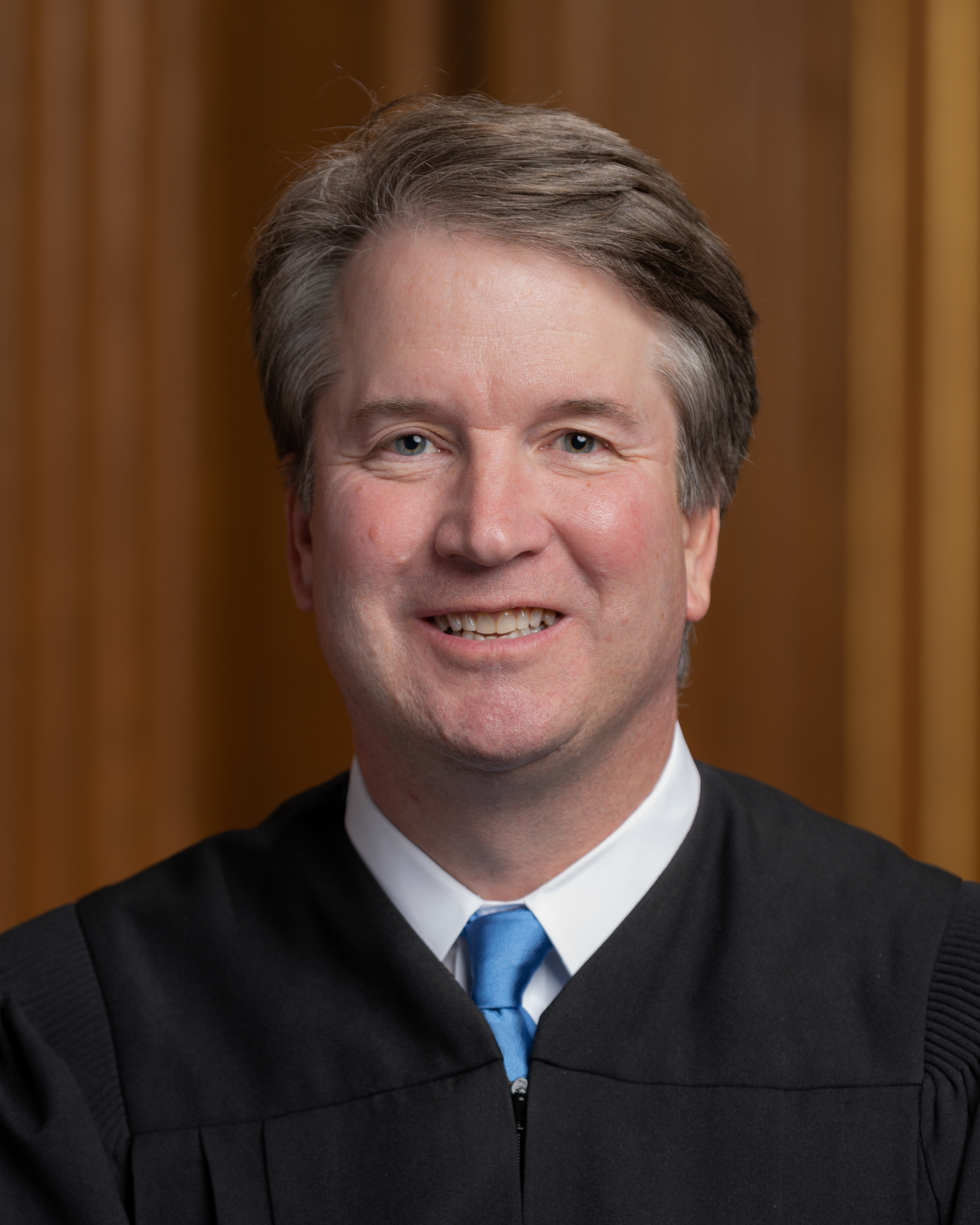 Brett KavanaughAssociate justice of the Supreme Court, writing for the six-justice majorityDirectly involved
Before this statement
The opinion frames the question as whether the Constitution requires a separate preliminary hearing to decide whether police may keep a car until the forfeiture hearing.
"After a State seizes and seeks civil forfeiture of personal property, due process requires a timely forfeiture hearing but does not require a separate preliminary hearing."
Defended or excusedCase context: Supreme Court rules due process does not require a preliminary hearing before a seized car is held for forfeiture
Full statement and sources
Writing for the Court, Kavanaugh held that after a state seizes personal property and seeks its forfeiture, due process requires a timely forfeiture hearing but not a separate preliminary hearing.
After the statement
Kavanaugh relies on United States v. $8,850 and United States v. Von Neumann, adds that historical practice supports the result, and notes that owners can still challenge a hearing's timeliness.
Culley v. Marshall, No. 22-585: Supreme Court opinion, concurrence and dissent (May 9, 2024) · Supreme Court of the United StatesMajority opinion by Justice Kavanaugh (slip opinion pages 1-14); concurrence by Justice Gorsuch, joined by Justice Thomas; dissent by Justice Sotomayor, joined by Justices Kagan and Jackson.Why this label?
The reference point is Alabama's practice, defended by Attorney General Steve Marshall, of holding seized cars until the civil forfeiture hearing without a separate preliminary hearing, which the owners argued the Due Process Clause requires. Label: Defended or excused. The majority opinion holds that this practice satisfies due process, because a timely forfeiture hearing is all the Constitution requires. The closest competing label is Mixed or conditional; it loses because the opinion attaches no condition to that holding beyond the existing requirement that the forfeiture hearing be timely.
This label describes the statement's response within the context above.
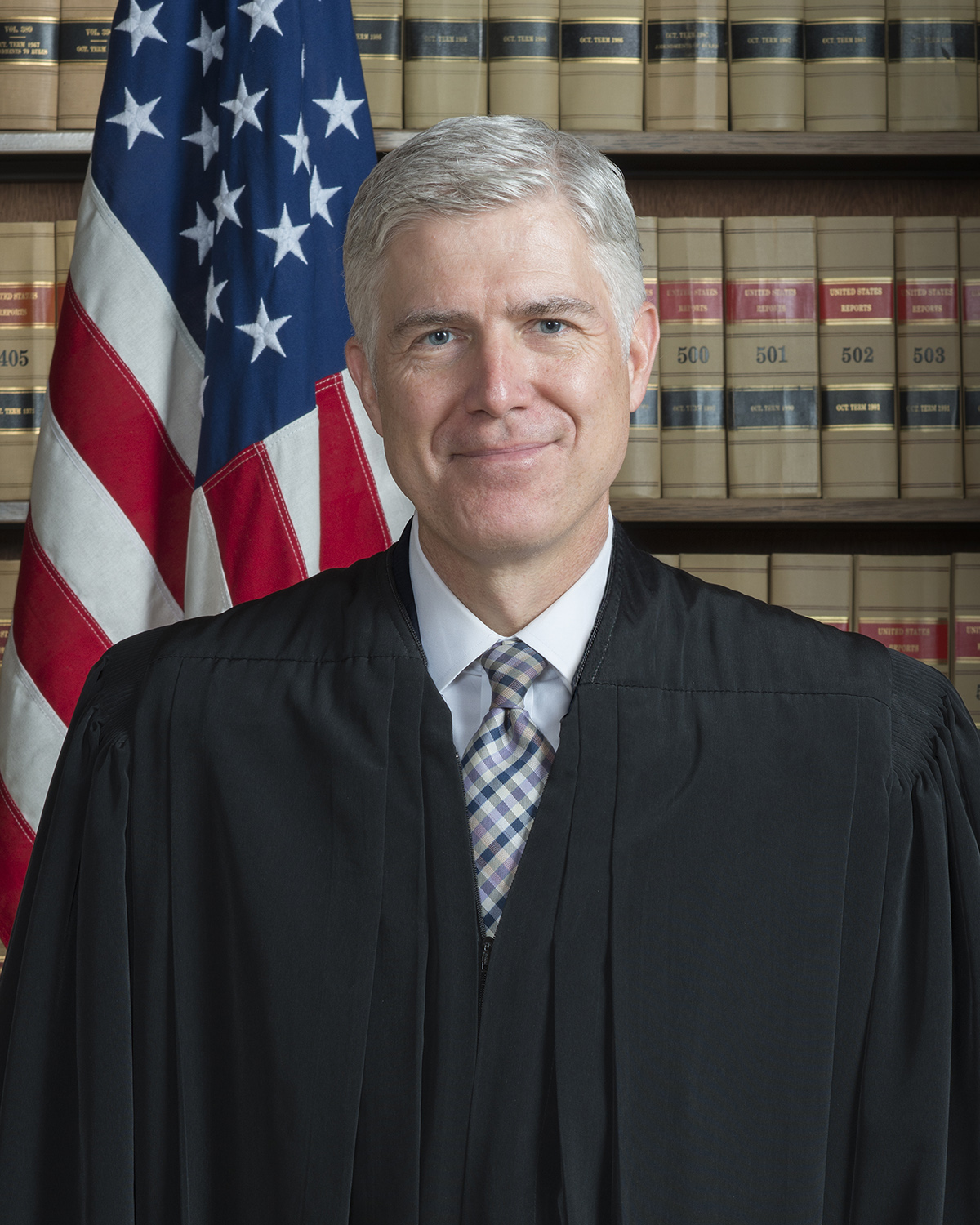 Neil GorsuchAssociate justice of the Supreme Court, concurring, joined by Justice Clarence ThomasDirectly involved
Before this statement
These are the opening lines of Gorsuch's separate opinion. Between the two quoted passages, he agrees that no authority presented to the Court shows the prompt hearing must take the form the owners proposed, and that Mathews v. Eldridge does not require it.
"I agree with the Court that, at a minimum, the Due Process Clause requires a prompt hearing in civil forfeiture cases. ... But if all that leads me to join today’s decision, I also agree with the dissent that this case leaves many larger questions unresolved about whether, and to what extent, contemporary civil forfeiture practices can be squared with the Constitution’s promise of due process."
Mixed or conditionalCase context: Supreme Court rules due process does not require a preliminary hearing before a seized car is held for forfeiture
Full statement and sources
Gorsuch joined the majority's holding but agreed with the dissent that the case leaves unresolved whether modern civil forfeiture practices can be squared with due process.
After the statement
He describes Culley's 20-month wait to recover her car, discusses law enforcement's financial reliance on forfeiture revenue, and invites future cases that test these practices.
Culley v. Marshall, No. 22-585: Supreme Court opinion, concurrence and dissent (May 9, 2024) · Supreme Court of the United StatesMajority opinion by Justice Kavanaugh (slip opinion pages 1-14); concurrence by Justice Gorsuch, joined by Justice Thomas; dissent by Justice Sotomayor, joined by Justices Kagan and Jackson.Why this label?
The reference point is Alabama's practice, defended by Attorney General Steve Marshall, of holding seized cars until the civil forfeiture hearing without a separate preliminary hearing, which the owners argued the Due Process Clause requires. Label: Mixed or conditional. Gorsuch joins the holding that the owners had no right to a separate preliminary hearing, while saying the case leaves open whether contemporary forfeiture practices fit the Constitution. The closest competing label is Defended or excused; it loses because his opinion questions the broader practices instead of endorsing them, and he writes separately to raise those doubts.
This label describes the statement's response within the context above.
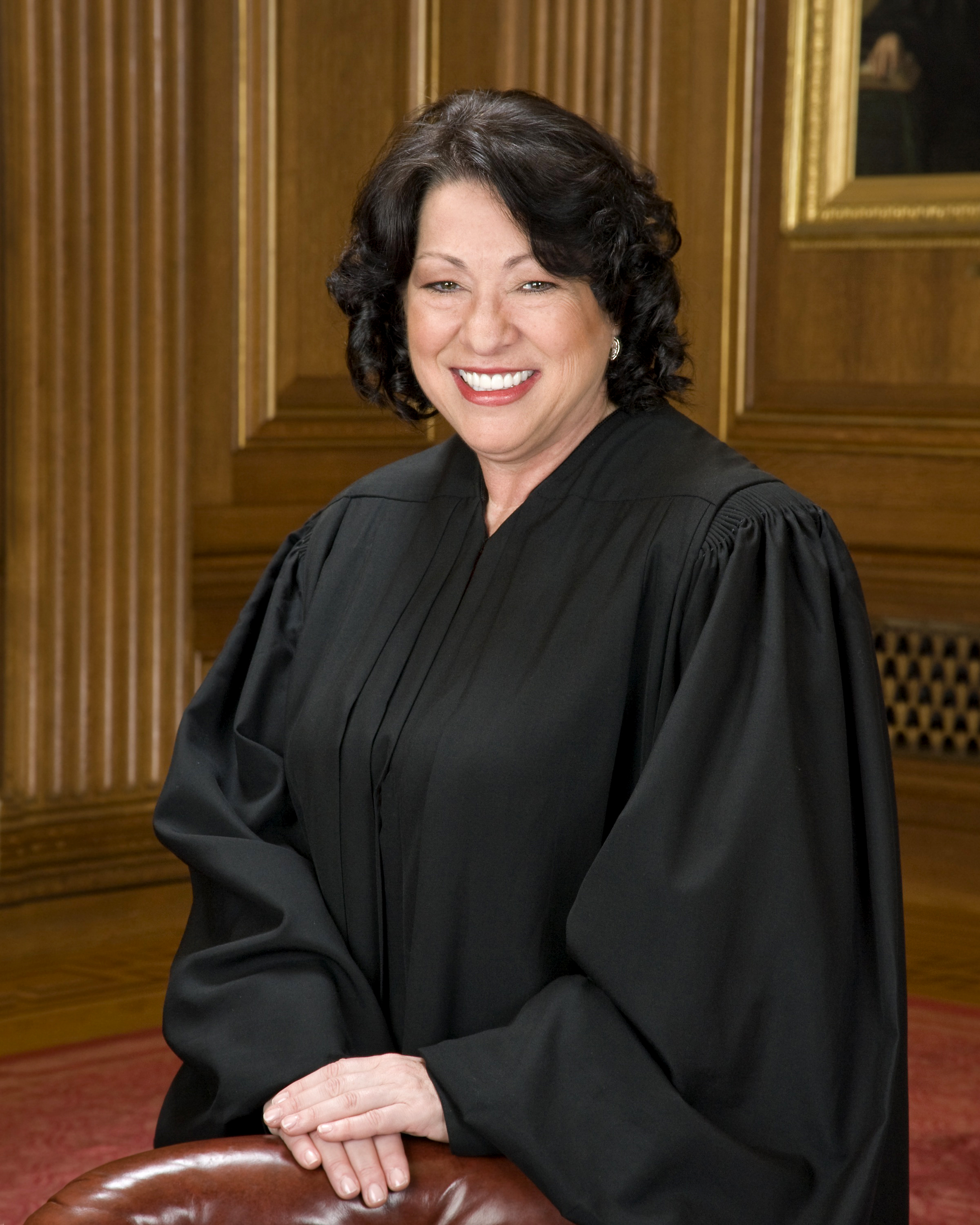 Sonia SotomayorAssociate justice of the Supreme Court, dissenting, joined by Justices Elena Kagan and Ketanji Brown JacksonDirectly involved
Before this statement
Sotomayor describes the owners' argument that, when officers have a financial incentive to keep a car and the owner claims innocence, a retention hearing at least checks for probable cause.
"Today, the Court holds that the Due Process Clause never requires that minimal safeguard. In doing so, it sweeps far more broadly than the narrow question presented and hamstrings lower courts from addressing myriad abuses of the civil forfeiture system."
CondemnedCase context: Supreme Court rules due process does not require a preliminary hearing before a seized car is held for forfeiture
Full statement and sources
Sotomayor wrote that the Court held due process never requires a retention hearing and that the ruling limits lower courts' ability to address abuses of civil forfeiture.
After the statement
She says she would have decided only which due process test governs and left lower courts to apply it to different forfeiture schemes.
Culley v. Marshall, No. 22-585: Supreme Court opinion, concurrence and dissent (May 9, 2024) · Supreme Court of the United StatesMajority opinion by Justice Kavanaugh (slip opinion pages 1-14); concurrence by Justice Gorsuch, joined by Justice Thomas; dissent by Justice Sotomayor, joined by Justices Kagan and Jackson.Why this label?
The reference point is Alabama's practice, defended by Attorney General Steve Marshall, of holding seized cars until the civil forfeiture hearing without a separate preliminary hearing, which the owners argued the Due Process Clause requires. Label: Condemned. Sotomayor criticizes the holding that due process never requires a retention hearing, calling such a hearing a minimal safeguard against abuse. The closest competing label is Mixed or conditional; it loses because her plan to let lower courts apply the governing test concerns how to apply it in each forfeiture scheme, not whether she accepts the categorical no-hearing rule.
This label describes the statement's response within the context above.
 Institute for JusticePublic interest law firm that filed an amicus brief supporting the owners, in a statement by senior attorney Dan Alban
Before this statement
The release summarizes the ruling and notes that IJ filed an amicus brief on behalf of two of its clients. IJ attorney Kirby Thomas West called the decision a big loss for private property rights.
"The Court’s decision that government can hold property without any process before the ultimate forfeiture hearing is deeply disappointing given the reality that years can pass by before such a hearing ever occurs. The right to private property means very little if the government can seize it and hold it indefinitely based on untested claims of probable cause"
CondemnedCase context: Supreme Court rules due process does not require a preliminary hearing before a seized car is held for forfeiture
Full statement and sources
The Institute for Justice said the ruling lets government hold property without process before a forfeiture hearing that can take years.
After the statement
Alban said an actual prompt hearing would help keep innocent owners from losing the use of their cars for long periods. IJ said it would bring further cases in response to Justice Gorsuch's concurrence.
Institute for Justice attorneys comment on today's civil forfeiture decision in Culley v. Marshall (May 9, 2024) · Institute for JusticeStatements of IJ attorneys Kirby Thomas West (second paragraph) and Dan Alban (fourth paragraph).Why this label?
The reference point is Alabama's practice, defended by Attorney General Steve Marshall, of holding seized cars until the civil forfeiture hearing without a separate preliminary hearing, which the owners argued the Due Process Clause requires. Label: Condemned. IJ criticizes holding property without any early hearing and says property rights mean little if the government can keep property indefinitely on untested claims. The closest competing label is Mixed or conditional; it loses because the statement contains no qualification of that criticism.
This label describes the statement's response within the context above.
 United States Department of JusticeUnited States government, represented by Solicitor General Elizabeth B. Prelogar, in an amicus brief supporting Alabama
Before this statement
The brief says the United States has a direct interest because it conducts its own forfeiture proceedings against seized property.
"The court of appeals correctly recognized that petitioners have no due-process right to seek a standalone “retention hearing” when the government has seized property for civil forfeiture."
Defended or excusedCase context: Supreme Court rules due process does not require a preliminary hearing before a seized car is held for forfeiture
Full statement and sources
The United States, in a brief supporting Alabama, argued that owners have no due process right to a standalone retention hearing when property is seized for civil forfeiture.
After the statement
It argues that timely forfeiture proceedings protect a claimant's interests and that applying Mathews v. Eldridge would not change that result.
Brief for the United States as amicus curiae supporting respondents, Culley v. Marshall, No. 22-585 (August 21, 2023) · United States Department of JusticeInterest of the United States; Summary of argument.Why this label?
The reference point is Alabama's practice, defended by Attorney General Steve Marshall, of holding seized cars until the civil forfeiture hearing without a separate preliminary hearing, which the owners argued the Due Process Clause requires. Label: Defended or excused. The federal brief supports Alabama and argues that the lower court correctly rejected a right to a retention hearing. The closest competing label is Mixed or conditional; it loses because the brief's only condition is the existing requirement that forfeiture proceedings be timely.
This label describes the statement's response within the context above.
Show fewer responses
- Steve MarshallAttorney general of Alabama, in the state respondents' Supreme Court brief filed by his officeDirectly involved
Before this statement
The brief opens its summary of argument by addressing the owners' request for an interim retention hearing.
"When a government seizes personal property for civil forfeiture, a timely judicial forfeiture proceeding provides all the process that is due."
Defended or excusedResponding to: When a government seizes personal property for civil forfeiture, a timely forfeiture proceeding provides all the process the Constitution requires, so owners have no right to a separate interim retention hearing.
Full statement and sources
Alabama's brief, filed by Marshall's office, argued that a timely forfeiture proceeding fully protects owners, so no interim retention hearing is needed.
After the statement
It argues that keeping property during the case protects it from removal or destruction, and that a full adversarial hearing could compromise criminal investigations.
Brief for the state respondents, Alabama Attorney General Steve Marshall et al., No. 22-585 (August 14, 2023)Summary of argument, Part I.A.Why this label?
The reference point is Alabama's practice, defended by Attorney General Steve Marshall, of holding seized cars until the civil forfeiture hearing without a separate preliminary hearing, which the owners argued the Due Process Clause requires. Label: Defended or excused. The state's brief argues directly that its process satisfied due process without a retention hearing. The closest competing label is Challenged characterization; it loses because the brief defends the practice on the merits rather than only disputing how the owners describe it.
This label describes the statement's response within the context above.
Sources
(7)
Original text
Culley v. Marshall, No. 22-585: Supreme Court opinion, concurrence and dissent (May 9, 2024)
Relevant passage: Majority opinion by Justice Kavanaugh (slip opinion pages 1-14); concurrence by Justice Gorsuch, joined by Justice Thomas; dissent by Justice Sotomayor, joined by Justices Kagan and Jackson.
About this source
The Court held 6-3 that, after a state seizes personal property and seeks its civil forfeiture, due process requires a timely forfeiture hearing but not a separate preliminary hearing. Justice Gorsuch, joined by Justice Thomas, concurred while raising broader questions about civil forfeiture. Justice Sotomayor, joined by Justices Kagan and Jackson, dissented.
- Author
- Supreme Court of the United States
- Published
- Accessed
Official statement
Institute for Justice attorneys comment on today's civil forfeiture decision in Culley v. Marshall (May 9, 2024)
Relevant passage: Statements of IJ attorneys Kirby Thomas West (second paragraph) and Dan Alban (fourth paragraph).
About this source
The Institute for Justice, which filed an amicus brief supporting the car owners on behalf of two of its clients, reacted to the ruling the day it was issued.
- Author
- Institute for Justice (release by Andrew Wimer)
- Published
- Accessed
Official statement
Alabama Attorney General news release: Attorney General Marshall wins U.S. Supreme Court case (May 10, 2024)
Relevant passage: Second paragraph, statement of Attorney General Steve Marshall.
About this source
Marshall's office welcomed the ruling the day after it was issued. The release says the owners had access to the courts within days and quotes Alabama's argument that another hearing would interfere with law enforcement.
- Author
- Office of the Alabama Attorney General
- Published
- Accessed
Original text
Brief for the United States as amicus curiae supporting respondents, Culley v. Marshall, No. 22-585 (August 21, 2023)
Relevant passage: Interest of the United States; Summary of argument.
About this source
The federal government, which brings its own civil forfeiture cases, supported Alabama. It argued that claimants have no separate due process right to a retention hearing and that timely forfeiture proceedings protect their interests.
- Author
- Solicitor General Elizabeth B. Prelogar and Justice Department attorneys
- Published
- Accessed
Original text
Brief for the state respondents, Alabama Attorney General Steve Marshall et al., No. 22-585 (August 14, 2023)
Relevant passage: Summary of argument, Part I.A.
About this source
Alabama argued that a timely forfeiture proceeding provides all the process due, and that an interim retention hearing could jeopardize the government's interest in the property and ongoing criminal investigations.
- Author
- Office of the Alabama Attorney General: Attorney General Steve Marshall and Solicitor General Edmund G. LaCour Jr. (counsel of record)
- Published
- Accessed
Original text
Brief for petitioners Halima Tariffa Culley and Lena Sutton, No. 22-585 (June 22, 2023)
Relevant passage: Question presented; Summary of argument.
About this source
The car owners argued that the balancing test of Mathews v. Eldridge decides whether due process requires a retention hearing during a civil forfeiture case, and that Alabama officials violated their rights by holding their cars without one.
- Author
- Counsel for petitioners; counsel of record Shay Dvoretzky, Skadden, Arps, Slate, Meagher & Flom
- Published
- Accessed
Original text
Culley v. Marshall: Supreme Court docket No. 22-585
Relevant passage: Proceedings and Orders: petition granted April 17, 2023; argued October 30, 2023; judgment affirmed May 9, 2024.
About this source
The official docket lists the parties' briefs, the amicus briefs on both sides, the October 30, 2023 argument and the May 9, 2024 judgment affirming the Eleventh Circuit.
- Author
- Supreme Court of the United States
- Published
- Accessed
Share or embed this case
The embed keeps its attribution link to The Dispute Index. Credit the image to The Dispute Index and link to the case page.
Cite this record
- Publisher
- The Dispute Index
- Title
- Supreme Court rules due process does not require a preliminary hearing before a seized car is held for forfeiture
- First published
- Last updated
- Permalink
- https://disputeindex.com/cases/culley-v-marshall-civil-forfeiture-preliminary-hearing
The Dispute Index. "Supreme Court rules due process does not require a preliminary hearing before a seized car is held for forfeiture". First published: 2026-10-14. Last updated: 2026-10-14. https://disputeindex.com/cases/culley-v-marshall-civil-forfeiture-preliminary-hearing