
Campbell v. Acuff-Rose: 2 Live Crew claims fair use; the publisher alleges infringement
2 Live Crew defended its commercial Pretty Woman parody as fair use; Acuff-Rose alleged infringement. The Supreme Court rejected categorical presumptions about commercial parody and remanded, leaving some questions about musical borrowing and market harm for further analysis.
Case period:
Published by The Dispute Index editorial teamPublished Updated
Overview
The Court also rejected a presumption that parody is automatically fair. Justice Anthony Kennedy joined the opinion while warning against treating any commercial takeoff as a parody after the fact. The opinion distinguishes harm from criticism from substitution in a legally protected market. This page covers the Supreme Court argument and decision.
People in this case
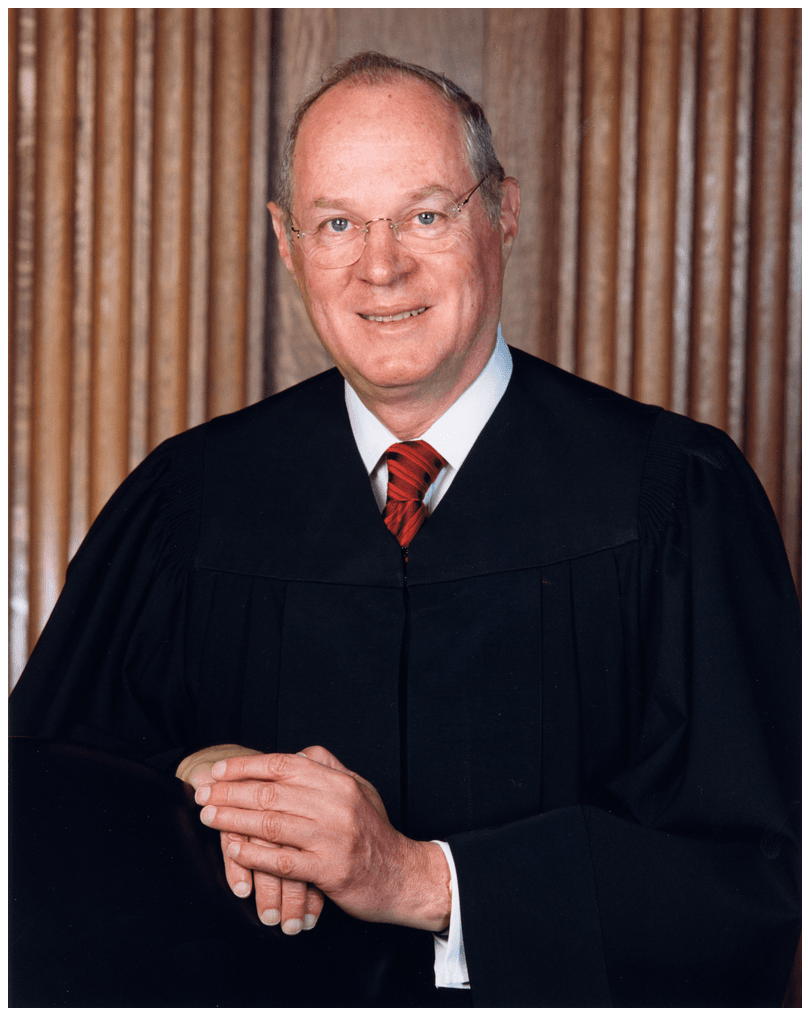 Anthony M. KennedyDirectly involved
Timeline
2 timeline entries on this page. Dates: November 9, 1993 to March 7, 1994
November 1993
Supreme Court hears competing arguments on commercial parody
Rogow advocates fair use for 2 Live Crew and Rosdeitcher argues the publisher's infringement position.
[01]Supreme Court of the United States
Counsel argue the fair-use treatment of the commercial parody. Counsel's advocacy is distinguished from the Court's later holding.
Luther R. Campbell v. Acuff-Rose Music, Inc., No. 92-1292: oral argument · Supreme Court of the United StatesNo. 92-1292, Rogow for petitioners and Rosdeitcher for respondent
March 1994
Supreme Court unanimously reverses and remands
The Court rejects categorical presumptions about commercial parody and leaves further copying and market questions for remand. Kennedy concurs separately.
[02]Supreme Court of the United States
The Court rejects categorical presumptions about commercial parody and remands unresolved fair-use questions. It does not create a blanket parody exemption.
Campbell v. Acuff-Rose Music, Inc., 510 U.S. 569 · Supreme Court of the United States510 U.S. 569-600, Souter opinion and Kennedy concurrence
Response record
Responses
Choose one response filter, or select All responses to see the full record.
3 responses. Newest first.
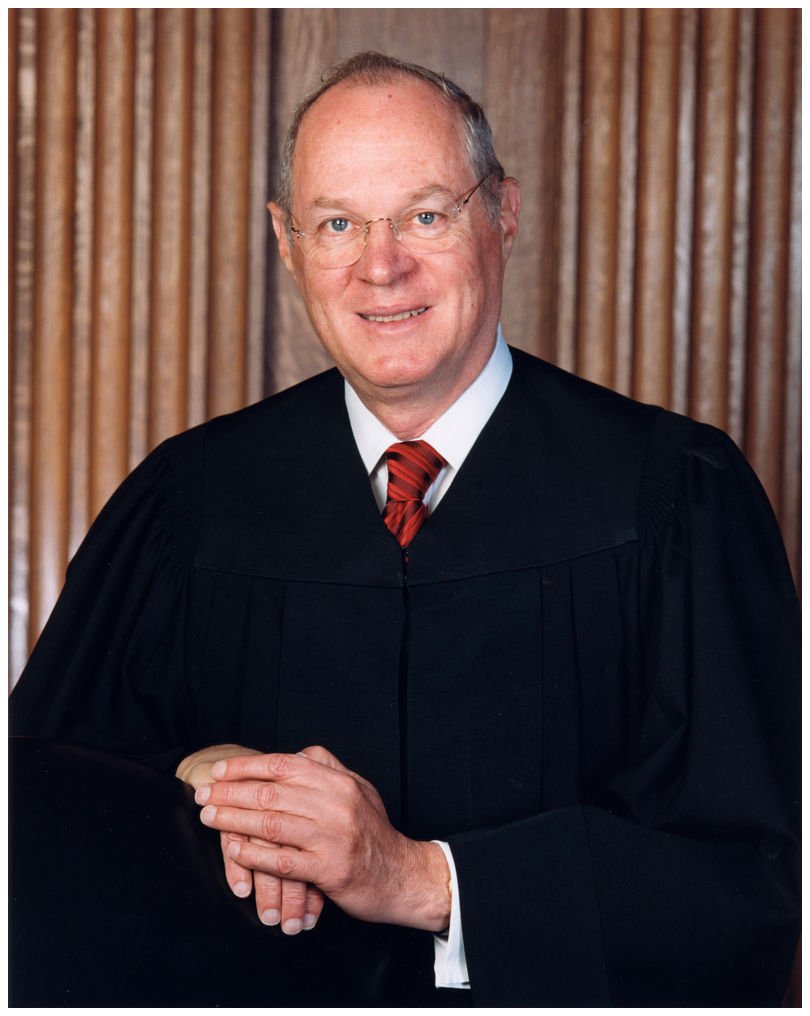 Anthony M. KennedyAssociate justice concurring in the unanimous decisionDirectly involved
Before this statement
Kennedy doubts that the song is a legitimate parody and says the District Court may still find against fair use on remand.
"As future courts apply our fair use analysis, they must take care to ensure that not just any commercial takeoff is rationalized post hoc as a parody."
Mixed or conditionalCase context: Campbell v. Acuff-Rose: 2 Live Crew claims fair use; the publisher alleges infringement
Full statement and sources
Kennedy joins the remand while warning against a blanket parody defense.
After the statement
He cautions against using parody as an after-the-fact justification for any commercial takeoff.
Campbell v. Acuff-Rose Music, Inc., 510 U.S. 569 · Supreme Court of the United States510 U.S. 569-600, Souter opinion and Kennedy concurrenceWhy this label?
Kennedy joins the reversal but doubts the song is a legitimate parody and says the treatment of the remaining factors leaves room for a finding against fair use.
This label describes the statement's response within the context above.
2 Live Crew2 Live Crew petitioners, through Bruce S. Rogow in the Supreme Court's November 9, 1993 oral argumentDirectly involved Before this statement
Rogow asks the Court to reverse the Sixth Circuit and argues that copyright should encourage creativity and parody.
"The rule that we suggest is that parody is a fair use unless it materially impairs the market for the original, and material impairment of the market for the original means supplant the original."
Defended or excusedCase context: Campbell v. Acuff-Rose: 2 Live Crew claims fair use; the publisher alleges infringement
Full statement and sources
2 Live Crew's counsel argues that parody should be fair absent market displacement.
After the statement
The justices question the proposed rule and what qualifies as parody.
Luther R. Campbell v. Acuff-Rose Music, Inc., No. 92-1292: oral argument · Supreme Court of the United StatesNo. 92-1292, Rogow for petitioners and Rosdeitcher for respondentWhy this label?
Relative to the commercial parody, counsel argues that it is fair use unless it materially supplants the original.
This label describes the statement's response within the context above.
Acuff-Rose MusicRespondent music publisher, through counsel Sidney S. RosdeitcherDirectly involved Before this statement
Rosdeitcher argues that the amount borrowed, its musical display and the marketing show the group was selling the original music.
"Now, in that circumstance, I believe that the -- that it is not a fair use."
CondemnedCase context: Campbell v. Acuff-Rose: 2 Live Crew claims fair use; the publisher alleges infringement
Full statement and sources
Acuff-Rose's counsel argues that 2 Live Crew's use is not fair use because of how much music it took and sold.
After the statement
He argues the recording could compete with a rap version the copyright holder might make.
Luther R. Campbell v. Acuff-Rose Music, Inc., No. 92-1292: oral argument · Supreme Court of the United StatesNo. 92-1292, Rogow for petitioners and Rosdeitcher for respondentWhy this label?
Relative to the parody's unlicensed borrowing, counsel explicitly argues that the use is not fair and exploits the original music commercially.
This label describes the statement's response within the context above.
Sources
(2)
Original text
Luther R. Campbell v. Acuff-Rose Music, Inc., No. 92-1292: oral argument
Relevant passage: No. 92-1292, Rogow for petitioners and Rosdeitcher for respondent
About this source
Counsel argue the fair-use treatment of the commercial parody. Counsel's advocacy is distinguished from the Court's later holding.
- Author
- Supreme Court of the United States
- Published
- Accessed
Original text
Campbell v. Acuff-Rose Music, Inc., 510 U.S. 569
Relevant passage: 510 U.S. 569-600, Souter opinion and Kennedy concurrence
About this source
The Court rejects categorical presumptions about commercial parody and remands unresolved fair-use questions. It does not create a blanket parody exemption.
- Author
- Supreme Court of the United States
- Published
- Accessed
Share or embed this case
The embed keeps its attribution link to The Dispute Index. Credit the image to The Dispute Index and link to the case page.
Cite this record
- Publisher
- The Dispute Index
- Title
- Campbell v. Acuff-Rose: 2 Live Crew claims fair use; the publisher alleges infringement
- First published
- Last updated
- Permalink
- https://disputeindex.com/cases/campbell-acuff-rose-2-live-crew-parody-fair-use
The Dispute Index. "Campbell v. Acuff-Rose: 2 Live Crew claims fair use; the publisher alleges infringement". First published: 2026-10-31. Last updated: 2026-10-31. https://disputeindex.com/cases/campbell-acuff-rose-2-live-crew-parody-fair-use