
Was the Supreme Court right to reject Harvard and UNC's race-conscious admissions programs?
Roberts' majority rejects the universities' use of racial classifications. Sotomayor and Jackson argue that limited race-conscious admissions can advance equality. Their disagreement concerns constitutional meaning, individual treatment and the consequences of ignoring existing inequality.

Case period:
Published by The Dispute Index editorial teamPublished Updated
Overview
The majority found the challenged programs lacked measurable objectives and meaningful endpoints, used race negatively and relied on racial stereotyping. Harvard's program was evaluated under Title VI; UNC was directly subject to equal protection.
Sotomayor argues that limited consideration of race advances the Constitution's equality guarantee. Jackson's separate UNC dissent argues that inherited disadvantage remains relevant to an individual applicant's opportunities. Kavanaugh defends the result as following the time-limited rationale of earlier affirmative-action cases.
The opinion permits consideration of an applicant's account of how race affected their life when tied to individual qualities or experience. It warns against recreating the rejected system through essays. It leaves military academies' distinct circumstances unresolved. Jackson did not participate in the Harvard case.
Read the full background
This case examines the Supreme Court's decision to reject the particular Harvard and UNC admissions programs. The majority and concurrences justify that ruling; the dissents argue against it. It does not ask whether every policy called affirmative action should be retained. The majority is governing law; the dissents are opposing constitutional arguments.
People in this case
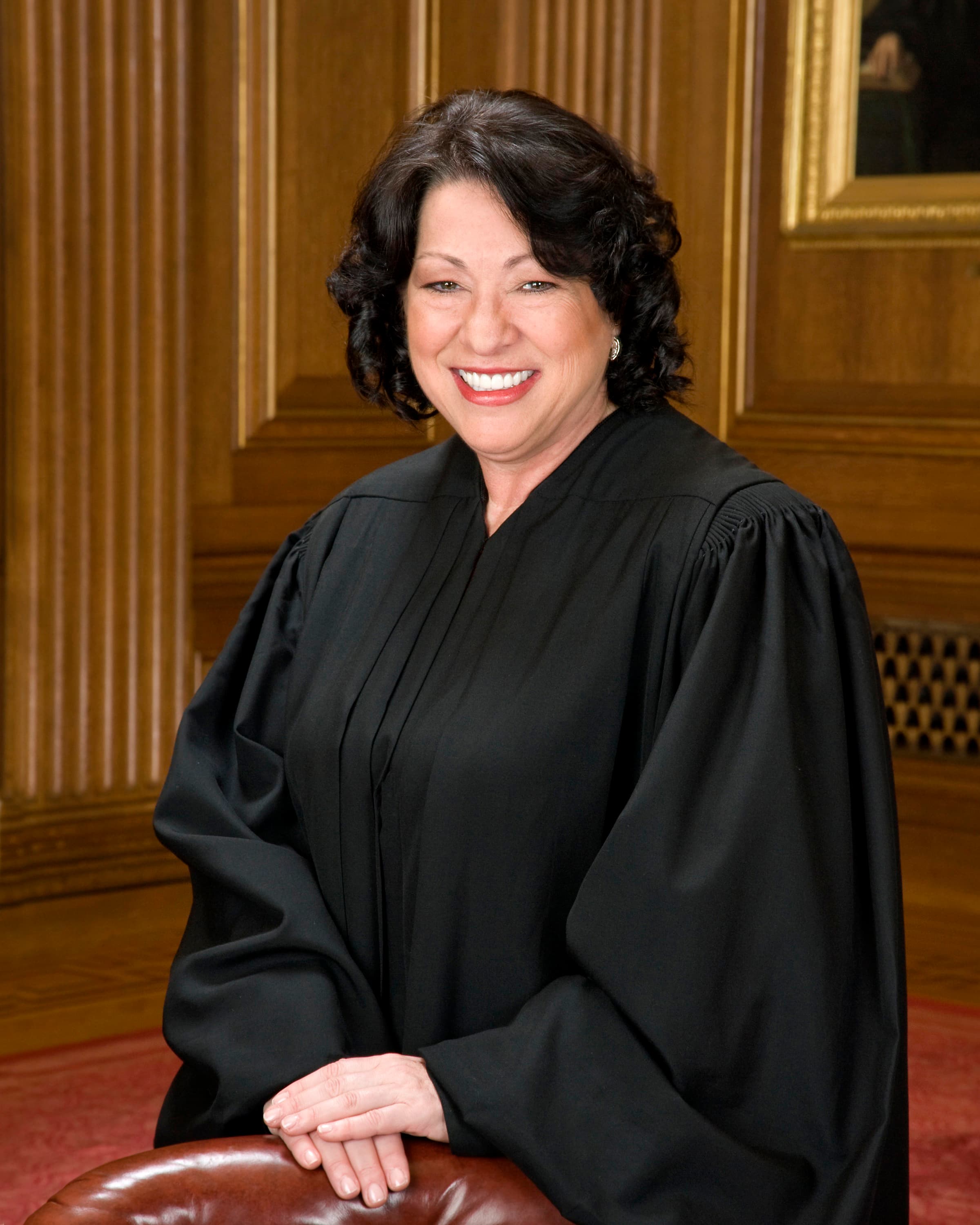 Sonia SotomayorDirectly involved
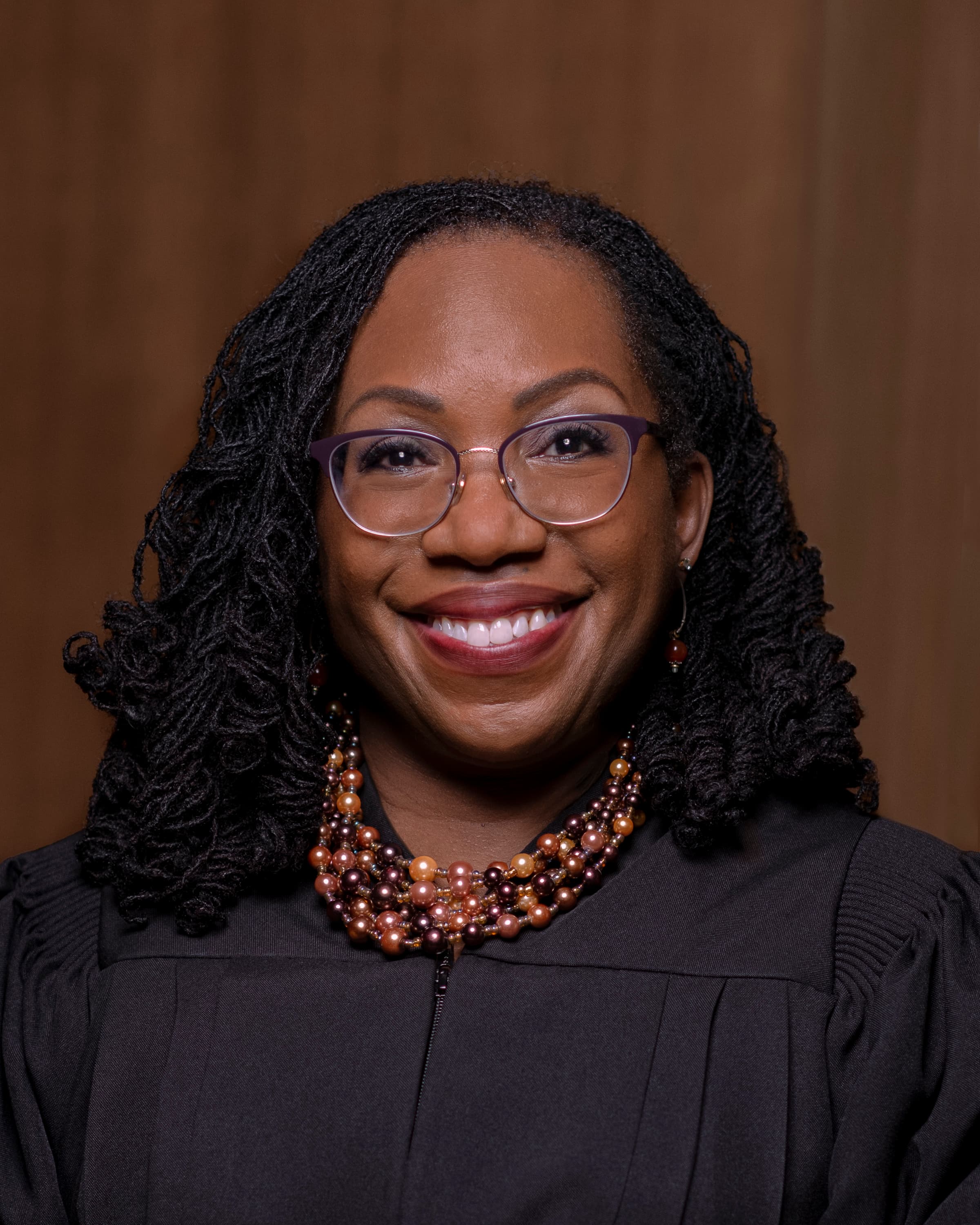 Ketanji Brown JacksonDirectly involved
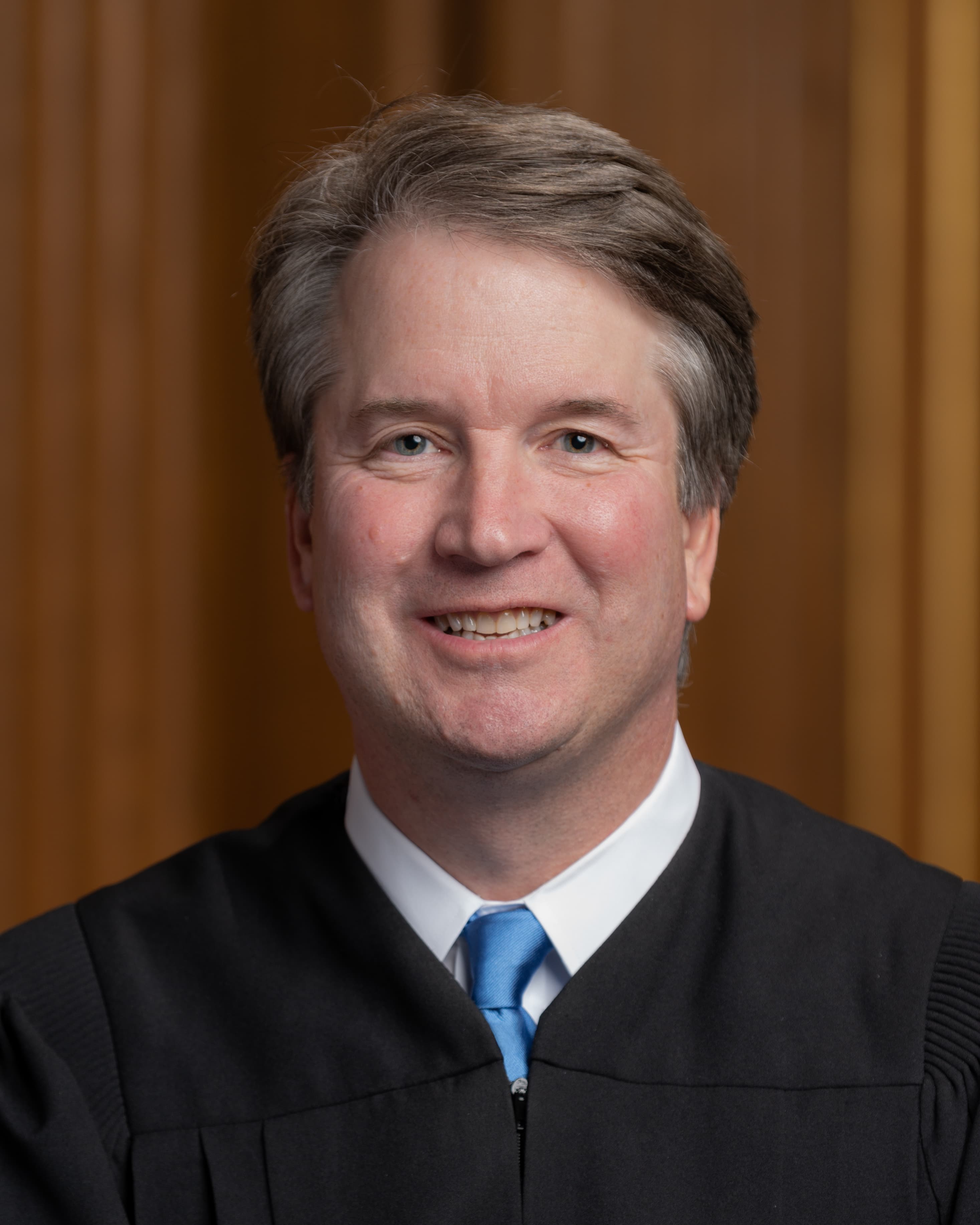 Brett KavanaughCommented
Timeline
1 timeline entry on this page. Dates: June 29, 2023
June 2023
The Court invalidates the challenged Harvard and UNC programs
The decision rejects the programs under Title VI and equal-protection standards. The Court divides 6-3 in UNC and 6-2 in Harvard, where Jackson does not participate.
[01]Supreme Court of the United States
The majority, concurrences and dissents address the challenged admissions programs. Jackson participates only in the UNC case.
Students for Fair Admissions v. Harvard and UNC: opinions · Supreme Court of the United States
Claims
Claims separate what was said from what is contested. Follow each source for the original wording and context.
What's disputed
Disputed claim
Supreme Court of the United States
The challenged Harvard and UNC admissions programs violate the applicable equal-protection requirements.
What is disputed
This case concerns the particular Harvard and UNC programs and the reasons for rejecting them, rather than every policy called affirmative action. The majority is governing law; the dissents are opposing constitutional arguments.
Sources (1)
- Students for Fair Admissions v. Harvard and UNC: opinions · Supreme Court of the United States
Arguments
Documented position
Roberts' majority opinion and Kavanaugh's concurrence
Individual treatment and limits on racial classifications
The majority says the challenged programs cannot satisfy strict scrutiny because their objectives and racial categories lack adequate limits. Kavanaugh argues that earlier affirmative-action cases contemplated a time limit.
Limit of this argument
The opinion permits consideration of how race affected an individual's experiences and leaves military academies' distinct interests unresolved.
Read sources
Sources
- Students for Fair Admissions v. Harvard and UNC: opinions · Supreme Court of the United States
Documented position
Sotomayor's dissent and Jackson's separate UNC dissent
Equality requires attention to existing inequality
The dissents argue that limited consideration of race can advance equal opportunity in a society still shaped by discrimination. Jackson stresses inherited differences in opportunity and the benefits of individualized review.
Limit of this argument
These are dissenting arguments. Jackson did not participate in Harvard, and the majority's ruling governs the challenged programs.
Read sources
Sources
- Students for Fair Admissions v. Harvard and UNC: opinions · Supreme Court of the United States
Response record
Responses
Choose one response filter, or select All responses to see the full record.
4 responses. Newest first.
 Supreme Court of the United StatesSupreme Court majority opinion, written by Chief Justice John G. Roberts Jr.Directly involved
Before this statement
The majority concludes its analysis by stating why it finds the challenged admissions programs incompatible with equal protection.
"For the reasons provided above, the Harvard and UNC admissions programs cannot be reconciled with the guarantees of the Equal Protection Clause. Both programs lack sufficiently focused and measurable objectives warranting the use of race, unavoidably employ race in a negative manner, involve racial stereotyping, and lack meaningful end points. We have never permitted admissions programs to work in that way, and we will not do so today."
Defended or excusedCase context: Was the Supreme Court right to reject Harvard and UNC's race-conscious admissions programs?
Full statement and sources
The majority justifies its ruling by finding insufficiently measurable objectives, negative use of race, racial stereotyping and a lack of meaningful endpoints in Harvard and UNC's programs.
After the statement
The majority says its opinion should not be read as prohibiting discussion of how race affected an applicant's life. It says universities may not recreate the unlawful regime through application essays.
Students for Fair Admissions v. Harvard and UNC: opinions · Supreme Court of the United StatesWhy this label?
The case examines the Court's decision to reject the programs. This passage gives the majority's reasons for that decision, so it defends the ruling. The programs it criticizes are the subject of the ruling, not the action this case asks readers to evaluate.
This label describes the statement's response within the context above.
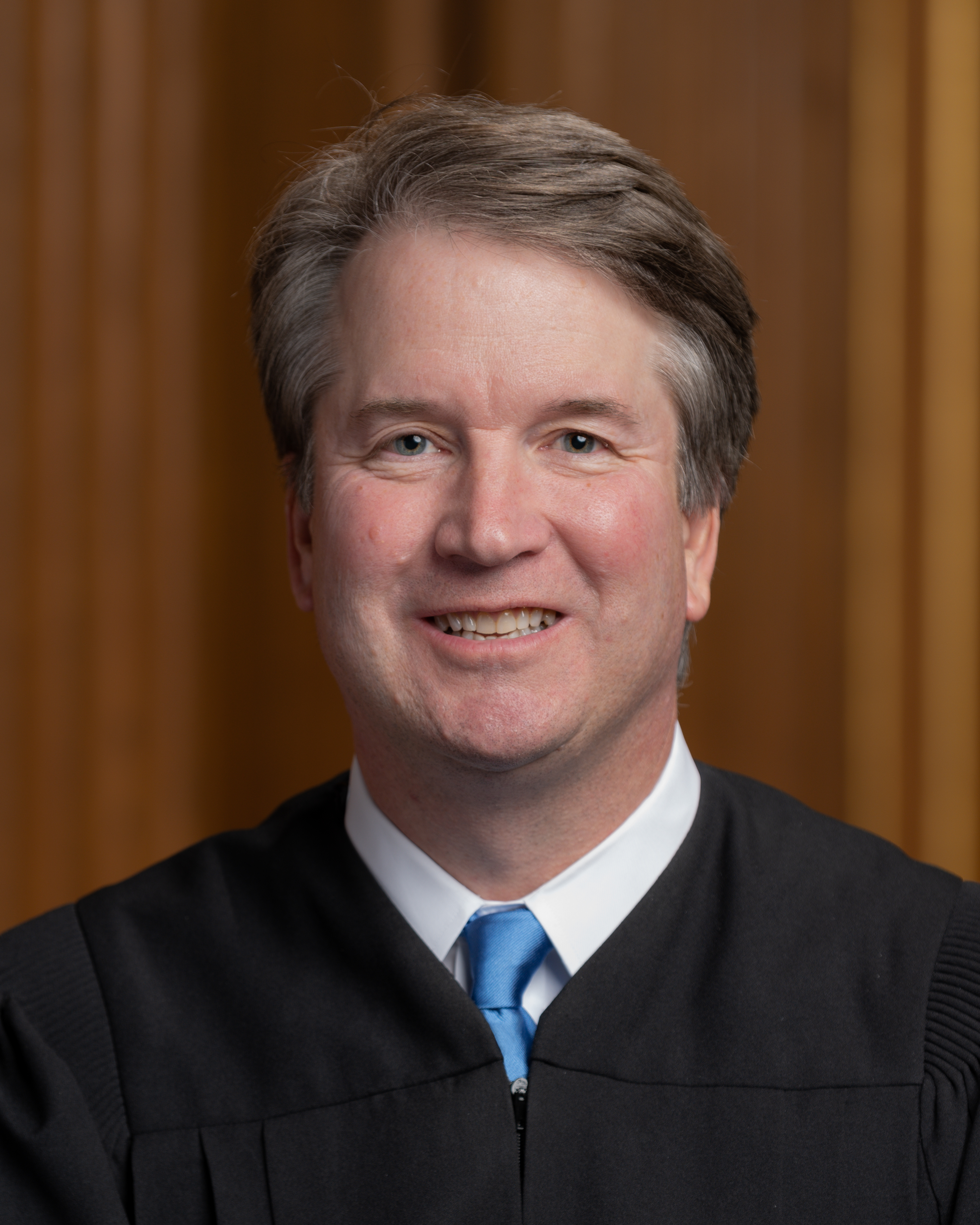 Brett KavanaughSupreme Court justice writing a concurrence
Before this statement
He acknowledges continuing discrimination and its effects but argues that earlier precedent imposed a temporal limit.
"In light of the Constitution’s text, history, and precedent, the Court’s decision today appropriately respects and abides by Grutter’s explicit temporal limit on the use of race-based affirmative action in higher education."
Defended or excusedCase context: Was the Supreme Court right to reject Harvard and UNC's race-conscious admissions programs?
Full statement and sources
Kavanaugh argues that the ruling follows Grutter's 25-year expectation and its requirement that racial preferences be temporary.
After the statement
He says governments and universities retain race-neutral ways to address disadvantage.
Students for Fair Admissions v. Harvard and UNC: opinions · Supreme Court of the United StatesWhy this label?
His concurrence directly defends the challenged ruling. Acknowledging racial inequality does not make his evaluation of that ruling mixed.
This label describes the statement's response within the context above.
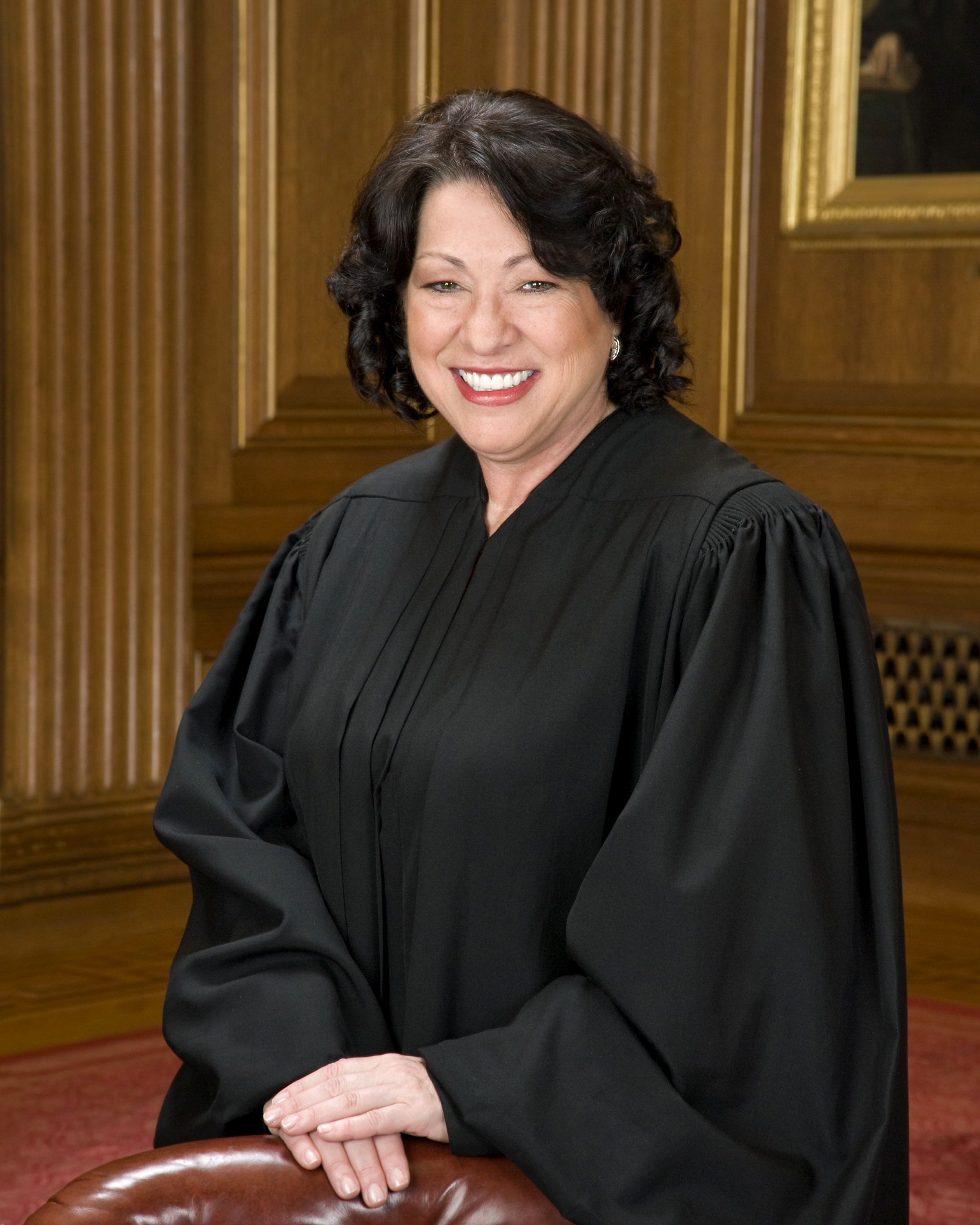 Sonia SotomayorSupreme Court justice writing a dissent, joined by Kagan and by Jackson in the UNC caseDirectly involved
Before this statement
Sotomayor opens her dissent by arguing that limited race-conscious admissions advanced constitutional equality and promoted more inclusive schools.
"The Court subverts the constitutional guarantee of equal protection by further entrenching racial inequality in education, the very foundation of our democratic government and pluralistic society. Because the Court’s opinion is not grounded in law or fact and contravenes the vision of equality embodied in the Fourteenth Amendment, I dissent."
CondemnedCase context: Was the Supreme Court right to reject Harvard and UNC's race-conscious admissions programs?
Full statement and sources
Sotomayor argues that the decision undermines equal protection and worsens racial inequality in education.
After the statement
Her dissent grounds that position in constitutional history and the continuing effects of unequal opportunity.
Sonia Sotomayor's dissent in Students for Fair Admissions, opening · Supreme Court of the United StatesSotomayor dissent, pp. 1-2, introductory sectionStudents for Fair Admissions v. Harvard and UNC: opinions · Supreme Court of the United StatesWhy this label?
Sotomayor says the Court's decision entrenches racial inequality and lacks a basis in law or fact. She condemns the ruling examined in this case.
This label describes the statement's response within the context above.
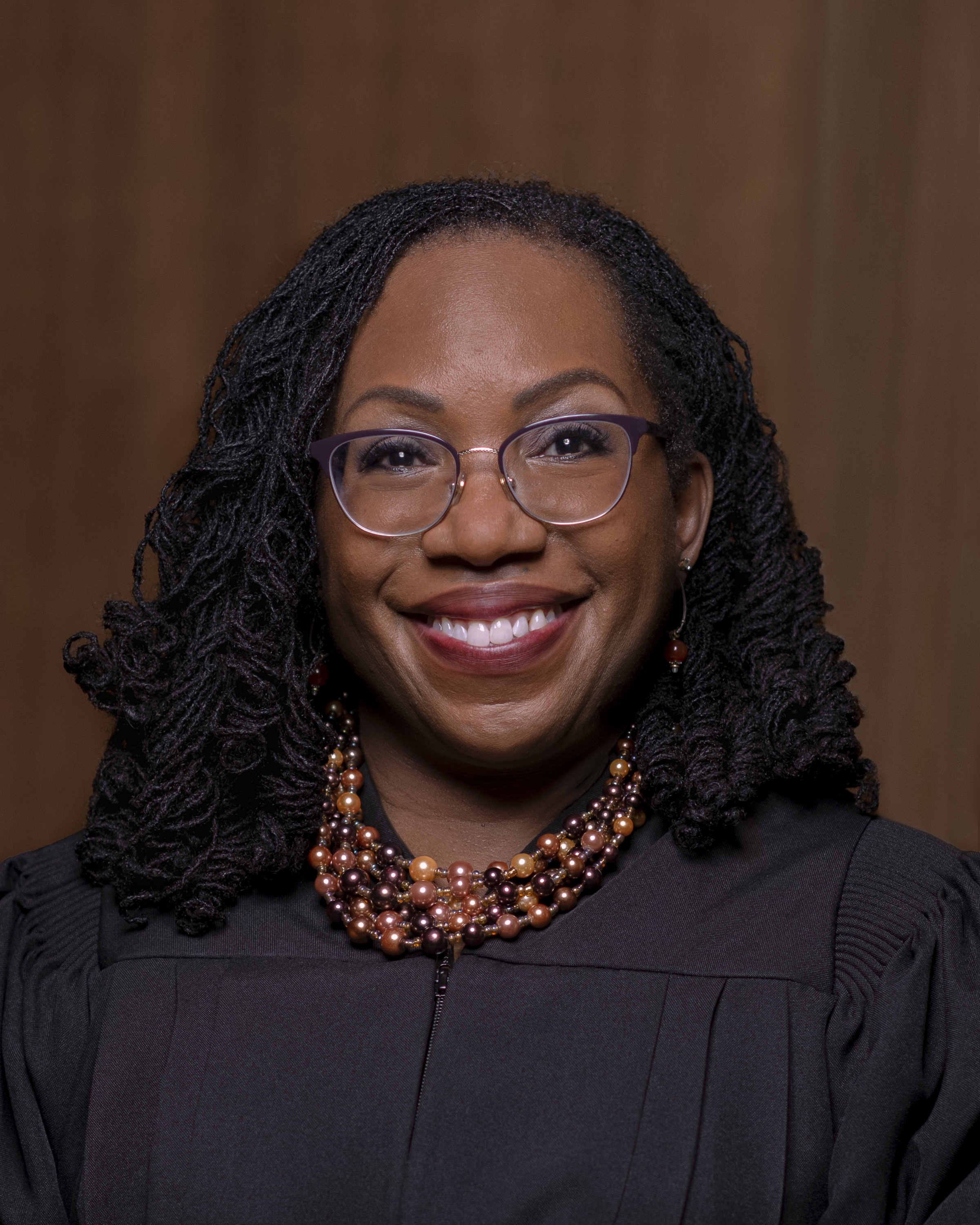 Ketanji Brown JacksonSupreme Court justice writing a separate UNC dissent; she did not participate in HarvardDirectly involved
Before this statement
She argues that inherited disadvantage matters to individualized assessment of applicants.
"But deeming race irrelevant in law does not make it so in life."
CondemnedCase context: Was the Supreme Court right to reject Harvard and UNC's race-conscious admissions programs?
Full statement and sources
Jackson criticizes the majority's approach for disregarding race-based differences in opportunity.
After the statement
She says the ruling will hinder rather than accelerate progress toward racial equality.
Students for Fair Admissions v. Harvard and UNC: opinions · Supreme Court of the United StatesWhy this label?
Her argument rejects the effect and reasoning of the ruling. The label remains tied to that ruling, not to her preferred admissions policy.
This label describes the statement's response within the context above.
Sources
(2)
Original text
Students for Fair Admissions v. Harvard and UNC: opinions
About this source
The majority, concurrences and dissents address the challenged admissions programs. Jackson participates only in the UNC case.
- Published
- Accessed
Original text
Sonia Sotomayor's dissent in Students for Fair Admissions, opening
Relevant passage: Sotomayor dissent, pp. 1-2, introductory section
About this source
The opening section identifies Sotomayor as the dissent's author and states her objection to the Court's ruling.
- Author
- Justice Sonia Sotomayor
- Published
- Accessed
Share or embed this case
The embed keeps its attribution link to The Dispute Index. Credit the image to The Dispute Index and link to the case page.
Cite this record
- Publisher
- The Dispute Index
- Title
- Was the Supreme Court right to reject Harvard and UNC's race-conscious admissions programs?
- First published
- Last updated
- Permalink
- https://disputeindex.com/cases/harvard-unc-affirmative-action-ruling-majority-dissents
The Dispute Index. "Was the Supreme Court right to reject Harvard and UNC's race-conscious admissions programs?". First published: 2026-10-19. Last updated: 2026-10-19. https://disputeindex.com/cases/harvard-unc-affirmative-action-ruling-majority-dissents