
Should Google have to pay the full cost of shared grid upgrades its data centers trigger?
Google says its data centers pay their share of electricity and infrastructure costs. Senators argue that other customers still bear some shared upgrades. The dispute concerns which costs Google should cover, not whether it pays electricity bills.

Case period:
Published by The Dispute Index editorial teamPublished Updated
Overview
On January 12, 2026, Google told Senators Elizabeth Warren, Chris Van Hollen and Richard Blumenthal that it pays for all the electricity its data centers use and that it, not local residents, pays for new grid infrastructure required for its growth. On January 22, Warren said that paying an electricity bill is different from fully covering the infrastructure upgrade costs of Google's data centers. An October 2026 report by the three senators said the companies, including Google, commit to paying for infrastructure that serves only their facilities but not the full cost of wider network upgrades. In June 2026, testimony filed for Google in a Virginia utility case recommended letting large customers voluntarily pay the full upfront cost of the substations that serve them. On July 31, Virginia regulators ordered Dominion Energy to develop a policy assigning data centers the cost of the transmission that connects them, and Appalachian Power says revenue from Google's new load in Botetourt County will cover $264 million in upgrades. The dispute is over whether Google should pay the full cost of the shared grid upgrades its data centers trigger, rather than leaving part of that cost with other customers.
Read the full background
Google's January letter
Google's January 12, 2026 letter (opens in a new tab), signed by Anne Wall, head of U.S. federal government affairs and public policy, replied to a December 15, 2025 letter from Warren, Van Hollen and Blumenthal. Google wrote that it pays for provision of its peak electrical demands and for 100 percent of the electricity its data centers use, and that it works with utilities, grid operators and regulators "to ensure we cover the costs of new infrastructure directly attributable to our growth". It also described its Capacity Commitment Framework, under which large customers sign binding contracts so utilities can fund new power sources and grid upgrades.
The senators' January response
On January 22, Warren's office released the companies' replies (opens in a new tab). Warren said: "Google knows there's a difference between paying its electricity bill and fully covering the significant infrastructure upgrade costs" of its data centers. The release said the upgrades needed to connect data centers to the grid are paid for by all energy users, including residents, and that the companies gave little detail on how they would cover their full share of those costs.
Google's Virginia substation proposal
On June 11, 2026, Carolyn A. Berry, a partner at Bates White Economic Consulting testifying for Google (opens in a new tab), asked the Virginia State Corporation Commission, in a Dominion Energy transmission rate case, to require Dominion to let large customers voluntarily pay 100 percent of the cost of new substations through a contribution in aid of construction. She said many substations would not need to be built but for data center growth and that their costs are currently spread across all customers. She also said that as long as Dominion treats the substations as system assets, their ongoing maintenance costs would be shared.
On July 31, the commission ordered Dominion (opens in a new tab) to develop a policy directly assigning to data centers and other large-load customers the cost of the transmission infrastructure that connects them, through an upfront contribution in aid of construction. The commission said the new tariff may not address every transmission cost caused by large loads.
The October report
A report by the three senators (opens in a new tab), released on October 9, 2026, separates infrastructure built only for one data center, such as a dedicated substation, from shared grid upgrades that would not have been built but for a data center. It says the companies commit to paying for the first but "dispute how much they should pay for shared infrastructure", and that in interviews with congressional staff they opposed cost allocation standards requiring them to pay the full cost of upgrades their facilities trigger. The report quotes Google's January letter and says Google repeated that stance in written follow-up in July 2026. Its endnote dates the Berry testimony June 11, 2025; the filing is dated June 11, 2026.
Other responses
When it signed the White House Ratepayer Protection Pledge on March 4, Google said (opens in a new tab) it is committed to paying for any new infrastructure costs "directly driven by our growth". In February, Marsden Hanna, Google's head of energy and sustainability policy, said (opens in a new tab) on a conference panel that Google is committed to paying the incremental cost of building out the grid for its data centers. In the senators' January release, Chris Van Hollen and Richard Blumenthal (opens in a new tab) said the companies' replies fell short, and Van Hollen pointed to his bill to require data centers to cover the costs of the energy they need.
In the Virginia case, Louise White, deputy energy officer in Gov. Abigail Spanberger's office, testified (opens in a new tab) that upgrades triggered by a large-load customer should be assigned to that customer. After the order, Spanberger and the Piedmont Environmental Council welcomed it, and the Data Center Coalition said (opens in a new tab) data centers were already picking up more of the cost of transmission. In May, Maryland's Office of People's Counsel asked federal regulators (opens in a new tab) to charge data centers the full upfront cost of network upgrades.
Cardinal News reported (opens in a new tab) that Appalachian Power estimates the transmission and substation upgrades for Google's data center campus in Botetourt County, Virginia, at $264 million, and that the utility says revenue from Google's load is expected to cover the cost, so other customers are not expected to pay more.
How the response labels are used
Labels describe responses to the question of whether Google should pay the full cost of the shared grid upgrades its data centers trigger, rather than leaving part of that cost with other customers. Saying that Google should pay that full cost, or that its commitments leave part of it with other customers, is labeled Condemned. Defending Google's current commitments as covering its share is labeled Defended or excused. Statements about electricity rates, tax breaks or nondisclosure agreements that do not address who pays for shared grid upgrades are not treated as a position on it. Labels do not assess how much any upgrade costs or what share of it other customers pay.
People in this case
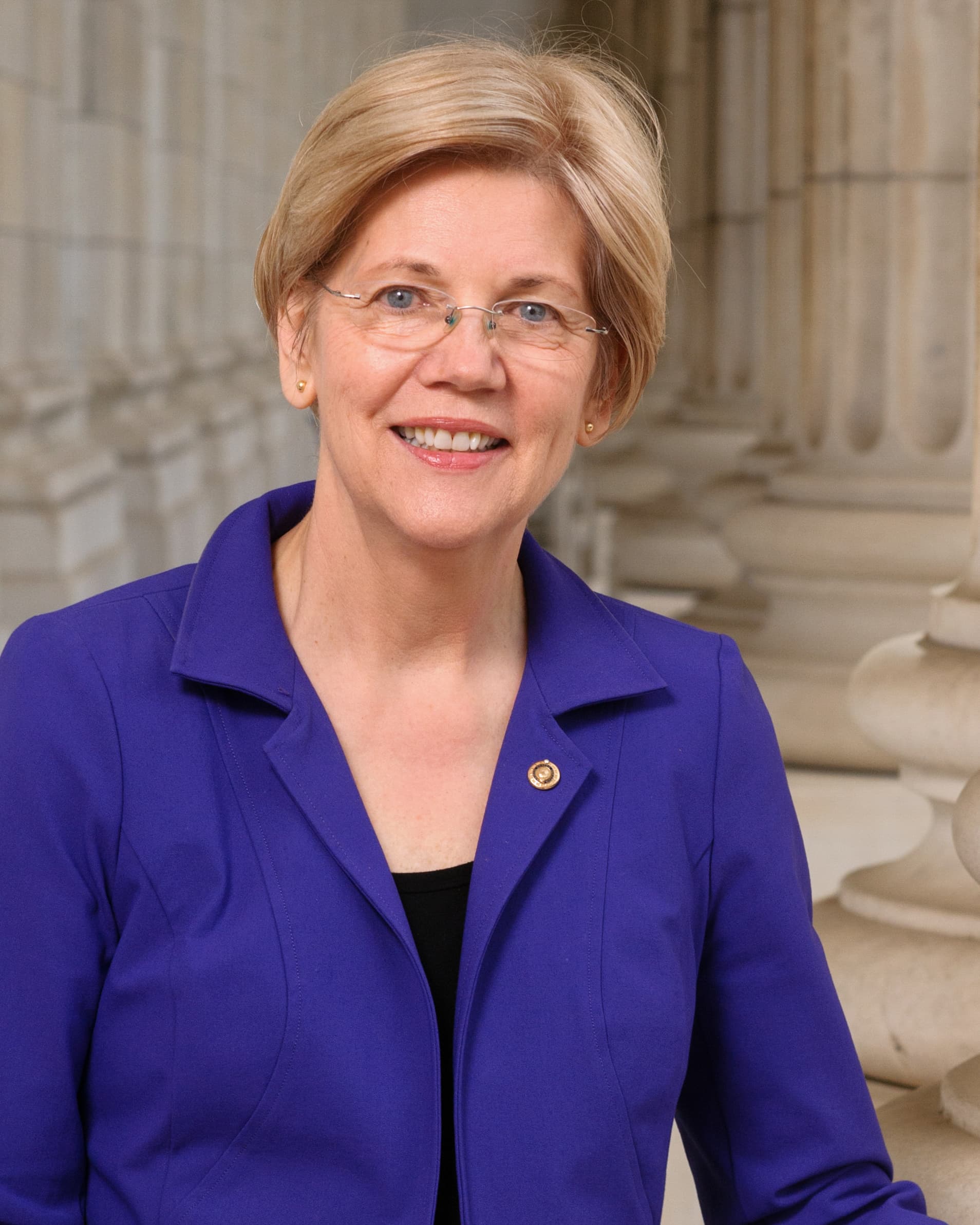 Elizabeth WarrenDirectly involved
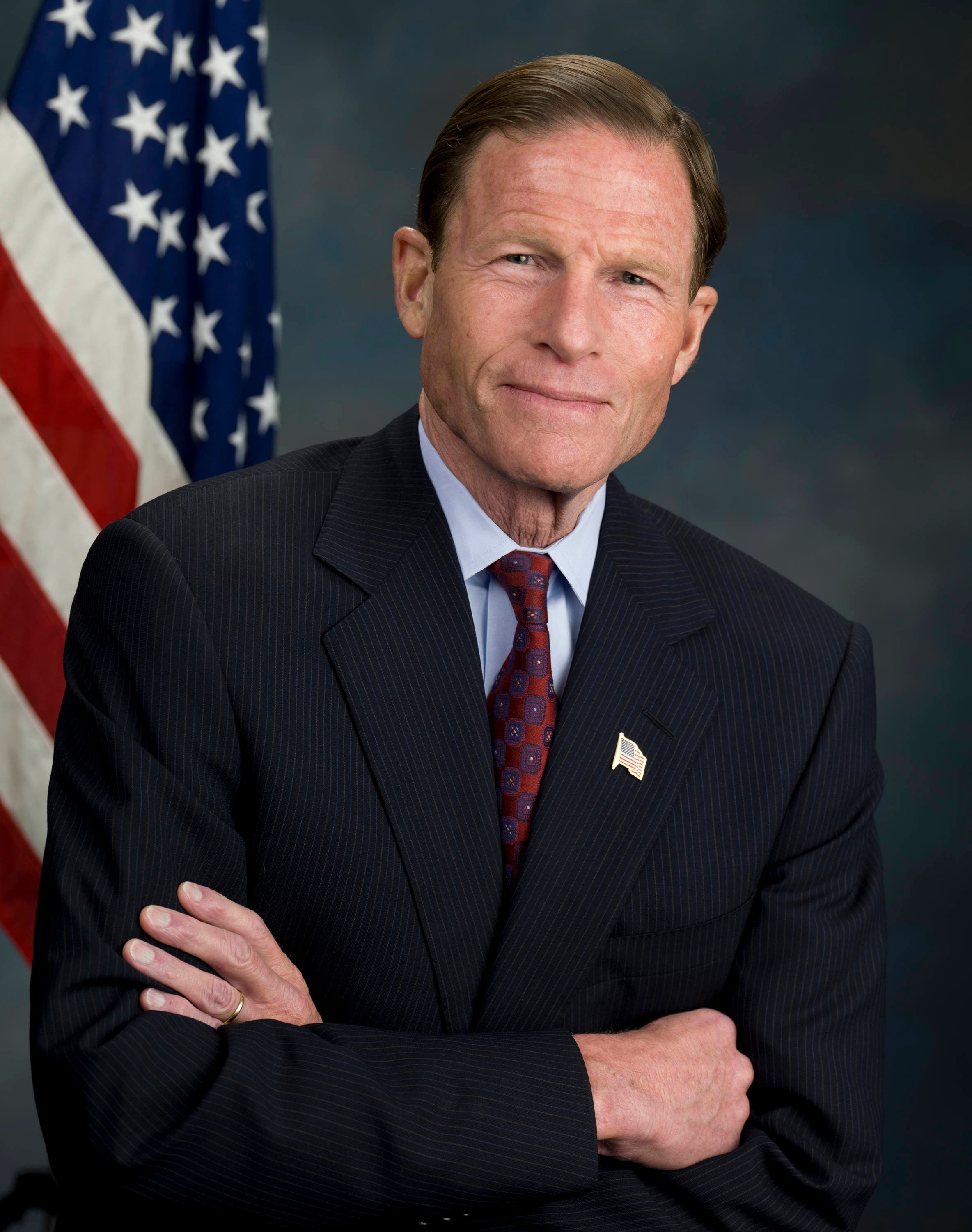 Richard BlumenthalDirectly involved
 Chris Van HollenDirectly involved
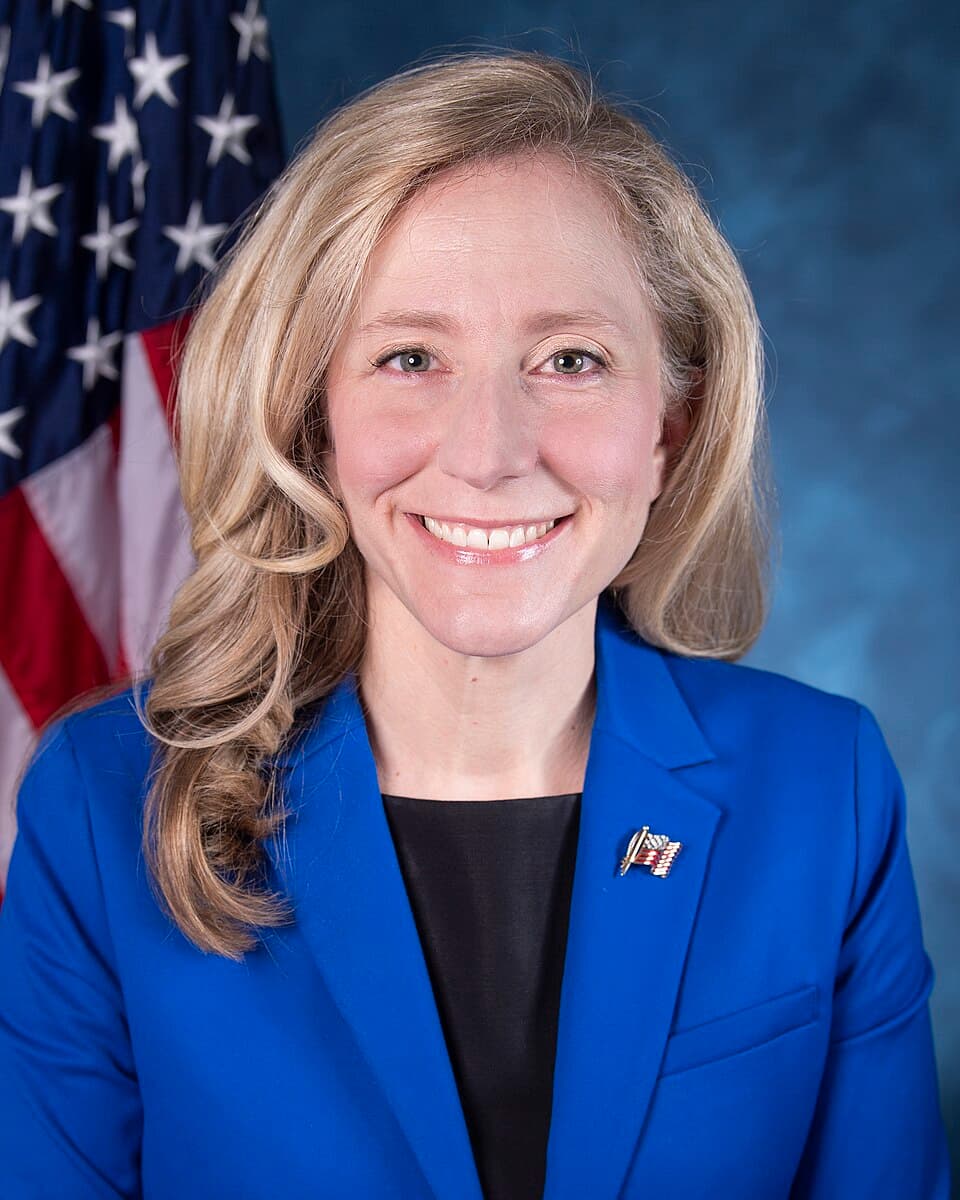 Abigail SpanbergerCommented
Timeline
16 timeline entries on this page. Dates: January 12, 2026 to October 27, 2026
January 2026
Google describes its electricity and infrastructure commitments
Source release
Anne Wall responds to senators on Google's behalf, describing electricity payments, directly attributable infrastructure costs and other contributions.
Warren challenges the infrastructure assurances
Reaction
Warren argues that Google has not shown it will cover the full upgrade costs its data centers cause.
February 2026
Google announces the Pine Island data center and an Xcel cost commitment
Source release
Google announces plans for a Minnesota data center and says it will pay the costs of its electric service. It describes an Xcel agreement intended to add clean resources without shifting costs to existing customers.
March 2026
Google announces Michigan agreement for new grid resources
Google announces a DTE agreement providing for 2.7 GW of clean resources for a proposed Michigan data center. It says it will fully cover electricity costs and infrastructure needs. This corporate announcement does not independently resolve allocation of every shared network cost.
Minnesota Power files its proposed Google power-service agreement
Minnesota Power files an electric-service agreement with Harmony Group, a Google subsidiary, for the proposed Hermantown data center. The PUC reviews the terms for serving the large customer.
April 2026
Xcel files its proposed Google power-service agreement for Pine Island
Xcel Energy files an electric-service agreement with Echo Zone, a Google subsidiary, for a proposed data center in Pine Island. The filing brings its service terms before the Minnesota PUC.
Google describes an infrastructure commitment for Oklahoma data centers
Source release
Google announces an agreement with OG&E for its Muskogee and Stillwater campuses. The company says its long-term financial commitment will pay for infrastructure serving its growth and protect other customers from those costs.
June 2026
Google proposes voluntary funding of serving substations
Source release
Carolyn A. Berry, testifying for Google before the Virginia State Corporation Commission, recommends that Dominion Energy let large-load customers voluntarily pay the full upfront cost of new substations through a contribution in aid of construction.
July 2026
Virginia regulators order Dominion to develop a tariff assigning connection costs to data centers
Virginia's State Corporation Commission ordered Dominion Energy to develop a policy directly assigning the cost of transmission infrastructure that connects data centers and other large-load customers to them, through an upfront contribution in aid of construction. The commission said the tariff may not address every transmission cost caused by large loads.
October 2026
Minnesota attorney general's office objects to risks in the Xcel-Google agreement
The attorney general's office announces its initial PUC comments opposing approval of the proposed Pine Island agreement without stronger cost protections. It argues that other customers could bear substantial service and stranded-asset costs.
MISO seeks accelerated joint studies of large loads and generation
MISO asks FERC to approve a 120-day study process pairing large loads above 200 MW with generation in the same local resource zone. It argues that studying them together can produce more efficient network upgrades. The proposal remains subject to regulatory review.
Indiana approves Google supply project with network costs in the rate base
Indiana regulators approve the AES plan serving Google's Monrovia data center. Original reporting distinguishes $32.3 million in direct connection costs from $73.8 million in network upgrades recovered through future rates. AES argues Google's payments offset those costs; Citizens Action Coalition objects to assigning them to existing customers.
Senators publish their cost-allocation report
Source release
Warren, Blumenthal and Van Hollen argue that some shared data-center upgrade costs remain with other customers.
Entergy announces expanded Google contract with grid investments
Entergy Arkansas announces an expanded 20-year Google contract covering about $600 million in planned resources plus a solar power agreement. The plans include substation expansion and two transmission lines. Entergy says Google will fund those resources and pay a share of general system costs. Approval is pending, with service expected in 2028.
State and environmental groups oppose MISO study proposal
Separate state-regulator and environmental-group filings oppose MISO's LARS proposal, raising cost-shifting and competition concerns. The objections address a proposed study process. They do not establish that FERC has rejected it.
RMI examines when grid-connected data centers can benefit other customers
Source release
RMI researchers argue that grid-connected data centers can spread infrastructure costs and fund resources with wider benefits. They discuss the proposed Xcel-Google arrangement and warn that poorly structured tariffs can instead shift costs to existing customers.
Claims
Claims separate what was said from what is contested. Follow each source for the original wording and context.
What's disputed
Disputed claim
Copy link to this disputed claim by Elizabeth WarrenGoogle should cover the full costs of shared grid upgrades triggered by its data centers rather than leave part of those costs with other customers.
Sources (2)
- Warren challenges Google's assurances about the full cost of data-center infrastructure · Elizabeth WarrenWarren's quotation about electricity bills and infrastructure upgrades
- Senators report on AI data-center cost allocation and electricity bills · Elizabeth Warren27-page report; exclusive versus shared infrastructure and Google testimony
In their own words
Their own account
Statements from the person or group whose act or claim this case is about. They are listed apart from the responses, and each label says what the speaker did with their own act or claim.
 Google LLCCompany submission to FERC
"The lack of cost shifting protections is especially concerning"
Stood by itCase context: Should Google have to pay the full cost of shared grid upgrades its data centers trigger?
Full statement and sources
Google objects that MISO's proposed large-load study process lacks adequate cost-shifting protections. It says that threatens its commitment to keep other customers from bearing its data-center costs.
Before the statement
The October 23 filing addresses the proposed LARS study process.
After the statement
Google says a promised later cost-allocation framework leaves unanswered questions. FERC has not ruled on these objections.
Google and state regulators object to MISO cost-shifting risksOriginal reporting on October 23 FERC submissionsWhy this label?
Google objects that MISO's proposed fast-track study process lacks protections against shifting costs to other customers and says that gap threatens its pledge to keep others from paying for its data centers, so we labeled it Stood by it.
This label describes the statement's response within the context above.
- Google LLCCompany submission to the California Independent System Operator
"Google encourages the PTOs to ensure that cost allocation ensures that upgrades that provide broad system benefits must remain appropriately socialized and shared, rather than directly assigned."
Stood by itCase context: Should Google have to pay the full cost of shared grid upgrades its data centers trigger?
Full statement and sources
In comments to CAISO, Google supports paying for direct interconnection facilities and upgrades driven exclusively by its site. It argues that upgrades benefiting the wider region should continue to be paid through regional rates.
Before the statement
Google describes its own electricity payments and supports ratepayer protections based on cost causation.
After the statement
Its recommendations assign direct facilities and exclusively driven local upgrades to the customer, while keeping regional-benefit upgrades in shared transmission rates.
Google submits its large-load cost-allocation recommendations to CAISOSection 4.3, Google Feedback, and its cost-causation recommendationsWhy this label?
Google tells California's grid operator it will pay for connections and upgrades driven only by its own sites, but argues that upgrades with broad regional benefits should stay shared through regional rates, so we labeled it Stood by it.
This label describes the statement's response within the context above.
- Google LLCTechnology company, in a blog post by Amanda Peterson Corio, its global head of data center energy
"Google is committed to paying for 100% of the power our data centers use and any new infrastructure costs directly driven by our growth."
Stood by itCase context: Should Google have to pay the full cost of shared grid upgrades its data centers trigger?
Full statement and sources
Announcing that it was signing the White House Ratepayer Protection Pledge, Google said it is committed to paying for all the power its data centers use and any new infrastructure costs directly driven by its growth, including through its Capacity Commitment Framework.
Before the statement
Google's March 4, 2026 post announces that it is signing the White House Ratepayer Protection Pledge. Under the heading "We will pay our own way (and protect ratepayers)", it says the core of the pledge is ensuring that households and local businesses do not foot the bill for data center growth, and adds: "We agree."
After the statement
The post says one way Google will do this is through its Capacity Commitment Framework, first adopted in early 2025, which "requires large energy users to guarantee funding for the new power and infrastructure required to serve them."
Supporting the White House Ratepayer Protection Pledge: Google's approach for responsible energy growth · Google LLCSection 1, "We will pay our own way (and protect ratepayers)."Why this label?
Google, signing the White House Ratepayer Protection Pledge, says it will pay for all the power its data centers use and any new infrastructure costs its growth directly drives, so we labeled it Stood by it.
This label describes the statement's response within the context above.
- Google LLCTechnology company, through Marsden Hanna, its head of energy and sustainability policy, speaking at the State of the Net conference as reported by Broadband Breakfast
"Its incredibly important that data centers pay for the incremental costs that is needed to build out the grid to serve their capacity and that’s something we’re committed to doing at Google."
Stood by itCase context: Should Google have to pay the full cost of shared grid upgrades its data centers trigger?
Full statement and sources
Marsden Hanna, Google's head of energy and sustainability policy, said on a conference panel that data centers should pay for the incremental cost of building out the grid to serve them and that Google is committed to doing so.
Before the statement
Broadband Breakfast reported that a panel of technology industry representatives and think tank leaders at the State of the Net conference in Washington on February 9, 2026, said data centers would not drive up consumer energy prices. Hanna first said: "We don't get the upside of AI without the energy to power it".
After the statement
The report then turns to Lindsey Griffith, chief executive of the climate policy think tank Clean Tomorrow, who said transmission remains the largest bottleneck in reducing energy costs.
Panel: Data centers won't drive up energy ratesParagraphs quoting Marsden Hanna of Google.Why this label?
Google energy policy head Marsden Hanna says data centers should pay the incremental cost of building out the grid to serve them and that Google is committed to doing so, so we labeled it Stood by it.
This label describes the statement's response within the context above.
- Google LLCAnne Wall, head of U.S. federal government affairs and public policy
"Google, not local residents, pays for any new grid infrastructure required for our growth."
Stood by itResponding to: Google should cover the full costs of shared grid upgrades triggered by its data centers rather than leave part of those costs with other customers.
Full statement and sources
Google says it pays for electricity and infrastructure required for its growth and contributes to other growth costs.
Before the statement
Anne Wall wrote on Google's behalf on January 12, 2026, replying to the senators' letter of December 15, 2025. The passage closes the letter's opening section, after Google says it pays for provision of its peak electrical demands and for 100 percent of the electricity its data centers use. The sentence containing the quotation begins: "Advance planning helps ensure that our operations keep electricity affordable and reliable for the communities in which we operate".
After the statement
Later in the letter, Google says it works with utilities, grid operators and regulators "to ensure we cover the costs of new infrastructure directly attributable to our growth" and that it contributes to other costs of growth. It describes its Capacity Commitment Framework, under which large customers sign binding contracts so utilities can fund new power sources and grid upgrades, and says its pricing terms are confidential but subject to regulatory review.
Google responds to senators about data-center electricity and infrastructure costs · Google LLCGoogle letter dated January 12, 2026; first seven pages of the response bundleWhy this label?
Google, replying to the senators, says that it and not local residents pays for the new grid infrastructure its growth requires, so we labeled it Stood by it.
This label describes the statement's response within the context above.
Arguments
Documented position
Warren's January response and the senators' October report
Other customers should not pay upgrades caused by data centers
The senators argue that commitments to electricity and dedicated connections leave gaps when wider grid upgrades are required by data-center demand. They seek full payment for costs caused by that growth and more transparent utility arrangements.
Limit of this argument
A shared asset can also benefit other customers. The existence of shared costs alone does not establish the proper allocation of every project.
Read sources and related claim
Related claim
Google should cover the full costs of shared grid upgrades triggered by its data centers rather than leave part of those costs with other customers.
Sources
- Warren challenges Google's assurances about the full cost of data-center infrastructure · Elizabeth WarrenWarren's quotation about electricity bills and infrastructure upgrades
- Senators report on AI data-center cost allocation and electricity bills · Elizabeth Warren27-page report; exclusive versus shared infrastructure and Google testimony
Documented position
Google's January letter and Berry's June testimony
Dedicated payments and shared benefits can justify allocation
Google argues that it pays directly attributable infrastructure costs and contributes to broader growth costs. It says stable large loads can spread fixed costs across more users. Berry proposes a voluntary way for large customers to fund serving-substation capital.
Limit of this argument
A voluntary substation option does not establish that Google will take it or pay for all broader upgrades its growth triggers.
Read sources and related claim
Related claim
Google should cover the full costs of shared grid upgrades triggered by its data centers rather than leave part of those costs with other customers.
Sources
- Google responds to senators about data-center electricity and infrastructure costs · Google LLCGoogle letter dated January 12, 2026; first seven pages of the response bundle
- Google witness Carolyn A. Berry proposes voluntary full funding of serving substations · Google LLCVirginia SCC Case PUR-2026-00056; direct testimony of Carolyn A. Berry, printed pages 3-4 on the proposal and printed page 7 on maintenance costs.
Response record
Responses
Choose one response filter, or select All responses to see the full record.
11 responses. First 6 shown initially. Newest first.
 Elizabeth WarrenU.S. senator; joint report author with Richard Blumenthal and Chris Van HollenDirectly involved
"But data center developers have refused to commit to shouldering the full costs of wider network upgrades incurred due to their data centers. Put another way, the companies commit to paying for infrastructure that solely benefits them, but dispute how much they should pay for shared infrastructure that is paid for by all ratepayers but was only built to accommodate the data center."
CondemnedResponding to: Google should cover the full costs of shared grid upgrades triggered by its data centers rather than leave part of those costs with other customers.
Full statement and sources
Warren, Richard Blumenthal and Chris Van Hollen argue in a joint report that the companies' commitments do not cover all shared upgrades required by their data centers.
Before the statement
The report says the three senators opened their investigation in December 2025 and drew on letters and staff interviews with seven data center operators, including Google. Its introduction cites testimony filed on behalf of Google in Virginia saying that much of this infrastructure "would not need to be built but for the growth in the data center industry". Before setting out its argument on shared costs, it quotes Google's January letter saying the company works "to ensure we cover the costs of new infrastructure directly attributable to our growth" and says Google repeated that stance in written follow-up in July 2026.
After the statement
The report says the companies are willing to pay some, but not all, of additional upgrade costs, with one company saying it would not support paying the full cost of intraregional network upgrades a data center needs. It notes that consumer advocates in Maryland, Pennsylvania and Virginia have pressed for a "but-for" standard, and its conclusion says the companies "oppose utility cost allocation schemes requiring them to take on a larger share of the costs".
Senators report on AI data-center cost allocation and electricity bills · Elizabeth Warren27-page report; exclusive versus shared infrastructure and Google testimonyWhy this label?
The report by Warren, Blumenthal and Van Hollen says data center developers "have refused to commit to shouldering the full costs of wider network upgrades" and, while committing to pay for infrastructure that solely benefits them, "dispute how much they should pay for shared infrastructure". It faults the companies for leaving part of the cost of shared upgrades with other ratepayers.
This label describes the statement's response within the context above.
 Appalachian PowerElectric utility serving Google's data center campus in Botetourt County, Virginia, in a statement to Cardinal News
"In this case, the project adds a large new customer load, which is expected to bring in enough additional revenue to cover the cost of the transmission line and substation upgrades. Because the added revenue is expected to offset those costs, other customers are not expected to pay more because of this work"
DeniedCase context: Should Google have to pay the full cost of shared grid upgrades its data centers trigger?
Full statement and sources
Appalachian Power said the revenue from Google's new load at its Botetourt County data center campus is expected to cover the cost of the transmission line and substation upgrades, which it estimates at $264 million, so other customers are not expected to pay more.
Before the statement
Cardinal News reported that Appalachian Power's September 4 application to the Virginia State Corporation Commission estimates that upgrading transmission lines and substations to serve Google's data center campus at the Botetourt Center at Greenfield will cost $264 million, and puts Google's peak demand at about 300 megawatts. The utility's statement opens: "At a high level, customer rates are based on the cost of providing service and the amount of electricity customers use".
After the statement
Cardinal News adds that Appalachian Power recovers some of its other transmission investments through a charge on customers' monthly bills of nearly $400 million a year, and that its application cited the White House Ratepayer Protection Pledge.
New details emerge about Botetourt grid upgrades for Google data centerParagraphs on Appalachian Power's September 4 application and its statement to Cardinal News.Why this label?
Appalachian Power says Google's new load is "expected to bring in enough additional revenue to cover the cost of the transmission line and substation upgrades", so "other customers are not expected to pay more because of this work". It denies, in hedged terms, that the Botetourt upgrades will leave costs with other customers.
This label describes the statement's response within the context above.
Data Center CoalitionData center trade association, through Nicole Riley, its director of Virginia government affairs, in a statement reported by E&E News "This order will continue and likely accelerate the recent trend of large users like data centers picking up more of the cost for transmission infrastructure while the share of costs borne by residential ratepayers continues to decline"
MinimizedCase context: Should Google have to pay the full cost of shared grid upgrades its data centers trigger?
Full statement and sources
Nicole Riley of the Data Center Coalition said the Virginia order would continue a trend of data centers picking up more of the cost of transmission infrastructure while residential customers' share declines.
Before the statement
E&E News reported that the Data Center Coalition, which was not a party to the proceeding, said the industry is committed to paying the full cost of the energy it uses.
After the statement
Riley added that the order reinforces the State Corporation Commission's role as the "proper entity to allocate costs in a fair manner."
Virginia to offload more grid costs onto data centersParagraphs on the July 31 order and the statements from the Data Center Coalition and the Piedmont Environmental Council.Why this label?
Riley says the order "will continue and likely accelerate the recent trend of large users like data centers picking up more of the cost for transmission infrastructure" while residential ratepayers' share keeps declining. By pointing to data centers already paying more, she plays down the concern that other customers subsidize them.
This label describes the statement's response within the context above.
 Piedmont Environmental CouncilVirginia conservation nonprofit and intervenor in Dominion Energy's transmission rate case, through its president, Chris Miller
"The decision establishes an important precedent: Virginia families and small businesses should not subsidize transmission infrastructure built solely to connect new large-load data centers"
CondemnedCase context: Should Google have to pay the full cost of shared grid upgrades its data centers trigger?
Full statement and sources
Chris Miller, president of the Piedmont Environmental Council, an intervenor in the Dominion Energy case, said the commission's order set a precedent that Virginia families and small businesses should not subsidize transmission built solely to connect new data centers.
Before the statement
The Virginia Mercury reported that environmental groups welcomed the State Corporation Commission's order directing Dominion Energy to develop a policy assigning transmission costs to data centers and other large-load users. The Piedmont Environmental Council intervened in the case.
After the statement
E&E News quoted Miller calling the order an important first step and saying it does not resolve who should pay for the billions of dollars in supplemental and regional transmission projects driven by data center growth.
SCC orders Dominion to develop tariff to assign more transmission costs to data centers (Virginia Mercury, via WTOP)Paragraphs on the order, Louise White's testimony, Gov. Abigail Spanberger's statement and Chris Miller's comment.Virginia to offload more grid costs onto data centersParagraphs on the July 31 order and the statements from the Data Center Coalition and the Piedmont Environmental Council.Why this label?
Piedmont Environmental Council president Chris Miller calls the commission's order an important precedent that "Virginia families and small businesses should not subsidize transmission infrastructure built solely to connect new large-load data centers". He is objecting to data centers' costs falling on other customers.
This label describes the statement's response within the context above.
 Abigail SpanbergerGovernor of Virginia, in a statement reported by the Virginia Mercury
"This order — which is projected to save Virginians hundreds of millions of dollars — makes sure that data centers are paying the full cost of the transmission infrastructure their developments require"
CondemnedCase context: Should Google have to pay the full cost of shared grid upgrades its data centers trigger?
Full statement and sources
Virginia Gov. Abigail Spanberger said the State Corporation Commission's order would make sure data centers pay the full cost of the transmission infrastructure their developments require, and pledged to work with lawmakers so that data centers pay their fair share.
Before the statement
The Virginia Mercury reported that the State Corporation Commission had ordered Dominion Energy to develop a policy directly assigning the cost of transmission infrastructure to data centers and other large-load users that connect to its system, and that the governor's administration had weighed in on the case.
After the statement
The governor pledged to work with state lawmakers in future sessions to ensure that data centers "pay their fair share, adhere to strict environmental standards, and listen to the concerns of local communities."
SCC orders Dominion to develop tariff to assign more transmission costs to data centers (Virginia Mercury, via WTOP)Paragraphs on the order, Louise White's testimony, Gov. Abigail Spanberger's statement and Chris Miller's comment.Why this label?
Spanberger welcomes the commission's order because it "makes sure that data centers are paying the full cost of the transmission infrastructure their developments require". She backs charging data centers the full cost of the transmission they need.
This label describes the statement's response within the context above.
Louise WhiteDeputy Energy Officer in the Office of Virginia Gov. Abigail Spanberger, testifying before the State Corporation Commission, as reported by the Virginia Mercury "Any network or substation upgrades that would not have been triggered but for a large load customer should be assigned directly to that customer, shielding regular Virginia families from subsidizing commercial extension"
CondemnedCase context: Should Google have to pay the full cost of shared grid upgrades its data centers trigger?
Full statement and sources
Louise White, testifying for Gov. Abigail Spanberger's administration in Dominion Energy's transmission rate case, said network or substation upgrades that a large-load customer triggers should be assigned directly to that customer.
Before the statement
The Virginia Mercury reported that Gov. Abigail Spanberger's administration weighed in on Dominion Energy's transmission rate case, with officials saying data centers should pay their fair share and residential customers should not pay for power infrastructure used only by data centers. White testified at the commission's hearing in July.
After the statement
The report continues with the commission's final order, which recognized that even a new tariff may not address every transmission cost caused by the addition of large-load customers.
SCC orders Dominion to develop tariff to assign more transmission costs to data centers (Virginia Mercury, via WTOP)Paragraphs on the order, Louise White's testimony, Gov. Abigail Spanberger's statement and Chris Miller's comment.Why this label?
White testifies that upgrades "that would not have been triggered but for a large load customer should be assigned directly to that customer". That rule would put the cost of those upgrades on the customer that triggers them rather than on regular Virginia families.
This label describes the statement's response within the context above.
Show fewer responses
 Maryland Office of People's CounselMaryland's state utility consumer advocate, in a complaint filed with the Federal Energy Regulatory Commission
"To avoid subsidization and ensure adequate cost recovery, data centers should be charged 100 percent of upfront network upgrade costs, with appropriate crediting, and also be charged for ongoing use of the system."
CondemnedCase context: Should Google have to pay the full cost of shared grid upgrades its data centers trigger?
Full statement and sources
In a complaint against the regional grid operator PJM, the Maryland Office of People's Counsel argued that data centers should be charged the full upfront cost of the network upgrades they require, with crediting, as well as for their ongoing use of the transmission system.
Before the statement
The complaint, filed with the Federal Energy Regulatory Commission on May 7, 2026, asks it to change how PJM allocates the cost of transmission projects driven by data centers. Just before this heading, it cites a FERC commissioner's suggestion that "higher of" pricing could keep a large new load from directly raising transmission costs for other customers.
After the statement
The complaint says the "but for" and "higher of" protections used for merchant generators should be adapted to data centers. It later argues that the relief is needed to carry out the Ratepayer Protection Pledge signed by major hyperscale data center developers. The senators' October 2026 report cites the complaint.
Complaint of the Maryland Office of People's Counsel against PJM Interconnection, requesting fast-track processing · Maryland Office of People's CounselSection B.2, printed page 57.Why this label?
The Maryland Office of People's Counsel says "data centers should be charged 100 percent of upfront network upgrade costs" to avoid subsidization, a full-cost charge it pairs with appropriate crediting and a charge for ongoing use of the system.
This label describes the statement's response within the context above.
 Richard BlumenthalU.S. Senator from Connecticut, in a statement released by Sen. Elizabeth Warren's officeDirectly involved
"We’ll keep up the pressure on Big Tech and work to hold companies accountable for the excessive electricity costs that they’re imposing on consumers. It’s time for Big Tech to put their money where their mouth is and pay their fair share"
CondemnedCase context: Should Google have to pay the full cost of shared grid upgrades its data centers trigger?
Full statement and sources
Sen. Richard Blumenthal said the companies' responses did nothing to assure families that data centers would stop raising their utility bills, and that the companies should pay their fair share.
Before the statement
The senators released the companies' replies to their December 2025 inquiry on January 22, 2026. Blumenthal's statement opens by saying the responses "do nothing to assure families that energy-guzzling data centers will stop causing their utility bills to skyrocket."
After the statement
The release continues with Van Hollen's statement, which says the companies still refuse to take full responsibility for the problems their data centers create.
Warren challenges Google's assurances about the full cost of data-center infrastructure · Elizabeth WarrenWarren's quotation about electricity bills and infrastructure upgradesWhy this label?
Blumenthal pledges to "keep up the pressure on Big Tech" over "the excessive electricity costs that they're imposing on consumers" and says it is time for the companies to "pay their fair share". He is pressing them to carry more of those costs.
This label describes the statement's response within the context above.
 Chris Van HollenU.S. Senator from Maryland, in a statement released by Sen. Elizabeth Warren's officeDirectly involved
"Without action from Congress, they will continue to evade accountability – which is why I’ve introduced legislation to require data centers to cover the costs of the energy they need instead of pushing them off to everyone else"
CondemnedCase context: Should Google have to pay the full cost of shared grid upgrades its data centers trigger?
Full statement and sources
Sen. Chris Van Hollen said the technology companies still refuse to take full responsibility for the costs their data centers create, and pointed to his legislation requiring data centers to cover the costs of the energy they need.
Before the statement
The senators released the companies' replies to their December 2025 inquiry on January 22, 2026. Van Hollen's statement opens by saying the companies are beginning to acknowledge that their data centers raise consumers' electricity costs and strain the grid, "but they still refuse to take full responsibility for these problems they are creating."
After the statement
The release then quotes Google's commitments and says Google made new commitments to pay for partial costs of its data centers.
Warren challenges Google's assurances about the full cost of data-center infrastructure · Elizabeth WarrenWarren's quotation about electricity bills and infrastructure upgradesWhy this label?
Van Hollen says that without action from Congress the companies "will continue to evade accountability", and he points to his legislation to make data centers cover the costs of the energy they need rather than push them onto everyone else. He is faulting the companies for leaving those costs with others.
This label describes the statement's response within the context above.
- Elizabeth WarrenU.S. senator from MassachusettsDirectly involved
"Google knows there’s a difference between paying its electricity bill and fully covering the significant infrastructure upgrade costs associated with these data centers"
CondemnedResponding to: Google should cover the full costs of shared grid upgrades triggered by its data centers rather than leave part of those costs with other customers.
Full statement and sources
Warren criticizes Google's assurances, arguing that paying for electricity differs from covering the full infrastructure upgrades caused by data centers.
Before the statement
On January 22, 2026, Warren's office released the companies' replies to the senators' December 2025 letters, saying the companies had made new commitments about paying their fair share but had not ensured that families would stop paying higher utility bills because of data centers. Warren's statement opens by saying the commitments do not explain how Big Tech companies, rather than American consumers, "will bear the full cost of data centers."
After the statement
Warren continued that if the companies are serious about paying their fair share, "at a minimum they'd be more transparent about their data centers' operations" instead of requiring local communities to sign nondisclosure agreements. The release goes on to quote Google's commitments and says the upgrades needed to connect data centers to the grid "are paid for by all energy users, including residents."
Warren challenges Google's assurances about the full cost of data-center infrastructure · Elizabeth WarrenWarren's quotation about electricity bills and infrastructure upgradesWhy this label?
Warren says Google knows paying its electricity bill is different from "fully covering the significant infrastructure upgrade costs associated with these data centers", and that the companies' commitments do not explain how they, rather than consumers, will bear the full cost. She is saying Google's assurances leave part of the upgrade cost with others.
This label describes the statement's response within the context above.
 Public CitizenConsumer advocacy organization, report by Deanna Noel and Meghan Pazik
"Tech companies should be required to pay the full cost of any new generation, transmission, or distribution infrastructure needed to power a data center."
CondemnedCase context: Should Google have to pay the full cost of shared grid upgrades its data centers trigger?
Full statement and sources
Public Citizen argues that tech companies should be required to pay the full cost of any new generation, transmission or distribution infrastructure needed to power a data center. It calls for rate structures that keep those costs from being passed on to consumers.
Before the statement
Public Citizen recommends rate classes that charge data centers the full cost of the energy needed to serve them, including new or upgraded grid infrastructure.
After the statement
Public Citizen also opposes data-center rate classes or power purchase agreements that would push costs onto residential or small business ratepayers. The recommendation does not establish whether Google has already shifted such costs.
Public Citizen proposes full infrastructure-cost coverage by data centersRecommendation 6 and introduction identifying GoogleWhy this label?
Public Citizen states a general policy position, not an allegation about Google: tech companies "should be required to pay the full cost of any new generation, transmission, or distribution infrastructure needed to power a data center", so those costs are not passed on to consumers.
This label describes the statement's response within the context above.
Sources
(23)
Official statement
Google responds to senators about data-center electricity and infrastructure costs
Relevant passage: Google letter dated January 12, 2026; first seven pages of the response bundle
About this source
Google describes its electricity payments, directly attributable infrastructure and contributions to broader growth costs. This January letter predates the October Senate report.
- Author
- Anne Wall, Google
- Published
- Accessed
Analysis
RMI examines grid-connected data-center costs and ratepayer safeguards
Relevant passage: More Affordable section, including the Xcel-Google example and tariff qualification
About this source
The authors argue grid connections can benefit other customers but warn that poorly designed tariffs can shift costs to ratepayers.
- Author
- Jesse Cohen, Anna-Sherazade Sylla and Sonika Choudhary
- Published
- Accessed
Official statement
Google describes its Oklahoma energy and infrastructure agreement
Relevant passage: Main article beginning with the Oklahoma investments; infrastructure commitment paragraph
About this source
Google describes its financial commitment for infrastructure serving its growth and additional solar-energy purchases. These are company statements about the agreement.
- Author
- Will Conkling, Google
- Published
- Accessed
Official statement
Google announces the Pine Island data center and Xcel energy arrangement
Relevant passage: Opening announcement and Clean Energy Accelerator Charge description
About this source
Google describes the proposed data center and its energy contract. Its cost and energy statements are company commitments.
- Author
- Briana Kobor, Google
- Published
- Accessed
Original text
Minnesota PUC records Google electric-service agreement filings
Relevant passage: Electric service agreements: Minnesota Power/Harmony and Xcel/Echo Zone
About this source
The official page records the filing dates and identifies the Google subsidiaries and proposed data-center sites.
- Author
- Minnesota Public Utilities Commission
- Accessed
Official statement
Minnesota attorney general's office challenges Google's proposed power agreement
Relevant passage: Initial-comment announcement and sections on ratepayer costs and stranded assets
About this source
The attorney general's office argues that the proposed agreement fails to protect other Xcel customers. These are its arguments to the PUC.
- Author
- Office of the Minnesota Attorney General
- Published
- Accessed
Original text
Google submits its large-load cost-allocation recommendations to CAISO
Relevant passage: Section 4.3, Google Feedback, and its cost-causation recommendations
About this source
Google supports direct payment for facility-specific upgrades while defending shared recovery of network upgrades that benefit the wider region.
- Author
- Google LLC
- Published
- Accessed
Original video
IURC conference, October 7, 2026
About this source
The Indiana Utility Regulatory Commission supplies this conference recording. The original report links it in its account of the Google decision. No passage timecode is asserted.
- Author
- IURC State of Indiana
- Published
- Accessed
Reporting
MISO proposes fast-track large load and generation study process
Relevant passage: October 2 proposal and study criteria
About this source
The proposal would accelerate coordinated studies. It is a pending proposal, not an approved cost-allocation rule.
- Author
- Ethan Howland
- Published
- Accessed
Reporting
Indiana approves AES plan to power Google data center in Monrovia
Relevant passage: October 7 commission decision, network upgrades and cost recovery
About this source
The report distinguishes dedicated connections from network costs recovered through rates and records the utility's projected offsetting benefits.
- Author
- Zak Cassel
- Published
- Accessed
Original text
Entergy announces expanded Google West Memphis contract
Relevant passage: Investment details and frequently asked questions
About this source
The announcement distinguishes resources Google fully funds from its share of general system costs. Regulatory approval remains pending.
- Author
- Entergy Arkansas
- Published
- Accessed
Original text
Google announces Michigan clean-capacity agreement with DTE
Relevant passage: Clean Capacity Acceleration Agreement paragraph
About this source
Google describes its commitments. The announcement does not independently establish how every shared network upgrade is allocated.
- Author
- Will Conkling
- Published
- Accessed
Analysis
Public Citizen proposes full infrastructure-cost coverage by data centers
Relevant passage: Recommendation 6 and introduction identifying Google
About this source
The organization proposes enforceable cost coverage rather than voluntary promises. This is a policy argument, not an adjudication of a Google contract.
- Author
- Deanna Noel and Meghan Pazik
- Published
- Accessed
Reporting
Google and state regulators object to MISO cost-shifting risks
Relevant passage: Original reporting on October 23 FERC submissions
About this source
Google and separate state and environmental coalitions object to the proposal. Their filings have not been adopted by FERC.
- Author
- Ethan Howland
- Published
- Accessed
Original text
Complaint of the Maryland Office of People's Counsel against PJM Interconnection, requesting fast-track processing
Relevant passage: Section B.2, printed page 57.
About this source
Complaint filed with the Federal Energy Regulatory Commission on May 7, 2026, asking it to change how PJM allocates transmission costs driven by data centers. The senators' October 2026 report cites it.
- Author
- Maryland Office of People's Counsel (David S. Lapp, People's Counsel)
- Published
- Accessed
Reporting
Virginia to offload more grid costs onto data centers
Relevant passage: Paragraphs on the July 31 order and the statements from the Data Center Coalition and the Piedmont Environmental Council.
About this source
E&E News report on the Virginia State Corporation Commission's order directing Dominion Energy to develop a tariff assigning more transmission costs to data centers.
- Author
- Adam Aton
- Published
- Accessed
Reporting
SCC orders Dominion to develop tariff to assign more transmission costs to data centers (Virginia Mercury, via WTOP)
Relevant passage: Paragraphs on the order, Louise White's testimony, Gov. Abigail Spanberger's statement and Chris Miller's comment.
About this source
Virginia Mercury report, reprinted with permission by WTOP, on the State Corporation Commission's order in Dominion Energy's transmission rider case.
- Author
- Virginia Mercury
- Published
- Accessed
Reporting
New details emerge about Botetourt grid upgrades for Google data center
Relevant passage: Paragraphs on Appalachian Power's September 4 application and its statement to Cardinal News.
About this source
Cardinal News report on Appalachian Power's application to the Virginia State Corporation Commission for grid upgrades to serve Google's data center campus in Botetourt County, including a statement from the utility.
- Author
- Matt Busse
- Published
- Accessed
Reporting
Panel: Data centers won't drive up energy rates
Relevant passage: Paragraphs quoting Marsden Hanna of Google.
About this source
Broadband Breakfast report on a State of the Net conference panel held in Washington on February 9, 2026.
- Author
- Broadband Breakfast
- Published
- Accessed
Official statement
Supporting the White House Ratepayer Protection Pledge: Google's approach for responsible energy growth
Relevant passage: Section 1, "We will pay our own way (and protect ratepayers)."
About this source
Post on Google's own blog announcing that the company was signing the White House Ratepayer Protection Pledge.
- Author
- Amanda Peterson Corio, Google
- Published
- Accessed
Original text
Senators report on AI data-center cost allocation and electricity bills
Relevant passage: 27-page report; exclusive versus shared infrastructure and Google testimony
About this source
The senators argue that company commitments leave some shared upgrade costs with other customers. Its endnote misdates the Google SCC testimony; the original filing is dated June 11, 2026.
- Author
- Senators Elizabeth Warren, Richard Blumenthal and Chris Van Hollen
- Published
- Accessed
Original text
Google witness Carolyn A. Berry proposes voluntary full funding of serving substations
Relevant passage: Virginia SCC Case PUR-2026-00056; direct testimony of Carolyn A. Berry, printed pages 3-4 on the proposal and printed page 7 on maintenance costs.
About this source
The filing is dated June 11, 2026. Berry proposes allowing large-load customers to fund serving-substation capital through contributions in aid of construction. This is a voluntary option, not a commitment to fund all shared grid upgrades.
- Author
- Carolyn A. Berry, Bates White Economic Consulting, on behalf of Google LLC
- Published
- Accessed
Official statement
Warren challenges Google's assurances about the full cost of data-center infrastructure
Relevant passage: Warren's quotation about electricity bills and infrastructure upgrades
About this source
Warren distinguishes payment for consumed electricity from full payment for upgrades caused by data centers. This criticism precedes Google's June Virginia testimony.
- Author
- Office of Senator Elizabeth Warren
- Published
- Accessed
Corrections
(1)
Corrections address errors in our reporting or labels. When a speaker changes their position, we add a separate statement and link it to the earlier one.
Reporting correction
Correction to: Statement by Elizabeth Warren
- Previous language
- Position Event #5532 recorded the joint report with a description in place of a quotation ("Action: Released a joint report arguing that technology companies leave some data-center-driven shared grid costs with other customers."), and its context said the report discusses Google's voluntary substation-funding proposal.
- Corrected language
- The statement now quotes the report's own words on the cost of shared infrastructure, and its context describes the passages around that quotation.
The report states the senators' position in its own words, so a verbatim quotation replaces the description. The report does not discuss Google's proposal to let large customers fund substations voluntarily; it cites testimony filed for Google only for the point that much of this infrastructure would not need to be built but for data center growth. The label and source are unchanged.
This corrects our account of what happened.
The senators argue that company commitments leave some shared upgrade costs with other customers. Its endnote misdates the Google SCC testimony; the original filing is dated June 11, 2026.
Archived copy (opens in a new tab)Share or embed this case
The embed keeps its attribution link to The Dispute Index. Credit the image to The Dispute Index and link to the case page.
Cite this record
- Publisher
- The Dispute Index
- Title
- Should Google have to pay the full cost of shared grid upgrades its data centers trigger?
- First published
- Last updated
- Permalink
- https://disputeindex.com/cases/google-data-centers-shared-grid-upgrade-costs
The Dispute Index. "Should Google have to pay the full cost of shared grid upgrades its data centers trigger?". First published: 2026-10-11. Last updated: 2026-10-11. https://disputeindex.com/cases/google-data-centers-shared-grid-upgrade-costs