
Was Branzburg v. Hayes right to require reporters' grand-jury testimony?
Branzburg rejected a First Amendment privilege against relevant grand-jury testimony. The majority stressed criminal investigations; Stewart's dissent stressed confidential reporting. Powell joined the opinion while describing protections against harassment and demands lacking a legitimate law-enforcement need.
BackgroundWhat does the First Amendment protect?
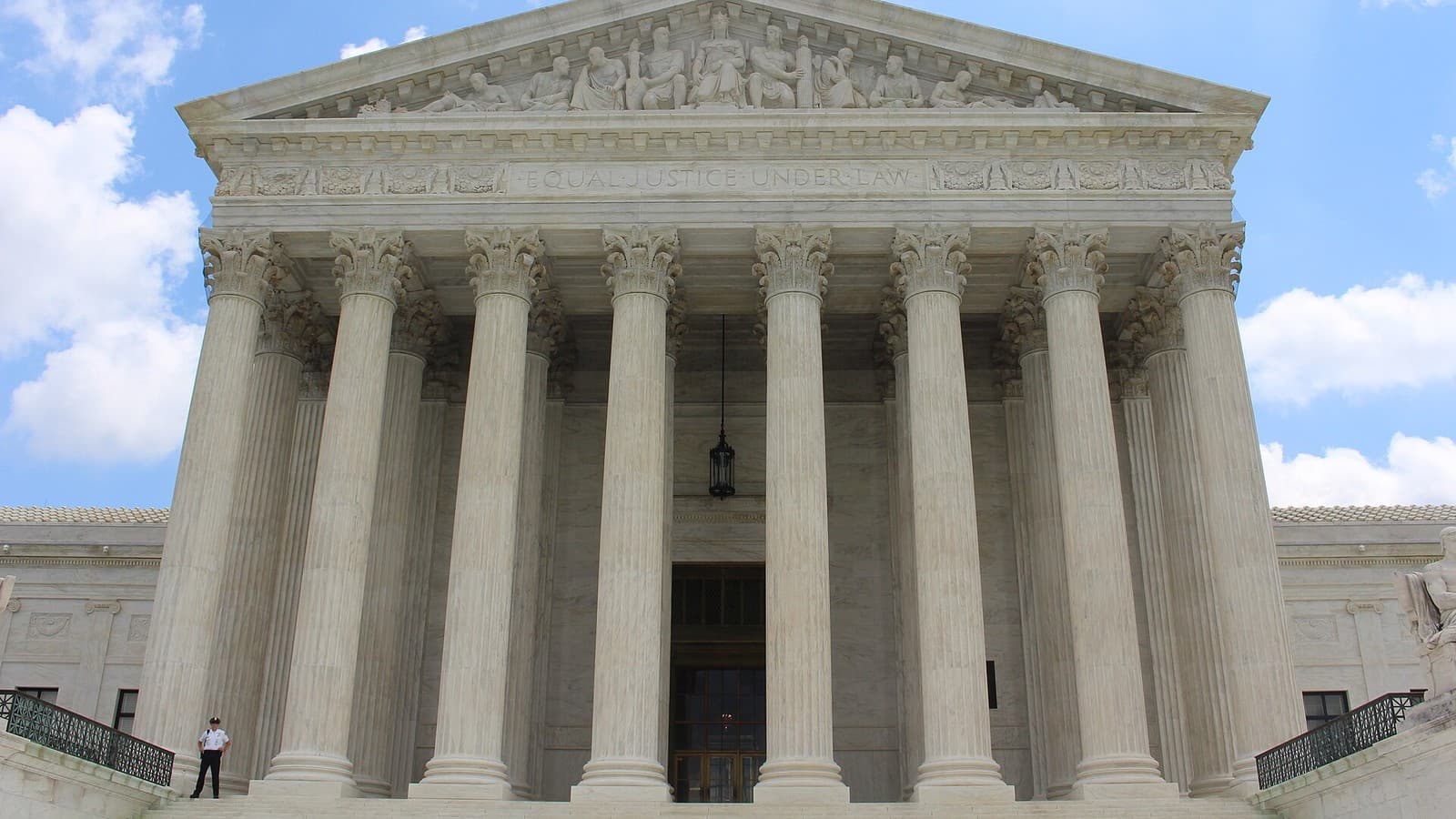
Case period:
Published by The Dispute Index editorial teamPublished Updated
Overview
The Supreme Court rejected a claimed ExplainerFirst AmendmentThe First Amendment bars the government from abridging the freedom of speech or of the press. It limits government, not private companies. Courts presume content-based laws and prior restraints unconstitutional, and only a few narrow categories, such as incitement, true threats and obscenity, fall outside it.What does the First Amendment protect? privilege to withhold relevant testimony from good-faith grand-jury investigations. Justice Byron White defended that result, Justice Potter Stewart warned it would impair confidential newsgathering, and Justice Lewis Powell stressed limits protecting reporters against improper demands.
Background: What does the First Amendment protect?
Read the full background
The June 29, 1972 decision resolved proceedings involving Paul Branzburg, Paul Pappas and Earl Caldwell. White wrote the majority opinion. Powell joined it and wrote separately; Stewart dissented with Brennan and Marshall. Douglas dissented separately. The Court affirmed in Branzburg and Pappas and reversed in Caldwell. The opinion leaves Congress and state legislatures room to address a newsman's privilege, subject to First Amendment limits, and rejects harassment unrelated to legitimate law enforcement. Full opinions (opens in a new tab).
People in this case
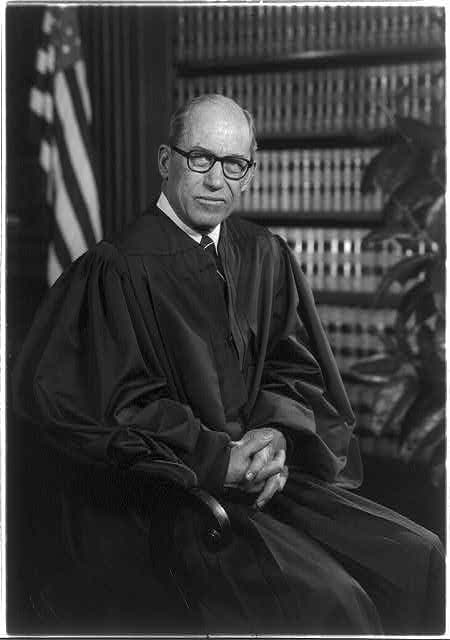 Byron R. WhiteDirectly involved
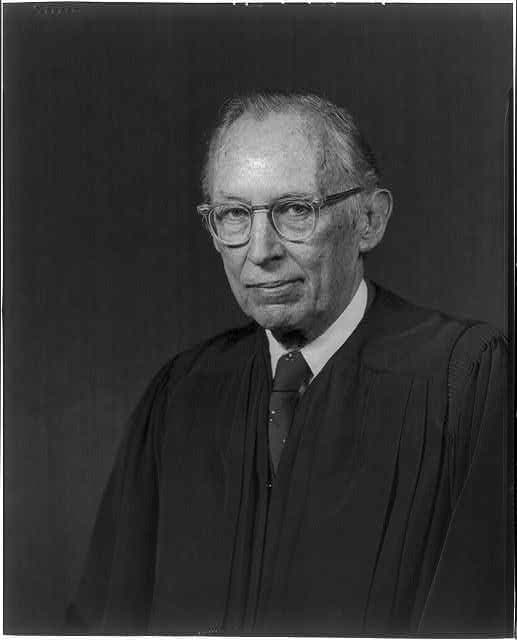 Lewis F. Powell Jr.Directly involved
Timeline
1 timeline entry on this page. Dates: June 29, 1972
June 1972
Supreme Court decides Branzburg and companion cases
The Court rejects the asserted First Amendment testimonial privilege. Powell writes a concurrence, and Douglas and Stewart write dissents.
Claims
Claims separate what was said from what is contested. Follow each source for the original wording and context.
What's disputed
Disputed claim
Copy link to this disputed claim by Byron R. WhiteRequiring newsmen to appear and testify before state or federal grand juries in good-faith criminal investigations does not abridge First Amendment speech and press freedoms.
What is disputed
White defends the result; Stewart argues it denies constitutional protection to confidential sources.
Sources (1)
- Branzburg v. Hayes, 408 U.S. 665: full opinions · Supreme Court of the United StatesSyllabus page 665; majority pages 667-709; Powell pages 709-710; Douglas pages 711-725; Stewart pages 725-752
In their own words
Their own account
Statements from the person or group whose act or claim this case is about. They are listed apart from the responses, and each label says what the speaker did with their own act or claim.
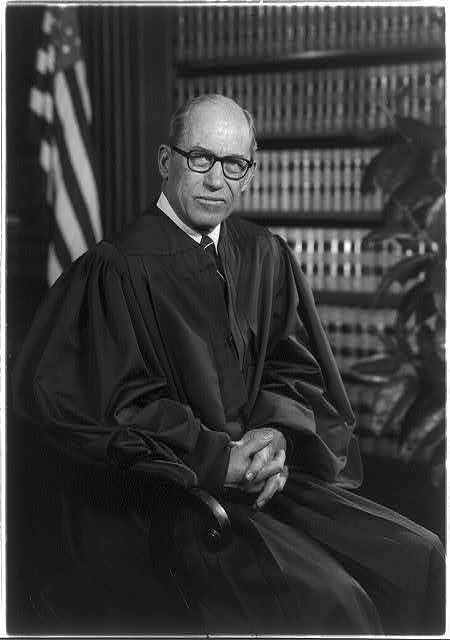 Byron R. WhiteU.S. Supreme Court justice, writing the majority opinion
"We hold that it does not."
ExplainedCase context: Was Branzburg v. Hayes right to require reporters' grand-jury testimony?
Full statement and sources
White concludes that requiring newsmen to appear and testify in the proceedings at issue does not abridge First Amendment speech and press protections.
Before the statement
White asks whether requiring newsmen to appear and testify before state or federal grand juries abridges speech and press freedom.
After the statement
The opinion turns to the facts of the proceedings. Later, it says grand juries are subject to judicial control.
Branzburg v. Hayes, 408 U.S. 665: full opinions · Supreme Court of the United StatesSyllabus page 665; majority pages 667-709; Powell pages 709-710; Douglas pages 711-725; Stewart pages 725-752Why this label?
Byron White, writing for the Court, holds that requiring reporters to appear and testify before grand juries does not abridge the First Amendment and sets out the Court's reasons for that ruling, so we labeled it Explained.
This label describes the statement's response within the context above.
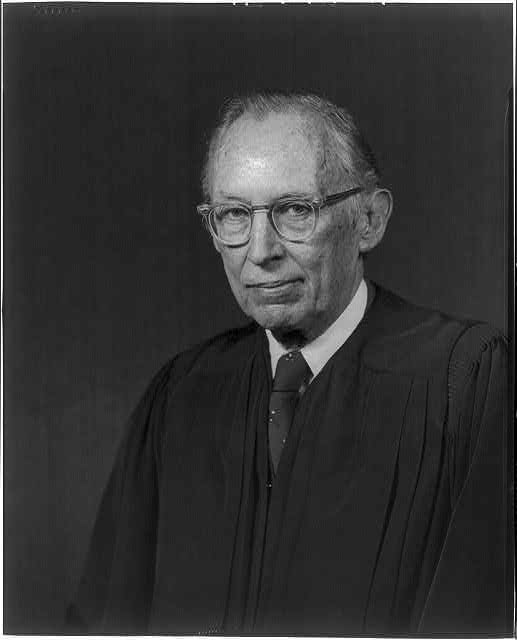 Lewis F. Powell Jr.U.S. Supreme Court justice, concurring
"I add this brief statement to emphasize what seems to me to be the limited nature of the Court's holding."
Mixed or conditionalCase context: Was Branzburg v. Hayes right to require reporters' grand-jury testimony?
Full statement and sources
Powell joins the Court's opinion while stressing remedies for bad-faith investigations, testimony remote from the investigation, and source demands without a legitimate law-enforcement need.
Before the statement
Powell joins White's majority opinion.
After the statement
He says reporters retain constitutional rights and may move to quash improper demands. A footnote rejects the dissent's three proposed preconditions.
Branzburg v. Hayes, 408 U.S. 665: full opinions · Supreme Court of the United StatesSyllabus page 665; majority pages 667-709; Powell pages 709-710; Douglas pages 711-725; Stewart pages 725-752Why this label?
Powell supports compelled testimony subject to express protections against improper demands.
This label describes the statement's response within the context above.
Response record
Responses
Choose one response filter, or select All responses to see the full record.
1 response. Newest first.
Potter StewartU.S. Supreme Court justice, dissenting with Brennan and MarshallDirectly involved "The Court thus invites state and federal authorities to undermine the historic independence of the press"
CondemnedCase context: Was Branzburg v. Hayes right to require reporters' grand-jury testimony?
Full statement and sources
Stewart argues that subpoena power without constitutional protection for confidential sources will deter sources and reporters.
Before the statement
Stewart says the Court denies a First Amendment right to protect sources when reporters are called before a grand jury.
After the statement
He says the ruling will impair the press's protected functions and harm the administration of justice. His later proposed test is in dissent.
Branzburg v. Hayes, 408 U.S. 665: full opinions · Supreme Court of the United StatesSyllabus page 665; majority pages 667-709; Powell pages 709-710; Douglas pages 711-725; Stewart pages 725-752Why this label?
Stewart rejects the majority's approach to compelled testimony.
This label describes the statement's response within the context above.
Sources
(1)
Original text
Branzburg v. Hayes, 408 U.S. 665: full opinions
Relevant passage: Syllabus page 665; majority pages 667-709; Powell pages 709-710; Douglas pages 711-725; Stewart pages 725-752
About this source
The Court and separate opinions address journalists' testimony in grand-jury investigations and the limits of constitutional source protection.
- Published
- Accessed
Share or embed this case
The embed keeps its attribution link to The Dispute Index. Credit the image to The Dispute Index and link to the case page.
Cite this record
- Publisher
- The Dispute Index
- Title
- Was Branzburg v. Hayes right to require reporters' grand-jury testimony?
- First published
- Last updated
- Permalink
- https://disputeindex.com/cases/branzburg-v-hayes-reporters-grand-jury-source-privilege
The Dispute Index. "Was Branzburg v. Hayes right to require reporters' grand-jury testimony?". First published: 2026-11-04. Last updated: 2026-11-10. https://disputeindex.com/cases/branzburg-v-hayes-reporters-grand-jury-source-privilege