
Powell emphasizes limits on compelled testimony
Lewis F. Powell Jr.U.S. Supreme Court justice, concurring
Powell joins the Court's opinion while stressing remedies for bad-faith investigations, testimony remote from the investigation, and source demands without a legitimate law-enforcement need.
“I add this brief statement to emphasize what seems to me to be the limited nature of the Court's holding.”
Original text
Where this statement fits
Was Branzburg v. Hayes right to require reporters' grand-jury testimony?
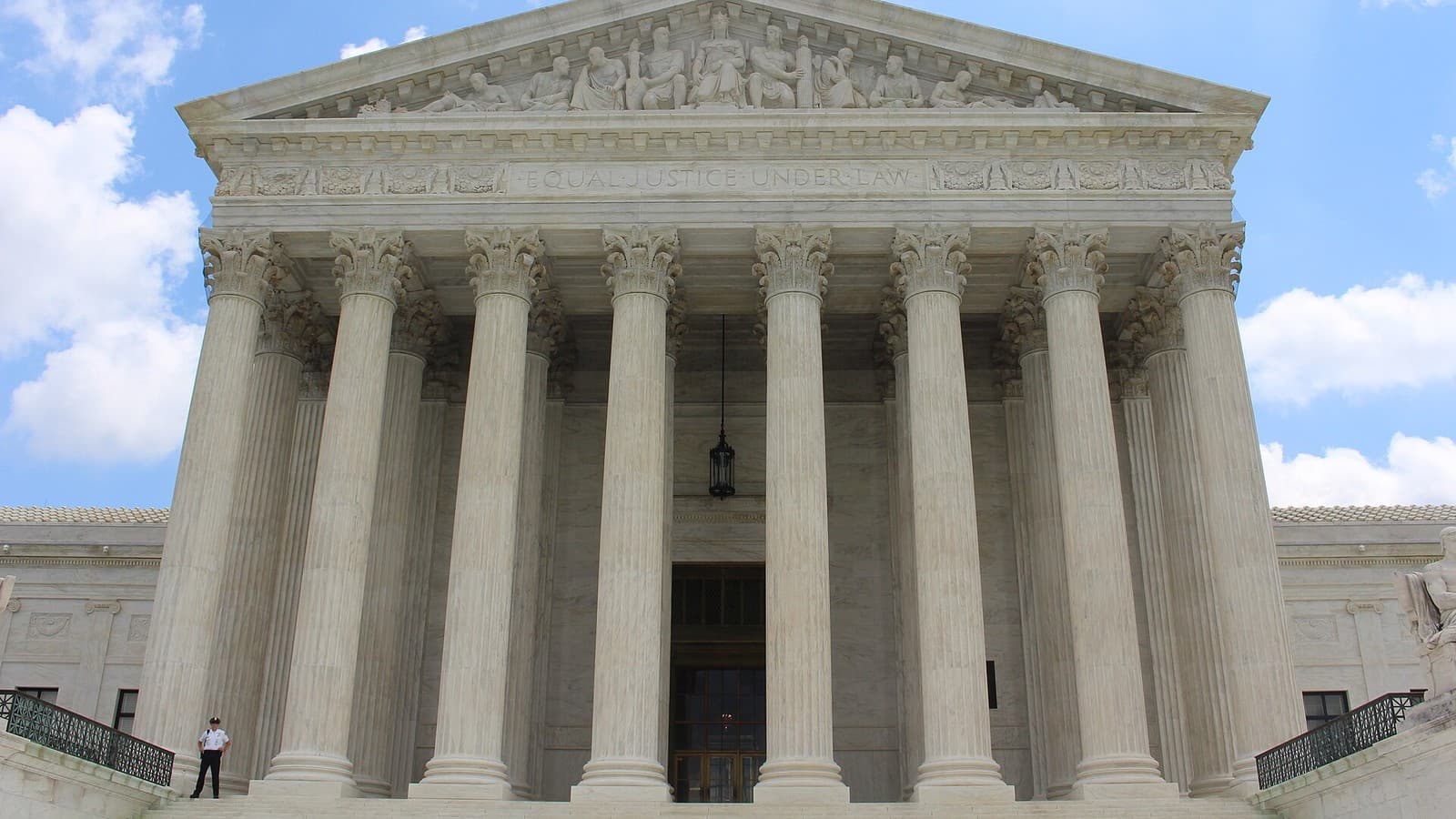
The Supreme Court rejected a claimed First Amendment privilege to withhold relevant testimony from good-faith grand-jury investigations. Justice Byron White defended that result, Justice Potter Stewart warned it would impair confidential newsgathering, and Justice Lewis Powell stressed limits protecting reporters against improper demands.
Source and context
Original text
About this source
The Court and separate opinions address journalists' testimony in grand-jury investigations and the limits of constitutional source protection.
Archived copy (opens in a new tab)Before the quotation
Powell joins White's majority opinion.
After the quotation
He says reporters retain constitutional rights and may move to quash improper demands. A footnote rejects the dissent's three proposed preconditions.
How this statement is classified
The label describes this statement's response within the context above.
Why this label?
Powell supports compelled testimony subject to express protections against improper demands.
- Recorded on
- Published here
- People and groups discussed
- Supreme Court of the United States
More from this case
Read the full caseStewart warns the ruling threatens an independent press
“The Court thus invites state and federal authorities to undermine the historic independence of the press”Read statement
White defends requiring relevant grand-jury testimony
“We hold that it does not.”Read statement
Share or embed this statement
The embed keeps its attribution link to The Dispute Index. Credit the image to The Dispute Index and link to the statement page.
Cite this record
- Publisher
- The Dispute Index
- Title
- Powell emphasizes limits on compelled testimony
- First published
- Last updated
- Permalink
- https://disputeindex.com/events/8178-powell-joins-the-court-s-opinion-while-stressing
Last updated marks the most recent saved version of this published statement.
The Dispute Index. "Powell emphasizes limits on compelled testimony". First published: 2026-11-04. Last updated: 2026-11-04. https://disputeindex.com/events/8178-powell-joins-the-court-s-opinion-while-stressing