Public disputes about relations between North Korea and South Korea, the Demilitarized Zone and the 1953 Armistice Agreement, and security on the Korean Peninsula involving the two Korean governments and the United Nations Command.
Published coverage on this page: 1 case · 18 statements. Statements are ordered newest first.
Topic updates
Follow this topic
Get free email updates about Korean Peninsula. We will email you when we add or correct a case in this topic.
Enable JavaScript to request email updates about this topic.
We will send a confirmation email first. Every update email has a link to stop. How we handle your email.
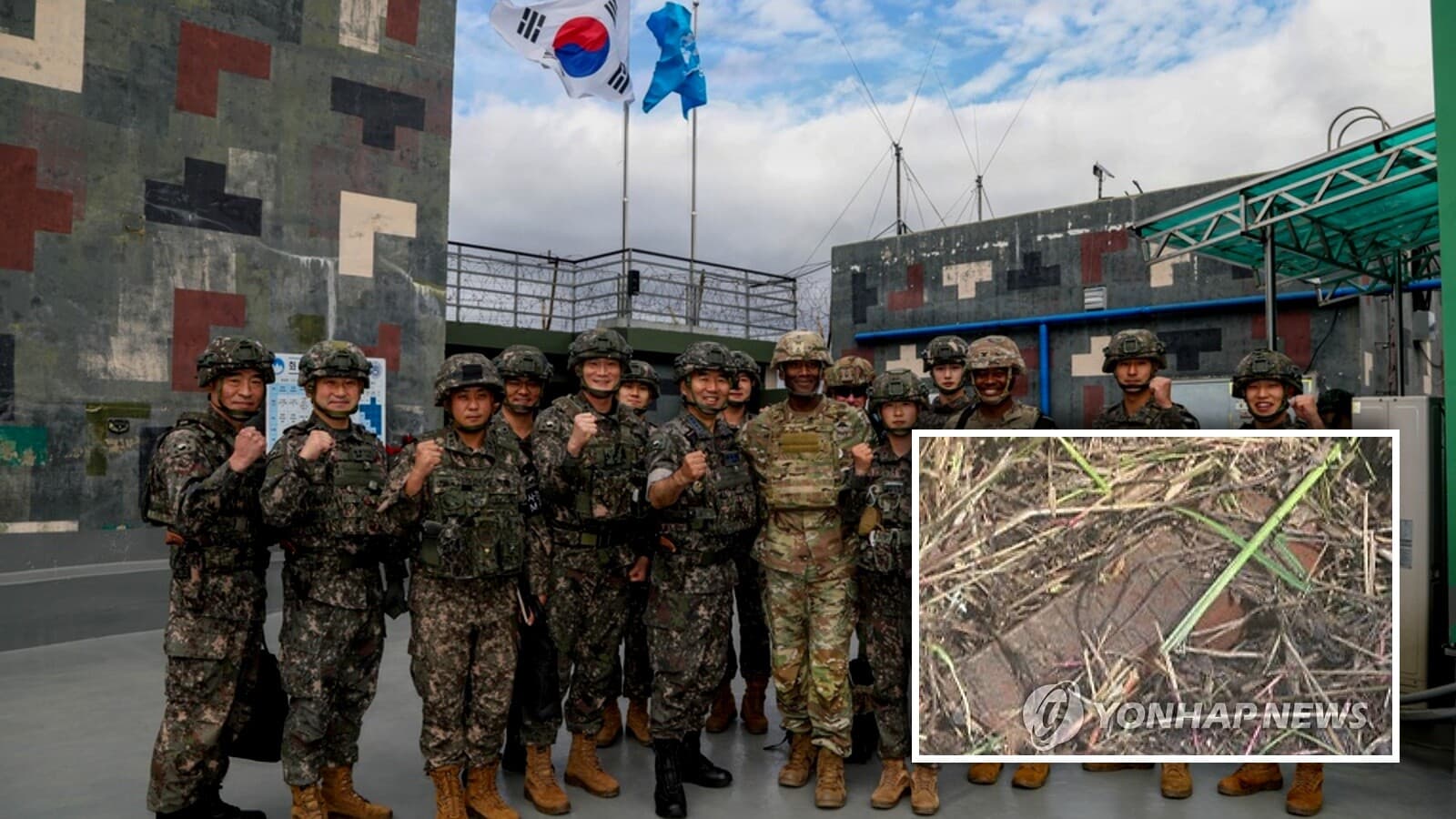
Seoul blames North Korean mines for the September 21 DMZ blasts. Kim Yo Jong repeats her denial. Experts disagree over deliberate placement or accidental displacement, while Aju Press reports pending forensic results.
Role at the time: KAIST professor and Korea Herald opinion columnist
Condemned
Statement summary
Kim criticizes North Korean mine-laying and argues that it should not determine where South Korean soldiers patrol. He calls for systematic removal of unauthorized mines.
“North Korean mine-laying cannot be allowed to dictate where our soldiers patrol.”
Open source (opens in a new tab)Man-Ki Kim argues South Korea should maintain patrols and remove unauthorized minesParagraph beginning Physical resolve must be demonstrated on the ground
What this label refers to
Kim identifies the mine-laying as North Korean and criticizes its use to restrict South Korean patrols.
Role at the time: South Korean ambassador to the United Nations, addressing a General Assembly committee on October 8, 2026
Condemned
Statement summary
Cha says a joint investigation supported by forensic analysis confirmed that North Korean forces deliberately planted the mine. He calls on North Korea to stop escalating, apologize and take responsible measures.
“We urge the DPRK to cease such escalatory actions upon apology and take responsible measures.”
Open source (opens in a new tab)Cha Ji-hoon calls for an apology and measures over the DMZ blast at the U.N.Report datelined Washington, October 8; First Committee statement
What this label refers to
The conduct under scrutiny is the alleged deliberate placement of mines by North Korean forces. Cha endorses that attribution and calls on North Korea to stop the actions and apologize, expressly criticizing the alleged conduct.
Role at the time: Joint Chiefs of Staff vice chairman and joint investigation taskforce leader
Condemned
Statement summary
Kwon calls on North Korea to apologize to the injured soldiers and remove mines the South Korean investigation concluded it planted in violation of the Armistice Agreement.
“offer a sincere apology to the South Korean soldiers injured in the mine blast”
Open source (opens in a new tab)Yonhap reports final DMZ findings and Kwon's apology demandParagraph beginning The military strongly calls on North Korea, attributed to Kwon
What this label refers to
Kwon calls on North Korea to apologize to the injured soldiers and remove mines the South Korean investigation concluded it planted in violation of the Armistice Agreement.
Role at the time: Senior official of North Korea's Workers' Party
Denied
Response to this claim
Kim Yo Jong said in a press statement carried by the Korean Central News Agency on September 30, 2026 that South Korea's investigation results on the mine explosion are groundless and that South Korea is trying to fabricate evidence, and that North Korean soldiers have never crossed the border.
“the sequel of a self-staged farce”
Open source (opens in a new tab)North's Kim Yo-jong rejects Seoul's demand for apology over DMZ mine blast · Korea JoongAng DailyOpening account of Kim Yo Jong's October 2 KCNA statement and final paragraphs calling the incident a sequel
Why we used this label
Kim Yo Jong denies North Korean responsibility for the mines that injured the soldiers and dismisses Seoul's account as fabricated, calling it "the sequel of a self-staged farce".
Role at the time: Professor at Kookmin University and North Korea scholar
Challenged the characterization
Response to this claim
South Korea's Joint Chiefs of Staff said on September 28, 2026 that North Korean land mines were highly likely the cause of the two explosions that wounded three South Korean soldiers south of the Military Demarcation Line on September 21, and said on September 30 that South Korean soldiers were seriously injured by North Korean landmines while conducting search operations south of that line.
“It makes no sense to me for North Korea to do this deliberately,”
Open the original interview (opens in a new tab)Is North Korea pushing the limits of the DMZ?Choo Jae-woo interview before 'Why Seoul blames North Korea'; Andrei Lankov interview under 'Accident or calculated provocation?'
Why we used this label
Lankov challenges deliberate placement, rather than justifying it.
Role at the time: Professor at Kyung Hee University
Condemned
Response to this claim
South Korea's Joint Chiefs of Staff said on September 28, 2026 that North Korean land mines were highly likely the cause of the two explosions that wounded three South Korean soldiers south of the Military Demarcation Line on September 21, and said on September 30 that South Korean soldiers were seriously injured by North Korean landmines while conducting search operations south of that line.
“an attempt to threaten and intimidate the South.”
Open the original interview (opens in a new tab)Is North Korea pushing the limits of the DMZ?Choo Jae-woo interview before 'Why Seoul blames North Korea'; Andrei Lankov interview under 'Accident or calculated provocation?'
Why we used this label
Choo condemns the alleged North Korean placement of the mines, calling it "an attempt to threaten and intimidate the South".
Role at the time: Institutional Opinion Desk editorial
Condemned
Response to this claim
South Korea's Joint Chiefs of Staff said on September 28, 2026 that North Korean land mines were highly likely the cause of the two explosions that wounded three South Korean soldiers south of the Military Demarcation Line on September 21, and said on September 30 that South Korean soldiers were seriously injured by North Korean landmines while conducting search operations south of that line.
“It was the consequence of a provocative act: planting mines.”
Read the original text (opens in a new tab)DMZ mine blast was a North Korean provocation, not an 'accident' (KOR) · Korea JoongAng DailyEditorial paragraph beginning 'This was not simply an' and accompanying Korean text
Why we used this label
The editorial condemns the alleged North Korean placement of the mines, saying the blast was "the consequence of a provocative act" and not an accident.
Role at the time: Leader of the Democratic Party of Korea, the governing party, speaking at a party Supreme Council meeting at the National Assembly
Condemned
Statement summary
At a Democratic Party Supreme Council meeting on September 30, 2026, party leader Kim Min-seok said the DMZ explosion "has been revealed to be caused by North Korea planting landmines" south of the Military Demarcation Line. SBS reported that he also condemned what he called North Korea's violation of the Armistice Agreement, said North Korea must apologize, and urged the military to take countermeasures.
“The DMZ explosion has been revealed to be caused by North Korea planting landmines south of the Military Demarcation Line.”
Open source (opens in a new tab)Kim Min-seok on DMZ Mine Blast: "Condemns North Korea's 'Staged' Claims... Must Apologize" · SBS NewsParagraphs 1-4 (Kim Min-seok's remarks at the Supreme Council meeting)
What this label refers to
The case asks whether North Korean forces planted the mines. Kim said the explosion had been revealed to be caused by North Korea planting landmines south of the MDL and, in remarks SBS reported alongside, condemned an armistice violation and demanded an apology. That accepts the attribution as established and criticizes the conduct, so we labeled it Condemned. The wording is SBS's English rendering.
Role at the time: Department director of the Central Committee of the Workers' Party of Korea, in a press statement carried by the Korean Central News Agency
Denied
Response to this claim
Kim Yo Jong said in a press statement carried by the Korean Central News Agency on September 30, 2026 that South Korea's investigation results on the mine explosion are groundless and that South Korea is trying to fabricate evidence, and that North Korean soldiers have never crossed the border.
Quotation excerpt
“The "crossing the border" of our soldiers touted by the ROK military is a deliberate and planned strained assertion to shift the responsibility for escalating tension on to the DPRK.
Clearly speaking, our soldiers have never crossed the…”
Read full quotation
“The "crossing the border" of our soldiers touted by the ROK military is a deliberate and planned strained assertion to shift the responsibility for escalating tension on to the DPRK.
Clearly speaking, our soldiers have never crossed the border.
This is a clear cavil and a provocation.
The ROK military should think first of all about what the world will say about its inability to distinguish its own land and other's land, failing to properly distinguish the boundary which can be confirmed by the naked eye.”
Read the original text (opens in a new tab)Press Statement of Kim Yo Jong, Department Director of C.C., WPK · Korean Central News AgencyFull statement; paragraphs 4-12 on the mine explosion, and the paragraphs on the border crossing claim
Why we used this label
The case asks whether North Korean forces planted mines south of the MDL, which depends in part on whether North Korean soldiers crossed the line. Kim said her soldiers have never crossed the border and called the crossing claim an assertion made to shift responsibility. In her account a disputed factual claim is untrue, so we labeled it Denied. The passage does not discuss the mines directly and does not say whether North Korea regards the blast site as its own side of the line.
Role at the time: Department director of the Central Committee of the Workers' Party of Korea, in a press statement carried by the Korean Central News Agency
Denied
Response to this claim
Kim Yo Jong said in a press statement carried by the Korean Central News Agency on September 30, 2026 that South Korea's investigation results on the mine explosion are groundless and that South Korea is trying to fabricate evidence, and that North Korean soldiers have never crossed the border.
Quotation excerpt
“In conclusion, the incident is a clear farce reminiscent of the "wooden-box mine incident" which disturbed the world more than ten years ago, in consideration of the time and method of provocation.
At that time the puppet forces forcibly…”
Read full quotation
“In conclusion, the incident is a clear farce reminiscent of the "wooden-box mine incident" which disturbed the world more than ten years ago, in consideration of the time and method of provocation.
At that time the puppet forces forcibly linked the "mine explosion incident" that occurred on the western border with the DPRK and continuously escalated the tension under the pretext of it.
What should not be overlooked is the fact that the armed gangsters of the ROK are now cooking up the groundless results and "justifying their conduct" for political and military provocation against the DPRK, openly talking about "reasonable and corresponding enforcement of measures".
How can we sit and watch their despicable act of rashly doubting anyone after exploding a mine of doubtful provenance and talking about the breach of the Armistice Agreement.”
Read the original text (opens in a new tab)Press Statement of Kim Yo Jong, Department Director of C.C., WPK · Korean Central News AgencyFull statement; paragraphs 4-12 on the mine explosion, and the paragraphs on the border crossing claim
Why we used this label
The case asks whether North Korean forces planted the mines. Kim said South Korea's results are groundless and the incident "a clear farce," and questioned the mine's provenance. In her account the South Korean attribution is untrue, so we labeled it Denied. She rejects the attribution but does not give another account of who laid the mines.
Role at the time: United Nations Command, in a statement emailed to reporters
Mixed or conditional
Response to this claim
The United Nations Command said on September 30, 2026 that its joint investigation with South Korea's military identified an active North Korean anti-personnel mine on the South Korean side of the Military Demarcation Line, and that based on the investigation's findings it determined an Armistice Agreement violation occurred.
Quotation excerpt
“During the investigation, the team identified an active Democratic People's Republic of Korea anti-personnel mine on the ROK side of the Military Demarcation Line
...
Based on the findings of the investigation, UNC determined that an…”
Read full quotation
“During the investigation, the team identified an active Democratic People's Republic of Korea anti-personnel mine on the ROK side of the Military Demarcation Line
...
Based on the findings of the investigation, UNC determined that an Armistice Agreement violation occurred. UNC is addressing the violation through established Armistice mechanisms”
Open source (opens in a new tab)U.N. Command says Armistice Agreement violation occurred over DMZ mine blast · Yonhap News AgencyParagraphs 1-4, quoting the UN Command's emailed statement
Why we used this label
The command supports part of the South Korean account: it identified an active North Korean anti-personnel mine on the South Korean side of the line and found that an Armistice Agreement violation occurred. It stops short of naming which side committed the violation and does not say the two mines that exploded were North Korean. That mix of a partial finding and an express limit is why we labeled it Mixed or conditional.
Role at the time: Chief director of operations at South Korea's Joint Chiefs of Staff, reading the military's statement at a press briefing at the Ministry of National Defense
Condemned
Response to this claim
South Korea's Joint Chiefs of Staff said on September 28, 2026 that North Korean land mines were highly likely the cause of the two explosions that wounded three South Korean soldiers south of the Military Demarcation Line on September 21, and said on September 30 that South Korean soldiers were seriously injured by North Korean landmines while conducting search operations south of that line.
Quotation excerpt
“This constitutes a blatant violation of the Armistice Agreement and undermines the spirit of existing inter-Korean agreements and must be halted immediately
...
We strongly demand an apology and responsible measures from the North
...
We…”
Read full quotation
“This constitutes a blatant violation of the Armistice Agreement and undermines the spirit of existing inter-Korean agreements and must be halted immediately
...
We strongly demand an apology and responsible measures from the North
...
We make it explicitly clear that North Korea bears full responsibility for any future consequences that may arise”
Open source (opens in a new tab)(2nd LD) S. Korea blames N.K. for DMZ mine blast; UNC cites armistice breach over active mine · Yonhap News AgencyParagraphs 1-5 (Lt. Gen. Kang Hyun-woo's statement) and the paragraphs on the UN Command and the evidence summary
Why we used this label
Kang called the situation "a blatant violation of the Armistice Agreement" that must be halted, and in the same briefing said, "We strongly demand an apology and responsible measures from the North" and "North Korea bears full responsibility for any future consequences that may arise." That attributes the mines to North Korea and criticizes the conduct, so we labeled it Condemned. The JCS had not yet issued a final investigation result when he spoke.
Role at the time: President of South Korea, speaking at a Cabinet meeting at the Blue House
Mixed or conditional
Statement summary
At a Cabinet meeting on September 29, 2026, the day after the Joint Chiefs' preliminary findings, President Lee Jae Myung told the military to work closely with the UN Command on a swift and thorough investigation and to establish transparently what happened. He said the government would take necessary measures based on what the investigation finds. He also warned against fueling conspiracy theories over the incident, and JoongAng reported that he dismissed allegations that the military had held back the announcement because of his UN General Assembly speech.
“We will take the necessary measures based on what the investigation finds.”
Open source (opens in a new tab)Lee orders transparent DMZ mine probe, waves off 'conspiracy theories' · Korea JoongAng DailyParagraphs 1-6 (President Lee Jae Myung's Cabinet meeting remarks on the DMZ blast)
What this label refers to
President Lee neither adopted the Joint Chiefs' preliminary attribution nor rejected it. He directed the military to work with the UN Command to establish what happened and tied the government's measures to "what the investigation finds", a position that rests on an open condition.
Role at the time: UN Command spokeswoman Choi Min-jung, replying by email to Stars and Stripes
Explicitly stayed out
Statement summary
Asked to comment on the Joint Chiefs of Staff's September 28 preliminary findings, UN Command spokeswoman Choi Min-jung told Stars and Stripes by email on September 29, 2026 that the command had no further comment while the incident remained under investigation. Yonhap reported that the command gave the same reply to its request for comment.
“no further comment while the incident remains under investigation”
Open source (opens in a new tab)North Korean mines likely caused DMZ blasts that injured 3 soldiers, South’s military says · Stars and StripesFinal paragraphs (UN Command spokeswoman Choi Min-jung's emailed reply) and paragraphs 2-6 on Lt. Gen. Kwon Dae-won's briefing
What this label refers to
The case asks whether North Korean forces planted the mines. Asked about the South Korean military's attribution, the command declined to comment while the investigation continued, and neither adopted nor rejected the attribution. We labeled it Explicitly stayed out because the sources record a stated refusal to comment, not silence.
Role at the time: Minister of National Defense, answering lawmakers at a plenary session of the National Assembly's National Defense Committee
Condemned
Response to this claim
South Korea's Joint Chiefs of Staff said on September 28, 2026 that North Korean land mines were highly likely the cause of the two explosions that wounded three South Korean soldiers south of the Military Demarcation Line on September 21, and said on September 30 that South Korean soldiers were seriously injured by North Korean landmines while conducting search operations south of that line.
“It is clearly a violation of the armistice agreement, and the responsibility lies with North Korea, so we will take corresponding measures”
Open source (opens in a new tab)(LEAD) Defense chief says N. Korean land mine found near DMZ blast site was buried · Yonhap News AgencyParagraphs 1-4 and 9-10 (Defense Minister Kang Shin-chul's answers to the National Defense Committee)
Why we used this label
Kang said the explosion was clearly an armistice violation and that responsibility lies with North Korea, and he answered yes when asked whether he was certain North Korea-planted mines caused it. That accepts the attribution and criticizes the conduct. His pledge of corresponding measures was framed as applying if the cause is confirmed, but his answer on the cause was unqualified, so we labeled it Condemned. His remarks on how long the mine had been underground concern timing, not who planted it.
Role at the time: Vice chairman of South Korea's Joint Chiefs of Staff, speaking at a press briefing at the Ministry of National Defense
Mixed or conditional
Response to this claim
South Korea's Joint Chiefs of Staff said on September 28, 2026 that North Korean land mines were highly likely the cause of the two explosions that wounded three South Korean soldiers south of the Military Demarcation Line on September 21, and said on September 30 that South Korean soldiers were seriously injured by North Korean landmines while conducting search operations south of that line.
Quotation excerpt
“If the final investigation confirms that this was inflicted by land mines laid by North Korean forces, it constitutes a clear attack in which our soldiers, who were lawfully performing DMZ operations south of the MDL, were injured by North…”
Read full quotation
“If the final investigation confirms that this was inflicted by land mines laid by North Korean forces, it constitutes a clear attack in which our soldiers, who were lawfully performing DMZ operations south of the MDL, were injured by North Korean mines and consequently, accountability rests entirely with North Korea”
Open source (opens in a new tab)N. Korean land mines highly likely cause of DMZ blast: S. Korean military · The Korea HeraldParagraphs 3-6 (Lt. Gen. Kwon Dae-won's remarks) and the paragraph on the UN Command's reply
Why we used this label
Kwon said the military's evidence made North Korean mines highly likely the cause, but his statement that "accountability rests entirely with North Korea" applies only if the final investigation confirms that North Korean forces laid the mines. Because that depends on a condition still unresolved, we labeled it Mixed or conditional.
Role at the time: Chair of the People Power Party, the main opposition party, at a press conference
Condemned
Statement summary
At a press conference on September 23, 2026, two days after the blasts and before the Joint Chiefs or the UN Command had reported findings, People Power Party chair Jang Dong-hyeok said the explosion was "not merely an accident but a clear provocation by North Korea." The Korea Herald reported that he suspected North Korean-made wooden-box mines could be behind it and that he said the investigation into whether the mines came from North Korea and whether they had drifted or been deliberately planted would not take long.
“This was not merely an accident but a clear provocation by North Korea, so our response must therefore be meant to address provocation, not an accident.”
Open source (opens in a new tab)Opposition chair slams DP for pressuring Supreme Court chief · The Korea HeraldFinal paragraphs (People Power Party chair Jang Dong-hyeok on the DMZ explosion)
What this label refers to
The case asks whether North Korean forces planted the mines. Jang said the explosion was "a clear provocation by North Korea," which attributes it to North Korea and criticizes it, so we labeled it Condemned. He said this before any investigation result, at a time when the Korea Herald described North Korean wooden-box mines as his suspicion.
Role at the time: Minister of National Defense, speaking to reporters after his inauguration
Mixed or conditional
Statement summary
On September 22, 2026, his first day as defense minister, Kang Shin-chul urged North Korea to stop its border fortification and said the explosion the day before could be one of the secondary effects of North Korea's border-hardening. He also said the military had not confirmed whether the suspected minefield, the patrol route and the explosion site matched, and that the investigation must determine that.
“There are secondary effects that stem from North Korea's border-hardening, and this (explosion) could be one of them”
Open source (opens in a new tab)New defense minister urges N. Korea to halt border-hardening following DMZ explosion · The Korea HeraldParagraphs 1-8 (Defense Minister Kang Shin-chul's first press remarks after the blasts)
What this label refers to
Kang linked the blast to North Korea's border work only as a possibility, saying the explosion "could be one of them" among the secondary effects, and said the military could not yet confirm whether the sites matched. His position depends on what the investigation determines, so we labeled it Mixed or conditional.
Man-Ki Kim is a professor at KAIST and a senior adviser at Yoon & Yang. He specializes in public procurement, defense exports, economic security and global supply chains. He leads procurement and defense export education programs at KAIST and writes columns for The Korea Herald. He earned a doctorate in economics from Dankook University and a bachelor's degree in international trade from Hansung University. He previously directed the Center for Global Public Procurement at KAIST and was president of the Global Procurement Development Institute.
Cha Ji-hoon is a South Korean diplomat and lawyer who is his country's permanent representative to the United Nations. Before his diplomatic appointment, he was a partner at Yoon & Yang, also known as Hwawoo.
Kwon Dae-won is a lieutenant general in the South Korean Army and the vice chairman of the Joint Chiefs of Staff, the second-ranking position on the body that commands the Republic of Korea armed forces.
Andrei Lankov is a North Korea scholar and professor at Kookmin University in Seoul. He is a director at NK News and writes about Korean history and politics.
Choo Jae-woo is a professor at Kyung Hee University in South Korea and a columnist for The Korea Times. He writes about Chinese foreign policy and international relations.
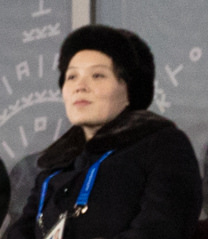
Kim Yo Jong is a senior official of North Korea's ruling Workers' Party of Korea and the sister of leader Kim Jong Un. State media identified her in September 2026 as a department director of the party's Central Committee. She issues statements on relations with South Korea and the United States that the Korean Central News Agency publishes.
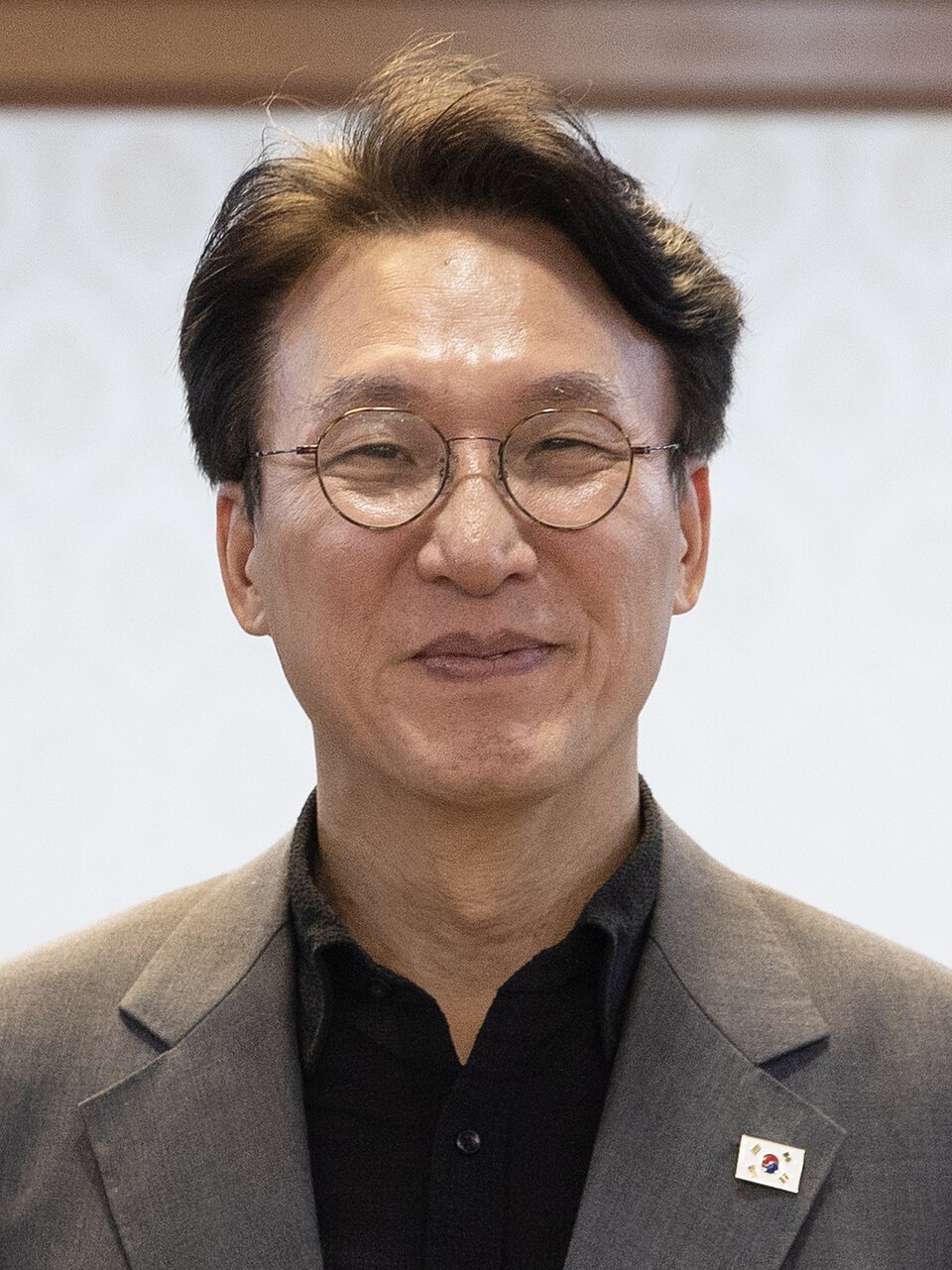
Kim Min-seok is a South Korean politician and a member of the National Assembly for Yeongdeungpo-eul. In September 2026 he was leader of the Democratic Party of Korea, the governing party.
Kang Hyun-woo is a lieutenant general in the South Korean military and the chief director of operations at the Joint Chiefs of Staff. The operations directorate he leads plans and directs the South Korean armed forces' operations.
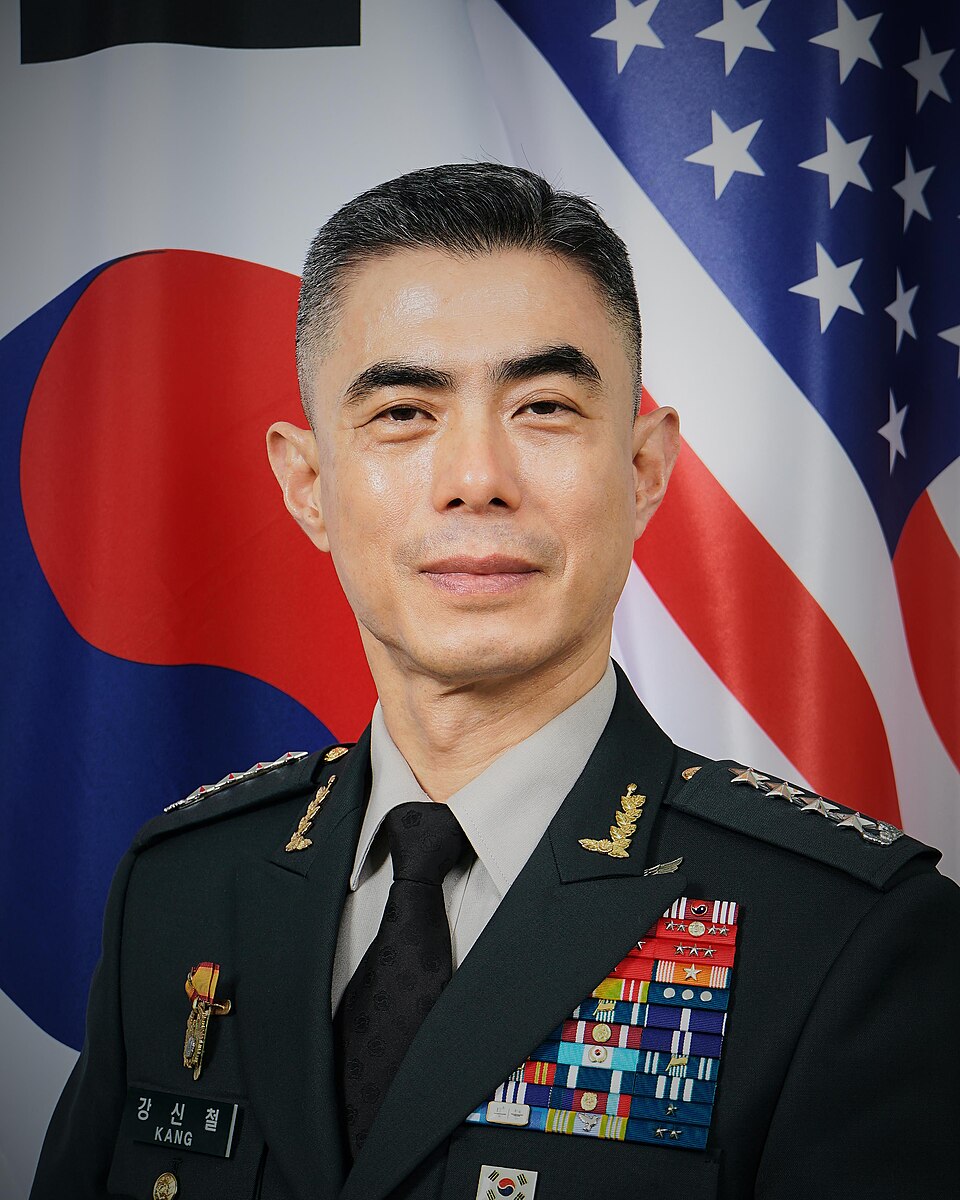
Kang Shin-chul is South Korea's minister of national defense. A retired four-star Army general, he was deputy commander of the South Korea-U.S. Combined Forces Command before President Lee Jae Myung nominated him as defense minister on August 30, 2026. He took office on September 22, 2026.
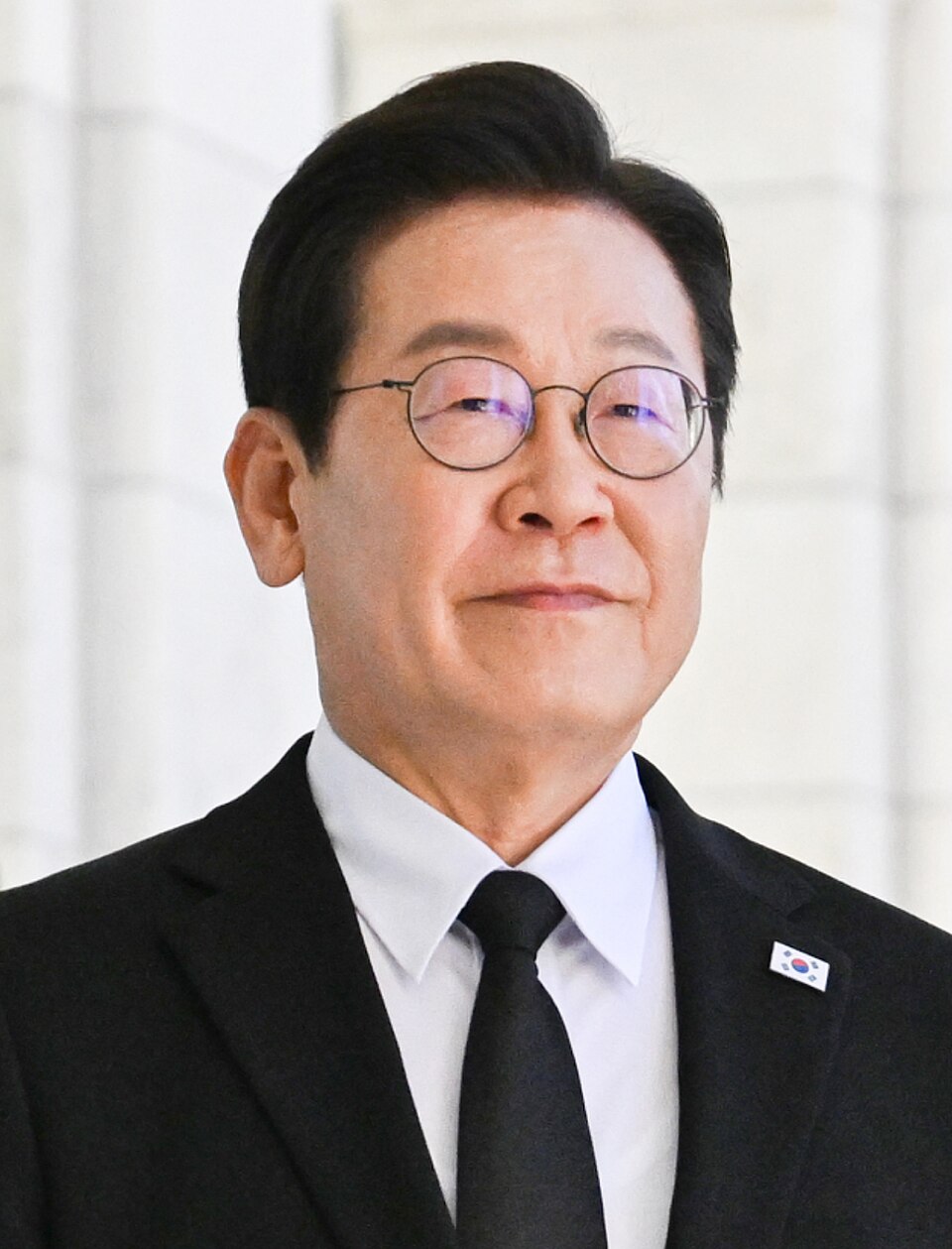
Lee Jae Myung is the 21st president of South Korea, in office since June 2025, and a member of the Democratic Party of Korea. Before the presidency he was a lawyer, mayor of Seongnam and governor of Gyeonggi Province.
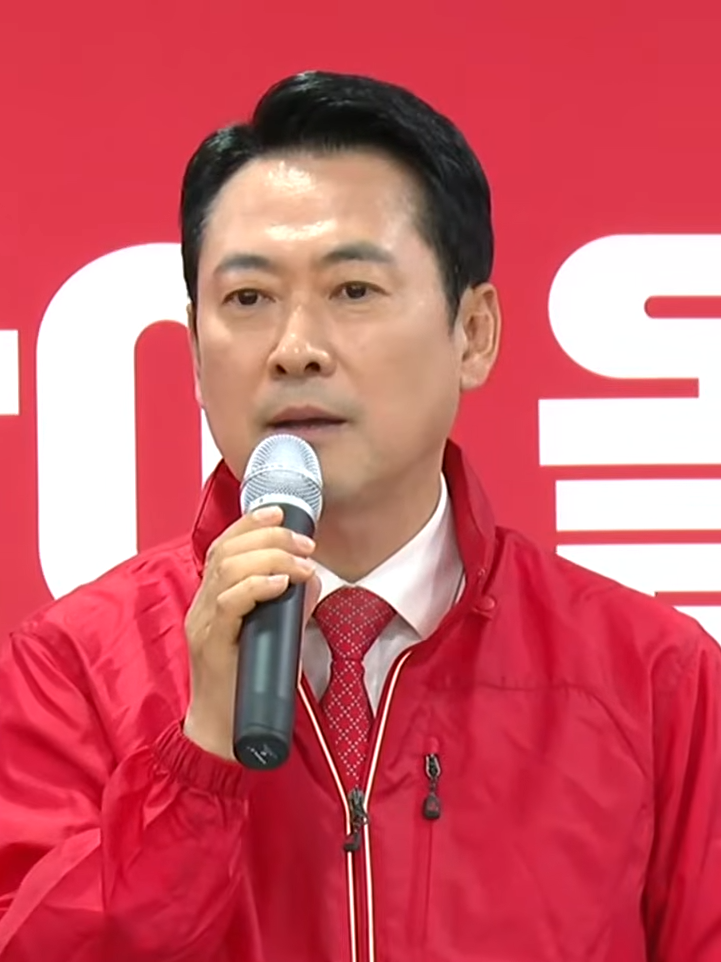
Jang Dong-hyeok is a South Korean politician and a member of the National Assembly. In September 2026 he was chair of the People Power Party, the main opposition party.