
Did North Korea plant the antipersonnel mines that injured three South Korean soldiers in the DMZ on September 21, 2026?
Seoul blames North Korean mines for the September 21 DMZ blasts. Kim Yo Jong repeats her denial. Experts disagree over deliberate placement or accidental displacement, while Aju Press reports pending forensic results.
Case period:
Published by The Dispute Index editorial teamPublished Updated
Overview
Two explosions wounded three South Korean soldiers in the western DMZ on September 21, 2026. South Korea's military says North Korean mines were highly likely the cause and demands an apology. The UN Command identified an active North Korean mine south of the Military Demarcation Line and an armistice violation, but its September 30 statement named no responsible side. Kim Yo Jong rejected Seoul's findings and repeated that denial on October 2. Aju Press reports that further forensic results remain pending. The dispute is whether North Korean forces planted the mines that exploded.
Read the full background
This case asks whether North Korean forces planted the mines that exploded south of the Military Demarcation Line (MDL) on September 21, 2026. Each statement is labeled against that proposition, and the case does not decide it. It also does not decide whether North Korea's border fortification as a whole violates the 1953 Armistice Agreement, what South Korea should do in response, United States-North Korea diplomacy, the South Korean political dispute over the timing of the investigation, or inter-Korean policy generally. Those topics appear only as attributed background where a named statement bears on who planted the mines. The account below describes the record through September 30, 2026. The joint investigation had not issued final results by then. October 2 developments appear at the end.
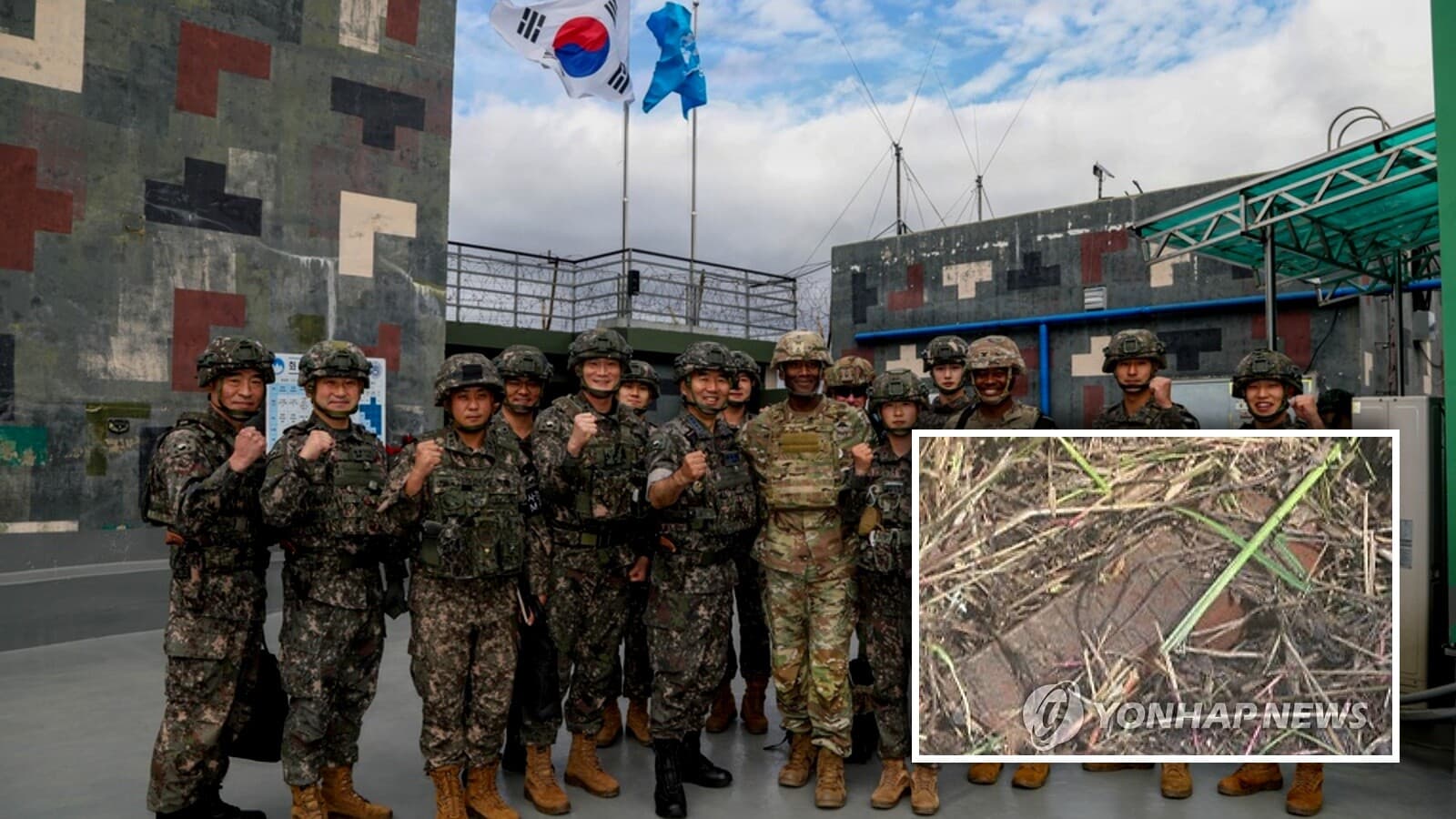
South Korea's Joint Chiefs of Staff (JCS) told reporters on September 28 (opens in a new tab) that 18 personnel from a reconnaissance battalion were opening a new search route to prepare a joint inspection with the UN Command (UNC) of terrain changes that Seoul suspected were signs of North Korean mine-laying. The JCS said two explosions about 10 meters south of the MDL seriously wounded two of them and lightly wounded a third. Reports describe one soldier's injury as a severed ankle or a lost foot. The reported size of the team also differs: a JCS spokesperson said on September 22 (opens in a new tab) that a dozen troops were on the mission, and the JCS later said 18 personnel were involved.
The JCS gave several reasons for its assessment that North Korean mines were highly likely the cause: no record of South Korean mine-laying at the site and signs of North Korean mine-laying nearby in September 2025; TNT and brown-colored material, but no metal fragments, on the soldiers' protective gear in a preliminary forensic analysis; the shape of the craters and flames and the pattern of injuries; and soldiers' accounts of a brown rectangular object about 1 meter from the first blast site that resembled a North Korean plastic mine (Korea Herald (opens in a new tab), Korea Times (opens in a new tab)). On September 29 a joint inspection with the UNC found an unexploded resin antipersonnel mine that the JCS identified as North Korean (Yonhap (opens in a new tab)) about 1 meter behind the second crater, which the JCS said differed from the object the soldiers described (Korea Herald (opens in a new tab)). Officials say at least four mines were at or near the site, 1 to 2 meters apart. Defense Minister Kang Shin-chul told the National Assembly (opens in a new tab) that the mine had been buried rather than washed in and that the chance it was swept there was very low.
What South Korean officials say is not yet established: when the mines were laid, and whether they were meant to target troops. A JCS official who was not named said the latest explosions occurred in an area South Korean troops had for decades only rarely entered, which made it difficult to conclude that South Korean soldiers had been deliberately targeted (Korea Times (opens in a new tab)). Kang said soil and roots over one of the mines suggested it had been underground for some time and could predate the North Korean mine-laying activity Seoul detected in September 2025 (Korea Herald (opens in a new tab)). The Korea Times reported that officials said the two mines that exploded were destroyed, which makes it hard to know how they were positioned, that MDL markers are not continuous and perceptions of the exact line can differ, and that they had not ruled out that North Korea regarded the site as its own side (Korea Times (opens in a new tab)). SBS News reported that JCS Vice Chairman Kwon Dae-won said the UNC recognizes the newly found mine and the two craters as clearly south of the MDL (opens in a new tab); SBS says its English text is machine-translated. Accounts of how close the blasts were to the area of the 2025 terrain changes differ in emphasis: the JCS described the site on September 28 as roughly 10 meters from that area, while a JCS official who was not named had said on September 21 (opens in a new tab) that the troops had not reached the areas where terrain changes were detected and that the site was some distance away.
The UNC's emailed statement of September 30 said (Yonhap (opens in a new tab), Korea Herald (opens in a new tab)) that "the team identified an active Democratic People's Republic of Korea anti-personnel mine on the ROK side of the Military Demarcation Line" and that "UNC determined that an Armistice Agreement violation occurred." It did not say which side committed the violation, which provision was violated, or that the two mines that exploded were North Korean. Asked why it had not named a side, the command said the statement should be "interpreted as written." Stars and Stripes (opens in a new tab) reported that the armistice finding applies only to the mine found on September 29, and Yonhap reported that the command pointed to that mine rather than to the blast itself. Other outlets read the statement more broadly: the Associated Press (opens in a new tab) wrote that the command "said Wednesday that North Korea had violated the armistice agreement," and Stars and Stripes wrote that it "determined that North Korea violated the 73-year-old Korean War armistice." The statement as quoted by Yonhap, the Korea Herald, Reuters and Al Jazeera names no side. On September 29 the UNC had told Stars and Stripes (opens in a new tab) it had no further comment while the incident remained under investigation.
North Korea's initial account rests on Kim Yo Jong's September 30 statement. Kim Yo Jong's press statement, carried by the Korean Central News Agency (opens in a new tab) on September 30, says she had anticipated the South's "scenario," calls the incident "a clear farce" reminiscent of the 2015 "wooden-box mine incident," says South Korea is "cooking up the groundless results," and says North Korean soldiers "have never crossed the border." It calls the mine one "of doubtful provenance" and says it is "absurd" that South Korea made a conclusion about the origin of a mine that exploded in land it had not set foot on for more than half a century. It does not say where the mines came from. South Korean outlets translated parts of the statement differently in English. It also says the North's border barriers are an exercise of sovereignty unrelated to any military purpose and warns of "immediate and merciless" retaliation if South Korean troops fire live rounds at North Korean soldiers working on them. That threat is outside this case's question.
Seoul and the UNC have a recent precedent. After wooden-box mines wounded two South Korean soldiers in August 2015, South Korea told the UN Security Council in a letter (opens in a new tab) that the joint investigation concluded the mines were of a type typically used by the North Korean People's Army and had been planted not long before, ruling out legacy mines that drifted. The Korea Times reported (opens in a new tab) a UNC statement that the Korean People's Army violated paragraphs 6, 7 and 8 of the Armistice Agreement. North Korea told the Security Council (opens in a new tab) that the incident was "totally fabricated by south Korea." The Associated Press (opens in a new tab) reported that North Korea later issued a vague expression of regret but has never clearly accepted responsibility. Kim Yo Jong's 2026 statement compares the new incident to the 2015 one.
On the wider border work, the KPA General Staff announced on October 9, 2024 (opens in a new tab) a project to cut off roads and railways to South Korea and fortify its side of the line. South Korea's defense ministry said in June 2026 that North Korean work near the MDL is a clear violation of the Armistice Agreement. In a fact sheet (opens in a new tab) the UNC said fencing and road repairs are not violations provided they stay north of the MDL and do not introduce heavy weapons, and that defensive mine placement north of the MDL is permitted under its interpretation. Whether that work violates the armistice is not the question here. The fact sheet's conclusion was expressly conditioned on the work staying north of the MDL.
Other governments and experts: as of September 30, 2026, we did not locate a public statement about the blasts from the U.S. State Department, the White House or the Pentagon. The commander of the UNC and U.S. Forces Korea, Gen. Xavier Brunson, posted on September 22 (opens in a new tab) that he extended his deepest sympathies to the injured soldiers and their families; the post did not address the cause. The Chinese Foreign Ministry's regular press conference transcripts for September 21 through September 30, 2026 that we reviewed contain no question or remark about the blasts (see the September 30 transcript (opens in a new tab)). We did not locate statements from the Japanese or Russian governments or from the UN Secretary-General's spokesperson. South Korea's National Intelligence Service briefed the National Assembly's Intelligence Committee on September 30; lawmakers relayed that it saw in Kim Yo Jong's statement "an intention to cut off any link to North Korea" and judged it "very low-key," and the reports we reviewed did not relay an NIS finding on who planted the mines (JoongAng Daily (opens in a new tab)). Hong Sung-pyo of the Korea Institute for Military Affairs told AFP it was reasonable to conclude the mines were North Korean because, in practical terms, the only forces operating in the DMZ area are the South Korean, U.S. and North Korean militaries (Taipei Times (opens in a new tab)). We did not locate an independent demining or forensic expert on the record who had examined the site.
South Korean voices are many. North Korea's September 30 statement supplies its initial denial. We did not locate the JCS briefing transcripts or the UNC's original email on official websites, so those statements are cited as quoted by news outlets. Reuters (opens in a new tab) and other outlets render the same South Korean and North Korean remarks in different English wording, so the quotations in this case follow the cited outlet's wording.
October 2 update: Kim Yo Jong issued a second denial, again portraying Seoul's account as fabricated and rejecting its demand for an apology (Korea JoongAng Daily (opens in a new tab), Yonhap (opens in a new tab)). Aju Press (opens in a new tab) reports that forensic tests on the soldiers' protective equipment remain pending and that the military has not set a final-report date. Its account attributes those details to military information; the underlying forensic results are not available in that report.
Two experts offered opposing interpretations in an October 2 DW interview report (opens in a new tab). Choo Jae-woo treats North Korean placement as intimidation. Andrei Lankov favors accidental displacement by rain or terrain over a deliberate attack. These are competing interpretations, not new forensic findings. The Korea JoongAng Daily's Opinion Desk (opens in a new tab) condemned the alleged planting and criticized Lee's description of the blast as an accident. Its broader reading of the UNC statement does not change the statement's wording: the quoted September 30 text identified a mine and an armistice violation but named no responsible side.
People in this case
 Kim Yo JongDirectly involved
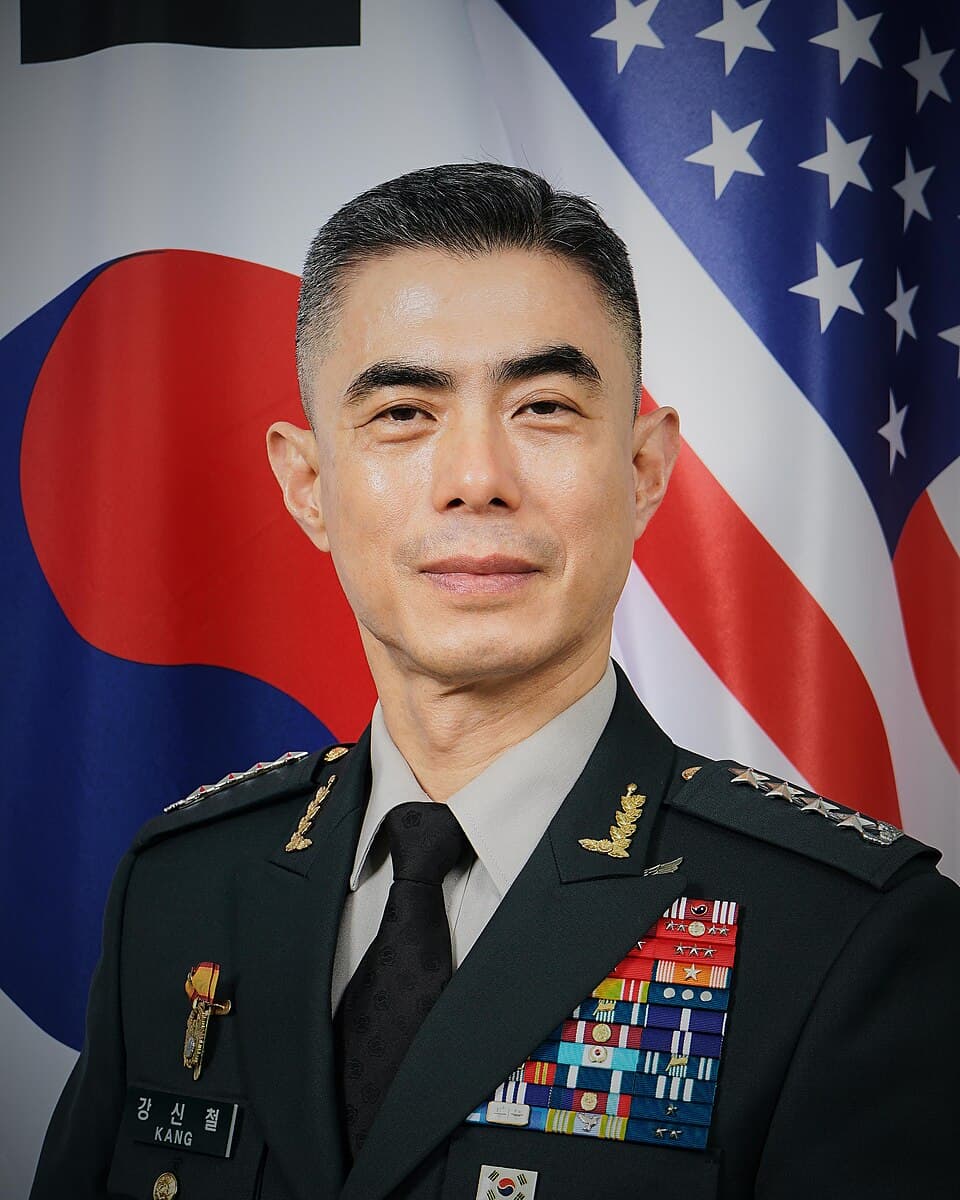 Kang Shin-chulDirectly involved
 Andrei LankovCommented
 Kim Min-seokCommented
Timeline
27 timeline entries on this page. Dates: August 4, 2015 to October 25, 2026
August 2015
Wooden-box mines wound two South Korean soldiers on a DMZ patrol (2015)
Incident
On August 4, 2015, three wooden-box mines exploded inside the DMZ near Paju, Gyeonggi Province, while eight soldiers of South Korea's 1st Infantry Division were on a routine patrol, the Korea Times reported. Two staff sergeants were seriously wounded: one lost both legs below the knee and the other his right foot, according to the Korea Times. South Korea's letter to the UN Security Council describes the incident as seriously injuring two soldiers on a routine patrol.
South Korea and the UN Command announce findings on the 2015 mines
Source release
On August 10, 2015, South Korea's Ministry of National Defense and the UN Command announced that the explosion was caused by three wooden-box mines that North Korea had placed along a South Korean patrol route. South Korea's letter to the Security Council says the investigation concluded that, judging from their fragments, the mines were typically used by the North Korean People's Army, and that they were planted not long before, ruling out legacy mines that had drifted. The Korea Times quoted a UN Command statement that the Korean People's Army violated paragraphs 6, 7 and 8 of the Armistice Agreement. South Korea resumed anti-North Korea loudspeaker broadcasts that day.
North Korea says the 2015 mine incident was fabricated
Claim
On August 14, 2015, the Policy Department of North Korea's National Defence Commission issued a statement on the mine explosion, and the Korea Times reported that it asked South Korea to provide video evidence. North Korea's August 21, 2015 letter to the UN Security Council calls the incident "totally fabricated by south Korea" and encloses the Policy Department's statement.
Talks at Panmunjom end the 2015 standoff
JoongAng reported that after 43 hours of high-level talks at Panmunjom on August 25, 2015, the two Koreas reached an agreement under which North Korea expressed regret over the mine explosions and South Korea agreed to suspend its loudspeaker broadcasts as long as no abnormal situation occurred. The Associated Press reported that North Korea issued a vague expression of regret over the soldiers' injuries but has never clearly accepted responsibility.
October 2024
North Korea's army announces a project to cut off roads and railways and fortify its side of the border
Source release
On October 9, 2024, the Korean Central News Agency published a report by the General Staff of the Korean People's Army saying the army would take a step to completely separate North Korean territory from South Korean territory, starting that day with a project to cut off roads and railways connected to South Korea and fortify the relevant areas on its side. The Korea Herald reported that South Korea has since detected North Korean construction and mine-laying activity close to the MDL.
September 2025
South Korea detects terrain changes near the MDL that it suspects are North Korean mine-laying
South Korea's military said it detected changes to the terrain on the western front near the MDL in September 2025 that it believed were signs of North Korean mine-laying, and it began consultations with the UN Command about investigating. The Joint Chiefs later said the September 21, 2026 blasts occurred about 10 meters from that area, although a Joint Chiefs official who was not named said on the day of the blasts that the site was some distance away. The date is approximate.
June 2026
South Korea calls North Korea's border work near the MDL a violation; the UN Command says such work is not automatically one
Claim
On June 22, 2026, South Korea's defense ministry said North Korea's installation of obstacles near the MDL is a clear violation of the Armistice Agreement. The UN Command said in a statement that construction, fortification and other defensive measures do not automatically constitute violations. In a fact sheet reported on June 24, the command said fencing and road repairs do not violate the armistice if they stay north of the MDL and do not introduce heavy weapons, and that defensive mine placement north of the MDL is permitted under its interpretation. Whether North Korea's fortification as a whole violates the armistice is outside this case; the exchange is included for the UN Command's stated standard.
September 2026
Joint Chiefs officials say North Korean troops crossed the MDL more than 20 times in August
Claim
Military officials told reporters on September 9, 2026 that North Korean troops had crossed the MDL more than 20 times in August, compared with 17 reported cases in all of 2025, and that intrusions were detected as troops carried out border fortification tasks in areas not yet completed. South Korea said it fired warning shots in response. Kim Yo Jong's September 30 statement says North Korean soldiers have never crossed the border.
Two explosions wound three South Korean soldiers in the western DMZ
Incident
On September 21, 2026, two explosions injured three South Korean soldiers as a reconnaissance battalion of the 25th Infantry Division cleared a new patrol route in the western DMZ south of the MDL, to prepare a joint inspection with the UN Command of terrain changes that Seoul suspected were signs of North Korean mine-laying, according to the Joint Chiefs. JoongAng reported the time as about 10:51 a.m. Two soldiers were seriously wounded, and reports describe one soldier's injury as a severed ankle or a lost foot. The Joint Chiefs said that day it had not determined the cause, including whether a mine was involved and, if so, whether South Korean or North Korean forces had laid it.
New defense minister says the cause is unconfirmed; the UN Command commander sends sympathies
Reaction
On September 22, 2026, the Joint Chiefs said the explosion happened during a route-clearing operation ahead of a UN Command inspection and that all possibilities, including North Korean mine-laying, remained open. Defense Minister Kang Shin-chul, on his first day in office, said the military had not confirmed whether the suspected minefield, the patrol route and the explosion site matched. Gen. Xavier Brunson, who commands the UN Command and U.S. Forces Korea, posted that he extended his deepest sympathies to the injured soldiers and their families; the post did not address the cause.
South Korea and the UN Command begin a joint on-site investigation
After a September 26 joint survey of the access route by about 20 personnel from the Joint Chiefs' task force and the UN Command's Military Armistice Commission, the two sides began a joint on-site investigation on September 27. Yonhap reported that a first attempt was unsuccessful because of fading daylight and other operational limits, and that a second operation on September 28 reached the area where the mines exploded. Opposition lawmakers had criticized how long it took to start, and the presidential office said the timing was set on military grounds.
South Korea's Joint Chiefs report preliminary findings
Source release
At a briefing on September 28, 2026, Lt. Gen. Kwon Dae-won said the Joint Chiefs assessed that North Korean mines were highly likely the cause of the explosions. The Joint Chiefs cited the absence of any South Korean mine-laying record at the site, TNT and brown material but no metal fragments on the soldiers' gear, the shape of the craters and flames, and soldiers' accounts of a brown rectangular object about 1 meter from the first blast site. They said they had not determined whether the mines were deliberately planted or had been displaced from elsewhere, and JoongAng reported that the military had not secured what it considers a "smoking gun." Yonhap's report of the briefing said the Joint Chiefs had determined the mines were deliberately planted, which differs from the Korea Herald and Korea Times reports. A Joint Chiefs official who was not named said the site had rarely been entered, which made it difficult to conclude that troops were deliberately targeted, according to the Korea Times.
Joint inspection finds another mine identified as North Korean; the defense minister is questioned by lawmakers
On September 29, 2026, a joint inspection with the UN Command found an unexploded resin antipersonnel mine that the Joint Chiefs and the UN Command identified as North Korean about 1 meter behind the second crater, which the Joint Chiefs said differed from the object soldiers had described. Defense Minister Kang Shin-chul told the National Defense Committee the mine had been buried rather than washed in, that at least four mines were believed to be at or near the site, and that responsibility lies with North Korea. He also said soil and roots suggested one mine had been underground for some time. President Lee Jae Myung told the Cabinet to establish the facts with the UN Command. The UN Command told Stars and Stripes it had no further comment while the incident remained under investigation.
Kim Yo Jong's statement, carried by KCNA, rejects the South Korean findings
Claim
The Korean Central News Agency published a press statement that Kim Yo Jong issued on September 29. It calls the incident "a clear farce," says South Korea is "cooking up the groundless results," says North Korean soldiers "have never crossed the border," and describes North Korea's border barriers as "a thorough exercise of sovereignty unrelated with any military purpose." It warns of immediate and merciless retaliation if South Korean troops fire live rounds at soldiers working on the barriers. It is the first public North Korean response to the South Korean findings that we located.
UN Command announces that an Armistice Agreement violation occurred
Source release
In an emailed statement, the UN Command said its joint investigation team identified an active North Korean anti-personnel mine on the South Korean side of the MDL and that it determined an Armistice Agreement violation occurred, which it was addressing through established Armistice mechanisms. The statement does not say which side violated the agreement; asked why, the command said it should be interpreted as written. Stars and Stripes reported that the finding applies only to the mine found on September 29. Outlets read the statement differently: the Associated Press reported that the command said North Korea had violated the armistice agreement, while the Korea Herald headlined that the command stopped short of blaming Pyongyang.
South Korea's Joint Chiefs demand an apology from North Korea
Claim
At a briefing at the defense ministry, Lt. Gen. Kang Hyun-woo read a Joint Chiefs statement that, in Yonhap's rendering, called the situation "a blatant violation" of the Armistice Agreement, demanded an apology and responsible measures from North Korea and urged it to stop its border fortification work. Yonhap described it as the South Korean military's first official statement directed at North Korea about the blast. Democratic Party leader Kim Min-seok also called on North Korea to apologize.
October 2026
Aju Press reports pending forensic tests and no final-report date
Source release
Aju Press reports that the military is awaiting forensic results from the soldiers' protective equipment, has no additional on-site investigation planned, and has not determined when to issue its final report.
Kim Yo Jong repeats her denial and rejects Seoul's apology demand
Reaction
In a new statement carried by KCNA, Kim Yo Jong rejects South Korea's attribution of the September 21 mine blast and its demand for an apology. Korea JoongAng Daily and Yonhap report the follow-up statement on October 2.
South Korean military announces final mine investigation findings
Source release
South Korea's military announces that forensic comparisons and site evidence support its conclusion that North Korean antipersonnel mines were deliberately planted south of the Military Demarcation Line. The defense ministry also relays the UN Command's assessment that the mines had been placed approximately 12 months earlier. These are the investigation's attributed findings.
Military reports clearance of the identified minefield
South Korea's defense ministry reports that the identified minefield at the blast site was cleared on October 5 at 12:51 KST. It says mine-removal operations will continue. This report covers the identified field, not clearance of the entire DMZ.
Cho Hyun says South Korea is reviewing diplomatic responses
Reaction
Cho tells a parliamentary audit that the foreign ministry is reviewing possible measures following the final investigation findings. He says firm demands and avoiding unnecessary escalation should proceed together.
North Korea's foreign ministry rejects the final investigation findings
Reaction
A foreign ministry statement released through North Korean state media denies responsibility and accuses South Korea of fabricating findings. It follows Seoul's announcement of its final investigation results.
South Korea's defense ministry outlines further DMZ measures
An audit document says the ministry plans to formally declare North Korean border activities armistice violations after joint investigation with the U.N. Command. It also proposes military talks on hotlines, accidental clashes and military-line markers.
Kim argues for continued mine clearance and credible DMZ deterrence
Reaction
In an opinion column, KAIST professor Man-Ki Kim discusses the military's mine investigation findings and calls for continued removal of unauthorized mines south of the Military Demarcation Line. He argues that North Korean mine-laying must not determine where South Korean soldiers patrol. The column was published October 12 at 05:30 KST, equivalent to October 11 at 20:30 UTC.
Cha says a Security Council strategy has not been decided
At a parliamentary audit in New York, Cha says the government has not decided how to approach the Security Council and has not consulted its members. He points to his General Assembly statement when opposition lawmakers criticize the response.
South Korea sends its mine-blast complaint to the Security Council president
Cha sends a letter asking North Korea to accept responsibility and apologize. The letter records South Korea's position; its circulation does not by itself produce a Security Council resolution.
North Korea sends a competing mine-blast complaint to the Security Council
According to KCNA, North Korea's U.N. representative sends a letter alleging that Seoul fabricated the incident to hinder border fortifications. The letter defends the border work as a sovereign right.
Claims
Claims separate what was said from what is contested. Follow each source for the original wording and context.
What was said
Attributed statement
Copy link to this attributed statement by Joint Chiefs of Staff of South KoreaJoint Chiefs of Staff of South Korea
South Korea's Joint Chiefs of Staff said on September 28, 2026 that North Korean land mines were highly likely the cause of the two explosions that wounded three South Korean soldiers south of the Military Demarcation Line on September 21, and said on September 30 that South Korean soldiers were seriously injured by North Korean landmines while conducting search operations south of that line.
Sources (4)
- N. Korean land mines highly likely cause of DMZ blast: S. Korean military · The Korea HeraldParagraphs 3-6 (Lt. Gen. Kwon Dae-won's remarks) and the paragraph on the UN Command's reply
- JCS says evidence suggests North Korean mine likely cause of DMZ blast · The Korea HeraldParagraphs 3-12: the evidence the Joint Chiefs cited and what remained undetermined
- UNC confirms armistice violation as military demands NK apology · The Korea TimesParagraphs 1-6
- (2nd LD) S. Korea blames N.K. for DMZ mine blast; UNC cites armistice breach over active mine · Yonhap News AgencyParagraphs 1-5 (Lt. Gen. Kang Hyun-woo's statement) and the paragraphs on the UN Command and the evidence summary
What's disputed
Disputed claim
Copy link to this disputed claim by Kim Yo JongKim Yo Jong said in a press statement carried by the Korean Central News Agency on September 30, 2026 that South Korea's investigation results on the mine explosion are groundless and that South Korea is trying to fabricate evidence, and that North Korean soldiers have never crossed the border.
Sources (3)
- Press Statement of Kim Yo Jong, Department Director of C.C., WPK · Korean Central News AgencyFull statement; paragraphs 4-12 on the mine explosion, and the paragraphs on the border crossing claim
- (LEAD) N. Korea denies responsibility for DMZ mine blast, warns S. Korea of retaliation · Yonhap News AgencyParagraphs 1-6
- North Korea denies planting mines that injured 3 South Korean soldiers, accuses Seoul of conspiracy · Associated PressParagraphs on the UN Command finding, Kim Yo Jong's response and the 2015 blasts
United Nations Command
The United Nations Command said on September 30, 2026 that its joint investigation with South Korea's military identified an active North Korean anti-personnel mine on the South Korean side of the Military Demarcation Line, and that based on the investigation's findings it determined an Armistice Agreement violation occurred.
Sources (3)
- U.N. Command says Armistice Agreement violation occurred over DMZ mine blast · Yonhap News AgencyParagraphs 1-4, quoting the UN Command's emailed statement
- UN Command finds armistice violation over North Korean mine in DMZ · The Korea HeraldParagraphs 1-6 (the statement and the command's answer to a follow-up question) and the paragraphs on the 2015 and 2020 findings
- North and South Korea trade warnings after landmine discovery in DMZ · Stars and StripesParagraphs 1-4 (UN Command finding and spokeswoman In-kyeong Yun's email) and paragraphs 12-14 (Kang Shin-chul's answers to the National Defense Committee)
In their own words
Their own account
Statements from the person or group whose act or claim this case is about. They are listed apart from the responses, and each label says what the speaker did with their own act or claim.
 Kim Yo JongSenior official of North Korea's Workers' Party
"the sequel of a self-staged farce"
DeniedResponding to: Kim Yo Jong said in a press statement carried by the Korean Central News Agency on September 30, 2026 that South Korea's investigation results on the mine explosion are groundless and that South Korea is trying to fabricate evidence, and that North Korean soldiers have never crossed the border.
Full statement and sources
Kim Yo Jong repeats her rejection of Seoul's attribution, portrays the incident as a fabrication and rejects its demand for an apology.
Before the statement
South Korea's military had blamed North Korea and demanded an apology after identifying mines at the blast site.
After the statement
Kim says North Korea is fortifying the border to separate itself permanently from South Korea.
North's Kim Yo-jong rejects Seoul's demand for apology over DMZ mine blast · Korea JoongAng DailyOpening account of Kim Yo Jong's October 2 KCNA statement and final paragraphs calling the incident a sequelN. Korean leader's sister again denies responsibility over DMZ mine blastOctober 2 dispatch on Kim Yo Jong's follow-up KCNA statementWhy this label?
Kim Yo Jong denies North Korean responsibility for the mines that injured the soldiers and dismisses Seoul's account as fabricated, calling it "the sequel of a self-staged farce".
This label describes the statement's response within the context above.
- Kim Yo JongDepartment director of the Central Committee of the Workers' Party of Korea, in a press statement carried by the Korean Central News Agency
"The "crossing the border" of our soldiers touted by the ROK military is a deliberate and planned strained assertion to shift the responsibility for escalating tension on to the DPRK. Clearly speaking, our soldiers have never crossed the border. This is a clear cavil and a provocation. The ROK military should think first of all about what the world will say about its inability to distinguish its own land and other's land, failing to properly distinguish the boundary which can be confirmed by the naked eye."
DeniedResponding to: Kim Yo Jong said in a press statement carried by the Korean Central News Agency on September 30, 2026 that South Korea's investigation results on the mine explosion are groundless and that South Korea is trying to fabricate evidence, and that North Korean soldiers have never crossed the border.
Full statement and sources
In the same September 30, 2026 KCNA statement, Kim Yo Jong said South Korea's claim that North Korean soldiers cross the border is "a deliberate and planned strained assertion" meant to shift responsibility for rising tension, and said "our soldiers have never crossed the border." She said the South Korean military cannot distinguish its own land from other land, though the boundary can be confirmed by the naked eye.
Before the statement
Military officials told reporters on September 9, 2026 that North Korean troops crossed the MDL more than 20 times in August, and a Joint Chiefs official said intrusions were detected as troops carried out border-fortification tasks in areas not yet completed. South Korea said it fired warning shots in response. Reuters noted that Seoul has said there were signs North Korean soldiers briefly crossed the line during fortification work.
After the statement
The Korea Times reported that South Korean military officials said MDL markers at the blast site are not continuous, that perceptions of the exact boundary can differ in some areas, and that they had not ruled out that North Korea regarded the location as being on its side. The JCS puts the blasts about 10 meters south of the line. The statement describes the blast site as land South Korea had not set foot on for more than half a century.
Press Statement of Kim Yo Jong, Department Director of C.C., WPK · Korean Central News AgencyFull statement; paragraphs 4-12 on the mine explosion, and the paragraphs on the border crossing claim(LEAD) N. Korea denies responsibility for DMZ mine blast, warns S. Korea of retaliation · Yonhap News AgencyParagraphs 1-6North Korea calls DMZ mine blast a ‘farce’ as UN Command says armistice breach occurred · ReutersParagraphs 2-10 and the paragraphs on the Joint Chiefs and Democratic Party leader Kim Min-seok[COVER STORY] Questions remain over when NK mines were planted in DMZ · The Korea TimesSections "What was found" and "When they were planted"Why this label?
The case asks whether North Korean forces planted mines south of the MDL, which depends in part on whether North Korean soldiers crossed the line. Kim said her soldiers have never crossed the border and called the crossing claim an assertion made to shift responsibility. In her account a disputed factual claim is untrue, so we labeled it Denied. The passage does not discuss the mines directly and does not say whether North Korea regards the blast site as its own side of the line.
This label describes the statement's response within the context above.
- Kim Yo JongDepartment director of the Central Committee of the Workers' Party of Korea, in a press statement carried by the Korean Central News Agency
"In conclusion, the incident is a clear farce reminiscent of the "wooden-box mine incident" which disturbed the world more than ten years ago, in consideration of the time and method of provocation. At that time the puppet forces forcibly linked the "mine explosion incident" that occurred on the western border with the DPRK and continuously escalated the tension under the pretext of it. What should not be overlooked is the fact that the armed gangsters of the ROK are now cooking up the groundless results and "justifying their conduct" for political and military provocation against the DPRK, openly talking about "reasonable and corresponding enforcement of measures". How can we sit and watch their despicable act of rashly doubting anyone after exploding a mine of doubtful provenance and talking about the breach of the Armistice Agreement."
DeniedResponding to: Kim Yo Jong said in a press statement carried by the Korean Central News Agency on September 30, 2026 that South Korea's investigation results on the mine explosion are groundless and that South Korea is trying to fabricate evidence, and that North Korean soldiers have never crossed the border.
Full statement and sources
In a press statement carried by the Korean Central News Agency on September 30, 2026, Kim Yo Jong said South Korea was announcing investigation results on the mine explosion to justify "political and military provocation against the DPRK." She said the incident is "a clear farce" reminiscent of the 2015 wooden-box mine incident, said the South Korean military was "cooking up the groundless results," and referred to "a mine of doubtful provenance." The statement does not say where the mines came from.
Before the statement
KCNA dated the statement Pyongyang, September 30, and said Kim issued it on September 29, the day after the Joint Chiefs' preliminary findings. This is the first North Korean response to the South Korean findings that we located. The statement was published before the Joint Chiefs' and UN Command statements of September 30.
After the statement
The statement goes on to call it absurd that South Korea made a conclusion about "the origin of the said mine exploded in the barren land which they had never set foot for more than a half century," and says it is "the height of impudence" that South Korea is trying to fabricate evidence. It says North Korea's border barriers are "a thorough exercise of sovereignty unrelated with any military purpose" and that border units have orders to retaliate if South Korean troops fire live rounds at soldiers working on them. Outlets translated its Korean title differently, for example as "self-staged farce."
Press Statement of Kim Yo Jong, Department Director of C.C., WPK · Korean Central News AgencyFull statement; paragraphs 4-12 on the mine explosion, and the paragraphs on the border crossing claim(LEAD) N. Korea denies responsibility for DMZ mine blast, warns S. Korea of retaliation · Yonhap News AgencyParagraphs 1-6North Korea denies planting mines that injured 3 South Korean soldiers, accuses Seoul of conspiracy · Associated PressParagraphs on the UN Command finding, Kim Yo Jong's response and the 2015 blastsWhy this label?
The case asks whether North Korean forces planted the mines. Kim said South Korea's results are groundless and the incident "a clear farce," and questioned the mine's provenance. In her account the South Korean attribution is untrue, so we labeled it Denied. She rejects the attribution but does not give another account of who laid the mines.
This label describes the statement's response within the context above.
Response record
Responses
Choose one response filter, or select All responses to see the full record.
15 responses. First 6 shown initially. Newest first.
Man-Ki KimKAIST professor and Korea Herald opinion columnist "North Korean mine-laying cannot be allowed to dictate where our soldiers patrol."
CondemnedCase context: Did North Korea plant the antipersonnel mines that injured three South Korean soldiers in the DMZ on September 21, 2026?
Full statement and sources
Kim criticizes North Korean mine-laying and argues that it should not determine where South Korean soldiers patrol. He calls for systematic removal of unauthorized mines.
Before the statement
Kim discusses the Joint Chiefs' conclusion about mine origin, the UN Command's armistice finding and the October 5 clearance.
After the statement
He argues that clearance must continue and turns to concerns about frontline readiness. The column was published October 12 at 05:30 KST, equivalent to October 11 at 20:30 UTC.
Man-Ki Kim argues South Korea should maintain patrols and remove unauthorized minesParagraph beginning Physical resolve must be demonstrated on the groundWhy this label?
Kim identifies the mine-laying as North Korean and criticizes its use to restrict South Korean patrols.
This label describes the statement's response within the context above.
Cha Ji-hoonSouth Korean ambassador to the United Nations, addressing a General Assembly committee on October 8, 2026 "We urge the DPRK to cease such escalatory actions upon apology and take responsible measures."
CondemnedCase context: Did North Korea plant the antipersonnel mines that injured three South Korean soldiers in the DMZ on September 21, 2026?
Full statement and sources
Cha says a joint investigation supported by forensic analysis confirmed that North Korean forces deliberately planted the mine. He calls on North Korea to stop escalating, apologize and take responsible measures.
Before the statement
He says the joint on-site investigation confirmed deliberate North Korean mine placement south of the military line.
After the statement
North Korea's representative rejects the accusation and says Seoul is shifting blame.
Cha Ji-hoon calls for an apology and measures over the DMZ blast at the U.N.Report datelined Washington, October 8; First Committee statementWhy this label?
The conduct under scrutiny is the alleged deliberate placement of mines by North Korean forces. Cha endorses that attribution and calls on North Korea to stop the actions and apologize, expressly criticizing the alleged conduct.
This label describes the statement's response within the context above.
Kwon Dae-wonJoint Chiefs of Staff vice chairman and joint investigation taskforce leaderDirectly involved "offer a sincere apology to the South Korean soldiers injured in the mine blast"
CondemnedCase context: Did North Korea plant the antipersonnel mines that injured three South Korean soldiers in the DMZ on September 21, 2026?
Full statement and sources
Kwon calls on North Korea to apologize to the injured soldiers and remove mines the South Korean investigation concluded it planted in violation of the Armistice Agreement.
Before the statement
Kwon presents the South Korean military's final mine investigation findings at an October 5 press briefing.
After the statement
He calls on North Korea to remove the mines. The report also says the military vowed to continue mine-removal operations if North Korea did not remove them.
Yonhap reports final DMZ findings and Kwon's apology demandParagraph beginning The military strongly calls on North Korea, attributed to KwonWhy this label?
Kwon calls on North Korea to apologize to the injured soldiers and remove mines the South Korean investigation concluded it planted in violation of the Armistice Agreement.
This label describes the statement's response within the context above.
 Andrei LankovProfessor at Kookmin University and North Korea scholar
"It makes no sense to me for North Korea to do this deliberately,"
Challenged the characterizationResponding to: South Korea's Joint Chiefs of Staff said on September 28, 2026 that North Korean land mines were highly likely the cause of the two explosions that wounded three South Korean soldiers south of the Military Demarcation Line on September 21, and said on September 30 that South Korean soldiers were seriously injured by North Korean landmines while conducting search operations south of that line.
Full statement and sources
Lankov favors mines displaced by rain or terrain over a deliberate North Korean attack.
Before the statement
DW contrasts accidental detonation with calculated provocation.
After the statement
DW attributes the displacement explanation to Lankov.
Is North Korea pushing the limits of the DMZ?Choo Jae-woo interview before 'Why Seoul blames North Korea'; Andrei Lankov interview under 'Accident or calculated provocation?'Why this label?
Lankov challenges deliberate placement, rather than justifying it.
This label describes the statement's response within the context above.
Choo Jae-wooProfessor at Kyung Hee University "an attempt to threaten and intimidate the South."
CondemnedResponding to: South Korea's Joint Chiefs of Staff said on September 28, 2026 that North Korean land mines were highly likely the cause of the two explosions that wounded three South Korean soldiers south of the Military Demarcation Line on September 21, and said on September 30 that South Korean soldiers were seriously injured by North Korean landmines while conducting search operations south of that line.
Full statement and sources
Choo attributes the placement to North Korea and treats it as political intimidation.
Before the statement
DW asks about North Korea's actions along the DMZ.
After the statement
Choo urges a firmer South Korean response.
Is North Korea pushing the limits of the DMZ?Choo Jae-woo interview before 'Why Seoul blames North Korea'; Andrei Lankov interview under 'Accident or calculated provocation?'Why this label?
Choo condemns the alleged North Korean placement of the mines, calling it "an attempt to threaten and intimidate the South".
This label describes the statement's response within the context above.
 Korea JoongAng DailyInstitutional Opinion Desk editorial
"It was the consequence of a provocative act: planting mines."
CondemnedResponding to: South Korea's Joint Chiefs of Staff said on September 28, 2026 that North Korean land mines were highly likely the cause of the two explosions that wounded three South Korean soldiers south of the Military Demarcation Line on September 21, and said on September 30 that South Korean soldiers were seriously injured by North Korean landmines while conducting search operations south of that line.
Full statement and sources
The newspaper's Opinion Desk attributes the blast to North Korean mine planting and condemns it as a provocation. It criticizes President Lee for calling the incident an accident.
Before the statement
The editorial responds to Lee's Armed Forces Day remarks and the military's September 30 findings.
After the statement
It argues North Korea should bear responsibility for reducing tensions and warns of further harm from border fortification.
DMZ mine blast was a North Korean provocation, not an 'accident' (KOR) · Korea JoongAng DailyEditorial paragraph beginning 'This was not simply an' and accompanying Korean textWhy this label?
The editorial condemns the alleged North Korean placement of the mines, saying the blast was "the consequence of a provocative act" and not an accident.
This label describes the statement's response within the context above.
Show fewer responses
 Kim Min-seokLeader of the Democratic Party of Korea, the governing party, speaking at a party Supreme Council meeting at the National Assembly
"The DMZ explosion has been revealed to be caused by North Korea planting landmines south of the Military Demarcation Line."
CondemnedCase context: Did North Korea plant the antipersonnel mines that injured three South Korean soldiers in the DMZ on September 21, 2026?
Full statement and sources
At a Democratic Party Supreme Council meeting on September 30, 2026, party leader Kim Min-seok said the DMZ explosion "has been revealed to be caused by North Korea planting landmines" south of the Military Demarcation Line. SBS reported that he also condemned what he called North Korea's violation of the Armistice Agreement, said North Korea must apologize, and urged the military to take countermeasures.
Before the statement
Kim spoke on the day the Joint Chiefs, the UN Command and Kim Yo Jong issued their statements. On September 28, meeting Defense Minister Kang Shin-chul, he had called for a "thorough and transparent" investigation, according to the Korea Herald. SBS notes that its English text is machine-translated and may contain errors.
After the statement
According to SBS, Kim said he criticized even more strongly North Korean authorities' denial, which he described as a claim that the incident was staged. He also said the government should review its overall response to North Korea's border fortification measures, a policy question outside this case. Reuters reported that he urged Pyongyang to apologize.
Kim Min-seok on DMZ Mine Blast: "Condemns North Korea's 'Staged' Claims... Must Apologize" · SBS NewsParagraphs 1-4 (Kim Min-seok's remarks at the Supreme Council meeting)North Korea calls DMZ mine blast a ‘farce’ as UN Command says armistice breach occurred · ReutersParagraphs 2-10 and the paragraphs on the Joint Chiefs and Democratic Party leader Kim Min-seokDMZ blast probe investigates North Korea land mine lead · The Korea HeraldParagraphs on the National Defense Committee members' briefing at the DMZ and on the two party leaders' meetings with Kang Shin-chulWhy this label?
The case asks whether North Korean forces planted the mines. Kim said the explosion had been revealed to be caused by North Korea planting landmines south of the MDL and, in remarks SBS reported alongside, condemned an armistice violation and demanded an apology. That accepts the attribution as established and criticizes the conduct, so we labeled it Condemned. The wording is SBS's English rendering.
This label describes the statement's response within the context above.
 United Nations CommandUnited Nations Command, in a statement emailed to reportersDirectly involved
"During the investigation, the team identified an active Democratic People's Republic of Korea anti-personnel mine on the ROK side of the Military Demarcation Line ... Based on the findings of the investigation, UNC determined that an Armistice Agreement violation occurred. UNC is addressing the violation through established Armistice mechanisms"
Mixed or conditionalResponding to: The United Nations Command said on September 30, 2026 that its joint investigation with South Korea's military identified an active North Korean anti-personnel mine on the South Korean side of the Military Demarcation Line, and that based on the investigation's findings it determined an Armistice Agreement violation occurred.
Full statement and sources
In an emailed statement on September 30, 2026, the UN Command said its joint investigation team identified an active DPRK anti-personnel mine on the ROK side of the Military Demarcation Line, and that based on the findings it determined an Armistice Agreement violation occurred and was addressing it through established Armistice mechanisms. The statement does not say which side committed the violation or that the two mines that exploded were North Korean. Asked why it had not named a responsible side, the command said the statement should be interpreted as written. Stars and Stripes reported that the finding applies only to the mine found on September 29.
Before the statement
The statement followed the joint on-site investigation with South Korea's military and a September 29 announcement that an unexploded resin mine, which the Joint Chiefs identified as North Korean, had been found near the blast site. The day before, the command had said it had no further comment while the incident remained under investigation. In a June 2026 fact sheet the command had said fencing and defensive mine placement north of the MDL do not violate the Armistice Agreement if they stay north of the line.
After the statement
Korea Herald noted that in August 2015 the command explicitly found that the Korean People's Army had violated paragraphs 6, 7 and 8 of the Armistice Agreement by planting wooden-box mines, and that it ruled out older mines displaced by rain. Yonhap reported that in 2026 the command did not cite the blast itself as a violation but pointed to the active mine discovered on September 29. The command also said it remains committed to maintaining and enforcing the Armistice Agreement. Outlets read the statement differently: the Associated Press reported that the command said North Korea had violated the armistice agreement, while the Korea Herald headlined that the command stopped short of blaming Pyongyang.
U.N. Command says Armistice Agreement violation occurred over DMZ mine blast · Yonhap News AgencyParagraphs 1-4, quoting the UN Command's emailed statementUN Command finds armistice violation over North Korean mine in DMZ · The Korea HeraldParagraphs 1-6 (the statement and the command's answer to a follow-up question) and the paragraphs on the 2015 and 2020 findingsNorth and South Korea trade warnings after landmine discovery in DMZ · Stars and StripesParagraphs 1-4 (UN Command finding and spokeswoman In-kyeong Yun's email) and paragraphs 12-14 (Kang Shin-chul's answers to the National Defense Committee)(2nd LD) S. Korea blames N.K. for DMZ mine blast; UNC cites armistice breach over active mine · Yonhap News AgencyParagraphs 1-5 (Lt. Gen. Kang Hyun-woo's statement) and the paragraphs on the UN Command and the evidence summaryNorth Korea denies planting mines that injured 3 South Korean soldiers, accuses Seoul of conspiracy · Associated PressParagraphs on the UN Command finding, Kim Yo Jong's response and the 2015 blastsWhy this label?
The command supports part of the South Korean account: it identified an active North Korean anti-personnel mine on the South Korean side of the line and found that an Armistice Agreement violation occurred. It stops short of naming which side committed the violation and does not say the two mines that exploded were North Korean. That mix of a partial finding and an express limit is why we labeled it Mixed or conditional.
This label describes the statement's response within the context above.
Kang Hyun-wooChief director of operations at South Korea's Joint Chiefs of Staff, reading the military's statement at a press briefing at the Ministry of National DefenseDirectly involved "This constitutes a blatant violation of the Armistice Agreement and undermines the spirit of existing inter-Korean agreements and must be halted immediately ... We strongly demand an apology and responsible measures from the North ... We make it explicitly clear that North Korea bears full responsibility for any future consequences that may arise"
CondemnedResponding to: South Korea's Joint Chiefs of Staff said on September 28, 2026 that North Korean land mines were highly likely the cause of the two explosions that wounded three South Korean soldiers south of the Military Demarcation Line on September 21, and said on September 30 that South Korean soldiers were seriously injured by North Korean landmines while conducting search operations south of that line.
Full statement and sources
Reading the Joint Chiefs of Staff's statement at a press briefing on September 30, 2026, Lt. Gen. Kang Hyun-woo, the JCS chief director of operations, said the situation was "a blatant violation of the Armistice Agreement" that undermines the spirit of inter-Korean agreements and must be halted immediately. He demanded an apology and responsible measures from North Korea and said North Korea bears full responsibility for any future consequences. Yonhap reported that the JCS said the blast was caused by mines planted by the North.
Before the statement
Kang spoke at the defense ministry headquarters in Yongsan hours after Kim Yo Jong's statement was published by KCNA. Yonhap described it as the South Korean military's first official statement directed at North Korea over the blast. The UN Command issued its own statement the same day. The English wording is Yonhap's rendering of Kang's Korean remarks.
After the statement
Kang also urged North Korea to immediately cease its border-hardening activities. Other outlets render the statement differently in English: Al Jazeera, citing AFP and AP, quotes "This is a clear violation of the Armistice Agreement," and Reuters quotes "All responsibility for any future situation lies entirely with North Korea." Yonhap reported that the military and the UN Command were expected to announce final findings after additional analyses.
(2nd LD) S. Korea blames N.K. for DMZ mine blast; UNC cites armistice breach over active mine · Yonhap News AgencyParagraphs 1-5 (Lt. Gen. Kang Hyun-woo's statement) and the paragraphs on the UN Command and the evidence summaryS Korea demands apology over DMZ blasts as N Korea denies planting mines · Al JazeeraParagraphs 2-6North Korea calls DMZ mine blast a ‘farce’ as UN Command says armistice breach occurred · ReutersParagraphs 2-10 and the paragraphs on the Joint Chiefs and Democratic Party leader Kim Min-seokWhy this label?
Kang called the situation "a blatant violation of the Armistice Agreement" that must be halted, and in the same briefing said, "We strongly demand an apology and responsible measures from the North" and "North Korea bears full responsibility for any future consequences that may arise." That attributes the mines to North Korea and criticizes the conduct, so we labeled it Condemned. The JCS had not yet issued a final investigation result when he spoke.
This label describes the statement's response within the context above.
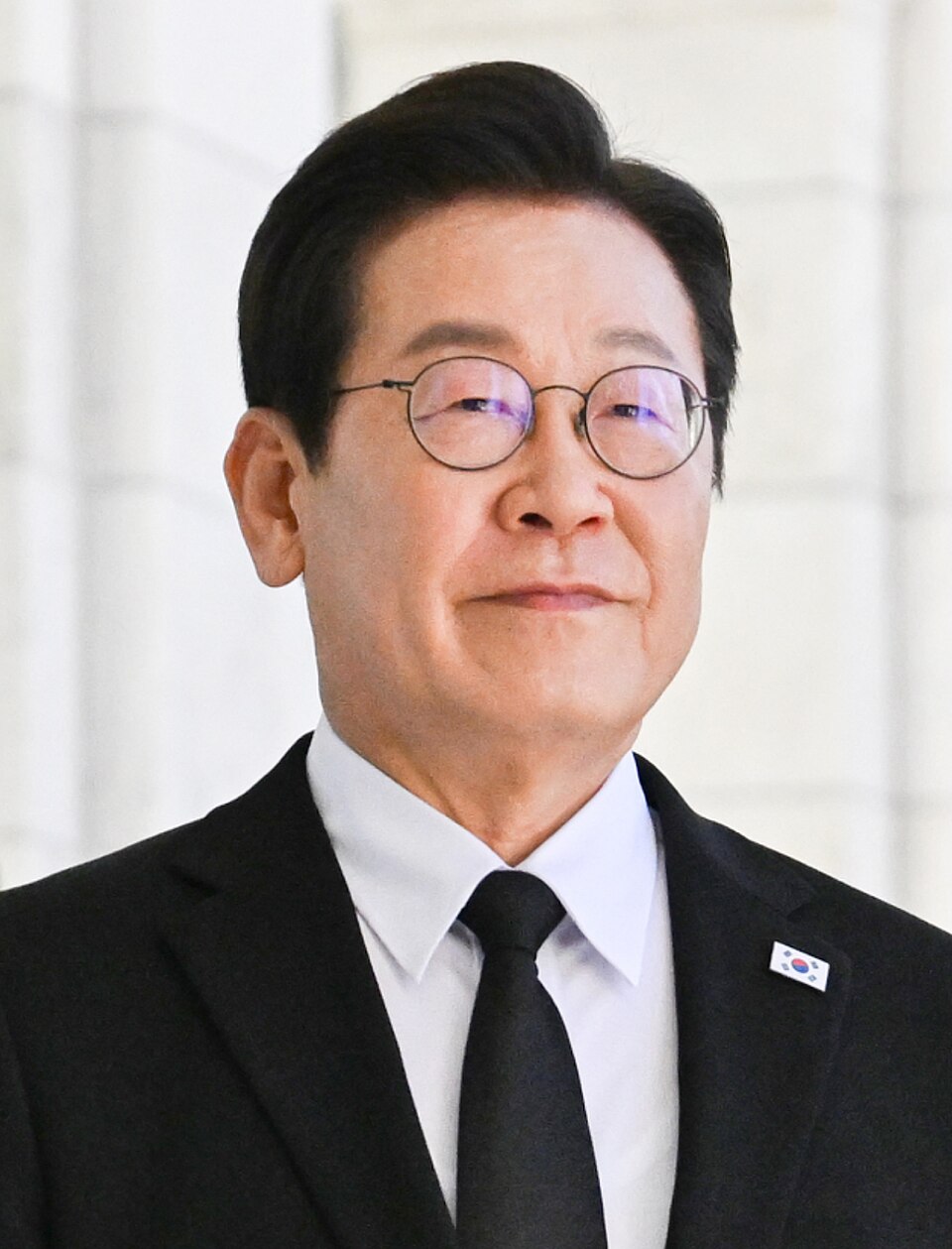 Lee Jae MyungPresident of South Korea, speaking at a Cabinet meeting at the Blue House
"We will take the necessary measures based on what the investigation finds."
Mixed or conditionalCase context: Did North Korea plant the antipersonnel mines that injured three South Korean soldiers in the DMZ on September 21, 2026?
Full statement and sources
At a Cabinet meeting on September 29, 2026, the day after the Joint Chiefs' preliminary findings, President Lee Jae Myung told the military to work closely with the UN Command on a swift and thorough investigation and to establish transparently what happened. He said the government would take necessary measures based on what the investigation finds. He also warned against fueling conspiracy theories over the incident, and JoongAng reported that he dismissed allegations that the military had held back the announcement because of his UN General Assembly speech.
Before the statement
The Joint Chiefs had said the previous evening that North Korean mines were highly likely the cause. Opposition lawmakers had criticized the pace of the on-site investigation, and the presidential office said the timing was set by the Joint Chiefs and the UN Command on military grounds. In JoongAng's rendering, Lee also said the military should "work closely with the United Nations Command to conduct a swift and thorough investigation and transparently establish what happened." The English wording is the newspaper's rendering of Lee's Korean remarks.
After the statement
JoongAng reported that Lee did not issue a separate message to North Korea at the meeting.
Lee orders transparent DMZ mine probe, waves off 'conspiracy theories' · Korea JoongAng DailyParagraphs 1-6 (President Lee Jae Myung's Cabinet meeting remarks on the DMZ blast)Defense chief links DMZ mine to North Korean border fortification · The Korea HeraldParagraphs 1-7 (Kang's remarks on where the mine came from and when it was laid) and the paragraphs on President Lee Jae Myung's Cabinet remarksWhy this label?
President Lee neither adopted the Joint Chiefs' preliminary attribution nor rejected it. He directed the military to work with the UN Command to establish what happened and tied the government's measures to "what the investigation finds", a position that rests on an open condition.
This label describes the statement's response within the context above.
- United Nations CommandUN Command spokeswoman Choi Min-jung, replying by email to Stars and StripesDirectly involved
"no further comment while the incident remains under investigation"
Explicitly stayed outCase context: Did North Korea plant the antipersonnel mines that injured three South Korean soldiers in the DMZ on September 21, 2026?
Full statement and sources
Asked to comment on the Joint Chiefs of Staff's September 28 preliminary findings, UN Command spokeswoman Choi Min-jung told Stars and Stripes by email on September 29, 2026 that the command had no further comment while the incident remained under investigation. Yonhap reported that the command gave the same reply to its request for comment.
Before the statement
The reply came the day after the Joint Chiefs' briefing, while the joint on-site investigation with the UN Command's Military Armistice Commission was still under way.
After the statement
The next day the command issued a statement saying its investigators identified an active North Korean anti-personnel mine on the South Korean side of the MDL and that it determined an Armistice Agreement violation occurred.
North Korean mines likely caused DMZ blasts that injured 3 soldiers, South’s military says · Stars and StripesFinal paragraphs (UN Command spokeswoman Choi Min-jung's emailed reply) and paragraphs 2-6 on Lt. Gen. Kwon Dae-won's briefingN. Korean land mines highly likely cause of DMZ blast: S. Korean military · The Korea HeraldParagraphs 3-6 (Lt. Gen. Kwon Dae-won's remarks) and the paragraph on the UN Command's replyWhy this label?
The case asks whether North Korean forces planted the mines. Asked about the South Korean military's attribution, the command declined to comment while the investigation continued, and neither adopted nor rejected the attribution. We labeled it Explicitly stayed out because the sources record a stated refusal to comment, not silence.
This label describes the statement's response within the context above.
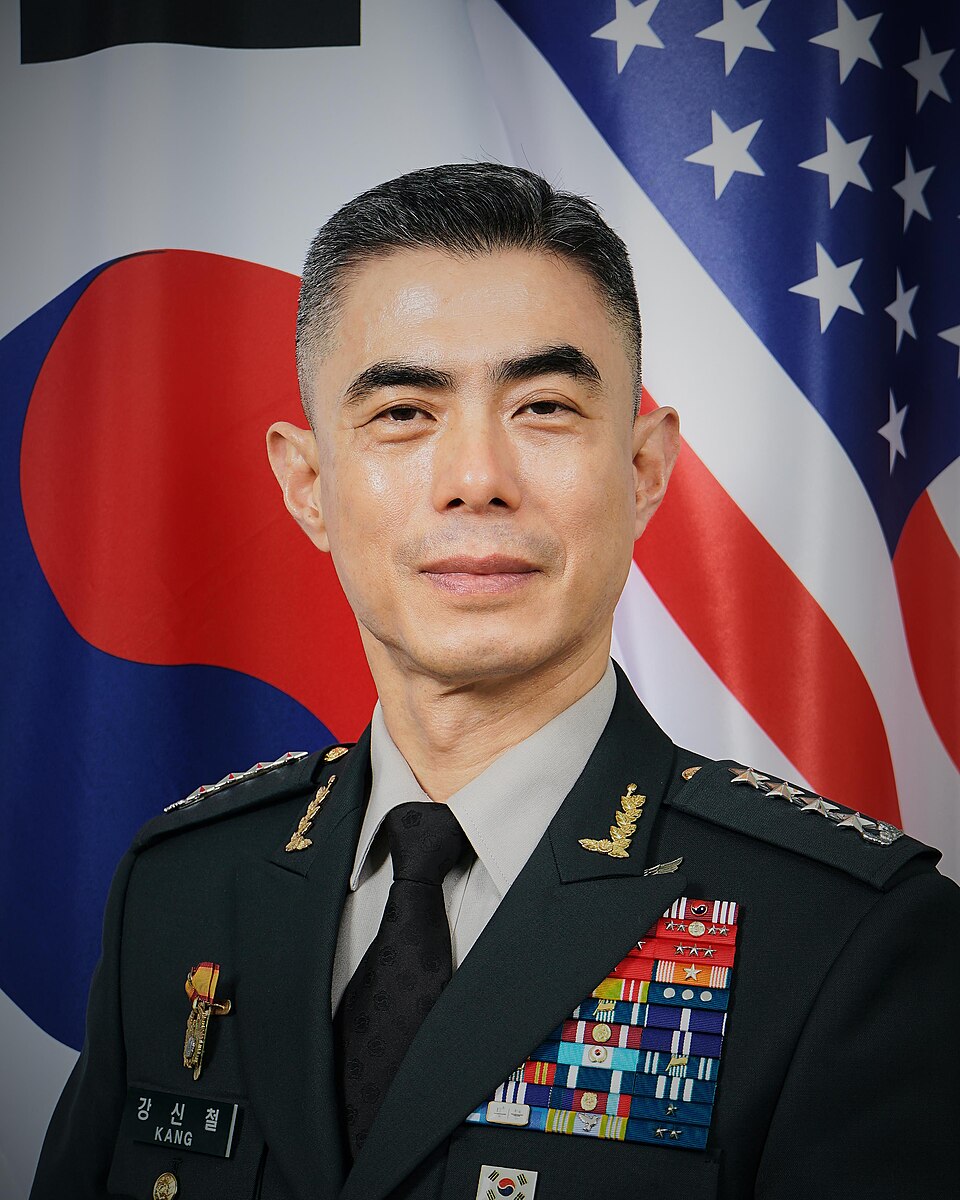 Kang Shin-chulMinister of National Defense, answering lawmakers at a plenary session of the National Assembly's National Defense CommitteeDirectly involved
"It is clearly a violation of the armistice agreement, and the responsibility lies with North Korea, so we will take corresponding measures"
CondemnedResponding to: South Korea's Joint Chiefs of Staff said on September 28, 2026 that North Korean land mines were highly likely the cause of the two explosions that wounded three South Korean soldiers south of the Military Demarcation Line on September 21, and said on September 30 that South Korean soldiers were seriously injured by North Korean landmines while conducting search operations south of that line.
Full statement and sources
Defense Minister Kang Shin-chul told the National Assembly's National Defense Committee on September 29, 2026 that the September 21 explosion was clearly an armistice violation, that responsibility lies with North Korea, and that the ministry would take corresponding measures, without saying what they would be. Asked whether he was certain the cause was North Korea-planted mines, he answered yes, according to Yonhap. He said the mine found that day had been buried and, asked whether it was deliberately planted by North Korea, said it is presumed to be connected to Pyongyang's border reinforcement work.
Before the statement
The session came a day after the Joint Chiefs said North Korean mines were highly likely the cause. Earlier on September 29 a joint inspection with the UN Command had found another mine near the blast site that the Joint Chiefs and the UN Command identified as North Korean, and Kang said at least four mines were believed to have been placed at or near it. On September 28 Kang had said the type of mine could not be stated with certainty, and on September 22 he had said the military could not yet confirm whether the suspected minefield, the patrol route and the explosion site matched.
After the statement
Kang also told the committee that the chance the mine was swept there was very low because multiple mines were placed 1 to 2 meters apart. Korea Herald reported that he cautioned against concluding the mine had been planted recently: soil and roots over one of the mines suggested it had remained underground for some time and could predate the North Korean mine-laying activity detected in September 2025. Yonhap reported that he reiterated a pledge to take corresponding measures if the explosion is confirmed to have been caused by mines planted by North Korean troops. The English wording is Yonhap's rendering of Kang's Korean remarks.
(LEAD) Defense chief says N. Korean land mine found near DMZ blast site was buried · Yonhap News AgencyParagraphs 1-4 and 9-10 (Defense Minister Kang Shin-chul's answers to the National Defense Committee)Defense chief links DMZ mine to North Korean border fortification · The Korea HeraldParagraphs 1-7 (Kang's remarks on where the mine came from and when it was laid) and the paragraphs on President Lee Jae Myung's Cabinet remarksNorth and South Korea trade warnings after landmine discovery in DMZ · Stars and StripesParagraphs 1-4 (UN Command finding and spokeswoman In-kyeong Yun's email) and paragraphs 12-14 (Kang Shin-chul's answers to the National Defense Committee)Why this label?
Kang said the explosion was clearly an armistice violation and that responsibility lies with North Korea, and he answered yes when asked whether he was certain North Korea-planted mines caused it. That accepts the attribution and criticizes the conduct. His pledge of corresponding measures was framed as applying if the cause is confirmed, but his answer on the cause was unqualified, so we labeled it Condemned. His remarks on how long the mine had been underground concern timing, not who planted it.
This label describes the statement's response within the context above.
Kwon Dae-wonVice chairman of South Korea's Joint Chiefs of Staff, speaking at a press briefing at the Ministry of National DefenseDirectly involved "If the final investigation confirms that this was inflicted by land mines laid by North Korean forces, it constitutes a clear attack in which our soldiers, who were lawfully performing DMZ operations south of the MDL, were injured by North Korean mines and consequently, accountability rests entirely with North Korea"
Mixed or conditionalResponding to: South Korea's Joint Chiefs of Staff said on September 28, 2026 that North Korean land mines were highly likely the cause of the two explosions that wounded three South Korean soldiers south of the Military Demarcation Line on September 21, and said on September 30 that South Korean soldiers were seriously injured by North Korean landmines while conducting search operations south of that line.
Full statement and sources
At a September 28, 2026 briefing on the preliminary results of the joint investigation with the UN Command, Lt. Gen. Kwon Dae-won, vice chairman of the Joint Chiefs of Staff, said the military assessed that North Korean mines were highly likely the cause of the two explosions. He said that if the final investigation confirms North Korean forces laid the mines, it constitutes "a clear attack" on soldiers lawfully performing operations south of the MDL, and that accountability "rests entirely with North Korea."
Before the statement
The briefing followed a joint on-site investigation with the UN Command's Military Armistice Commission that began on September 27. Kwon leads the Joint Chiefs' investigation task force. Earlier that day Defense Minister Kang Shin-chul had said the type of mine could not be stated with certainty. The English wording is Yonhap's rendering of Kwon's Korean remarks; other outlets render the same briefing differently.
After the statement
The Joint Chiefs said the investigation had not determined whether the mines were deliberately planted or had been displaced from elsewhere, and that final findings would come after an assessment with the UN Command. Asked to comment on the preliminary results, the UN Command said it had no further comment while the incident remained under investigation. A joint inspection found another mine that the Joint Chiefs and the UN Command identified as North Korean the next day.
N. Korean land mines highly likely cause of DMZ blast: S. Korean military · The Korea HeraldParagraphs 3-6 (Lt. Gen. Kwon Dae-won's remarks) and the paragraph on the UN Command's replyJCS says evidence suggests North Korean mine likely cause of DMZ blast · The Korea HeraldParagraphs 3-12: the evidence the Joint Chiefs cited and what remained undeterminedMilitary says NK mine almost certainly caused DMZ blast, vows response · The Korea TimesParagraphs 5-12 (Maj. Gen. Yang Jin-hyuk's remarks on why the mines were judged not South Korean)Why this label?
Kwon said the military's evidence made North Korean mines highly likely the cause, but his statement that "accountability rests entirely with North Korea" applies only if the final investigation confirms that North Korean forces laid the mines. Because that depends on a condition still unresolved, we labeled it Mixed or conditional.
This label describes the statement's response within the context above.
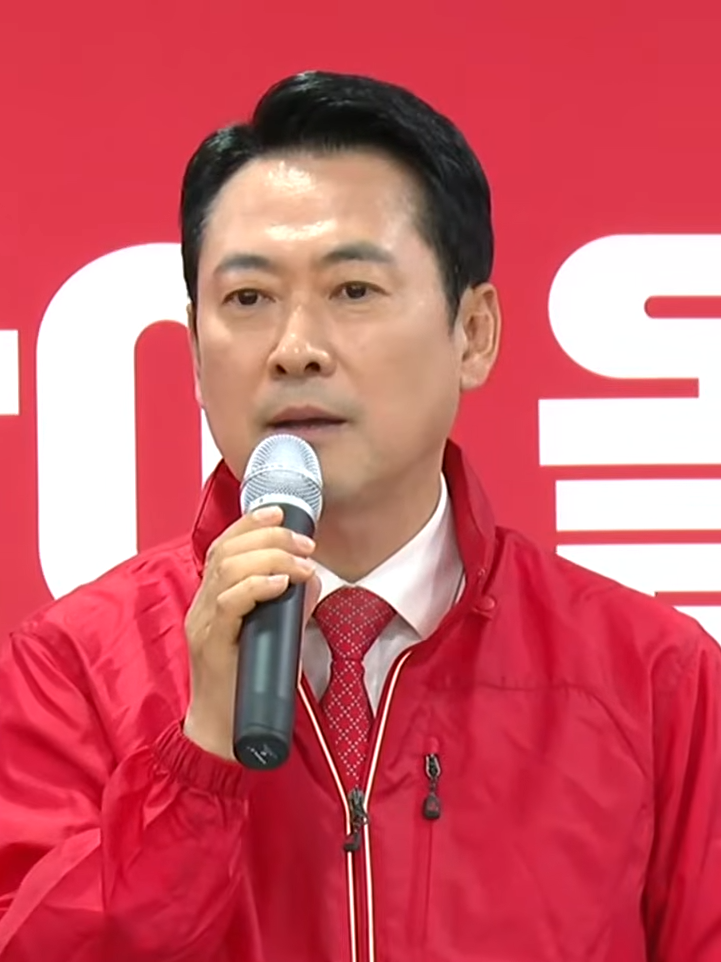 Jang Dong-hyeokChair of the People Power Party, the main opposition party, at a press conference
"This was not merely an accident but a clear provocation by North Korea, so our response must therefore be meant to address provocation, not an accident."
CondemnedCase context: Did North Korea plant the antipersonnel mines that injured three South Korean soldiers in the DMZ on September 21, 2026?
Full statement and sources
At a press conference on September 23, 2026, two days after the blasts and before the Joint Chiefs or the UN Command had reported findings, People Power Party chair Jang Dong-hyeok said the explosion was "not merely an accident but a clear provocation by North Korea." The Korea Herald reported that he suspected North Korean-made wooden-box mines could be behind it and that he said the investigation into whether the mines came from North Korea and whether they had drifted or been deliberately planted would not take long.
Before the statement
The Joint Chiefs had said on September 21 that they had not determined the cause of the blasts, including whether a mine was involved. The joint on-site investigation with the UN Command had not begun.
After the statement
On September 28, meeting Defense Minister Kang Shin-chul, Jang said, in JoongAng's rendering, "If the DMZ mine explosion was caused by a mine newly planted by North Korea, that would constitute a clear act of aggression and cannot be overlooked." The Korea Herald reported that he said the explosions "cannot be tolerated" if the cause was found to be a North Korean-made land mine.
Opposition chair slams DP for pressuring Supreme Court chief · The Korea HeraldFinal paragraphs (People Power Party chair Jang Dong-hyeok on the DMZ explosion)South Korea probes DMZ blast as defense minister questions North Korean mine claim · Korea JoongAng DailyParagraphs 2-5 (Kang Shin-chul's remarks to reporters) and the paragraphs on Brig. Gen. Hwang Ju-bong's account of witness descriptionsDMZ blast probe investigates North Korea land mine lead · The Korea HeraldParagraphs on the National Defense Committee members' briefing at the DMZ and on the two party leaders' meetings with Kang Shin-chulWhy this label?
The case asks whether North Korean forces planted the mines. Jang said the explosion was "a clear provocation by North Korea," which attributes it to North Korea and criticizes it, so we labeled it Condemned. He said this before any investigation result, at a time when the Korea Herald described North Korean wooden-box mines as his suspicion.
This label describes the statement's response within the context above.
- Kang Shin-chulMinister of National Defense, speaking to reporters after his inaugurationDirectly involved
"There are secondary effects that stem from North Korea's border-hardening, and this (explosion) could be one of them"
Mixed or conditionalCase context: Did North Korea plant the antipersonnel mines that injured three South Korean soldiers in the DMZ on September 21, 2026?
Full statement and sources
On September 22, 2026, his first day as defense minister, Kang Shin-chul urged North Korea to stop its border fortification and said the explosion the day before could be one of the secondary effects of North Korea's border-hardening. He also said the military had not confirmed whether the suspected minefield, the patrol route and the explosion site matched, and that the investigation must determine that.
Before the statement
The remarks came at Kang's first press availability after his inauguration, the day after the blasts and before the joint on-site investigation began. The Joint Chiefs had said that day that all possibilities remained open, including that North Korean troops had buried mines. The English wording is Yonhap's rendering of Kang's Korean remarks.
After the statement
Kang added, "The problem is that we cannot confirm this at this point. That is precisely what the investigation must determine." He said the military had no clear footage of the site because of difficult terrain.
New defense minister urges N. Korea to halt border-hardening following DMZ explosion · The Korea HeraldParagraphs 1-8 (Defense Minister Kang Shin-chul's first press remarks after the blasts)Why this label?
Kang linked the blast to North Korea's border work only as a possibility, saying the explosion "could be one of them" among the secondary effects, and said the military could not yet confirm whether the sites matched. His position depends on what the investigation determines, so we labeled it Mixed or conditional.
This label describes the statement's response within the context above.
Sources
(51)
Original text
Press Statement of Kim Yo Jong, Department Director of C.C., WPK
Relevant passage: Full statement; paragraphs 4-12 on the mine explosion, and the paragraphs on the border crossing claim
Excerpt
"Clearly speaking, our soldiers have never crossed the border."
About this source
Korean Central News Agency's English text of a press statement that Kim Yo Jong issued on September 29, 2026, dated Pyongyang, September 30. KCNA titles it "Ringleaders of provocation should be prepared for paying price for the farce of their own making." The link is GlobalSecurity.org's copy of the KCNA text. South Korean outlets translate the statement's Korean title and some phrases differently in English, for example "self-staged farce". KCNA's own page for the same English text: http://www.kcna.kp/en/article/detail/d2f0e6206efdd90a0da4c4c8b579b12a .
- Author
- Kim Yo Jong
- Published
- Accessed
Reporting
North Korea sends a competing letter over the DMZ mine blast
Relevant passage: Letter sent Sunday before the October 26 report
About this source
Yonhap attributes North Korea's fabrication claim to its letter as described by KCNA.
- Published
- Accessed
Reporting
South Korea sends a mine-blast letter to the Security Council president
Relevant passage: Letter sent Thursday before the October 23 report
About this source
The report says the letter records South Korea's position and does not itself produce a Security Council resolution.
- Published
- Accessed
Reporting
Cha faces questions over the Security Council response to the mine blast
Relevant passage: October 13 audit; debate over strategy and consultations
About this source
The report distinguishes the ambassador's General Assembly statement from a still-undecided Security Council approach.
- Published
- Accessed
Reporting
Cha Ji-hoon calls for an apology and measures over the DMZ blast at the U.N.
Relevant passage: Report datelined Washington, October 8; First Committee statement
About this source
Cha attributes the mine placement to North Korea. The report also carries North Korea's rejection.
- Published
- Accessed
Reporting
Defense ministry discusses DMZ responses after North Korea's denial
Relevant passage: North Korean foreign ministry statement; South Korean audit document
About this source
The report describes North Korea's October 6 denial and South Korea's proposed responses on October 7.
- Published
- Accessed
Reporting
Cho Hyun discusses diplomatic responses to the DMZ mine blast
Relevant passage: Parliamentary audit remarks and diplomatic-response discussion
About this source
Cho says South Korea is reviewing measures while seeking to avoid unnecessary escalation.
- Published
- Accessed
Analysis
Man-Ki Kim argues South Korea should maintain patrols and remove unauthorized mines
Relevant passage: Paragraph beginning Physical resolve must be demonstrated on the ground
About this source
Kim's opinion column is dated October 12, 2026, 05:30 KST, which is October 11, 20:30 UTC. He criticizes alleged North Korean mine-laying and argues for continued clearance and patrols. His column establishes his position.
- Author
- Man-Ki Kim
- Published
- Accessed
Reporting
Yonhap reports final DMZ findings and Kwon's apology demand
Relevant passage: Paragraph beginning The military strongly calls on North Korea, attributed to Kwon
About this source
Yonhap's English report renders Kwon Dae-won's October 5 briefing remarks in English. The quotation is the published English rendering, checked against the Korean official transcript.
- Author
- Yonhap News Agency
- Published
- Accessed
Official statement
South Korean military announces final DMZ mine investigation results
Relevant passage: October 5 briefing: forensic comparison, mine placement assessment and clearance at 12:51 KST
About this source
Official Korean transcript of the final investigation briefing. It attributes the mine-placement conclusion to the South Korean investigation and relays the UN Command assessment. Clearance refers to the identified minefield, not the entire DMZ.
- Author
- Ministry of National Defense of South Korea
- Published
- Accessed
Original text
DMZ mine blast was a North Korean provocation, not an 'accident' (KOR)
Relevant passage: Editorial paragraph beginning 'This was not simply an' and accompanying Korean text
Excerpt
"It was the consequence of a provocative act: planting mines."
About this source
Institutional editorial condemns alleged North Korean mine placement and disputes President Lee's description of the blast as an accident. Its reading of the UNC finding is the editorial's interpretation.
- Author
- Opinion Desk
- Published
- Accessed
Reporting
North Korea's Landmines Confirmed, Military Response Unclear
Relevant passage: Opening paragraphs on October 2 investigation plans, forensic testing and final-report timing
About this source
Aju Press attributes pending forensic results and undecided final-report timing to military information. The outlet identifies its English text as an AI translation.
- Author
- Inhyeok Choe
- Published
- Accessed
Reporting
N. Korean leader's sister again denies responsibility over DMZ mine blast
Relevant passage: October 2 dispatch on Kim Yo Jong's follow-up KCNA statement
About this source
Yonhap reports that Kim repeated her denial and rejected the South Korean findings. It quotes her border-fortification explanation and rejection of an apology.
- Author
- Woo Jae-yeon
- Published
- Accessed
Reporting
North's Kim Yo-jong rejects Seoul's demand for apology over DMZ mine blast
Relevant passage: Opening account of Kim Yo Jong's October 2 KCNA statement and final paragraphs calling the incident a sequel
Excerpt
"the sequel of a self-staged farce"
About this source
Report quotes a new KCNA statement rejecting Seoul's attribution and demand for an apology. English quotations follow the outlet's edited translation.
- Author
- Hyeon Ye-seul
- Published
- Accessed
Interview
Is North Korea pushing the limits of the DMZ?
Relevant passage: Choo Jae-woo interview before 'Why Seoul blames North Korea'; Andrei Lankov interview under 'Accident or calculated provocation?'
About this source
DW interviews Choo Jae-woo and Andrei Lankov, who offer opposing interpretations of mine placement.
- Author
- Julian Ryall
- Published
- Accessed
Reporting
UNC confirms armistice violation as military demands NK apology
Relevant passage: Paragraphs 1-6
Excerpt
"We strongly call on the North to apologize and take responsible measures"
About this source
Korea Times report of September 30, 2026 on the Joint Chiefs' statement, the UN Command's finding and Kim Yo Jong's denial.
- Published
- Accessed
Reporting
DMZ mine blast puts Lee's approach to North Korea to the test
Relevant passage: Paragraphs on the 2015 response and the August 25, 2015 agreement at Panmunjom
Excerpt
"After 43 hours of high-level talks at Panmunjom on Aug. 25, however, the two sides reached an agreement."
About this source
Korea JoongAng Daily analysis of September 29, 2026 comparing Seoul's response to the 2015 wooden-box mine blast with its options after the 2026 blast. JoongAng states that its English text is translated from Korean with generative AI tools and edited by a native English speaker.
- Author
- Yoon Ji-won, Lee Yu-jung and Shim Seok-yong
- Published
- Accessed
Reporting
DMZ blast probe investigates North Korea land mine lead
Relevant passage: Paragraphs on the National Defense Committee members' briefing at the DMZ and on the two party leaders' meetings with Kang Shin-chul
Excerpt
"Rep. Kim Min-seok, chair of the ruling party, called for a "thorough and transparent" investigation."
About this source
Korea Herald report of September 28, 2026 on a briefing that National Defense Committee members received at the DMZ and on the leaders of the two main parties' meetings with Defense Minister Kang Shin-chul.
- Author
- Son Ji-hyoung
- Published
- Accessed
Reporting
Defense Ministry raises concerns with UNC over North Korea’s DMZ activity: sources
Relevant passage: Paragraphs 1-10
Excerpt
"“Construction, fortification and other defensive measures do not automatically constitute violations of the Armistice Agreement,” the command said in a statement Monday."
About this source
Korea Herald report of June 23, 2026 on South Korea's concerns to the UN Command about North Korea's border work and the command's statement that such work does not automatically violate the Armistice Agreement.
- Author
- Hwang Joo-young
- Published
- Accessed
Reporting
UNC, S. Korean gov't clash over NK's border activity
Relevant passage: Paragraphs 1-8
Excerpt
"The UNC said fences serve a defensive and separation purpose and that defensive mine placement north of the MDL is permitted under its interpretation of the armistice."
About this source
Korea Times report of June 24, 2026 on the UN Command's fact sheet and the South Korean defense ministry's statement about North Korean fencing and mine placement near the Military Demarcation Line.
- Published
- Accessed
Reporting
N. Korean troops cross MDL more than 20 times in August
Relevant passage: Paragraphs 1-5
Excerpt
"The number of the MDL crossings by North Korean troops in August surpassed a total of 17 reported cases for the whole of 2025."
About this source
Korea Times report of September 9, 2026 quoting Joint Chiefs officials, who were not named, on North Korean troops crossing the Military Demarcation Line more than 20 times in August 2026.
- Published
- Accessed
Reporting
DMZ mine blast puts Seoul's NK outreach at risk
Relevant passage: Final paragraphs (a Joint Chiefs official on whether South Korean soldiers were deliberately targeted)
Excerpt
"A JCS official said that distinction made it difficult to conclude that South Korean soldiers had been deliberately targeted."
About this source
Korea Times report of September 29, 2026 on Seoul's possible responses to the blast, including a Joint Chiefs official's comment, made without being named, on whether South Korean soldiers were deliberately targeted.
- Published
- Accessed
Reporting
S. Korean military, UN Command conduct joint survey on DMZ blast site ahead of probe: JCS
Relevant passage: Paragraphs 1-6
Excerpt
"The survey team was comprised of about 20 personnel, including those from the JCS' on-site investigation task force -- led by the JCS vice chairman -- the UNC's Military Armistice Commission and relevant investigative agencies, the JCS said."
About this source
Korea Times report of September 26, 2026 on a joint survey by the Joint Chiefs and the UN Command's Military Armistice Commission at the blast site before the on-site investigation began.
- Published
- Accessed
Reporting
Land mine explodes in DMZ during military operation over suspected N. Korean minefield: JCS
Relevant passage: Paragraphs 4-9 (Joint Chiefs briefing) and the paragraphs quoting Gen. Xavier Brunson's post
Excerpt
""On behalf of United Nations Command, Combined Forces Command, and U.S. Forces Korea, I extend my deepest sympathies to the Republic of Korea soldiers injured yesterday during operations in the Demilitarized Zone, and to their families," Brunson wrote."
About this source
Korea Times report of September 22, 2026 on a Joint Chiefs briefing and on a post by Gen. Xavier Brunson, who commands the UN Command and U.S. Forces Korea, expressing sympathy for the injured soldiers.
- Published
- Accessed
Reporting
3 military personnel injured in unidentified DMZ explosion: JCS
Relevant passage: Paragraphs 1-12
Excerpt
"The JCS has yet to determine the cause of the blast."
About this source
Korea Herald report of September 21, 2026, the day of the blasts, quoting the Joint Chiefs of Staff and a Joint Chiefs official who was not named. It also reports an unexplained explosion that injured a soldier in the same area on November 20, 2025.
- Author
- Jung Min-kyung
- Published
- Accessed
Reporting
[COVER STORY] Questions remain over when NK mines were planted in DMZ
Relevant passage: Sections "What was found" and "When they were planted"
Excerpt
"South Korea's military believes the mines were buried rather than washed into the area but has yet to determine when they were planted or whether they were intended to target South Korean troops."
About this source
Korea Times cover story of September 30, 2026 on what investigators had and had not established, including when the mines were planted and how the Military Demarcation Line is marked at the site.
- Published
- Accessed
Reporting
South Korea probes DMZ blast as defense minister questions North Korean mine claim
Relevant passage: Paragraphs 2-5 (Kang Shin-chul's remarks to reporters) and the paragraphs on Brig. Gen. Hwang Ju-bong's account of witness descriptions
Excerpt
"“Some accounts suggest it was not a wooden-box mine, so we cannot say for certain what it was,” Kang said"
About this source
Korea JoongAng Daily report of September 28, 2026 on Kang Shin-chul's remarks to reporters after meeting party leaders, including his statement that the type of mine could not yet be stated with certainty, and on a Joint Chiefs official's account of differing witness descriptions. JoongAng states that its English text is translated from Korean with generative AI tools and edited by a native English speaker.
- Author
- Cho Mun-gyu
- Published
- Accessed
Reporting
New defense minister urges N. Korea to halt border-hardening following DMZ explosion
Relevant passage: Paragraphs 1-8 (Defense Minister Kang Shin-chul's first press remarks after the blasts)
Excerpt
""There are secondary effects that stem from North Korea's border-hardening, and this (explosion) could be one of them," he said."
About this source
Korea Herald report of September 22, 2026, the day Kang Shin-chul took office as defense minister, on his first press remarks after the September 21 blasts.
- Published
- Accessed
Reporting
Opposition chair slams DP for pressuring Supreme Court chief
Relevant passage: Final paragraphs (People Power Party chair Jang Dong-hyeok on the DMZ explosion)
Excerpt
""This was not merely an accident but a clear provocation by North Korea, so our response must therefore be meant to address provocation, not an accident.""
About this source
Korea Herald report of September 23, 2026 on a press conference by People Power Party chair Jang Dong-hyeok. The report covers several political topics; the passage on the DMZ explosion is in its final paragraphs.
- Author
- Son Ji-hyoung
- Published
- Accessed
Reporting
Kim Min-seok on DMZ Mine Blast: "Condemns North Korea's 'Staged' Claims... Must Apologize"
Relevant passage: Paragraphs 1-4 (Kim Min-seok's remarks at the Supreme Council meeting)
Excerpt
"At the Supreme Council meeting held at the National Assembly today (September 30), Leader Kim said, "The DMZ explosion has been revealed to be caused by North Korea planting landmines south of the Military Demarcation Line.""
About this source
SBS News English-edition report of September 30, 2026 on Democratic Party leader Kim Min-seok's remarks at a party Supreme Council meeting. SBS notes that its English text is machine-translated and may contain errors, so the wording is SBS's rendering of Kim's Korean remarks.
- Author
- Kim Kwan-jin
- Published
- Accessed
Reporting
Lee orders transparent DMZ mine probe, waves off 'conspiracy theories'
Relevant passage: Paragraphs 1-6 (President Lee Jae Myung's Cabinet meeting remarks on the DMZ blast)
Excerpt
"“The military should work closely with the United Nations Command to conduct a swift and thorough investigation and transparently establish what happened,” Lee said during a Cabinet meeting held at the Blue House in central Seoul."
About this source
Korea JoongAng Daily report of September 29, 2026 on President Lee Jae Myung's Cabinet meeting remarks about the DMZ blast. The English quotations are the newspaper's rendering of Lee's Korean remarks.
- Author
- Ha Jun-ho
- Published
- Accessed
Reporting
(LEAD) N. Korea denies responsibility for DMZ mine blast, warns S. Korea of retaliation
Relevant passage: Paragraphs 1-6
Excerpt
"She also stressed that North Korean soldiers "have never crossed the border" while accusing the South Korean military of threatening its soldiers with warning broadcasts and shots."
About this source
Yonhap report of September 30, 2026 on North Korea's denial, quoting Kim Yo Jong's statement as carried by KCNA and summarizing the mines found and Kang Shin-chul's remarks to lawmakers.
- Published
- Accessed
Reporting
North Korea calls DMZ mine blast a ‘farce’ as UN Command says armistice breach occurred
Relevant passage: Paragraphs 2-10 and the paragraphs on the Joint Chiefs and Democratic Party leader Kim Min-seok
Excerpt
"Kim Min-seok, leader of South Korea’s ruling Democratic Party, also urged Pyongyang to apologise."
About this source
Reuters report of September 30, 2026 on Kim Yo Jong's statement, the UN Command's finding and the Joint Chiefs' demand for an apology. The link is ThePrint's copy of the Reuters text.
- Author
- Jack Kim and Kyu-seok Shim
- Published
- Accessed
Reporting
S Korea demands apology over DMZ blasts as N Korea denies planting mines
Relevant passage: Paragraphs 2-6
Excerpt
"Kang Hyunwoo, the South Korean joint chiefs of staff’s director of operations, said the military “strongly urges” North Korea to apologise for the blasts and take “responsible measures” to prevent a recurrence."
About this source
Al Jazeera's copy of an AFP and AP report of September 30, 2026 quoting Kang Hyun-woo, Kim Yo Jong and the UN Command. Its English rendering of Kang's remarks differs from Yonhap's.
- Published
- Accessed
Reporting
(2nd LD) S. Korea blames N.K. for DMZ mine blast; UNC cites armistice breach over active mine
Relevant passage: Paragraphs 1-5 (Lt. Gen. Kang Hyun-woo's statement) and the paragraphs on the UN Command and the evidence summary
Excerpt
""This constitutes a blatant violation of the Armistice Agreement and undermines the spirit of existing inter-Korean agreements and must be halted immediately," Lt. Gen. Kang Hyun-woo, chief director of operations at the JCS, said in a press briefing."
About this source
Yonhap report of September 30, 2026 on the Joint Chiefs' statement read by Lt. Gen. Kang Hyun-woo, the UN Command's emailed statement and North Korea's denial, with the Joint Chiefs' evidence summary and background on the 2015 blasts. The English quotations are Yonhap's rendering of Kang's Korean remarks.
- Author
- Kim Seung-yeon
- Published
- Accessed
Reporting
Defense chief links DMZ mine to North Korean border fortification
Relevant passage: Paragraphs 1-7 (Kang's remarks on where the mine came from and when it was laid) and the paragraphs on President Lee Jae Myung's Cabinet remarks
Excerpt
"Soil and roots found over one of the mines suggested that it had remained underground for some time and could even predate North Korean mine-laying activity detected in the area in September 2025, he explained."
About this source
Korea Herald report of September 29, 2026 on the National Defense Committee session: the mine found that day, Kang Shin-chul's comments on when it may have been laid, and opposition questions about the timing of the investigation. It also reports President Lee Jae Myung's Cabinet remarks that day.
- Author
- Hwang Joo-young
- Published
- Accessed
Reporting
(LEAD) Defense chief says N. Korean land mine found near DMZ blast site was buried
Relevant passage: Paragraphs 1-4 and 9-10 (Defense Minister Kang Shin-chul's answers to the National Defense Committee)
Excerpt
""It is clearly a violation of the armistice agreement, and the responsibility lies with North Korea, so we will take corresponding measures," he said, without elaborating on what these measures would entail."
About this source
Yonhap report of September 29, 2026 on Defense Minister Kang Shin-chul's answers to lawmakers at the National Assembly's National Defense Committee about the mine found that day and the cause of the September 21 blasts.
- Published
- Accessed
Reporting
North Korean mine likely caused DMZ blast that maimed South Korean soldier, military says
Relevant passage: Paragraphs 5-8 (no definitive proof yet) and the paragraphs on the route the troops were clearing
Excerpt
"However, the military has yet to secure what it considers a “smoking gun” to prove that North Korea laid the mine."
About this source
Korea JoongAng Daily report of September 29, 2026 on the Joint Chiefs' preliminary conclusion. It says the military had not yet secured what it considers definitive proof that North Korea laid the mine, and it describes the route the troops were clearing. JoongAng states that its English text is translated from Korean with generative AI tools and edited by a native English speaker.
- Published
- Accessed
Reporting
Military says NK mine almost certainly caused DMZ blast, vows response
Relevant passage: Paragraphs 5-12 (Maj. Gen. Yang Jin-hyuk's remarks on why the mines were judged not South Korean)
Excerpt
"However, the military has yet to establish when or how the mines reached the area, leaving open the possibility that they had been displaced from elsewhere."
About this source
Korea Times report of the September 28, 2026 briefing, including remarks by Maj. Gen. Yang Jin-hyuk on why the Joint Chiefs concluded the exploded mines were not South Korean and on the object soldiers described.
- Published
- Accessed
Reporting
JCS says evidence suggests North Korean mine likely cause of DMZ blast
Relevant passage: Paragraphs 3-12: the evidence the Joint Chiefs cited and what remained undetermined
Excerpt
"The military has yet to determine whether the suspected North Korean mines were deliberately planted south of the MDL or had been displaced from elsewhere."
About this source
Korea Herald report of the September 28, 2026 Joint Chiefs briefing, with the evidence the Joint Chiefs cited, the distance from the Military Demarcation Line and the number of personnel involved. Its English quotations of Kwon Dae-won differ in wording from Yonhap's.
- Author
- Hwang Joo-young
- Published
- Accessed
Reporting
N. Korean land mines highly likely cause of DMZ blast: S. Korean military
Relevant passage: Paragraphs 3-6 (Lt. Gen. Kwon Dae-won's remarks) and the paragraph on the UN Command's reply
Excerpt
""If the final investigation confirms that this was inflicted by land mines laid by North Korean forces, it constitutes a clear attack in which our soldiers, who were lawfully performing DMZ operations south of the MDL, were injured by North Korean mines and consequently, accountability rests entirely with North Korea," he said."
About this source
Korea Herald's copy of a Yonhap report on the September 28, 2026 briefing by Lt. Gen. Kwon Dae-won, vice chairman of the Joint Chiefs of Staff, on the preliminary results of the joint investigation with the UN Command. The English quotations are Yonhap's rendering of Kwon's Korean remarks.
- Published
- Accessed
Reporting
North Korean mines likely caused DMZ blasts that injured 3 soldiers, South’s military says
Relevant passage: Final paragraphs (UN Command spokeswoman Choi Min-jung's emailed reply) and paragraphs 2-6 on Lt. Gen. Kwon Dae-won's briefing
Excerpt
"U.N. Command spokeswoman Choi Min-jung told Stars and Stripes by email Tuesday that the command has “no further comment while the incident remains under investigation.”"
About this source
Stars and Stripes report of September 29, 2026 on South Korea's preliminary findings, citing a transcript of Lt. Gen. Kwon Dae-won's September 28 briefing and an emailed reply from UN Command spokeswoman Choi Min-jung.
- Author
- Julie Masson
- Published
- Accessed
Reporting
North and South Korea trade warnings after landmine discovery in DMZ
Relevant passage: Paragraphs 1-4 (UN Command finding and spokeswoman In-kyeong Yun's email) and paragraphs 12-14 (Kang Shin-chul's answers to the National Defense Committee)
Excerpt
"The overall probe into the explosions remains underway, and the command’s armistice finding applies only to the mine found on Tuesday."
About this source
Stars and Stripes report of September 30, 2026 with an emailed answer from UN Command spokeswoman In-kyeong Yun. The newspaper reports that the command's armistice finding applies only to the mine found on September 29.
- Author
- Julie Masson and Yoojin Lee
- Published
- Accessed
Reporting
UN Command finds armistice violation over North Korean mine in DMZ
Relevant passage: Paragraphs 1-6 (the statement and the command's answer to a follow-up question) and the paragraphs on the 2015 and 2020 findings
Excerpt
"Asked separately why the command had not identified either side as responsible for the violation, the UNC said the statement should be "interpreted as written.""
About this source
Korea Herald report of September 30, 2026 that quotes the UN Command's statement and the command's reply when asked why it did not name a side. It also summarizes the command's findings in the August 2015 mine case and in May 2020.
- Author
- Hwang Joo-young
- Published
- Accessed
Reporting
U.N. Command says Armistice Agreement violation occurred over DMZ mine blast
Relevant passage: Paragraphs 1-4, quoting the UN Command's emailed statement
Excerpt
""Based on the findings of the investigation, UNC determined that an Armistice Agreement violation occurred. UNC is addressing the violation through established Armistice mechanisms," it said in an emailed statement."
About this source
Yonhap report of September 30, 2026 that quotes the UN Command's emailed statement. The quoted sentences are the command's wording as Yonhap reproduced them. We did not locate the statement on the command's own website.
- Published
- Accessed
Reporting
North Korea denies planting mines that injured 3 South Korean soldiers, accuses Seoul of conspiracy
Relevant passage: Paragraphs on the UN Command finding, Kim Yo Jong's response and the 2015 blasts
Excerpt
"North Korea issued a vague expression of regret over the soldiers’ injuries at the time but has never clearly accepted responsibility."
About this source
Associated Press report of September 30, 2026 (published the evening of September 29 in U.S. Eastern time) on Kim Yo Jong's statement and the UN Command's announcement, with background on the 2015 mine blasts. The link is the CP24 copy of the AP text.
- Author
- Kim Tong-hyung
- Published
- Accessed
Reporting
North denies role in DMZ mine explosion
Relevant passage: Paragraphs 1-5
Excerpt
"“If our military really needed to achieve a military purpose, we might have used more powerful weapons, not three landmines,” the statement said."
About this source
Korea Times report of the National Defense Commission statement of August 14, 2015, in which North Korea denied planting the mines that wounded two South Korean soldiers and asked South Korea for video evidence.
- Author
- Jun Ji-hye
- Published
- Accessed
Reporting
South vows retaliation against NK mine attack
Relevant passage: Paragraphs on Brig. Gen. Ahn Young-ho's findings and the UN Command statement
Excerpt
"“The investigation determined that the devices were recently placed… and concluded that the North Korean People’s Army violated paragraphs 6, 7 and 8 of the Armistice Agreement,” the UNC said in a statement."
About this source
Korea Times report of August 10, 2015 on South Korea's and the UN Command's announcements about the wooden-box mines that wounded two South Korean soldiers on August 4, 2015. It quotes Brig. Gen. Ahn Young-ho, who headed the joint probe, and a UN Command statement.
- Author
- Jun Ji-hye
- Published
- Accessed
Original text
Letter dated 21 August 2015 from the Permanent Representative of the Democratic People’s Republic of Korea to the United Nations addressed to the President of the Security Council (S/2015/658)
Relevant passage: Paragraphs 1-2 of the letter and Annex I, the statement of the National Defence Commission's Policy Department of August 14, 2015
Excerpt
"the so-called “landmine incident” that took place on the southern side of the demilitarized zone on the Korean Peninsula on 4 August 2015 is the one totally fabricated by south Korea, which has nothing to do with the DPRK."
About this source
North Korea's letter to the UN Security Council, circulated as a Security Council document. It says the August 4, 2015 mine incident was "totally fabricated by south Korea," and it encloses the August 14, 2015 statement of the Policy Department of North Korea's National Defence Commission.
- Author
- Ja Song Nam
- Published
- Accessed
Original text
Letter dated 18 August 2015 from the Permanent Representative of the Republic of Korea to the United Nations addressed to the President of the Security Council (S/2015/642)
Relevant passage: Paragraphs 1-3
Excerpt
"The investigation result concluded that, judging from their fragments, the mines were those that are typically used by the North Korean People’s Army."
About this source
South Korea's letter to the UN Security Council on the August 4, 2015 mine blast that seriously injured two South Korean soldiers, circulated as a Security Council document. It gives Seoul's account of the findings of the Ministry of National Defense and the UN Command, as submitted to the Council.
- Author
- Oh Joon
- Published
- Accessed
Original text
Report of KPA General Staff
Relevant passage: Paragraphs 4-6: the General Staff's announcement of a project to cut off roads and railways and fortify the North's side of the southern border
Excerpt
"the General Staff of the KPA proclaims that it will take a substantial military step to completely separate the territory of the DPRK, where its sovereignty is exercised, from the territory of the ROK (Republic of Korea)."
About this source
KCNA's English text of a report by the General Staff of the Korean People's Army dated October 9, 2024. It announces a project to cut off roads and railways connected to South Korea and to fortify the relevant areas on the North's side of the southern border. The link is GlobalSecurity.org's copy of the KCNA text.
- Published
- Accessed
Share or embed this case
The embed keeps its attribution link to The Dispute Index. Credit the image to The Dispute Index and link to the case page.
Cite this record
- Publisher
- The Dispute Index
- Title
- Did North Korea plant the antipersonnel mines that injured three South Korean soldiers in the DMZ on September 21, 2026?
- First published
- Last updated
- Permalink
- https://disputeindex.com/cases/did-north-korea-plant-the-mines-that-injured-three-south-korean-soldiers-in-the-dmz-on-september-21-2026
The Dispute Index. "Did North Korea plant the antipersonnel mines that injured three South Korean soldiers in the DMZ on September 21, 2026?". First published: 2026-09-30. Last updated: 2026-10-02. https://disputeindex.com/cases/did-north-korea-plant-the-mines-that-injured-three-south-korean-soldiers-in-the-dmz-on-september-21-2026