
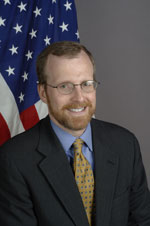
David Kramer

Portrait of David Kramer
U.S. Department of State

Michigan Jewish Democratic organizer.

What we have documented

We have documented 2 statements by David Kramer, in 2 cases. Each statement below gives the quotation, its original source and a link to the full case.

Case updates

Want the next important update?

Follow "Abdul El-Sayed describes dangers from Israel and Iran; Pete Buttigieg draws an ally-enemy distinction" and get an email when an important development changes the record.

Important updates only. Free. Confirm your email to start. Unsubscribe anytime. How we handle your email.

Statements by David Kramer

Portrait of David Kramer

David Kramer

Role at the time: Michigan Democratic fundraiser and former chair of Haley Stevens's Senate campaign, speaking to Jewish Insider

Condemned

Statement summary

David Kramer, a Michigan Democratic fundraiser who chaired Haley Stevens's Senate campaign, told Jewish Insider he would vote for Rogers, saying Rogers knows the difference between an enemy in Iran and an ally in Israel.

“But I've made peace with voting for him because I do think that he at least does care about Jews being safe and participating in public life, and he seems to know the difference between an enemy of ours in Iran and an ally of ours [in Israel].”
Open the original interview (opens in a new tab)Former Haley Stevens campaign chair and prominent Democratic fundraiser says he plans to vote for RogersInterview and written statement given on October 26, 2026
Why we used this label

Kramer says El-Sayed's recent comments on Israel went too far and backs Rogers as the candidate who can tell an enemy from an ally, so we labeled it Condemned.

Portrait of David Kramer

David Kramer

Role at the time: Michigan Jewish Democratic organizer

Mixed or conditional

Response to this claim

El-Sayed's immediate response should have stopped at an unqualified condemnation; adding causal context at that moment was a mistake.

“well-received in the sense that people appreciated he was willing to come into that space and talk and that he's been willing to at least turn down some of the negative rhetoric If you parse his words, he definitely talked about apologizing if people were offended and saying there's a time for context but still leaving open the ability to add context I don't think that there's ever context for targeting 100-plus preschoolers.”
Open source (opens in a new tab)El-Sayed's apology to Jewish Democrats draws mixed responseFull report
Why we used this label

The response combines approval of the outreach with a continuing substantive objection.

A participant is a subject of the case. A speaker has a statement documented in it. A commentator has an opinion or editorial documented in it.

Case

Abdul El-Sayed's cycle of violence framing after the Temple Israel attack

Relationship to this case: Speaker

After the Temple Israel attack, Abdul El-Sayed condemned antisemitism but linked the assailant’s actions to an Israeli airstrike that killed relatives, describing violence as a cycle. Critics said it rationalized the attack or shifted responsibility; El-Sayed denied justification and later apologized for adding context.

AntisemitismIsraelUpdated

Topics in this coverage