
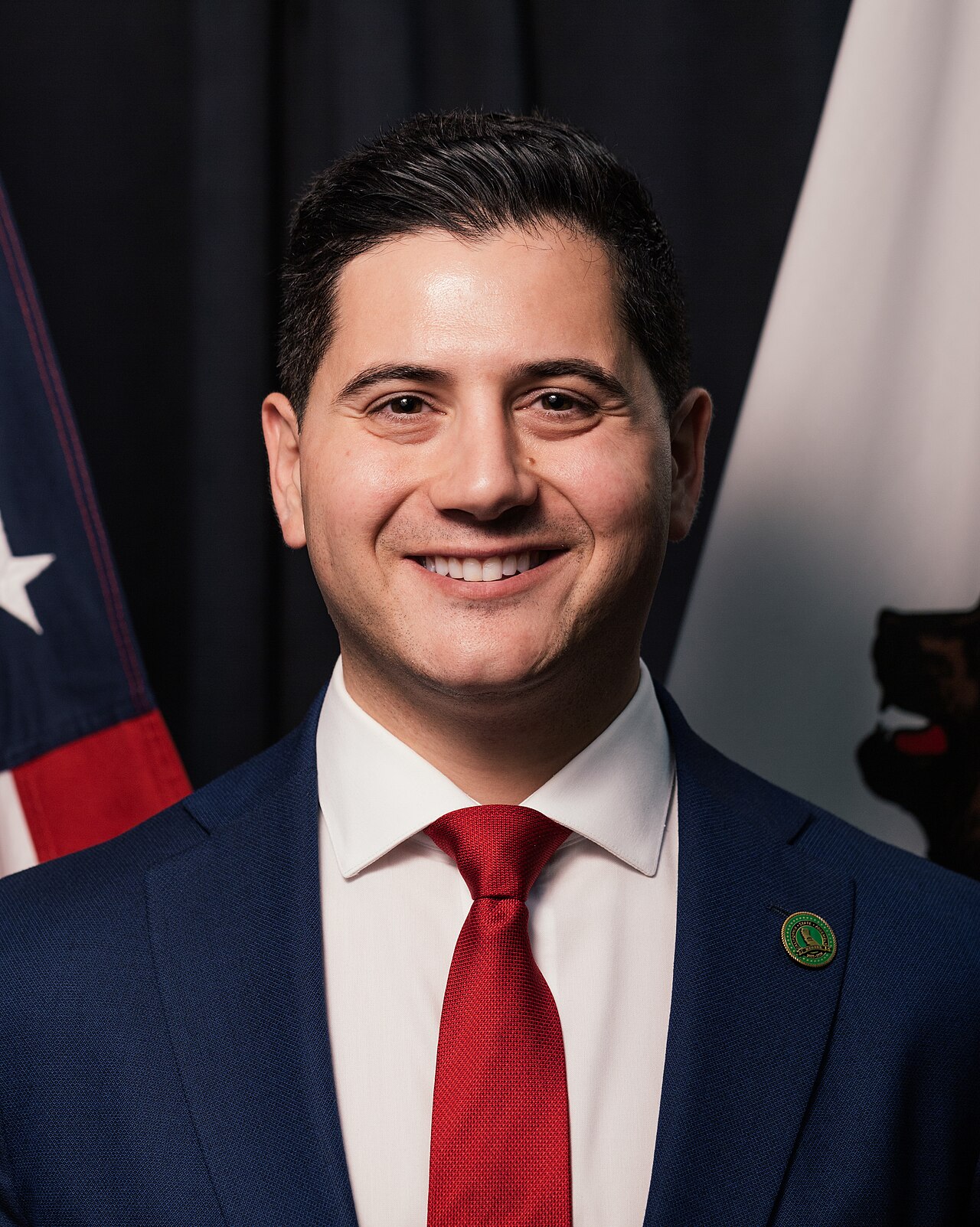
Bill Essayli

Portrait of Bill Essayli
California State AssemblySourcePublic domainOriginal image retained; resized only.

Bilal A. "Bill" Essayli is a lawyer and Republican former member of the California State Assembly who is First Assistant U.S. Attorney for the Central District of California. He represented the 63rd Assembly District from December 2022 to April 2025, and earlier worked as an assistant U.S. attorney in Los Angeles and Riverside and as a Riverside County deputy district attorney. He was interim and then acting U.S. Attorney for the district in 2025 before taking his current title on October 29, 2025.

State legislator (2022 to 2025)Also known as Bilal Essayli, Bilal A. EssayliWebsite (opens in a new tab)

What we have documented

We have documented 2 statements by Bill Essayli, in 2 cases. Each statement below gives the quotation, its original source and a link to the full case.

Case updates

Want the next important update?

Follow "DOJ seeks to set aside flagged California ballots; Weber disputes its evidence" and get an email when an important development changes the record.

Important updates only. Free. Confirm your email to start. Unsubscribe anytime. How we handle your email.

Statements by Bill Essayli

Portrait of Bill Essayli

Bill Essayli

Role at the time: First Assistant U.S. Attorney for the Central District of California, on his official X account

Defended or excused

Statement summary

On X, First Assistant U.S. Attorney Bill Essayli said the media narrative in California keeps shifting in response to what he called overwhelming evidence of tens of thousands of ineligible voters on the state's rolls. He said none of the explanations offered are legal defenses to criminal charges and that California should immediately cooperate with the federal government to avoid further legal jeopardy.

“None of these are legal defenses to criminal charges. California should immediately cooperate with the federal government to avoid subjecting noncitizens and itself to further legal jeopardy.”
Read the original post (opens in a new tab)Bill Essayli's X post on California's voter rolls · Bill EssayliX post
Why we used this label

The reference point is the Justice Department's demand that California set aside and verify flagged mail ballots. Essayli calls the evidence of ineligible voters overwhelming and urges California to cooperate with the federal government immediately, which backs the demand. The closest competing label is mixed, but nothing in the post qualifies his support.

Portrait of Bill Essayli

Bill Essayli

Role at the time: First Assistant U.S. Attorney for the Central District of California, in a post on his official X account

Condemned

Response to this claim

First Assistant U.S. Attorney Bill Essayli said on September 29, 2026 that California has no jurisdiction to regulate federal agents and that he had advised the Department of Homeland Security to disregard AB 2760.

“Governor, we’ve been through this already. If you want to regulate federal agents, you have to win a federal election. Until then, you have no jurisdiction. Accordingly, I have advised DHS to disregard your bill attempting to ban safe and effective less-lethal tools that agents need to escalate dangerous situations.”
Read the original post (opens in a new tab)Bill Essayli (@USAttyEssayli) on X, September 29, 2026: 'Governor, we've been through this already.' · Bill EssayliPost of September 29, 2026, 20:51 UTC, quoting the Governor's press office post announcing the signed bills
Why we used this label

Relative to the ban as applied to federal officers, Essayli rejects it as beyond California's power, says he told DHS to disregard it, and calls the tools it bans safe and effective. The post answers mainly the question of state power, with a brief characterization of the gloves' safety. We used Condemned because he rejects the ban as unenforceable against federal agents. The closest competing label is Challenges the characterization, because he disputes that California may regulate federal agents at all, but he goes on to reject the bill itself and tell DHS to disregard it.

A participant is a subject of the case. A speaker has a statement documented in it. A commentator has an opinion or editorial documented in it.

Topics in this coverage