
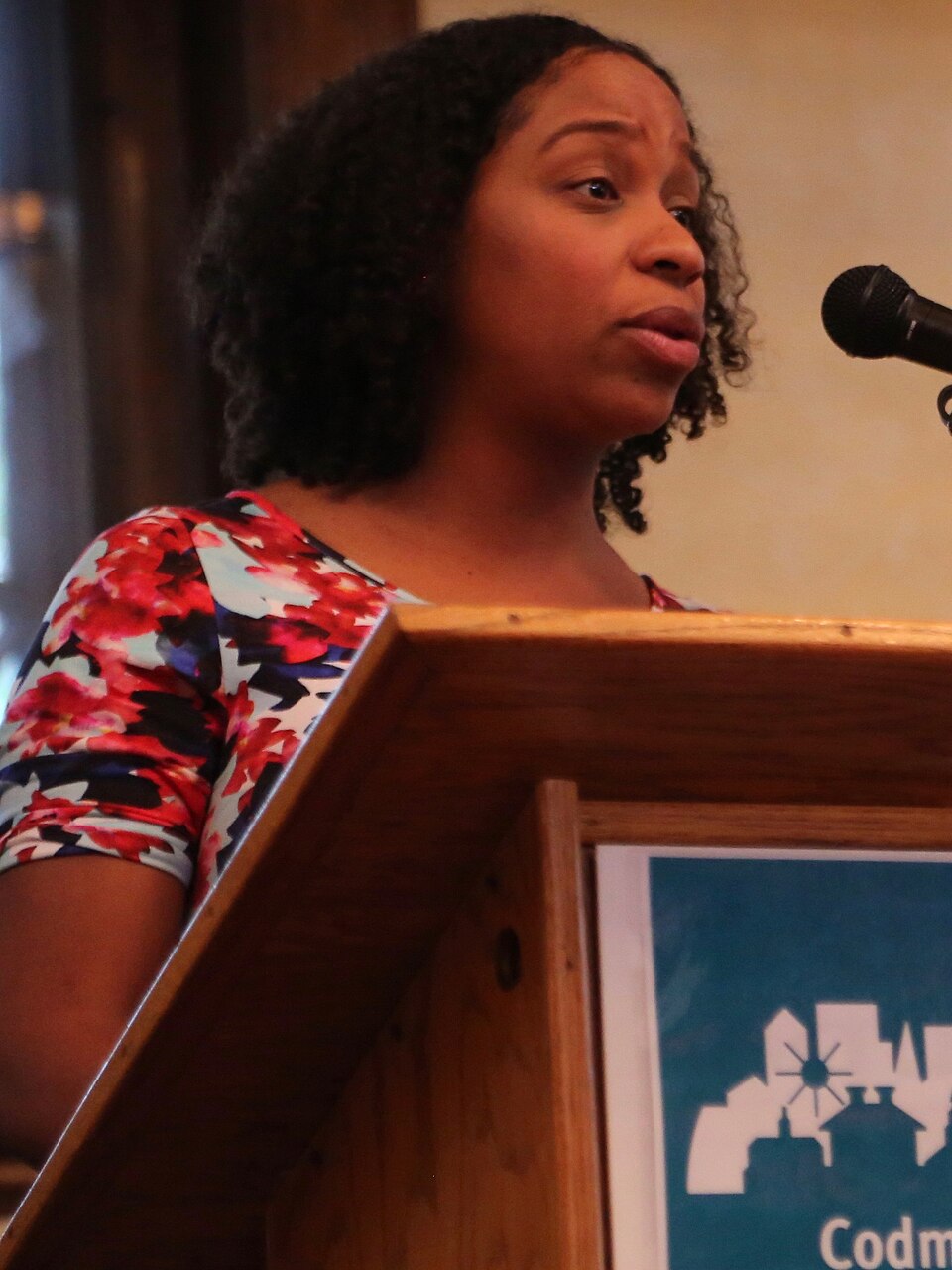
Andrea Joy Campbell

Portrait of Andrea Joy Campbell
WhatsNextSourceCC BY-SA 4.0Resized only.

Andrea Joy Campbell is the attorney general of Massachusetts, elected in 2022 and the first Black woman to hold the office. She previously served on the Boston City Council, including as its president, and ran for mayor of Boston in 2021.

What DI has documented

DI has documented statements by Andrea Joy Campbell on Energy Policy, Government Spending, and Trade Policy, among other topics. Read the quotations, original sources and related cases below.

Topics in this coverage

Statements by Andrea Joy Campbell

Portrait of Andrea Joy Campbell

Andrea Joy Campbell

Role at the time: Massachusetts attorney general

Condemned

Statement summary

Campbell criticized the two wind buyouts as illegal and harmful to New England. Her office argued that they did not settle actual or imminent litigation and could not lawfully draw on the Judgment Fund.

“These are bad deals for New Englanders and represent yet another illegal move by the Trump Administration that harms our communities.”
Read the official statement (opens in a new tab)Campbell's announcement of wind-buyout litigationCampbell's individually attributed statement
Why we used this label

She rejects the payments as unlawful and harmful.

Portrait of Andrea Joy Campbell

Andrea Joy Campbell

Role at the time: Massachusetts attorney general

Condemned

Statement summary

Massachusetts Attorney General Andrea Joy Campbell opposed the new tariffs as unlawful costs passed on to consumers. She said she would use available legal tools to lower costs and support businesses navigating the administration's economic policies.

“the Trump Administration is again implementing unlawful tariffs that will ultimately be passed on to consumers”
Read the official statement (opens in a new tab)AG Campbell Sues Trump Administration To Stop Illegal TariffsAugust 3 release, quotation attributed to AG Campbell
Why we used this label

Relative to the new Section 301 tariffs, Campbell criticizes both their legality and their consumer costs. This directly rejects the action.

A participant is a subject of the case. A speaker has a statement documented in it. A commentator has an opinion or editorial documented in it.