
Virginia defends officer mask and identification rules; DOJ invokes federal authority
Virginia defends its officer mask and identification rules as public-safety measures. DOJ argues that states cannot directly regulate federal officers carrying out federal duties and cites threats against agents. A preliminary injunction blocks enforcement against federal immigration personnel while Virginia appeals.

Case period:
Published by The Dispute Index editorial teamPublished Updated
Overview
Virginia argues that its masking and identification rules support accountability and public trust. DOJ challenges them as unconstitutional regulation of federal officers and a threat to their safety. A federal judge has preliminarily barred enforcement against federal immigration personnel while Virginia appeals.
Read the full background
The law approved on May 20 (opens in a new tab) applies to state, local and federal law-enforcement officers performing official duties. It restricts facial coverings that conceal an officer's identity and requires visible identification by name or a unique individual identifier, together with the employing agency's name. Subsection C lists eight exceptions to the facial-covering restriction, including medical masks, tactical duties and specified undercover, drug, gang or surveillance units. A violation is a Class 1 misdemeanor unless the officer's agency has adopted a qualifying written policy. The section was later renumbered from 19.2-83.6:1 to 19.2-83.6:2.
The current identification requirement (opens in a new tab), in a version displayed as effective until June 30, 2028, exempts officers performing SWAT or other specialized tactical duties. It also exempts officers in undercover, drug, gang, executive-protection or surveillance units where protecting their identities is necessary. The special-session budget (opens in a new tab) added those exemptions. They are separate from the facial-covering exceptions in subsection C. The district court's opinion describes the identification requirement without mentioning them.
DOJ's June 11 complaint (opens in a new tab) alleges that the rules unconstitutionally regulate federal officers. A separate count alleges unequal treatment because the undercover exception and written-policy provision depend on a state-defined law-enforcement agency, which DOJ reads to exclude federal agencies. In their June 24 opposition brief (opens in a new tab), Virginia and Attorney General Jay Jones argue that the rules apply uniformly and only incidentally affect federal operations. They dispute the federal government's evidence of imminent harm.
Judge Payne's corrected opinion (opens in a new tab) finds the federal government likely to succeed on its direct-regulation claim. He does not reach the unequal-treatment claim, which the injunction motion did not raise. He credits the federal declarations about officer safety and rejects Virginia's argument that the rules merely affect how officers perform their duties. The corrected injunction (opens in a new tab) bars enforcement against federal officers, employees and agencies involved in enforcing federal immigration laws and regulations. First entered June 30, it was reissued August 18, nunc pro tunc to June 30, to reflect the renumbering. It is a preliminary ruling.
In its August 20 appellate brief (opens in a new tab), Virginia asks the Fourth Circuit to vacate the injunction. In the alternative, it asks the court to lift the block on the facial-covering prohibition and remand for separate consideration of relief on identification, citing the new exemptions. The United States' September 18 response (opens in a new tab) argues that both provisions directly regulate federal officers. It says equal treatment of state officers does not cure that objection and that the exemptions do not change the outcome. It also says Virginia did not bring the exemptions to the district court's attention.
The Fourth Circuit denied a stay on September 3 (opens in a new tab). Judges Heytens and Benjamin voted to deny it; Judge King voted to grant it. The order gives no reasons. Separate restrictions on local cooperation agreements are also being litigated, but the mask and identification rules remain this case's focus.
At the October 27 argument (opens in a new tab), Virginia's counsel asks the panel to vacate the injunction. He argues that the facial-covering rule is generally applicable and does not prevent federal officers from carrying out their duties. Counsel for the United States argues that direct state regulation of federal officers requires express congressional authorization and asks the panel to affirm. The session also covers the separate cooperation-agreement dispute.
People in this case
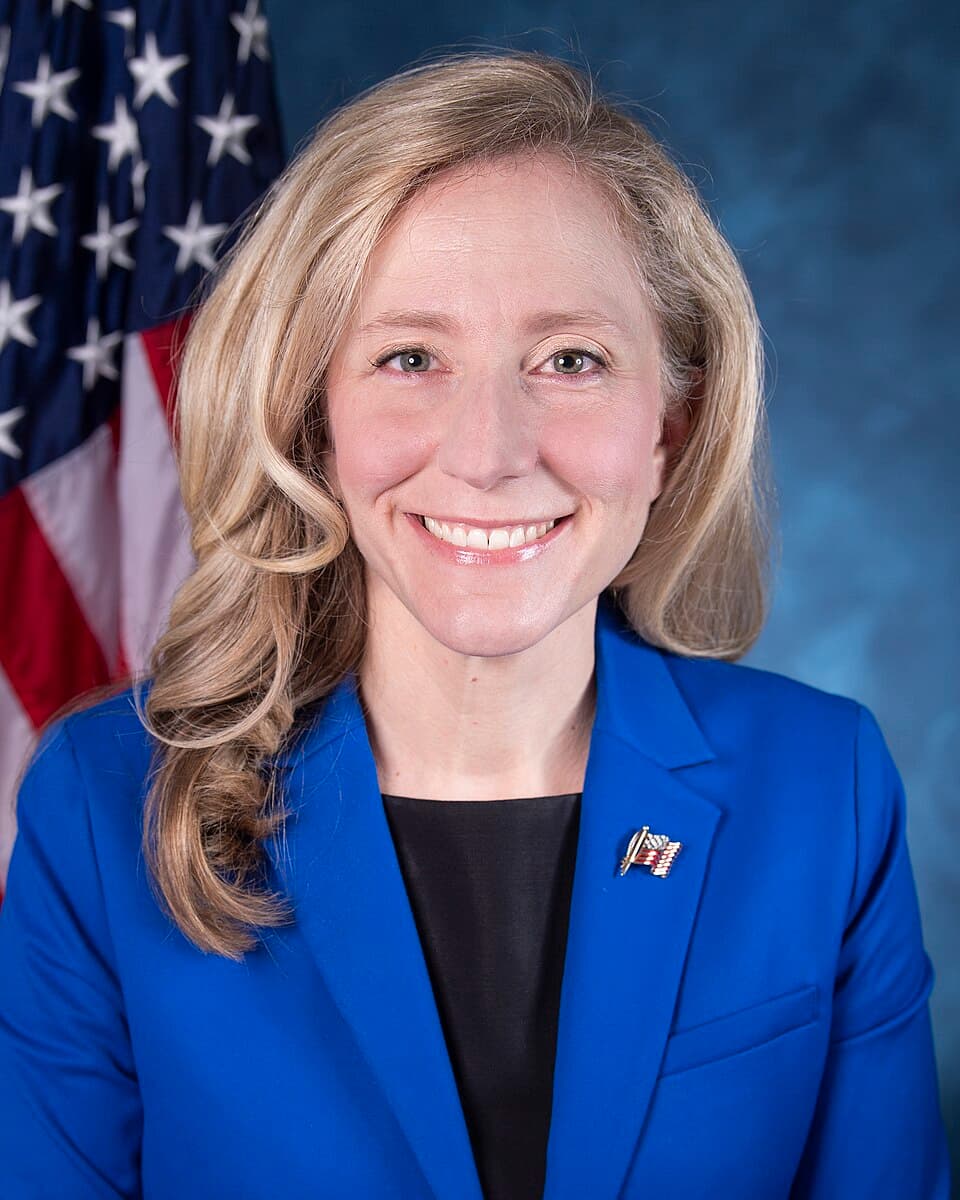 Abigail SpanbergerDirectly involved
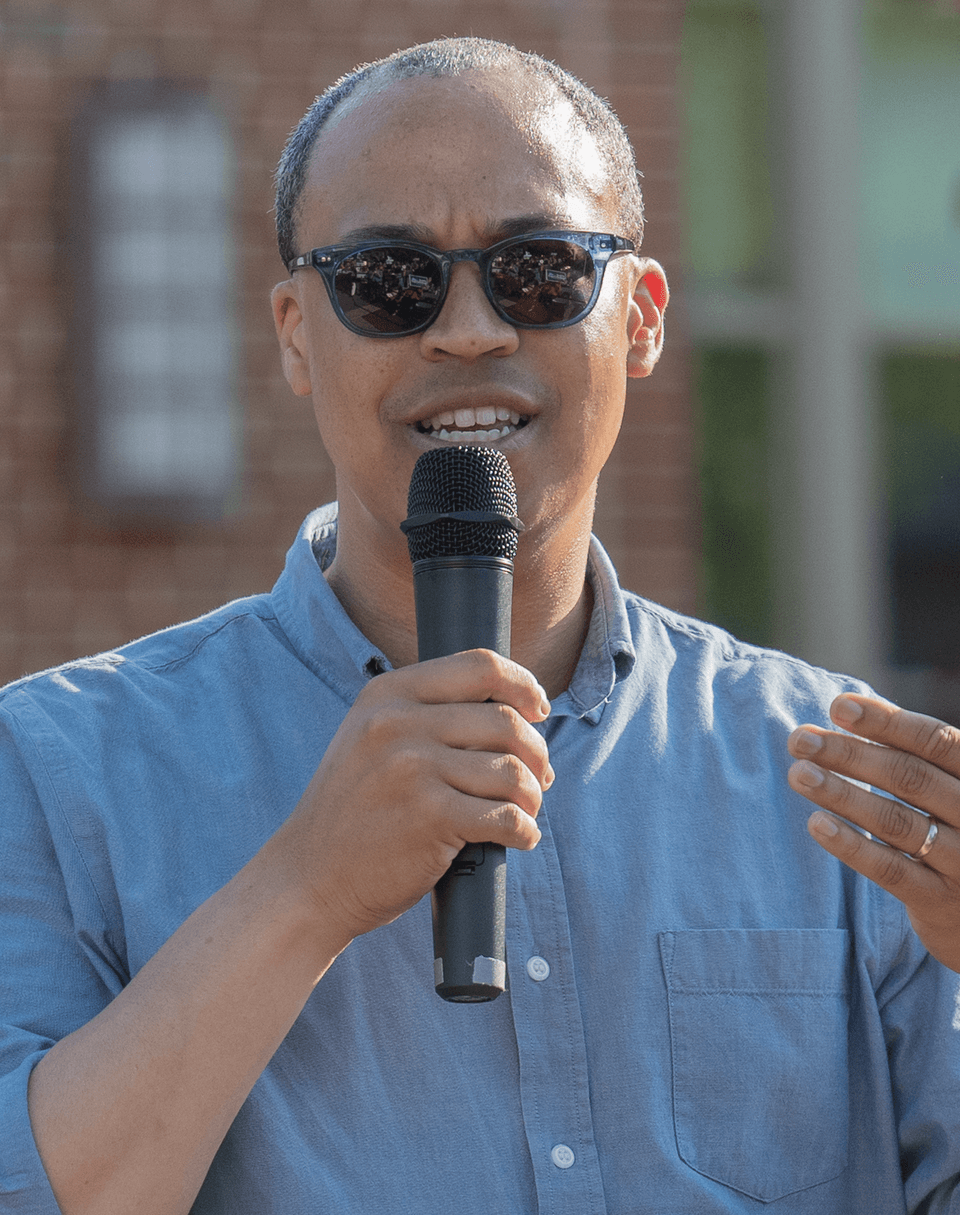 Jay JonesDirectly involved
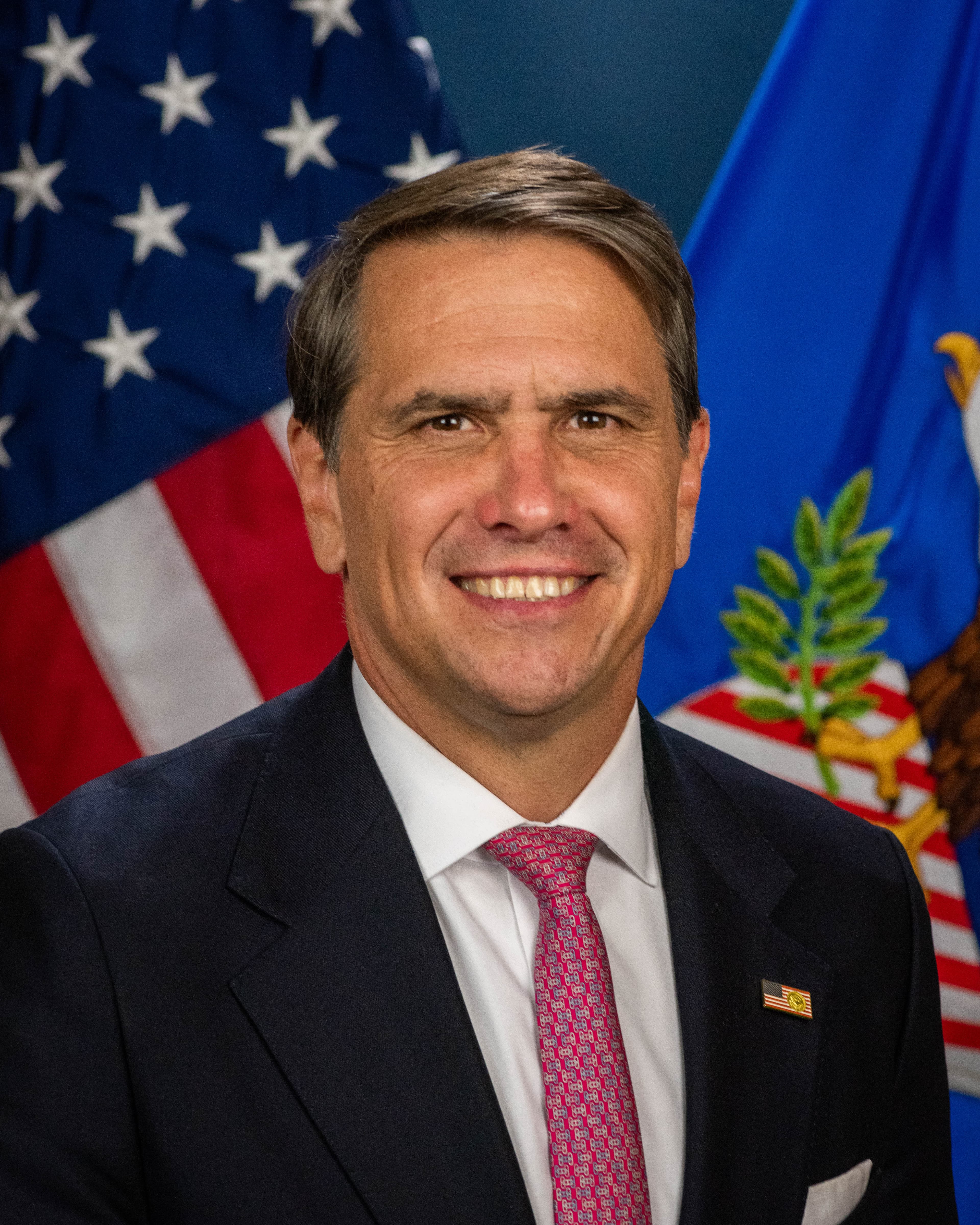 Todd BlancheCommented
Timeline
8 timeline entries on this page. Dates: May 20, 2026 to October 27, 2026
May 2026
Virginia enacts officer-mask and identification restrictions
Chapter 1131 is approved. It covers state, local and federal officers, restricts identity-concealing facial coverings, lists exceptions and requires visible individual and agency identification. It takes effect July 1.
[01]Virginia enacts officer-mask and visible-identification requirements
HB 1482 enacts the definition, prohibition, eight exceptions, visible-identification rule and penalty provision. The mask and identification section was later renumbered 19.2-83.6:2.
Virginia enacts officer-mask and visible-identification requirements2026 Acts of Assembly, Chapter 1131, approved May 20; added section 19.2-83.6:1(A)-(E)[02]Corrected memorandum opinion on Virginia's mask and identification law
Payne finds the United States likely to succeed on its direct-regulation claim and grants preliminary relief. The corrected August 18 opinion is dated nunc pro tunc July 2; it replaces ECF 34 after statutory renumbering.
Corrected memorandum opinion on Virginia's mask and identification lawECF 91; pages 25-30 on direct regulation and pages 31-40 on the other injunction factors
June 2026
DOJ files suit against Virginia's officer restrictions
Source release
The complaint challenges masking and identification requirements and separately challenges conditions on local cooperation agreements.
[03]United States v. Virginia: complaint challenging officer restrictions
The complaint challenges masking and identification requirements and separately challenges restrictions on cooperation agreements. These are the federal government's allegations.
United States v. Virginia: complaint challenging officer restrictionsNo. 3:26-cv-00545; paragraphs 2-6 and 136-141District court preliminarily bars enforcement of mask and ID rules against federal immigration personnel
The court preliminarily bars enforcement against federal officers, employees and agencies involved in enforcing federal immigration laws and regulations. The August 18 corrected order preserves this effective date.
[04]Corrected preliminary injunction against Virginia's mask and identification law
The corrected August 18 order, nunc pro tunc June 30, enjoins enforcement of section 19.2-83.6:2 against federal officers, employees and agencies involved in enforcing federal immigration laws and regulations. It is preliminary relief.
Corrected preliminary injunction against Virginia's mask and identification lawECF 90, pages 1-3; operative scope on page 3
August 2026
Court replaces the injunction and opinion after statutory renumbering
The corrected documents refer to section 19.2-83.6:2. The injunction is dated nunc pro tunc June 30 and the opinion nunc pro tunc July 2.
[04]Corrected preliminary injunction against Virginia's mask and identification law
The corrected August 18 order, nunc pro tunc June 30, enjoins enforcement of section 19.2-83.6:2 against federal officers, employees and agencies involved in enforcing federal immigration laws and regulations. It is preliminary relief.
Corrected preliminary injunction against Virginia's mask and identification lawECF 90, pages 1-3; operative scope on page 3[02]Corrected memorandum opinion on Virginia's mask and identification law
Payne finds the United States likely to succeed on its direct-regulation claim and grants preliminary relief. The corrected August 18 opinion is dated nunc pro tunc July 2; it replaces ECF 34 after statutory renumbering.
Corrected memorandum opinion on Virginia's mask and identification lawECF 91; pages 25-30 on direct regulation and pages 31-40 on the other injunction factorsVirginia asks the Fourth Circuit to vacate the mask-law injunction
Virginia and Jay Jones ask the court to vacate the preliminary injunction. As an alternative, they ask it to lift the block on the facial-covering prohibition and reconsider relief concerning identification, citing exemptions added to the identification rule.
[05]Virginia's opening brief challenges the mask-law injunction
Virginia and Jay Jones seek vacatur of the preliminary injunction. Their alternative request distinguishes the facial-covering prohibition from the amended identification requirement. These are the appellants' arguments.
Virginia's opening brief challenges the mask-law injunctionAppeal 26-1874, ECF 18, August 20, 2026; printed pages 12-13, 18-21, 36-41 and 53[06]Virginia's current officer-mask and identification statute
Subsection C lists facial-covering exceptions. The version of subsection D effective until June 30, 2028 separately exempts specified tactical and undercover-related assignments from visible identification.
Virginia's current officer-mask and identification statuteSection 19.2-83.6:2(B)-(E), including both displayed versions of subsection D; accessed October 28, 2026[07]Virginia budget adds exemptions from officer identification requirements
Item 391.L exempts specified tactical and undercover-related assignments from subsection D of the officer-identification law. The budget uses the section number before its later renumbering.
Virginia budget adds exemptions from officer identification requirements2026 Special Session I, HB30, Chapter 1, Item 391.L
September 2026
Fourth Circuit denies Virginia a stay pending appeal
Heytens and Benjamin vote to deny the stay; King votes to grant it. The order provides no explanation for the votes.
[08]Fourth Circuit denies Virginia's request to stay the mask-law injunction
The two-page order denies a stay pending appeal. Heytens and Benjamin vote to deny; King votes to grant. It supplies no explanation of those votes.
Fourth Circuit denies Virginia's request to stay the mask-law injunctionAppeal 26-1874, document 21, filed September 3, 2026, pages 1-2; district-court ECF 104United States asks the Fourth Circuit to affirm the injunction
The United States argues that both masking and identification requirements directly regulate federal officers. It says equal application to state officers does not make that regulation constitutional and cites threats and operational risks to federal agents. It says the new identification exemptions do not change that conclusion.
[09]United States defends the injunction against Virginia's mask and identification rules
The United States argues that both requirements directly regulate federal officers, regardless of equal application to state officers. It asks the court to affirm the preliminary injunction.
United States defends the injunction against Virginia's mask and identification rulesAppeal 26-1874, ECF 29, September 18, 2026; printed pages 8-17, 32-34 and 36-40
October 2026
Fourth Circuit hears Virginia's appeal of the mask-law injunction
Virginia asks the panel to vacate the preliminary injunction, arguing that the facial-covering rule is generally applicable. The United States asks the panel to affirm, arguing that direct state regulation of federal officers requires express congressional authorization. The session also covers the separate cooperation-agreement dispute.
[10]Fourth Circuit hears Virginia's mask and cooperation-law appeals
The court's official audio stream records counsel for Virginia and the United States presenting arguments on two preliminary injunctions. The masking and identification issue is considered alongside the separate local-cooperation issue.
Fourth Circuit hears Virginia's mask and cooperation-law appealsPanel IV afternoon session, October 27, 2026; case called at 02:42; mask discussion at 09:23-21:59 and 22:24-32:24; rebuttal at 43:02-45:27
Response record
Responses
Choose one response filter, or select All responses to see the full record.
3 responses. Newest first.
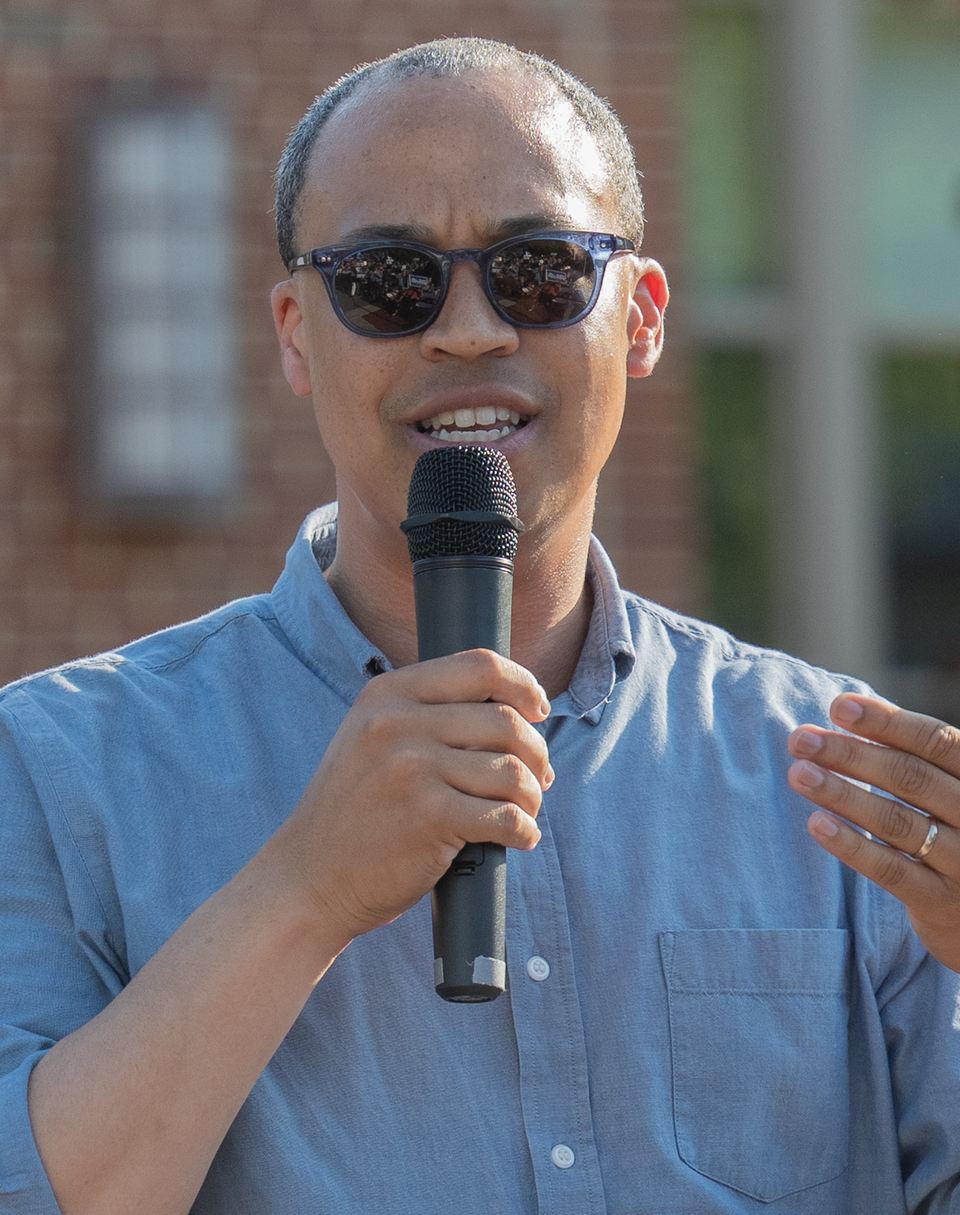 Jay JonesVirginia attorney general and named defendant, represented with the Commonwealth by the lawyers filing this briefDirectly involved
Before this statement
The brief argues that federal law does not require identity-concealing masks and that the rules concern conduct incidental to federal duties. It says requiring officers to identify themselves does not prevent federal enforcement.
"The Mask Law applies uniformly to all law‑enforcement officers operating within the Commonwealth, regardless of whether they are state, local, or federal."
Defended or excusedCase context: Virginia defends officer mask and identification rules; DOJ invokes federal authority
Full statement and sources
Virginia and Jay Jones argue through their lawyers that the mask law applies uniformly to federal, state and local officers. They say the rules govern public-facing conduct without preventing federal enforcement.
After the statement
The brief concludes that the statute is therefore not discriminatory. It argues that the law does not dictate arrests, detentions or tactical operations and disputes DOJ's reading of the exceptions.
Virginia and Jay Jones oppose the mask-law injunctionECF 22, filed June 24, 2026; printed pages 9-15, PDF pages 13-19Why this label?
Relative to Virginia's mask and identification requirements, the filing in Jones's and the Commonwealth's names defends the rules as uniform public-safety measures that do not improperly regulate federal operations.
This label describes the statement's response within the context above.
 Todd BlancheActing U.S. attorney general
Before this statement
DOJ announces a complaint against Virginia's masking, identification and cooperation provisions and alleges that they impermissibly regulate federal officers.
"Virginia’s anti-law enforcement policies regulate the federal government and are designed to create risk for our agents. These laws cannot stand."
CondemnedCase context: Virginia defends officer mask and identification rules; DOJ invokes federal authority
Full statement and sources
Announcing DOJ's suit against the mask and identification rules and a separate cooperation law, Blanche says Virginia's policies regulate the federal government and are designed to create risk for federal agents.
After the statement
Other DOJ officials argue that Virginia cannot control federal operations and that the department must protect officer privacy and safety.
DOJ challenges Virginia's officer-mask and identification lawBlanche quotation and description of the complaintWhy this label?
Relative to Virginia's mask and identification rules, Blanche rejects their legitimacy and says they are designed to create risk for federal agents. His statement also covers the separate cooperation law.
This label describes the statement's response within the context above.
 Abigail SpanbergerGovernor of VirginiaDirectly involved
Before this statement
The release says the governor's amendments clarify how Virginia will continue to cooperate with federal law enforcement. Immediately before the quote, Spanberger says Virginia will keep cooperating with federal law-enforcement partners while she is in office.
"But when masked agents operate on Virginia’s streets, our citizens have no way of distinguishing them from bad actors, and that is unacceptable."
Defended or excusedCase context: Virginia defends officer mask and identification rules; DOJ invokes federal authority
Full statement and sources
Spanberger says citizens have no way of distinguishing masked agents from bad actors and calls that unacceptable as she submits amendments to the face-covering bills.
After the statement
She says the amendments set the terms of Virginia's ongoing collaboration with federal law enforcement. The release describes health and safety exceptions to the face-covering bills and separately addresses cooperation with federal immigration enforcement.
Spanberger explains amendments to officer-mask and identification billsCooperating with federal law enforcement; HB 1482 and SB 352Why this label?
Relative to Virginia's masking limits, then pending as bills she was amending, Spanberger offers a public-safety justification: citizens cannot distinguish masked agents from bad actors.
This label describes the statement's response within the context above.
Sources
(13)
Original text
United States v. Virginia: complaint challenging officer restrictions
Relevant passage: No. 3:26-cv-00545; paragraphs 2-6 and 136-141
About this source
The complaint challenges masking and identification requirements and separately challenges restrictions on cooperation agreements. These are the federal government's allegations.
- Author
- U.S. Department of Justice
- Published
- Accessed
Original text
Virginia budget adds exemptions from officer identification requirements
Relevant passage: 2026 Special Session I, HB30, Chapter 1, Item 391.L
About this source
Item 391.L exempts specified tactical and undercover-related assignments from subsection D of the officer-identification law. The budget uses the section number before its later renumbering.
- Author
- Virginia General Assembly
- Accessed
Original text
Virginia's current officer-mask and identification statute
Relevant passage: Section 19.2-83.6:2(B)-(E), including both displayed versions of subsection D; accessed October 28, 2026
About this source
Subsection C lists facial-covering exceptions. The version of subsection D effective until June 30, 2028 separately exempts specified tactical and undercover-related assignments from visible identification.
- Author
- Virginia General Assembly
- Accessed
Original text
United States defends the injunction against Virginia's mask and identification rules
Relevant passage: Appeal 26-1874, ECF 29, September 18, 2026; printed pages 8-17, 32-34 and 36-40
About this source
The United States argues that both requirements directly regulate federal officers, regardless of equal application to state officers. It asks the court to affirm the preliminary injunction.
- Author
- United States of America
- Published
- Accessed
Original text
Virginia's opening brief challenges the mask-law injunction
Relevant passage: Appeal 26-1874, ECF 18, August 20, 2026; printed pages 12-13, 18-21, 36-41 and 53
About this source
Virginia and Jay Jones seek vacatur of the preliminary injunction. Their alternative request distinguishes the facial-covering prohibition from the amended identification requirement. These are the appellants' arguments.
- Author
- Commonwealth of Virginia and Jay Jones
- Published
- Accessed
Original video
Fourth Circuit hears Virginia's mask and cooperation-law appeals
About this source
The court's official audio stream records counsel for Virginia and the United States presenting arguments on two preliminary injunctions. The masking and identification issue is considered alongside the separate local-cooperation issue.
- Author
- U.S. Court of Appeals for the Fourth Circuit
- Published
- Accessed
Original text
Virginia enacts officer-mask and visible-identification requirements
Relevant passage: 2026 Acts of Assembly, Chapter 1131, approved May 20; added section 19.2-83.6:1(A)-(E)
About this source
HB 1482 enacts the definition, prohibition, eight exceptions, visible-identification rule and penalty provision. The mask and identification section was later renumbered 19.2-83.6:2.
- Author
- Virginia General Assembly
- Published
- Accessed
Original text
Fourth Circuit denies Virginia's request to stay the mask-law injunction
Relevant passage: Appeal 26-1874, document 21, filed September 3, 2026, pages 1-2; district-court ECF 104
About this source
The two-page order denies a stay pending appeal. Heytens and Benjamin vote to deny; King votes to grant. It supplies no explanation of those votes.
- Author
- U.S. Court of Appeals for the Fourth Circuit
- Published
- Accessed
Original text
Corrected preliminary injunction against Virginia's mask and identification law
Relevant passage: ECF 90, pages 1-3; operative scope on page 3
About this source
The corrected August 18 order, nunc pro tunc June 30, enjoins enforcement of section 19.2-83.6:2 against federal officers, employees and agencies involved in enforcing federal immigration laws and regulations. It is preliminary relief.
- Author
- Robert E. Payne
- Published
- Accessed
Original text
Corrected memorandum opinion on Virginia's mask and identification law
Relevant passage: ECF 91; pages 25-30 on direct regulation and pages 31-40 on the other injunction factors
About this source
Payne finds the United States likely to succeed on its direct-regulation claim and grants preliminary relief. The corrected August 18 opinion is dated nunc pro tunc July 2; it replaces ECF 34 after statutory renumbering.
- Author
- Robert E. Payne
- Published
- Accessed
Original text
Virginia and Jay Jones oppose the mask-law injunction
Relevant passage: ECF 22, filed June 24, 2026; printed pages 9-15, PDF pages 13-19
About this source
The Commonwealth and Jay Jones argue through their lawyers that the mask and identification requirements apply uniformly and only incidentally affect federal operations. This is their litigation position.
- Author
- Commonwealth of Virginia and Jay Jones
- Published
- Accessed
Official statement
DOJ challenges Virginia's officer-mask and identification law
Relevant passage: Blanche quotation and description of the complaint
About this source
DOJ invokes federal authority and officer safety in challenging the state's rules. The page is dated June 11, 2026 and marked updated October 20, 2026. The quotation is taken from that updated version.
- Author
- U.S. Department of Justice
- Published
- Accessed
Official statement
Spanberger explains amendments to officer-mask and identification bills
Relevant passage: Cooperating with federal law enforcement; HB 1482 and SB 352
About this source
Spanberger argues that visible identification supports accountability and describes health and safety exceptions.
- Author
- Office of the Governor of Virginia
- Published
- Accessed
Share or embed this case
The embed keeps its attribution link to The Dispute Index. Credit the image to The Dispute Index and link to the case page.
Cite this record
- Publisher
- The Dispute Index
- Title
- Virginia defends officer mask and identification rules; DOJ invokes federal authority
- First published
- Last updated
- Permalink
- https://disputeindex.com/cases/virginia-federal-officer-mask-identification-law
The Dispute Index. "Virginia defends officer mask and identification rules; DOJ invokes federal authority". First published: 2026-10-28. Last updated: 2026-10-28. https://disputeindex.com/cases/virginia-federal-officer-mask-identification-law