
Supreme Court holds the thermal scan of Kyllo's home was a search; Stevens dissents
Agents scanned heat coming from Danny Kyllo's home before obtaining a warrant. The Supreme Court held the scan was a search, presumptively unreasonable without a warrant. Stevens's dissent viewed it as observation of information exposed outside the home.
Case period: to
Published by The Dispute Index editorial teamPublished Updated
Overview
On January 16, 1992, agents used a thermal imager from public streets to compare heat coming from Danny Kyllo's home with neighboring homes. They used the scan, utility records and other information to obtain a warrant. The ensuing physical search found marijuana plants.
The Supreme Court's June 11, 2001 decision (opens in a new tab) divided 5-4. Justice Antonin Scalia's majority (opens in a new tab) held that using technology not in general public use to obtain details of a home that previously required physical intrusion is a search. It rejected the argument that measuring exterior heat avoids the privacy question.
Justice John Paul Stevens's dissent (opens in a new tab), joined by Chief Justice William Rehnquist and Justices Sandra Day O'Connor and Anthony Kennedy, distinguished exterior observations from surveillance of the interior. The government's December 2000 brief (opens in a new tab) likewise defended the limited information obtained from the scan.
The Court reversed and remanded for consideration of whether the remaining evidence supported the warrant or another basis supported admission. The majority's rule is the holding; the dissent preserves the competing argument about that specific scan.
People in this case
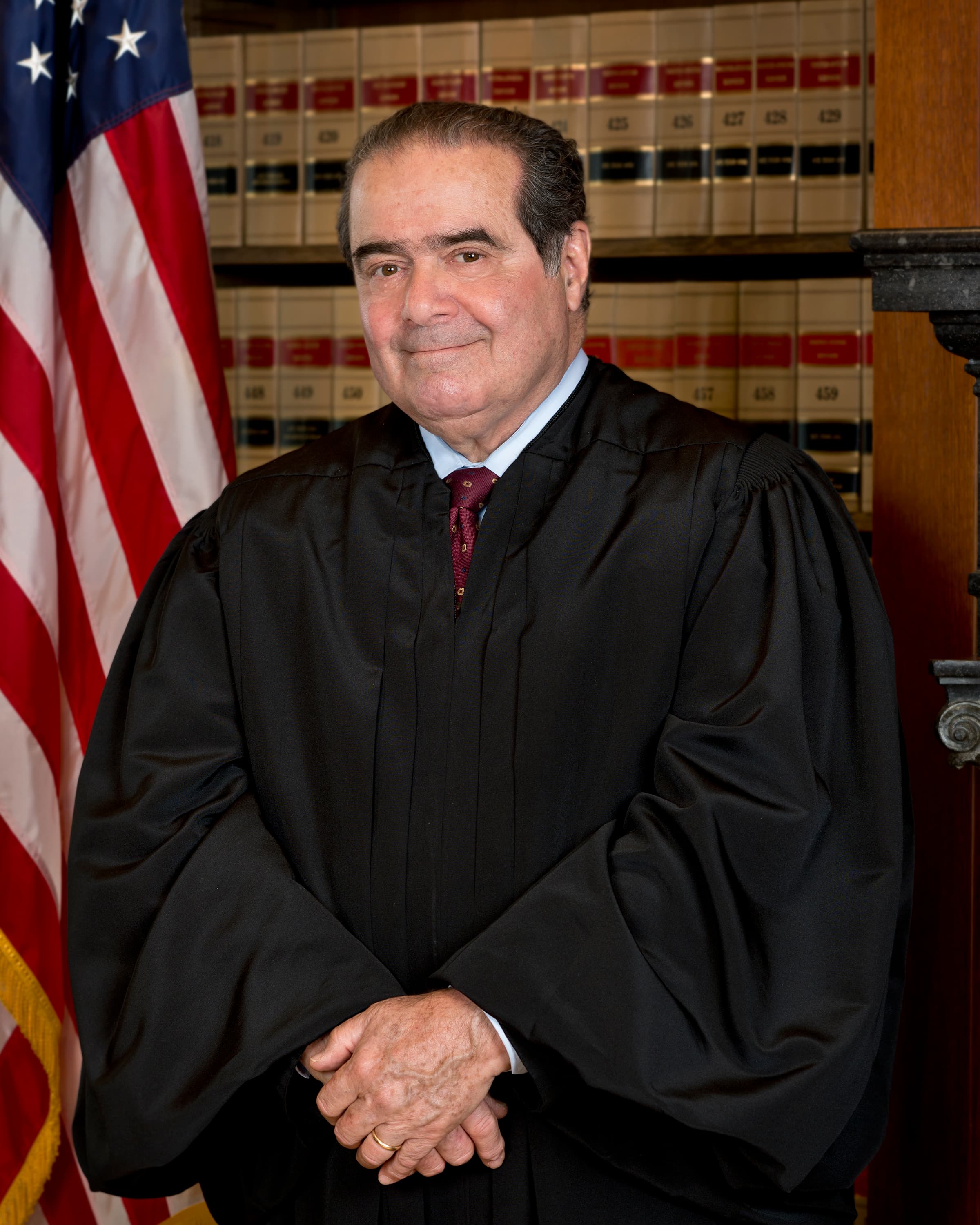 Antonin ScaliaDirectly involved
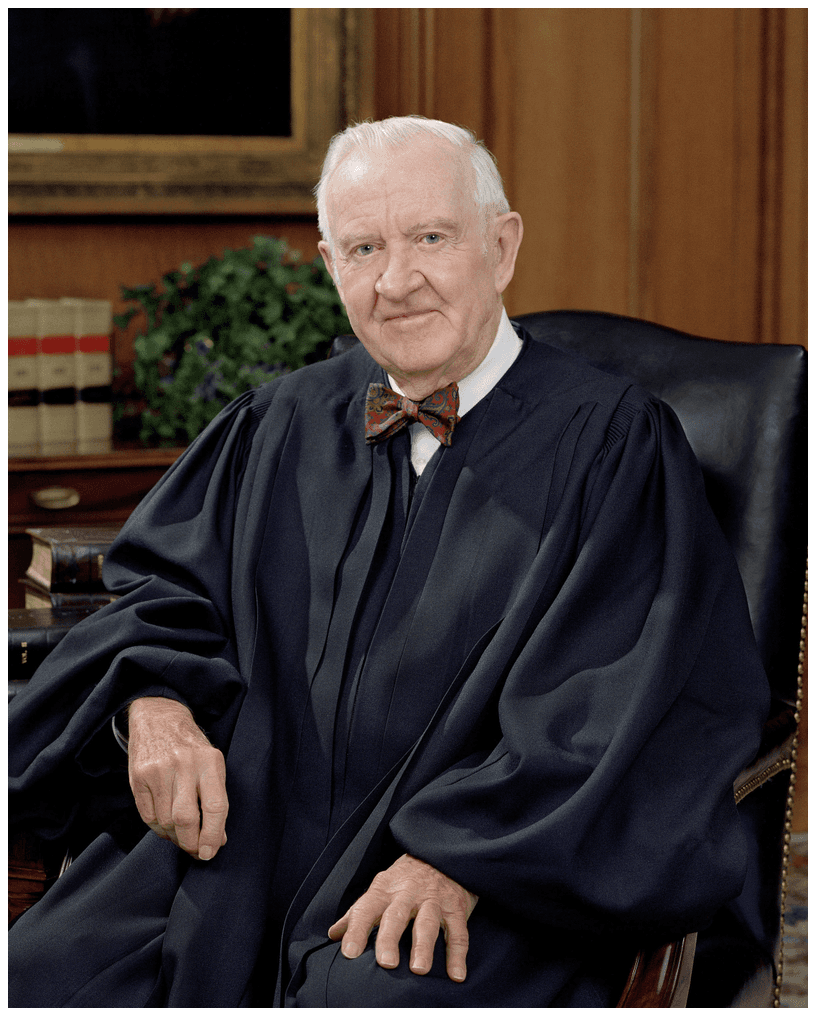 John Paul StevensDirectly involved
Timeline
3 timeline entries on this page. Dates: January 16, 1992 to June 11, 2001
January 1992
Agents scan heat coming from Kyllo's home
Incident
Agents use a thermal imager from public streets before seeking a warrant.
[01]Supreme Court of the United States
The Supreme Court reverses and remands. The dissent would uphold the thermal scan.
Kyllo majority and dissent in the U.S. Reports · Supreme Court of the United States533 U.S. 27, decided June 11, 2001; majority pages 27-41 and dissent pages 41-52
February 2001
Supreme Court hears argument in Kyllo
The Court hears the challenge to the thermal scan.
[01]Supreme Court of the United States
The Supreme Court reverses and remands. The dissent would uphold the thermal scan.
Kyllo majority and dissent in the U.S. Reports · Supreme Court of the United States533 U.S. 27, decided June 11, 2001; majority pages 27-41 and dissent pages 41-52
June 2001
Supreme Court reverses and remands by a 5-4 vote
The Court holds that the scan was a search, presumptively unreasonable without a warrant. Stevens and three other justices dissent.
[01]Supreme Court of the United States
The Supreme Court reverses and remands. The dissent would uphold the thermal scan.
Kyllo majority and dissent in the U.S. Reports · Supreme Court of the United States533 U.S. 27, decided June 11, 2001; majority pages 27-41 and dissent pages 41-52
Claims
Claims separate what was said from what is contested. Follow each source for the original wording and context.
What's disputed
Disputed claim
Supreme Court of the United States
The thermal scan of Kyllo's home was a Fourth Amendment search and was presumptively unreasonable without a warrant.
What is disputed
This is the Supreme Court's binding holding. Stevens's dissent contests its reasoning about this scan.
Sources (3)
- Scalia's majority opinion in KylloConclusion of the opinion, 533 U.S. at 40
- Stevens's dissent in KylloOpening paragraphs, 533 U.S. at 41-42
- Kyllo majority and dissent in the U.S. Reports · Supreme Court of the United States533 U.S. 27, decided June 11, 2001; majority pages 27-41 and dissent pages 41-52
Response record
Responses
Choose one response filter, or select All responses to see the full record.
2 responses. Newest first.
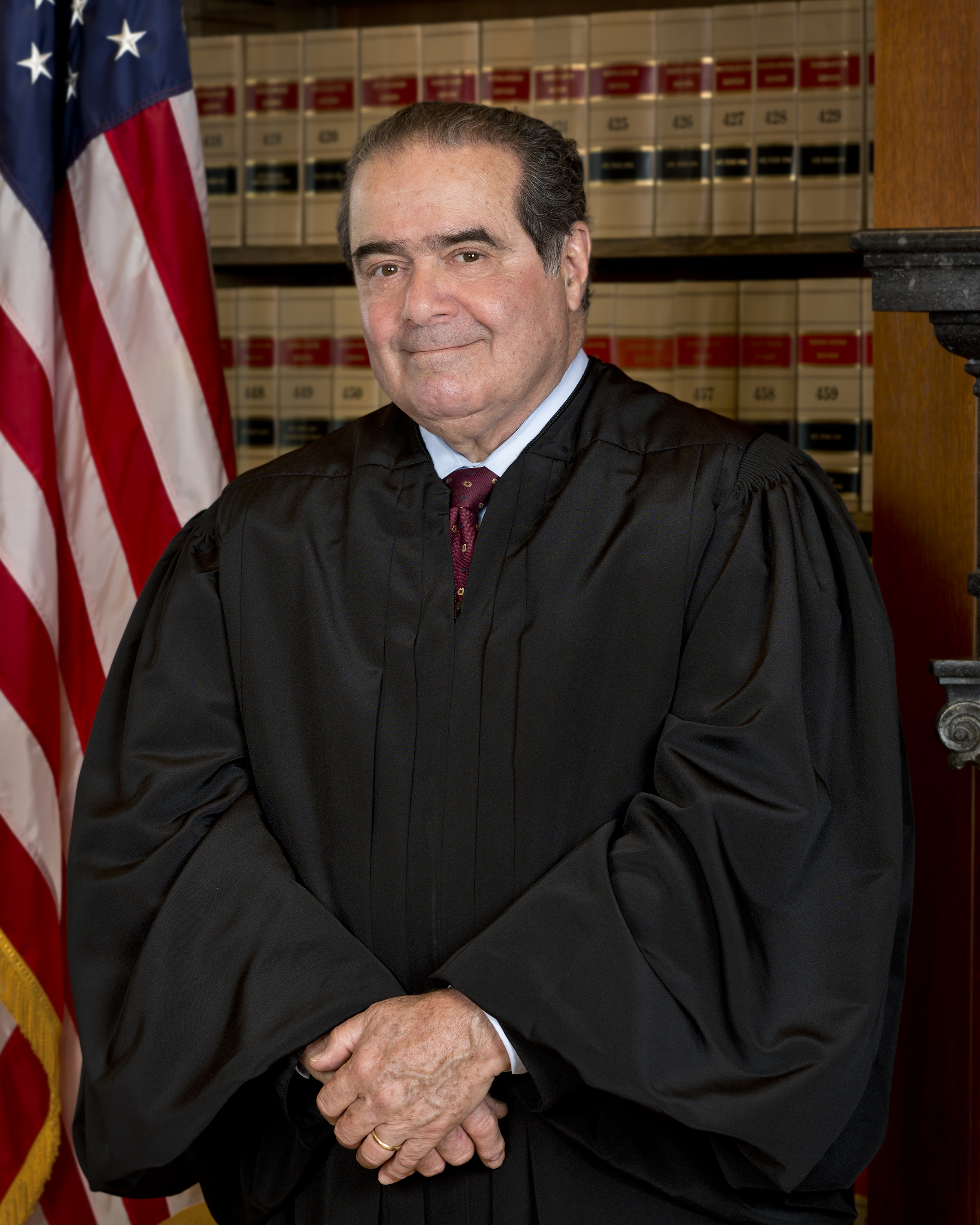 Antonin ScaliaAssociate justice writing the Supreme Court's majority opinionDirectly involved
Before this statement
The majority considers technology not in general public use.
"Since we hold the Thermovision imaging to have been an unlawful search, it will remain for the District Court to determine whether, without the evidence it provided, the search warrant issued in this case was supported by probable cause"
CondemnedCase context: Supreme Court holds the thermal scan of Kyllo's home was a search; Stevens dissents
Full statement and sources
The majority opinion holds that this use of thermal imaging was a search, presumptively unreasonable without a warrant.
After the statement
It remands to consider whether other evidence supported the later warrant.
Scalia's majority opinion in KylloConclusion of the opinion, 533 U.S. at 40Kyllo majority and dissent in the U.S. Reports · Supreme Court of the United States533 U.S. 27, decided June 11, 2001; majority pages 27-41 and dissent pages 41-52Why this label?
Scalia's majority opinion expressly holds that the thermal imaging of the home was an unlawful search.
This label describes the statement's response within the context above.
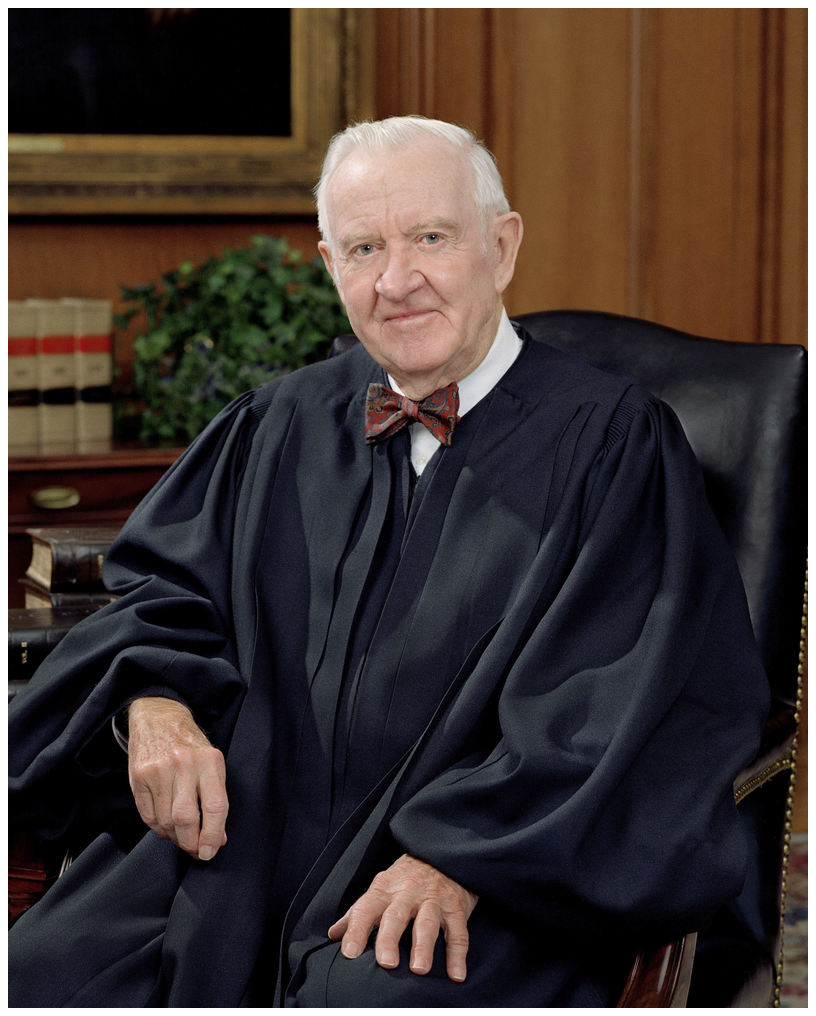 John Paul StevensAssociate justice writing a dissent joined by three other justicesDirectly involved
Before this statement
He distinguishes exterior observations from surveillance through walls.
"Those observations were made with a fairly primitive thermal imager that gathered data exposed on the outside of petitioner’s home but did not invade any constitutionally protected interest in privacy."
Defended or excusedCase context: Supreme Court holds the thermal scan of Kyllo's home was a search; Stevens dissents
Full statement and sources
Stevens argues that the limited exterior observations were lawful.
After the statement
He criticizes the majority's rule as unnecessarily broad.
Stevens's dissent in KylloOpening paragraphs, 533 U.S. at 41-42Kyllo majority and dissent in the U.S. Reports · Supreme Court of the United States533 U.S. 27, decided June 11, 2001; majority pages 27-41 and dissent pages 41-52Why this label?
He defends the specific thermal scan as observation of exposed information.
This label describes the statement's response within the context above.
Sources
(3)
Original text
Kyllo majority and dissent in the U.S. Reports
Relevant passage: 533 U.S. 27, decided June 11, 2001; majority pages 27-41 and dissent pages 41-52
About this source
The Supreme Court reverses and remands. The dissent would uphold the thermal scan.
- Published
- Accessed
oct28-kylloOpinion.pdf · application/pdf
Original text
Stevens's dissent in Kyllo
Relevant passage: Opening paragraphs, 533 U.S. at 41-42
About this source
Stevens distinguishes heat observed outside a home from surveillance of its interior.
- Author
- John Paul Stevens
- Published
- Accessed
Original text
Scalia's majority opinion in Kyllo
Relevant passage: Conclusion of the opinion, 533 U.S. at 40
About this source
The majority explains its warrant rule for the technology used in this case.
- Author
- Antonin Scalia
- Published
- Accessed
Share or embed this case
The embed keeps its attribution link to The Dispute Index. Credit the image to The Dispute Index and link to the case page.
Cite this record
- Publisher
- The Dispute Index
- Title
- Supreme Court holds the thermal scan of Kyllo's home was a search; Stevens dissents
- First published
- Last updated
- Permalink
- https://disputeindex.com/cases/kyllo-united-states-thermal-imaging-home-warrant
The Dispute Index. "Supreme Court holds the thermal scan of Kyllo's home was a search; Stevens dissents". First published: 2026-10-29. Last updated: 2026-10-29. https://disputeindex.com/cases/kyllo-united-states-thermal-imaging-home-warrant