
Trump asks the Supreme Court to overturn E. Jean Carroll's $83.3 million defamation verdict on immunity grounds; Carroll says he waived that defense
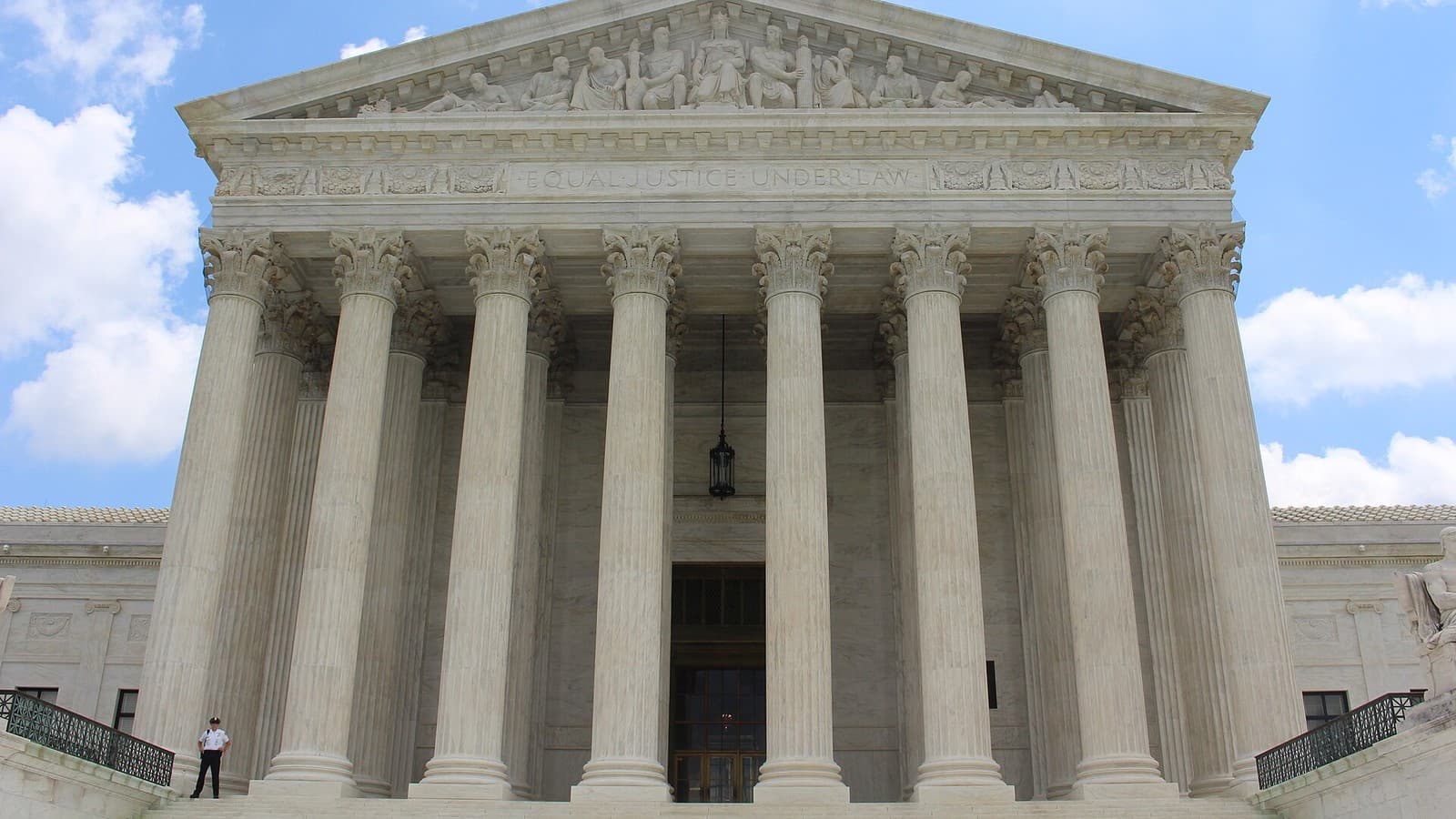
Case period:
Published by The Dispute Index editorial teamPublished Updated
Overview
Trump and the Justice Department ask the Supreme Court to review the $83.3 million judgment over his 2019 statements about E. Jean Carroll, citing presidential immunity and the Westfall Act. Carroll says Trump gave up his immunity defense years ago.
Background: What does a public figure have to prove to win a defamation suit?
Read the full background
In 2019, the writer E. Jean Carroll said publicly for the first time that Donald Trump had sexually assaulted her in a department store in midtown Manhattan in the mid-1990s. In June 2019, Trump, then president, called it a false accusation in a statement issued by the White House press office and again to reporters on the White House lawn. In November 2019, Carroll sued him for defamation in New York state court.
Carroll's second lawsuit, over the assault and an October 2022 statement, went to trial first. That jury found that Trump had sexually abused her and that the 2022 statement was defamatory, and awarded her $5 million. The Supreme Court declined to review that verdict on June 29, 2026. Her first lawsuit went to trial in January 2024, limited to damages. On Jan. 26, 2024, the jury awarded her $83.3 million in compensatory and punitive damages. The Second Circuit upheld the judgment on Sept. 8, 2025, and denied rehearing on April 29, 2026.
On July 28, 2026, Trump and the Justice Department filed separate petitions asking the Supreme Court to review the $83.3 million judgment. Trump argues that he did not forfeit or waive presidential immunity, that his 2019 statements were official acts, and that the United States should replace him as defendant. The Justice Department argues that the Second Circuit was wrong to refuse that substitution. Attorney General William Barr certified in September 2020 that the statements fell within the scope of Trump's office, Attorney General Merrick Garland withdrew that certification in 2023, and Attorney General Pam Bondi recertified the statements in April 2025, while Trump's appeal was pending.
In a consolidated brief filed Oct. 30, 2026, Carroll asks the Court to deny both petitions. She argues that Trump disavowed presidential immunity at the start of the case and litigated for three years without raising it, that his statements about her are not protected official acts, and that the Westfall Act required any substitution motion by Trump to come before trial. As of Nov. 3, 2026, the Court had not acted on the petitions.
People in this case
 Donald TrumpDirectly involved
 E. Jean CarrollDirectly involved
 Richard PainterCommented
Timeline
10 timeline entries on this page. Dates: January 26, 2024 to October 30, 2026
January 2024
Jury awards Carroll $83.3 million over Trump's 2019 statements
After a trial limited to damages, a jury in federal court in Manhattan awards Carroll $18.3 million in compensatory damages and $65 million in punitive damages for Trump's June 2019 statements, which the court had already ruled false and defamatory.
[01]Donald Trump
President Trump's petition, filed by his lawyers at Sullivan & Cromwell, asking the Supreme Court to review the Second Circuit's decision upholding the $83.3 million defamation judgment in E. Jean Carroll's first lawsuit. It presents three questions: whether Trump forfeited or waived presidential immunity, whether his 2019 statements denying her allegation were official acts, and whether the United States should have been substituted as defendant under the Westfall Act.
Petition for a writ of certiorari, Trump v. Carroll, No. 26-141 (U.S. filed July 28, 2026) · Donald TrumpQuestions presented (page i) and introduction (pages 1 to 3); appendix includes the Second Circuit's Sept. 8, 2025 opinion[02]E. Jean Carroll
E. Jean Carroll's consolidated brief opposing both petitions, filed by her lawyers at Kaplan Martin, led by Roberta A. Kaplan. It argues that Trump disavowed presidential immunity at the start of the case and litigated for three years without raising it, that his statements about her are not protected official acts, and that neither he nor the government could seek Westfall Act substitution after trial.
Brief in opposition, Trump v. Carroll and United States v. Carroll, Nos. 26-141 and 26-142 (U.S. filed Oct. 30, 2026) · E. Jean CarrollQuestions presented (page i), introduction (pages 1 to 3) and statement of the case (pages 3 to 10)
September 2025
Second Circuit upholds the $83.3 million judgment
The U.S. Court of Appeals for the Second Circuit affirms the judgment. It holds that Trump waived presidential immunity and declines to consider his argument that a waiver must be explicit and unequivocal.
[01]Donald Trump
President Trump's petition, filed by his lawyers at Sullivan & Cromwell, asking the Supreme Court to review the Second Circuit's decision upholding the $83.3 million defamation judgment in E. Jean Carroll's first lawsuit. It presents three questions: whether Trump forfeited or waived presidential immunity, whether his 2019 statements denying her allegation were official acts, and whether the United States should have been substituted as defendant under the Westfall Act.
Petition for a writ of certiorari, Trump v. Carroll, No. 26-141 (U.S. filed July 28, 2026) · Donald TrumpQuestions presented (page i) and introduction (pages 1 to 3); appendix includes the Second Circuit's Sept. 8, 2025 opinion[03]Supreme Court of the United States
The Supreme Court's public docket for President Trump's petition, listing the lower-court decision date (Sept. 8, 2025), the denial of rehearing (April 29, 2026), the extension of Carroll's response deadline to Oct. 30, 2026, and the filing of her brief in opposition.
Supreme Court docket for Trump v. Carroll, No. 26-141 · Supreme Court of the United StatesDocket entries of July 28, Aug. 20, Oct. 19 and Oct. 30, 2026
April 2026
Second Circuit denies rehearing
The Second Circuit denies rehearing by the full court. Judge Steven Menashi dissents from the denial, joined by Judge Michael Park and, in part, by then-Chief Judge Debra Ann Livingston.
[01]Donald Trump
President Trump's petition, filed by his lawyers at Sullivan & Cromwell, asking the Supreme Court to review the Second Circuit's decision upholding the $83.3 million defamation judgment in E. Jean Carroll's first lawsuit. It presents three questions: whether Trump forfeited or waived presidential immunity, whether his 2019 statements denying her allegation were official acts, and whether the United States should have been substituted as defendant under the Westfall Act.
Petition for a writ of certiorari, Trump v. Carroll, No. 26-141 (U.S. filed July 28, 2026) · Donald TrumpQuestions presented (page i) and introduction (pages 1 to 3); appendix includes the Second Circuit's Sept. 8, 2025 opinion[03]Supreme Court of the United States
The Supreme Court's public docket for President Trump's petition, listing the lower-court decision date (Sept. 8, 2025), the denial of rehearing (April 29, 2026), the extension of Carroll's response deadline to Oct. 30, 2026, and the filing of her brief in opposition.
Supreme Court docket for Trump v. Carroll, No. 26-141 · Supreme Court of the United StatesDocket entries of July 28, Aug. 20, Oct. 19 and Oct. 30, 2026
May 2026
DOJ joins the request to pause the appellate mandate
The Justice Department joins Trump's unopposed stay request. It says it plans to seek Supreme Court review of the refusal to substitute the United States under the Westfall Act.
[04]Justice Department joins the request to stay the appellate mandate
DOJ joins the stay request and announces its intent to seek Supreme Court review. This filing requests relief rather than granting it.
Justice Department joins the request to stay the appellate mandateDocket entry 156.1, page 2 of 3
June 2026
Supreme Court declines to review the separate $5 million verdict
The Supreme Court denies Trump's petition in Carroll's second lawsuit, over the $5 million verdict for sexual abuse and an October 2022 defamatory statement. It denies rehearing on Aug. 17, 2026.
[05]Supreme Court of the United States
The Supreme Court's public docket for Trump's earlier petition in Carroll's second lawsuit, over the $5 million verdict for sexual abuse and a 2022 defamatory statement. The Court denied the petition on June 29, 2026, and denied rehearing on Aug. 17, 2026.
Supreme Court docket for Trump v. Carroll, No. 25-573 · Supreme Court of the United StatesDocket entries of June 29, 2026 (petition denied) and Aug. 17, 2026 (rehearing denied)[02]E. Jean Carroll
E. Jean Carroll's consolidated brief opposing both petitions, filed by her lawyers at Kaplan Martin, led by Roberta A. Kaplan. It argues that Trump disavowed presidential immunity at the start of the case and litigated for three years without raising it, that his statements about her are not protected official acts, and that neither he nor the government could seek Westfall Act substitution after trial.
Brief in opposition, Trump v. Carroll and United States v. Carroll, Nos. 26-141 and 26-142 (U.S. filed Oct. 30, 2026) · E. Jean CarrollQuestions presented (page i), introduction (pages 1 to 3) and statement of the case (pages 3 to 10)
July 2026
Trump and the Justice Department petition the Supreme Court
Source release
Trump asks the Court to review whether he waived presidential immunity, whether his 2019 statements were official acts and whether the United States should be substituted as defendant. The Justice Department files a separate petition on the Westfall Act question.
[01]Donald Trump
President Trump's petition, filed by his lawyers at Sullivan & Cromwell, asking the Supreme Court to review the Second Circuit's decision upholding the $83.3 million defamation judgment in E. Jean Carroll's first lawsuit. It presents three questions: whether Trump forfeited or waived presidential immunity, whether his 2019 statements denying her allegation were official acts, and whether the United States should have been substituted as defendant under the Westfall Act.
Petition for a writ of certiorari, Trump v. Carroll, No. 26-141 (U.S. filed July 28, 2026) · Donald TrumpQuestions presented (page i) and introduction (pages 1 to 3); appendix includes the Second Circuit's Sept. 8, 2025 opinion[06]United States Department of Justice
The Justice Department's petition, filed by Acting Solicitor General Hashim M. Mooppan, asking the Supreme Court to review the Second Circuit's refusal to substitute the United States for Trump as defendant after Attorney General Pam Bondi recertified in April 2025 that his 2019 statements fell within the scope of his office.
Petition for a writ of certiorari, United States v. Carroll, No. 26-142 (U.S. filed July 28, 2026) · United States Department of JusticeQuestion presented (page I) and introduction (pages 2 to 5)[03]Supreme Court of the United States
The Supreme Court's public docket for President Trump's petition, listing the lower-court decision date (Sept. 8, 2025), the denial of rehearing (April 29, 2026), the extension of Carroll's response deadline to Oct. 30, 2026, and the filing of her brief in opposition.
Supreme Court docket for Trump v. Carroll, No. 26-141 · Supreme Court of the United StatesDocket entries of July 28, Aug. 20, Oct. 19 and Oct. 30, 2026
August 2026
Boyle files an amicus brief opposing Trump's petition
Lawyer David Boyle urges rejection of Trump's petition, arguing that immunity was raised too late and that the case is a poor vehicle for review. These are his arguments.
[07]Boyle amicus brief opposing Trump's certiorari petition
The amicus argues against review in Trump's petition. His legal conclusions are advocacy, rather than a ruling.
Boyle amicus brief opposing Trump's certiorari petitionPrinted pages 1-4 and conclusionThe opposition deadline moves to October 30
The docket in Trump's petition records an extension of Carroll's opposition deadline to October 30. Her request sought the same extension for both petitions, with Trump and the United States consenting.
[08]Supreme Court docket records the opposition deadline extension
The docket records one requested and granted deadline change for responses to the two petitions.
Supreme Court docket records the opposition deadline extensionAugust 19 request and August 20 grant
September 2026
Boyle files a separate brief opposing DOJ's petition
In the companion government case, Boyle disputes the timing of Westfall Act recertification and argues that other legal limits defeat immunity. He asks the Court to deny the government's petition.
[09]Boyle amicus brief opposing the government's certiorari petition
The separate brief addresses the government's companion petition and Westfall Act recertification. Its conclusions are the amicus's arguments.
Boyle amicus brief opposing the government's certiorari petitionPrinted pages 1-4 and conclusion
October 2026
Carroll files her brief opposing both petitions
Source release
Carroll files a consolidated brief in opposition, under a word limit Justice Sonia Sotomayor extended on Oct. 19. It asks the Court to deny review of the immunity and Westfall Act questions.
[02]E. Jean Carroll
E. Jean Carroll's consolidated brief opposing both petitions, filed by her lawyers at Kaplan Martin, led by Roberta A. Kaplan. It argues that Trump disavowed presidential immunity at the start of the case and litigated for three years without raising it, that his statements about her are not protected official acts, and that neither he nor the government could seek Westfall Act substitution after trial.
Brief in opposition, Trump v. Carroll and United States v. Carroll, Nos. 26-141 and 26-142 (U.S. filed Oct. 30, 2026) · E. Jean CarrollQuestions presented (page i), introduction (pages 1 to 3) and statement of the case (pages 3 to 10)[03]Supreme Court of the United States
The Supreme Court's public docket for President Trump's petition, listing the lower-court decision date (Sept. 8, 2025), the denial of rehearing (April 29, 2026), the extension of Carroll's response deadline to Oct. 30, 2026, and the filing of her brief in opposition.
Supreme Court docket for Trump v. Carroll, No. 26-141 · Supreme Court of the United StatesDocket entries of July 28, Aug. 20, Oct. 19 and Oct. 30, 2026
Claims
Claims separate what was said from what is contested. Follow each source for the original wording and context.
What's disputed
Disputed claim
Trump's June 2019 statements denying E. Jean Carroll's allegation, made from the White House in response to press questions, were official acts protected by presidential immunity, and he never forfeited or waived that immunity.
What is disputed
Trump makes this argument in his July 28, 2026 Supreme Court petition. Carroll's Oct. 30, 2026 brief says he disavowed presidential immunity at the outset of the case, litigated for three years without raising it, and first argued for a heightened waiver standard on appeal after trial. The Second Circuit held the waiver argument came too late.
Sources (2)
- Petition for a writ of certiorari, Trump v. Carroll, No. 26-141 (U.S. filed July 28, 2026) · Donald TrumpQuestions presented (page i) and introduction (pages 1 to 3); appendix includes the Second Circuit's Sept. 8, 2025 opinion
- Brief in opposition, Trump v. Carroll and United States v. Carroll, Nos. 26-141 and 26-142 (U.S. filed Oct. 30, 2026) · E. Jean CarrollQuestions presented (page i), introduction (pages 1 to 3) and statement of the case (pages 3 to 10)
Disputed claim
United States Department of Justice
Nothing in the Westfall Act barred Attorney General Pam Bondi's April 2025 recertification that Trump's 2019 statements fell within the scope of his office, so the United States should have been substituted as defendant after trial.
What is disputed
The Justice Department makes this argument in its July 28, 2026 petition. Carroll's brief says the Second Circuit gave three independent reasons for denying the posttrial substitution motion and that the Act requires a defendant-employee to seek substitution before trial.
Sources (2)
- Petition for a writ of certiorari, United States v. Carroll, No. 26-142 (U.S. filed July 28, 2026) · United States Department of JusticeQuestion presented (page I) and introduction (pages 2 to 5)
- Brief in opposition, Trump v. Carroll and United States v. Carroll, Nos. 26-141 and 26-142 (U.S. filed Oct. 30, 2026) · E. Jean CarrollQuestions presented (page i), introduction (pages 1 to 3) and statement of the case (pages 3 to 10)
Response record
Responses
Choose one response filter, or select All responses to see the full record.
7 responses. First 6 shown initially. Newest first.
 Richard PainterS. Walter Richey Professor of Corporate Law at the University of Minnesota Law School and former chief White House ethics lawyer, in an email to Dispute Index
Before this statement
Graham Weller of Dispute Index asked Painter whether the timing of an official-act defense should be assessed differently when the Justice Department changes its position on substituting the United States as defendant. Painter began by calling it a fascinating case.
"My comment on it has focused not on the timing of the defense and whether that defense was waived, but the underlying issue of what is and is not "official capacity" conduct of the president. That question was left unanswered by the Supreme Court in Nixon v. Fitzgerald (holding the president is immune from civil suit for official acts) and again in Trump v. United States (holding the president is immune from criminal prosecution for official acts). In the Carroll case the Court could answer that question"
Explicitly stayed outResponding to: Trump's June 2019 statements denying E. Jean Carroll's allegation, made from the White House in response to press questions, were official acts protected by presidential immunity, and he never forfeited or waived that immunity.
Full statement and sources
Asked by Dispute Index about the timing of Trump's official-act defense, University of Minnesota law professor Richard Painter said his own commentary has focused instead on what is and is not official-capacity conduct by a president. He said the Supreme Court left that question unanswered in Nixon v. Fitzgerald and Trump v. United States and could answer it in the Carroll case.
After the statement
He cited Justice Amy Coney Barrett's concurrence in Trump v. United States, which he said discusses the lack of clarity on that issue.
Emailed comment from Richard Painter to Dispute Index on the Carroll immunity petitions · Richard PainterEmail to Graham Weller of Dispute Index, November 6, 2026, in reply to a request for a comment for publicationWhy this label?
The reference point is Trump's June 2019 statements denying Carroll's allegation and his bid to escape the $83.3 million judgment through presidential immunity or substitution of the United States as defendant. Painter sets aside the question we asked, whether the defense came too late or was waived, and does not say whether Trump's statements were official acts. He calls that an open question the Court could answer in this case, so he takes no side on Trump's bid. He does not dispute how either side describes the case, so we labeled it Explicitly declines rather than Challenges the characterization.
This label describes the statement's response within the context above.
Michael PopokLawyer and Legal AF commentator, speaking in his own analysis Before this statement
He discusses Carroll's opposition and then gives his own assessment.
"Well, problem with that is a little thing called waiver. If you've waived the immunity, you can't assert it."
CondemnedCase context: Trump asks the Supreme Court to overturn E. Jean Carroll's $83.3 million defamation verdict on immunity grounds; Carroll says he waived that defense
Full statement and sources
Popok argues that Trump cannot revive presidential immunity after litigating for years without properly raising it. He supports Carroll's waiver argument.
After the statement
He rejects the argument that presidential immunity cannot be waived.
Popok argues Trump waived presidential immunity in the Carroll litigation9:12-9:43; full video 14:32Why this label?
The reference point is Trump's immunity-based effort to overturn the judgment. Popok criticizes that effort as barred by waiver.
This label describes the statement's response within the context above.
 E. Jean CarrollRespondent, in a brief filed by her lawyers at Kaplan MartinDirectly involved
Before this statement
The brief says there is no need for the Court to take the case to protect the institution of the presidency or future presidents and other high-ranking officials, as the Justice Department's petition argues.
"Nor should this Court grant certiorari to bail out this President from the consequences of his repeated litigation choices."
CondemnedResponding to: Trump's June 2019 statements denying E. Jean Carroll's allegation, made from the White House in response to press questions, were official acts protected by presidential immunity, and he never forfeited or waived that immunity.
Full statement and sources
Carroll's brief asks the Court to deny both petitions, saying Trump renounced presidential immunity at the start of the case and that the Court should not grant review to bail him out of the consequences of his repeated litigation choices.
After the statement
The brief adds that for seven years, through five appeals, eight stay motions and six days of trial, Carroll has litigated the case in the face of Trump's accusations and thousands of threats from his followers, and asks the Court not to drag it out further.
Brief in opposition, Trump v. Carroll and United States v. Carroll, Nos. 26-141 and 26-142 (U.S. filed Oct. 30, 2026) · E. Jean CarrollQuestions presented (page i), introduction (pages 1 to 3) and statement of the case (pages 3 to 10)Why this label?
The reference point is Trump's June 2019 statements denying Carroll's allegation, which a jury found defamatory, and his bid to escape the $83.3 million judgment for them through presidential immunity or substitution of the United States as defendant. Carroll's brief describes the 2019 statements as false statements that maligned her character and threatened her safety, and opposes Trump's effort to avoid the judgment as a bid to be bailed out of his own litigation choices.
This label describes the statement's response within the context above.
 Donald TrumpPresident of the United States, petitioner, in a petition filed by his lawyersDirectly involved
Before this statement
The petition's questions presented ask whether a president can be found to have forfeited or waived presidential immunity without expressly renouncing it, and whether a sitting president's public statements denying allegations of wrongdoing, made from the White House in response to press inquiries, are official acts.
"This is the first case in our Nation's history in which a court has imposed damages liability on a President for his conduct in office."
Defended or excusedResponding to: Trump's June 2019 statements denying E. Jean Carroll's allegation, made from the White House in response to press questions, were official acts protected by presidential immunity, and he never forfeited or waived that immunity.
Full statement and sources
Trump's petition says the Carroll case is the first in which a court has imposed damages liability on a president for conduct in office, and asks the Court to hold that his 2019 statements were official acts protected by presidential immunity.
After the statement
The petition goes on to say that the Second Circuit upheld the $83.3 million judgment without deciding whether presidential immunity applies to the statements, and that the court engaged in procedural contortions to avoid the question.
Petition for a writ of certiorari, Trump v. Carroll, No. 26-141 (U.S. filed July 28, 2026) · Donald TrumpQuestions presented (page i) and introduction (pages 1 to 3); appendix includes the Second Circuit's Sept. 8, 2025 opinionWhy this label?
The reference point is Trump's June 2019 statements denying Carroll's allegation, which a jury found defamatory, and his bid to escape the $83.3 million judgment for them through presidential immunity or substitution of the United States as defendant. The petition treats the statements as conduct in office shielded by presidential immunity and asks the Court to set aside the judgment, a defense of the statements against liability.
This label describes the statement's response within the context above.
 United States Department of JusticePetitioner, in a petition filed by Acting Solicitor General Hashim M. MooppanDirectly involved
Before this statement
The petition argues that the Second Circuit relied on a flawed reading of the Westfall Act to deprive the president of its protection without considering the merits of Attorney General Pam Bondi's certification, an error it says threatens all presidents and warrants review.
"The error is especially egregious because, on the merits, President Trump's conduct was plainly within the scope of his office."
Defended or excusedResponding to: Nothing in the Westfall Act barred Attorney General Pam Bondi's April 2025 recertification that Trump's 2019 statements fell within the scope of his office, so the United States should have been substituted as defendant after trial.
Full statement and sources
The Justice Department's petition says Trump's 2019 statements denying Carroll's allegation were plainly within the scope of his office because they defended his character and fitness for office, and asks the Court to let the United States replace him as defendant under the Westfall Act.
After the statement
The petition goes on to say that when a president engages in public communications he is typically discharging the official responsibilities of his position, and that this is certainly true when those communications defend his character and fitness to hold the office.
Petition for a writ of certiorari, United States v. Carroll, No. 26-142 (U.S. filed July 28, 2026) · United States Department of JusticeQuestion presented (page I) and introduction (pages 2 to 5)Why this label?
The reference point is Trump's June 2019 statements denying Carroll's allegation, which a jury found defamatory, and his bid to escape the $83.3 million judgment for them through presidential immunity or substitution of the United States as defendant. The department argues that the statements were official conduct within the scope of Trump's office, so the United States rather than Trump should answer for them, a defense of the statements against personal liability.
This label describes the statement's response within the context above.
Denny ChinSenior U.S. circuit judge, writing a statement supporting denial of rehearing Before this statement
He responds to Menashi's dissent.
"The Court correctly denied these petitions for rehearing en banc."
CondemnedCase context: Trump asks the Supreme Court to overturn E. Jean Carroll's $83.3 million defamation verdict on immunity grounds; Carroll says he waived that defense
Full statement and sources
Chin says Trump waived presidential immunity and defends the damages award.
After the statement
As a senior judge, Chin files a statement without voting on rehearing.
Menashi and Chin on rehearing the Carroll judgmentMenashi dissent, pages 1-3 and 20-25; Chin statement, pages 23-26 and 34Why this label?
Chin rejects the immunity and substitution challenges to the judgment, defending the rulings and denial of rehearing.
This label describes the statement's response within the context above.
Show fewer responses
Steven J. MenashiU.S. circuit judge, dissenting Before this statement
He dissents from denial of rehearing.
"I would grant both petitions because both decisions were erroneous."
Defended or excusedCase context: Trump asks the Supreme Court to overturn E. Jean Carroll's $83.3 million defamation verdict on immunity grounds; Carroll says he waived that defense
Full statement and sources
Menashi argues that the court wrongly rejected substitution and immunity arguments. He urges rehearing.
After the statement
Park joins the dissent. Livingston joins except Part II.E.1.
Menashi and Chin on rehearing the Carroll judgmentMenashi dissent, pages 1-3 and 20-25; Chin statement, pages 23-26 and 34Why this label?
Menashi supports the immunity and substitution challenges to the judgment, calling both adverse appellate decisions erroneous.
This label describes the statement's response within the context above.
Sources
(12)
Original text
Brief in opposition, Trump v. Carroll and United States v. Carroll, Nos. 26-141 and 26-142 (U.S. filed Oct. 30, 2026)
Relevant passage: Questions presented (page i), introduction (pages 1 to 3) and statement of the case (pages 3 to 10)
About this source
E. Jean Carroll's consolidated brief opposing both petitions, filed by her lawyers at Kaplan Martin, led by Roberta A. Kaplan. It argues that Trump disavowed presidential immunity at the start of the case and litigated for three years without raising it, that his statements about her are not protected official acts, and that neither he nor the government could seek Westfall Act substitution after trial.
- Published
- Accessed
Emailed statement
Emailed comment from Richard Painter to Dispute Index on the Carroll immunity petitions
Emailed comment from Richard Painter to Dispute Index on the Carroll immunity petitions
This is a fascinating case. My comment on it has focused not on the timing of the defense and whether that defense was waived, but the underlying issue of what is and is not “official capacity” conduct of the president. That question was left unanswered by the Supreme Court in Nixon v. Fitzgerald (holding the president is immune from civil suit for official acts) and again in Trump v. United States (holding the president is immune from criminal prosecution for official acts). In the Carroll case the Court could answer that question (See Justice Barret’s concurrence in Trump v. United States discussing lack of clarity on that issue)
Full email
This is a fascinating case. My comment on it has focused not on the timing of the defense and whether that defense was waived, but the underlying issue of what is and is not “official capacity” conduct of the president. That question was left unanswered by the Supreme Court in Nixon v. Fitzgerald (holding the president is immune from civil suit for official acts) and again in Trump v. United States (holding the president is immune from criminal prosecution for official acts). In the Carroll case the Court could answer that question (See Justice Barret’s concurrence in Trump v. United States discussing lack of clarity on that issue)
Relevant passage: Email to Graham Weller of Dispute Index, November 6, 2026, in reply to a request for a comment for publication
Excerpt
"My comment on it has focused not on the timing of the defense and whether that defense was waived, but the underlying issue of what is and is not "official capacity" conduct of the president."
About this source
Painter sent this reply by email on November 6, 2026, in answer to a Dispute Index request for a comment for this page on whether the timing of an official-act defense should be assessed differently when the Justice Department changes its position on substituting the United States as defendant. We hold the email.
- Author
- Richard Painter
- Published
- Accessed
Original video
Popok argues Trump waived presidential immunity in the Carroll litigation
About this source
Popok's own commentary is distinguished from the brief he quotes. The judgment at issue is $83.3 million; the video repeatedly rounds it incorrectly.
- Author
- Michael Popok
- Published
- Accessed
Original text
Supreme Court docket records the opposition deadline extension
Relevant passage: August 19 request and August 20 grant
About this source
The docket records one requested and granted deadline change for responses to the two petitions.
- Published
- Accessed
Original text
Justice Department joins the request to stay the appellate mandate
Relevant passage: Docket entry 156.1, page 2 of 3
About this source
DOJ joins the stay request and announces its intent to seek Supreme Court review. This filing requests relief rather than granting it.
- Published
- Accessed
Original text
Boyle amicus brief opposing the government's certiorari petition
Relevant passage: Printed pages 1-4 and conclusion
About this source
The separate brief addresses the government's companion petition and Westfall Act recertification. Its conclusions are the amicus's arguments.
- Published
- Accessed
Original text
Boyle amicus brief opposing Trump's certiorari petition
Relevant passage: Printed pages 1-4 and conclusion
About this source
The amicus argues against review in Trump's petition. His legal conclusions are advocacy, rather than a ruling.
- Published
- Accessed
Original text
Menashi and Chin on rehearing the Carroll judgment
Relevant passage: Menashi dissent, pages 1-3 and 20-25; Chin statement, pages 23-26 and 34
About this source
The court denies rehearing. Menashi dissents; Chin supports denial but, as a senior judge, does not vote on rehearing.
- Published
- Accessed
Original text
Supreme Court docket for Trump v. Carroll, No. 25-573
Relevant passage: Docket entries of June 29, 2026 (petition denied) and Aug. 17, 2026 (rehearing denied)
About this source
The Supreme Court's public docket for Trump's earlier petition in Carroll's second lawsuit, over the $5 million verdict for sexual abuse and a 2022 defamatory statement. The Court denied the petition on June 29, 2026, and denied rehearing on Aug. 17, 2026.
- Published
- Accessed
Original text
Supreme Court docket for Trump v. Carroll, No. 26-141
Relevant passage: Docket entries of July 28, Aug. 20, Oct. 19 and Oct. 30, 2026
About this source
The Supreme Court's public docket for President Trump's petition, listing the lower-court decision date (Sept. 8, 2025), the denial of rehearing (April 29, 2026), the extension of Carroll's response deadline to Oct. 30, 2026, and the filing of her brief in opposition.
- Published
- Accessed
Original text
Petition for a writ of certiorari, United States v. Carroll, No. 26-142 (U.S. filed July 28, 2026)
Relevant passage: Question presented (page I) and introduction (pages 2 to 5)
About this source
The Justice Department's petition, filed by Acting Solicitor General Hashim M. Mooppan, asking the Supreme Court to review the Second Circuit's refusal to substitute the United States for Trump as defendant after Attorney General Pam Bondi recertified in April 2025 that his 2019 statements fell within the scope of his office.
- Published
- Accessed
Original text
Petition for a writ of certiorari, Trump v. Carroll, No. 26-141 (U.S. filed July 28, 2026)
Relevant passage: Questions presented (page i) and introduction (pages 1 to 3); appendix includes the Second Circuit's Sept. 8, 2025 opinion
About this source
President Trump's petition, filed by his lawyers at Sullivan & Cromwell, asking the Supreme Court to review the Second Circuit's decision upholding the $83.3 million defamation judgment in E. Jean Carroll's first lawsuit. It presents three questions: whether Trump forfeited or waived presidential immunity, whether his 2019 statements denying her allegation were official acts, and whether the United States should have been substituted as defendant under the Westfall Act.
- Published
- Accessed
Share or embed this case
The embed keeps its attribution link to The Dispute Index. Credit the image to The Dispute Index and link to the case page.
Cite this record
- Publisher
- The Dispute Index
- Title
- Trump asks the Supreme Court to overturn E. Jean Carroll's $83.3 million defamation verdict on immunity grounds; Carroll says he waived that defense
- First published
- Last updated
- Permalink
- https://disputeindex.com/cases/trump-supreme-court-e-jean-carroll-83-million-verdict-immunity
The Dispute Index. "Trump asks the Supreme Court to overturn E. Jean Carroll's $83.3 million defamation verdict on immunity grounds; Carroll says he waived that defense". First published: 2026-11-03. Last updated: 2026-11-13. https://disputeindex.com/cases/trump-supreme-court-e-jean-carroll-83-million-verdict-immunity