
Mette Frederiksen says she does not support "a major population replacement"; Denmark's support parties call it far-right conspiracy language, and she rejects being grouped with extremists
Danish Prime Minister Mette Frederiksen said on a podcast that she opposes "a major population replacement." Her government's support parties called the term far-right conspiracy language. She says she subscribes to no conspiracy theory and wants a strict immigration policy.
Case period:
Published by The Dispute Index editorial teamPublished Updated
Where it stands
ActiveAs of
Established
- On the November 17, 2026, episode of the B.T. podcast Borgerlig Tabloid, Frederiksen said she is not in favor of a major population replacement and believes in a strong majority culture.Borgerlig Tabloid: Konfronterer Mette Frederiksen i studiet: Det er ikke nok! (opens in a new tab)Støttepartier oprørte efter Mette Frederiksens brug af kontroversielt ord: 'En farlig konspirationsteori' (opens in a new tab)
- Frederiksen did not say in the interview that anyone is deliberately replacing Denmark's population, Ritzau reported.Løkke kalder Mette Frederiksen-præcisering klog og kærkommen (opens in a new tab)
- The Red-Green Alliance and The Alternative, the parties the government relies on, both criticized her use of the word.Støttepartier oprørte efter Mette Frederiksens brug af kontroversielt ord: 'En farlig konspirationsteori' (opens in a new tab)Ét ord har sat Mette Frederiksen under et massivt pres, og nu handler det pludselig også om regeringens fremtid (opens in a new tab)
- On November 24, 2026, Frederiksen wrote that she refused to be grouped with conspiracy theorists, far-right extremists or fascist movements. She did not repeat the word.Løkke kalder Mette Frederiksen-præcisering klog og kærkommen (opens in a new tab)"Jeg vil i hvert fald gerne have mig frabedt at blive sat i bås med konspirationsteoretikere, ekstremister på den yderste højrefløj eller fascistiske bevægelser" (opens in a new tab)
Disputed
- Whether the word itself carries the Great Replacement conspiracy theory: Dragsted and The Alternative say it does, while Stoklund says people read different meanings into it.Støttepartier oprørte efter Mette Frederiksens brug af kontroversielt ord: 'En farlig konspirationsteori' (opens in a new tab)Ét ord har sat Mette Frederiksen under et massivt pres, og nu handler det pludselig også om regeringens fremtid (opens in a new tab)See the claim
- What Frederiksen meant: she says she backs a strict immigration policy and subscribes to no conspiracy theory, while critics say her choice of word lends weight to far-right ideas.Løkke kalder Mette Frederiksen-præcisering klog og kærkommen (opens in a new tab)Ét ord har sat Mette Frederiksen under et massivt pres, og nu handler det pludselig også om regeringens fremtid (opens in a new tab)See the claim
Not yet known
- Whether Frederiksen will use the word again. She told reporters she would not enter a discussion about words.
- Whether The Alternative will withdraw its support for the government, and what the European Parliament's Socialists and Democrats group will decide.
Overview
Frederiksen has led the Social Democrats since 2015 and has been prime minister since 2019, pursuing one of the strictest immigration policies in the European Union. Her government relies on the votes of the Red-Green Alliance (Enhedslisten) and The Alternative (Alternativet). Denmark's Center for Terror Analysis wrote in its 2021 threat assessment that the Great Replacement is among the most prevalent narratives among right-wing extremists worldwide. The Danish fact-checking outlet TjekDet reported on November 20, 2026, that no official projection shows people of Danish origin becoming a minority in Denmark.
People in this case
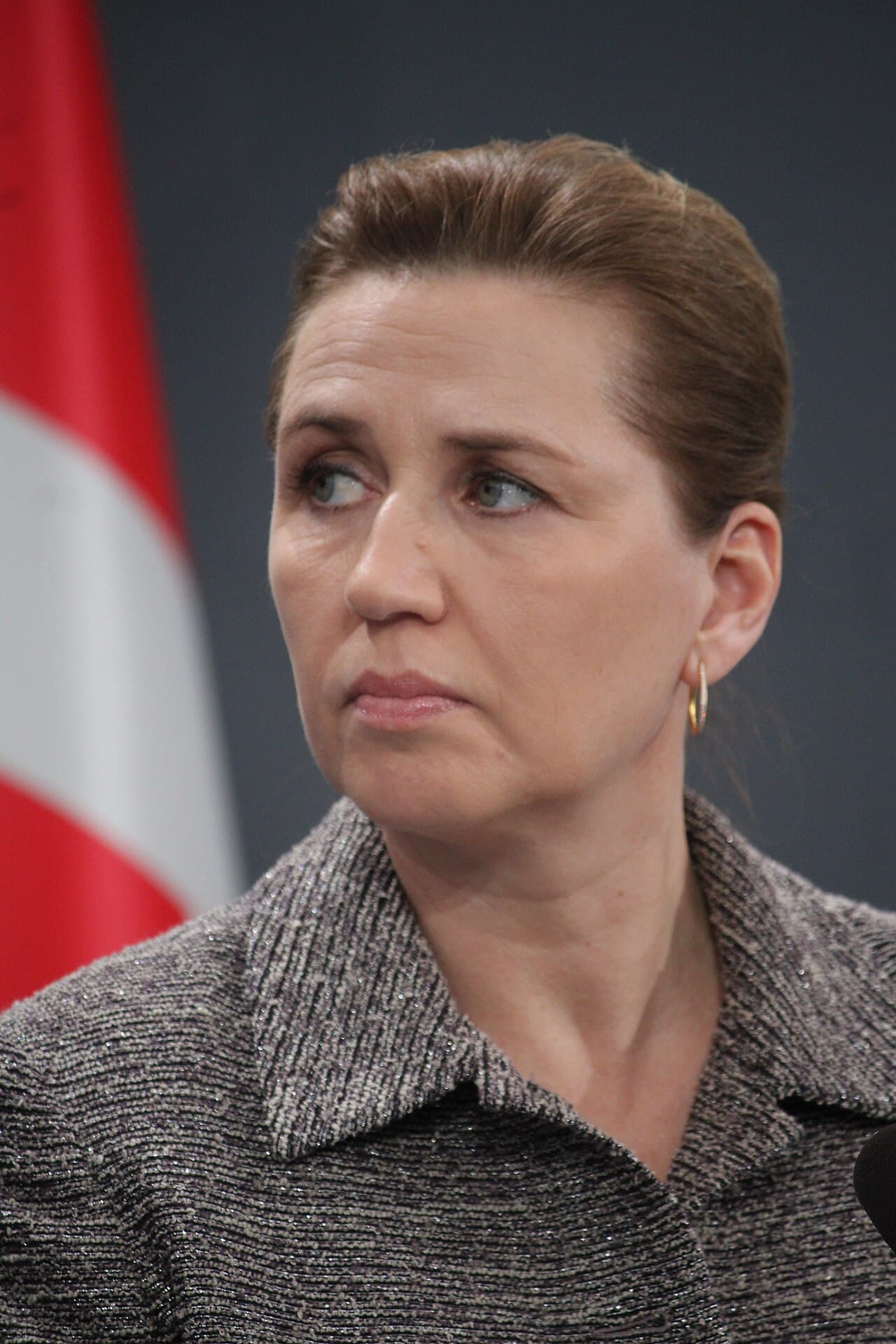 Mette FrederiksenDirectly involved
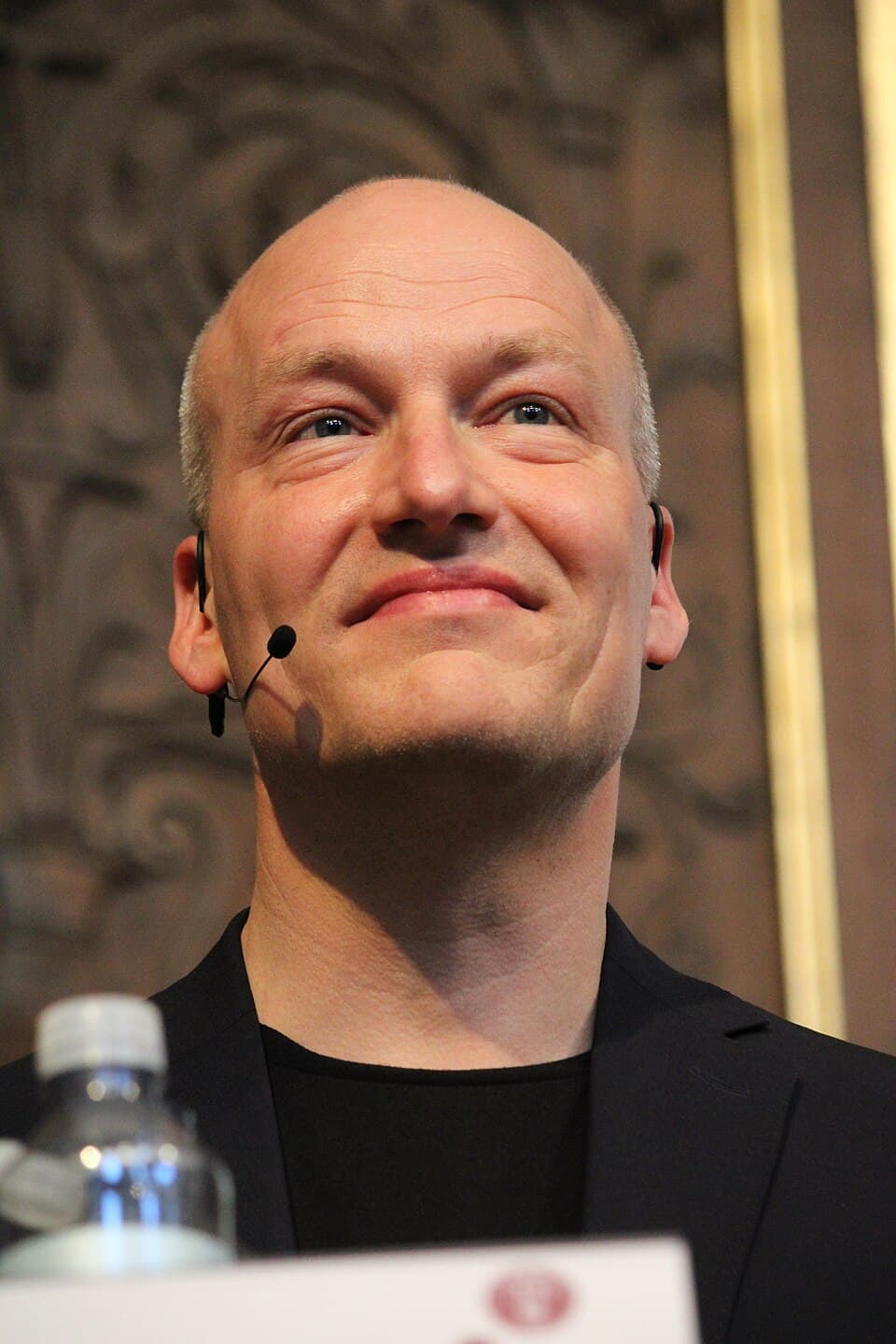 Pelle DragstedDirectly involved
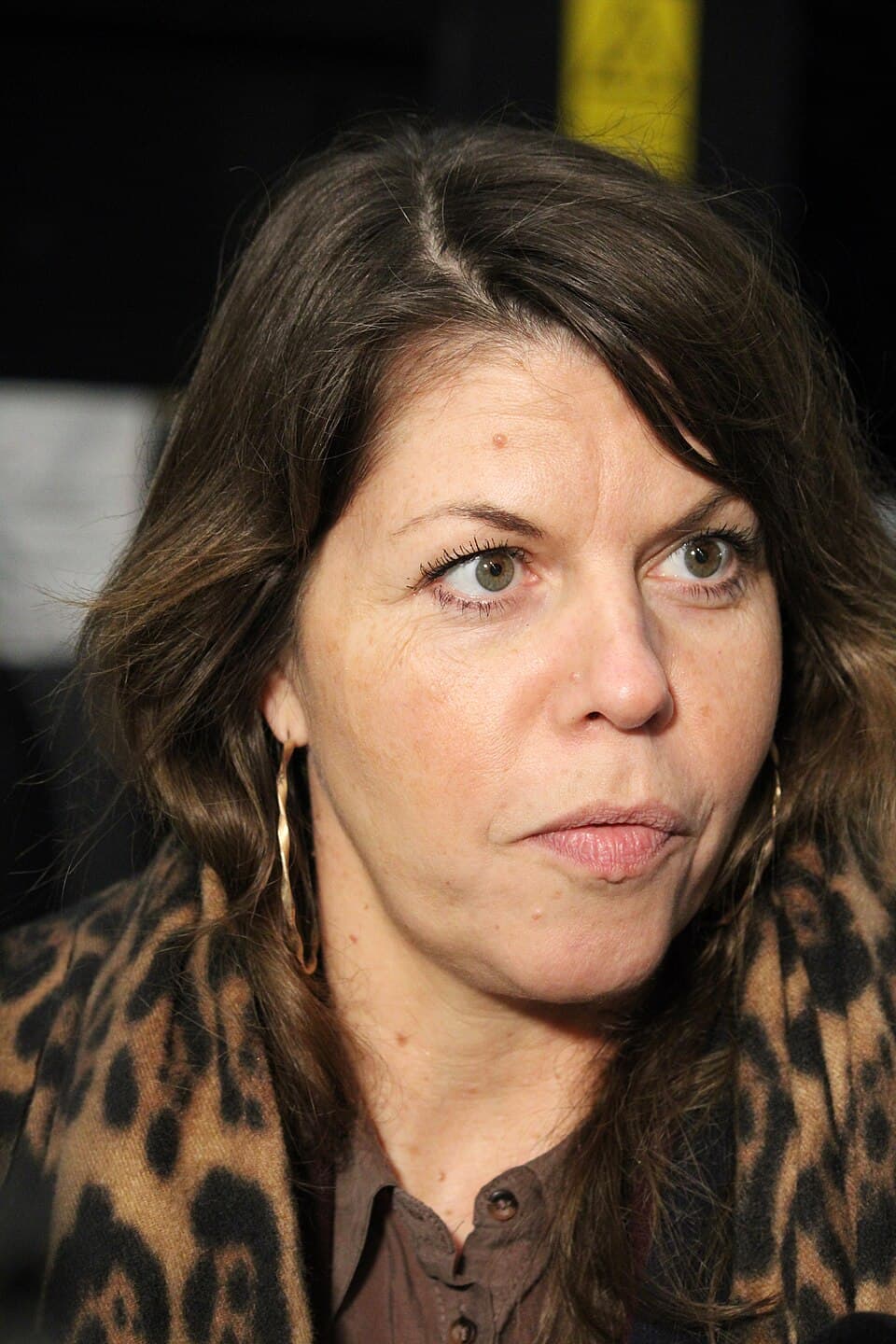 Franciska RosenkildeDirectly involved
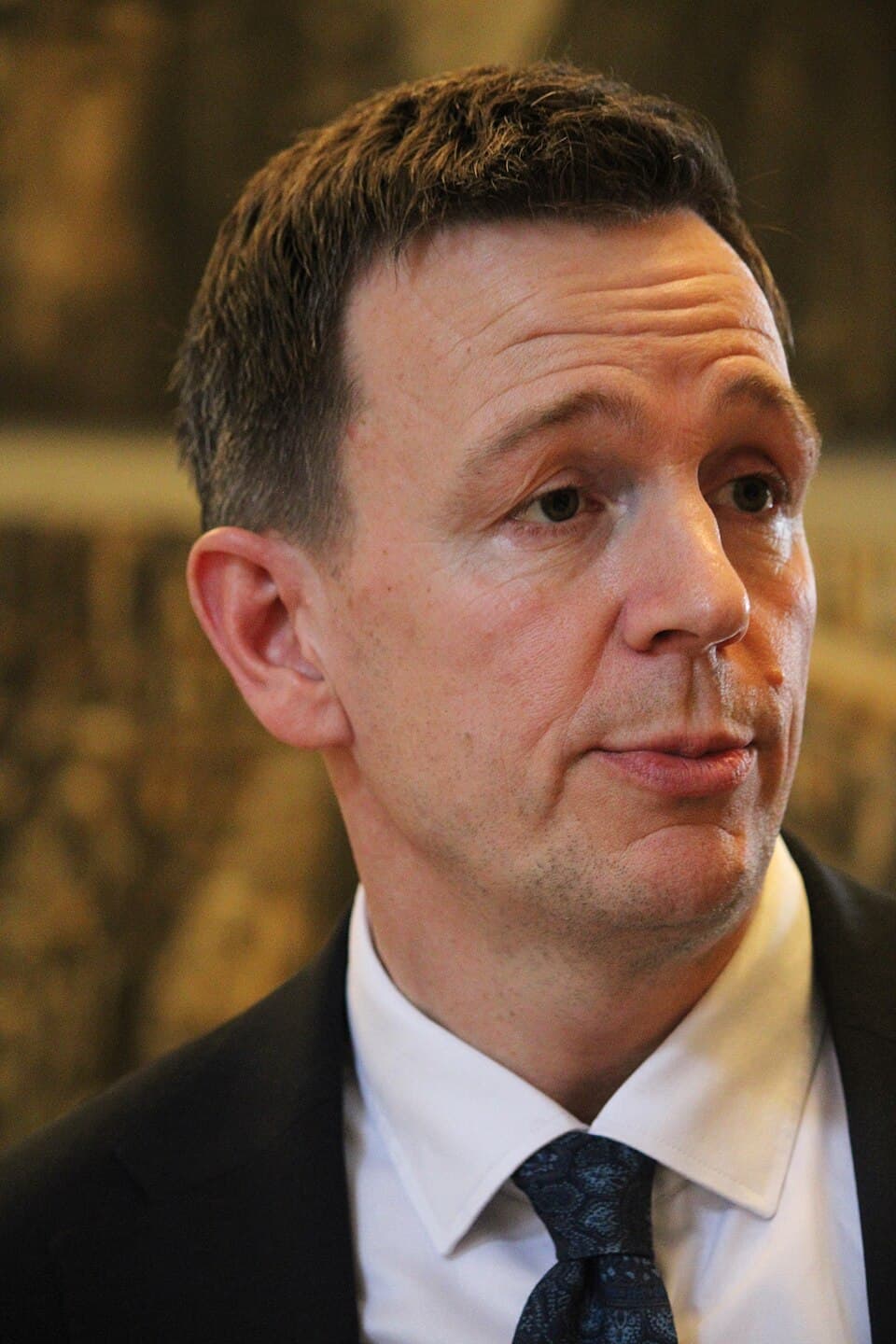 Rasmus StoklundDirectly involved
Timeline
7 timeline entries on this page. Dates: November 16, 2026 to November 24, 2026
November 2026
Denmark and four other EU countries announce a return center for rejected asylum seekers in Rwanda
Frederiksen presented the agreement, which Denmark made with Austria, Germany, Greece and the Netherlands, at a news conference in Austria. DR reported that the center is expected to hold about 100 people and covers rejected asylum seekers from outside the European Union.
On the B.T. podcast Borgerlig Tabloid, Frederiksen says she is not in favor of a major population replacement
Incident
Interviewed by host Joachim B. Olsen about the Rwanda agreement, Frederiksen said she is not in favor of a major population replacement and believes in a strong majority culture. Later in the episode, asked whether she meant ethnic Danes, she said Danes are an original tribe that is ethnically Danish.
The Red-Green Alliance and The Alternative criticize the word; the Social Democrats' spokesperson answers
Reaction
Elise Sydendal of The Alternative called the Great Replacement a dangerous conspiracy theory that lives in far-right circles, and Pelle Dragsted said he hoped not to hear the prime minister use the word again. Rasmus Stoklund said people read different meanings into it. DR reported that a Generation Identity spokesman called Frederiksen's use of the word a major victory and that Rasmus Paludan praised it.
TjekDet reports that no official projection shows people of Danish origin becoming a minority
Source release
The fact-checking outlet wrote that immigrants from non-Western countries and their descendants make up about a tenth of Denmark's population, up from about 1 percent in 1980, and that official projections do not show people of Danish origin losing their majority. It noted that Frederiksen did not claim Danes were on the way to becoming a minority.
Frederiksen writes that she will not be grouped with conspiracy theorists or the far right
Reaction
In a post on Facebook and Instagram, Frederiksen defended a strict immigration policy and a majority culture without repeating the word. The same day the daily Politiken ran an op-ed by Tarjei Jensen Bech, a survivor of the 2011 Utoya attack, who wrote that the term is not neutral and has a history that led to the deaths of young people on the island.
Frederiksen is questioned in the Folketing; two party leaders in her government keep their distance from the word
Reaction
Answering Pelle Dragsted during question time, Frederiksen said she subscribes to no conspiracy theory and will not be hitched to anyone's wagon. Foreign Minister Lars Løkke Rasmussen told TV 2 her clarification was wise and welcome. Pia Olsen Dyhr, who leads the Socialist People's Party, said she will not use the word.
The Alternative puts its support for the government in question, and European Social Democrats plan a discussion
Reaction
Franciska Rosenkilde said it would be very hard for The Alternative to see itself as a support party if Frederiksen kept using the word. Ingrid Kjærgaard, who chairs the Social Democrats' youth wing, said the word had mixed a far-right conspiracy theory into the Danish immigration debate. Iratxe García Pérez said the Socialists and Democrats group in the European Parliament would hold an internal discussion.
Claims
Claims separate what was said from what is contested. Follow each source for the original wording and context.
What's disputed
Disputed claim
Copy link to this disputed claim by Pelle DragstedThe Danish word for population replacement ("befolkningsudskiftning") belongs to a racist far-right conspiracy theory, and a prime minister who uses it lends that theory weight.
What is disputed
Pelle Dragsted of the Red-Green Alliance said the term is tied to a conspiracy theory that a political elite wants to swap Europe's population for another, and to violent far-right movements that Denmark's intelligence services warn about. Elise Sydendal and Franciska Rosenkilde of The Alternative made the same objection. Dragsted said he did not believe Frederiksen chose the word on purpose. A Generation Identity spokesman called her use of it a victory.
Sources (2)
- Støttepartier oprørte efter Mette Frederiksens brug af kontroversielt ord: 'En farlig konspirationsteori' · DR NyhederFull article, in Danish
- Ét ord har sat Mette Frederiksen under et massivt pres, og nu handler det pludselig også om regeringens fremtid · DR NyhederFull article, in Danish
Disputed claim
Copy link to this disputed claim by Mette FrederiksenFrederiksen's remark stated her support for a strict immigration policy and a strong majority culture and does not endorse any conspiracy theory.
What is disputed
Frederiksen wrote on November 24, 2026, that she did not want to be grouped with conspiracy theorists, far-right extremists or fascist movements, and told Dragsted in the Folketing that she subscribes to no conspiracy theory. Rasmus Stoklund, her party's political spokesperson, said people read different meanings into the word. Ritzau reported that she did not claim in the interview that a plot to replace the population exists. Her critics say the word carries that meaning whatever she intended.
Sources (2)
- Løkke kalder Mette Frederiksen-præcisering klog og kærkommen · DR NyhederFull article, in Danish
- Støttepartier oprørte efter Mette Frederiksens brug af kontroversielt ord: 'En farlig konspirationsteori' · DR NyhederFull article, in Danish
In their own words
Their own account
Statements from the person or group whose act or claim this case is about. They are listed apart from the responses, and each label says what the speaker did with their own act or claim.
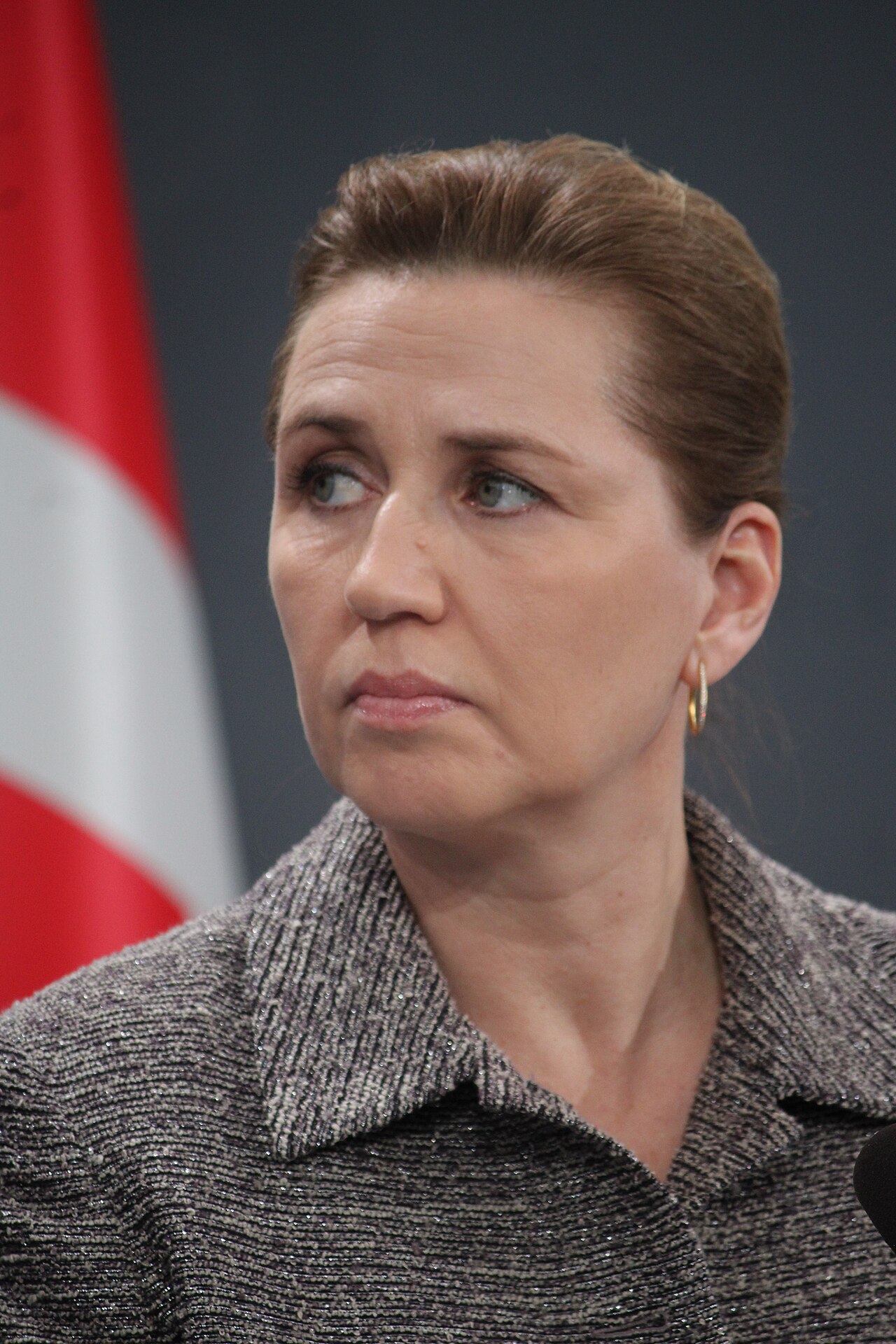 Mette FrederiksenPrime minister of Denmark and chair of the Social Democrats, speaking to reporters at the Folketing
"I am in favor of a strict immigration policy in which the numbers matter. And, said with the greatest love for the country I am part of and really like, I believe there will also have to be a strong majority culture in the future. (Translated from Danish. Original: Jeg er tilhænger af en stram udlændingepolitik, hvor antallet har en betydning. Og sagt i største kærlighed til det land, jeg er en del af, og som jeg virkelig kan lide, tror jeg, at der også i fremtiden bliver nødt til at være en stærk majoritetskultur.)"
Original-language text checked word for word against a linked source on . We did not check the English translation.
Stood by itResponding to: Frederiksen's remark stated her support for a strict immigration policy and a strong majority culture and does not endorse any conspiracy theory.
Full statement and sources
Speaking to reporters after question time in the Folketing, Frederiksen said immigration numbers matter and that Denmark will need a majority culture in the future. She added that she would not let herself be hitched to anyone's wagon.
Before the statement
During question time in the Folketing on November 24, 2026, the Red-Green Alliance and The Alternative attacked Frederiksen over the word. She took reporters' questions afterward.
After the statement
Asked whether she knew how nationalist groups had used the word, she said it was not true that she subscribes to any conspiracy theory. Asked whether she would use the word again, she said she would not enter a discussion about words and wanted to deal with the substance.
Ét ord har sat Mette Frederiksen under et massivt pres, og nu handler det pludselig også om regeringens fremtid · DR NyhederFull article, in DanishWhy this label?
Frederiksen repeats that immigration numbers matter and that Denmark must keep a strong majority culture, and she does not say she will drop the word, so we labeled it Stood by it.
This label describes the statement's response within the context above.
- Mette FrederiksenPrime minister of Denmark and chair of the Social Democrats, in a post on Facebook and Instagram
"I would certainly ask to be spared being put in the same box as conspiracy theorists, extremists on the far right or fascist movements, none of whom I have anything good to say about, for that matter (Translated from Danish. Original: Jeg vil i hvert fald gerne have mig frabedt at blive sat i bås med konspirationsteoretikere, ekstremister på den yderste højrefløj eller fascistiske bevægelser – ingen af dem har jeg i øvrigt noget godt at sige om)"
Original-language text checked word for word against a linked source on . We did not check the English translation.
Challenged the characterizationResponding to: Frederiksen's remark stated her support for a strict immigration policy and a strong majority culture and does not endorse any conspiracy theory.
Full statement and sources
After a week of criticism of her podcast remark, Frederiksen rejected comparisons between her and the far right in a post on Facebook and Instagram. In the same post she defended a strict immigration policy in which the number of arrivals matters.
Before the statement
The Red-Green Alliance and The Alternative, the government's two support parties, had criticized Frederiksen for saying on the B.T. podcast Borgerlig Tabloid that she is not in favor of a major population replacement.
After the statement
In the same post she wrote that Denmark is a community built on values that should also apply in the future, and that this requires a majority culture others can adopt and integrate into. Netavisen Pio reported that she did not repeat the word in the post.
Løkke kalder Mette Frederiksen-præcisering klog og kærkommen · DR NyhederFull article, in DanishWhy this label?
Frederiksen says critics are wrong to place her with conspiracy theorists and the far right, and that her point was a strict immigration policy, so we labeled it Challenged the characterization.
This label describes the statement's response within the context above.
Response record
Responses
Choose one response filter, or select All responses to see the full record.
4 matching responses. Newest first.
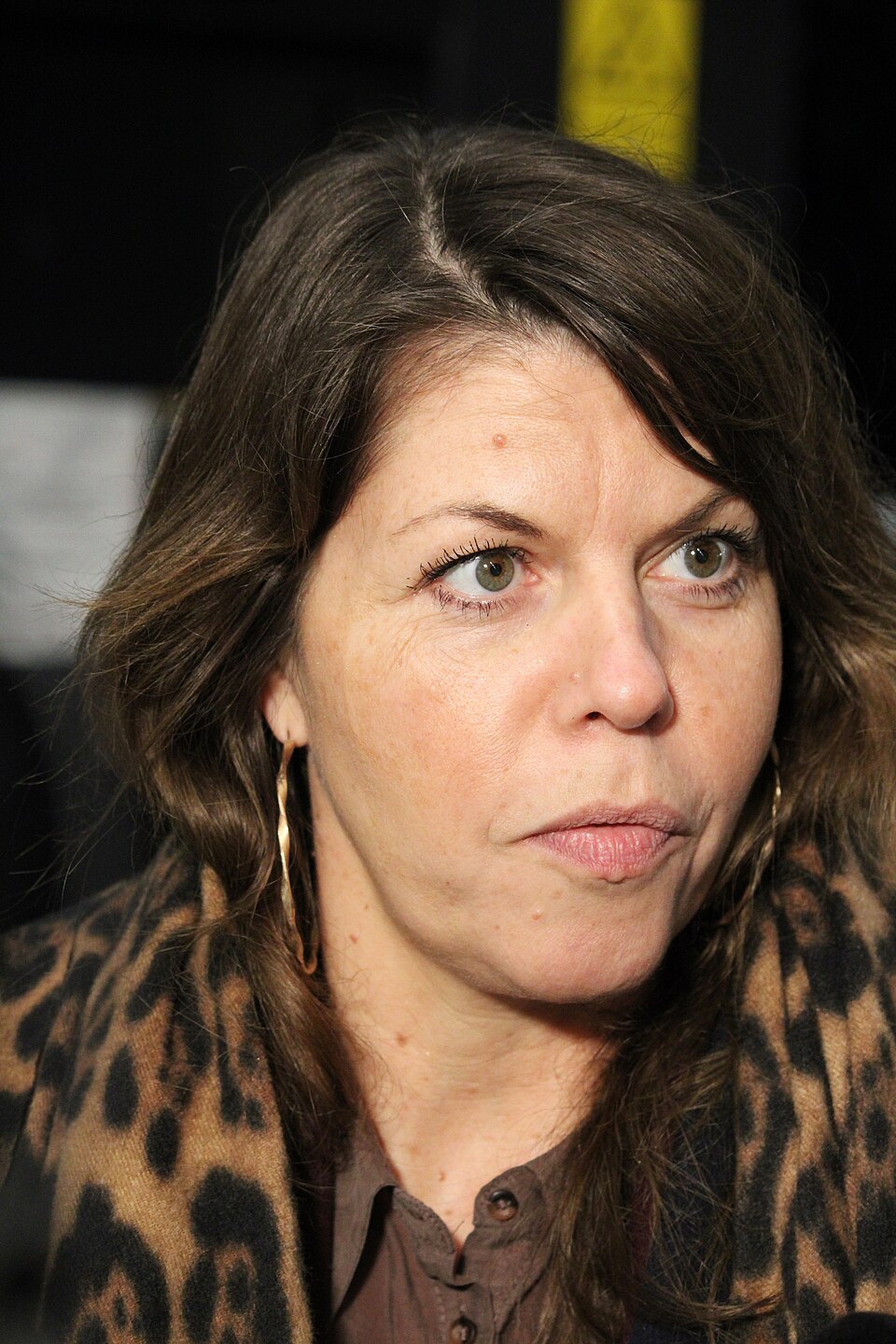 Franciska RosenkildePolitical leader of The Alternative and member of the Folketing, speaking to DRDirectly involved
"If the prime minister chooses to use these very far-right words and moves further down that road, it will be very, very hard for us to see ourselves as a support party. (Translated from Danish. Original: Hvis statsministeren vælger at bruge de her meget højreekstremistiske ord og bevæger sig videre ud ad den vej, så bliver det meget, meget svært for os at se os selv som et støtteparti.)"
Original-language text checked word for word against a linked source on . We did not check the English translation.
CondemnedResponding to: The Danish word for population replacement ("befolkningsudskiftning") belongs to a racist far-right conspiracy theory, and a prime minister who uses it lends that theory weight.
Full statement and sources
Rosenkilde warned that The Alternative's backing for the government would be in doubt if Frederiksen kept using the term and went further in that direction.
Before the statement
DR reported that the Red-Green Alliance and The Alternative, the government's support parties, had already criticized Frederiksen's choice of word, and that both attacked her over it during question time on November 24, 2026.
After the statement
Asked whether the party would then withdraw its support, Rosenkilde said she could not say now and hoped the prime minister would not go that way. She said Frederiksen seemed to be trying to pull back and make the matter about immigration policy.
Ét ord har sat Mette Frederiksen under et massivt pres, og nu handler det pludselig også om regeringens fremtid · DR NyhederFull article, in DanishWhy this label?
Rosenkilde calls the prime minister's words far-right and says continued use would make it very hard for her party to remain a support party, so we labeled it Condemned.
This label describes the statement's response within the context above.
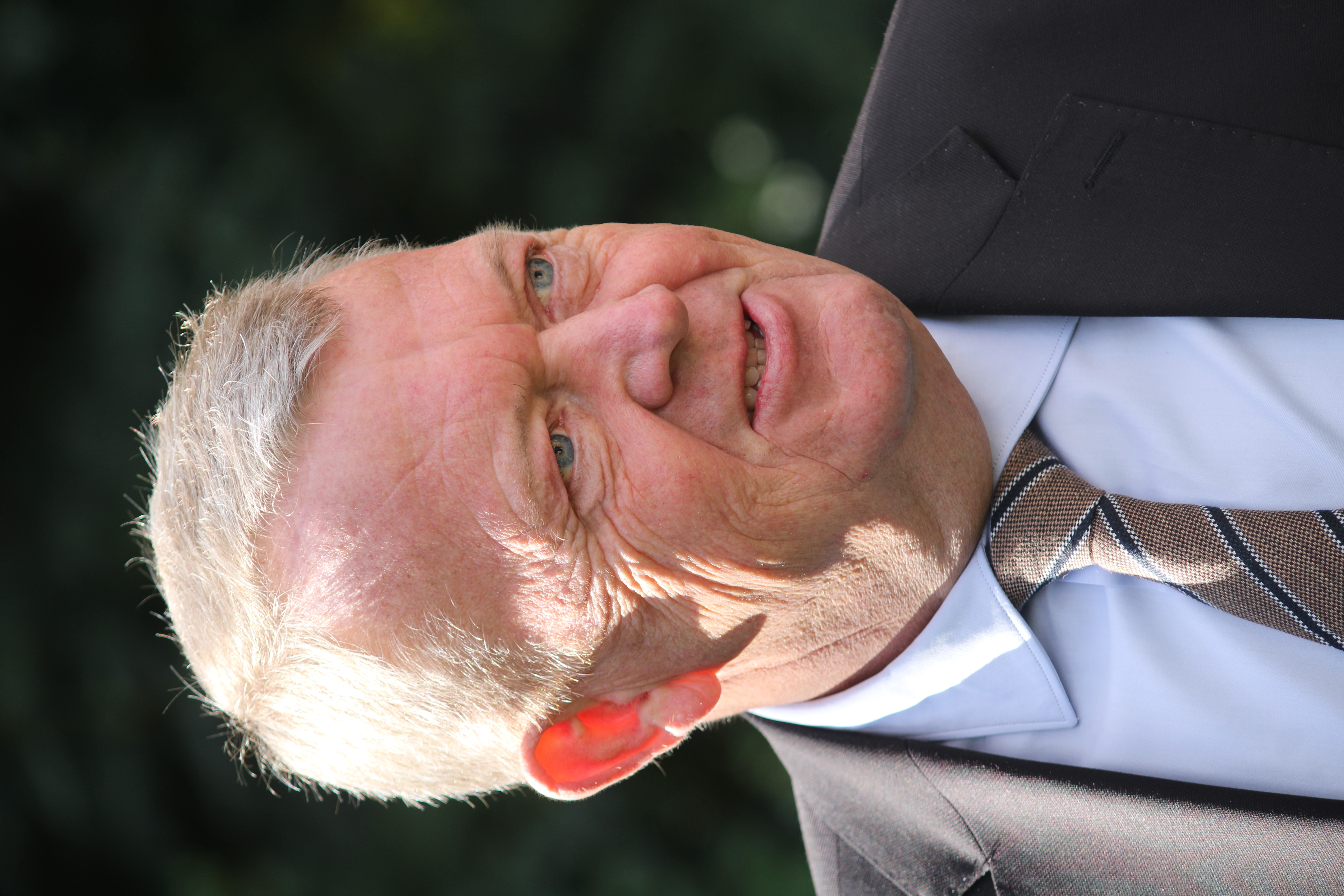 Lars Løkke RasmussenDenmark's minister for foreign affairs and political leader of the Moderates, speaking to TV 2Directly involved
"It is both wise and welcome that Mette Frederiksen has clarified her statements today (Translated from Danish. Original: Det er både klogt og kærkomment, at Mette Frederiksen har præciseret sine udtalelser i dag)"
Original-language text checked word for word against a linked source on . We did not check the English translation.
Mixed or conditionalCase context: Mette Frederiksen says she does not support "a major population replacement"; Denmark's support parties call it far-right conspiracy language, and she rejects being grouped with extremists
Full statement and sources
Løkke told TV 2 he was satisfied that the prime minister had, in his view, clarified what she said on the podcast.
Before the statement
Earlier on November 24, 2026, Frederiksen wrote on Facebook that she did not want to be grouped with conspiracy theorists, far-right extremists or fascist movements.
After the statement
The report said Løkke did not say whether he was referring to that post, and counted him among members of the government who had distanced themselves from the remark.
Løkke kalder Mette Frederiksen-præcisering klog og kærkommen · DR NyhederFull article, in DanishWhy this label?
Løkke neither defends the word nor criticizes Frederiksen directly. He says it was right for her to clarify what she meant, so we labeled it Mixed or conditional.
This label describes the statement's response within the context above.
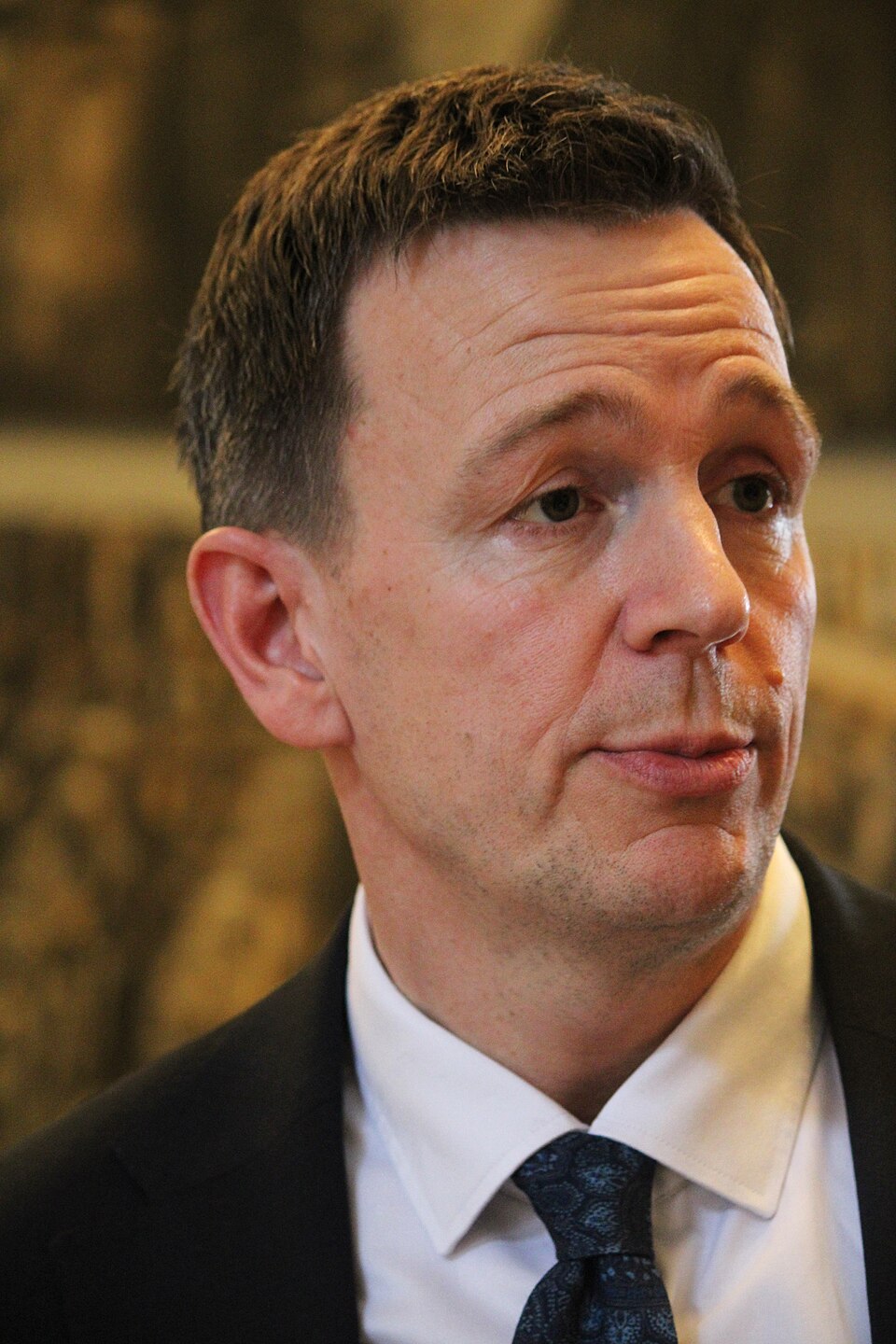 Rasmus StoklundPolitical spokesperson for the Social Democrats and member of the Folketing, speaking to DRDirectly involved
"I think people should listen to what we are saying. We are saying that we want control over immigration to Denmark, and we want to send home more of those who are staying illegally or commit crimes. (Translated from Danish. Original: Jeg synes, man skal lytte til, hvad vi siger. Vi siger, at vi ønsker kontrol med indvandring til Danmark, og vi ønsker at hjemsende flere af dem, der har ulovligt ophold eller begår kriminalitet.)"
Original-language text checked word for word against a linked source on . We did not check the English translation.
Defended or excusedResponding to: Frederiksen's remark stated her support for a strict immigration policy and a strong majority culture and does not endorse any conspiracy theory.
Full statement and sources
Stoklund told DR that Frederiksen's remark could not be equated with far-right narratives and that the party should be judged by the immigration policy it pursues.
Before the statement
DR asked Stoklund about the support parties' criticism of Frederiksen's podcast remark. He said it is well known that people read different things into a term, and gave the word remigration as an earlier example.
After the statement
Asked what Frederiksen meant by the word, Stoklund said the party wants to preserve a Denmark that is recognizable and is not changed at its foundations.
Støttepartier oprørte efter Mette Frederiksens brug af kontroversielt ord: 'En farlig konspirationsteori' · DR NyhederFull article, in DanishWhy this label?
Stoklund says critics should judge the Social Democrats by what the party says it wants, control over immigration and more deportations, and rejects equating Frederiksen's remark with far-right ideas, so we labeled it Defended or excused.
This label describes the statement's response within the context above.
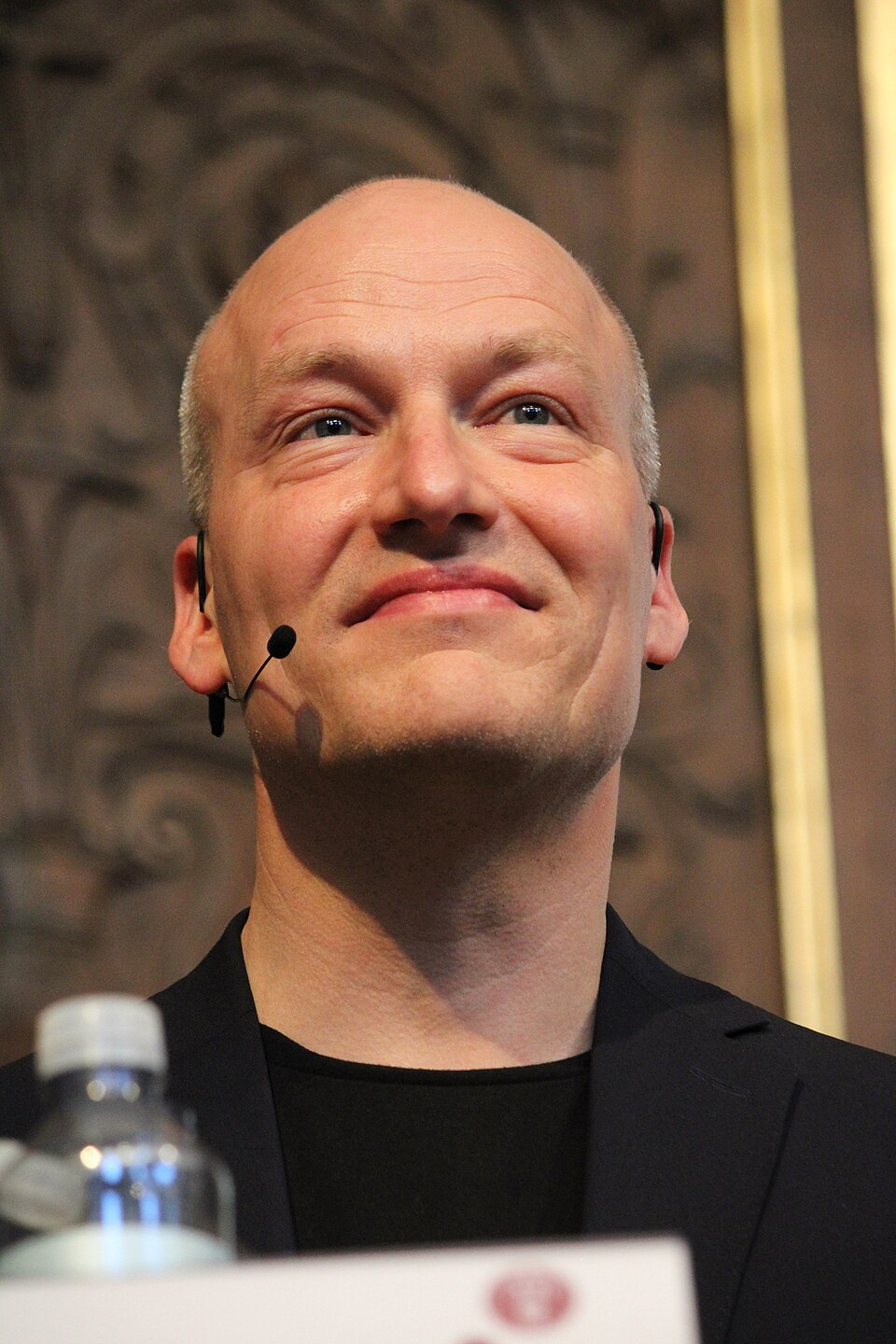 Pelle DragstedPolitical leader of the Red-Green Alliance and member of the Folketing, speaking to DRDirectly involved
"I hope I will not hear the prime minister say it again. Because it is a very dangerous term that is tied to the extreme right-wing movement in Europe. (Translated from Danish. Original: Jeg håber ikke, jeg kommer til at høre statsministeren sige det igen. For det er et meget farligt begreb, som er knyttet til den ekstreme højrebevægelse i Europa.)"
Original-language text checked word for word against a linked source on . We did not check the English translation.
CondemnedResponding to: The Danish word for population replacement ("befolkningsudskiftning") belongs to a racist far-right conspiracy theory, and a prime minister who uses it lends that theory weight.
Full statement and sources
Dragsted told DR that Frederiksen should not repeat the word she used on the podcast and described it as bound up with Europe's far right.
Before the statement
Frederiksen had said on the B.T. podcast Borgerlig Tabloid that she is not in favor of a major population replacement. DR reported that Dragsted told the newspaper Berlingske he did not think she had deliberately used a word tied to the far right.
After the statement
Dragsted said the term is tied to a racist conspiracy theory that a political elite wants to swap Europe's old population for another, and to a far-right movement that Denmark's intelligence services warn about. He said his criticism was not about their disagreement on immigration policy.
Støttepartier oprørte efter Mette Frederiksens brug af kontroversielt ord: 'En farlig konspirationsteori' · DR NyhederFull article, in DanishWhy this label?
Dragsted calls the term dangerous and says a prime minister should not add to far-right conspiracy theories by using it, so we labeled it Condemned.
This label describes the statement's response within the context above.
Sources
(8)
Interview
Borgerlig Tabloid: Konfronterer Mette Frederiksen i studiet: Det er ikke nok!
Relevant passage: Audio, in Danish, about 12:30 to 13:05 and 26:00 to 26:30
About this source
The November 17, 2026, episode of the B.T. newspaper's political podcast, in which host Joachim B. Olsen interviews Frederiksen about the planned return center in Rwanda and her immigration policy. About 13 minutes in, describing the majority culture she wants in Europe, she says she is not in favor of a major population replacement and that she believes in a strong majority culture. About 26 minutes in, asked whether she means ethnic Danes, she says Danes are an original tribe that is ethnically Danish.
- Author
- B.T., with host Joachim B. Olsen
- Published
- Accessed
Reporting
"Jeg vil i hvert fald gerne have mig frabedt at blive sat i bås med konspirationsteoretikere, ekstremister på den yderste højrefløj eller fascistiske bevægelser"
Relevant passage: Full article, in Danish
About this source
Netavisen Pio, a Danish news site close to the labor movement, prints long passages of the post Frederiksen published on Facebook and Instagram on November 24, 2026, including her lines on a majority culture and a strict immigration policy. It also reports her answer to Pelle Dragsted during question time in the Folketing that day.
- Author
- Jan Kjærgaard
- Published
- Accessed
Reporting
'A disaster': Frederiksen's migration stance sparks tensions within European Socialists
Relevant passage: Full article
About this source
Euronews reports that Iratxe García Pérez, who leads the Socialists and Democrats group in the European Parliament, said the group would hold an internal discussion after several members raised Frederiksen's podcast remarks and Denmark's part in a planned return hub in Rwanda. Members of the group who criticize Frederiksen in the article are not named.
- Author
- Vincenzo Genovese
- Published
- Accessed
Reporting
Danish PM rejects extremist label after 'great replacement' remarks
Relevant passage: Full article, an Agence France-Presse wire story as published by 24 News HD
About this source
Agence France-Presse's English-language report translates parts of Frederiksen's November 17 podcast remarks and her November 24 social media post. It quotes an op-ed in the Danish daily Politiken by Tarjei Jensen Bech, a survivor of the 2011 Utoya attack in Norway, and reports that the Danish branch of Generation Identity welcomed her remarks.
- Author
- AFP
- Published
- Accessed
Reporting
Er vi på vej mod en befolkningsudskiftning?
Relevant passage: Full article, in Danish
About this source
The Danish fact-checking outlet TjekDet quotes Frederiksen's podcast remark and the criticism of it, then reviews official population projections. It reports that the share of Denmark's population with origins in non-Western countries has grown since 1980 and that no official projection shows people of Danish origin becoming a minority.
- Author
- TjekDet
- Published
- Accessed
Reporting
Ét ord har sat Mette Frederiksen under et massivt pres, og nu handler det pludselig også om regeringens fremtid
Relevant passage: Full article, in Danish
About this source
DR's account of November 24, 2026, in Danish. Franciska Rosenkilde says it would become very hard for The Alternative to remain a support party if the prime minister keeps using the word, Pelle Dragsted calls the term dangerous and wrong, and Ingrid Kjærgaard, who chairs the Social Democrats' youth wing, says the word has derailed the debate. The article ends with Frederiksen's answers to reporters after question time in the Folketing.
- Author
- Anders Byskov Svendsen
- Published
- Accessed
Reporting
Løkke kalder Mette Frederiksen-præcisering klog og kærkommen
Relevant passage: Full article, in Danish
About this source
This Ritzau wire story on DR's site quotes the Facebook post in which Frederiksen said she did not want to be grouped with conspiracy theorists, far-right extremists or fascist movements. It carries Foreign Minister Lars Løkke Rasmussen's comment to TV 2 that her clarification was wise and welcome, and Pia Olsen Dyhr's remark that she will not use the word.
- Author
- Ritzau
- Published
- Accessed
Reporting
Støttepartier oprørte efter Mette Frederiksens brug af kontroversielt ord: 'En farlig konspirationsteori'
Relevant passage: Full article, in Danish
About this source
DR's first report on the reaction quotes Frederiksen's podcast words in Danish, then Elise Sydendal of The Alternative, Pelle Dragsted of the Red-Green Alliance and the Social Democrats' political spokesperson, Rasmus Stoklund. It also quotes the 2021 Danish terror threat assessment's description of the Great Replacement narrative and a post by a Generation Identity spokesman praising the prime minister's words.
- Author
- Anders Byskov Svendsen, Mathilde Seiersen Lenskjold and Emil Eller
- Published
- Accessed
Share or embed this case
The embed keeps its attribution link to The Dispute Index. Credit the image to The Dispute Index and link to the case page.
Cite this record
- Publisher
- The Dispute Index
- Title
- Mette Frederiksen says she does not support "a major population replacement"; Denmark's support parties call it far-right conspiracy language, and she rejects being grouped with extremists
- First published
- Last updated
- Permalink
- https://disputeindex.com/cases/mette-frederiksen-says-she-does-not-support-a-major-population-replacement-denmark-s-support-parties-call-it-far-right-conspiracy-language-and-she-rejects-being-grouped-with-extremists
The Dispute Index. "Mette Frederiksen says she does not support "a major population replacement"; Denmark's support parties call it far-right conspiracy language, and she rejects being grouped with extremists". First published: 2026-11-25. Last updated: 2026-11-25. https://disputeindex.com/cases/mette-frederiksen-says-she-does-not-support-a-major-population-replacement-denmark-s-support-parties-call-it-far-right-conspiracy-language-and-she-rejects-being-grouped-with-extremists