
Trappes mayor Ali Rabeh and Green lawmakers propose punishing "Great Replacement" rhetoric under France's press law; critics say it would curb free speech
After the racist attack in Trappes, mayor Ali Rabeh proposed amending France's 1881 press law to punish presenting a group as agents of a population replacement, and Green lawmakers filed similar bills. Eric Zemmour, Jordan Bardella and constitutional scholar Benjamin Morel objected.

Case period:
Published by The Dispute Index editorial teamPublished Updated
Overview
The Great Replacement is a theory set out by the writer Renaud Camus, who claims that the population of France and Europe is being replaced by immigrants, mainly from Africa. franceinfo describes it as a racist theory contradicted by demographic figures and notes that politicians including Eric Zemmour, Marion Marechal and Jordan Bardella have taken it up franceinfo (opens in a new tab).
French law already punishes provocation to discrimination, hatred or violence against people because of their origin or their real or supposed ethnicity, nation, race or religion. The offense was added to the 1881 press law by the Pleven law of 1972 Senat (opens in a new tab). According to franceinfo, no one has been convicted simply for defending the Great Replacement theory. Camus was fined 4,000 euros in 2016 for describing immigrants as invaders, while in 2019 the Court of Cassation upheld the acquittal of Beziers mayor Robert Menard over a post that presented school class photos as proof of the replacement franceinfo (opens in a new tab).
The dispute over who bears responsibility for the October 23 attack itself is covered in a separate case.
People in this case
 Ali RabehDirectly involved
 Sabrina SebaihiDirectly involved
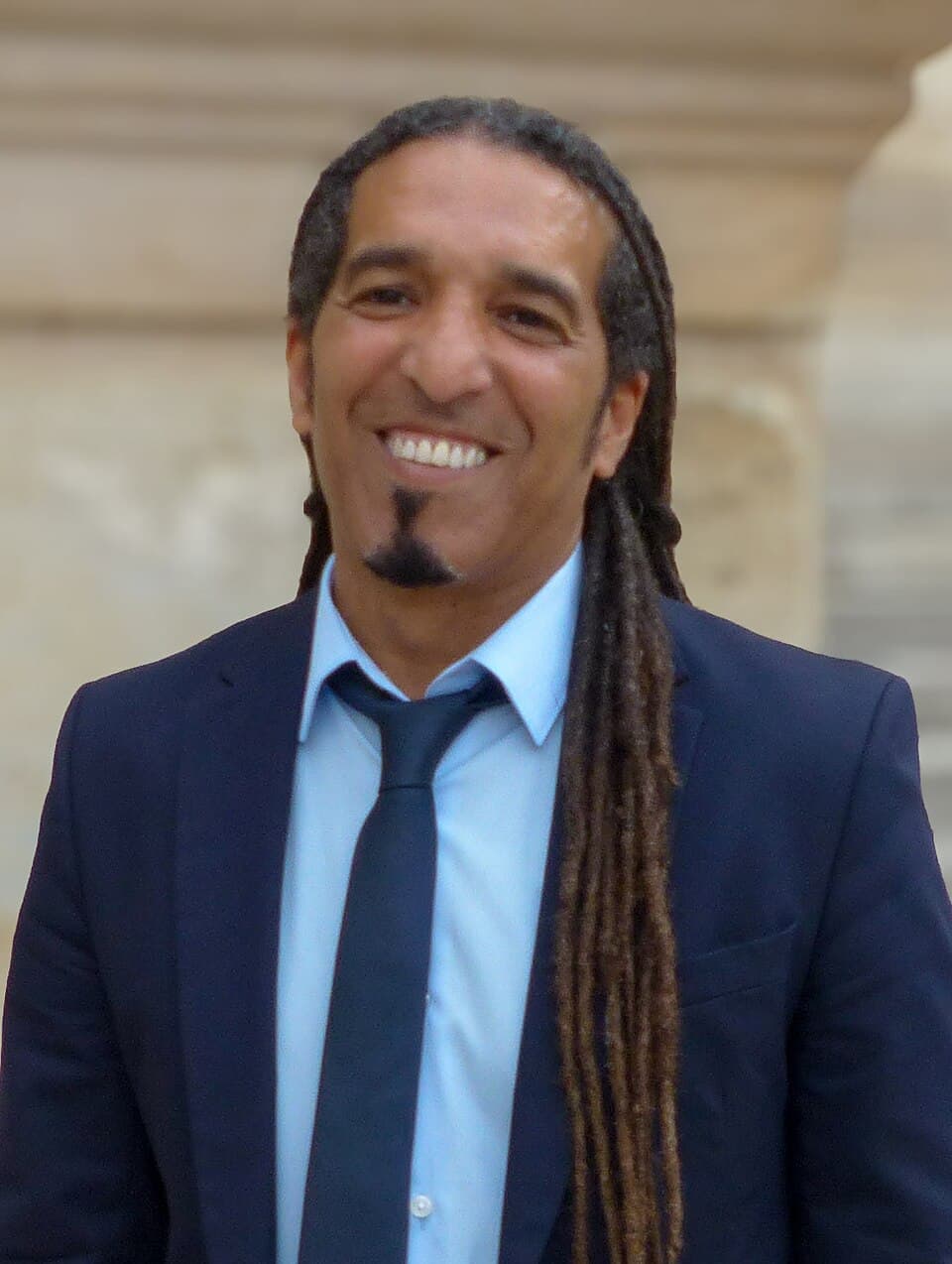 Steevy GustaveDirectly involved
 Akli MellouliDirectly involved
Timeline
2 timeline entries on this page. Dates: October 29, 2026 to November 10, 2026
October 2026
Green senators file a bill on "replacement" and "remigration" rhetoric
Senator Akli Mellouli and twelve other Green senators file bill No. 125. It would add to Article 24 of the 1881 press law that provocation to discrimination, hatred or violence can result from remarks invoking the replacement of one population by another or the need for remigration, and would raise the penalties for elected officials and declared candidates to three years in prison and a 75,000 euro fine.
[01]Proposition de loi n° 125 (2026-2027) visant à renforcer la lutte contre les discours incitant à la haine et aux actes racistes et xénophobes
Senate bill No. 125 of the 2026-2027 session, filed on October 29, 2026 by Senator Akli Mellouli and twelve other Green senators and referred to the Senate law committee.
Proposition de loi n° 125 (2026-2027) visant à renforcer la lutte contre les discours incitant à la haine et aux actes racistes et xénophobesFull text of the bill as filed, explanatory statement and articles 1 to 4
November 2026
National Assembly registers Sebaihi and Gustave's bill as No. 3458
The bill by deputies Sabrina Sebaihi and Steevy Gustave, which LCP reported they filed on October 30, is registered at the National Assembly and referred to its law committee. Its provisions on replacement and remigration rhetoric and on penalties for elected officials and candidates follow the Senate text.
[02]Proposition de loi n° 3458 visant à renforcer la lutte contre les discours incitant à la haine et aux actes racistes et xénophobes
Bill No. 3458 of the 17th legislature, presented by deputies Sabrina Sebaihi and Steevy Gustave and registered at the National Assembly on November 10, 2026. It was referred to the law committee.
Proposition de loi n° 3458 visant à renforcer la lutte contre les discours incitant à la haine et aux actes racistes et xénophobesFull text of the bill as registered, explanatory statement and articles 1 to 4[03]"Préserver la paix civile": deux députés écologistes déposent un texte pour "renforcer la lutte contre les discours incitant à la haine"
Report by the National Assembly's channel, LCP, on the bill deputies Sabrina Sebaihi and Steevy Gustave filed on October 30, 2026, quoting its explanatory statement and summarizing its articles.
Claims
Claims separate what was said from what is contested. Follow each source for the original wording and context.
What's disputed
Disputed claim
France's existing legal provisions against incitement to racial hatred are insufficient.
What is disputed
Rabeh made the claim on France Inter on October 30, 2026, while proposing to amend Article 24 of the 1881 press law. Constitutional law scholar Benjamin Morel told L'Opinion that if the Great Replacement is seen as leading to violence, the law already has the tools, such as defamation and incitement to hatred.
Sources (2)
- Attentat dans les Yvelines : le maire de Trappes veut "rendre illégale" la diffusion de la théorie du grand remplacementWritten account of Ali Rabeh's interview on L'invite de 7h50, October 30, 2026, with his quoted remarks
Response record
Responses
Choose one response filter, or select All responses to see the full record.
8 responses. First 6 shown initially. Newest first.
Gilles-William GoldnadelLawyer and CNews commentator, posting on X Before this statement
Goldnadel's post, addressed to France Inter, quotes the station's October 30 post on Rabeh's proposal to make the Great Replacement theory illegal.
"A rerun of Ali Rabeh's intellectual terrorism in wanting to penalize "the ideology of the great replacement." The station has gone so far as to investigate whether the RN practices it. Only one solution: great-replace the odious public broadcaster with a private radio station. (Translated from French. Original: Reprise du terrorisme intellectuel d'Ali Rabeh de vouloir pénaliser « l'idéologie du grand remplacement » . La radio en est à enquêter pour savoir si le RN la pratique. Une seule solution : grand remplacer l'odieux visuel public par une radio privée.)"
CondemnedCase context: Trappes mayor Ali Rabeh and Green lawmakers propose punishing "Great Replacement" rhetoric under France's press law; critics say it would curb free speech
Full statement and sources
Responding to France Inter's coverage of the proposal, Goldnadel calls Rabeh's wish to penalize the ideology of the Great Replacement intellectual terrorism and says the public broadcaster should be replaced by a private station.
After the statement
The post opens with a reference to France Inter's 7:38 a.m. slot that morning and was published on November 2, three days after Rabeh's interview.
Gilles-William Goldnadel's post on X about Ali Rabeh's proposal · Gilles-William GoldnadelPost on X, November 2, 2026, 7:52 a.m. Paris time, quoting France Inter's October 30 post on the interviewWhy this label?
Goldnadel calls the plan to penalize Great Replacement ideology intellectual terrorism, so we labeled it Condemned.
This label describes the statement's response within the context above.
 Jordan BardellaPresident of the Rassemblement national, posting on X
Before this statement
Bardella's post quotes France Inter's post saying that Rabeh proposed making the Great Replacement theory illegal, notably by amending the 1881 press law.
"If I understand correctly, the left wants to criminalize the feeling of at least 60% of French people, who see a "profound demographic transformation." Unless it is to rejoice in it, of course. ... The freedom-killing left must never prevail in our country. (Translated from French. Original: Si je comprends bien, la gauche veut criminaliser le ressenti d'au moins 60% des Français, qui constatent une « transformation démographique profonde ». Sauf si c'est pour s'en réjouir, évidemment. ... Jamais la gauche liberticide ne doit l'emporter dans notre pays.)"
CondemnedCase context: Trappes mayor Ali Rabeh and Green lawmakers propose punishing "Great Replacement" rhetoric under France's press law; critics say it would curb free speech
Full statement and sources
Quoting France Inter's post on Rabeh's proposal, Bardella writes that the left wants to criminalize the feeling of at least 60 percent of French people that the country is going through a profound demographic transformation, and that the freedom-killing left must never prevail.
After the statement
In the omitted middle paragraph, Bardella says Rabeh had handed out leaflets outside the high school of philosophy teacher Didier Lemaire after Lemaire denounced the hold of Islamism in Trappes.
Jordan Bardella's post on X about Ali Rabeh's proposal · Jordan BardellaPost on X, October 30, 2026, 5:32 p.m. Paris time, quoting France Inter's post on the interviewWhy this label?
Bardella says the proposal would criminalize what a majority of French people feel and calls its backers a freedom-killing left, so we labeled it Condemned.
This label describes the statement's response within the context above.
 Sabrina SebaihiEcologiste et Social deputy for Hauts-de-Seine, posting on XDirectly involved
Before this statement
Sebaihi posted the message on the afternoon of October 30, a week after the racist attack in Trappes and La Verriere that killed one person and wounded seven.
"Words kill. In Trappes, they killed. With Akli Mellouli and Steevy Gustave, we are filing a bill against racist hate speech. "Great replacement," "remigration": these are not opinions, they are ammunition. Those who promote them must answer for it before the law. (Translated from French. Original: Les mots tuent. À Trappes, ils ont tué. Avec Akli Mellouli et Steevy Gustave, nous déposons une proposition de loi contre les discours de haine raciste. « Grand remplacement », « remigration » : ce ne sont pas des opinions, ce sont des munitions. Leurs promoteurs doivent en répondre devant la loi.)"
Defended or excusedCase context: Trappes mayor Ali Rabeh and Green lawmakers propose punishing "Great Replacement" rhetoric under France's press law; critics say it would curb free speech
Full statement and sources
Announcing the bill she was filing with Steevy Gustave and Akli Mellouli, Sebaihi writes that words killed in Trappes, that the Great Replacement and remigration are ammunition rather than opinions, and that those who promote them must answer for it before the law.
After the statement
LCP reported later that afternoon that Sebaihi and Steevy Gustave had filed their bill. The National Assembly registered it as bill No. 3458 on November 10.
Sabrina Sebaihi's post on X announcing a bill against racist hate speech · Sabrina SebaihiPost on X, October 30, 2026, 2:08 p.m. Paris time, full textProposition de loi n° 3458 visant à renforcer la lutte contre les discours incitant à la haine et aux actes racistes et xénophobesFull text of the bill as registered, explanatory statement and articles 1 to 4Why this label?
Sebaihi, a co-author of the National Assembly bill, says the people who promote these two ideas should be held to account under the law, so we labeled it Defended or excused.
This label describes the statement's response within the context above.
 Éric ZemmourPresident of Reconquete and presidential candidate, posting on X
Before this statement
Zemmour's post quotes a post by the account Destination Tele saying that Ali Rabeh had announced a new law that would send to prison those who dare raise the idea of a replacement of a supposed white French people.
"The gulag is on the march. This is the plan of their socialist-Islamic Republic. (Translated from French. Original: Le goulag est en marche. Voilà le projet de leur République socialo-islamique.)"
CondemnedCase context: Trappes mayor Ali Rabeh and Green lawmakers propose punishing "Great Replacement" rhetoric under France's press law; critics say it would curb free speech
Full statement and sources
Quoting a post about Rabeh's proposal, Zemmour writes that the gulag is on the march and calls it the plan of a socialist-Islamic republic.
After the statement
Later that day Zemmour posted that since the killing in Trappes there had been an unprecedented offensive against freedom of expression, and urged his followers not to be intimidated.
Eric Zemmour's post on X about Ali Rabeh's proposal · Éric ZemmourPost on X, October 30, 2026, 9:09 a.m. Paris time, quoting a post by Destination TeleEric Zemmour's post on X about freedom of expression after the Trappes killing · Éric ZemmourPost on X, October 30, 2026, 3:27 p.m. Paris time, full textWhy this label?
Zemmour compares the plan to punish replacement rhetoric to the gulag, so we labeled it Condemned.
This label describes the statement's response within the context above.
 Ali RabehMayor of Trappes, interviewed on France InterDirectly involved
Before this statement
A week after the attack in Trappes and La Verriere, Rabeh tells France Inter that the suspect followed the logic of the Great Replacement theory and that years of repetition on air led some fragile minds to act. He says he does not want to ban ideas but to make illegal the speech of those who describe part of the population as invaders.
"There are provisions that prevent incitement to racial hatred. We can see that these provisions are insufficient ... We can perfectly well insert into Article 24 of the 1881 law on freedom of the press a provision stating that from now on we will make illegal, and punish with the penalties set out precisely in Article 23 of the same law, those who have presented a group of people, because of their origin, their membership of a religion, an ethnic group, a supposed race or a particular religion, as actors of an instrument, of a process of replacement (Translated from French. Original: Il y a des dispositions qui empêchent l'incitation à la haine raciale. On voit que ces dispositions sont insuffisantes ... On peut tout à fait insérer à l'article 24 de la loi de 1881 sur la liberté de la presse un élément qui indique que nous rendrons dorénavant illégal et nous punirons de peines prévues précisément par l'article 23 de la même loi ceux qui auront présenté un groupe de personnes, à raison de leur origine, de leur appartenance à une religion, à une ethnie, à une prétendue race ou une religion déterminée comme des acteurs d'un instrument, d'un processus de remplacement)"
Defended or excusedResponding to: France's existing legal provisions against incitement to racial hatred are insufficient.
Full statement and sources
On France Inter, Rabeh says existing provisions against incitement to racial hatred have proved insufficient and proposes adding to Article 24 of the 1881 press law a provision punishing those who present a group, because of its origin, religion, ethnicity or supposed race, as actors in a process of replacement.
After the statement
Rabeh goes on to say that Rassemblement national leaders ideologically armed the attacker, and he urges right-wing and centrist parties to keep a cordon sanitaire against the far right.
Attentat dans les Yvelines : le maire de Trappes veut "rendre illégale" la diffusion de la théorie du grand remplacementWritten account of Ali Rabeh's interview on L'invite de 7h50, October 30, 2026, with his quoted remarksWhy this label?
Rabeh puts forward the change to the press law himself and argues that current rules against incitement to racial hatred fall short, so we labeled it Defended or excused.
This label describes the statement's response within the context above.
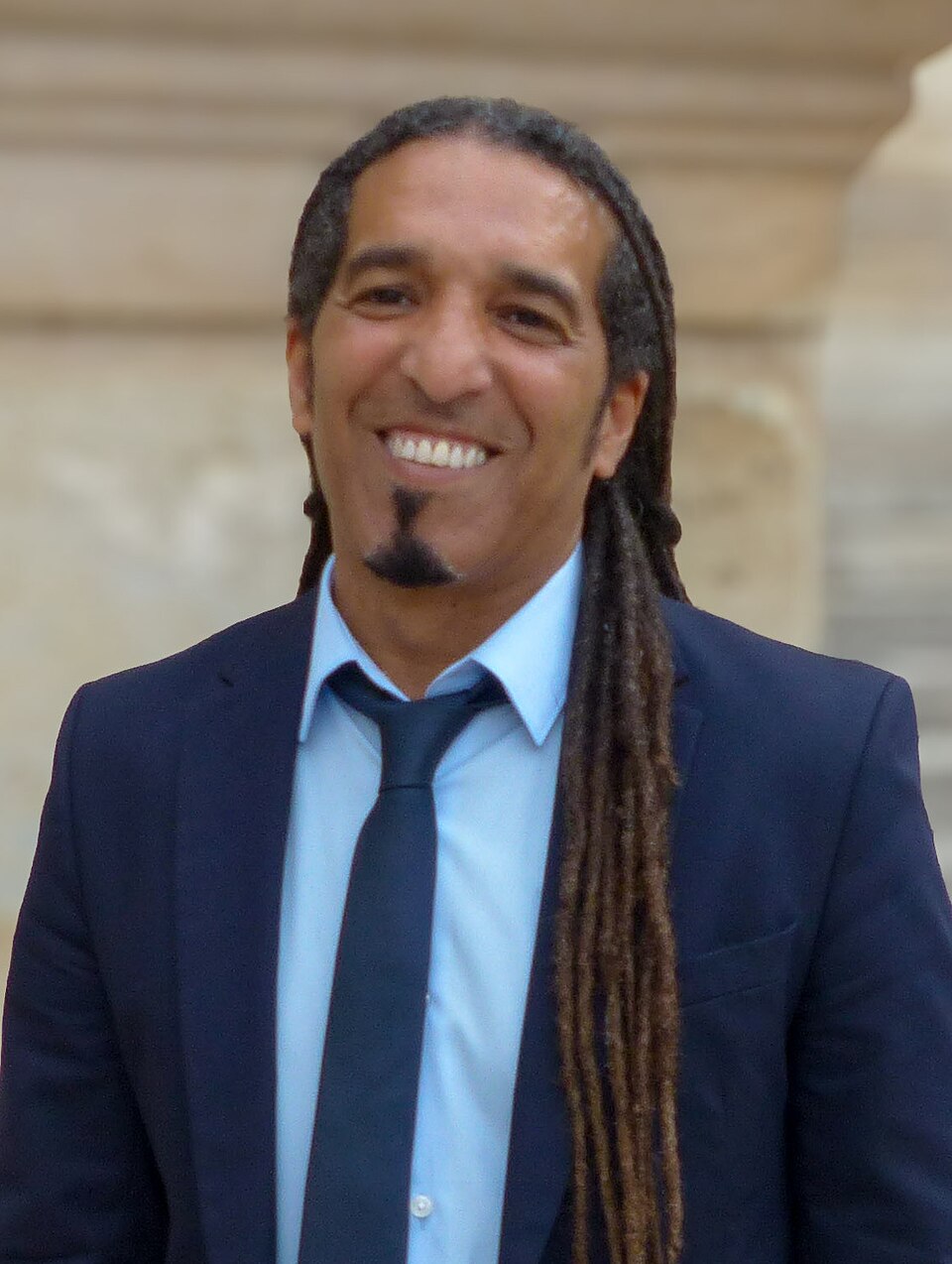 Steevy GustaveEcologiste et Social deputy for Essonne, co-author with Sabrina Sebaihi of bill No. 3458Directly involved
Before this statement
The explanatory statement argues that the fight against racism cannot be limited to punishing acts of violence once they have been committed and must also address speech that incites hatred, discrimination or violence. It cites the October 23, 2026 shooting in Trappes and La Verriere.
"The aim is not to deprive citizens of their freedom of opinion by creating an offense of opinion. The aim is to ensure that the expression of opinions in public debate does not rest on the systematic denial of the republican principles of equality and dignity, and thereby to preserve civil peace. (Translated from French. Original: Il ne s'agit pas de priver les citoyens de leur liberté d'opinion en créant un délit d'opinion. Il s'agit de garantir que l'expression des opinions dans le débat public ne repose pas sur la négation systématique des principes républicains d'égalité et de dignité, et de préserver ainsi la paix civile.)"
Defended or excusedCase context: Trappes mayor Ali Rabeh and Green lawmakers propose punishing "Great Replacement" rhetoric under France's press law; critics say it would curb free speech
Full statement and sources
In the explanatory statement of their bill, Gustave and Sabrina Sebaihi write that the text would not deprive citizens of their freedom of opinion, and that its aim is to keep public debate from resting on the denial of equality and dignity and to preserve civil peace.
After the statement
The bill would state that provocation to discrimination, hatred or violence can result from remarks invoking the replacement of one population by another or the need for remigration, and would raise the penalties to three years in prison and a 75,000 euro fine for elected officials and declared candidates.
Proposition de loi n° 3458 visant à renforcer la lutte contre les discours incitant à la haine et aux actes racistes et xénophobesFull text of the bill as registered, explanatory statement and articles 1 to 4Why this label?
Gustave co-wrote the bill and answers the free-speech objection in its explanatory statement, saying it protects civil peace rather than punishing opinions, so we labeled it Defended or excused.
This label describes the statement's response within the context above.
Show fewer responses
Benjamin MorelConstitutional law scholar at Paris-Pantheon-Assas University, quoted by L'Opinion Before this statement
Morel tells L'Opinion that a law of this kind could be written, like the Gayssot law on Holocaust denial, but that the Constitutional Council and the European Court of Human Rights would likely see it as disproportionate. He adds that a formal ban would give the theory wide publicity and would be completely counterproductive.
"This is the question that often comes up with memory laws: there is a need for recognition, for a symbol, and at the same time the criminal scope of the thing is a problem. Either because it already falls under the law, or because it is plainly an infringement of freedom of expression (Translated from French. Original: On est dans la question qui se pose souvent concernant les lois mémorielles : on a besoin d'une reconnaissance, d'un symbole, et en même temps la portée pénale de la chose pose problème. Soit parce que cela tombe déjà sous le coup de la loi, soit car c'est manifestement attentatoire à la liberté d'expression)"
CondemnedResponding to: France's existing legal provisions against incitement to racial hatred are insufficient.
Full statement and sources
Asked by L'Opinion about Rabeh's proposal, Morel calls it a hasty statement that ignores legal realities. He says such a law is technically possible but likely to be found a disproportionate infringement on freedom of expression, and that its criminal scope is a problem either way.
After the statement
The remark closes L'Opinion's article.
Why this label?
Morel argues that a law against replacement rhetoric would either repeat offenses already in the law or infringe free expression, says the courts would likely see it as a disproportionate limit on that freedom, and calls a ban counterproductive, so we labeled it Condemned.
This label describes the statement's response within the context above.
 Akli MellouliSenator for Val-de-Marne, lead author of Senate bill No. 125Directly involved
Before this statement
The explanatory statement says the Great Replacement theory rests on a picture of society divided into antagonistic groups, and that the idea of remigration carries a plan for mass deportations of people because of their real or supposed origin.
"It now appears that tolerance toward the expression of racist and xenophobic speech has reached its limits, given the threat that such speech poses to part of the French population and to foreign nationals living in France. (Translated from French. Original: Il semble aujourd'hui que la tolérance à l'égard de l'expression de discours racistes et xénophobes ait atteint ses limites, au regard de la menace que ces discours font peser sur une partie de la population française et sur les personnes étrangères vivant en France.)"
Defended or excusedCase context: Trappes mayor Ali Rabeh and Green lawmakers propose punishing "Great Replacement" rhetoric under France's press law; critics say it would curb free speech
Full statement and sources
In the explanatory statement of the Senate bill he filed with twelve other Green senators, Mellouli argues that tolerance of racist and xenophobic speech has reached its limits, given the threat it poses to part of the French population and to foreigners living in France.
After the statement
It goes on to say that racist and xenophobic speech, unlike ordinary criticism of public policy, can rest on asserting an essential difference between people by origin, and it cites the October 23, 2026 shooting in Trappes and La Verriere.
Proposition de loi n° 125 (2026-2027) visant à renforcer la lutte contre les discours incitant à la haine et aux actes racistes et xénophobesFull text of the bill as filed, explanatory statement and articles 1 to 4Why this label?
Mellouli's bill calls for tighter limits on racist and xenophobic speech, naming talk of replacement and remigration, so we labeled it Defended or excused.
This label describes the statement's response within the context above.
Sources
(11)
Original text
Proposition de loi n° 125 (2026-2027) visant à renforcer la lutte contre les discours incitant à la haine et aux actes racistes et xénophobes
Relevant passage: Full text of the bill as filed, explanatory statement and articles 1 to 4
About this source
Senate bill No. 125 of the 2026-2027 session, filed on October 29, 2026 by Senator Akli Mellouli and twelve other Green senators and referred to the Senate law committee.
- Author
- Senat
- Published
- Accessed
Original post
Gilles-William Goldnadel's post on X about Ali Rabeh's proposal
About this source
Post by lawyer and commentator Gilles-William Goldnadel addressed to France Inter, quoting its post about Ali Rabeh's proposal.
- Author
- Gilles-William Goldnadel
- Published
- Accessed
Reporting
Peut-on interdire la théorie du « grand remplacement » comme le réclame le maire de Trappes ?
Relevant passage: Full article
About this source
L'Opinion article on whether the Great Replacement theory could be banned, as Ali Rabeh proposed, with comments from constitutional law scholar Benjamin Morel.
- Author
- Matteo Bardiaux, L'Opinion
- Published
- Accessed
Original post
Jordan Bardella's post on X about Ali Rabeh's proposal
About this source
Post by Rassemblement national president Jordan Bardella quoting France Inter's post about Ali Rabeh's proposal to make the Great Replacement theory illegal.
- Author
- Jordan Bardella
- Published
- Accessed
Original post
Eric Zemmour's post on X about freedom of expression after the Trappes killing
About this source
Second post by Eric Zemmour on October 30, 2026, saying freedom of expression had come under attack since the killing in Trappes.
- Author
- Eric Zemmour
- Published
- Accessed
Original post
Eric Zemmour's post on X about Ali Rabeh's proposal
About this source
Post by Reconquete president Eric Zemmour quoting a post that described Ali Rabeh's France Inter proposal as a new law to imprison people who raise the idea of a replacement.
- Author
- Eric Zemmour
- Published
- Accessed
Original text
Proposition de loi n° 3458 visant à renforcer la lutte contre les discours incitant à la haine et aux actes racistes et xénophobes
Relevant passage: Full text of the bill as registered, explanatory statement and articles 1 to 4
About this source
Bill No. 3458 of the 17th legislature, presented by deputies Sabrina Sebaihi and Steevy Gustave and registered at the National Assembly on November 10, 2026. It was referred to the law committee.
- Author
- Assemblee nationale
- Published
- Accessed
Reporting
"Préserver la paix civile": deux députés écologistes déposent un texte pour "renforcer la lutte contre les discours incitant à la haine"
Relevant passage: Full article
About this source
Report by the National Assembly's channel, LCP, on the bill deputies Sabrina Sebaihi and Steevy Gustave filed on October 30, 2026, quoting its explanatory statement and summarizing its articles.
- Author
- Anne-Charlotte Dusseaulx, LCP
- Published
- Accessed
Original post
Sabrina Sebaihi's post on X announcing a bill against racist hate speech
About this source
Post by Ecologiste et Social deputy Sabrina Sebaihi announcing the bill she was filing with Steevy Gustave and Akli Mellouli.
- Author
- Sabrina Sebaihi
- Published
- Accessed
Reporting
Attentat raciste de Trappes: Ali Rabeh appelle à "rendre illégale" la théorie du grand remplacement qui "fait du mal à notre société"
Relevant passage: Full article
About this source
BFMTV report on Ali Rabeh's France Inter interview of October 30, 2026, quoting his proposal to amend Article 24 of the 1881 press law.
- Author
- Alixan Lavorel, BFMTV
- Published
- Accessed
Interview
Attentat dans les Yvelines : le maire de Trappes veut "rendre illégale" la diffusion de la théorie du grand remplacement
Relevant passage: Written account of Ali Rabeh's interview on L'invite de 7h50, October 30, 2026, with his quoted remarks
About this source
France Inter's page for its October 30, 2026 morning interview with Trappes mayor Ali Rabeh, a week after the attack in Trappes and La Verriere. It quotes his proposal to amend Article 24 of the 1881 press law and his remarks on the Rassemblement national.
- Author
- Quentin Lafay and Clementine Sabrie, France Inter
- Published
- Accessed
Share or embed this case
The embed keeps its attribution link to The Dispute Index. Credit the image to The Dispute Index and link to the case page.
Cite this record
- Publisher
- The Dispute Index
- Title
- Trappes mayor Ali Rabeh and Green lawmakers propose punishing "Great Replacement" rhetoric under France's press law; critics say it would curb free speech
- First published
- Last updated
- Permalink
- https://disputeindex.com/cases/proposals-to-punish-great-replacement-rhetoric-france-press-law
The Dispute Index. "Trappes mayor Ali Rabeh and Green lawmakers propose punishing "Great Replacement" rhetoric under France's press law; critics say it would curb free speech". First published: 2026-11-16. Last updated: 2026-11-16. https://disputeindex.com/cases/proposals-to-punish-great-replacement-rhetoric-france-press-law