
Maryland v. King: Supreme Court upholds DNA swabs of serious-offense arrestees, 5-4
The Supreme Court upheld Maryland's cheek-swab DNA procedure for serious-offense arrestees in 2013. Kennedy described it as reasonable booking identification. Scalia's dissent argued that it searched for evidence of unrelated crimes without suspicion. The ruling was 5-4.
Case period:
Published by The Dispute Index editorial teamPublished Updated
Overview
In Maryland v. King, the Supreme Court upheld taking and analyzing a cheek-swab DNA sample after an arrest supported by probable cause for a serious offense and detention in custody. Justice Anthony Kennedy's majority treated the procedure as a reasonable part of booking and identification.
Justice Antonin Scalia, joined by Ruth Bader Ginsburg, Sonia Sotomayor and Elena Kagan, dissented. He argued that Maryland was searching for evidence of unrelated crimes, and that the identification rationale did not describe how the system operated.
Read the full background
King's 2009 arrest and booking sample produced a match to evidence from an unsolved rape. The majority relied on the circumstances of custody, limited physical intrusion and statutory safeguards. The dissent focused on the purpose and timing of the database comparison. The holding concerns the procedure and circumstances before the Court, rather than every possible DNA search.
People in this case
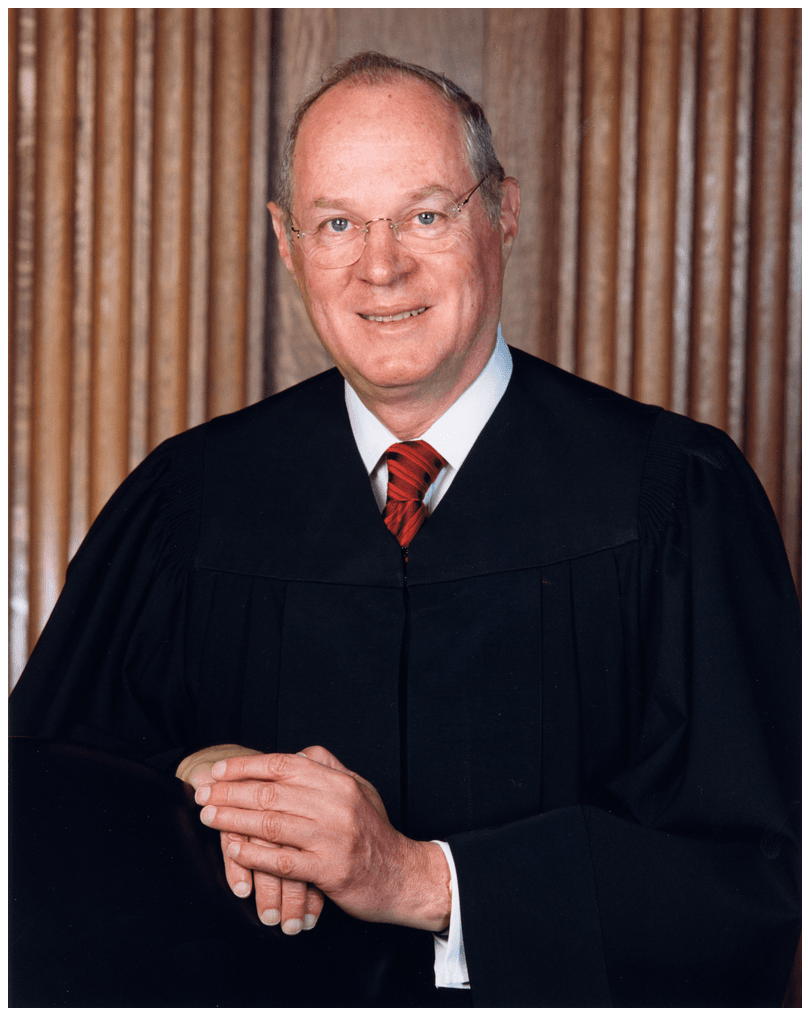 Anthony M. KennedyDirectly involved
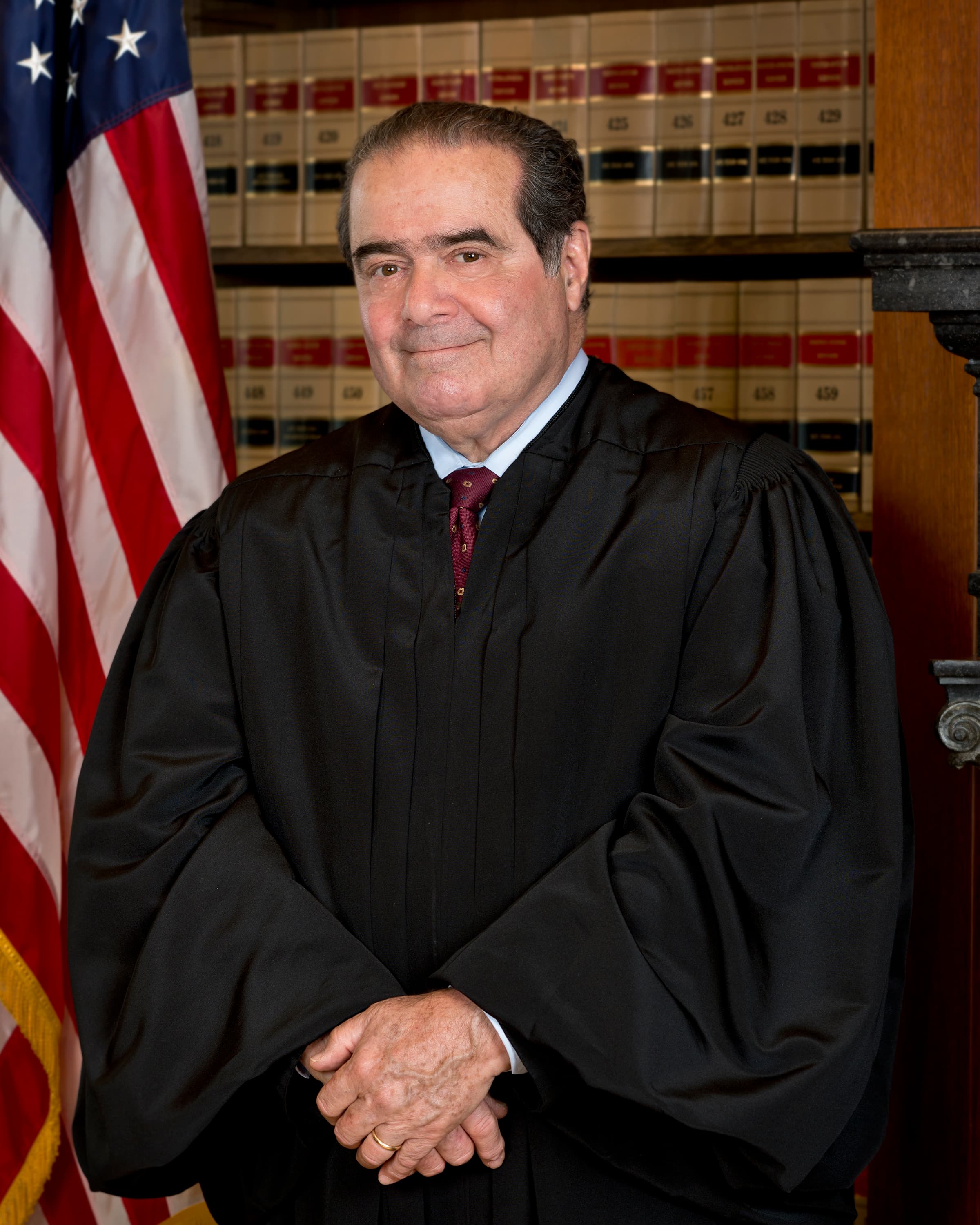 Antonin ScaliaDirectly involved
Timeline
2 timeline entries on this page. Dates: February 26, 2013 to June 3, 2013
February 2013
Supreme Court hears the DNA collection challenge
Maryland, the United States and King present opposing arguments about DNA collection during booking and the Fourth Amendment.
[01]Supreme Court of the United States
The transcript records arguments for Maryland, the United States and Alonzo King.
Maryland v. King: official oral-argument transcript · Supreme Court of the United StatesNo. 12-207
June 2013
Court upholds the Maryland procedure by 5-4
The Supreme Court holds that, after an arrest supported by probable cause for a serious offense and detention in custody, the specified cheek-swab DNA procedure is a reasonable booking search. Kennedy writes for the five-justice majority. Scalia, joined by Ginsburg, Sotomayor and Kagan, dissents.
[02]Supreme Court of the United States
The Court upheld the specified serious-offense arrestee DNA procedure by 5-4. Scalia's dissent disputes its identification rationale.
Maryland v. King: majority opinion and dissent · Supreme Court of the United States569 U.S. 435, majority pp. 439-466; dissent pp. 466-482
Response record
Responses
Choose one response filter, or select All responses to see the full record.
2 matching responses. Newest first.
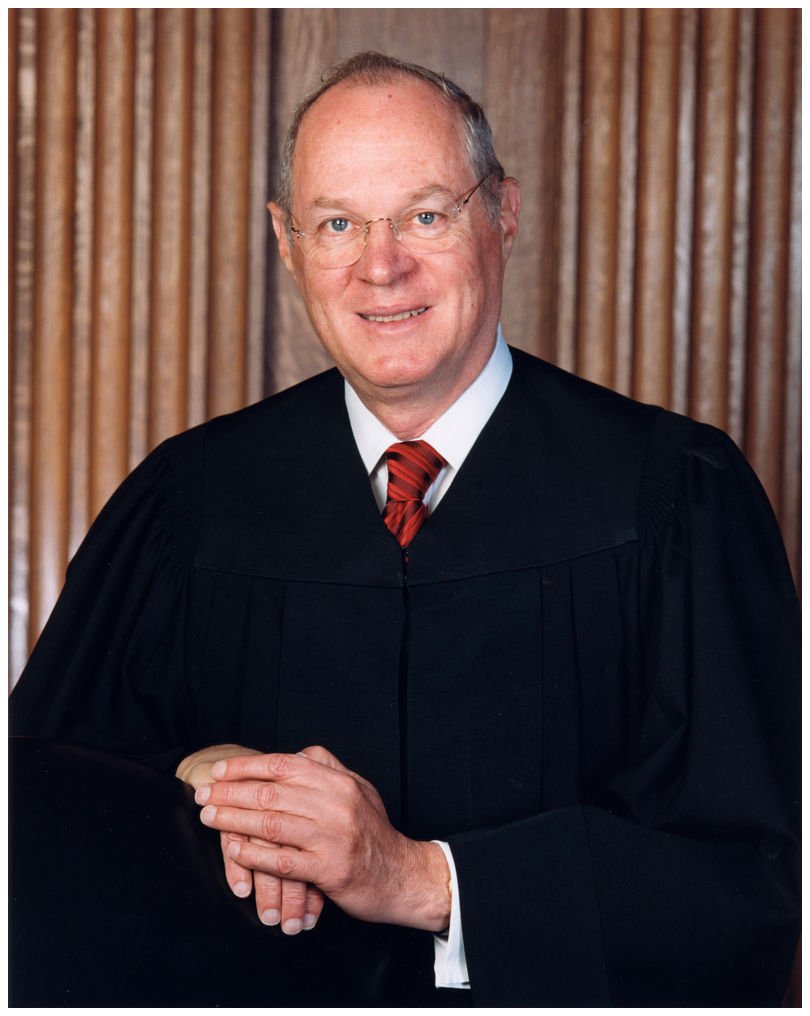 Anthony M. KennedySupreme Court justice writing the opinion of the Court, joined by Roberts, Thomas, Breyer and AlitoDirectly involved
Before this statement
The opinion balances state identification interests against the physical intrusion and privacy safeguards.
"the Court concludes that DNA identification of arrestees is a reasonable search that can be considered part of a routine booking procedure."
Defended or excusedCase context: Maryland v. King: Supreme Court upholds DNA swabs of serious-offense arrestees, 5-4
Full statement and sources
Kennedy's majority upholds the specified cheek-swab DNA procedure as a reasonable part of booking after a serious-offense arrest supported by probable cause.
After the statement
The Court reverses Maryland's judgment. Scalia and three other justices dissent.
Maryland v. King: majority opinion and dissent · Supreme Court of the United States569 U.S. 435, majority pp. 439-466; dissent pp. 466-482Why this label?
Relative to Maryland's arrestee DNA procedure, the majority expressly defends its constitutional reasonableness under the stated conditions.
This label describes the statement's response within the context above.
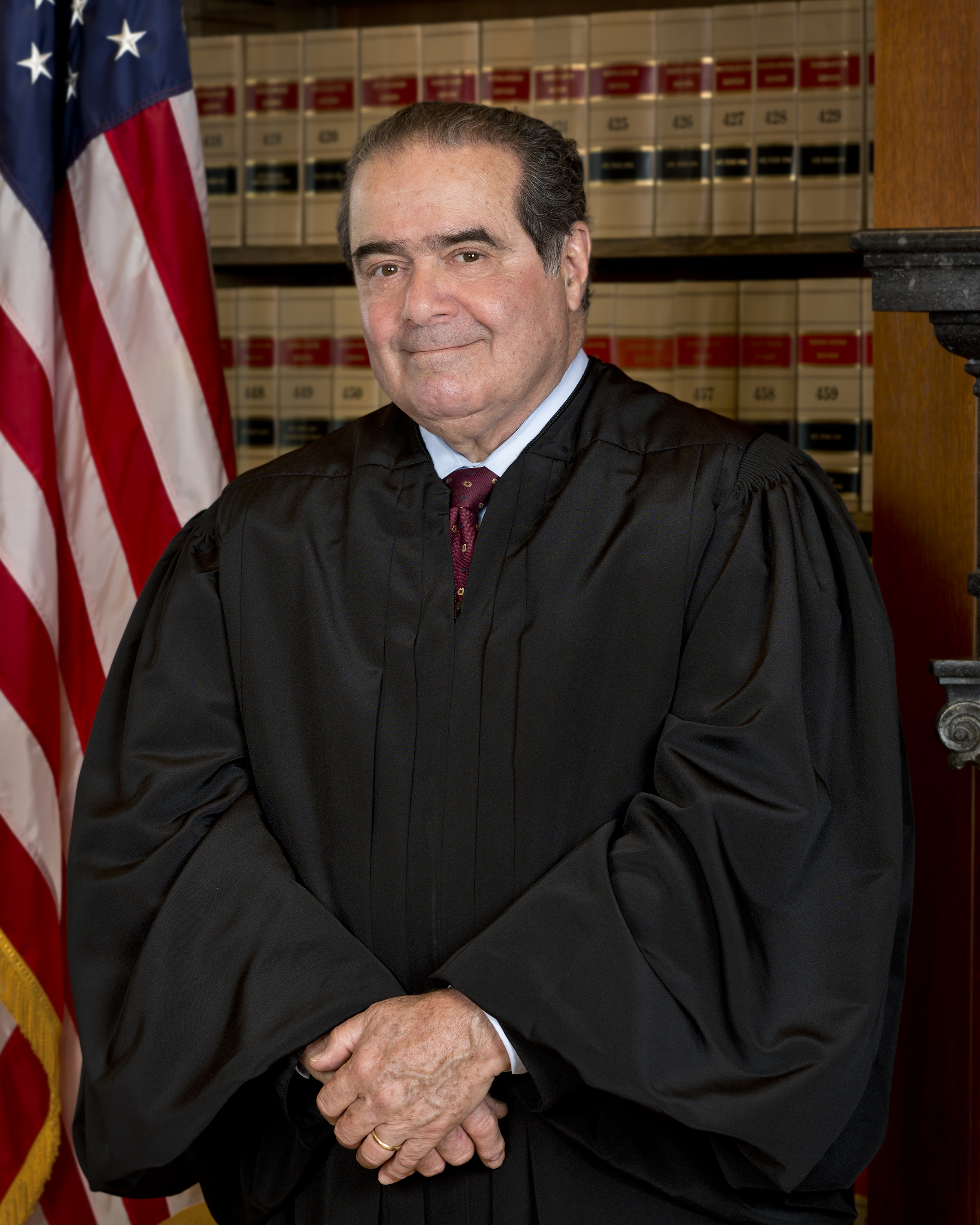 Antonin ScaliaSupreme Court justice writing a dissent joined by Ginsburg, Sotomayor and KaganDirectly involved
Before this statement
The dissent describes the delay before King's sample was tested and matched.
"The truth, known to Maryland and increasingly to the reader: this search had nothing to do with establishing King's identity."
CondemnedCase context: Maryland v. King: Supreme Court upholds DNA swabs of serious-offense arrestees, 5-4
Full statement and sources
Scalia rejects the identification rationale, arguing that the DNA search sought evidence of unrelated crimes.
After the statement
It argues that the timing, database structure and statute contradict the majority's identification account.
Maryland v. King: majority opinion and dissent · Supreme Court of the United States569 U.S. 435, majority pp. 439-466; dissent pp. 466-482Why this label?
Relative to the DNA procedure, Scalia substantively rejects the search as unconstitutional crime investigation rather than merely objecting to a label.
This label describes the statement's response within the context above.
Sources
(2)
Original text
Maryland v. King: majority opinion and dissent
Relevant passage: 569 U.S. 435, majority pp. 439-466; dissent pp. 466-482
About this source
The Court upheld the specified serious-offense arrestee DNA procedure by 5-4. Scalia's dissent disputes its identification rationale.
- Author
- Supreme Court of the United States
- Published
- Accessed
Original text
Maryland v. King: official oral-argument transcript
Relevant passage: No. 12-207
About this source
The transcript records arguments for Maryland, the United States and Alonzo King.
- Author
- Supreme Court of the United States
- Published
- Accessed
Share or embed this case
The embed keeps its attribution link to The Dispute Index. Credit the image to The Dispute Index and link to the case page.
Cite this record
- Publisher
- The Dispute Index
- Title
- Maryland v. King: Supreme Court upholds DNA swabs of serious-offense arrestees, 5-4
- First published
- Last updated
- Permalink
- https://disputeindex.com/cases/maryland-v-king-arrestee-dna-search
The Dispute Index. "Maryland v. King: Supreme Court upholds DNA swabs of serious-offense arrestees, 5-4". First published: 2026-10-30. Last updated: 2026-10-30. https://disputeindex.com/cases/maryland-v-king-arrestee-dna-search