
Would Jon Husted's Ratepayer Protection Act protect households from data-center costs?
Husted says his bill would make data centers pay their infrastructure costs. Hickenlooper criticizes its force. States would have to consider, rather than automatically adopt, the proposed standard requiring cost recovery.
Case period:
Published by The Dispute Index editorial teamPublished Updated
Overview
H.R. 9340 would add a cost-recovery standard to PURPA for covered data centers, using mandatory language about recovering incremental infrastructure costs and financial assurances. Its state implementation provisions require consideration of that standard, not automatic nationwide adoption. They set one year to start consideration and two years to decide, with exceptions for earlier state action.
Husted, Gabe Evans and Kathy Castor support the measure as a consumer safeguard. John Hickenlooper criticizes its force, while former FERC commissioner Allison Clements calls it a good but insufficient step. The House passed it 417-3 on September 16. Congress.gov lists the withdrawal of a Senate motion to proceed on September 30, rather than enactment.
Read the full background
The proposal examined here is the Ratepayer Protection Act, including whether its requirements would protect other electricity customers from data-center costs. Its sponsors argue for adopting it; critics question its adequacy. The distinction between requiring consideration of a standard and requiring its adoption matters when assessing those promises.
People in this case
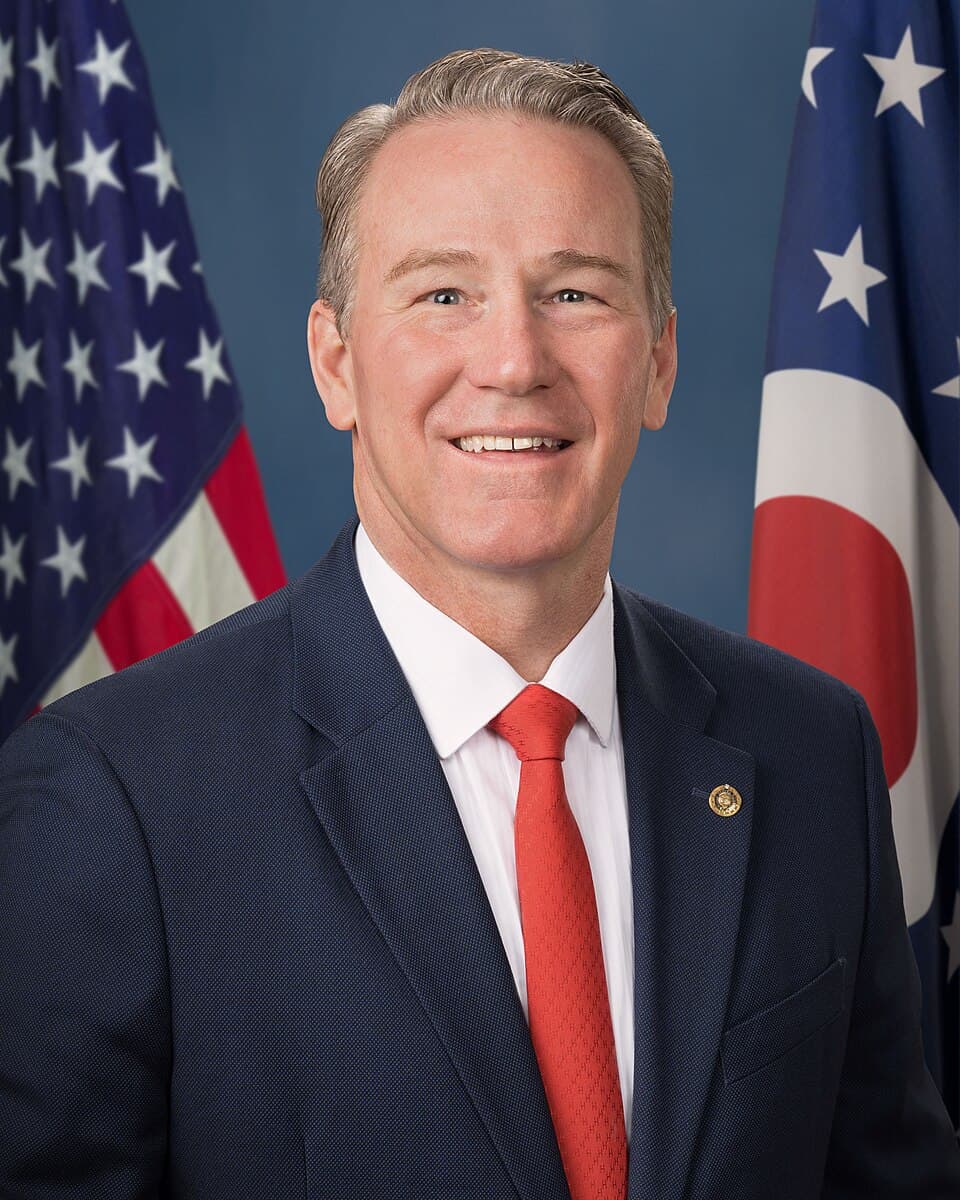 Jon HustedDirectly involved
 John HickenlooperDirectly involved
 Gabe EvansCommented
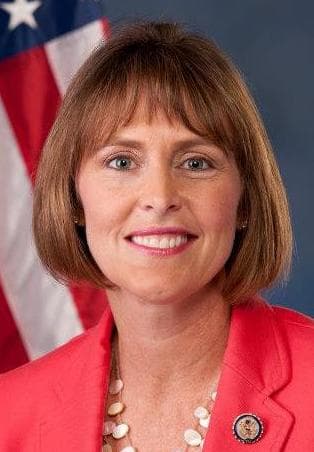 Kathy CastorCommented
Timeline
2 timeline entries on this page. Dates: September 16, 2026 to September 30, 2026
September 2026
The House passes the Ratepayer Protection Act
The House passes H.R. 9340 by 417-3. The text requires consideration of a large-load cost-recovery standard, rather than automatic nationwide adoption.
[01]H.R. 9340, Ratepayer Protection Act, Senate calendar text
The House-passed text requires consideration of a cost-recovery standard, with deadlines and exceptions for earlier state action. The page also lists legislative actions.
The Senate motion to proceed is withdrawn
Congress.gov records the withdrawal of the motion to proceed to H.R. 9340. The bill has passed the House but has not become law. Husted describes the failed effort to advance it as Democratic obstruction.
[01]H.R. 9340, Ratepayer Protection Act, Senate calendar text
The House-passed text requires consideration of a cost-recovery standard, with deadlines and exceptions for earlier state action. The page also lists legislative actions.
[02]Jon Husted
Husted's office publishes excerpts of his Senate remarks and links the video. Claims about the bill's effectiveness are his advocacy.
Claims
Claims separate what was said from what is contested. Follow each source for the original wording and context.
What's disputed
Disputed claim
Husted says the Ratepayer Protection Act would keep other electricity customers from paying infrastructure costs created by covered data centers.
What is disputed
This case concerns the bill's adequacy, not whether every data center raises household prices. Brown's attacks on Husted's earlier support for Ohio incentives concern a separate accountability question. The text's consideration requirement matters when comparing it with sponsors' promises of protection.
Sources (1)
Arguments
Documented position
Husted, Evans and Castor
A prompt for regulators to protect other customers
The sponsors argue that making regulators consider cost recovery and financial assurances would place data-center upgrade costs with the companies that create them.
Limit of this argument
The text requires consideration, not adoption, and exempts some earlier state proceedings.
Documented position
John Hickenlooper and Allison Clements, in separate interviews
A consideration requirement may fall short
Hickenlooper criticizes the measure's lack of force. Clements says it could be a good step but is insufficient and may duplicate requirements that some regulators already face.
Limit of this argument
Clements does not dismiss every benefit of the bill. Its effect would depend on how regulators respond.
Response record
Responses
Choose one response filter, or select All responses to see the full record.
5 responses. Newest first.
 Jon HustedU.S. senator from Ohio and Senate sponsorDirectly involved
Before this statement
Husted says large data-center demand should not mean higher bills for households or small businesses.
"My bill ensures that large data centers pay their fair share of electricity costs, infrastructure costs that they require, requiring them to own the responsibility for those costs rather than shifting them to other ratepayers."
Defended or excusedCase context: Would Jon Husted's Ratepayer Protection Act protect households from data-center costs?
Full statement and sources
Husted argues that his bill would keep data-center infrastructure costs from being shifted to other electricity customers.
After the statement
Husted urges the Senate to pass the House-approved bill and send it to the president. The bill's text requires states to consider the proposed cost-recovery standard rather than automatically adopt it.
Why this label?
The proposal being evaluated is the Ratepayer Protection Act. Husted argues for passing it because he says it protects other customers from data-center costs. That supplies a justification for the bill under scrutiny.
This label describes the statement's response within the context above.
 John HickenlooperU.S. senator from ColoradoDirectly involved
Before this statement
The article explains that the bill does not require adoption of the standards it requires regulators to consider.
"It’s got no teeth in it"
CondemnedCase context: Would Jon Husted's Ratepayer Protection Act protect households from data-center costs?
Full statement and sources
Hickenlooper criticizes the bill's lack of force.
After the statement
The article contrasts this criticism with Husted's claim that the bill would keep families from paying for infrastructure required by data centers.
Why this label?
His direct criticism concerns the effectiveness of the bill itself, not opposition to consumer protection.
This label describes the statement's response within the context above.
Allison ClementsFormer FERC commissioner and principal of 804 Advisory Before this statement
Clements says some requirements may duplicate duties that regulators already have.
"Is it a good step? Yes. Is it anywhere close to sufficient relative to these challenges? No"
Mixed or conditionalCase context: Would Jon Husted's Ratepayer Protection Act protect households from data-center costs?
Full statement and sources
Clements calls the bill a good step but says it is not close to sufficient for the challenges it addresses.
After the statement
The article explains that the bill requires consideration of a cost-recovery standard, rather than compulsory adoption.
Why this label?
She combines support for the measure with a substantive rejection of its adequacy on the same consumer-protection question.
This label describes the statement's response within the context above.
 Gabe EvansU.S. representative from Colorado and House sponsor
Before this statement
Evans says families and small businesses should not cover new power-generation costs driven by data centers.
"The Ratepayer Protection Act is a bipartisan, commonsense solution that protects everyday Americans and ensures our nation can continue to win the AI race"
Defended or excusedCase context: Would Jon Husted's Ratepayer Protection Act protect households from data-center costs?
Full statement and sources
Evans says the bill protects everyday Americans while helping the country compete in AI.
After the statement
The announcement says the bill would require states to consider cost-recovery standards for large electricity users. It describes those standards as a way to keep data-center infrastructure costs off other customers' bills.
Why this label?
The action being evaluated is adopting the Ratepayer Protection Act. Evans argues that it is a justified consumer safeguard and should be adopted. His support is for this proposal, rather than a separate claim or remedy.
This label describes the statement's response within the context above.
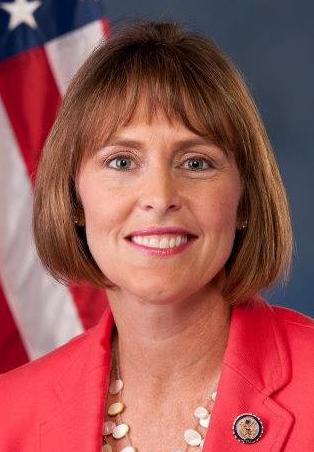 Kathy CastorU.S. representative from Florida and co-introducer of the House companion bill
Before this statement
Castor says her Florida neighbors face rising electric bills and should not subsidize wealthy corporations' growing energy demand.
"The Ratepayer Protection Act safeguards consumers by ensuring these data centers pay for the energy and grid upgrades they need so hardworking families and local businesses are not stuck paying more"
Defended or excusedCase context: Would Jon Husted's Ratepayer Protection Act protect households from data-center costs?
Full statement and sources
Castor backs the bill as a way to keep families and businesses from paying for data-center energy needs.
After the statement
The announcement describes a requirement for states to consider standards under which large electricity users would pay for their infrastructure costs.
Why this label?
Castor endorses adopting the Ratepayer Protection Act, the proposal examined in this case. She argues that it would protect families and local businesses from data-center costs. That is a defense of the proposed law's merits.
This label describes the statement's response within the context above.
Sources
(4)
Original text
H.R. 9340, Ratepayer Protection Act, Senate calendar text
About this source
The House-passed text requires consideration of a cost-recovery standard, with deadlines and exceptions for earlier state action. The page also lists legislative actions.
- Published
- Accessed
Reporting
What would Jon Husted's data center bill actually do?
About this source
Rachel Frazin reports direct interviews with Allison Clements and John Hickenlooper and compares the legislation with the protections its sponsors describe.
- Author
- Rachel Frazin
- Published
- Accessed
Official statement
Democrats block Husted's bill forcing data centers to pay their own way
About this source
Husted's office publishes excerpts of his Senate remarks and links the video. Claims about the bill's effectiveness are his advocacy.
- Author
- Office of Senator Jon Husted
- Published
- Accessed
Official statement
Husted leads bill to protect Americans from footing the bill for new data centers
About this source
The Senate sponsor's announcement includes his statement and quotations from House sponsors Gabe Evans and Kathy Castor.
- Author
- Office of Senator Jon Husted
- Published
- Accessed
Share or embed this case
The embed keeps its attribution link to The Dispute Index. Credit the image to The Dispute Index and link to the case page.
Cite this record
- Publisher
- The Dispute Index
- Title
- Would Jon Husted's Ratepayer Protection Act protect households from data-center costs?
- First published
- Last updated
- Permalink
- https://disputeindex.com/cases/jon-husted-ratepayer-protection-act-data-center-costs
The Dispute Index. "Would Jon Husted's Ratepayer Protection Act protect households from data-center costs?". First published: 2026-10-19. Last updated: 2026-10-19. https://disputeindex.com/cases/jon-husted-ratepayer-protection-act-data-center-costs