
Google v. Oracle: Breyer and Thomas split over Java API fair use
Stephen Breyer's majority treated Google's particular reuse of Java API declaring code as fair use. Clarence Thomas dissented, arguing it undermined copyright protection and Oracle's market. Oracle also publicly criticized the ruling.
Case period:
Published by The Dispute Index editorial teamPublished Updated
Overview
The Supreme Court held in 2021 that Google's particular copying of Java API declaring code was fair use. Justice Stephen Breyer emphasized programmers' skills and a new computing environment. Justice Clarence Thomas argued that the copying displaced Oracle's licensing market.
Read the full background
The April 5, 2021 opinion (opens in a new tab) holds that the copying at issue was fair use, assuming copyrightability for purposes of the analysis. The Court ruled 6-2; Justice Barrett did not participate.
Breyer's majority emphasizes the function of the declaring code, programmers' acquired skills and use in a new computing environment. Thomas, joined by Alito, argues that the copying harmed Oracle's licensing opportunities and that the majority weakened protection for computer code.
Oracle's statement (opens in a new tab) criticizes the competition effects. The ruling does not decide that all APIs lack copyright protection or resolve whether copying creative works to train AI is fair use.
People in this case
 Stephen BreyerDirectly involved
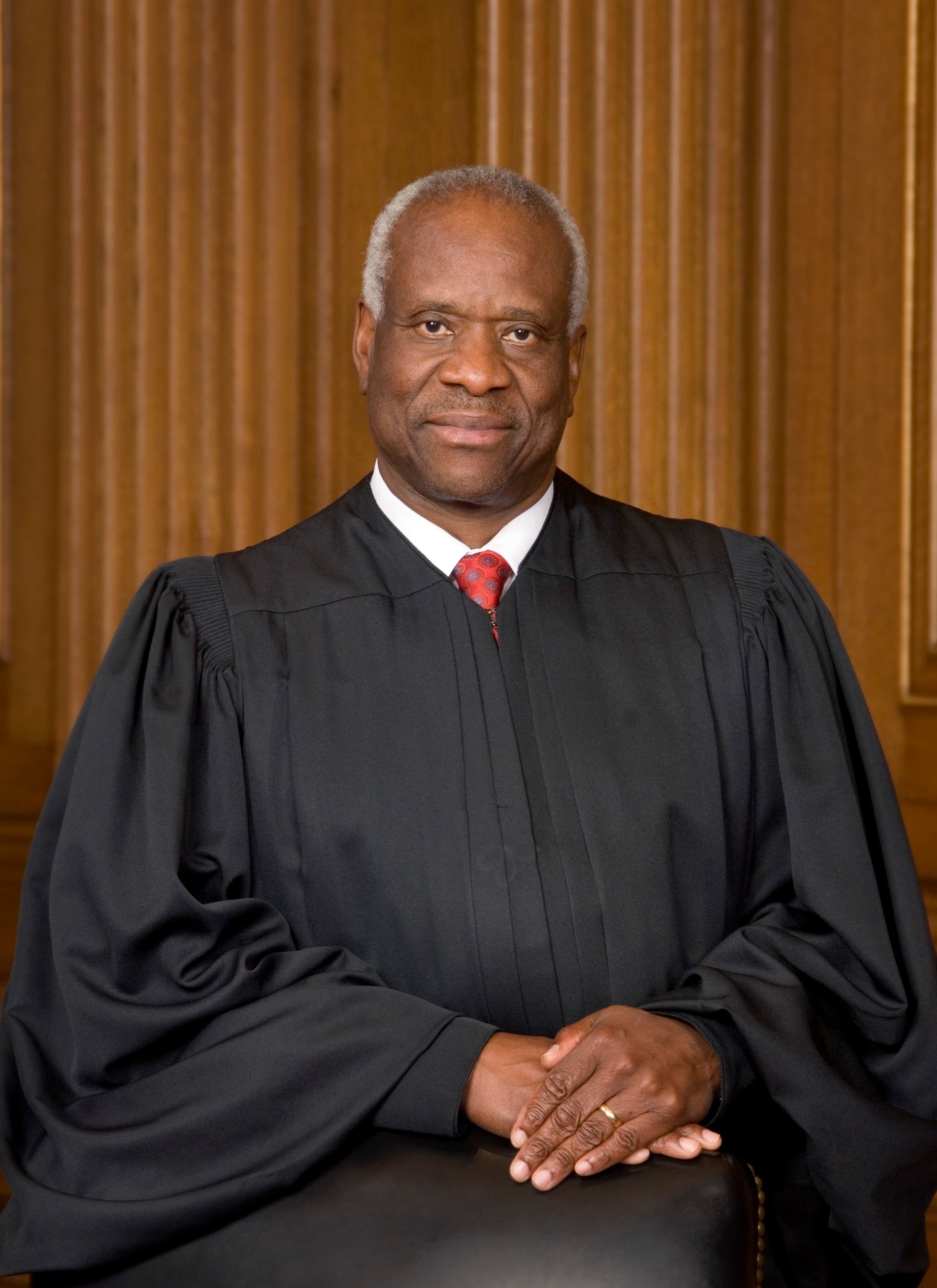 Clarence ThomasDirectly involved
Timeline
1 timeline entry on this page. Dates: April 5, 2021
April 2021
Supreme Court holds the particular copying was fair use
Source release
The Court rules 6-2 for Google on fair use. Breyer writes for the majority; Thomas dissents with Alito. Copyrightability is assumed for the analysis.
[01]Google LLC v. Oracle America: Supreme Court majority and dissent
The Court assumes copyrightability for purposes of its analysis and holds that the particular copying was fair use. Thomas, joined by Alito, dissents.
Google LLC v. Oracle America: Supreme Court majority and dissentNo. 18-956; majority opening and conclusion; Thomas dissent pages 1-2 and 18-19
Response record
Responses
Choose one response filter, or select All responses to see the full record.
3 matching responses. Newest first.
 Stephen BreyerAssociate justice writing the Supreme Court majority opinionDirectly involved
Before this statement
The Court assumes copyrightability rather than resolving that separate question.
"Google’s copying did not violate the copyright law."
Defended or excusedCase context: Google v. Oracle: Breyer and Thomas split over Java API fair use
Full statement and sources
Breyer's majority concludes that the particular copying was fair use, with emphasis on the code's function and its use by programmers in a new computing environment.
After the statement
The analysis concerns the specific copying and context before the Court.
Google LLC v. Oracle America: Supreme Court majority and dissentNo. 18-956; majority opening and conclusion; Thomas dissent pages 1-2 and 18-19Why this label?
The reference is Google's copying of Java API declaring code for Android. The majority expressly justifies that use under copyright's fair-use doctrine.
This label describes the statement's response within the context above.
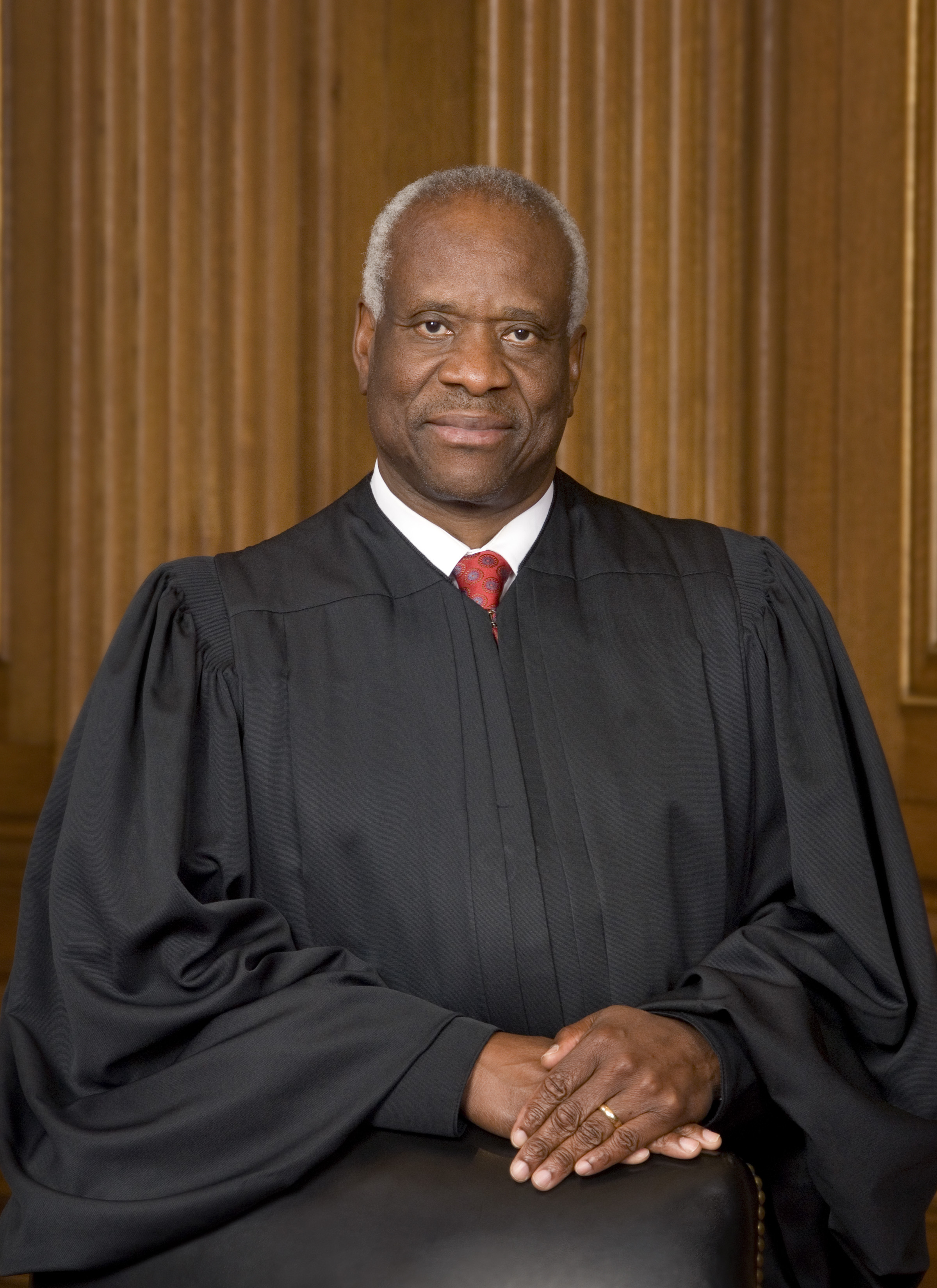 Clarence ThomasAssociate justice writing a dissent, joined by Justice AlitoDirectly involved
Before this statement
The dissent criticizes the majority for assuming copyrightability while conducting its fair-use analysis.
"Google’s use of that copyrighted code was anything but fair."
CondemnedCase context: Google v. Oracle: Breyer and Thomas split over Java API fair use
Full statement and sources
Thomas, joined by Alito, argues that the code is copyrightable and that Google's copying was not fair use.
After the statement
Thomas concludes that three of the four statutory fair-use factors weigh against Google.
Google LLC v. Oracle America: Supreme Court majority and dissentNo. 18-956; majority opening and conclusion; Thomas dissent pages 1-2 and 18-19Why this label?
The reference is Google's copying. Thomas expressly rejects the justification and argues that the copying harmed the rights holder's market.
This label describes the statement's response within the context above.
 OracleOracle, through executive vice president and general counsel Dorian DaleyDirectly involved
Before this statement
Daley says Google's platform and market power have grown.
"They stole Java and spent a decade litigating as only a monopolist can."
CondemnedCase context: Google v. Oracle: Breyer and Thomas split over Java API fair use
Full statement and sources
Oracle's general counsel Dorian Daley says Google stole Java and spent a decade litigating as only a monopolist can. Daley argues that the ruling increases Google's market power and barriers to competition.
After the statement
The statement calls attention to scrutiny of Google's business practices by regulators.
Oracle statement on the Supreme Court's Google decisionStatement by Dorian DaleyWhy this label?
The reference is Google's copying for Android. Oracle directly condemns that conduct and disputes the consequences of excusing it.
This label describes the statement's response within the context above.
Sources
(2)
Original text
Google LLC v. Oracle America: Supreme Court majority and dissent
Relevant passage: No. 18-956; majority opening and conclusion; Thomas dissent pages 1-2 and 18-19
About this source
The Court assumes copyrightability for purposes of its analysis and holds that the particular copying was fair use. Thomas, joined by Alito, dissents.
- Author
- Supreme Court of the United States
- Published
- Accessed
Official statement
Oracle statement on the Supreme Court's Google decision
Relevant passage: Statement by Dorian Daley
About this source
Oracle's general counsel criticizes the outcome and its effects on competition.
- Author
- Dorian Daley
- Published
- Accessed
Share or embed this case
The embed keeps its attribution link to The Dispute Index. Credit the image to The Dispute Index and link to the case page.
Cite this record
- Publisher
- The Dispute Index
- Title
- Google v. Oracle: Breyer and Thomas split over Java API fair use
- First published
- Last updated
- Permalink
- https://disputeindex.com/cases/google-oracle-java-api-fair-use-breyer-thomas
The Dispute Index. "Google v. Oracle: Breyer and Thomas split over Java API fair use". First published: 2026-10-26. Last updated: 2026-10-26. https://disputeindex.com/cases/google-oracle-java-api-fair-use-breyer-thomas