All topics

Copyright

Disputes over the ownership, copying, licensing and legal protection of creative and technical works.

Published coverage on this page: 2 cases · 5 statements. Statements are ordered newest first.

Topic updates

Follow this topic

Get free email updates about Copyright. We will email you when we add or correct a case in this topic.

Enable JavaScript to request email updates about this topic.

We will send a confirmation email first. Every update email has a link to stop. How we handle your email.

Related cases

Statements

Filter by response label

Labels describe a response to the linked claim or the action explained in the statement summary. Choose one or more.

5 matching statements

Logo of Anthropic

Anthropic

Role at the time: Anthropic, through a company representative

Challenged the characterization

Statement summary

Anthropic tells Pitchfork that it disagrees with the claims and intends to defend the case.

“We disagree with the claims and intend to defend this case fully.”
Open source (opens in a new tab)Elvis Presley Catalog Owners Sue AI Company Anthropic for Copyright InfringementAnthropic representative's response to Pitchfork

What this label refers to

The reference is alleged infringement involving the plaintiffs' compositions. Anthropic rejects the legal claims without specifying which copying, training or output allegations it denies.

ABG EPE IP LLC

Role at the time: Plaintiff and music-rights owner

Condemned

Statement summary

ABG EPE IP LLC joins six other plaintiffs in seeking relief for alleged copying and use of compositions they own or control.

“Action: Filed a complaint against Anthropic alleging copyright infringement involving 274 compositions and Claude outputs.”
Read the original text (opens in a new tab)ABG EPE IP LLC et al. v. Anthropic: Complaint for Direct Copyright Infringement, Circumvention of Protection Measures, and Removal or Alteration of CMINo. 5:26-cv-12473; complaint paragraphs 1-4 and claims for relief

What this label refers to

The reference is Anthropic's alleged copying and use of the plaintiffs' works. Filing this complaint expressly challenges that conduct.

Logo of Oracle

Oracle

Role at the time: Oracle, through executive vice president and general counsel Dorian Daley

Condemned

Statement summary

Oracle's general counsel Dorian Daley says Google stole Java and spent a decade litigating as only a monopolist can. Daley argues that the ruling increases Google's market power and barriers to competition.

“They stole Java and spent a decade litigating as only a monopolist can.”
Read the official statement (opens in a new tab)Oracle statement on the Supreme Court's Google decisionStatement by Dorian Daley

What this label refers to

The reference is Google's copying for Android. Oracle directly condemns that conduct and disputes the consequences of excusing it.

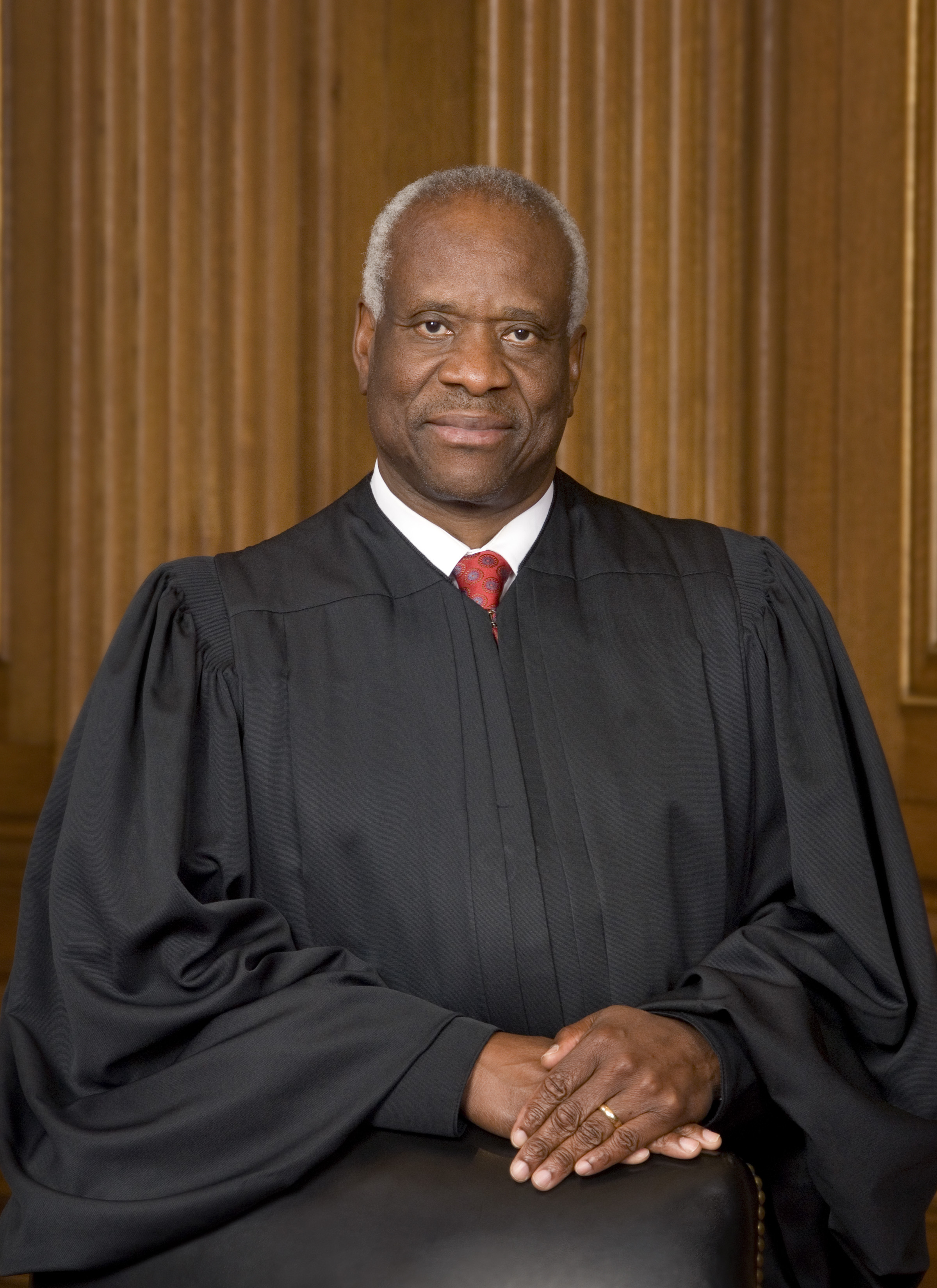
Portrait of Clarence Thomas

Clarence Thomas

Role at the time: Associate justice writing a dissent, joined by Justice Alito

Condemned

Statement summary

Thomas, joined by Alito, argues that the code is copyrightable and that Google's copying was not fair use.

“Google’s use of that copyrighted code was anything but fair.”
Read the original text (opens in a new tab)Google LLC v. Oracle America: Supreme Court majority and dissentNo. 18-956; majority opening and conclusion; Thomas dissent pages 1-2 and 18-19

What this label refers to

The reference is Google's copying. Thomas expressly rejects the justification and argues that the copying harmed the rights holder's market.

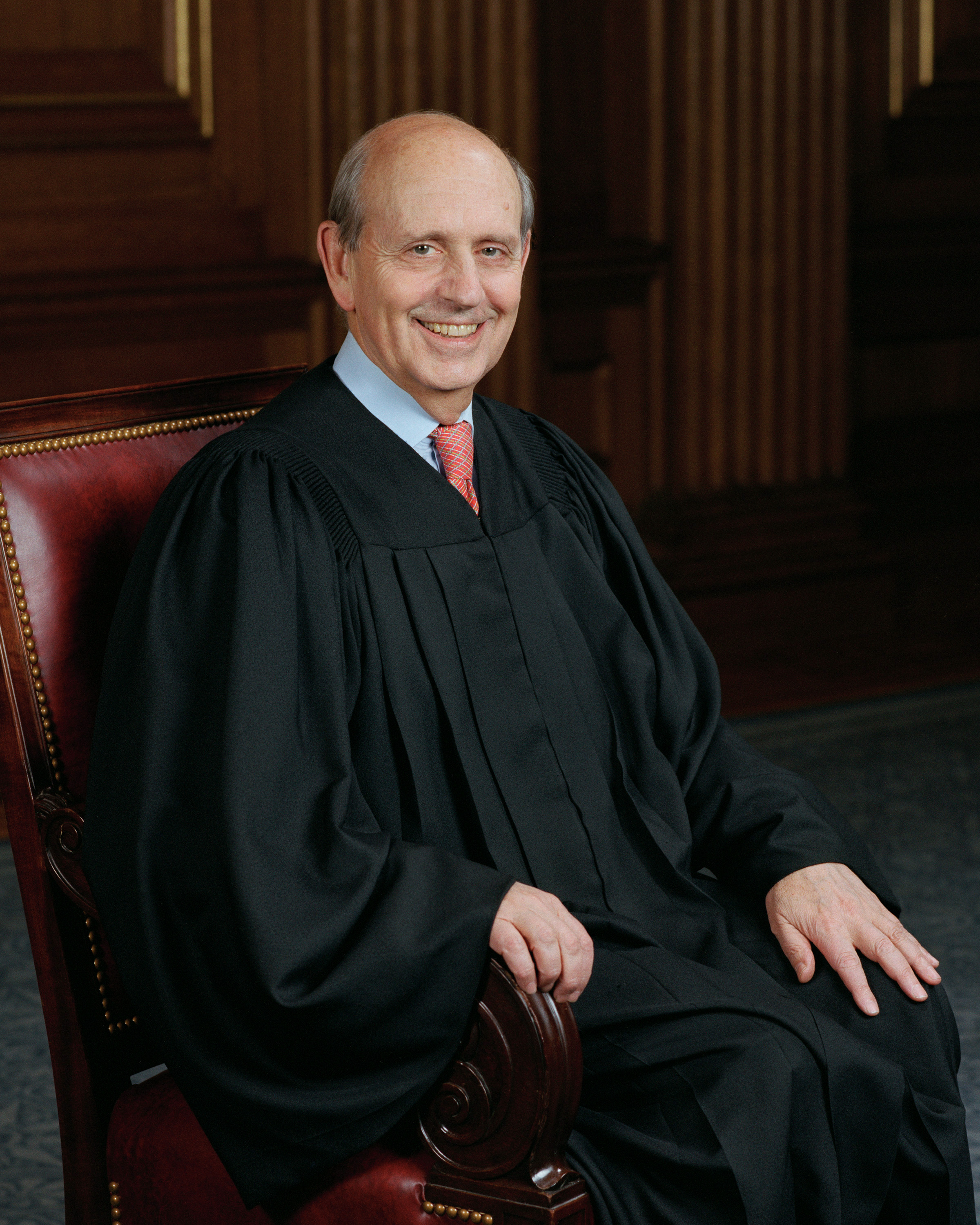
Portrait of Stephen Breyer

Stephen Breyer

Role at the time: Associate justice writing the Supreme Court majority opinion

Defended or excused

Statement summary

Breyer's majority concludes that the particular copying was fair use, with emphasis on the code's function and its use by programmers in a new computing environment.

“Google’s copying did not violate the copyright law.”
Read the original text (opens in a new tab)Google LLC v. Oracle America: Supreme Court majority and dissentNo. 18-956; majority opening and conclusion; Thomas dissent pages 1-2 and 18-19

What this label refers to

The reference is Google's copying of Java API declaring code for Android. The majority expressly justifies that use under copyright's fair-use doctrine.

People in this topic

Stephen Breyer

Stephen Breyer is an American jurist who served as an associate justice of the United States Supreme Court from 1994 to 2022.

1 case and 1 statement

Clarence Thomas

Clarence Thomas is an associate justice of the Supreme Court of the United States.

1 case and 1 statement