
Warhol's Prince image: Sotomayor and Kagan split over fair use
Sotomayor's Supreme Court majority and Kagan's dissent disagree over the first fair-use factor for the Foundation's 2016 magazine license of Orange Prince. Their arguments concern that commercial use, rather than every use of Warhol's artwork.
Case period:
Published by The Dispute Index editorial teamPublished Updated
Overview
This case examines the Foundation's first-factor fair-use defense for its 2016 commercial Orange Prince magazine license.
The May 18, 2023 decision concerns a particular license to Conde Nast, not every creation, display or sale of the Prince Series. The majority emphasizes the similar commercial magazine purpose. Kagan, joined by Chief Justice John Roberts, argues that the transformation of Goldsmith's photograph should carry greater weight under the first factor.
The Court was deciding that factor, not issuing a rule that all borrowing in art infringes. Neil Gorsuch's concurrence, joined by Ketanji Brown Jackson, also emphasizes the particular use under review.
People in this case
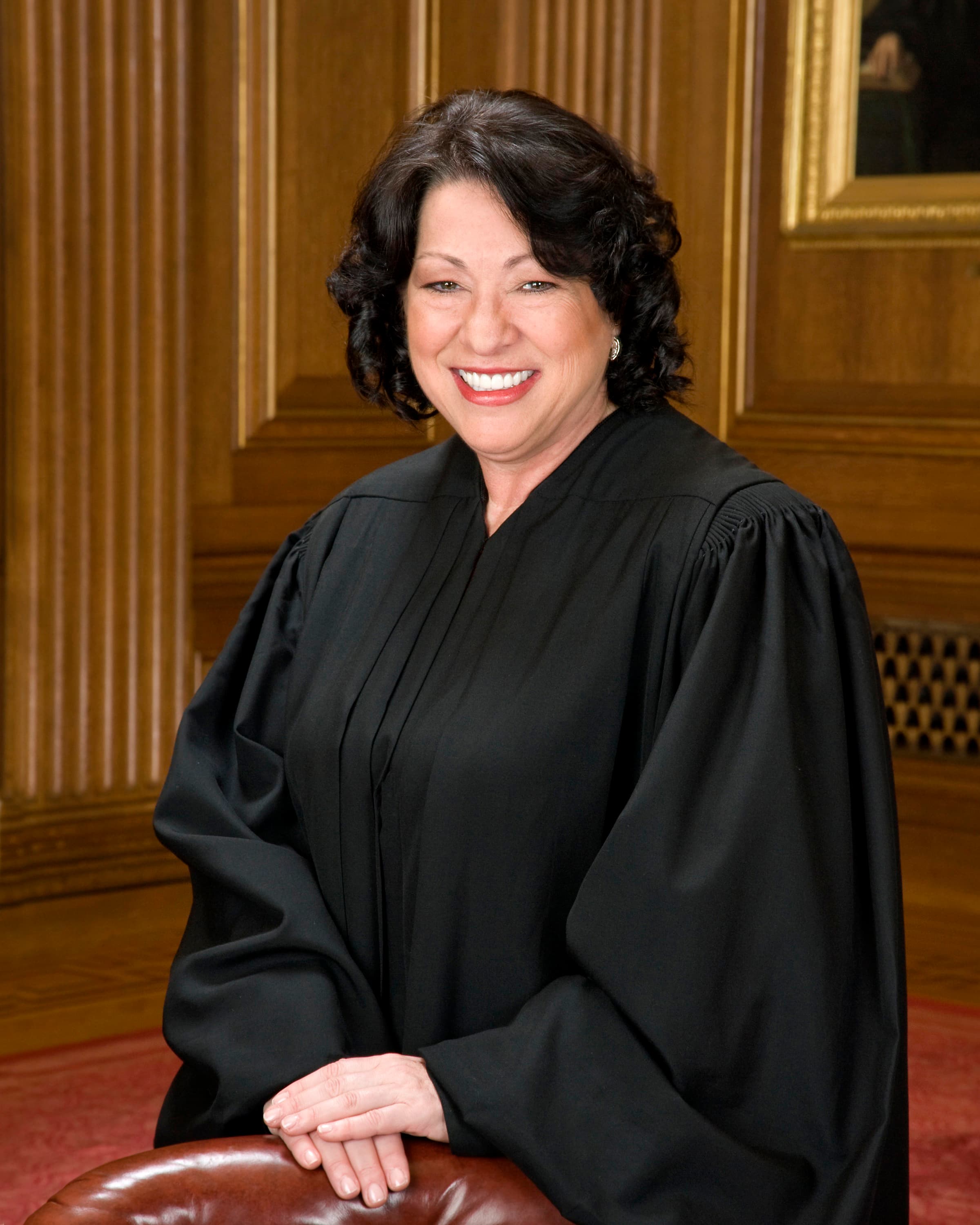 Sonia SotomayorCommented
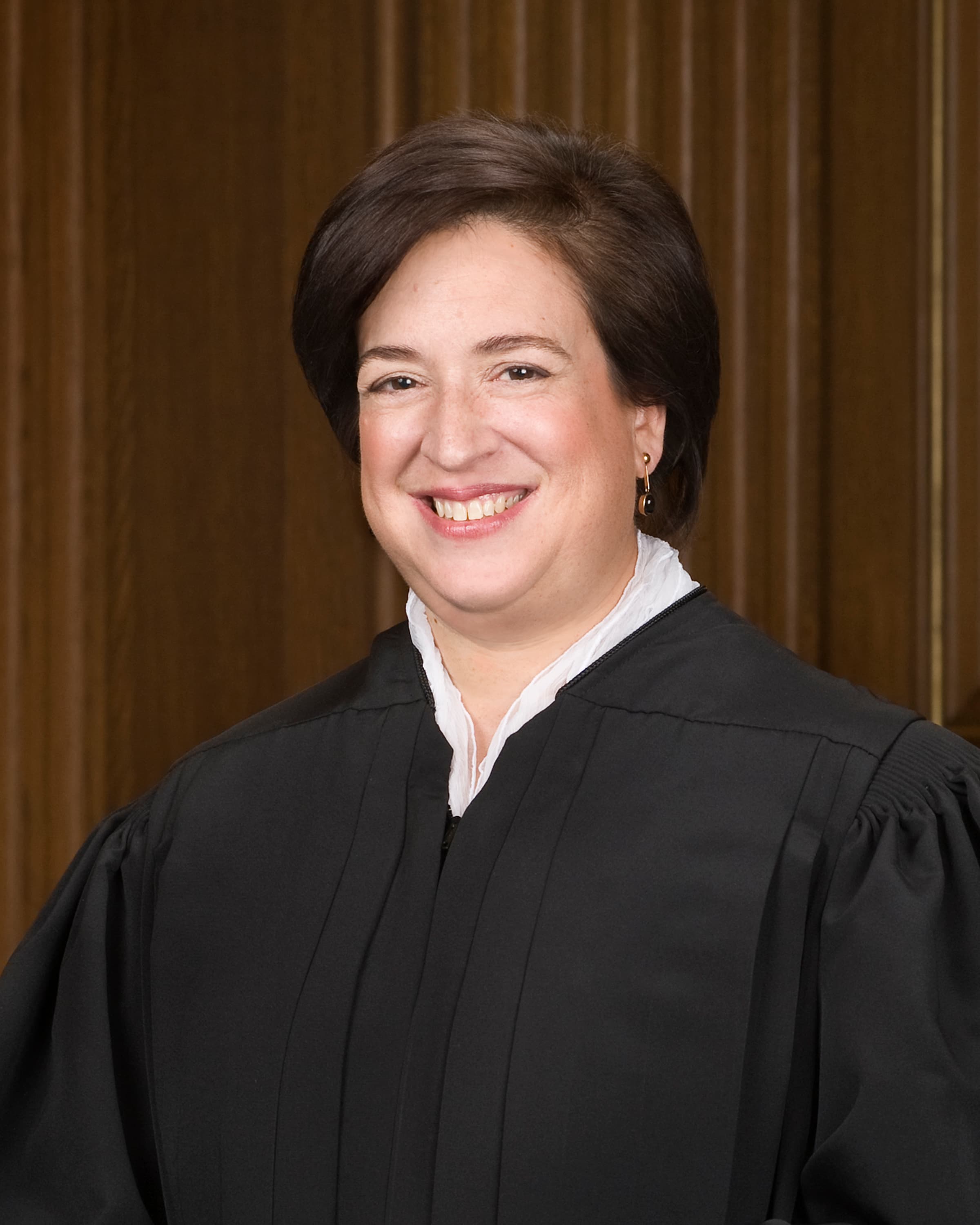 Elena KaganCommented
Timeline
1 timeline entry on this page. Dates: May 18, 2023
May 2023
The Supreme Court rules on the magazine license's first fair-use factor
The Court rules 7-2 against the Foundation on that factor for the particular commercial license.
[01]Supreme Court of the United States
The Court considers the first fair-use factor for the Foundation's 2016 commercial magazine license, rather than every use of the Prince Series.
Supreme Court opinions in Andy Warhol Foundation v. Goldsmith · Supreme Court of the United StatesMajority pages 12-38; Kagan dissent; Gorsuch concurrence
Response record
Responses
Choose one response filter, or select All responses to see the full record.
2 responses. Newest first.
 Sonia SotomayorAssociate justice writing the Supreme Court's majority opinion
Before this statement
Her majority opinion distinguishes new expression from the purpose of the particular use.
"Even though Orange Prince adds new expression to Goldsmith’s photograph, as the District Court found, this Court agrees with the Court of Appeals that, in the context of the challenged use, the first fair use factor still favors Goldsmith."
CondemnedCase context: Warhol's Prince image: Sotomayor and Kagan split over fair use
Full statement and sources
Sotomayor rejects the Foundation's first-factor fair-use argument for this license.
After the statement
The opinion considers the similar commercial purpose of the two magazine uses.
Supreme Court opinions in Andy Warhol Foundation v. Goldsmith · Supreme Court of the United StatesMajority pages 12-38; Kagan dissent; Gorsuch concurrenceWhy this label?
The case concerns the Foundation's 2016 commercial magazine license of Orange Prince and its first-factor fair-use defense. Sotomayor rejects the Foundation's first-factor fair-use argument for this license.
This label describes the statement's response within the context above.
 Elena KaganAssociate justice writing in dissent
Before this statement
Kagan acknowledges that Warhol's use had a commercial aspect.
"But the “purpose and character of [Warhol’s] use” of the copyrighted work—what he did to the Goldsmith photo, in service of what objects—counts powerfully in his favor. He started with an old photo, but he created a new new thing."
Defended or excusedCase context: Warhol's Prince image: Sotomayor and Kagan split over fair use
Full statement and sources
Kagan argues that Warhol's use of Goldsmith's photo counts powerfully in his favor under the purpose-and-character inquiry.
After the statement
The dissent next criticizes the majority's view of the images.
Supreme Court opinions in Andy Warhol Foundation v. Goldsmith · Supreme Court of the United StatesMajority pages 12-38; Kagan dissent; Gorsuch concurrenceWhy this label?
The conduct under scrutiny is the Foundation's 2016 Orange Prince magazine license and its first-factor fair-use defense. Kagan supports that defense by arguing that significant transformation should favor the copier under the first factor.
This label describes the statement's response within the context above.
Sources
(1)
Original text
Supreme Court opinions in Andy Warhol Foundation v. Goldsmith
Relevant passage: Majority pages 12-38; Kagan dissent; Gorsuch concurrence
About this source
The Court considers the first fair-use factor for the Foundation's 2016 commercial magazine license, rather than every use of the Prince Series.
- Published
- Accessed
Share or embed this case
The embed keeps its attribution link to The Dispute Index. Credit the image to The Dispute Index and link to the case page.
Cite this record
- Publisher
- The Dispute Index
- Title
- Warhol's Prince image: Sotomayor and Kagan split over fair use
- First published
- Last updated
- Permalink
- https://disputeindex.com/cases/warhol-goldsmith-orange-prince-magazine-license-fair-use
The Dispute Index. "Warhol's Prince image: Sotomayor and Kagan split over fair use". First published: 2026-10-25. Last updated: 2026-10-25. https://disputeindex.com/cases/warhol-goldsmith-orange-prince-magazine-license-fair-use