
Florida designates CAIR a domestic terrorist organization; CAIR challenges the label.
Florida defends its statutory terrorist designation of CAIR, citing conduct and administrative safeguards. CAIR denies the allegations and is appealing a November 4 ruling that left the designation in place, apart from a narrow bar on enforcement over legal services.
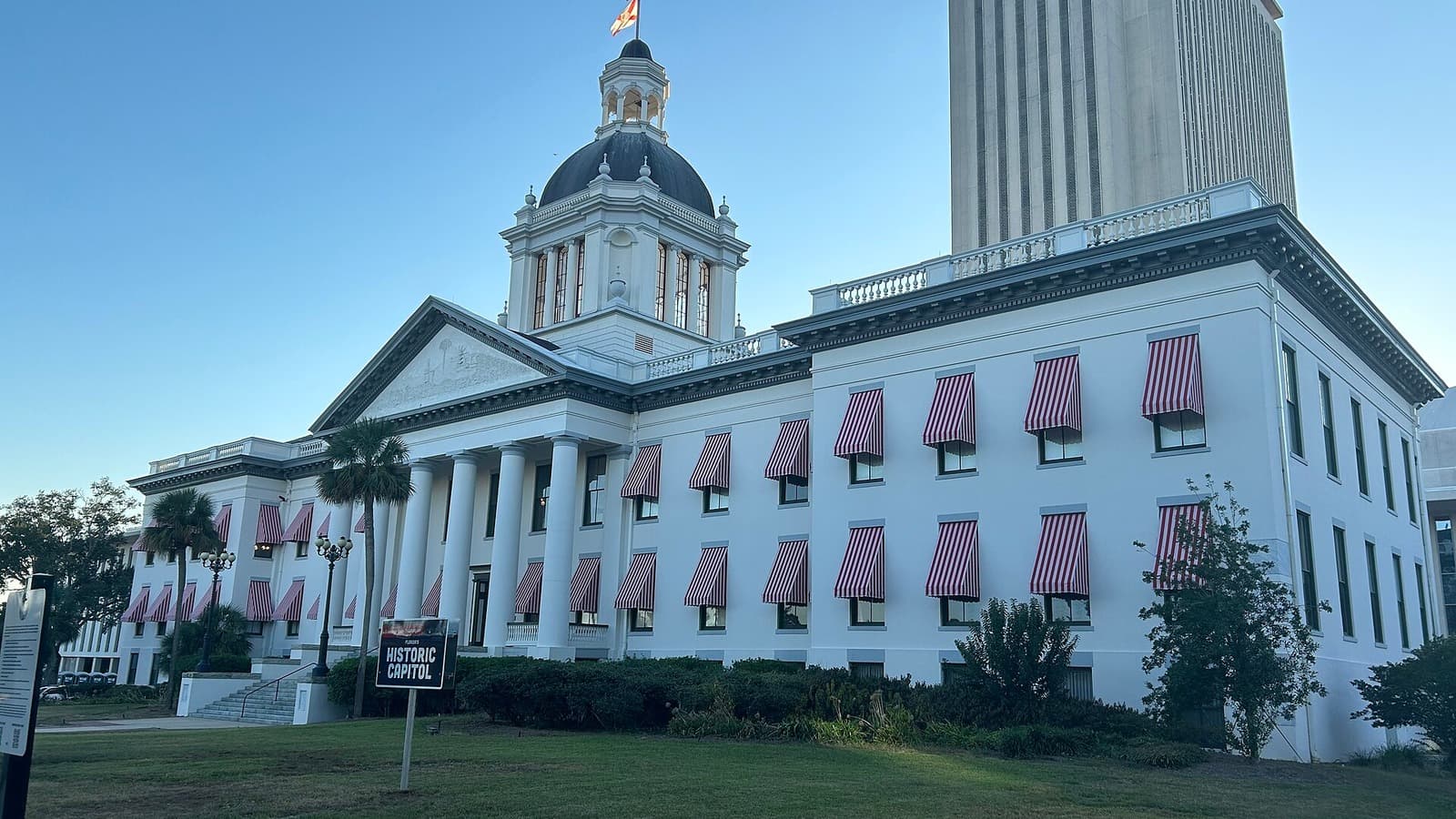
Case period:
Published by The Dispute Index editorial teamPublished Updated
Overview
Florida's governor and Cabinet approved the designation of CAIR, including CAIR-Florida, as a domestic terrorist organization on September 29, 2026. An October 6 notice set the designation to take effect 30 days after publication, on November 5. The groups challenge the statutory designation under the First and Fourteenth Amendments and as preempted by federal law.
FDLE's notice cites historical Holy Land Foundation materials, foreign designations and Senate testimony. It asserts that CAIR, including its Florida chapter, engages in terrorist activity and poses an ongoing threat. CAIR's September 25 written objection disputes those assertions and the adequacy of the process. The state's defendants defend the designation as an administrative measure targeting conduct. CAIR and CAIR-Florida's October 16 reply and sworn declarations deny terrorist activity and challenge the state's arguments.
On October 6, Judge Mark Walker denied an immediate temporary restraining order because the November 5 effective date left time to hear both sides. After the case was reassigned, Chief Judge Allen Winsor heard the preliminary-injunction request on October 28. On November 4 he declined to order the designations removed, finding the groups unlikely to succeed on most claims, including their due process and prior-restraint claims. He wrote that whether the groups are in fact terrorist organizations was not the question at that stage. He barred the Attorney General and State Attorneys from enforcing the material-support law over legal services provided to the groups, whether against the groups and their employees or against the people providing those services. That bar required a $1,000 bond, and the groups' counsel filed notice of it on November 6.
The designations took effect on November 5. That day the groups filed a notice of appeal to the Eleventh Circuit, and their counsel said CAIR and CAIR-Florida were shutting down advocacy and operations in Florida.
Read the full background
The official FDLE Cabinet packet (opens in a new tab) contains the seven-page CAIR notice at PDF pages 10-16 and the September 25 objection at pages 255-260. The objection incorporates earlier litigation materials, including Jason Blazakis's May 29 and June 26 expert reports from the executive-order case, 4:25-cv-00516. The current statutory challenge is case 4:26-cv-00521 in the U.S. District Court for the Northern District of Florida.
People in this case
 Ron DeSantisDirectly involved
Timeline
10 timeline entries on this page. Dates: September 29, 2026 to November 5, 2026
September 2026
Governor and Cabinet approve statutory CAIR designation.
The subsequent official notice records approval of CAIR's designation under section 943.03102 of Florida law. The complaint and the state's opposition describe CAIR-Florida as also designated.
[01]Florida publishes notice of CAIR domestic terrorist designation
The notice records September 29 approval and an effective date 30 days after publication.
Florida publishes notice of CAIR domestic terrorist designationFlorida Administrative Register, Volume 52, Number 194, p. 4406[02]Florida defendants oppose CAIR preliminary injunction
The defendants argue that the designation is administrative, targets conduct and supplies adequate process. Assertions about terrorism are contested litigation claims.
Florida defendants oppose CAIR preliminary injunctionDocument 55, introduction and arguments on due process and the First Amendment[03]CAIR and CAIR-Florida challenge statutory designation
The complaint challenges the September statutory designations. The allegations and legal theories are the plaintiffs' positions.
CAIR and CAIR-Florida challenge statutory designationCase 4:26-cv-00521, complaint
October 2026
CAIR files post-designation constitutional challenge.
Claim
CAIR and its Florida chapter challenge the designations in a new federal action.
[03]CAIR and CAIR-Florida challenge statutory designation
The complaint challenges the September statutory designations. The allegations and legal theories are the plaintiffs' positions.
CAIR and CAIR-Florida challenge statutory designationCase 4:26-cv-00521, complaintFlorida publishes notice with 30-day effective period.
Source release
The Administrative Register notice says the designation becomes effective 30 days after publication.
[01]Florida publishes notice of CAIR domestic terrorist designation
The notice records September 29 approval and an effective date 30 days after publication.
Florida publishes notice of CAIR domestic terrorist designationFlorida Administrative Register, Volume 52, Number 194, p. 4406Court denies immediate TRO and reserves preliminary-injunction request.
Judge Mark Walker declines to act before hearing Florida's defendants because the designations will not take effect until November 5. His order retains the request for a preliminary injunction for briefing and a hearing.
[04]Court denies immediate TRO while retaining CAIR preliminary-injunction request
The court found no need to act before hearing the defendants because the designations would not take effect until November 5. It reserved the preliminary-injunction request for further proceedings.
Court denies immediate TRO while retaining CAIR preliminary-injunction requestDocument 28, two-page October 6 order signed by Judge Mark E. Walker.Florida defendants file designation notice and evidence appendix.
Source release
The defendants submit a 307-page appendix with FDLE's seven-page CAIR notice and supporting materials. Attorney Jessica Craine's declaration identifies the historical trial exhibits and other documents.
[05]Jessica Craine identifies exhibits submitted by Florida defendants
Defense counsel identifies the notice and supporting documents attached to the defendants' opposition.
Jessica Craine identifies exhibits submitted by Florida defendantsCase 4:26-cv-00521, Document 55-1, seven-page declaration.[06]Florida defendants submit notice and supporting evidence in CAIR case
The appendix contains FDLE's notice, historical trial materials, designation records and Senate hearing materials relied on by Florida's defendants.
Florida defendants submit notice and supporting evidence in CAIR caseDocument 55-2, 307 PDF pages; Exhibit 1 at App.001-008, with remaining numbered exhibits and subexhibits listed in the table of contents.CAIR and CAIR-Florida file reply and sworn denials.
Reaction
The plaintiffs argue that the designation violates due process and the First Amendment. Edward Mitchell and Wilfredo Ruiz submit sworn denials of terrorist activity or activity directed by or coordinated with Hamas or the Muslim Brotherhood. Counsel also submits John Kerry's 2015 letter rejecting the UAE's designation of CAIR.
[07]CAIR and CAIR-Florida reply to Florida defendants on preliminary relief
The plaintiffs deny terrorist activity, dispute the state's evidentiary and constitutional arguments, and seek removal of the designations.
CAIR and CAIR-Florida reply to Florida defendants on preliminary reliefCase 4:26-cv-00521-AW-MAF, Document 60, 29 PDF pages; introduction and due-process and First Amendment arguments.[08]Edward Mitchell submits sworn denial of terrorist activity
CAIR's national deputy director denies terrorist activity and activity directed by or coordinated with Hamas or the Muslim Brotherhood.
Edward Mitchell submits sworn denial of terrorist activityDocument 60-1, paragraph 2 and signature on PDF p. 2.[09]Wilfredo Ruiz submits CAIR-Florida denial and account of canceled event
CAIR-Florida's communications director denies terrorist activity and describes consequences he attributes to the designation.
Wilfredo Ruiz submits CAIR-Florida denial and account of canceled eventDocument 60-2, paragraphs 2-4 and October 16 signature.[10]Charles Hogle submits John Kerry's 2015 letter on UAE designation
Hogle submits a historical letter in which then-Secretary of State John Kerry rejected CAIR's inclusion on the UAE's terrorist list.
Charles Hogle submits John Kerry's 2015 letter on UAE designationDocument 60-3, declaration and Exhibit A: John Kerry letter dated May 5, 2015.Chief Judge Winsor hears arguments on CAIR's request to block the designations.
Chief Judge Allen Winsor, to whom the case had been reassigned, hears argument. The ACLU's account says the plaintiffs asked the court to rescind the designations and prevent them taking effect, or to bar enforcement of the resulting criminal penalties. The court's November 4 order cites a transcript of the hearing filed as Document 64.
[11]CAIR and counsel seek relief after October 28 designation hearing
CAIR and its lawyers oppose the designations and describe the relief they requested. Their constitutional assertions are advocacy.
CAIR and counsel seek relief after October 28 designation hearingHearing account and named counsel statements[12]CAIR-Florida counsel describes approaching November 5 deadline
The report describes emergency relief as pending after the October 28 hearing; it is not a court order.
CAIR-Florida counsel describes approaching November 5 deadlineNovember 2 report and interview with Ashley Gorski[13]Court denies most of CAIR's preliminary-injunction request and bars enforcement over legal services
Chief Judge Allen Winsor finds the groups unlikely to succeed on their facial claims and on most of their as-applied claims, and declines to remove the designations. He finds a likely First Amendment violation only where the material-support law's "expert advice" term reaches the groups' receipt of legal services, and enjoins enforcement on that basis once a $1,000 bond is posted. The order says whether the groups are in fact terrorist organizations is not the question at this stage. Copy published by the U.S. Government Publishing Office.
Court denies most of CAIR's preliminary-injunction request and bars enforcement over legal servicesCase 4:26-cv-00521-AW-MAF, Document 65, 36 pages; Parts III to V and the conclusion on pp. 35-36.[14]News Service of Florida reports the ruling and the October 28 hearing arguments
Report on the ruling, CAIR's announced appeal and suspension of Florida operations, and arguments at the more than two-hour October 28 hearing. The report places the ruling on Thursday, November 5; the court's order is dated November 4.
News Service of Florida reports the ruling and the October 28 hearing argumentsNovember 5 News Service of Florida report published by WLRN; full article.
November 2026
Counsel says emergency ruling remains pending as deadline approaches.
A November 2 report quotes Ashley Gorski describing the unresolved request and possible effects on CAIR, CAIR-Florida and people who support them.
[12]CAIR-Florida counsel describes approaching November 5 deadline
The report describes emergency relief as pending after the October 28 hearing; it is not a court order.
CAIR-Florida counsel describes approaching November 5 deadlineNovember 2 report and interview with Ashley GorskiCourt declines to remove the designations but bars enforcement over legal services.
Chief Judge Allen Winsor finds CAIR and CAIR-Florida unlikely to succeed on most of their claims and denies their request to remove the designations. He writes that whether the groups are in fact terrorist organizations is not the question at this stage. He bars the Attorney General and State Attorneys from enforcing the material-support law over legal services provided to the groups, effective once the groups post a $1,000 bond.
[13]Court denies most of CAIR's preliminary-injunction request and bars enforcement over legal services
Chief Judge Allen Winsor finds the groups unlikely to succeed on their facial claims and on most of their as-applied claims, and declines to remove the designations. He finds a likely First Amendment violation only where the material-support law's "expert advice" term reaches the groups' receipt of legal services, and enjoins enforcement on that basis once a $1,000 bond is posted. The order says whether the groups are in fact terrorist organizations is not the question at this stage. Copy published by the U.S. Government Publishing Office.
Court denies most of CAIR's preliminary-injunction request and bars enforcement over legal servicesCase 4:26-cv-00521-AW-MAF, Document 65, 36 pages; Parts III to V and the conclusion on pp. 35-36.[14]News Service of Florida reports the ruling and the October 28 hearing arguments
Report on the ruling, CAIR's announced appeal and suspension of Florida operations, and arguments at the more than two-hour October 28 hearing. The report places the ruling on Thursday, November 5; the court's order is dated November 4.
News Service of Florida reports the ruling and the October 28 hearing argumentsNovember 5 News Service of Florida report published by WLRN; full article.Designations take effect as CAIR appeals and suspends Florida operations.
Reaction
CAIR and CAIR-Florida file a notice of appeal to the Eleventh Circuit from the November 4 order. Their counsel's statement says the designation takes effect that day and that the groups are shutting down advocacy and operations in Florida. Counsel sends the $1,000 bond to the court the same day, and the court files the bond notice on November 6.
[15]CAIR and CAIR-Florida appeal the November 4 order to the Eleventh Circuit
The plaintiffs appeal to the U.S. Court of Appeals for the Eleventh Circuit from the November 4 order, to the extent it denied their emergency motion for a preliminary injunction.
CAIR and CAIR-Florida appeal the November 4 order to the Eleventh CircuitCase 4:26-cv-00521-AW-MAF, Document 66, two-page notice of appeal filed November 5.[16]CAIR and CAIR-Florida's counsel say the groups will appeal and suspend Florida operations
Statement by the ACLU, counsel for CAIR and CAIR-Florida, after the November 4 order. It says the designation took effect November 5 and that the groups are shutting down advocacy and operations in Florida while they appeal. Its descriptions of the law and of the groups are advocacy.
CAIR and CAIR-Florida's counsel say the groups will appeal and suspend Florida operationsNovember 5 statement, opening paragraphs and statements by Hiba Rahim and Ashley Gorski.[17]CAIR's counsel files notice of the $1,000 injunction bond
ACLU of Florida legal director Daniel Tilley's letter to the clerk encloses the $1,000 bond required by the November 4 order. The court filed it on November 6. The other two pages are a shipping label.
CAIR's counsel files notice of the $1,000 injunction bondCase 4:26-cv-00521-AW-MAF, Document 67, letter to the clerk dated November 5 on page 1; filed November 6.[14]News Service of Florida reports the ruling and the October 28 hearing arguments
Report on the ruling, CAIR's announced appeal and suspension of Florida operations, and arguments at the more than two-hour October 28 hearing. The report places the ruling on Thursday, November 5; the court's order is dated November 4.
News Service of Florida reports the ruling and the October 28 hearing argumentsNovember 5 News Service of Florida report published by WLRN; full article.
Claims
Claims separate what was said from what is contested. Follow each source for the original wording and context.
What's disputed
Disputed claim
Florida's statutory designation framework combats terrorism while protecting constitutional rights.
What is disputed
CAIR and its lawyers reject the designation's factual basis and argue that it violates speech, association and due process protections.
Sources (2)
- Ron DeSantis announces use of Florida terrorist designation lawGovernor's remarks and description of Cabinet confirmation process
- CAIR and CAIR-Florida challenge statutory designationCase 4:26-cv-00521, complaint
Arguments
Documented position
CAIR and CAIR-Florida's September 25 written objection, October 1 complaint, October 16 reply and counsel's October 28 statement.
The designation punishes protected advocacy without required process.
The plaintiffs say FDLE's notice identifies no specific terrorist act by either organization and no evidence specific to CAIR-Florida. They argue that historical associations and protected expression do not establish current terrorist activity. Their October 16 reply argues that designation imposes criminal punishment without the required process and that a regime for domestic organizations cannot simply borrow the constitutional rationale for federal foreign-terrorism designations.
Limit of this argument
Florida's defendants argue that the statutory criteria were met and that notice, written objections and review procedures provide the process required for an administrative designation.
Read sources
Sources
- FDLE Cabinet package contains CAIR designation notice and written objectionsSeptember 29, 2026 Cabinet materials, updated September 28; PDF pp. 10-16 (notice), 255-260 (objection), 262-427 (attached earlier litigation materials).
- CAIR and CAIR-Florida challenge statutory designationCase 4:26-cv-00521, complaint
- CAIR and CAIR-Florida reply to Florida defendants on preliminary reliefCase 4:26-cv-00521-AW-MAF, Document 60, 29 PDF pages; introduction and due-process and First Amendment arguments.
- CAIR and counsel seek relief after October 28 designation hearingHearing account and named counsel statements
- Florida defendants oppose CAIR preliminary injunctionDocument 55, introduction and arguments on due process and the First Amendment
Documented position
FDLE's designation notice and the Florida defendants' October 12 opposition, declaration and appendix.
The state says it targets conduct through an administrative process.
FDLE's notice asserts that CAIR, including CAIR-Florida, engages in terrorist activity and poses an ongoing security threat. It cites historical Holy Land Foundation materials, foreign designations and Senate testimony. The defendants argue that the resulting designation addresses conduct, is an administrative classification and provides constitutionally adequate process.
Limit of this argument
CAIR and CAIR-Florida dispute both the factual basis and the process. Their September 25 objection incorporates earlier expert reports prepared for the separate executive-order lawsuit.
Read sources
Sources
- FDLE Cabinet package contains CAIR designation notice and written objectionsSeptember 29, 2026 Cabinet materials, updated September 28; PDF pp. 10-16 (notice), 255-260 (objection), 262-427 (attached earlier litigation materials).
- Florida defendants oppose CAIR preliminary injunctionDocument 55, introduction and arguments on due process and the First Amendment
- Jessica Craine identifies exhibits submitted by Florida defendantsCase 4:26-cv-00521, Document 55-1, seven-page declaration.
- Florida defendants submit notice and supporting evidence in CAIR caseDocument 55-2, 307 PDF pages; Exhibit 1 at App.001-008, with remaining numbered exhibits and subexhibits listed in the table of contents.
- CAIR and CAIR-Florida reply to Florida defendants on preliminary reliefCase 4:26-cv-00521-AW-MAF, Document 60, 29 PDF pages; introduction and due-process and First Amendment arguments.
Response record
Responses
Choose one response filter, or select All responses to see the full record.
5 responses. Newest first.
 American Civil Liberties UnionCounsel for CAIR and CAIR-Florida; statement by senior counsel Ashley GorskiDirectly involved
Before this statement
The ACLU issued the statement after the preliminary-injunction hearing.
"Florida’s new law is an unprecedented abuse of state authority"
CondemnedCase context: Florida designates CAIR a domestic terrorist organization; CAIR challenges the label.
Full statement and sources
The ACLU condemns Florida's designation law.
After the statement
Counsel argues that the law punishes speech and association without required process.
CAIR and counsel seek relief after October 28 designation hearingHearing account and named counsel statementsWhy this label?
The statement expressly rejects the law and seeks to block the designation.
This label describes the statement's response within the context above.
 Ron DeSantisGovernor Ron DeSantis, one of the joint state defendants; the opposition was signed by defendants' counselDirectly involved
Before this statement
In their October 12 opposition, Florida's defendants argue that the designation of CAIR is administrative rather than a criminal prosecution.
"Florida’s designation of CAIR as a domestic terrorist organization is simply an administrative classification"
Defended or excusedCase context: Florida designates CAIR a domestic terrorist organization; CAIR challenges the label.
Full statement and sources
Ron DeSantis and the other state defendants defend the designation in a joint opposition signed by their lawyers.
After the statement
They also argue that it targets conduct rather than speech and that CAIR received due process.
Florida defendants oppose CAIR preliminary injunctionDocument 55, introduction and arguments on due process and the First AmendmentWhy this label?
The opposition defends the designation and rejects the plaintiffs' demand for criminal-prosecution safeguards.
This label describes the statement's response within the context above.
 Council on American-Islamic RelationsCivil rights organization and plaintiff, jointly with CAIR-FloridaDirectly involved
Before this statement
Florida's governor and Cabinet had approved the statutory designation on September 29.
"Action: Filed a federal complaint challenging Florida's statutory domestic terrorist designation and seeking declaratory and injunctive relief."
CondemnedCase context: Florida designates CAIR a domestic terrorist organization; CAIR challenges the label.
Full statement and sources
CAIR and CAIR-Florida jointly challenge the statutory designations in federal court.
After the statement
On October 6, the court denied immediate temporary relief and reserved the preliminary-injunction request for further proceedings.
CAIR and CAIR-Florida challenge statutory designationCase 4:26-cv-00521, complaintFlorida publishes notice of CAIR domestic terrorist designationFlorida Administrative Register, Volume 52, Number 194, p. 4406Court denies immediate TRO while retaining CAIR preliminary-injunction requestDocument 28, two-page October 6 order signed by Judge Mark E. Walker.Why this label?
The complaint directly contests the designation and its legal consequences.
This label describes the statement's response within the context above.
- Council on American-Islamic RelationsCAIR, jointly with CAIR-Florida, through counsel's written objection to FDLEDirectly involved
Before this statement
FDLE's notice names CAIR, including CAIR-Florida. The organizations say they received it on September 18.
"nothing in the Notice of Intent meets the definition of “terrorist activity” under Florida law."
CondemnedCase context: Florida designates CAIR a domestic terrorist organization; CAIR challenges the label.
Full statement and sources
CAIR and CAIR-Florida object to the proposed designations, saying FDLE has not shown terrorist activity or an ongoing security threat.
After the statement
Their lawyers argue that the process violates due process and the First Amendment. The Governor and Cabinet approved the designation on September 29.
FDLE Cabinet package contains CAIR designation notice and written objectionsSeptember 29, 2026 Cabinet materials, updated September 28; PDF pp. 10-16 (notice), 255-260 (objection), 262-427 (attached earlier litigation materials).Why this label?
Relative to Florida's proposed designations, the joint objection rejects their statutory basis and calls the process unconstitutional. This criticizes the state action itself, beyond disputing a description of the organizations.
This label describes the statement's response within the context above.
- Ron DeSantisGovernor of FloridaDirectly involved
Before this statement
The governor refers to his earlier executive order and the new statutory authority.
"give Florida permanent statutory tools to combat terrorism while defending the Constitutional rights of our citizens"
Defended or excusedCase context: Florida designates CAIR a domestic terrorist organization; CAIR challenges the label.
Full statement and sources
Ron DeSantis defends Florida's statutory designation powers and announces intent to designate CAIR.
After the statement
The release says Cabinet confirmation is required; the operative approval followed on September 29.
Ron DeSantis announces use of Florida terrorist designation lawGovernor's remarks and description of Cabinet confirmation processFlorida publishes notice of CAIR domestic terrorist designationFlorida Administrative Register, Volume 52, Number 194, p. 4406Why this label?
He defends the statutory designation framework and announces the intended CAIR designation in the same release.
This label describes the statement's response within the context above.
Sources
(19)
Original text
Florida publishes notice of CAIR domestic terrorist designation
Relevant passage: Florida Administrative Register, Volume 52, Number 194, p. 4406
About this source
The notice records September 29 approval and an effective date 30 days after publication.
- Published
- Accessed
Reporting
News Service of Florida reports the ruling and the October 28 hearing arguments
Relevant passage: November 5 News Service of Florida report published by WLRN; full article.
About this source
Report on the ruling, CAIR's announced appeal and suspension of Florida operations, and arguments at the more than two-hour October 28 hearing. The report places the ruling on Thursday, November 5; the court's order is dated November 4.
- Author
- Ana Goñi-Lessan
- Published
- Accessed
Official statement
CAIR and CAIR-Florida's counsel say the groups will appeal and suspend Florida operations
Relevant passage: November 5 statement, opening paragraphs and statements by Hiba Rahim and Ashley Gorski.
About this source
Statement by the ACLU, counsel for CAIR and CAIR-Florida, after the November 4 order. It says the designation took effect November 5 and that the groups are shutting down advocacy and operations in Florida while they appeal. Its descriptions of the law and of the groups are advocacy.
- Published
- Accessed
Original text
CAIR's counsel files notice of the $1,000 injunction bond
Relevant passage: Case 4:26-cv-00521-AW-MAF, Document 67, letter to the clerk dated November 5 on page 1; filed November 6.
About this source
ACLU of Florida legal director Daniel Tilley's letter to the clerk encloses the $1,000 bond required by the November 4 order. The court filed it on November 6. The other two pages are a shipping label.
- Author
- Daniel Tilley
- Published
- Accessed
Original text
CAIR and CAIR-Florida appeal the November 4 order to the Eleventh Circuit
Relevant passage: Case 4:26-cv-00521-AW-MAF, Document 66, two-page notice of appeal filed November 5.
About this source
The plaintiffs appeal to the U.S. Court of Appeals for the Eleventh Circuit from the November 4 order, to the extent it denied their emergency motion for a preliminary injunction.
- Author
- CAIR and CAIR-Florida through counsel
- Published
- Accessed
Original text
Court denies most of CAIR's preliminary-injunction request and bars enforcement over legal services
Relevant passage: Case 4:26-cv-00521-AW-MAF, Document 65, 36 pages; Parts III to V and the conclusion on pp. 35-36.
About this source
Chief Judge Allen Winsor finds the groups unlikely to succeed on their facial claims and on most of their as-applied claims, and declines to remove the designations. He finds a likely First Amendment violation only where the material-support law's "expert advice" term reaches the groups' receipt of legal services, and enjoins enforcement on that basis once a $1,000 bond is posted. The order says whether the groups are in fact terrorist organizations is not the question at this stage. Copy published by the U.S. Government Publishing Office.
- Author
- Allen Winsor
- Published
- Accessed
Original text
Court denies immediate TRO while retaining CAIR preliminary-injunction request
Relevant passage: Document 28, two-page October 6 order signed by Judge Mark E. Walker.
About this source
The court found no need to act before hearing the defendants because the designations would not take effect until November 5. It reserved the preliminary-injunction request for further proceedings.
- Author
- Mark E. Walker
- Published
- Accessed
Original text
Charles Hogle submits John Kerry's 2015 letter on UAE designation
Relevant passage: Document 60-3, declaration and Exhibit A: John Kerry letter dated May 5, 2015.
About this source
Hogle submits a historical letter in which then-Secretary of State John Kerry rejected CAIR's inclusion on the UAE's terrorist list.
- Author
- Charles Hogle; John F. Kerry (2015 letter)
- Published
- Accessed
Original text
Wilfredo Ruiz submits CAIR-Florida denial and account of canceled event
Relevant passage: Document 60-2, paragraphs 2-4 and October 16 signature.
About this source
CAIR-Florida's communications director denies terrorist activity and describes consequences he attributes to the designation.
- Author
- Wilfredo Ruiz
- Published
- Accessed
Original text
Edward Mitchell submits sworn denial of terrorist activity
Relevant passage: Document 60-1, paragraph 2 and signature on PDF p. 2.
About this source
CAIR's national deputy director denies terrorist activity and activity directed by or coordinated with Hamas or the Muslim Brotherhood.
- Author
- Edward Mitchell
- Published
- Accessed
Original text
CAIR and CAIR-Florida reply to Florida defendants on preliminary relief
Relevant passage: Case 4:26-cv-00521-AW-MAF, Document 60, 29 PDF pages; introduction and due-process and First Amendment arguments.
About this source
The plaintiffs deny terrorist activity, dispute the state's evidentiary and constitutional arguments, and seek removal of the designations.
- Author
- CAIR and CAIR-Florida through counsel
- Published
- Accessed
Original text
Florida defendants submit notice and supporting evidence in CAIR case
Relevant passage: Document 55-2, 307 PDF pages; Exhibit 1 at App.001-008, with remaining numbered exhibits and subexhibits listed in the table of contents.
About this source
The appendix contains FDLE's notice, historical trial materials, designation records and Senate hearing materials relied on by Florida's defendants.
- Author
- Florida defendants through counsel
- Published
- Accessed
Original text
Jessica Craine identifies exhibits submitted by Florida defendants
Relevant passage: Case 4:26-cv-00521, Document 55-1, seven-page declaration.
About this source
Defense counsel identifies the notice and supporting documents attached to the defendants' opposition.
- Author
- Jessica Craine
- Published
- Accessed
Original text
FDLE Cabinet package contains CAIR designation notice and written objections
Relevant passage: September 29, 2026 Cabinet materials, updated September 28; PDF pp. 10-16 (notice), 255-260 (objection), 262-427 (attached earlier litigation materials).
About this source
FDLE recommends designation. CAIR and CAIR-Florida's September 25 objection disputes the factual basis and process and incorporates materials from earlier litigation.
- Author
- Florida Department of Law Enforcement; CAIR and CAIR-Florida through counsel
- Accessed
Reporting
CAIR-Florida counsel describes approaching November 5 deadline
Relevant passage: November 2 report and interview with Ashley Gorski
About this source
The report describes emergency relief as pending after the October 28 hearing; it is not a court order.
- Published
- Accessed
Official statement
CAIR and counsel seek relief after October 28 designation hearing
Relevant passage: Hearing account and named counsel statements
About this source
CAIR and its lawyers oppose the designations and describe the relief they requested. Their constitutional assertions are advocacy.
- Published
- Accessed
Official statement
Ron DeSantis announces use of Florida terrorist designation law
Relevant passage: Governor's remarks and description of Cabinet confirmation process
About this source
This release announces intended statutory designations. The later Cabinet approval and notice determine the operative timetable.
- Published
- Accessed
Original text
Florida defendants oppose CAIR preliminary injunction
Relevant passage: Document 55, introduction and arguments on due process and the First Amendment
About this source
The defendants argue that the designation is administrative, targets conduct and supplies adequate process. Assertions about terrorism are contested litigation claims.
- Published
- Accessed
Original text
CAIR and CAIR-Florida challenge statutory designation
Relevant passage: Case 4:26-cv-00521, complaint
About this source
The complaint challenges the September statutory designations. The allegations and legal theories are the plaintiffs' positions.
- Published
- Accessed
Share or embed this case
The embed keeps its attribution link to The Dispute Index. Credit the image to The Dispute Index and link to the case page.
Cite this record
- Publisher
- The Dispute Index
- Title
- Florida designates CAIR a domestic terrorist organization; CAIR challenges the label.
- First published
- Last updated
- Permalink
- https://disputeindex.com/cases/florida-cair-domestic-terrorist-designation-hb-1471
The Dispute Index. "Florida designates CAIR a domestic terrorist organization; CAIR challenges the label.". First published: 2026-11-09. Last updated: 2026-11-09. https://disputeindex.com/cases/florida-cair-domestic-terrorist-designation-hb-1471