
Did Flock Safety's August 2026 privacy safeguards address concerns about its camera network?
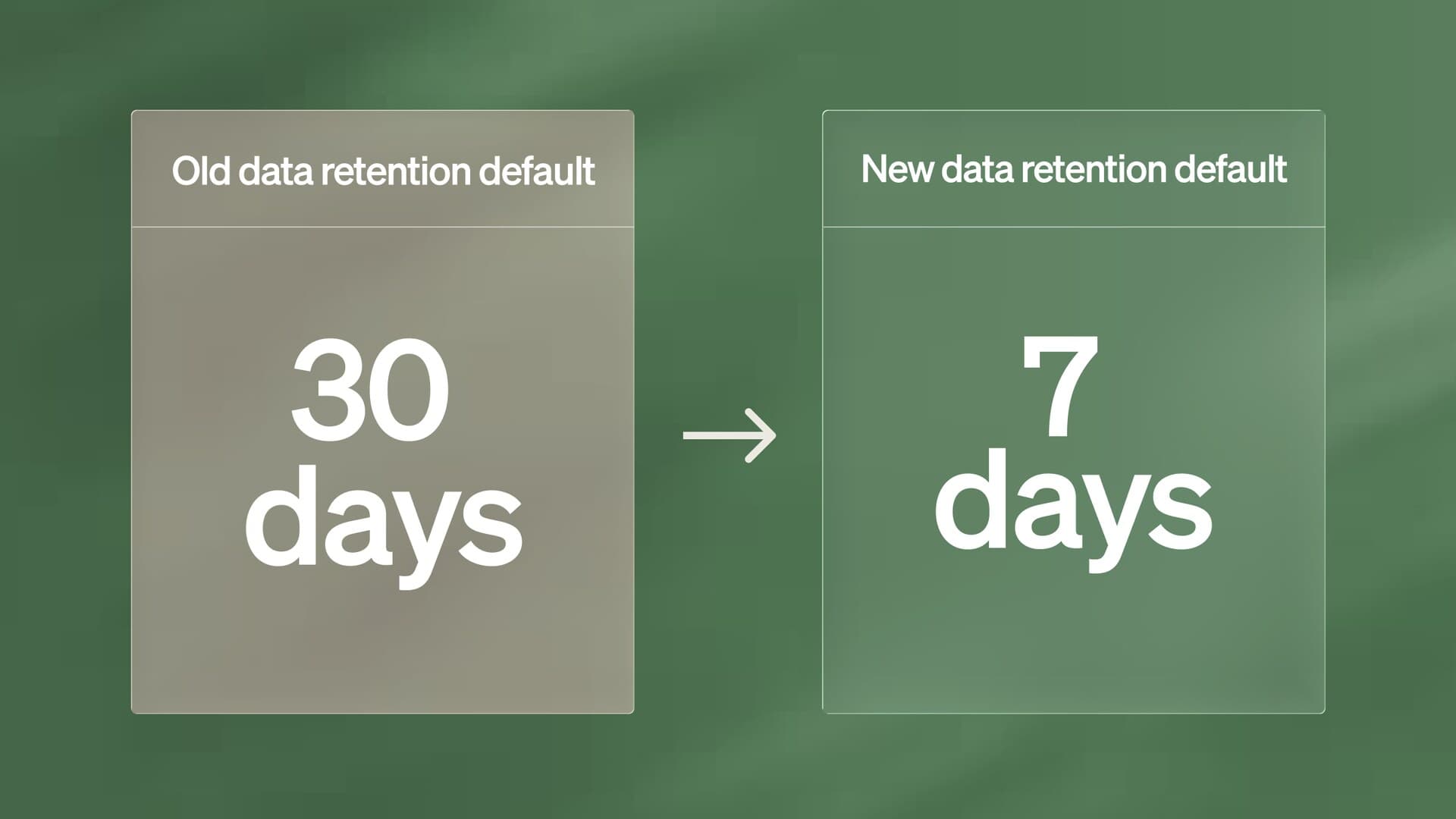
Flock Safety said its August 2026 changes would shorten default data retention and strengthen controls on police searches. The ACLU said most measures remain inadequate and questioned whether Evidence Mode could preserve too much data.
BackgroundWhat are license-plate readers?
Case period:
Published by The Dispute Index editorial teamPublished Updated
Overview
Flock CEO Garrett Langley announced a seven-day recommended default retention period, Evidence Mode for preserving data in active investigations, offense filters for interagency searches and additional auditing. Existing customers would keep their current retention periods, and some controls were scheduled for later rollout. ACLU privacy advocate Chad Marlow said the shorter default might help but warned that Evidence Mode could preserve too much data and that other controls had not been shown to prevent misuse. The broader question of whether networked plate-reader surveillance should exist is tracked separately.
Background: What are license-plate readers?
People in this case
 Jason CalacanisCommented
Timeline
5 timeline entries on this page. Dates: August 13, 2026 to October 14, 2026
August 2026
ACLU challenges Flock's safeguard package
Reaction
The ACLU said the shorter retention proposal might help but argued that the other measures did not adequately address misuse and location-tracking risks.
[01]American Civil Liberties Union
Chad Marlow's response for the ACLU to Flock Safety's August 13 privacy and accountability announcement. The response discusses retention, Evidence Mode, interagency sharing, auditing and search controls.
Despite 'New' Updates, Flock's Creepy Cameras Remain Major Civil Liberties Threat · American Civil Liberties UnionFlock announces new privacy and accountability controls
Source release
Flock Safety announced a seven-day recommended default retention period and a package of sharing, audit and security changes.
[02]Flock updates privacy, accountability, security, and transparency safeguards
Company statement on retention, access, and use
Flock updates privacy, accountability, security, and transparency safeguardsCompany statement on retention, access, and use
September 2026
Flock explains the limits of its safeguards for private customers
Source release
Flock clarified that the seven-day retention default is limited to new law-enforcement customers. Private customers retain their contractual terms. The company said authentication changes apply to everyone, while private-sector search audits and offense filters were planned for later in 2026.
[03]What Flock's privacy and security updates mean for private-sector customers
Company clarification of its August announcements. The page's publication field gives September 1, 2026; its header also displays September 2.
What Flock's privacy and security updates mean for private-sector customersRetention section: seven-day default and contract terms; authentication, auditing and offense-filter sections.
October 2026
Flock explains who reviews flagged searches in an Atlantic column
Source release
The Atlantic published a Flock spokesperson's explanation that Audit Assistance flags abnormal activity for an authorized administrator at the customer agency, rather than a Flock administrator. The email's date was not given.
[04]The Atlantic
Friedersdorf criticizes existing safeguards while describing conditions for future use. The column also quotes a Flock spokesperson on who reviews flagged searches.
Friedersdorf questions Flock safeguards and proposes bans pending stronger protections · The AtlanticOctober 12 column; paragraphs on Audit Assistance and legal safeguardsLangley discusses customer terminations
Reaction
Langley reported no agency terminations for misuse, while reserving termination for knowing lawbreaking.
[05]Langley interview
TechCrunch's interview report.
Langley interviewOpening paragraphs
Claims
Claims separate what was said from what is contested. Follow each source for the original wording and context.
What's disputed
Disputed claim
Flock Safety
Flock's August 2026 safeguards meaningfully address privacy and misuse concerns about its license-plate reader network.
Sources (1)
- Flock updates privacy, accountability, security, and transparency safeguardsCompany statement on retention, access, and use
Response record
Responses
Choose one response filter, or select All responses to see the full record.
19 responses. First 6 shown initially. Newest first.
Conor FriedersdorfStaff writer at The Atlantic, writing an opinion column Before this statement
The column discusses Langley's August defense of Flock's products and policies. Friedersdorf credits Audit Assistance and cites evidence that license-plate readers can reduce car theft.
"I'd argue that he overstates the strength of Flock's safeguards"
CondemnedCase context: Did Flock Safety's August 2026 privacy safeguards address concerns about its camera network?
Full statement and sources
Friedersdorf criticizes Flock's existing safeguards and urges local bans until stronger protections are in place. He credits its audit tool while calling for regulation to protect privacy.
After the statement
He calls for local bans until stronger protections are in place.
Friedersdorf questions Flock safeguards and proposes bans pending stronger protections · The AtlanticOctober 12 column; paragraphs on Audit Assistance and legal safeguardsWhy this label?
He criticizes the adequacy of current safeguards. His conditions for future use do not endorse the existing system.
This label describes the statement's response within the context above.
Henry F. FradellaDirector of the School of Interdisciplinary Forensics at Arizona State University, writing in The Conversation Before this statement
Fradella wrote that Flock's August 2026 changes shorten recommended data retention from 30 to seven days and require misuse detection and case codes, but that customers may retain data longer, emergencies may bypass case codes, and a case number can be entered without judicial approval.
"Flock’s new safeguards show that the company concedes that design matters, but private settings cannot substitute for laws. It’s not a matter of making sure officers follow the rules. It’s about creating enforceable limits."
CondemnedResponding to: Flock's August 2026 safeguards meaningfully address privacy and misuse concerns about its license-plate reader network.
Full statement and sources
Writing in The Conversation, Arizona State University professor Henry F. Fradella argued that Flock's August changes still allow longer retention, emergency bypasses of case codes and case numbers entered without judicial approval, and that enforceable laws are needed.
After the statement
He proposed judicial authorization for retrospective regional or national searches, preferably a probable-cause warrant with an emergency exception, and technical limits on immigration and reproductive-health searches.
Why this label?
The case asks whether Flock's August 2026 safeguard package (a seven-day default retention period, Evidence Mode, offense-based sharing limits, mandatory Audit Assistance, proactive lockouts and case codes) addresses privacy and misuse concerns about its plate-reader network. Fradella says the safeguards show Flock concedes that design matters but that private settings cannot substitute for laws, and he lists the gaps they leave. Condemns fits because he judges the package insufficient. Mixed or conditional is the closest competing label; it loses because he does not endorse any part of the package as adequate.
This label describes the statement's response within the context above.
 Flock SafetyFlock Safety, in a company clarificationDirectly involved
Before this statement
Flock posted this page on September 1, 2026, for private-sector customers, about the updates it announced on August 13.
"Flock's latest privacy, security, and accountability updates strengthen account protection while preserving private-sector customers' control over their data, sharing, and retention settings."
Defended or excusedCase context: Did Flock Safety's August 2026 privacy safeguards address concerns about its camera network?
Full statement and sources
Flock said its latest privacy, security and accountability updates strengthen account protection while preserving private-sector customers' control over their data, sharing and retention settings. It said its new seven-day retention default applies to new law-enforcement customers, while private-sector customers keep the retention terms established for their accounts, and that multi-factor authentication is now required for all users.
After the statement
The post said offense-type search filtering would reach private-sector customers later in the year.
What Flock's privacy and security updates mean for private-sector customersRetention section: seven-day default and contract terms; authentication, auditing and offense-filter sections.Why this label?
The case asks whether Flock's August 2026 safeguards address concerns about its camera network. In a post to private-sector customers, Flock says its updates "strengthen account protection", which presents the safeguards as meeting those concerns. Defended or excused fits because Flock is arguing for its own measures. Challenged the characterization is the closest competing label; it loses because the post does not dispute anyone's description.
This label describes the statement's response within the context above.
Brady LeonardFellow at the Independent Institute, writing a commentary Before this statement
Leonard wrote that Flock deserved credit for dropping its default retention window to seven days and adding automated lockouts, which he called important steps toward corporate self-regulation. He argued that existing clients keep their older retention schedules and that Evidence Mode lets officers move data to permanent cold storage without a judge's approval.
"Until courts and legislatures require law enforcement to obtain a neutral, probable-cause warrant before accessing aggregated ALPR databases, Flock’s new guardrails will remain an administrative band-aid on a (likely) unconstitutional dragnet."
CondemnedResponding to: Flock's August 2026 safeguards meaningfully address privacy and misuse concerns about its license-plate reader network.
Full statement and sources
Independent Institute fellow Brady Leonard credited Flock for shortening its default retention window and adding automated lockouts, but argued that the seven-day window is largely an illusion and that the guardrails cannot fix the Fourth Amendment problem without a warrant requirement.
After the statement
He pointed to pending Fourth Amendment challenges to Flock networks, including Schmidt v. City of Norfolk at the Fourth Circuit.
Flock Safety is Feeling the HeatFull commentaryWhy this label?
The case asks whether Flock's August 2026 safeguard package (a seven-day default retention period, Evidence Mode, offense-based sharing limits, mandatory Audit Assistance, proactive lockouts and case codes) addresses privacy and misuse concerns about its plate-reader network. Leonard calls the seven-day default and automated lockouts important steps toward corporate self-regulation, then concludes that the guardrails treat symptoms and will remain a band-aid until warrants are required. Condemns fits because his conclusion rejects the package as an answer to the concerns. Mixed or conditional is the closest competing label; it loses because his credit is a preface to that judgment, not a competing one.
This label describes the statement's response within the context above.
James O'DonnellSenior reporter at MIT Technology Review, writing in its newsletter The Algorithm Before this statement
O'Donnell wrote about the changes Flock announced on August 13, 2026, which include software that flags abnormal searches and a requirement that officers enter a criminal case number before searching.
"The changes come with big loopholes, though. For example, officers can enter bogus case numbers, just as they’ve lied to get around other Flock safeguards. The policies also don’t address some of the broader concerns from civil liberties and privacy groups that Flock is turning what was sold as a crime-stopping tool into a mass surveillance network."
CondemnedResponding to: Flock's August 2026 safeguards meaningfully address privacy and misuse concerns about its license-plate reader network.
Full statement and sources
In MIT Technology Review's newsletter The Algorithm, James O'Donnell wrote that Flock's changes have big loopholes, including case numbers the company does not verify, and that they leave broader mass-surveillance concerns unaddressed.
After the statement
He reported that Flock confirmed it does not verify the case numbers officers enter. He argued that Flock could design a narrower network that keeps and shares data only as widely and for as long as it is useful for solving crimes.
What Flock's defenders are missingThe Algorithm newsletter; paragraphs on case numbers and retentionWhy this label?
The case asks whether Flock's August 2026 safeguard package (a seven-day default retention period, Evidence Mode, offense-based sharing limits, mandatory Audit Assistance, proactive lockouts and case codes) addresses privacy and misuse concerns about its plate-reader network. O'Donnell says the changes come with big loopholes and do not address the broader concern that the network has become a mass surveillance system. Condemns fits because he judges the package inadequate. Challenges the characterization is the closest competing label; it loses because he evaluates the safeguards themselves rather than disputing a description of them.
This label describes the statement's response within the context above.
 Jason CalacanisInvestor and All-In podcast co-host, posting on X after interviewing Langley
Before this statement
Calacanis posted after hosting Langley on an All-In interview, writing that Langley was candid about Flock's past default-settings mistakes. He wrote that Flock had now set retention to under 30 days. Flock's August 13 announcement set seven days as the default, while existing customers keep their current retention periods.
"These defaults and the audit trails they create to “police the police” should help some people get more comfortable with the technology."
Mixed or conditionalResponding to: Flock's August 2026 safeguards meaningfully address privacy and misuse concerns about its license-plate reader network.
Full statement and sources
After interviewing Flock CEO Garrett Langley, Jason Calacanis wrote that the company's new defaults and audit trails should help some people accept the technology, while saying he has many concerns, that such systems are consistently abused and that communities should decide.
After the statement
In the same post he wrote that he has "many concerns as well", that such systems are "consistently abused", and that each community can vote to remove the cameras.
Flock updates privacy, accountability, security, and transparency safeguardsCompany statement on retention, access, and useWhy this label?
The case asks whether Flock's August 2026 safeguard package (a seven-day default retention period, Evidence Mode, offense-based sharing limits, mandatory Audit Assistance, proactive lockouts and case codes) addresses privacy and misuse concerns about its plate-reader network. Calacanis says the new defaults and audit trails should make some people more comfortable, and in the same post says he has many concerns and that such systems are consistently abused. Mixed or conditional fits because he credits the safeguards while doubting that they settle the problem. Defended or excused is the closest competing label; it loses because of the concerns he states.
This label describes the statement's response within the context above.
Show fewer responses
Jay StanleySenior policy analyst at the ACLU, interviewed by WBRZ in Baton Rouge Before this statement
WBRZ reported that Flock was recommending that the default retention period drop from 30 days to seven and was requiring its law enforcement customers to adopt audit assistance and case codes for searches. The station reported that Stanley called the changes very minor steps, in some cases a small step in the right direction.
"Flock is feeling the heat, and I think that these kind of hand-wavy changes are an attempt to make some of those changes go away, but the heat should not go away, because they don't really get to the heart of what this system does"
CondemnedResponding to: Flock's August 2026 safeguards meaningfully address privacy and misuse concerns about its license-plate reader network.
Full statement and sources
Jay Stanley of the ACLU told WBRZ that Flock's changes were very minor steps, in some cases small steps in the right direction, that do not get to the heart of what the system does. He said the pressure on the company should continue.
After the statement
In the same report, Flock CEO Garrett Langley said about 90% of investigative searches happen within seven days and acknowledged that the shorter default would mean solving fewer crimes.
WBRZ reports Flock's retention change and interviews the ACLU's Jay StanleyJay Stanley interviewWhy this label?
The case asks whether Flock's August 2026 safeguard package (a seven-day default retention period, Evidence Mode, offense-based sharing limits, mandatory Audit Assistance, proactive lockouts and case codes) addresses privacy and misuse concerns about its plate-reader network. Stanley allows that some changes are small steps in the right direction but calls them an attempt to relieve pressure that does not reach the heart of what the system does. Condemns fits because his judgment is that the changes fall short. Minimizes is the closest competing label; it loses because he does not downplay the privacy concerns but says the changes fail to meet them.
This label describes the statement's response within the context above.
Chris DavisChief of the Green Bay Police Department, interviewed by WTAQ-WLUK Before this statement
WTAQ-WLUK reported that Flock had cut its default retention period from 30 days to seven, with existing customers able to keep their approved periods, and would require audit assistance and case codes. Davis said the department would talk with investigators about retention and that "maybe we don't need to keep it so long".
"We’ve required for a while now that anyone entering a search for a license plate in the system include a case number and a specific reason. I’m glad to see them rolling that out nationwide"
Defended or excusedResponding to: Flock's August 2026 safeguards meaningfully address privacy and misuse concerns about its license-plate reader network.
Full statement and sources
Green Bay Police Chief Chris Davis welcomed Flock's nationwide case-number requirement, which his department already uses, and said the shorter retention default was a chance to consider whether the department needs to keep data as long.
After the statement
Davis said a recent internal audit found no misuse in his department and that a policy update under development would mandate monthly audits.
WTAQ-WLUK interviews Green Bay Police Chief Chris Davis on Flock's new safeguardsChief Chris Davis interviewWhy this label?
The case asks whether Flock's August 2026 safeguard package (a seven-day default retention period, Evidence Mode, offense-based sharing limits, mandatory Audit Assistance, proactive lockouts and case codes) addresses privacy and misuse concerns about its plate-reader network. Davis says he is glad Flock is rolling out the case-number requirement nationwide and treats the shorter retention default as worth considering. Defended or excused fits because he approves of the safeguards he discusses and voices no doubt about them. Mixed or conditional is the closest competing label; it loses because his plan to review retention with investigators is a practical step, not a reservation about the package.
This label describes the statement's response within the context above.
Tom BowmanPolicy counsel at the Center for Democracy & Technology, in a statement to ABC News Before this statement
Flock announced on August 13, 2026, that it would make seven days its default retention period instead of 30, require a criminal case number for every search and make its Audit Assistance tool mandatory by the end of the year. Bowman responded in a statement to ABC News.
"While this measure contains some meaningful improvements, such as the shortened retention policy, ultimately it is the same 'Just Trust Us' policy with a fresh coat of paint Flock is still asking thousands of police departments to police themselves, despite evidence from across the U.S. that this lack of guardrails is unsafe."
CondemnedResponding to: Flock's August 2026 safeguards meaningfully address privacy and misuse concerns about its license-plate reader network.
Full statement and sources
Tom Bowman of the Center for Democracy & Technology said Flock's package included some meaningful improvements, such as shorter retention, but still asked thousands of police departments to police themselves. He said a warrant requirement is the fix.
After the statement
He added that the changes do not ward off the dangers of plate readers, which he listed as pervasive tracking, stops based on flawed AI flags and stalking, and said the fix is to "make the government get a warrant".
ABC News on Flock's new safeguards, with a statement from CDT's Tom Bowman · ABC NewsStatement by Tom Bowman to ABC NewsWhy this label?
The case asks whether Flock's August 2026 safeguard package (a seven-day default retention period, Evidence Mode, offense-based sharing limits, mandatory Audit Assistance, proactive lockouts and case codes) addresses privacy and misuse concerns about its plate-reader network. Bowman credits the shorter retention period but concludes that the package still relies on police departments overseeing themselves and that only a warrant requirement would stop the threats he lists. Condemns fits because his overall judgment rejects the package as adequate. Mixed or conditional is the closest competing label; it loses because his credit for one change does not alter that conclusion.
This label describes the statement's response within the context above.
AJ DellingerContributor to Gizmodo, writing an analysis of Flock's announcement Before this statement
Dellinger reviewed the changes Flock announced on August 13, 2026, including a seven-day default retention period, Evidence Mode, limits on which offenses other agencies can search for and wider use of Audit Assistance. A Flock spokesperson told Gizmodo that agencies can extend or reduce the retention window.
"Flock’s new features may lessen abuses on the fringes, but there is still plenty of room for misuse."
CondemnedResponding to: Flock's August 2026 safeguards meaningfully address privacy and misuse concerns about its license-plate reader network.
Full statement and sources
Writing for Gizmodo, AJ Dellinger said Flock's new features may reduce some abuse but leave plenty of room for misuse, because enforcement of the abuse controls falls to police and agencies can still extend the retention window.
After the statement
He wrote that making good on the abuse prevention falls on law enforcement and that the changes do little to address false matches that flag people for crimes they did not commit.
Flock is Trying to Find Out How Much of the Surveillance State You'll TolerateParagraphs on abuse prevention and retentionWhy this label?
The case asks whether Flock's August 2026 safeguard package (a seven-day default retention period, Evidence Mode, offense-based sharing limits, mandatory Audit Assistance, proactive lockouts and case codes) addresses privacy and misuse concerns about its plate-reader network. Dellinger grants that the new features may reduce abuse at the margins but concludes that they leave plenty of room for misuse and depend on police to enforce them. Condemns fits because he judges the package inadequate. Mixed or conditional is the closest competing label; it loses because his limited credit does not change that conclusion.
This label describes the statement's response within the context above.
Noreen McKeeTroy City Council member for District 4, interviewed by WAMC Before this statement
WAMC reported that Flock's new seven-day default does not change the Troy Police Department's 30-day retention period, because existing customers keep their current periods. McKee drafted the City Council's proposed Flock restrictions, which would limit police retention of the data to 48 hours unless police flag it as evidence of a crime.
"Seven days is still a long time It gives people who evaluate and analyze the data enough time to create, you know, patterns are created, and through the use of AI, they can predict future movements."
CondemnedResponding to: Flock's August 2026 safeguards meaningfully address privacy and misuse concerns about its license-plate reader network.
Full statement and sources
Troy City Council member Noreen McKee, who drafted the council's proposed Flock rules, said Flock's new seven-day default still gives people analyzing the data, with AI, enough time to find patterns and predict movements.
After the statement
McKee did not call on Troy police to adopt the seven-day period on their own, saying that decision was up to them.
WAMC reports Troy officials' responses to Flock's changes: Council member Noreen McKeeInterview with Council member Noreen McKeeWhy this label?
The case asks whether Flock's August 2026 safeguard package (a seven-day default retention period, Evidence Mode, offense-based sharing limits, mandatory Audit Assistance, proactive lockouts and case codes) addresses privacy and misuse concerns about its plate-reader network. McKee says the central retention change still leaves data long enough for patterns to be found and movements predicted. Condemns fits because she judges that safeguard insufficient. Mixed or conditional is the closest competing label; it loses because she does not credit the change as answering the concern.
This label describes the statement's response within the context above.
Sue SteelePresident of the Troy City Council, in a statement Before this statement
In a statement on August 13, 2026, Steele said Flock's changes constituted "an acknowledgment of the serious security and privacy issues" raised by plate-reader cameras.
"While these changes may be a step in the right direction, the City Council will continue to pursue local safeguards that will further protect personal privacy and increase accountability around the use of ALPR technology while maintaining public safety"
Mixed or conditionalResponding to: Flock's August 2026 safeguards meaningfully address privacy and misuse concerns about its license-plate reader network.
Full statement and sources
Troy City Council President Sue Steele said Flock's changes acknowledged serious security and privacy issues and might be a step in the right direction, but that the council would keep pursuing local safeguards on privacy and accountability.
After the statement
WAMC reported that the council's proposal would limit police retention of Flock data to 48 hours unless police flag it as evidence of a crime, and would let Troy police share the data only with agencies that have obtained a search warrant.
WAMC reports Troy officials' responses to Flock's changes: Council President Sue SteeleStatement by Council President Sue SteeleWhy this label?
The case asks whether Flock's August 2026 safeguard package (a seven-day default retention period, Evidence Mode, offense-based sharing limits, mandatory Audit Assistance, proactive lockouts and case codes) addresses privacy and misuse concerns about its plate-reader network. Steele treats the changes as a possible step in the right direction and an acknowledgment of real problems, while saying local safeguards are still needed. Mixed or conditional fits because she credits the package and says it is not enough on its own. Condemns is the closest competing label; it loses because she does not reject the changes.
This label describes the statement's response within the context above.
Marci BakelyGeorgia resident and Air Force veteran Before this statement
The Washington Post interviewed Bakely after reporting that her former boyfriend had misused plate searches to track her.
"temporary Band-Aid"
Mixed or conditionalResponding to: Flock's August 2026 safeguards meaningfully address privacy and misuse concerns about its license-plate reader network.
Full statement and sources
Marci Bakely hoped Flock's new measures would curb misuse but feared they were a temporary response to public criticism.
After the statement
Her concern came from her experience with repeated unauthorized searches.
Washington Post interviews on Flock's August safeguardsMax Isaacs and Marci Bakely interview passagesWhy this label?
The adequacy of Flock's changes is at issue. Bakely recognizes possible benefit while expressing doubt that the measures will last or solve the problem.
This label describes the statement's response within the context above.
Max IsaacsNYU Policing Project director of technology law and policy Before this statement
The Washington Post interviewed Isaacs about Flock's announced search and audit controls.
"this kind of safeguard should be required by law"
Mixed or conditionalResponding to: Flock's August 2026 safeguards meaningfully address privacy and misuse concerns about its license-plate reader network.
Full statement and sources
Max Isaacs welcomed Flock's case-number requirement but said safeguards should be mandated by law and its automated auditing needs evidence before replacing human review.
After the statement
He questioned why the case-number requirement had not been built in sooner.
Washington Post interviews on Flock's August safeguardsMax Isaacs and Marci Bakely interview passagesWhy this label?
The August package is at issue. Isaacs sees a useful change but says company policy and an unproven audit tool are insufficient.
This label describes the statement's response within the context above.
Andrew Guthrie FergusonGeorge Washington University law professor Before this statement
AP interviewed Ferguson after Flock announced the changes.
"sustained democratic engagement with the rules and judicial checks on access at a minimum"
Mixed or conditionalResponding to: Flock's August 2026 safeguards meaningfully address privacy and misuse concerns about its license-plate reader network.
Full statement and sources
Andrew Guthrie Ferguson called Flock's changes an improvement but said their adequacy depends on public rulemaking and judicial checks.
After the statement
He described the revisions as better than no changes but urged continued scrutiny.
AP interviews critics and experts about Flock's safeguardsCritics say updates still leave room for abusesWhy this label?
The adequacy of the August safeguards is at issue. Ferguson credits the changes while calling for additional oversight.
This label describes the statement's response within the context above.
Robert FrommerInstitute for Justice senior attorney Before this statement
AP asked Frommer about Flock's August policy announcement.
"This is window dressing that doesn't address the fundamental problem"
CondemnedResponding to: Flock's August 2026 safeguards meaningfully address privacy and misuse concerns about its license-plate reader network.
Full statement and sources
Robert Frommer said Flock's announced controls leave police, rather than judges, deciding which drivers' movements can be searched.
After the statement
He argued that warrant requirements are needed to address the underlying access problem.
AP interviews critics and experts about Flock's safeguardsCritics say updates still leave room for abusesWhy this label?
The adequacy of Flock's safeguards is at issue. Frommer rejects the changes as insufficient without judicial warrants.
This label describes the statement's response within the context above.
 Electronic Frontier FoundationDigital-rights advocacy organization
Before this statement
Matthew Guariglia analyzed Flock's announced retention, sharing and audit changes for EFF.
"some cosmetic fixes that fail to address the fundamental dangers of this technology"
CondemnedResponding to: Flock's August 2026 safeguards meaningfully address privacy and misuse concerns about its license-plate reader network.
Full statement and sources
EFF said Flock's August changes included overdue measures but did not resolve the risks of collecting drivers' movements in a searchable network.
After the statement
The article treats the shorter default retention period as consequential but says agencies can choose longer periods.
EFF assesses Flock's August 2026 safeguards · Electronic Frontier FoundationOpening paragraphs and review of retention, offense filters and auditsWhy this label?
The adequacy of Flock's August package is at issue. EFF directly says the package leaves fundamental risks unresolved.
This label describes the statement's response within the context above.
 American Civil Liberties UnionACLU statement by privacy advocate Chad MarlowDirectly involved
Before this statement
Chad Marlow responded to Flock's August 13 announcement for the ACLU.
"Several of the proposed changes Flock is touting are merely retreads of previous inadequate safety measures."
CondemnedResponding to: Flock's August 2026 safeguards meaningfully address privacy and misuse concerns about its license-plate reader network.
Full statement and sources
The ACLU said most of Flock's announced safeguards did not resolve the underlying privacy concerns, while allowing that shorter default retention might prove useful.
After the statement
He questioned Evidence Mode, offense filters, audit tools and search codes, and called for stronger independent scrutiny.
Despite 'New' Updates, Flock's Creepy Cameras Remain Major Civil Liberties Threat · American Civil Liberties UnionWhy this label?
The ACLU's overall conclusion rejects the adequacy of the package despite a limited favorable assessment of shorter default retention.
This label describes the statement's response within the context above.
- Flock SafetyFlock Safety statement by CEO Garrett LangleyDirectly involved
Before this statement
Flock announced changes to retention, data sharing, auditing and security in a statement by CEO Garrett Langley.
"Today, we are updating our recommendation and default to a 7-day retention, and introducing Evidence Mode."
Defended or excusedResponding to: Flock's August 2026 safeguards meaningfully address privacy and misuse concerns about its license-plate reader network.
Full statement and sources
Flock Safety presented the new retention recommendation and other controls as a response to privacy and accountability concerns.
After the statement
Existing customers would keep their current retention periods, and several safeguards were planned for later implementation.
Flock updates privacy, accountability, security, and transparency safeguardsCompany statement on retention, access, and useWhy this label?
The company argues its announced controls address concerns about the network, which is the case-level question.
This label describes the statement's response within the context above.
Sources
(18)
Official statement
Flock updates privacy, accountability, security, and transparency safeguards
Relevant passage: Company statement on retention, access, and use
About this source
Company statement on retention, access, and use
- Author
- Garrett Langley, Flock Safety
- Published
- Accessed
Interview
WAMC reports Troy officials' responses to Flock's changes: Council member Noreen McKee
Relevant passage: Interview with Council member Noreen McKee
About this source
WAMC reports responses in Troy, New York, to Flock's August 13, 2026 changes, including an interview with City Council member Noreen McKee, who drafted the council's proposed rules.
- Author
- Grant Ashley
- Published
- Accessed
Reporting
WAMC reports Troy officials' responses to Flock's changes: Council President Sue Steele
Relevant passage: Statement by Council President Sue Steele
About this source
WAMC reports responses in Troy, New York, to Flock's August 13, 2026 changes, including a statement from City Council President Sue Steele.
- Author
- Grant Ashley
- Published
- Accessed
Interview
WTAQ-WLUK interviews Green Bay Police Chief Chris Davis on Flock's new safeguards
Relevant passage: Chief Chris Davis interview
About this source
WTAQ-WLUK reports Flock's August 2026 changes and quotes Green Bay Police Chief Chris Davis and a resident who opposes the cameras.
- Published
- Accessed
Original post
Jason Calacanis's post on X about Flock after interviewing Garrett Langley
About this source
Calacanis's post after hosting Flock CEO Garrett Langley on an All-In interview, on Flock's defaults, audit trails and community choice.
- Author
- Jason Calacanis (@Jason)
- Published
- Accessed
Analysis
The trouble with Flock cameras is the surveillance system's architecture, not just some of its users
Relevant passage: Full essay
About this source
Essay in The Conversation by Arizona State University professor Henry F. Fradella on misuse of Flock's network, the company's August 2026 changes and proposed legal limits.
- Author
- Henry F. Fradella
- Published
- Accessed
Analysis
Flock Safety is Feeling the Heat
Relevant passage: Full commentary
About this source
Independent Institute commentary by fellow Brady Leonard on whether Flock's August 2026 policy changes answer Fourth Amendment concerns about plate-reader networks.
- Author
- Brady Leonard
- Published
- Accessed
Analysis
What Flock's defenders are missing
Relevant passage: The Algorithm newsletter; paragraphs on case numbers and retention
About this source
MIT Technology Review newsletter essay by James O'Donnell on Flock's August 2026 changes. Flock confirmed to the publication that it does not verify the case numbers officers enter.
- Author
- James O'Donnell
- Published
- Accessed
Analysis
Flock is Trying to Find Out How Much of the Surveillance State You'll Tolerate
Relevant passage: Paragraphs on abuse prevention and retention
About this source
Gizmodo analysis by AJ Dellinger of the changes Flock announced on August 13, 2026, including a Flock spokesperson's statements on retention windows and Evidence Mode.
- Author
- AJ Dellinger
- Published
- Accessed
Interview
WBRZ reports Flock's retention change and interviews the ACLU's Jay Stanley
Relevant passage: Jay Stanley interview
About this source
WBRZ in Baton Rouge reports Flock's recommended seven-day retention period and quotes Flock CEO Garrett Langley, Chief Morse of the Baton Rouge Police Department and Jay Stanley of the ACLU.
- Author
- Halle Jefferson
- Published
- Accessed
Reporting
ABC News on Flock's new safeguards, with a statement from CDT's Tom Bowman
Relevant passage: Statement by Tom Bowman to ABC News
About this source
ABC News reports the safeguards Flock announced on August 13, 2026, and quotes a statement from Tom Bowman, policy counsel at the Center for Democracy & Technology.
- Author
- Soo Youn and Katie Kindelan
- Published
- Accessed
Interview
Langley interview
Relevant passage: Opening paragraphs
About this source
TechCrunch's interview report.
- Published
- Accessed
Analysis
Friedersdorf questions Flock safeguards and proposes bans pending stronger protections
Relevant passage: October 12 column; paragraphs on Audit Assistance and legal safeguards
About this source
Friedersdorf criticizes existing safeguards while describing conditions for future use. The column also quotes a Flock spokesperson on who reviews flagged searches.
- Author
- Conor Friedersdorf
- Published
- Accessed
Official statement
What Flock's privacy and security updates mean for private-sector customers
Relevant passage: Retention section: seven-day default and contract terms; authentication, auditing and offense-filter sections.
About this source
Company clarification of its August announcements. The page's publication field gives September 1, 2026; its header also displays September 2.
- Author
- Flock Safety
- Published
- Accessed
Interview
Washington Post interviews on Flock's August safeguards
Relevant passage: Max Isaacs and Marci Bakely interview passages
About this source
Original interviews assess the case-number requirement, automated auditing and whether the announced controls will reduce misuse.
- Author
- Drew Harwell, Douglas MacMillan and Aaron Schaffer
- Published
- Accessed
Interview
AP interviews critics and experts about Flock's safeguards
Relevant passage: Critics say updates still leave room for abuses
About this source
Original AP interviews include Robert Frommer and Andrew Guthrie Ferguson's separate assessments of Flock's announced privacy changes.
- Published
- Accessed
Analysis
EFF assesses Flock's August 2026 safeguards
Relevant passage: Opening paragraphs and review of retention, offense filters and audits
About this source
EFF reviews Flock's announced changes, calls some overdue and argues that others fail to address risks inherent in the network.
- Author
- Matthew Guariglia
- Published
- Accessed
Official statement
Despite 'New' Updates, Flock's Creepy Cameras Remain Major Civil Liberties Threat
About this source
Chad Marlow's response for the ACLU to Flock Safety's August 13 privacy and accountability announcement. The response discusses retention, Evidence Mode, interagency sharing, auditing and search controls.
- Author
- Chad Marlow
- Published
- Accessed
Share or embed this case
The embed keeps its attribution link to The Dispute Index. Credit the image to The Dispute Index and link to the case page.
Cite this record
- Publisher
- The Dispute Index
- Title
- Did Flock Safety's August 2026 privacy safeguards address concerns about its camera network?
- First published
- Last updated
- Permalink
- https://disputeindex.com/cases/flock-august-2026-privacy-safeguards-aclu-response
The Dispute Index. "Did Flock Safety's August 2026 privacy safeguards address concerns about its camera network?". First published: 2026-09-28. Last updated: 2026-10-07. https://disputeindex.com/cases/flock-august-2026-privacy-safeguards-aclu-response