
Supreme Court agrees to review court-ordered discovery into whether DOGE is subject to FOIA
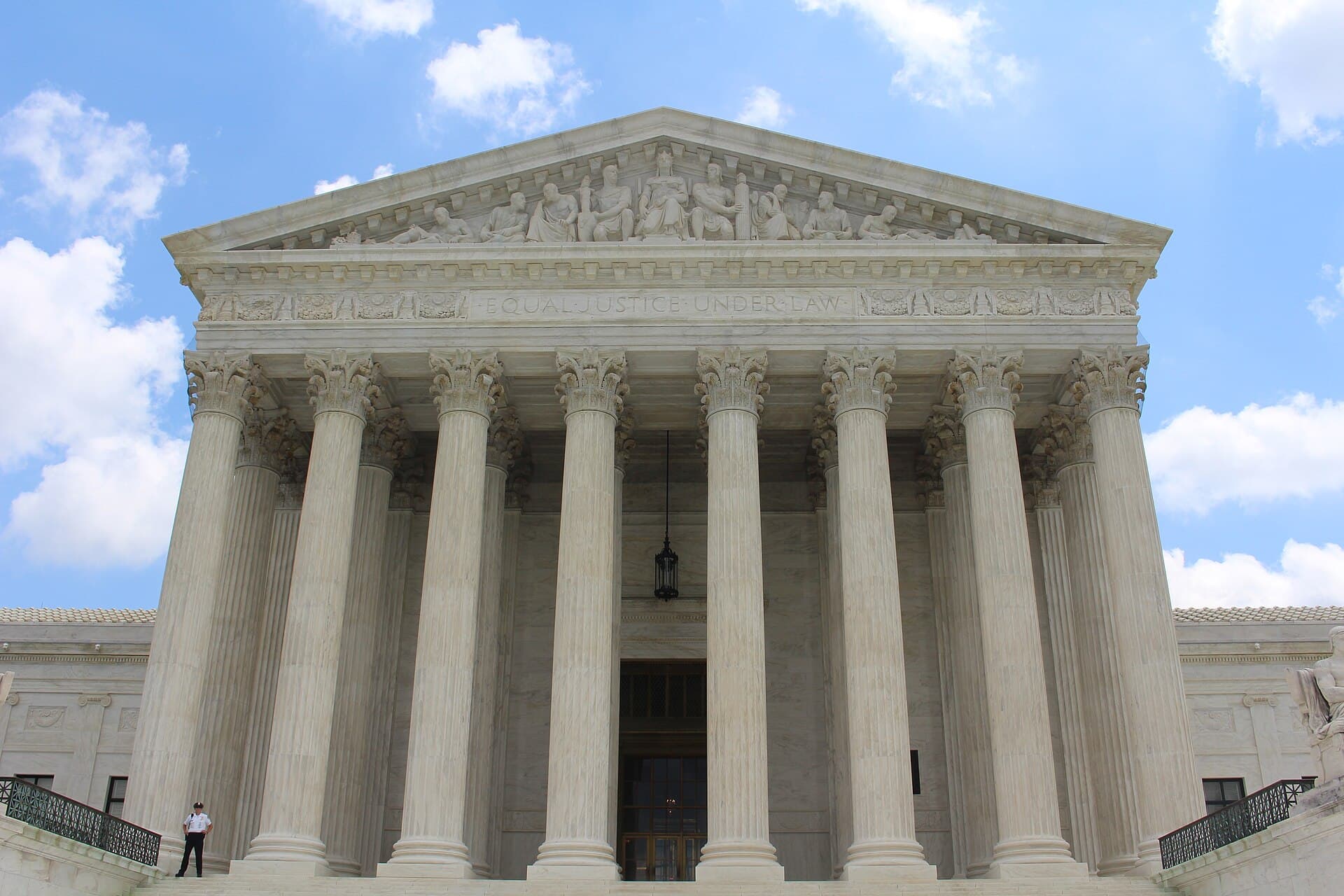
The Supreme Court agreed on October 13, 2026 to review whether courts may order discovery into the U.S. DOGE Service to decide if FOIA covers it. The Justice Department calls USDS a presidential adviser. CREW says it wielded independent authority.
Case period:
Published by The Dispute Index editorial teamPublished Updated
Overview
CREW sued in February 2025 to make the U.S. DOGE Service process its public-records request under the Freedom of Information Act. The Justice Department argues that USDS is a presidential advisory body outside FOIA and that court-ordered discovery into its authority intrudes on the separation of powers. CREW argues that USDS exercised substantial independent authority and that limited discovery is needed to decide whether FOIA applies. On October 13, 2026, the Supreme Court agreed to review the appeals court order that let most of that discovery proceed.
Read the full background
Citizens for Responsibility and Ethics in Washington (CREW) asked the U.S. DOGE Service (USDS) in early 2025 for records about its work, under the Freedom of Information Act (FOIA). USDS is the office a January 2025 executive order created by renaming the U.S. Digital Service. The Office of Management and Budget agreed to process CREW's related requests, but USDS refused, saying it is not an agency subject to FOIA. Under D.C. Circuit precedent, an office inside the Executive Office of the President is outside FOIA when its sole function is to advise and assist the President, and inside it when it wields substantial authority independently of the President.
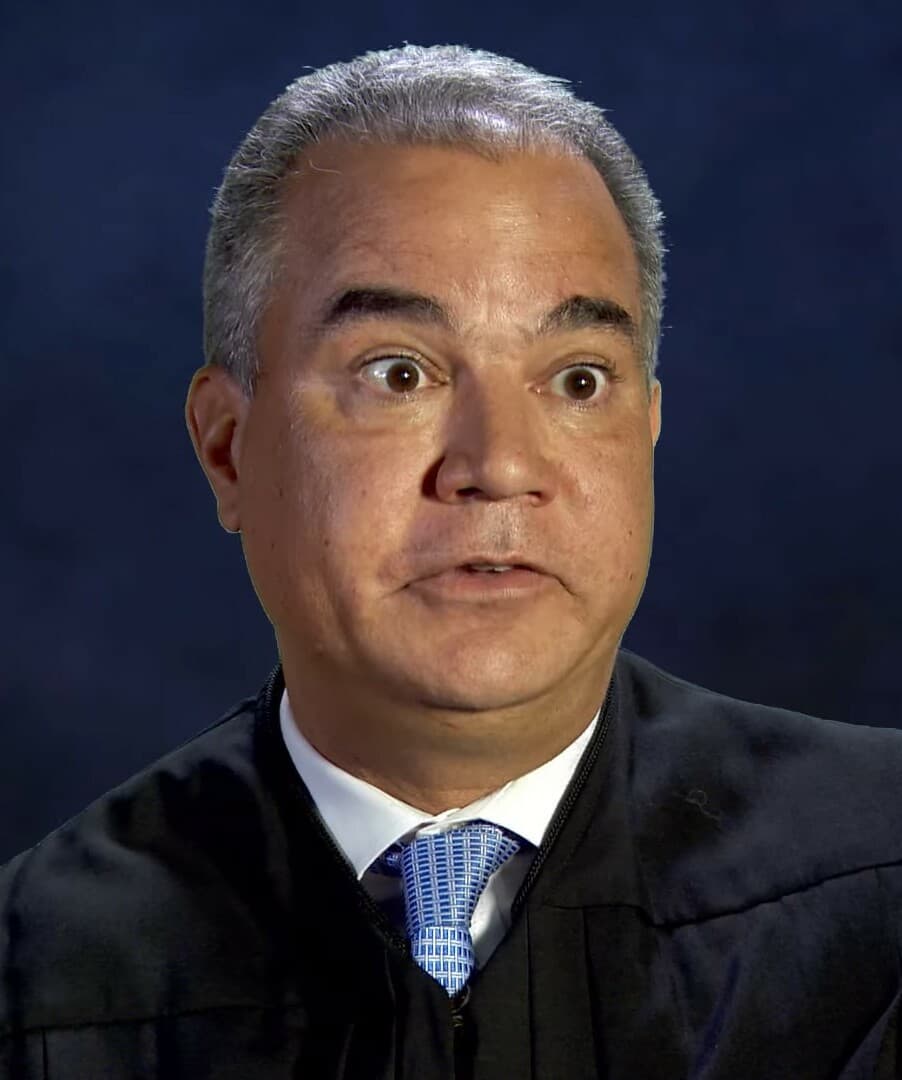
On March 10, 2025, U.S. District Judge Christopher Cooper found that USDS was likely subject to FOIA and ordered it to process CREW's request on an expedited basis (memorandum opinion (opens in a new tab)). The government then sought summary judgment, relying on a declaration from USDS acting administrator Amy Gleason. On April 15, 2025, Cooper allowed limited discovery into USDS's structure and authority, including a deposition of Gleason, while trimming some of CREW's requests (opinion and order (opens in a new tab)).
The D.C. Circuit declined to block that order. On June 6, 2025, the Supreme Court stayed the discovery orders, vacated the appeals court's ruling and told it to narrow discovery (order (opens in a new tab)). The Court said the requests about the content of USDS's internal recommendations, and whether they were followed, were not appropriately tailored, and that separation-of-powers concerns call for judicial restraint in discovery about internal executive branch communications. Justices Sonia Sotomayor, Elena Kagan and Ketanji Brown Jackson would have denied the government's application.
On remand, CREW withdrew its requests about USDS recommendations. On July 14, 2025, the D.C. Circuit struck those requests and otherwise denied the government's petition, and it denied rehearing on December 18, 2025. According to the government, the remaining discovery covers USDS directives, staffing records and a deposition of its administrator.
The Justice Department's March 18, 2026 petition (opens in a new tab) argues that this discovery departs from the Court's 2025 order and from Cheney v. U.S. District Court, and that it would give CREW much of what its FOIA request seeks before any court decides FOIA applies. CREW's brief in opposition (opens in a new tab) argues that the appeals court followed the Court's instructions and that the government's rule would let an administration keep powerful offices outside FOIA by placing them in the Executive Office of the President. It also argues that courts have rejected the government's account that USDS exercised no authority through the DOGE teams at agencies.
The Court granted review on October 13, 2026 (order list (opens in a new tab)). The grant does not decide whether USDS is subject to FOIA. The questions before the Court concern the remaining discovery order and whether a court may order this kind of discovery to decide whether FOIA applies to an advisory body in the Executive Office of the President.
This case tracks the Justice Department's position that USDS, as a body that advises the President, should not face court-ordered discovery into whether FOIA applies to it. Whether USDS only advises or also exercises independent authority is part of the dispute.
People in this case
 Christopher R. CooperDirectly involved
Timeline
16 timeline entries on this page. Dates: February 20, 2025 to October 19, 2026
February 2025
CREW sues DOGE for records and preservation orders
CREW files its complaint seeking disclosure under FOIA and relief concerning federal-records preservation. It asks the court to find that USDS is an agency covered by those laws.
March 2025
Judge finds USDS likely subject to FOIA
Judge Christopher Cooper grants CREW a preliminary injunction in part, finding the U.S. DOGE Service likely subject to FOIA and ordering expedited processing of CREW's request.
Cooper denies reconsideration of the DOGE injunction
Cooper denies DOGE's reconsideration and stay requests. He leaves the injunction in place while extending deadlines for a document estimate and a proposed processing schedule.
CREW moves for expedited discovery into DOGE
CREW requests written answers, records and three depositions to examine DOGE's authority and operations before responding to the government's summary-judgment motion.
April 2025
Judge allows limited discovery into USDS
After the government seeks summary judgment, Cooper allows CREW limited discovery into USDS's structure and authority, including a deposition of its acting administrator, and trims some requests.
May 2025
D.C. Circuit initially denies DOGE's mandamus petition
The appeals court denies the request to halt limited discovery and dissolves its administrative stay. The Supreme Court later vacates this order on June 6 and directs further consideration.
Government asks the Supreme Court to stay DOGE discovery
The federal applicants submit their first Supreme Court application to pause the district court's DOGE discovery orders. The Chief Justice requests a response from CREW.
Government-transparency scholars submit a DOGE amicus brief
Campaign Legal Center submits a brief for government-transparency scholars. They argue that courts should examine what DOGE actually does when deciding whether FOIA applies.
Chief Justice temporarily pauses DOGE discovery pending further review
Chief Justice John Roberts temporarily stays the district court's April 15 and May 20 orders pending further action by him or the Court. This administrative pause precedes the full Court's June 6 decision.
June 2025
Supreme Court pauses the discovery and orders it narrowed
The Supreme Court stays the discovery orders, vacates the D.C. Circuit's denial of mandamus and directs it to narrow discovery. Three justices would have denied the government's application.
July 2025
Appeals court lets most of the discovery proceed
After CREW withdraws its requests about USDS recommendations, the D.C. Circuit strikes those requests and otherwise denies the government's mandamus petition. It denies rehearing on December 18, 2025.
December 2025
D.C. Circuit denies rehearing over the remaining discovery
The D.C. Circuit denies rehearing of its July 14 ruling allowing the remaining DOGE discovery. The government later cites the denial in its Supreme Court petition.
March 2026
Justice Department asks the Supreme Court to review
The Solicitor General petitions the Supreme Court, arguing the remaining discovery departs from the Court's 2025 order and intrudes on a presidential advisory body.
June 2026
CREW asks the Court to deny review
CREW files its brief in opposition, arguing the appeals court followed the Court's instructions and the government's proposed rule conflicts with FOIA's text.
October 2026
Supreme Court agrees to hear the case
The Supreme Court grants the government's petition without comment. The grant does not decide whether USDS is subject to FOIA.
Bower explains the renewed DOGE discovery dispute on Lawfare
Source release
Lawfare publishes a discussion in which Anna Bower explains the discovery retained after the Supreme Court's earlier intervention. She predicts the Court may narrow discovery further, while noting that it has yet to decide the renewed dispute.
Claims
Claims separate what was said from what is contested. Follow each source for the original wording and context.
What's disputed
United States Department of Justice
The U.S. DOGE Service is not an agency subject to FOIA because it is a body in the Executive Office of the President whose role is to advise the President.
Sources (2)
- CREW v. U.S. DOGE Service, No. 25-cv-511: opinion and order granting limited discovery (D.D.C. April 15, 2025)ECF No. 38, Part III.A (CREW is entitled to limited discovery) and Part III.B (scope of requests and depositions).
- Petition for a writ of certiorari, U.S. DOGE Service v. U.S. District Court for the District of Columbia (March 18, 2026) · United States Department of JusticeQuestions presented; Introduction, pages 2-4; Reasons for granting the petition, page 30; appendix pages 1a-28a (Supreme Court order of June 6, 2025, D.C. Circuit orders and the district court's April 15, 2025 order).
In their own words
Their own account
Statements from the person or group whose act or claim this case is about. They are listed apart from the responses, and each label says what the speaker did with their own act or claim.
 United States Department of JusticeThrough Solicitor General D. John Sauer, in the July 1, 2026 reply brief
"Formal authority, not informal influence, is what matters."
Stood by itCase context: Supreme Court agrees to review court-ordered discovery into whether DOGE is subject to FOIA
Full statement and sources
The Justice Department argues that courts should examine delegated legal authority rather than DOGE's practical influence. It says discovery into that influence is improper.
Before the statement
The brief disputes CREW's reliance on an Office of Legal Counsel opinion about an entity's operations.
After the statement
It says courts should look to the formal authorities that created the entity.
Justice Department reply supporting Supreme Court review of DOGE discoveryReply argument section B, pages 8-10; filing date in the official docketU.S. DOGE Service v. U.S. District Court for the District of Columbia: Supreme Court docket No. 25-1103 · Supreme Court of the United StatesProceedings and Orders: petition filed March 18, 2026; brief in opposition June 22, 2026; reply July 1, 2026; petition granted October 13, 2026.Why this label?
The Justice Department argues that DOGE's FOIA status turns on the formal authority it was given rather than its informal influence, so discovery into that influence is improper, so we labeled it Stood by it.
This label describes the statement's response within the context above.
- United States Department of JusticeUnited States government, represented by the Justice Department and Solicitor General D. John Sauer, in a Supreme Court petition
"Subjecting advisory bodies to intrusive discovery triggers the very concerns that Congress sought to avoid by excluding presidential advisory bodies from FOIA’s reach."
Stood by itResponding to: The U.S. DOGE Service is not an agency subject to FOIA because it is a body in the Executive Office of the President whose role is to advise the President.
Full statement and sources
In its petition, the Justice Department argued that intrusive discovery into presidential advisory bodies raises the separation-of-powers concerns that led Congress to leave such bodies outside FOIA.
Before the statement
The petition says CREW does not need names and detailed information about every USDS employee, or a deposition of its head, to litigate whether USDS is an agency under FOIA.
After the statement
It cites Justice Clarence Thomas's separate opinion in Cheney v. U.S. District Court on broad discovery into the inner workings of the executive branch, and asks the Court to review the D.C. Circuit's July 14, 2025 order.
Petition for a writ of certiorari, U.S. DOGE Service v. U.S. District Court for the District of Columbia (March 18, 2026) · United States Department of JusticeQuestions presented; Introduction, pages 2-4; Reasons for granting the petition, page 30; appendix pages 1a-28a (Supreme Court order of June 6, 2025, D.C. Circuit orders and the district court's April 15, 2025 order).Why this label?
The Justice Department asks the Supreme Court to review the discovery order and argues that probing a presidential advisory body defeats the reason Congress kept such bodies outside FOIA, so we labeled it Stood by it.
This label describes the statement's response within the context above.
Response record
Responses
Choose one response filter, or select All responses to see the full record.
2 matching responses. Newest first.
 Citizens for Responsibility and Ethics in WashingtonPlaintiff in the FOIA lawsuit, in its Supreme Court brief in oppositionDirectly involved
"Undisputed facts in the public record—including the President’s statements—confirmed that USDS was wielding enormous independent authority across the federal government. ... The government’s proposed rule is impossible to square with statutory text, and it would be ripe for abuse."
CondemnedResponding to: The U.S. DOGE Service is not an agency subject to FOIA because it is a body in the Executive Office of the President whose role is to advise the President.
Full statement and sources
In its brief opposing review, CREW argued that public facts showed USDS wielding independent authority and that the government's proposed bar on discovery cannot be squared with FOIA's text.
Before the statement
CREW describes the executive orders that created USDS and the district court's preliminary finding that USDS likely wields substantial independent authority.
After the statement
CREW also argues that the case is a poor vehicle because the mandamus standard requires the government to show it is clearly right, and that other cases have already produced discovery about USDS.
Brief in opposition of Citizens for Responsibility and Ethics in Washington, No. 25-1103 (June 22, 2026) · Citizens for Responsibility and Ethics in WashingtonQuestions presented; Introduction, pages 1-5.Why this label?
Pointing to public facts that it says show USDS wielding independent authority, CREW opposes the government's proposed bar on court-ordered discovery. It calls the rule "impossible to square with statutory text" and says it would be ripe for abuse.
This label describes the statement's response within the context above.
 Christopher R. CooperU.S. district judge for the District of Columbia, in an opinion and orderDirectly involved
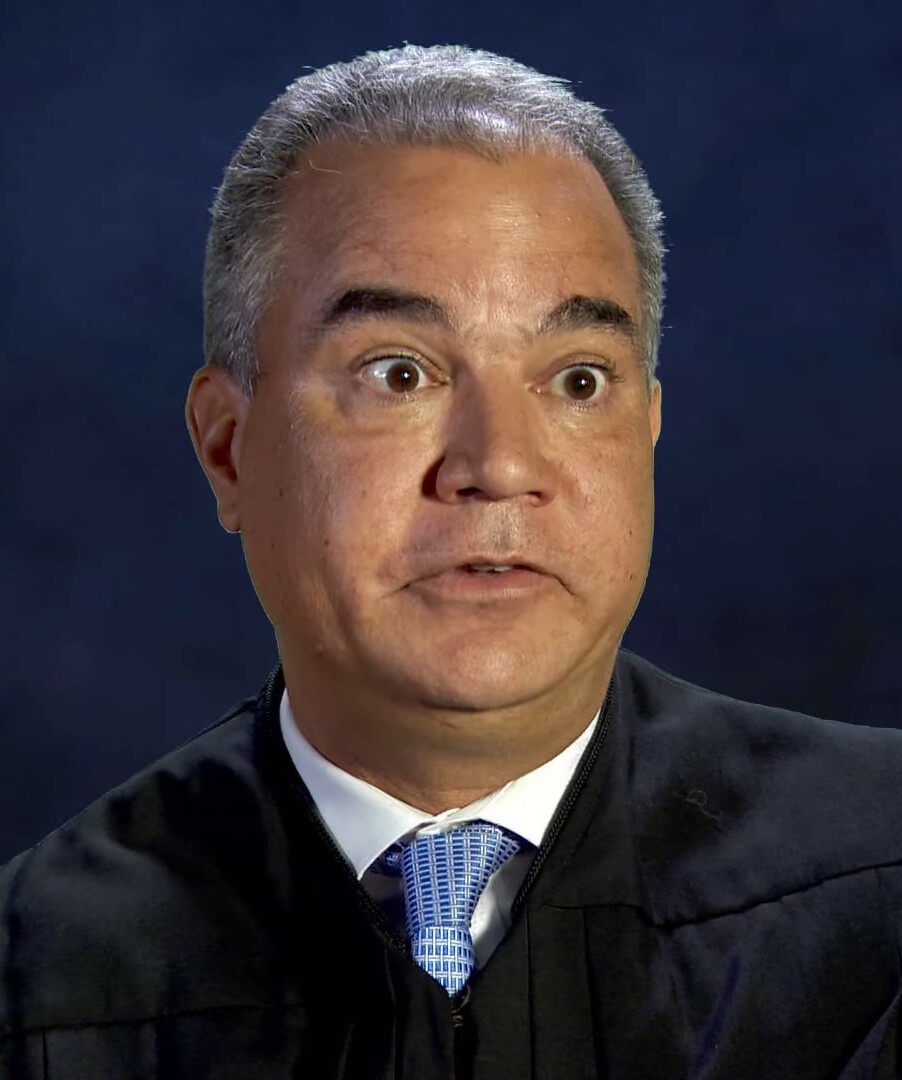
"First, the language of the President’s USDS-related executive orders, far from resolving the question against CREW, in fact suggests that USDS is exercising substantial independent authority. ... Because the public record contradicts USDS’s already disputable interpretation of the relevant executive orders, discovery is particularly appropriate here."
CondemnedCase context: Supreme Court agrees to review court-ordered discovery into whether DOGE is subject to FOIA
Full statement and sources
Ordering limited discovery, Judge Cooper wrote that the executive orders and the public record suggested USDS exercised substantial independent authority, contrary to the government's reading.
Before the statement
Cooper notes that courts in the district have allowed limited discovery to decide whether an office in the Executive Office of the President wields enough independent authority to fall under FOIA.
After the statement
He allowed a deposition of USDS acting administrator Amy Gleason, whose declaration was the only factual evidence offered for the government's summary judgment motion, and trimmed some of CREW's other requests.
CREW v. U.S. DOGE Service, No. 25-cv-511: opinion and order granting limited discovery (D.D.C. April 15, 2025)ECF No. 38, Part III.A (CREW is entitled to limited discovery) and Part III.B (scope of requests and depositions).Why this label?
Although he limits CREW's discovery requests, Cooper rejects the government's position that no discovery should proceed. He writes that the executive orders suggest USDS "is exercising substantial independent authority" and that the public record contradicts the government's interpretation of them, so he finds discovery appropriate.
This label describes the statement's response within the context above.
Sources
(20)
Original text
Petition for a writ of certiorari, U.S. DOGE Service v. U.S. District Court for the District of Columbia (March 18, 2026)
Relevant passage: Questions presented; Introduction, pages 2-4; Reasons for granting the petition, page 30; appendix pages 1a-28a (Supreme Court order of June 6, 2025, D.C. Circuit orders and the district court's April 15, 2025 order).
About this source
The Justice Department's petition on behalf of the U.S. DOGE Service and other federal defendants. It argues that the remaining discovery intrudes on a presidential advisory body and asks the Court to review the D.C. Circuit's July 14, 2025 order. The appendix reproduces the lower-court orders.
- Author
- D. John Sauer, Solicitor General, and Justice Department attorneys
- Published
- Accessed
Analysis
Ali argues that the DOGE case could protect public accountability
Relevant passage: Executive Dysfunction article, paragraph beginning This case will be critical
About this source
Ali criticizes efforts to shield DOGE records and argues that the case could constrain presidential avoidance of disclosure laws. Her account of the litigation is commentary, not a new court ruling.
- Author
- Shirin Ali
- Published
- Accessed
Analysis
Lawfare discussion of the Supreme Court DOGE discovery grant
Relevant passage: Lawfare Daily: The Trials of the Trump Administration, October 16; DOGE discussion beginning with the question about its administrator
About this source
Bower explains the renewed dispute over discovery into DOGE's authority.
- Author
- Anna Bower, in conversation with Benjamin Wittes
- Published
- Accessed
Original text
Supreme Court docket for the first DOGE discovery stay application
Relevant passage: No. 24A1122; proceedings of May 21 and May 23, 2025
About this source
The docket records the government's application and the Chief Justice's temporary administrative stay, before the June 6 full Court order.
- Author
- Supreme Court of the United States
- Accessed
Original text
Senate Judiciary hearing on FOIA and DOGE transparency
Relevant passage: April 8, 2025 hearing; Durbin opening and his exchange with Margaret Kwoka
About this source
Durbin criticizes DOGE's claim that FOIA does not apply. Kwoka explains the independent-authority test and the preliminary nature of the court ruling.
- Author
- United States Senate Committee on the Judiciary
- Published
- Accessed
Original text
Justice Department reply supporting Supreme Court review of DOGE discovery
Relevant passage: Reply argument section B, pages 8-10; filing date in the official docket
About this source
The Justice Department argues that formal legal authority determines agency status under FOIA.
- Published
- Accessed
Original text
American Oversight amicus brief supporting DOGE discovery
Relevant passage: Argument and conclusion, pages 1-14; date on page 14
About this source
American Oversight argues that facts about DOGE's actual authority require limited discovery.
- Published
- Accessed
Official statement
Campaign Legal Center announces scholars' DOGE amicus brief
Relevant passage: Dated filing announcement
About this source
The filing announcement describes the scholars' argument for examining DOGE's actual functions.
- Published
- Accessed
Original text
D.C. Circuit denies DOGE's initial mandamus petition
Relevant passage: Complete three-page order and memorandum
About this source
The appeals court denies mandamus. The Supreme Court later vacates this order and remands.
- Published
- Accessed
Original text
CREW motion for expedited discovery into DOGE
Relevant passage: Motion pages 1-3 and proposed discovery requests
About this source
CREW seeks factual discovery on DOGE's authority and operations.
- Published
- Accessed
Original text
Cooper denies DOGE reconsideration and stay requests
Relevant passage: Opinion and order, opening and conclusion
About this source
The district court denies reconsideration and a stay while extending processing-related deadlines.
- Published
- Accessed
Original text
CREW complaint against the U.S. DOGE Service
Relevant passage: Complaint cover, introduction and prayer for relief, pages 1-4 and 31-35
About this source
CREW seeks records and preservation orders under public-records laws.
- Published
- Accessed
Original text
Supreme Court order in U.S. DOGE Service v. CREW, No. 24-1246 (24A1122) (June 6, 2025)
Relevant passage: Order list, June 6, 2025, Certiorari Summary Disposition, No. 24-1246.
About this source
The Court stayed the district court's discovery orders, vacated the D.C. Circuit's denial of mandamus and sent the case back with instructions to narrow discovery. Justices Sotomayor, Kagan and Jackson would have denied the government's application.
- Author
- Supreme Court of the United States
- Published
- Accessed
Original text
CREW v. U.S. DOGE Service, No. 25-cv-511: opinion and order granting limited discovery (D.D.C. April 15, 2025)
Relevant passage: ECF No. 38, Part III.A (CREW is entitled to limited discovery) and Part III.B (scope of requests and depositions).
About this source
The discovery order at the center of the Supreme Court dispute. Judge Cooper allowed limited discovery into USDS's structure and authority, including a deposition of its acting administrator, while trimming some of CREW's requests.
- Author
- Judge Christopher R. Cooper, U.S. District Court for the District of Columbia
- Published
- Accessed
Original text
CREW v. U.S. DOGE Service, No. 25-cv-511: memorandum opinion granting a preliminary injunction in part (D.D.C. March 10, 2025)
Relevant passage: ECF No. 18, pages 1-2 and Part III.A (whether USDS is likely an agency under FOIA).
About this source
Judge Cooper found that USDS was likely an agency subject to FOIA and ordered it to process CREW's request on an expedited basis. It was a preliminary ruling, not a final decision on the merits.
- Author
- Judge Christopher R. Cooper, U.S. District Court for the District of Columbia
- Published
- Accessed
Official statement
American Oversight statement on the Supreme Court's DOGE discovery order (June 6, 2025)
Relevant passage: Statement of Executive Director Chioma Chukwu, third paragraph.
About this source
American Oversight, which filed an amicus brief opposing the government's 2025 stay application and has its own litigation against DOGE, reacted to the Court's June 6, 2025 order.
- Author
- American Oversight
- Published
- Accessed
Official statement
CREW press release: DOGE again attempts to delay discovery in CREW records case (March 23, 2026)
Relevant passage: Statement of CREW President Donald K. Sherman, second paragraph.
About this source
CREW's response to the government's March 18, 2026 petition, including a statement from its president. CREW is the plaintiff in the underlying FOIA lawsuit.
- Author
- Citizens for Responsibility and Ethics in Washington
- Published
- Accessed
Original text
Brief in opposition of Citizens for Responsibility and Ethics in Washington, No. 25-1103 (June 22, 2026)
Relevant passage: Questions presented; Introduction, pages 1-5.
About this source
CREW asked the Court to deny review. It argues that the D.C. Circuit followed the Court's 2025 instructions, that the remaining discovery is limited, and that the government's proposed rule against such discovery conflicts with FOIA's text.
- Author
- Citizens for Responsibility and Ethics in Washington; counsel of record Nathaniel A.G. Zelinsky, Washington Litigation Group
- Published
- Accessed
Original text
Supreme Court order list, October 13, 2026
Relevant passage: Certiorari Granted: No. 25-1103, U.S. DOGE Service, et al. v. USDC DC, et al.
About this source
The Court's order list granting the government's petition without comment. A grant of review does not decide the questions presented.
- Author
- Supreme Court of the United States
- Published
- Accessed
Original text
U.S. DOGE Service v. U.S. District Court for the District of Columbia: Supreme Court docket No. 25-1103
Relevant passage: Proceedings and Orders: petition filed March 18, 2026; brief in opposition June 22, 2026; reply July 1, 2026; petition granted October 13, 2026.
About this source
The official docket for the government's petition. It lists the filings by the Solicitor General and by CREW and records the Court's October 13, 2026 grant of review. The case reached the Court from the D.C. Circuit's July 14, 2025 order denying mandamus in large part.
- Author
- Supreme Court of the United States
- Published
- Accessed
Share or embed this case
The embed keeps its attribution link to The Dispute Index. Credit the image to The Dispute Index and link to the case page.
Cite this record
- Publisher
- The Dispute Index
- Title
- Supreme Court agrees to review court-ordered discovery into whether DOGE is subject to FOIA
- First published
- Last updated
- Permalink
- https://disputeindex.com/cases/doge-foia-discovery-supreme-court-review
The Dispute Index. "Supreme Court agrees to review court-ordered discovery into whether DOGE is subject to FOIA". First published: 2026-10-14. Last updated: 2026-10-14. https://disputeindex.com/cases/doge-foia-discovery-supreme-court-review