
Kavanaugh's majority opinion says due process requires no separate preliminary hearing
Brett KavanaughAssociate justice of the Supreme Court, writing for the six-justice majority
Writing for the Court, Kavanaugh held that after a state seizes personal property and seeks its forfeiture, due process requires a timely forfeiture hearing but not a separate preliminary hearing.
“After a State seizes and seeks civil forfeiture of personal property, due process requires a timely forfeiture hearing but does not require a separate preliminary hearing.”
Original text
Where this statement fits
Supreme Court rules due process does not require a preliminary hearing before a seized car is held for forfeiture
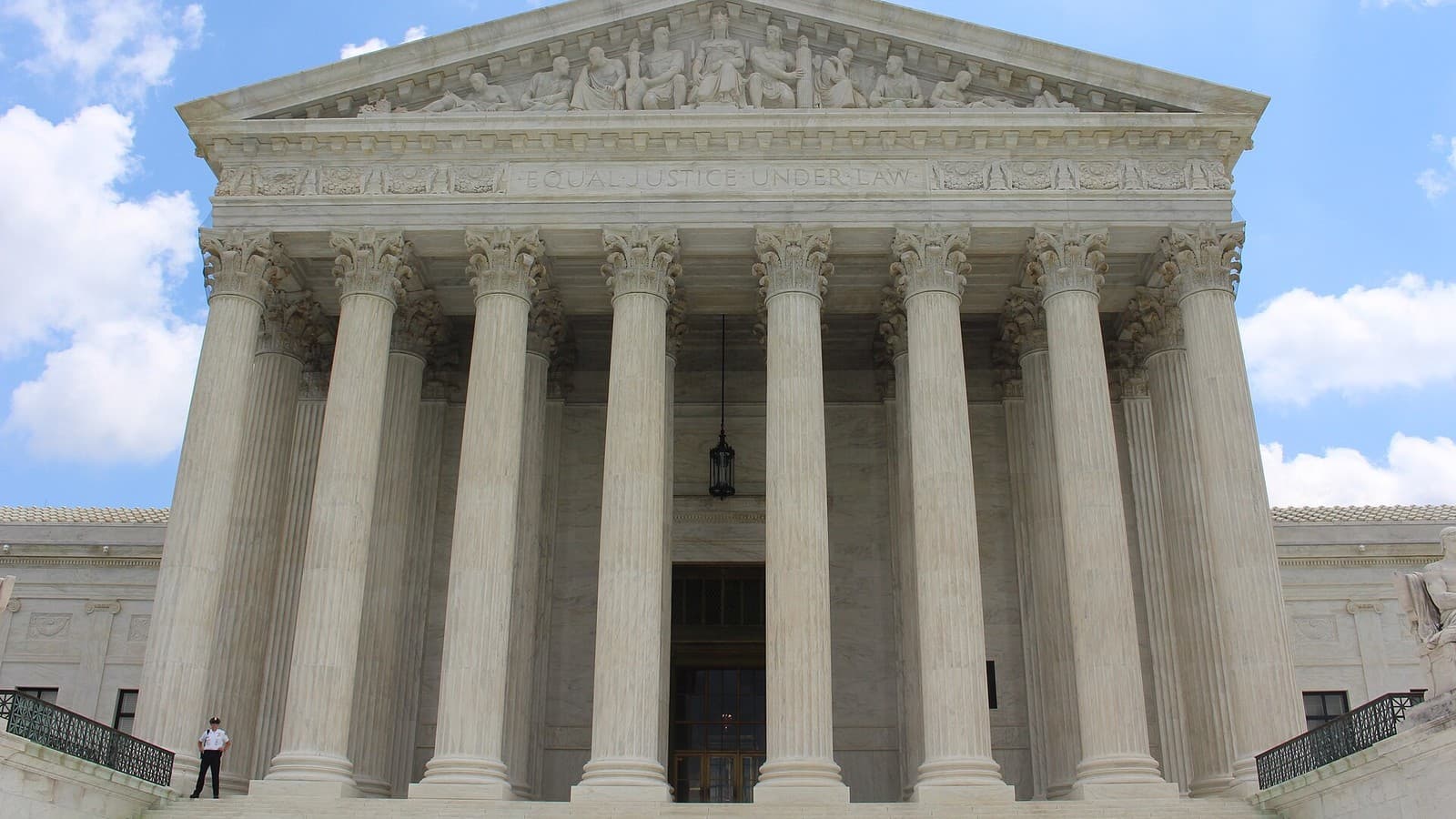
In 2019, Alabama police seized cars owned by Halima Culley and Lena Sutton after arresting the people driving them on drug charges, and the state sought civil forfeiture. Both women later won their cars back as innocent owners, after about 20 and 15 months. They argued in federal court that due process required a prompt preliminary hearing on whether officials could keep the cars in the meantime. Alabama argued that a timely forfeiture hearing was enough. On May 9, 2024, the Supreme Court sided with Alabama, 6-3.
Source and context
Original text
About this source
The Court held 6-3 that, after a state seizes personal property and seeks its civil forfeiture, due process requires a timely forfeiture hearing but not a separate preliminary hearing. Justice Gorsuch, joined by Justice Thomas, concurred while raising broader questions about civil forfeiture. Justice Sotomayor, joined by Justices Kagan and Jackson, dissented.
Archived copy (opens in a new tab)Before the quotation
The opinion frames the question as whether the Constitution requires a separate preliminary hearing to decide whether police may keep a car until the forfeiture hearing.
After the quotation
Kavanaugh relies on United States v. $8,850 and United States v. Von Neumann, adds that historical practice supports the result, and notes that owners can still challenge a hearing's timeliness.
How this statement is classified
The label describes this statement's response within the context above.
Why this label?
The reference point is Alabama's practice, defended by Attorney General Steve Marshall, of holding seized cars until the civil forfeiture hearing without a separate preliminary hearing, which the owners argued the Due Process Clause requires. Label: Defended or excused. The majority opinion holds that this practice satisfies due process, because a timely forfeiture hearing is all the Constitution requires. The closest competing label is Mixed or conditional; it loses because the opinion attaches no condition to that holding beyond the existing requirement that the forfeiture hearing be timely.
- Recorded on
- Published here
More from this case
Read the full caseMarshall says the Court confirmed the owners' rights were respected
“The U.S. Supreme Court affirmed our previous victories in these cases. Law enforcement officers across Alabama work hard every day to keep their fellow citizens safe while respecting their constitutional rights. And the Court confirmed that those rights were respected”Read statement
Institute for Justice calls the ruling deeply disappointing for property owners
Institute for Justice
“The Court’s decision that government can hold property without any process before the ultimate forfeiture hearing is deeply disappointing given the reality that years can pass by before such a hearing ever occurs. The right to private property means very little if the government can seize it and hold it indefinitely based on untested claims of probable cause”Read statement
Sotomayor dissents, saying the ruling denies a minimal safeguard
“Today, the Court holds that the Due Process Clause never requires that minimal safeguard. In doing so, it sweeps far more broadly than the narrow question presented and hamstrings lower courts from addressing myriad abuses of the civil forfeiture system.”Read statement
Share or embed this statement
The embed keeps its attribution link to The Dispute Index. Credit the image to The Dispute Index and link to the statement page.
Cite this record
- Publisher
- The Dispute Index
- Title
- Kavanaugh's majority opinion says due process requires no separate preliminary hearing
- First published
- Last updated
- Permalink
- https://disputeindex.com/events/5683-writing-for-the-court-kavanaugh-held-that-after
Last updated marks the most recent saved version of this published statement.
The Dispute Index. "Kavanaugh's majority opinion says due process requires no separate preliminary hearing". First published: 2026-10-14. Last updated: 2026-10-14. https://disputeindex.com/events/5683-writing-for-the-court-kavanaugh-held-that-after