
Bernie Moreno asks an appeals court to end Cleveland's police consent decree after a judge refused the city and Justice Department's request
Cleveland and the Justice Department asked a federal judge to end the city's 2015 police consent decree, and Judge Solomon Oliver Jr. refused. Sen. Bernie Moreno now urges the appeals court to end it; the city's police commission says the reforms are unfinished.
Case period:
Published by The Dispute Index editorial teamPublished Updated
Where it stands
ActiveAs of
Established
- The City of Cleveland and the Justice Department jointly asked the court on February 19, 2026 to end the 2015 police settlement agreement.Order denying the joint motion to terminate the settlement agreement, United States v. City of Cleveland, No. 1:15-cv-1046 (N.D. Ohio) (opens in a new tab)Cleveland moves to end federal oversight of police after more than a decade (opens in a new tab)
- Judge Solomon Oliver Jr. denied the request on May 8, 2026, finding 53 of 174 formally assessed paragraphs in substantial and effective compliance.Order denying the joint motion to terminate the settlement agreement, United States v. City of Cleveland, No. 1:15-cv-1046 (N.D. Ohio) (opens in a new tab)
- The Justice Department has appealed the ruling to the 6th U.S. Circuit Court of Appeals.U.S. Department of Justice to appeal ruling that kept Cleveland police reforms in place (opens in a new tab)
- Sen. Bernie Moreno filed a friend-of-the-court brief on November 10, 2026 asking the appeals court to vacate the ruling.US Sen. Bernie Moreno urges appeals court to end Cleveland police consent decree (opens in a new tab)
Disputed
- Whether Cleveland has reached the compliance the decree requires: the city and the Justice Department say it has; Oliver and the Community Police Commission say key reforms are unfinished.Order denying the joint motion to terminate the settlement agreement, United States v. City of Cleveland, No. 1:15-cv-1046 (N.D. Ohio) (opens in a new tab)Cleveland moves to end federal oversight of police after more than a decade (opens in a new tab)CPC Calls for Strong Local Accountability as Consent Decree Appeal Moves Forward (opens in a new tab)See the claim
- Whether a judge may keep a consent decree in place when both parties ask to end it: Moreno's brief says the court overstepped its authority.US Sen. Bernie Moreno urges appeals court to end Cleveland police consent decree (opens in a new tab)Order denying the joint motion to terminate the settlement agreement, United States v. City of Cleveland, No. 1:15-cv-1046 (N.D. Ohio) (opens in a new tab)See the claim
Not yet known
- How and when the 6th Circuit will rule on the appeal.US Sen. Bernie Moreno urges appeals court to end Cleveland police consent decree (opens in a new tab)
Overview
The 2015 settlement agreement, known as the consent decree, followed a Justice Department investigation that found Cleveland police officers used unnecessary and unreasonable force at a significant rate. A court-appointed monitoring team assesses the city's progress. Under its terms, the decree ends once the city has been in substantial and effective compliance for two consecutive years (one year for the search and seizure provisions). In 2025, President Donald Trump's administration ordered a review of police consent decrees nationwide.
People in this case
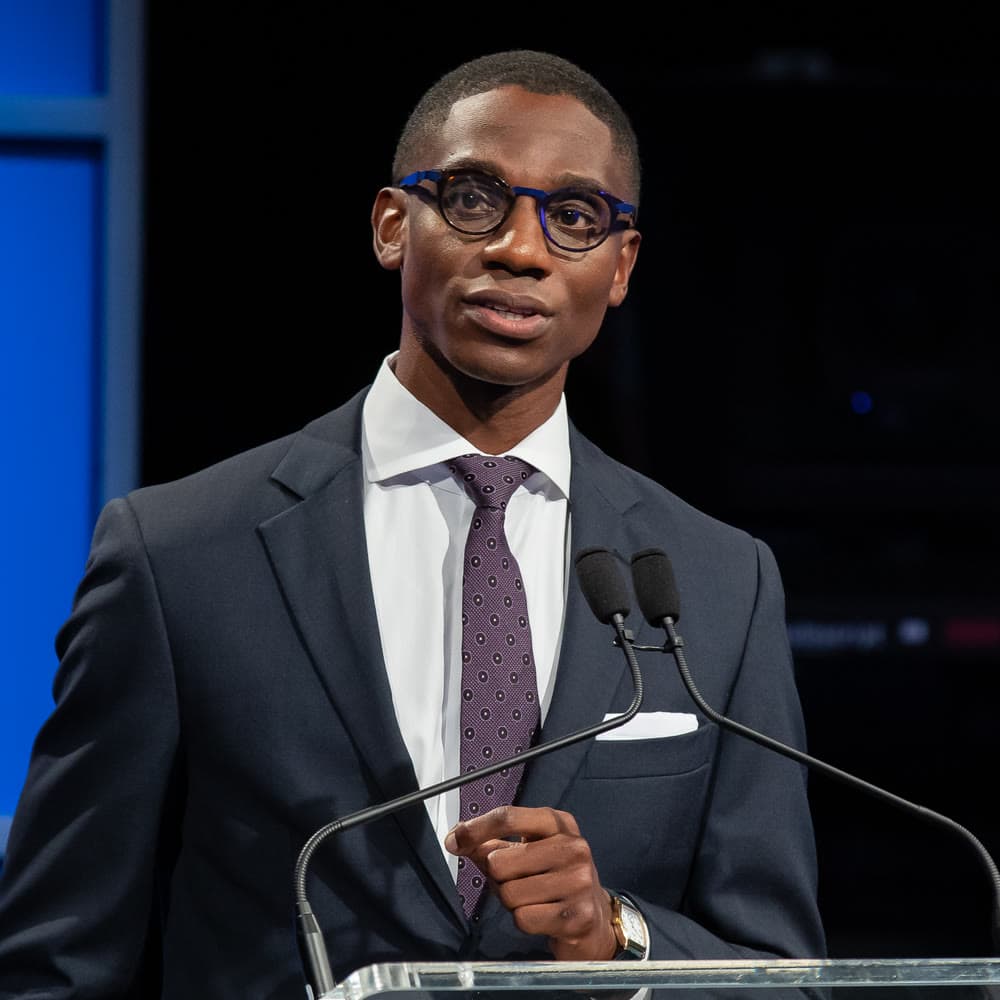 Justin BibbDirectly involved
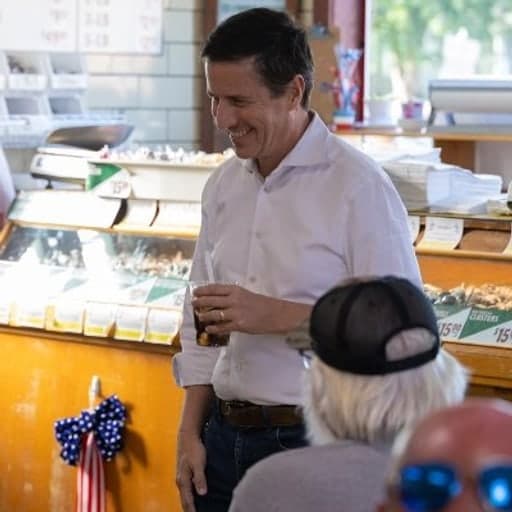 Bernie MorenoDirectly involved
Timeline
6 timeline entries on this page. Dates: June 12, 2015 to November 10, 2026
June 2015
Judge approves Cleveland's police settlement agreement
After a hearing on the joint motion of the Justice Department and the City of Cleveland, Judge Solomon Oliver Jr. found the settlement agreement's terms fair and entered it. The agreement followed a Justice Department investigation that found Cleveland officers used unnecessary and unreasonable force at a significant rate.
February 2026
Cleveland and the Justice Department ask the court to end the decree
Claim
The city and the department filed a joint motion to terminate the settlement agreement, arguing that the city and its police division had achieved substantial compliance and a durable remedy. Mayor Justin Bibb announced the request at a City Hall news conference.
Oliver says the motion surprised him and holds off on ruling
At a status hearing, Oliver said he had not expected the motion and would seek more input before ruling. Monitor Christine Cole said the city had made progress but that more assessments were planned.
May 2026
Oliver denies the request to end the decree
In a 74-page order, Oliver called the motion premature. He found that 53 of the 174 paragraphs the monitor had formally assessed (30%) had reached substantial and effective compliance, and that the city had not shown the changed circumstances needed for relief.
July 2026
Justice Department appeals the ruling to the 6th Circuit
Assistant Attorney General Harmeet Dhillon filed a one-page notice of appeal to the 6th U.S. Circuit Court of Appeals. The notice gives no reasons for the appeal.
November 2026
Moreno files a brief urging the appeals court to end the decree
Reaction
Sen. Bernie Moreno's attorney, Philip Williamson, filed a friend-of-the-court brief asking the 6th Circuit to vacate Oliver's ruling. It argues that the decree is too costly for the city and that the judge overstepped by keeping in place a settlement both parties want to end.
Claims
Claims separate what was said from what is contested. Follow each source for the original wording and context.
What's disputed
United States Department of Justice
Cleveland and its police division have achieved substantial compliance with the 2015 settlement agreement and a durable remedy, so the agreement should end.
What is disputed
The city and the Justice Department made this argument in their joint motion of February 19, 2026. Oliver found that 53 of the 174 paragraphs the monitor had formally assessed (30%) had reached substantial and effective compliance, and that none of the 152 paragraphs not yet formally assessed had. Bibb said the city had not met every requirement of the decree but had reached a milestone that justified local control. The Community Police Commission says reform is measured by whether it lasts, not by benchmarks met for a time.
Sources (3)
- CPC Calls for Strong Local Accountability as Consent Decree Appeal Moves Forward · Cleveland Community Police Commission
Disputed claim
Copy link to this disputed claim by Bernie MorenoThe district court exceeded its authority by refusing to end a settlement agreement that both the Justice Department and the City of Cleveland want to end.
What is disputed
Moreno's friend-of-the-court brief, filed by his attorney Philip Williamson in the 6th Circuit, makes this argument and adds that the decree is too costly for the city. In his order, Oliver wrote that the city had not carried the heavy burden required for relief from a consent decree and that the parties had not shown changed circumstances that would warrant it. Attorney Lisa Blatt is to file the brief defending the order in January.
In their own words
Their own account
Statements from the person or group whose act or claim this case is about. They are listed apart from the responses, and each label says what the speaker did with their own act or claim.
 Bernie MorenoU.S. senator from Ohio, in a friend-of-the-court brief filed by his attorney, Philip Williamson
"Instead, the court has locked the Department of Justice and the City of Cleveland into a case they believe is fully resolved, and into a settlement agreement neither side wants."
Stood by itResponding to: The district court exceeded its authority by refusing to end a settlement agreement that both the Justice Department and the City of Cleveland want to end.
Full statement and sources
In a friend-of-the-court brief filed in the 6th U.S. Circuit Court of Appeals, Moreno urged the court to vacate Oliver's ruling. The brief argues that the decree costs the city too much and that the judge overstepped his authority because both parties to the case want it to end.
Before the statement
The brief says "The people of Cleveland have lost control over both their police department and their municipal pocketbook". Describing the city and the Justice Department's request to end the decree, it says: "In a remarkable grab of authority, the district court said no".
After the statement
The city's brief in the appeal is due in December. Lisa Blatt, the attorney who will defend Oliver's order, is to file her brief in January, and a panel of the appeals court is expected to decide the case next year.
Why this label?
Moreno's brief asks the appeals court to end the decree and says the judge took authority he did not have when he refused to let the parties out of it, so we labeled it Stands by.
This label describes the statement's response within the context above.
 United States Department of JusticeU.S. Justice Department, represented by attorney Jonas Geissler at a status hearing before Judge Oliver
"Whoever was in charge, now is the point where it's time"
Stood by itResponding to: Cleveland and its police division have achieved substantial compliance with the 2015 settlement agreement and a durable remedy, so the agreement should end.
Full statement and sources
At a status hearing before Oliver, Justice Department attorney Jonas Geissler said the request to end the consent decree was based on the facts of the case. He distanced the department from the view that it was tied to the Trump administration's review of police agreements.
Before the statement
Toward the end of the hearing, Geissler said the decision to seek an end to the decree was "based upon the facts" of the case.
After the statement
Oliver said at the hearing that the motion surprised him and that he would seek more input before ruling.
Why this label?
Speaking for the Justice Department, Geissler says the facts of the case show it is time to end the decree, so we labeled it Stands by.
This label describes the statement's response within the context above.
- Bernie MorenoU.S. senator from Ohio, in a press release from his Senate office
"Their goal wasn't police reform, it was police decapitation. Now President Trump has liberated the Cleveland Police Department, and I expect the Mayor to fully support the officers in their mission to clean up the city."
Checked word for word against a linked source on .
Stood by itResponding to: Cleveland and its police division have achieved substantial compliance with the 2015 settlement agreement and a durable remedy, so the agreement should end.
Full statement and sources
In a press release issued the day the Justice Department filed to end the consent decree, Moreno welcomed the filing. He said anti-police liberals had kneecapped Cleveland officers for over a decade while lawyers from Washington collected tens of millions of dollars in fees, and that he expected the mayor to back the police.
Before the statement
The release says Moreno applauded the Justice Department's filing to end the decree. He said: "Radical anti-police liberals kneecapped Cleveland police officers for over a decade, allowing DC lawyers to rob taxpayers of tens of millions of dollars with obscene fees".
After the statement
Moreno added: "Cleveland can't wait for more posturing or politically correct statements." The release says he wrote to Attorney General Pam Bondi in February 2025 urging the department to reexamine the decree, and again in November 2025 asking for an update on that review.
Why this label?
Moreno welcomes the filing to end the decree, says its goal was to cripple the police rather than reform them and credits the president with freeing the department, so we labeled it Stands by.
This label describes the statement's response within the context above.
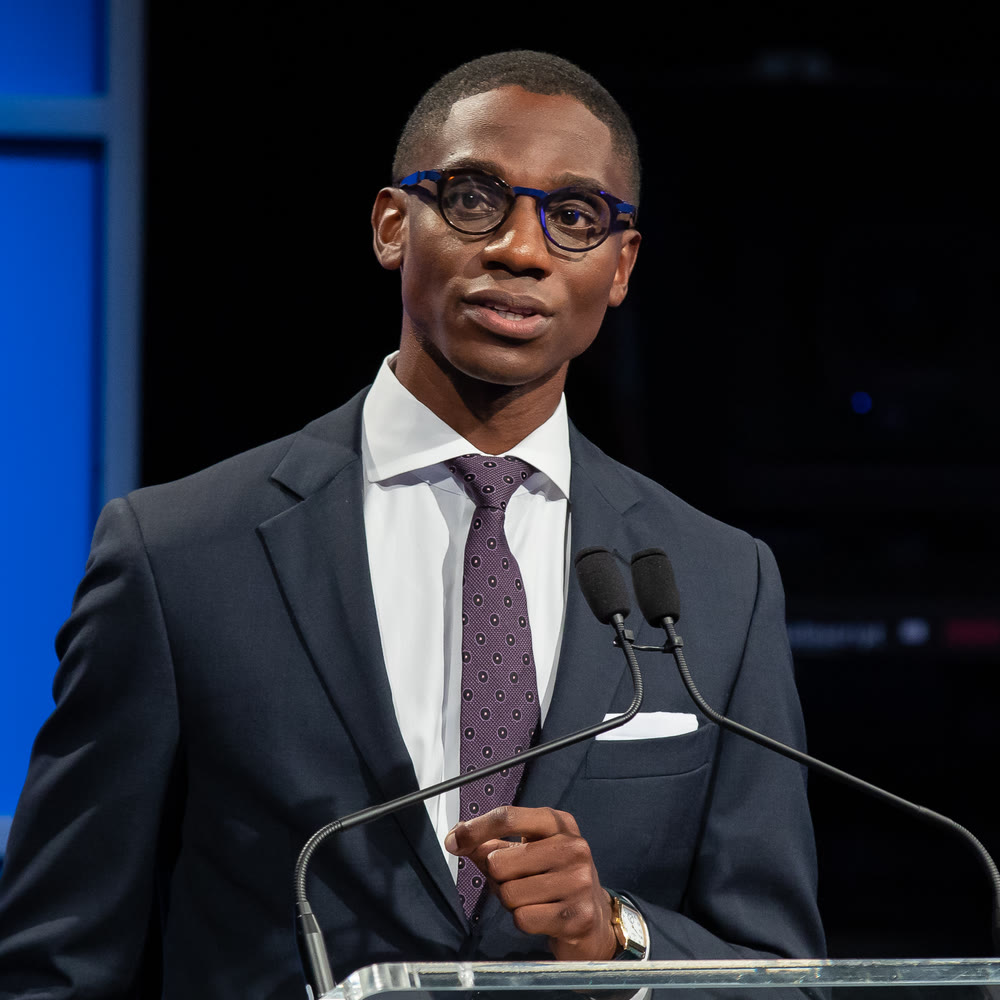 Justin BibbMayor of Cleveland, at a City Hall news conference
"What we are saying today is that we have achieved a significant milestone in the progress that we've made under the consent decree, and now is the time for the City of Cleveland to take back the reins for local control"
Checked word for word against a linked source on .
Stood by itResponding to: Cleveland and its police division have achieved substantial compliance with the 2015 settlement agreement and a durable remedy, so the agreement should end.
Full statement and sources
At a City Hall news conference on the day of the joint motion, Bibb said Cleveland police had changed since the decree began. He acknowledged the city had not met every requirement but said it should now take back local control, with its own police accountability team watching the reforms.
Before the statement
Bibb said, "Cleveland today is not the Cleveland of 2015, and the consent decree was never meant to be permanent". He said the work had cost taxpayers around $40 million, that he was not declaring the mission accomplished and that he had asked the court-appointed monitor to stay on for another year.
After the statement
Bibb said the city and the Justice Department would have sought to end the decree even if Donald Trump had lost the 2024 election.
Why this label?
Bibb defends the city's request to end the decree, saying Cleveland has made enough progress to run police reform under local control, so we labeled it Stands by.
This label describes the statement's response within the context above.
Response record
Responses
Choose one response filter, or select All responses to see the full record.
No responses match these filters.
Clear response filtersSources
(8)
Original text
Order denying the joint motion to terminate the settlement agreement, United States v. City of Cleveland, No. 1:15-cv-1046 (N.D. Ohio)
Relevant passage: ECF No. 708, pages 71 to 73
About this source
Judge Solomon Oliver Jr.'s 74-page order denying the motion filed jointly by the City of Cleveland and the U.S. Justice Department in February 2026 to end the 2015 police settlement agreement. It finds that 53 of the 174 formally assessed paragraphs (30%) had reached substantial and effective compliance and calls the motion premature. The copy was posted by Signal Cleveland.
- Author
- Judge Solomon Oliver Jr., U.S. District Court for the Northern District of Ohio
- Published
- Accessed
Reporting
U.S. Department of Justice to appeal ruling that kept Cleveland police reforms in place
About this source
News 5 Cleveland report that Assistant Attorney General Harmeet Dhillon filed a one-page notice of appeal to the 6th U.S. Circuit Court of Appeals challenging Judge Oliver's May ruling. The notice gives no reasons.
- Author
- Sarah Buduson, News 5 Cleveland
- Published
- Accessed
Official statement
CPC Calls for Strong Local Accountability as Consent Decree Appeal Moves Forward
About this source
Statement posted by the Cleveland Community Police Commission after the Justice Department appealed Judge Oliver's ruling. The commission quotes the order, says it shares the judge's concern about areas without sustained compliance and calls for local accountability systems that last after federal oversight ends.
- Author
- Cleveland Community Police Commission
- Published
- Accessed
Reporting
Federal judge denies request to end police consent decree, calling it 'premature'
About this source
Signal Cleveland report on Judge Oliver's May 8, 2026 order, with a statement from Mayor Justin Bibb and a comment from Community Police Commission co-chair John Adams.
- Author
- Frank W. Lewis, Signal Cleveland
- Published
- Accessed
Reporting
Federal judge surprised by Cleveland and Justice Department move to end police consent decree, won't rule on it yet
About this source
Signal Cleveland report on the February 20, 2026 status hearing, the day after the joint motion. It quotes Judge Oliver, monitor Christine Cole, Justice Department attorney Jonas Geissler and city ethics officer Delante Thomas.
- Author
- Nick Castele and Frank W. Lewis, Signal Cleveland
- Published
- Accessed
Reporting
Cleveland moves to end federal oversight of police after more than a decade
About this source
Signal Cleveland report on the joint motion and Mayor Justin Bibb's City Hall news conference, where he said the city had not met every requirement of the decree but should take back local control. It quotes former Cleveland law director Subodh Chandra's open letter opposing the move and other police reform advocates.
- Author
- Nick Castele and Frank W. Lewis, Signal Cleveland
- Published
- Accessed
Reporting
US Sen. Bernie Moreno urges appeals court to end Cleveland police consent decree
About this source
Cleveland.com report on the friend-of-the-court brief Moreno's attorney, Philip Williamson, filed in the 6th U.S. Circuit Court of Appeals. It quotes the brief's argument that the consent decree is too costly and that the district judge overstepped by keeping in place a settlement both parties want to end, and notes the briefing schedule for the city and for Lisa Blatt, who will defend the judge's order.
- Author
- Adam Ferrise, cleveland.com
- Published
- Accessed
Official statement
Moreno Applauds Trump Administration for Filing to End Cleveland Consent Decree
About this source
Press release from Sen. Bernie Moreno's office issued the day the city and the Justice Department asked the court to end the consent decree. It quotes Moreno and lists his earlier letters to Attorney General Pam Bondi and his 2025 bar complaint against the former monitor, Karl Racine.
- Author
- Office of Sen. Bernie Moreno
- Published
- Accessed
Share or embed this case
The embed keeps its attribution link to The Dispute Index. Credit the image to The Dispute Index and link to the case page.
Cite this record
- Publisher
- The Dispute Index
- Title
- Bernie Moreno asks an appeals court to end Cleveland's police consent decree after a judge refused the city and Justice Department's request
- First published
- Last updated
- Permalink
- https://disputeindex.com/cases/cleveland-police-consent-decree-appeal
The Dispute Index. "Bernie Moreno asks an appeals court to end Cleveland's police consent decree after a judge refused the city and Justice Department's request". First published: 2026-11-20. Last updated: 2026-11-20. https://disputeindex.com/cases/cleveland-police-consent-decree-appeal