
Can California ban ICE and other federal agents from using electric shock gloves, as AB 2760 does?
California's AB 2760 bars all law enforcement, including federal agents, from using electric shock gloves. Newsom and the author defend the ban. DHS and a federal prosecutor reject California's authority over federal agents. As of October 1, 2026, no court has ruled.
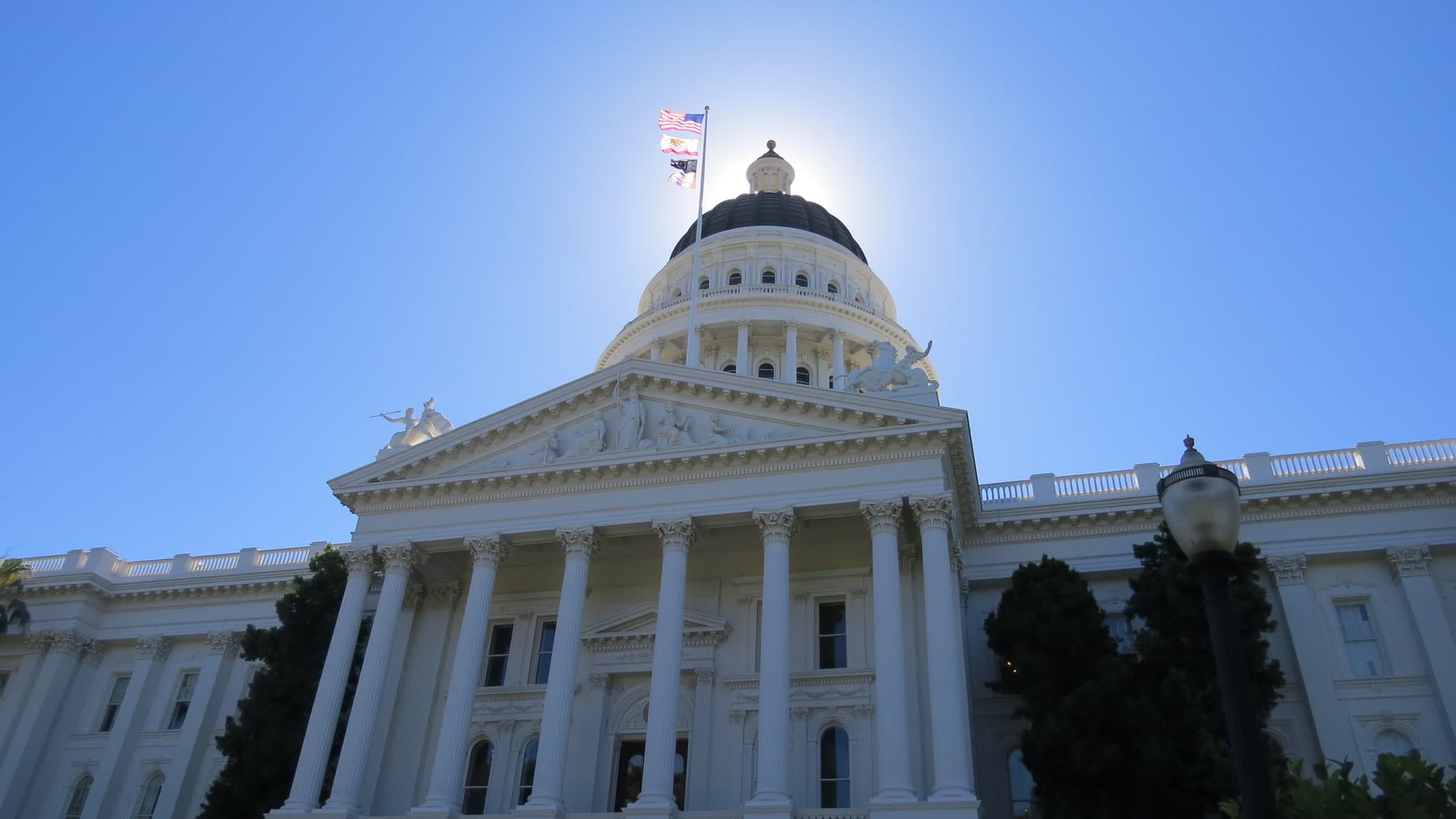
BackgroundWhat is the Supremacy Clause?
Case period:
Published by The Dispute Index editorial teamPublished Updated
Overview
On September 29, 2026, Gov. Gavin Newsom signed AB 2760, which bars any law enforcement agency in California, including federal agencies such as U.S. Immigration and Customs Enforcement (ICE), from using a wearable electroshock device, meaning a weapon worn as a glove that delivers an electric shock. The law applies to state, local and federal agencies, requires a state Department of Justice study by January 1, 2029, and is repealed on January 1, 2030. It followed ICE's August 2026 sole-source contract of $16,700,640 for G.L.O.V.E. gloves from Compliant Technologies. Newsom and the bill's author, Assemblymember LaShae Sharp-Collins, defend the ban, and Sharp-Collins says the gloves have not been proven safe. First Assistant U.S. Attorney Bill Essayli says California has no jurisdiction over federal agents and that he advised the Department of Homeland Security to disregard the law, and the department says it will not abide by it. Sacramento County Sheriff Jim Cooper, the California State Sheriffs' Association, Republican legislators and the gloves' maker oppose the ban as unwise, and two UC Davis law professors say California likely lacks the power to bind federal officers. The disputed question is whether California can ban federal agents from using electric shock gloves. As of October 1, 2026, no court had ruled on AB 2760, and we found no lawsuit against it.
Background: What is the Supremacy Clause?
Read the full background
Governor Gavin Newsom signed AB 2760 on September 29, 2026 (opens in a new tab), barring state, local and federal law-enforcement agencies from using electric shock gloves in California. Bill Essayli, the Central District of California's first assistant U.S. attorney, said that day (opens in a new tab) that Newsom had "no jurisdiction" over federal agents and that he had advised the Department of Homeland Security to disregard the measure. The dispute concerns both the devices' safety and California's authority to restrict federal officers' equipment.
A temporary ban with a safety study
The chaptered law, Government Code section 7286.1 (opens in a new tab), defines the covered device as a glove designed to incapacitate a person temporarily through a controlled electric shock. It excludes handheld Tasers, stun guns and similar pistol-style weapons. Agencies must prohibit the gloves in their use-of-force policies, and state funds cannot be used to buy them.
The law requires the California Department of Justice's Division of Law Enforcement to study safety and community impacts, consult affected groups and recommend standards and safeguards by January 1, 2029. The section expires on January 1, 2030. AP reported (opens in a new tab) that the ban takes effect in 2027.
ICE's purchase brought the equipment into the legislative debate. ABC 10News reported a $16.7 million contract (opens in a new tab) and quoted an ICE procurement notice describing the gloves as a way to de-escalate confrontations and reduce the need for higher levels of force.
Safety claims and the Army assessment
The bill's author, Assemblymember LaShae Sharp-Collins, said when Newsom signed it (opens in a new tab) that public-safety technology should be proven safe and accountable before use. Sacramento County Sheriff Jim Cooper told ABC 10News (opens in a new tab) that the gloves were effective, saved lives and prevented injuries. The Senate Public Safety Committee analysis, page 8 (opens in a new tab), recorded La Defensa's concern that concealed gloves could make it difficult to see where a shock was administered, complicating use-of-force review.
A Kentucky lawsuit supplied one of the safety allegations cited in the debate. The complaint concerning Johnathon Mansfield, paragraph 1 (opens in a new tab), alleges that officers shocked him 13 times with a Taser and 27 times with the G.L.O.V.E. before his October 2024 death. It attributes his cardiac arrest to the repeated shocks. Those numbers and that account of causation are the plaintiffs' allegations.
On October 6, American Oversight released an Army assessment (opens in a new tab) from an October 2024 exercise at Fort Leavenworth. The report's executive summary, document page 23 (opens in a new tab), says the gloves shortened physical encounters and reduced injuries in the scenarios tested. Its observations also describe pain, immediate compliance and, in one test involving oiled skin, discomfort lasting about 30 minutes. The limitations section, document page 31 (opens in a new tab), says the exercise assessed military utility rather than technical capabilities and did not produce statistically relevant evidence for predicting efficacy. The report supports a narrower account of the tested scenarios than a general assurance that the devices are safe. CBS News and the AP reported on October 7 that, according to records American Oversight obtained, ICE leaders had the study before signing the contract, and that Sen. Catherine Cortez Masto said ICE had not answered an August 27 letter from 16 senators asking how the gloves would be used.
The federal-authority objection
The governor's office argued (opens in a new tab) that California could set requirements for law-enforcement practices and equipment within the state, while acknowledging that it could not dictate federal immigration policy. DHS told ABC 10News (opens in a new tab) during the legislative debate that it would not comply with bans it considered unconstitutional.
Legal commentators questioned the state's power. UC Davis law professor emeritus Kevin Johnson told AP (opens in a new tab) that courts would probably reject restrictions on federal officers' shock gloves, citing California's limited authority over how those officers are armed. In a September 3 column (opens in a new tab), law professors Vikram Amar and Jason Mazzone argued that a state cannot directly regulate federal officers performing their duties without federal consent. They distinguished that equipment restriction from California's separate proposal to allow damages claims for violations of federal constitutional rights.
The Senate committee analysis, pages 6-7 (opens in a new tab), suggested that applying the bill equally to state and federal officers might help it survive, depending on interference with federal operations. The enacted version includes state agencies. The earlier court rulings show why equal coverage and direct regulation remain separate legal issues.
What the mask and identification rulings decided
On February 9, Judge Christina Snyder blocked California's 2025 mask prohibition against federal officers (opens in a new tab) because it exempted comparable state officers. She declined to block a separate identification requirement.
On April 22, the Ninth Circuit issued an injunction pending appeal against that identification requirement (opens in a new tab). The panel said it likely violated the Supremacy Clause by directly regulating federal officers' duties, even though state officers faced the same rule. California had not appealed the district court's mask injunction; the April opinion addressed identification. These were interim orders concerning the 2025 laws, rather than a judgment on AB 2760 or the safety of shock gloves.
People in this case
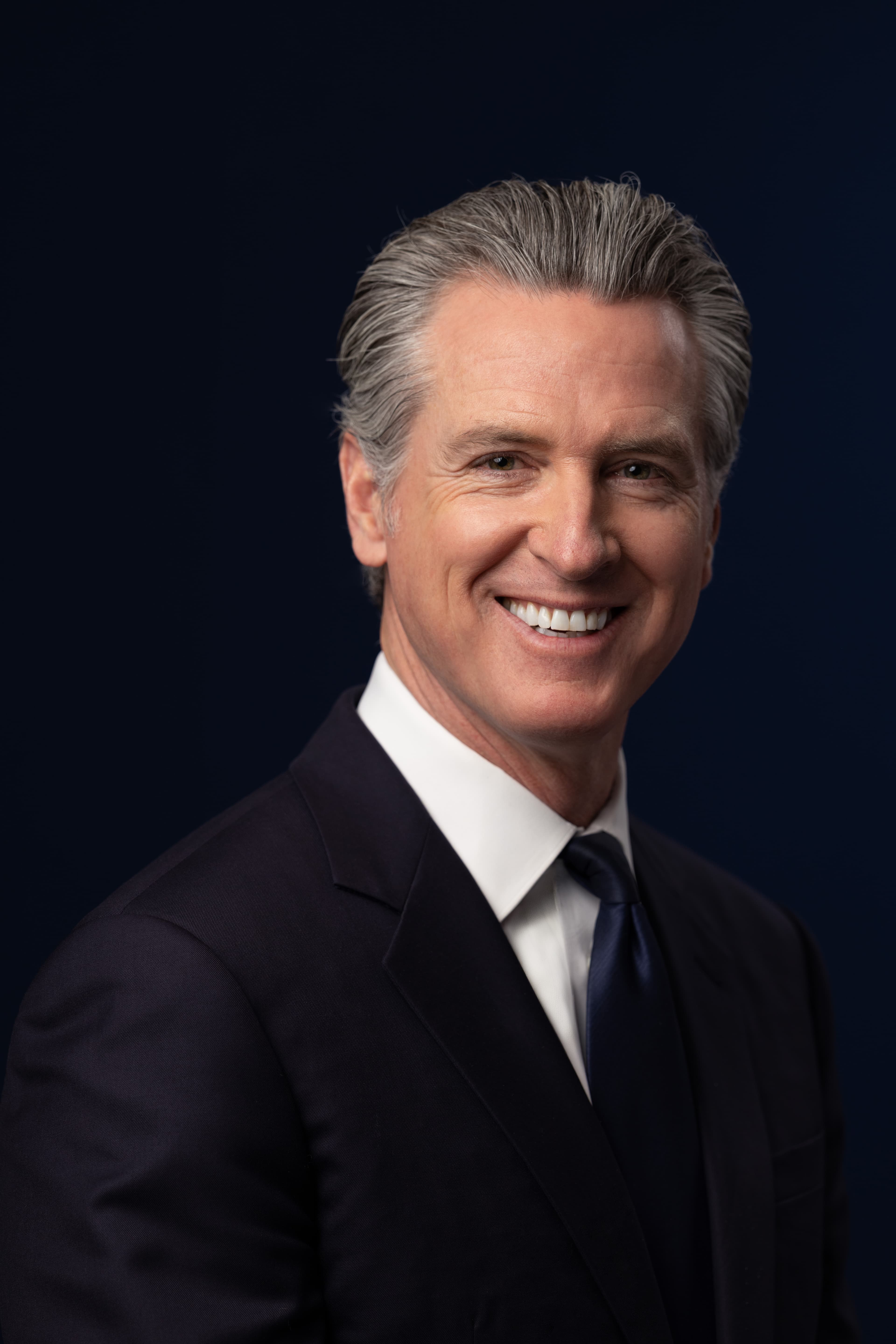 Gavin NewsomDirectly involved
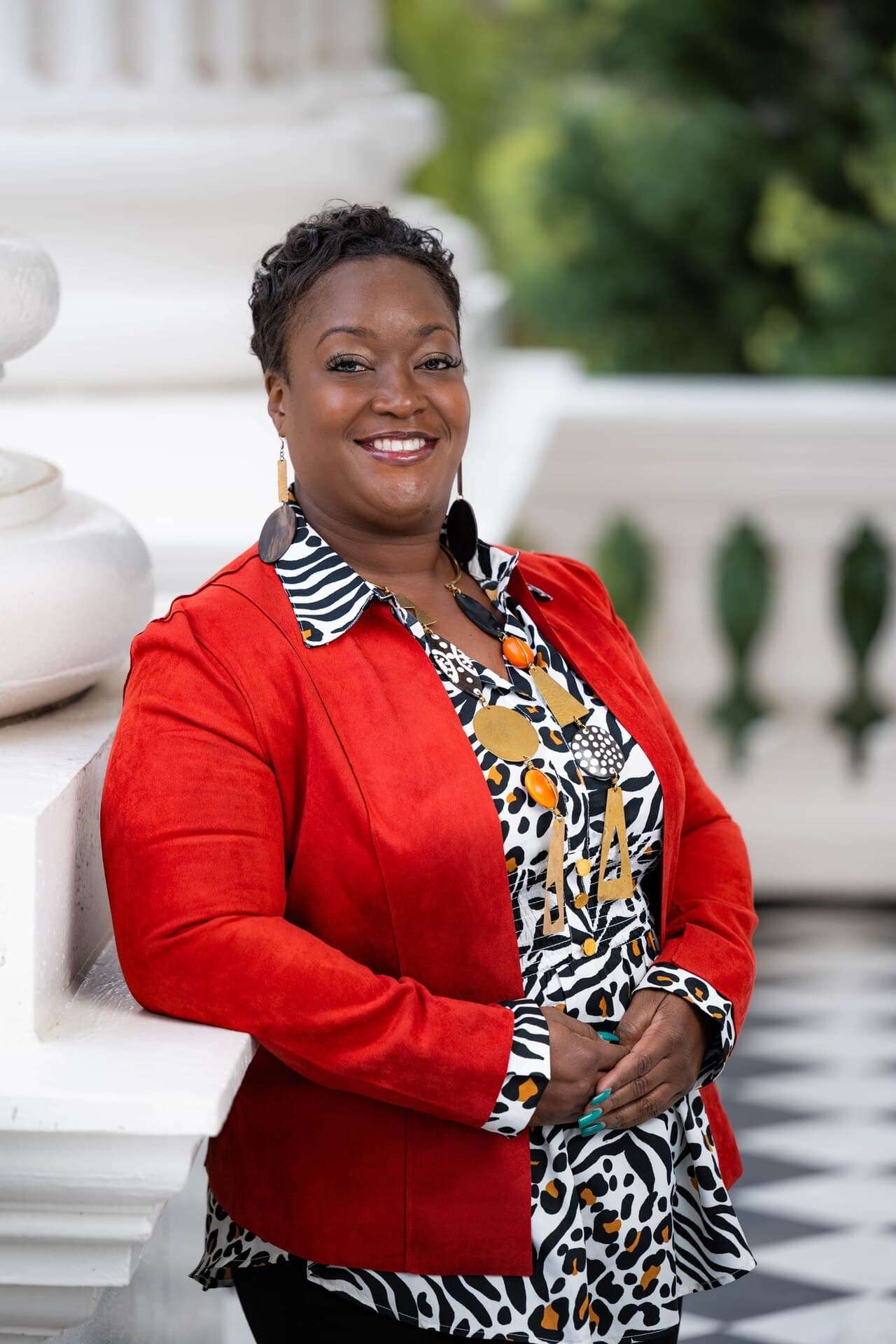 LaShae Sharp-CollinsDirectly involved
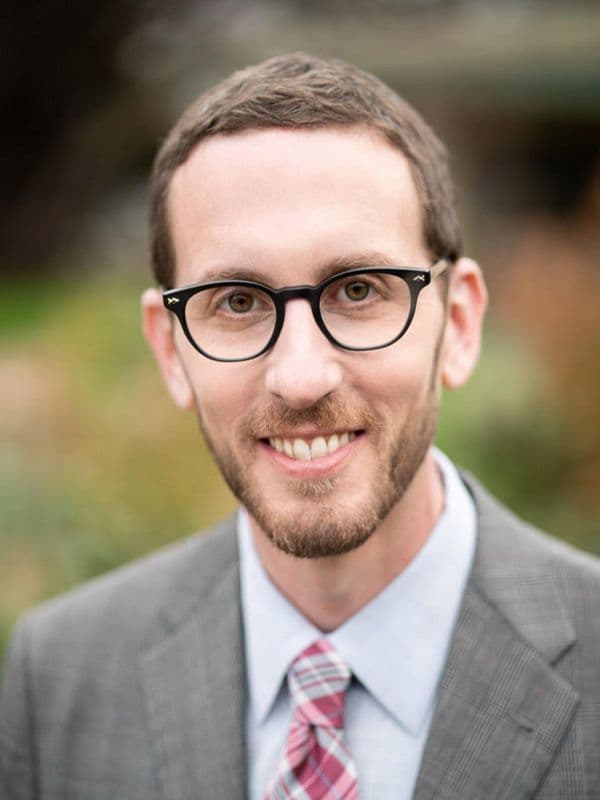 Scott WienerDirectly involved
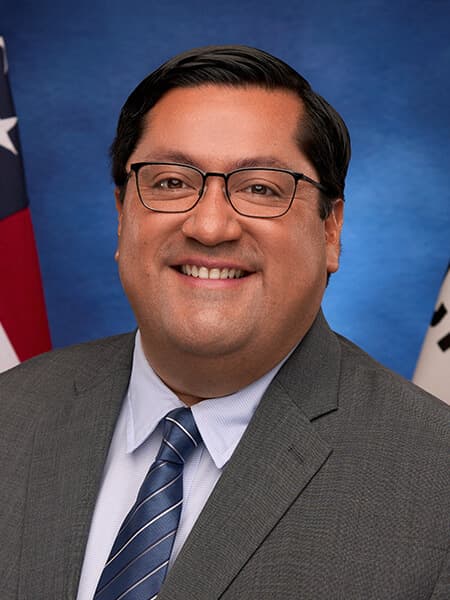 Jesse ArreguínDirectly involved
Timeline
20 timeline entries on this page. Dates: February 9, 2026 to October 7, 2026
February 2026
A federal judge blocks California's mask ban for federal officers because it exempted state officers
In United States v. California, Judge Christina A. Snyder of the Central District of California ruled on the Justice Department's challenge to two 2025 California laws: SB 627, which barred officers, including federal officers, from wearing face coverings, and SB 805, which required visible identification. She barred California from enforcing the face-covering ban against federal officers because the law exempted California state officers, which she found treated federal officers worse than state officers. She found the United States had not shown that either law directly regulates the federal government, writing that "federal officers can perform their federal functions without wearing masks," and she declined to block the identification law. She stayed the order until noon on February 19, 2026.
April 2026
The Ninth Circuit keeps California's identification requirement blocked for federal officers
A three-judge Ninth Circuit panel granted the United States' request for an injunction pending appeal against the identification requirement in SB 805. It held that the United States is likely to succeed because the requirement "attempts to directly regulate the United States in its performance of governmental functions." It rejected the district court's focus on how much the law interfered with federal operations, writing that a state law that directly regulates the conduct of the United States is "void irrespective of whether the regulated activities are essential to federal functions or operations." The opinion does not address the face-covering law, which California did not appeal. The ruling came on a request for an injunction while the appeal continues. The panel heard argument on the merits on August 25, 2026, and the docket copy we found, updated August 27, shows no decision.
August 2026
DHS posts a forecast for up to $20 million of G.L.O.V.E. shock gloves for ICE
Source release
On August 10, 2026 the Department of Homeland Security's Acquisition Planning Forecast System published a record for ICE's planned purchase of the CTG-5 G.L.O.V.E. (Generated Low Output Voltage Emitter), which it describes as a "Conductive Distraction and De-escalation Device" to be issued to Homeland Security Investigations and Enforcement and Removal Operations officers and agents. The record gives an estimated range of $10 million to $20 million and a completion date of March 31, 2027. The gloves are made by Compliant Technologies of Kentucky. The live page no longer loads, and an archived copy preserves the record.
The Senate rewrites AB 2760, a county inspector general bill, into the shock-glove ban
AB 2760 was introduced on February 20, 2026 and passed the Assembly 51 to 7 on May 26 as a bill authorizing counties to create offices of inspector general for animal control and probation. On August 21, with days left in the session, Senate amendments deleted that text and inserted a ban on wearable electroshock devices by law enforcement agencies. The August 21 version defined agencies to include local agencies and federal agencies and, as the Senate Public Safety analysis noted, left out California state agencies. CalMatters described the change as a gut-and-amend.
- Source 5: AB 2760 bill history (amendments, votes and signing, February 20 to September 29, 2026)
- Source 6: Senate Floor Analyses of AB 2760 (third reading, as amended August 28, 2026)
- Source 7: Senate Committee on Public Safety analysis of AB 2760 (hearing date August 26, 2026; version of August 21, 2026)
- Source 8: CalMatters
Senate Public Safety Committee approves AB 2760 5 to 1; staff analysis raises Supremacy Clause questions
The committee voted 5 to 1 to pass the bill and send it to Appropriations, with Sen. Kelly Seyarto voting no. Its staff analysis said the bill's provisions regulating federal agencies and their agents would undoubtedly face a legal challenge under the doctrines of intergovernmental immunity and conflict preemption, that the outcome was unclear and depended on several factors, and that the bill would need to apply equally to federal and state agencies to withstand a challenge. The author said she would take amendments in Appropriations. The California Immigrant Policy Center and others testified in support, and the California State Sheriffs' Association and the California Police Chiefs Association testified in opposition.
ICE signs a sole-source contract with Compliant Technologies for $16,700,640
Source release
Federal spending records show ICE signed contract 70CMSW26C00000012 with Compliant Technologies LLC on August 26, 2026, with one offer received and no competition. ICE's sole-source justification, posted August 27 with parts redacted, lists 6,000 units of one G.L.O.V.E. model at $2,495 each, 650 of a second model and support items, for a total of $16,700,640, with work running from August 28, 2026 to February 27, 2027. It says the gloves are meant as a "non-lethal, de-escalation device" and cites the "Only one responsible source" authority for skipping competition. News reports described the purchase as 6,000 pairs. DHS reacted to critics of the purchase on August 27.
Madrid urges a shock-glove ban at the Senate Public Safety hearing
Reaction
At the Senate Public Safety hearing, CHIRLA state policy advocate Monica Madrid supports AB 2760. She describes risks to people who are restrained and being moved to immigration detention, often without a lawyer nearby.
Sharp-Collins announces the bill at a news conference; Senate Appropriations approves it 4 to 2
At a Capitol news conference on Thursday, August 27, Assemblymember LaShae Sharp-Collins announced AB 2760 with other lawmakers and advocates. The Senate Appropriations Committee approved the bill 4 to 2 that day. Sacramento County Sheriff Jim Cooper said the same day, according to ABC 10News, that the gloves are necessary and lifesaving. First Assistant U.S. Attorney Bill Essayli posted that the bill is "DOA" and that California does not have authority to dictate what tools federal law enforcement can use.
- Source 15: Assemblymember Dr. Sharp-Collins and State Leaders Call for Ban on Electric Shock Gloves (California Assembly Democrats video of the August 27, 2026 news conference)
- Source 9: AB 2760 vote record (committee and floor roll calls, April 14 to August 31, 2026)
- Source 16: Bill Essayli
- Source 17: ICE awards $16.7 million contract for electric gloves amid California push to ban the devices
Bluthenthal urges Senate Appropriations to support AB 2760
Reaction
At the Senate Appropriations hearing, California Community Foundation policy officer Cleo Bluthenthal supports AB 2760. Citing the death of a Kentucky man after shocks with gloves and a Taser, she argues that the devices offer no demonstrated benefit and raise public-health and oversight concerns.
Amendments add a Justice Department study and a 2030 repeal; DHS says it will not abide by the ban
On August 28 the Senate amended AB 2760 to add a requirement that the Division of Law Enforcement in the California Department of Justice study the devices' safety and community impacts and report by January 1, 2029, and to repeal the section on January 1, 2030. The August 28 version, which became law, covers state, local and federal agencies. ABC 10News reported the same day a statement from a DHS spokesperson saying "we will not abide by unconstitutional bans." ABC 10News also reported Sharp-Collins saying the bill had been changed to a three-year ban while the Department of Justice studies the gloves.
- Source 6: Senate Floor Analyses of AB 2760 (third reading, as amended August 28, 2026)
- Source 19: AB 2760 (Sharp-Collins), Chapter 749, Statutes of 2026: Law enforcement: wearable electroshock devices (chaptered text)
- Source 17: ICE awards $16.7 million contract for electric gloves amid California push to ban the devices
The Senate passes AB 2760 29 to 9 and the Assembly agrees to the Senate changes 55 to 16
The Senate passed AB 2760 29 to 9 after a floor debate in which Sens. Scott Wiener and Jesse Arreguín, among others, spoke in support and Sens. Tony Strickland, Kelly Seyarto and Suzette Martinez Valladares spoke against it. Arreguín and other supporters said the Peace Officers Research Association of California, the California Police Chiefs Association and the California Association of Highway Patrolmen had announced neutrality after the author added the study and the 2030 repeal. The Assembly then agreed to the Senate amendments 55 to 16. The California State Sheriffs' Association stayed opposed, in a letter read into the record on the Senate floor.
Strickland opposes removing an alternative to firearms
Reaction
Sen. Tony Strickland opposes AB 2760 on the Senate floor. He argues that officers should retain the gloves as an option that could avoid resorting to firearms.
Valladares warns the ban could chiefly restrict local officers
Reaction
Sen. Suzette Martinez Valladares opposes AB 2760, arguing that courts could exclude federal officers from its reach while leaving local officers with fewer force options. She distinguishes law-enforcement groups' neutrality from support.
DeMaio objects to the ban and the expedited legislative process
Reaction
Assemblymember Carl DeMaio opposes AB 2760, arguing that it removes a force option and was rushed through the Legislature. He says he would support a study and urges reconsideration through the regular process.
September 2026
Meyer supports the ban, citing the difficulty of detecting glove shocks
Reaction
ACLU-SDIC advocate Eddie Meyer supports AB 2760 in public comment to San Diego County supervisors. He argues that shocks delivered through a glove can be hard for witnesses to detect or document, weakening accountability.
San Diego County supervisors approve a letter supporting AB 2760
San Diego County supervisors vote 3-2 to direct the chief administrative officer to express the county's support for AB 2760. The adopted motion also waives the board's usual letter-review timetable.
Newsom signs AB 2760 and SB 1004; Essayli says he advised DHS to disregard the ban
Newsom signed AB 2760 (Chapter 749) and 20 other bills on September 29, 2026, including SB 1004 (Chapter 757), which extends California's face-covering ban for officers to state officers. The Governor's release lists "Ban on shock gloves" among the new standards for law-enforcement practices. Essayli posted that California has "no jurisdiction" over federal agents and that he had advised DHS to disregard the bill. DHS told CBS News Sacramento that "Enforcing federal immigration laws is a clear federal responsibility." As of October 1, 2026, no court had ruled on AB 2760.
- Source 19: AB 2760 (Sharp-Collins), Chapter 749, Statutes of 2026: Law enforcement: wearable electroshock devices (chaptered text)
- Source 5: AB 2760 bill history (amendments, votes and signing, February 20 to September 29, 2026)
- Source 28: Gavin Newsom
- Source 29: SB 1004 (Wiener), Chapter 757, Statutes of 2026: Law enforcement: masks (chaptered text)
- Source 30: Bill Essayli
- Source 31: CBS News
Three people amend suits against federal officers to add claims under SB 747, the No Kings Act
Cary Lopez, Javier Ramirez and Angel Piña, who had earlier sued the federal government over their arrests in 2025, filed amended complaints in federal court in California on September 29, 2026 adding claims under SB 747, the "No Kings Act," which Newsom also signed that day and which lets people sue federal officers in California courts for constitutional violations. The San Francisco Chronicle reported on September 30 that they were the first suits under the law. The suits seek damages for the plaintiffs' arrests. They do not challenge AB 2760 or any other California law, and they do not concern shock gloves.
October 2026
American Oversight releases shock-glove records and questions safety evidence
Source release
American Oversight announced the release of an Army assessment obtained from ICE. Executive Director Chioma Chukwu criticized the planned deployment and said operational effectiveness did not establish safety. The assessment was conducted in 2024, rather than at the time of the release.
CBS News and the AP report that ICE had the Army shock-glove study before signing its contract
CBS News and the Associated Press reported that ICE leaders knew the findings of an Army study of the gloves before signing the $16.7 million contract in August, according to records American Oversight obtained through a Freedom of Information Act lawsuit. The study, from an October 2024 exercise at Fort Leavenworth, Kansas, found that participants stopped resisting seconds after being shocked and were left with "fatigue, soreness and excessive apprehensiveness to being shocked again." The report says an ICE statement did not address questions about the study or the rollout, and that Sen. Catherine Cortez Masto said ICE had not answered an August 27 letter from 16 Democratic senators.
Claims
Claims separate what was said from what is contested. Follow each source for the original wording and context.
What's disputed
Disputed claim
Copy link to this disputed claim by Gavin NewsomGov. Gavin Newsom's office said on September 29, 2026 that California cannot dictate federal immigration policy but that, where federal immigration enforcement operates in California, the state can establish and enforce requirements governing law-enforcement practices, and it listed AB 2760's ban on shock gloves among the standards it set.
Sources (2)
- Governor Newsom signs bills to push back on Trump's Orwellian immigration tactics to protect immigrant communities · Gavin NewsomGovernor's news release of September 29, 2026: Newsom statement, 'California cannot dictate federal immigration policy' paragraph, and 'Establish stronger standards for law-enforcement practices' list
- AB 2760 (Sharp-Collins), Chapter 749, Statutes of 2026: Law enforcement: wearable electroshock devices (chaptered text)Section 1, adding Government Code section 7286.1, subdivisions (a) to (f); Section 2
Disputed claim
Copy link to this disputed claim by Bill EssayliFirst Assistant U.S. Attorney Bill Essayli said on September 29, 2026 that California has no jurisdiction to regulate federal agents and that he had advised the Department of Homeland Security to disregard AB 2760.
Sources (2)
- Bill Essayli (@USAttyEssayli) on X, September 29, 2026: 'Governor, we've been through this already.' · Bill EssayliPost of September 29, 2026, 20:51 UTC, quoting the Governor's press office post announcing the signed bills
- Bill Essayli (@USAttyEssayli) on X, August 27, 2026: 'This bill is DOA, just like their mask ban.' · Bill EssayliPost of August 27, 2026, 22:31 UTC, quoting a post about Sharp-Collins's news conference announcing the bill
Disputed claim
Copy link to this disputed claim by LaShae Sharp-CollinsAssemblymember LaShae Sharp-Collins said the gloves are largely untested in real-world encounters, that a man died after being repeatedly shocked with them while in custody, and that public safety technology must be proven safe before it is deployed.
Sources (3)
- Senate Committee on Public Safety analysis of AB 2760 (hearing date August 26, 2026; version of August 21, 2026)Senate Committee on Public Safety analysis dated 08/25/26: comment 1 (author's statement), comment 4 (definition of law enforcement agency excludes California state agencies), comment 5 (Supremacy Clause), comments 7 and 8 (arguments in support and opposition)
- State leaders agree: Governor Newsom's signature on federal immigration enforcement bills protects Californians · Gavin NewsomRelease of September 29, 2026: statements by Assemblymember Dr. LaShae Sharp-Collins and Senator Scott Wiener
- Mansfield v. Madison County Fiscal Court et al., No. 25-CI-00956 (Madison Cir. Ct., Ky.), complaintIntroduction, paragraph 1 (page 3 of the filing)
U.S. Immigration and Customs Enforcement
ICE said in its August 2026 sole-source justification that the G.L.O.V.E. is a non-lethal, de-escalation device meant to reduce reliance on higher levels of force, and that ICE has no empty-hand use-of-force device to give its officers.
Sources (3)
- ICE Justification for Other Than Full and Open Competition J&A-26-0252 (G.L.O.V.E., SAM.gov notice 70CMSW26RGLOVE) · U.S. Immigration and Customs EnforcementAttached justification document, J&A-26-0252 (redacted): items 2 (nature of the action), 3 (description of supplies) and 4 (statutory authority)
- DHS Acquisition Planning Forecast System, record F2026074524: CTG-5 G.L.O.V.E (Generated Low Output Voltage Emitter) · U.S. Department of Homeland SecurityForecast record F2026074524: description and estimated dollar range, published August 10, 2026, 10:51 a.m.
- USAspending.gov award 70CMSW26C00000012: Compliant Technologies LLC, U.S. Immigration and Customs EnforcementAward summary: description, obligated amount $16,700,640, date signed August 26, 2026, period of performance August 28, 2026 to February 27, 2027
In their own words
Their own account
Statements from the person or group whose act or claim this case is about. They are listed apart from the responses, and each label says what the speaker did with their own act or claim.
 Gavin NewsomGovernor of California, in a news release from his office announcing the signed bills
"California cannot dictate federal immigration policy. But where federal immigration enforcement operates within California, the state can establish and enforce state-law requirements governing state property, state resources, detention facilities, public records, law-enforcement practices and access to state-administered programs."
ExplainedResponding to: Gov. Gavin Newsom's office said on September 29, 2026 that California cannot dictate federal immigration policy but that, where federal immigration enforcement operates in California, the state can establish and enforce requirements governing law-enforcement practices, and it listed AB 2760's ban on shock gloves among the standards it set.
Full statement and sources
In the Governor's September 29, 2026 release announcing 21 signed bills, Gov. Gavin Newsom's office said California "cannot dictate federal immigration policy" but that where federal immigration enforcement operates in California, the state can establish and enforce state-law requirements for state property, state resources, detention facilities, public records, law-enforcement practices and access to state programs. The release lists the ban on shock gloves, AB 2760, among the standards it says California has an interest in setting for law-enforcement practices and equipment used within the state. It does not address the federal government's objection that the Supremacy Clause bars state regulation of federal officers.
Before the statement
The Legislature passed AB 2760 on August 31, 2026. Federal officials had said earlier that month that they would not abide by a state ban. The Governor signed the bill, as Chapter 749, on September 29, 2026, along with 20 other bills on immigration enforcement, including SB 1004, which extends the face-covering ban to state officers.
After the statement
The same release quotes Newsom saying "Trump has put his political interests above the health, safety and livelihood of American families" and "This is about stepping up where the federal government has failed our communities." First Assistant U.S. Attorney Bill Essayli posted the same day that California has "no jurisdiction" over federal agents. As of October 1, 2026, no court had ruled on AB 2760.
Governor Newsom signs bills to push back on Trump's Orwellian immigration tactics to protect immigrant communities · Gavin NewsomGovernor's news release of September 29, 2026: Newsom statement, 'California cannot dictate federal immigration policy' paragraph, and 'Establish stronger standards for law-enforcement practices' listAB 2760 (Sharp-Collins), Chapter 749, Statutes of 2026: Law enforcement: wearable electroshock devices (chaptered text)Section 1, adding Government Code section 7286.1, subdivisions (a) to (f); Section 2Why this label?
Announcing the bills he signed, Gov. Gavin Newsom's office says California cannot dictate federal immigration policy but can set rules for law-enforcement practices where federal agents operate in the state, and lists the shock-glove ban among them, so we labeled it Explained.
This label describes the statement's response within the context above.
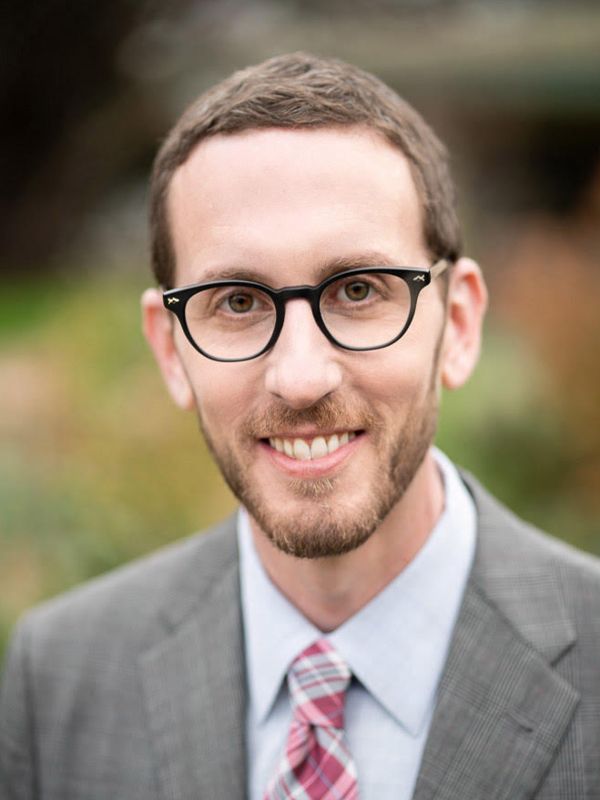 Scott WienerCalifornia state senator
"Recorded action: voted aye on AB 2760 on the Senate floor on August 31, 2026."
Stood by itCase context: Can California ban ICE and other federal agents from using electric shock gloves, as AB 2760 does?
Full statement and sources
The official roll call records Scott Wiener's aye vote on AB 2760, which prohibits law enforcement officers, including federal officers, from using wearable electroshock devices in California.
Before the statement
The August 28 amendments extended the prohibition to state law enforcement agencies. The final bill also covered local and federal officers.
After the statement
The Senate approved the bill 29-9. Governor Gavin Newsom signed it on September 29.
AB 2760 vote record (committee and floor roll calls, April 14 to August 31, 2026)Votes of 08/26/26 (Senate Public Safety), 08/27/26 (Senate Appropriations), 08/31/26 (Senate floor and Assembly concurrence)Why this label?
The Senate roll call shows Sen. Scott Wiener voting for AB 2760, the bill that bars every officer in California, federal agents included, from using electroshock gloves, so we labeled it Stood by it.
This label describes the statement's response within the context above.
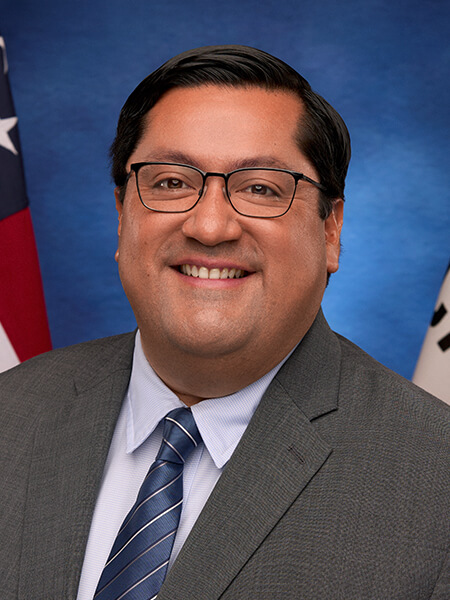 Jesse ArreguínCalifornia state senator
"Recorded action: voted aye on AB 2760 on the Senate floor on August 31, 2026."
Stood by itCase context: Can California ban ICE and other federal agents from using electric shock gloves, as AB 2760 does?
Full statement and sources
The official roll call records Jesse Arreguin's aye vote on AB 2760, which prohibits law enforcement officers, including federal officers, from using wearable electroshock devices in California.
Before the statement
The August 28 amendments extended the prohibition to state law enforcement agencies. The final bill also covered local and federal officers.
After the statement
The Senate approved the bill 29-9. Governor Gavin Newsom signed it on September 29.
AB 2760 vote record (committee and floor roll calls, April 14 to August 31, 2026)Votes of 08/26/26 (Senate Public Safety), 08/27/26 (Senate Appropriations), 08/31/26 (Senate floor and Assembly concurrence)Why this label?
Sen. Jesse Arreguín voted aye on AB 2760 on the Senate floor, backing the ban on wearable shock devices that covers federal officers, so we labeled it Stood by it.
This label describes the statement's response within the context above.
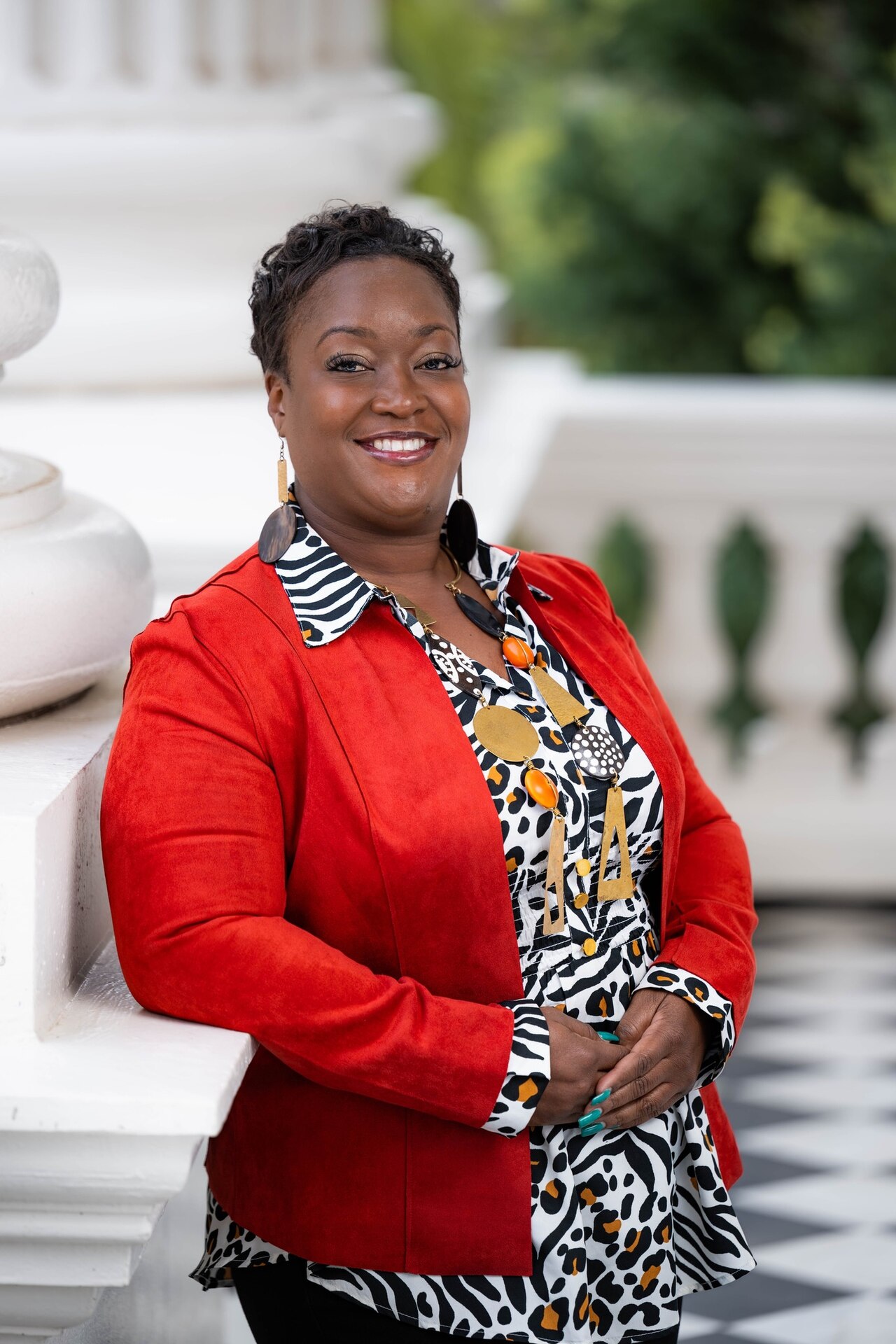 LaShae Sharp-CollinsCalifornia assemblymember
"Recorded action: voted aye on AB 2760 on the Assembly floor on August 31, 2026."
Stood by itCase context: Can California ban ICE and other federal agents from using electric shock gloves, as AB 2760 does?
Full statement and sources
The official roll call records LaShae Sharp-Collins's aye vote on AB 2760, which prohibits law enforcement officers, including federal officers, from using wearable electroshock devices in California.
Before the statement
The August 28 amendments extended the prohibition to state law enforcement agencies. The final bill also covered local and federal officers.
After the statement
The Assembly concurred in the Senate amendments 55-16. Governor Gavin Newsom signed it on September 29.
AB 2760 vote record (committee and floor roll calls, April 14 to August 31, 2026)Votes of 08/26/26 (Senate Public Safety), 08/27/26 (Senate Appropriations), 08/31/26 (Senate floor and Assembly concurrence)Why this label?
LaShae Sharp-Collins, the bill's author, cast an aye vote for AB 2760 on the Assembly floor, so we labeled it Stood by it.
This label describes the statement's response within the context above.
- Jesse ArreguínCalifornia state senator and chair of the Senate Public Safety Committee, closing the Senate floor debate on AB 2760
"And while this bill is principally focused on local law enforcement, it's worth noting that ICE recently approved a $16.7 million contract to buy thousands of these torture gloves to be deployed in communities throughout the United States. But our focus is on local law enforcement. I believe, I don't want our local police to be able to use these devices. That's why I support this bill."
ExplainedResponding to: Assemblymember LaShae Sharp-Collins said the gloves are largely untested in real-world encounters, that a man died after being repeatedly shocked with them while in custody, and that public safety technology must be proven safe before it is deployed.
Full statement and sources
Closing the Senate floor debate on August 31, 2026, Sen. Jesse Arreguín, chair of the Public Safety Committee, said that "while this bill is principally focused on local law enforcement," ICE had approved a $16.7 million contract to buy thousands of gloves, which he called "torture gloves," but that "our focus is on local law enforcement." He said he does not want local police to be able to use the devices and that this is why he supports the bill. He also said, earlier in the debate, that the three main law enforcement groups, including the California Police Chiefs Association, had become neutral after the study and the 2030 repeal were added. He said the technology has not been evaluated for safety.
Before the statement
Arreguín had presented AB 2760 at the start of the debate for Assemblymember Sharp-Collins. In the August 26 committee hearing he said that when he looked at the bill he was not focused on federal immigration authorities and was concerned about local law enforcement using the tool. Sens. Strickland, Seyarto and Valladares spoke against the bill during the debate.
After the statement
The Senate passed the bill 29 to 9 and the Assembly agreed to the Senate amendments 55 to 16 the same day. As of October 1, 2026, no court had ruled on AB 2760.
Senate floor session, August 31, 2026: AB 2760, closing remarks by Sen. Jesse Arreguin · CalMattersAB 2760 debate, video file df0a658fb9cbebd37649424dee68ae27, from 1,511 to 1,612 seconds (about 25:11 to 26:52)AB 2760 vote record (committee and floor roll calls, April 14 to August 31, 2026)Votes of 08/26/26 (Senate Public Safety), 08/27/26 (Senate Appropriations), 08/31/26 (Senate floor and Assembly concurrence)Why this label?
Closing the Senate debate, Sen. Jesse Arreguín says he supports the ban because he does not want local police using gloves that have not been evaluated for safety, so we labeled it Explained.
This label describes the statement's response within the context above.
- Scott WienerCalifornia state senator, speaking in the Senate floor debate on AB 2760
"I have to be honest, the idea of wearing these gloves that you touch people and you shock the heck out of them, that is super creepy. And I don't want those in my community or anyone's community."
ExplainedResponding to: Assemblymember LaShae Sharp-Collins said the gloves are largely untested in real-world encounters, that a man died after being repeatedly shocked with them while in custody, and that public safety technology must be proven safe before it is deployed.
Full statement and sources
On the Senate floor on August 31, 2026, Sen. Scott Wiener (D-San Francisco) spoke in support of AB 2760 before the Senate's 29 to 9 vote. He said that "the idea of wearing these gloves that you touch people and you shock the heck out of them, that is super creepy," and that he does not want them "in my community or anyone's community." He went on to say that an officer wearing gloves that might shock could cause more resistance and escalation, that the bill has a sunset so the question can be evaluated with more research, and that he asked for an aye vote.
Before the statement
Sen. Jesse Arreguín presented the bill. Sens. Susan Rubio, Akilah Weber Pierson and others spoke in support, and Sens. Tony Strickland, Kelly Seyarto and Suzette Martinez Valladares spoke against it. Wiener is the author of California's 2025 face-covering law and of SB 1004, which extends it to state officers.
After the statement
Arreguín closed the debate and the Senate passed the bill 29 to 9. The Assembly agreed to the Senate amendments 55 to 16 the same day. Newsom signed it on September 29. As of October 1, 2026, no court had ruled on AB 2760.
Senate floor session, August 31, 2026: AB 2760, remarks by Sen. Scott Wiener · CalMattersAB 2760 debate, video file df0a658fb9cbebd37649424dee68ae27, from 1,427 to 1,507 seconds (about 23:47 to 25:07)AB 2760 vote record (committee and floor roll calls, April 14 to August 31, 2026)Votes of 08/26/26 (Senate Public Safety), 08/27/26 (Senate Appropriations), 08/31/26 (Senate floor and Assembly concurrence)Why this label?
On the Senate floor, Sen. Scott Wiener calls gloves that shock people creepy, says they could provoke resistance and escalation, and asks colleagues to vote for the ban, so we labeled it Explained.
This label describes the statement's response within the context above.
Show fewer statements
- LaShae Sharp-CollinsAssemblymember (D-San Diego) and author of AB 2760, answering a reporter's question at a Capitol news conference
"And we know that some things we probably cannot obviously regulate, but we have to start somewhere."
Mixed or conditionalResponding to: First Assistant U.S. Attorney Bill Essayli said on September 29, 2026 that California has no jurisdiction to regulate federal agents and that he had advised the Department of Homeland Security to disregard AB 2760.
Full statement and sources
Asked at the August 27, 2026 news conference whether she was concerned about legal challenges like those facing other immigration-related bills, Sharp-Collins said she had been in contact with Legislative Counsel and the Attorney General's office about the legal question, that there were potential concerns, and that "we know that some things we probably cannot obviously regulate." She added, "we have to start somewhere."
Before the statement
The question asked whether she was concerned about legal challenges, like a lot of the other immigration and ICE-related bills the Legislature had advanced that year. The Senate Public Safety analysis, published the day before, had said the bill's provisions regulating federal agencies would undoubtedly face a legal challenge.
After the statement
That evening First Assistant U.S. Attorney Bill Essayli posted that the bill is "DOA, just like their mask ban." The Legislature amended the bill on August 28 and passed it on August 31. As of October 1, 2026, no court had ruled on AB 2760.
Assemblymember Dr. Sharp-Collins and State Leaders Call for Ban on Electric Shock Gloves (California Assembly Democrats video of the August 27, 2026 news conference), question and answerQuestion about legal challenges and Sharp-Collins's answer, from about 31:43 to 32:38Senate Committee on Public Safety analysis of AB 2760 (hearing date August 26, 2026; version of August 21, 2026)Senate Committee on Public Safety analysis dated 08/25/26: comment 1 (author's statement), comment 4 (definition of law enforcement agency excludes California state agencies), comment 5 (Supremacy Clause), comments 7 and 8 (arguments in support and opposition)Bill Essayli (@USAttyEssayli) on X, August 27, 2026: 'This bill is DOA, just like their mask ban.' · Bill EssayliPost of August 27, 2026, 22:31 UTC, quoting a post about Sharp-Collins's news conference announcing the billWhy this label?
Relative to the ban as applied to federal officers, Sharp-Collins keeps backing the bill while conceding that the state probably cannot regulate some things, in answer to a question about legal challenges. She does not say which parts of the bill she has in mind. The answer addresses the question of state power, not safety. We used Mixed or conditional because she combines support for going ahead with an acknowledgment that some of what the state tries to regulate may be out of reach. The closest competing label is Defended or excused, because she does not withdraw the bill's application to federal officers and says the state has to start somewhere.
This label describes the statement's response within the context above.
- LaShae Sharp-CollinsAssemblymember (D-San Diego) and author of AB 2760, speaking at a Capitol news conference
"And finally, the largest planned purchase of these gloves is by ICE, which was announced, and that plans is actually to purchase $20 million worth of these gloves. This news and dangerous tool, but also just the fact that it is a new and dangerous tool, will be in the hands of our least trained and most lawless law enforcement. That is one of my biggest concerns, and that's also everyone's concern."
ExplainedResponding to: Assemblymember LaShae Sharp-Collins said the gloves are largely untested in real-world encounters, that a man died after being repeatedly shocked with them while in custody, and that public safety technology must be proven safe before it is deployed.
Full statement and sources
At the August 27, 2026 Capitol news conference announcing AB 2760, Assemblymember LaShae Sharp-Collins said the largest planned purchase of the gloves is by ICE, which she said planned to buy $20 million worth. She called the gloves "a new and dangerous tool" that "will be in the hands of our least trained and most lawless law enforcement," and said that is "one of my biggest concerns." Earlier in her remarks she gave two other reasons for the ban: that the technology is unproven and already misused, and that the gloves are marketed as an answer to excessive-force litigation and make it harder to track how long a shock lasted.
Before the statement
The Department of Homeland Security had posted a forecast on August 10 listing an estimated $10 million to $20 million for the gloves, and the Senate rewrote AB 2760 into the glove ban on August 21. The Senate Public Safety Committee approved the bill on August 26. ICE posted its contract notice on August 27, the day of the news conference.
After the statement
The Senate Appropriations Committee approved the bill the same day. Amendments on August 28 added the Justice Department study and the 2030 repeal. In a written statement on September 29 the author said "California should not wait for a tragedy before we act."
Assemblymember Dr. Sharp-Collins and State Leaders Call for Ban on Electric Shock Gloves (California Assembly Democrats video of the August 27, 2026 news conference)Sharp-Collins's opening remarks, from about 1:37 to 2:03ICE awards $16.7 million contract for electric gloves amid California push to ban the devicesParagraphs on the ICE notice, Sharp-Collins's remarks, and the DHS statement to ABC 10NewsWhy this label?
Announcing AB 2760, Assemblymember LaShae Sharp-Collins calls the shock gloves a new and dangerous tool and says her biggest worry is ICE's planned purchase of them, so we labeled it Explained.
This label describes the statement's response within the context above.
Response record
Responses
Choose one response filter, or select All responses to see the full record.
4 matching responses. Newest first.
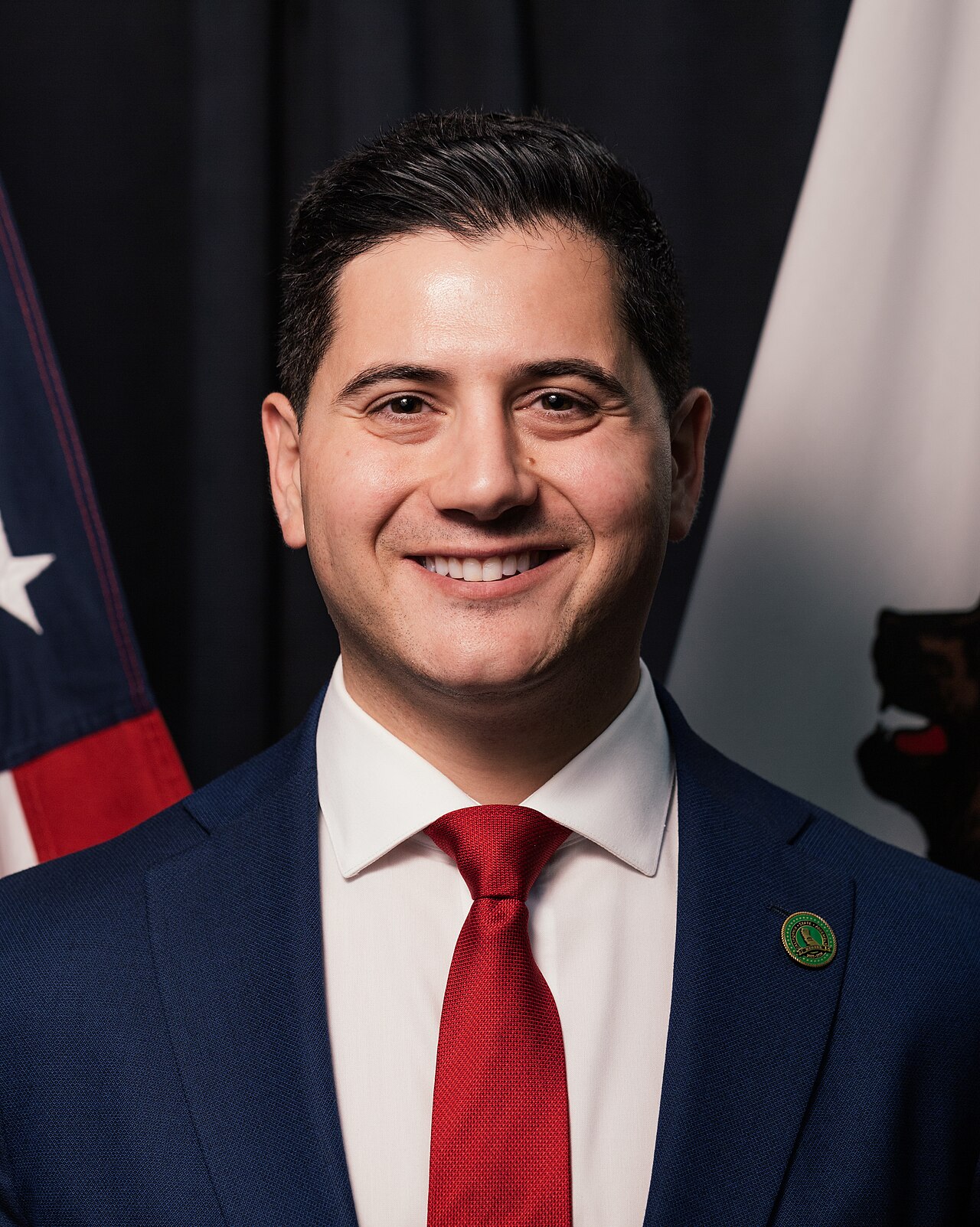 Bill EssayliFirst Assistant U.S. Attorney for the Central District of California, in a post on his official X accountDirectly involved
"Governor, we’ve been through this already. If you want to regulate federal agents, you have to win a federal election. Until then, you have no jurisdiction. Accordingly, I have advised DHS to disregard your bill attempting to ban safe and effective less-lethal tools that agents need to escalate dangerous situations."
CondemnedResponding to: First Assistant U.S. Attorney Bill Essayli said on September 29, 2026 that California has no jurisdiction to regulate federal agents and that he had advised the Department of Homeland Security to disregard AB 2760.
Full statement and sources
In a September 29, 2026 post on X, First Assistant U.S. Attorney Bill Essayli of the Central District of California wrote to the Governor, "If you want to regulate federal agents, you have to win a federal election. Until then, you have no jurisdiction." He said he had advised DHS "to disregard your bill attempting to ban safe and effective less-lethal tools that agents need to escalate dangerous situations." The post says escalate. In a reply posted at 02:42 UTC on September 30, Essayli corrected that word to de-escalate.
Before the statement
The post quotes the Governor's press office announcement that Newsom had signed 21 bills, including the shock-glove ban. On August 27 Essayli had posted that the bill is "DOA, just like their mask ban" and that California "does not have authority to dictate what tools federal law enforcement can and cannot use." Essayli is among the Justice Department lawyers named on the United States' 2025 complaint over California's mask and identification laws.
After the statement
DHS had said in August that it would not abide by state bans. As of October 1, 2026, we did not find a lawsuit, motion or injunction against AB 2760, and no court had ruled on whether California may bar federal agents from using the gloves.
Bill Essayli (@USAttyEssayli) on X, September 29, 2026: 'Governor, we've been through this already.' · Bill EssayliPost of September 29, 2026, 20:51 UTC, quoting the Governor's press office post announcing the signed billsBill Essayli (@USAttyEssayli) on X, August 27, 2026: 'This bill is DOA, just like their mask ban.' · Bill EssayliPost of August 27, 2026, 22:31 UTC, quoting a post about Sharp-Collins's news conference announcing the billWhy this label?
Relative to the ban as applied to federal officers, Essayli rejects it as beyond California's power, says he told DHS to disregard it, and calls the tools it bans safe and effective. The post answers mainly the question of state power, with a brief characterization of the gloves' safety. We used Condemned because he rejects the ban as unenforceable against federal agents. The closest competing label is Challenges the characterization, because he disputes that California may regulate federal agents at all, but he goes on to reject the bill itself and tell DHS to disregard it.
This label describes the statement's response within the context above.
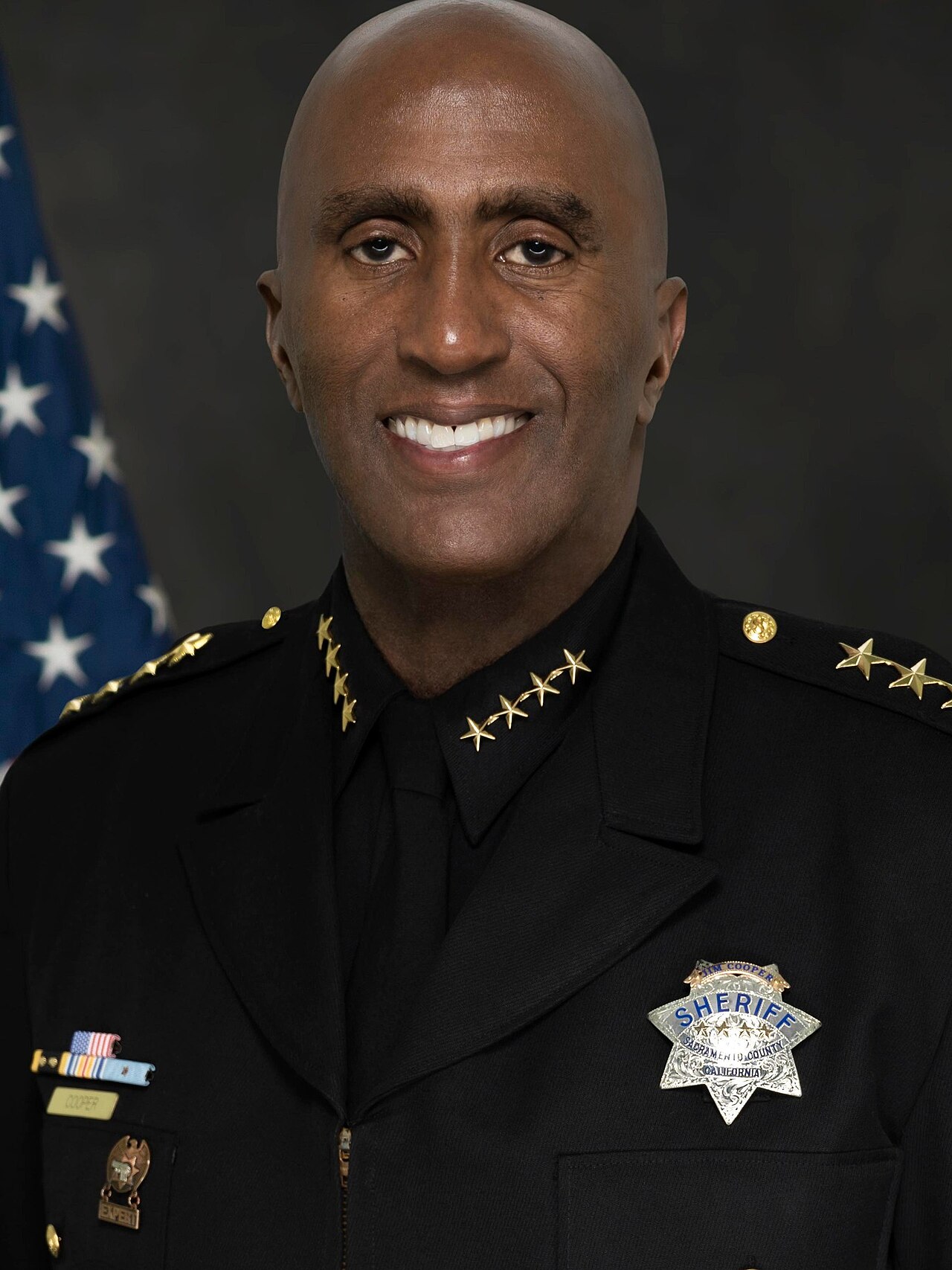 Jim CooperSacramento County Sheriff, a Democrat and former state Assemblymember, in a post on his official X accountDirectly involved
"It’s unfortunate that this only became an issue once ICE purchased the G.L.O.V.E. In today’s political climate, anything associated with the Federal government immediately becomes radioactive. Unfortunately, the fallout won’t be felt by the Federal government; it will be felt by local deputies and police officers who are losing a valuable compliance and de-escalation tool, as California agencies have been using it for years. What somehow continues to be overlooked is that California cannot dictate the tools and tactics used by Federal law enforcement. Just like the state’s mask restrictions, this legislation will have no effect on Federal agencies."
CondemnedResponding to: First Assistant U.S. Attorney Bill Essayli said on September 29, 2026 that California has no jurisdiction to regulate federal agents and that he had advised the Department of Homeland Security to disregard AB 2760.
Full statement and sources
In a September 1, 2026 post on X, Sacramento County Sheriff Jim Cooper, a Democrat, said it is "unfortunate that this only became an issue once ICE purchased the G.L.O.V.E." He wrote that "the fallout won't be felt by the Federal government" but by local deputies and police officers "who are losing a valuable compliance and de-escalation tool, as California agencies have been using it for years." He added that "California cannot dictate the tools and tactics used by Federal law enforcement" and that, like the state's mask restrictions, "this legislation will have no effect on Federal agencies."
Before the statement
Cooper's department had bought 10 of the gloves for about $35,000 and was training officers to use them, according to the New York Post. He opposed the bill in a letter dated August 24 that Sen. Suzette Martinez Valladares read on the Senate floor, and he said on August 27 that the gloves are lifesaving. The Legislature sent the bill to the Governor on August 31.
After the statement
Newsom signed the bill on September 29. The enacted text covers county sheriff's offices as well as federal agencies. As of October 1, 2026, no court had ruled on AB 2760.
Sheriff Jim Cooper (@SheriffJCooper) on X, September 1, 2026, on the bill banning shock gloves · Jim CooperPost of September 1, 2026, 14:30 UTC, two paragraphs above the link to an ABC10 articleCalifornia moves to ban 'shock gloves' ICE plans to useParagraphs quoting the Department of Homeland Security statement and Sheriff Jim CooperICE awards $16.7 million contract for electric gloves amid California push to ban the devicesParagraphs on the ICE notice, Sharp-Collins's remarks, and the DHS statement to ABC 10NewsWhy this label?
Relative to the ban as applied to federal officers, Cooper rejects it on both questions: he says California cannot dictate the tools federal officers use, so the law will not reach them, and he says it will take a useful de-escalation tool from local deputies. We used Condemned because he rejects the ban as ineffective against federal agents and harmful to local law enforcement. The closest competing label is Mixed or conditional, because he says the law will have no effect on federal agencies while also objecting to its cost to local deputies, but the two points support one rejection.
This label describes the statement's response within the context above.
California State Sheriffs' AssociationCalifornia State Sheriffs' Association, in a written opposition letter quoted in the Assembly floor analysis and read aloud on the Senate floorDirectly involved "Also, all indications are that this bill is focused on federal immigration authorities and their enforcement practices. This is one of a number of measures that attempt to regulate federal practices and at the same time implicate state and local law enforcement. As we have already seen with bills enacted during this session, it is not uncommon for courts to eliminate such bills' application to federal entities, thereby leaving the measures to only apply to state and/or local agencies."
CondemnedResponding to: First Assistant U.S. Attorney Bill Essayli said on September 29, 2026 that California has no jurisdiction to regulate federal agents and that he had advised the Department of Homeland Security to disregard AB 2760.
Full statement and sources
In its written opposition as printed in the Assembly's analysis of the Senate amendments, the California State Sheriffs' Association said it remained opposed to AB 2760 and argued that removing force options from the range of permissible responses makes de-escalation harder. It said all indications are that the bill is focused on federal immigration authorities and their enforcement practices, that it is one of several measures that attempt to regulate federal practices while also affecting state and local law enforcement, and that "it is not uncommon for courts to eliminate such bills' application to federal entities, thereby leaving the measures to only apply to state and/or local agencies."
Before the statement
The association opposed the bill in committee on August 26 through lobbyist Cory Salzillo, who said it was bad policy from a California law enforcement perspective and only a message to the feds. The Senate amended the bill on August 28 to add a study and a 2030 repeal, and the California Police Chiefs Association and the Peace Officers Research Association of California were reported to have moved to neutral. The sheriffs' association stayed opposed.
After the statement
The Senate passed the bill 29 to 9 and the Assembly agreed 55 to 16 on August 31. Newsom signed it on September 29. As of October 1, 2026, no court had ruled on whether the ban applies to federal officers.
Assembly floor analysis of AB 2760, concurrence in Senate amendments (version of August 28, 2026)Assembly floor analysis dated 08/31/26 (listed on the Legislature's Bill Analysis tab and opened as a PDF): summary, comments (according to the author), arguments in support, arguments in oppositionSenate floor session, August 31, 2026: AB 2760, remarks in opposition by Sen. Suzette Martinez Valladares · CalMattersAB 2760 debate, video file df0a658fb9cbebd37649424dee68ae27, from 1,095 to 1,280 seconds (about 18:15 to 21:20)Why this label?
Relative to the ban as applied to federal officers, the association rejects the bill as unwise for law enforcement and predicts that courts will remove its federal application, leaving state and local agencies bound. The letter answers both questions: it argues the ban makes de-escalation harder and that the federal reach is unlikely to survive. We used Condemned because the association opposes the bill and rejects its federal application as unenforceable. The closest competing label is Mixed or conditional, but the written opposition attaches no condition to its position.
This label describes the statement's response within the context above.
 U.S. Department of Homeland SecurityU.S. Department of Homeland Security, in a statement from an unnamed spokesperson to several news outletsDirectly involved
"Sanctuary politicians attempting to ban our federal law enforcement from any safety equipment is despicable and a deliberate attempt to undermine and endanger our officers. To be crystal clear: we will not abide by unconstitutional bans. The Supremacy Clause makes it clear that California’s sanctuary politicians do not control federal law enforcement."
CondemnedCase context: Can California ban ICE and other federal agents from using electric shock gloves, as AB 2760 does?
Full statement and sources
In a statement attributed to a Department of Homeland Security spokesperson, first reported in part by the Associated Press on August 27, 2026, printed through its second sentence by ABC 10News in San Diego on August 28, and quoted in full by the New York Post on September 1 and by Mother Jones on September 29, DHS said "Sanctuary politicians attempting to ban our federal law enforcement from any safety equipment is despicable and a deliberate attempt to undermine and endanger our officers." It said "we will not abide by unconstitutional bans" and that under the Supremacy Clause California's "sanctuary politicians do not control federal law enforcement." The statement did not name a spokesperson.
Before the statement
On August 27 the Associated Press reported the first sentence of the statement as DHS's reaction to critics of the contract award. The Legislature's August 26 and 27 committee votes had just advanced the bill. The unnamed spokesperson also told outlets in August that ICE officers are highly trained in de-escalation and that equipment is reviewed for consistency with law enforcement policies.
After the statement
After the signing DHS told CBS News Sacramento that "Enforcing federal immigration laws is a clear federal responsibility." As of October 1, 2026, no court had ruled on AB 2760, and we found no named DHS spokesperson on the statement.
ICE awards $16.7 million contract for electric gloves amid California push to ban the devicesParagraphs on the ICE notice, Sharp-Collins's remarks, and the DHS statement to ABC 10NewsCalifornia Bans ICE's Favorite Shock GlovesParagraphs quoting a DHS spokesperson and Compliant Technologies chief executive Jeff NiklausCalifornia moves to ban 'shock gloves' ICE plans to useParagraphs quoting the Department of Homeland Security statement and Sheriff Jim CooperICE awards $16.7M contract to buy 6,000 pairs of gloves that deliver electric shocks · Associated PressParagraphs on the no-bid award and the Department of Homeland Security statement; AP report as published by OPBNewsom signs California ban on electric shock gloves for law enforcement · CBS NewsParagraphs on the Department of Homeland Security statementWhy this label?
Relative to the ban as applied to federal officers, DHS rejects it as unconstitutional, says it will not comply, and calls the equipment it covers safety equipment for federal officers. The statement answers the power question directly through the Supremacy Clause and addresses the safety question only by calling the gloves safety equipment. We used Condemned because DHS rejects the ban as unconstitutional. The closest competing label is Explicitly declines, because DHS says it will not comply, but the refusal rests on a stated rejection of the ban.
This label describes the statement's response within the context above.
Sources
(50)
Original text
AB 2760 (Sharp-Collins), Chapter 749, Statutes of 2026: Law enforcement: wearable electroshock devices (chaptered text)
Relevant passage: Section 1, adding Government Code section 7286.1, subdivisions (a) to (f); Section 2
Excerpt
"A law enforcement agency shall not use a wearable electroshock device within the State of California."
About this source
The chaptered text of AB 2760, approved by the Governor and filed with the Secretary of State on September 29, 2026. It adds Government Code section 7286.1, which bars a law enforcement agency from using a wearable electroshock device in California, bars state funds from being used to buy one, and requires agencies to update their use-of-force policies. It defines law enforcement agency to include state, local and federal agencies. It directs the Division of Law Enforcement in the Department of Justice to study the devices and report to the Legislature by January 1, 2029, and it repeals the section on January 1, 2030. The text names no penalty and no enforcement mechanism.
- Author
- California Legislature
- Published
- Accessed
Reporting
California Bill Will Ban 'Shock' Glove Technology
Relevant passage: Full article
About this source
Law Officer article on AB 2760 after the Legislature passed it and before the Governor acted. It summarizes the bill and law enforcement opposition, and quotes use-of-force trainer Travis Yates in support of the G.L.O.V.E. made by Compliant Technologies.
- Author
- Law Officer
- Published
- Accessed
Reporting
California Moves to Block ICE Use of Electric Shock Gloves
Relevant passage: Voice of San Diego Sacramento Report, opening section on AB 2760
About this source
Voice of San Diego's weekly Sacramento Report, published in the last days of the 2026 legislative session. Its opening section covers AB 2760 and quotes its author, Assemblymember LaShae Sharp-Collins, the ACLU's David Trujillo, a police chiefs' lobbyist and a law professor on whether California can regulate federal agents.
- Author
- Nadia Lathan
- Published
- Accessed
Original post
Judy Chu (@JudyChuCampaign) on X, October 3, 2026: 'I'm glad California is leading the charge in banning the use of inhumane electric shock gloves by ICE.'
About this source
A post from Chu's campaign X account on California's new ban on electric shock gloves. It links a LAist news report on the law.
- Author
- Judy Chu
- Published
- Accessed
Original text
Carl DeMaio on AB 2760, Assembly floor, August 31, 2026
Relevant passage: August 31 AB 2760 Assembly debate, DeMaio's complete statement
About this source
DeMaio criticizes the ban and legislative process. His procedural and safety claims are his arguments.
- Author
- Carl DeMaio
- Published
- Accessed
Original text
Tony Strickland on AB 2760, Senate floor, August 31, 2026
Relevant passage: August 31 AB 2760 floor debate, Strickland's complete statement
About this source
Strickland presents a public-safety argument against the ban; he does not establish that glove use is safer in every encounter.
- Author
- Tony Strickland
- Published
- Accessed
Original text
Monica Madrid testimony on AB 2760, Senate Public Safety, August 26, 2026
Relevant passage: August 26 AB 2760 testimony, Madrid's complete statement
About this source
Madrid argues for the bill as a safeguard for immigrant communities. Her statement advocates legislation.
- Author
- Monica Madrid, Coalition for Humane Immigrant Rights
- Published
- Accessed
Original text
Cleo Bluthenthal testimony on AB 2760, Senate Appropriations, August 27, 2026
Relevant passage: August 27 AB 2760 testimony, Bluthenthal's complete statement
About this source
Bluthenthal presents the foundation's public-health argument for the bill, rather than reporting a safety finding.
- Author
- Cleo Bluthenthal, California Community Foundation
- Published
- Accessed
Original text
San Diego County Board of Supervisors, September 1, 2026, Minute Order No. 20
Relevant passage: September 1, 2026, Minute Order No. 20, recommendation and recorded action
About this source
The minute order records the adopted county action and the individual votes.
- Author
- San Diego County Board of Supervisors
- Published
- Accessed
Original text
ACLU-SDIC public comment supporting AB 2760, September 1, 2026
Relevant passage: September 1 prepared public comment, complete text
About this source
Meyer advocates a temporary prohibition and a safety study. His account of the risks is the organization's argument.
- Author
- Eddie Meyer, ACLU of San Diego & Imperial Counties
- Published
- Accessed
Official statement
American Oversight releases Army shock-glove records and criticizes safety evidence
Relevant passage: October 6 release; Chukwu quotations and description of the December 2024 assessment
About this source
The organization announces records obtained from ICE and criticizes planned deployment. Its assessment of safety remains attributed to the organization.
- Author
- American Oversight; Chioma Chukwu
- Published
- Accessed
Reporting
Shock gloves purchased by ICE cause intense pain and quick compliance, Army study finds
Relevant passage: Paragraphs 2 and 3 (ICE leaders and the contract), the section on the study's findings, and the section on the senators' letter
Excerpt
"Immigration and Customs Enforcement leaders were aware of the findings before signing a $16.7 million contract to purchase 6,000 pairs of shock gloves in August, according to records obtained by the watchdog group American Oversight and shared with The Associated Press."
About this source
CBS News publication of an Associated Press report of October 7, 2026 on an Army study of electric shock gloves from an October 2024 exercise at Fort Leavenworth, Kansas, which American Oversight obtained from ICE through a Freedom of Information Act lawsuit. It also reports ICE's statement of October 6, Sen. Catherine Cortez Masto's comments and DHS's earlier response to critics.
- Author
- CBS News and The Associated Press
- Published
- Accessed
Official statement
Indivisible SF's September 8 call to sign AB 2760
Relevant passage: Context and Background; paragraph beginning 'Tell the Governor'
About this source
Public advocacy page urging the governor to sign AB 2760. Its safety claims and descriptions of ICE are the organization's arguments.
- Author
- Indivisible SF
- Published
- Accessed
Analysis
One Step Forward and Two Steps Back: The California Legislature's Passage of the "No Kings" Act, the "Get the Feds Out" Act, and the "Shock Gloves" Measure (Verdict, September 3, 2026)
Relevant passage: Paragraphs beginning "As disappointing as the title of the 'No Kings' Act is", "These bills are purely performative" and "Because no one is arguing that ICE's use of shock gloves"
Excerpt
"These bills are purely performative and will never be implemented."
About this source
A column on Justia's Verdict site by UC Davis law professor Vikram David Amar and University of Illinois law professor Jason Mazzone, published September 3, 2026, three days after the Legislature passed AB 2760. It discusses three California measures, including the shock-glove ban, and argues that the ban and a second bill cannot be implemented against federal officers. The column does not discuss whether shock gloves are safe.
- Author
- Vikram David Amar and Jason Mazzone
- Published
- Accessed
Original video
Senate Committee on Public Safety hearing, August 26, 2026: AB 2760, remarks by Sen. Kelly Seyarto
Sen. Kelly Seyarto on AB 2760 at the California Senate Public Safety Committee, Aug. 26, 2026.
Excerpt from 37:44 to 40:17 of the California government video. DI added its logo in the corner.
Video: California State Senate
Watch the full original video (opens in a new tab) (relevant passage: AB 2760 item, video file 776f67398bb7df923fcea1627f67ed04, from 2,267 to 2,414 seconds (about 37:47 to 40:14))
Excerpt
"from a federal immigration standpoint, it makes zero difference in what they're doing whatsoever, because we do not have that jurisdiction"
About this source
The Senate Public Safety Committee's August 26, 2026 hearing on AB 2760 as archived by CalMatters Digital Democracy. The segment is the committee's vice chair, Senator Kelly Seyarto, speaking before the committee voted. He cast the only no vote when the committee passed the bill 5 to 1.
- Author
- California Senate Committee on Public Safety (video hosted by CalMatters Digital Democracy)
- Published
- Accessed
Original video
Assemblymember Dr. Sharp-Collins and State Leaders Call for Ban on Electric Shock Gloves (California Assembly Democrats video of the August 27, 2026 news conference), question and answer
Assemblymember LaShae Sharp-Collins answers a question about legal challenges at a news conference on electric shock gloves, Aug. 27, 2026.
Excerpt from 31:40 to 32:41 of the California government video. DI added its logo in the corner.
Video: California State Assembly Democratic Caucus
Watch the full original video (opens in a new tab) (relevant passage: Question about legal challenges and Sharp-Collins's answer, from about 31:43 to 32:38)
Excerpt
"And we know that some things we probably cannot obviously regulate"
About this source
The Assembly Democratic Caucus's video of the August 27, 2026 news conference. In the question-and-answer period a reporter asks whether Assemblymember Sharp-Collins is concerned about legal challenges like those facing other immigration-related bills, and she answers.
- Author
- California Assembly Democrats
- Published
- Accessed
Reporting
Newsom signs California ban on electric shock gloves for law enforcement
Relevant passage: Paragraphs on the Department of Homeland Security statement
Excerpt
"Enforcing federal immigration laws is a clear federal responsibility"
About this source
CBS News Sacramento report on the signing. It quotes a statement from the Department of Homeland Security that enforcing federal immigration laws is a federal responsibility, and says DHS defended ICE's use of new technology and said ICE officers receive ongoing training in de-escalation and use of force.
- Author
- Cecilio Padilla, CBS News Sacramento
- Published
- Accessed
Reporting
ICE awards $16.7M contract to buy 6,000 pairs of gloves that deliver electric shocks
Relevant passage: Paragraphs on the no-bid award and the Department of Homeland Security statement; AP report as published by OPB
Excerpt
"reacted defiantly Thursday to critics of the purchase"
About this source
Associated Press report of August 27, 2026 on ICE's contract with Compliant Technologies, as published by Oregon Public Broadcasting. It quotes a Department of Homeland Security statement calling efforts to ban federal law enforcement from safety equipment 'despicable' and describes it as a reaction to critics of the purchase.
- Author
- Ryan J. Foley, Associated Press
- Published
- Accessed
Original video
Senate floor session, August 31, 2026: AB 2760, remarks in opposition by Sen. Suzette Martinez Valladares
A senator reads the California State Sheriffs' Association's letter opposing AB 2760 on the California Senate floor, Aug. 31, 2026.
Excerpt from 18:12 to 21:23 of the California government video. DI added its logo in the corner.
Video: California State Senate
Watch the full original video (opens in a new tab) (relevant passage: AB 2760 debate, video file df0a658fb9cbebd37649424dee68ae27, from 1,095 to 1,280 seconds (about 18:15 to 21:20))
Excerpt
"What this is doing is not going to impact federal agents."
About this source
The Senate floor debate on AB 2760 on August 31, 2026. The segment is Senator Suzette Martinez Valladares's remarks in opposition, in which she reads aloud passages from a letter by Sacramento County Sheriff Jim Cooper dated August 24 and a letter from the California State Sheriffs' Association dated August 31.
- Author
- California State Senate (video hosted by CalMatters Digital Democracy)
- Published
- Accessed
Original video
Senate floor session, August 31, 2026: AB 2760, remarks in opposition by Sen. Kelly Seyarto
Sen. Kelly Seyarto speaks against AB 2760 on the California Senate floor, Aug. 31, 2026.
Excerpt from 9:04 to 13:15 of the California government video. DI added its logo in the corner.
Video: California State Senate
Watch the full original video (opens in a new tab) (relevant passage: AB 2760 debate, video file df0a658fb9cbebd37649424dee68ae27, from 547 to 792 seconds (about 9:07 to 13:12))
Excerpt
"it's just one less than lethal tool for our officers to be able to use"
About this source
The Senate floor debate on AB 2760 on August 31, 2026. The segment is Senator Kelly Seyarto's remarks in opposition.
- Author
- California State Senate (video hosted by CalMatters Digital Democracy)
- Published
- Accessed
Original video
Senate floor session, August 31, 2026: AB 2760, closing remarks by Sen. Jesse Arreguin
Sen. Jesse Arreguin's closing remarks on AB 2760 on the California Senate floor, Aug. 31, 2026.
Excerpt from 25:08 to 26:55 of the California government video. DI added its logo in the corner.
Video: California State Senate
Watch the full original video (opens in a new tab) (relevant passage: AB 2760 debate, video file df0a658fb9cbebd37649424dee68ae27, from 1,511 to 1,612 seconds (about 25:11 to 26:52))
Excerpt
"while this bill is principally focused on local law enforcement"
About this source
The Senate floor debate on AB 2760 on August 31, 2026. The segment is the closing remarks of Senator Jesse Arreguin, chair of the Public Safety Committee, who presented the bill for the author. In his opening presentation (about 3:02 into the video file) he also says the Peace Officers Research Association of California, the California Police Chiefs Association and the California Association of Highway Patrolmen had announced neutrality after amendments adding a sunset and a study.
- Author
- California State Senate (video hosted by CalMatters Digital Democracy)
- Published
- Accessed
Original video
Senate floor session, August 31, 2026: AB 2760, remarks by Sen. Scott Wiener
Sen. Scott Wiener speaks on AB 2760 on the California Senate floor, Aug. 31, 2026.
Excerpt from 23:44 to 25:10 of the California government video. DI added its logo in the corner.
Video: California State Senate
Watch the full original video (opens in a new tab) (relevant passage: AB 2760 debate, video file df0a658fb9cbebd37649424dee68ae27, from 1,427 to 1,507 seconds (about 23:47 to 25:07))
Excerpt
"I have to be honest, the idea of wearing these gloves that you touch people and you shock the heck out of them, that is super creepy."
About this source
The Senate floor debate on AB 2760 on August 31, 2026 as archived by CalMatters Digital Democracy. The segment is Senator Scott Wiener's remarks in support. The Senate passed the bill 29 to 9 at the end of the debate.
- Author
- California State Senate (video hosted by CalMatters Digital Democracy)
- Published
- Accessed
Original video
Senate Committee on Public Safety hearing, August 26, 2026: AB 2760, testimony in support by Anallely Martin of the California Immigrant Policy Center
Testimony in support of AB 2760 at the California Senate Public Safety Committee, Aug. 26, 2026.
Excerpt from 27:38 to 29:12 of the California government video. DI added its logo in the corner.
Video: California State Senate
Watch the full original video (opens in a new tab) (relevant passage: AB 2760 item, video file 776f67398bb7df923fcea1627f67ed04, from 1,661 to 1,749 seconds (about 27:41 to 29:09))
Excerpt
"Excessive use of force, such as taser gloves or electroshock gloves by any law enforcement agency, makes Californians less safe."
About this source
The Senate Public Safety Committee's August 26, 2026 hearing on AB 2760 as archived by CalMatters Digital Democracy. The segment is Anallely Martin's two-minute statement for the California Immigrant Policy Center, a witness for the author. The bill passed the committee 5 to 1 at this hearing.
- Author
- California Senate Committee on Public Safety (video hosted by CalMatters Digital Democracy)
- Published
- Accessed
Original video
Assemblymember Dr. Sharp-Collins and State Leaders Call for Ban on Electric Shock Gloves (California Assembly Democrats video of the August 27, 2026 news conference)
Assemblymember LaShae Sharp-Collins's opening remarks at a news conference calling for a ban on electric shock gloves, Aug. 27, 2026.
Excerpt from 1:34 to 2:06 of the California government video. DI added its logo in the corner.
Video: California State Assembly Democratic Caucus
Watch the full original video (opens in a new tab) (relevant passage: Sharp-Collins's opening remarks, from about 1:37 to 2:03)
Excerpt
"will be in the hands of our least trained and most lawless law enforcement"
About this source
The Assembly Democratic Caucus's video of the Capitol news conference at which Assemblymember LaShae Sharp-Collins announced AB 2760 with other lawmakers on Thursday, August 27, 2026. The video is about 33 minutes long.
- Author
- California Assembly Democrats
- Published
- Accessed
Original video
Compliant Technologies Q&A (YouTube video, September 22, 2026)
Excerpt
"we were never contacted by any legislator or agency within California"
About this source
A question-and-answer video posted to the Compliant Technologies YouTube channel on September 22, 2026, in which the company's founder and chief executive describes the company's products and answers a question about California's ban. The video is about 25 minutes long.
- Author
- Jeff Niklaus, Compliant Technologies
- Published
- Accessed
Original post
Sheriff Jim Cooper (@SheriffJCooper) on X, September 1, 2026, on the bill banning shock gloves
Excerpt
"California cannot dictate the tools and tactics used by Federal law enforcement."
About this source
A post from Sacramento County Sheriff Jim Cooper's account the day after the Legislature passed AB 2760. It links to an ABC10 article about the bill.
- Author
- Jim Cooper
- Published
- Accessed
Original post
Bill Essayli (@USAttyEssayli) on X, August 27, 2026: 'This bill is DOA, just like their mask ban.'
Excerpt
"California does not have authority to dictate what tools federal law enforcement can and cannot use."
About this source
A post from the official account of First Assistant U.S. Attorney Bill Essayli quoting a post about Assemblymember Sharp-Collins's August 27 news conference introducing the shock-glove ban.
- Author
- Bill Essayli
- Published
- Accessed
Original post
Bill Essayli (@USAttyEssayli) on X, September 29, 2026: 'Governor, we've been through this already.'
Excerpt
"If you want to regulate federal agents, you have to win a federal election. Until then, you have no jurisdiction."
About this source
A post from the official account of First Assistant U.S. Attorney Bill Essayli, written as a response to the Governor's press office announcement that Newsom had signed 21 bills including the shock-glove ban. The text reads, in full, 'Governor, we've been through this already. If you want to regulate federal agents, you have to win a federal election. Until then, you have no jurisdiction.' and, in a second paragraph, 'Accordingly, I have advised DHS to disregard your bill attempting to ban safe and effective less-lethal tools that agents need to escalate dangerous situations.'
- Author
- Bill Essayli
- Published
- Accessed
Original text
Mansfield v. Madison County Fiscal Court et al., No. 25-CI-00956 (Madison Cir. Ct., Ky.), complaint
Relevant passage: Introduction, paragraph 1 (page 3 of the filing)
Excerpt
"tased approximately forty (40) times"
About this source
The wrongful-death complaint filed October 27, 2025 on behalf of the estate of Johnathon Mansfield, the spelling used in the complaint. It alleges he died on October 10, 2024 after being shocked 13 times with Tasers and 27 times with a G.L.O.V.E. at the Madison County Detention Center in Kentucky, and says a jail internal investigation found he suffered cardiac arrest after the exposures. These are allegations in a pending lawsuit.
- Author
- Plaintiffs' counsel in Mansfield v. Madison County Fiscal Court (copy posted by The Guardian)
- Published
- Accessed
Reporting
ICE awards $16.7 million contract for electric gloves amid California push to ban the devices
Relevant passage: Paragraphs on the ICE notice, Sharp-Collins's remarks, and the DHS statement to ABC 10News
Excerpt
"In a statement to ABC 10News, a Department of Homeland Security spokesperson said:"
About this source
ABC 10News (San Diego) report of August 28, 2026, the earliest report we found of the DHS statement on the California bill. It also reports ICE's posting of the contract notice on Thursday, August 27, and Sharp-Collins's remark that the bill had been changed to a three-year ban with a Justice Department study.
- Author
- Laura Acevedo, ABC 10News (KGTV, San Diego)
- Published
- Accessed
Reporting
California moves to ban 'shock gloves' ICE plans to use
Relevant passage: Paragraphs quoting the Department of Homeland Security statement and Sheriff Jim Cooper
Excerpt
"To be crystal clear: we will not abide by unconstitutional bans. The Supremacy Clause makes it clear that California's sanctuary politicians do not control federal law enforcement."
About this source
New York Post (California Post) report on the Legislature's passage of AB 2760. It gives the full text of a DHS statement attributed to the Department of Homeland Security and describes Sacramento County's purchase of 10 gloves for about $35,000.
- Author
- Titus Wu
- Published
- Accessed
Reporting
California Democrats race to ban electric shock gloves before ICE buys them
Relevant passage: Paragraphs quoting UC Davis law professor Vikram Amar; paragraphs on the gut-and-amend and the ICE notice
Excerpt
"States simply can't regulate how federal officers do their jobs, even if we don't like how they do their jobs. That's up to the federal government,"
About this source
CalMatters report published while the bill was moving through the Senate. It describes the August 21 rewrite of AB 2760, the DHS notice of up to $20 million, and quotes law professor Vikram Amar on the legal obstacles to applying the ban to federal officers.
- Author
- Nadia Lathan
- Published
- Accessed
Reporting
California Bans ICE's Favorite Shock Gloves
Relevant passage: Paragraphs quoting a DHS spokesperson and Compliant Technologies chief executive Jeff Niklaus
Excerpt
"we will not abide by unconstitutional bans. The Supremacy Clause makes it clear that California's sanctuary politicians do not control federal law enforcement."
About this source
Mother Jones report on the signing. It quotes a Department of Homeland Security spokesperson saying the department will not abide by unconstitutional bans, summarizes lawsuits over the gloves, and cites a September 22 video by the manufacturer's chief executive.
- Author
- Sophie Hurwitz
- Published
- Accessed
Reporting
Newsom signs California law banning officers from using gloves that deliver electric shocks
Relevant passage: Paragraphs quoting Kevin Johnson, Jim Cooper and LaShae Sharp-Collins; AP report as published by PBS News
Excerpt
"The state has very limited, if any, powers in dictating to the federal government how its officers are armed"
About this source
Associated Press report on the signing, as published by PBS News. It gives the law's dates, the Justice Department study requirement, comments by Sharp-Collins, Sacramento County Sheriff Jim Cooper and UC Davis professor emeritus Kevin Johnson, and the earlier court ruling on California's mask law.
- Author
- Sophie Austin, Associated Press
- Published
- Accessed
Reporting
3 Californians sue ICE officers hours after Newsom signs bill greenlighting lawsuits
Relevant passage: Opening paragraphs
Excerpt
"Three U.S. citizens arrested and detained by immigration agents are the first Californians to sue federal officers under the No Kings Act, hours after it was signed by Gov. Gavin Newsom on Tuesday."
About this source
San Francisco Chronicle report on the first suits under SB 747, the 'No Kings Act'. It says the three plaintiffs had earlier lawsuits against the federal government and amended them to add claims under the new law.
- Author
- Sara DiNatale
- Published
- Accessed
Original text
Lopez v. United States, No. 2:26-cv-05628 (C.D. Cal.), First Amended Complaint (Docket 17), adding claims under California Civil Code section 53.8
Relevant passage: Caption and fourth claim, 'Violation of Civil Rights California Civil Code § 53.8'
Excerpt
"FIRST AMENDED COMPLAINT"
About this source
One of three amended complaints entered on September 29, 2026 in damages suits by people who say federal immigration officers used excessive force during arrests in 2025. The amendments add claims under SB 747, the 'No Kings Act', which lets people sue federal officers in California courts for constitutional violations. These suits do not challenge AB 2760 or any other California statute.
- Author
- Carrillo Law Firm (counsel for plaintiff Cary Lopez)
- Published
- Accessed
Original text
SB 1004 (Wiener), Chapter 757, Statutes of 2026: Law enforcement: masks (chaptered text)
Relevant passage: Legislative Counsel's Digest and amended Penal Code section 185.5 and Government Code section 7289
Excerpt
"This bill would add peace officers employed by a state agency to the definition of law enforcement officers, thereby making those law enforcement officers subject to those criminal penalties."
About this source
The chaptered text of SB 1004, approved September 29, 2026. It extends California's face-covering restrictions to peace officers employed by state agencies, in addition to local and federal officers already covered, which responds to the February 9, 2026 district court finding that the earlier law discriminated against federal officers by exempting state officers.
- Author
- California Legislature
- Published
- Accessed
Original text
United States of America v. State of California, et al., 26-926 (9th Cir.), docket
Relevant passage: Docket entry of 08/25/2026 (argued and submitted) and the absence of later opinion entries as of the August 27, 2026 update
Excerpt
"ARGUED AND SUBMITTED to Jacqueline H. NGUYEN, Mark J. BENNETT, Daniel P. COLLINS."
About this source
A public copy of the Ninth Circuit docket for the appeal over California's SB 805 and SB 627. It shows argument and submission to the same panel on August 25, 2026. The copy was last updated on August 27, 2026, and we did not find a later ruling in other searches as of October 1, 2026.
- Author
- CourtListener (RECAP copy of the Ninth Circuit docket)
- Published
- Accessed
Original text
United States v. State of California, No. 26-926 (9th Cir. Apr. 22, 2026), opinion granting an injunction pending appeal
Relevant passage: Slip opinion pages 4, 10 to 14 and 16 (Supremacy Clause analysis of section 10 of SB 805 and disposition)
Excerpt
"We conclude that § 10 of the No Vigilantes Act attempts to directly regulate the United States in its performance of governmental functions."
About this source
The Ninth Circuit's published opinion on the identification requirement in California's SB 805. It holds that the United States is likely to succeed in showing the requirement directly regulates federal officers and keeps it enjoined against federal agencies and officers while the appeal proceeds. It does not address SB 627, the face-covering law, and notes that California did not appeal the district court's injunction on that law. It is a ruling on a request for an injunction pending appeal, not a final judgment.
- Author
- U.S. Court of Appeals for the Ninth Circuit (Judge Mark J. Bennett, with Judges Jacqueline H. Nguyen and Daniel P. Collins)
- Published
- Accessed
Original text
United States v. State of California, No. 2:25-cv-10999-CAS-AJRx (C.D. Cal.), order on motion for preliminary injunction, Document 63
Relevant passage: Page 20 (direct regulation), pages 21 to 22 (discrimination) and page 30 (conclusion)
Excerpt
"California may not enforce the facial covering prohibition of the No Secret Police Act, SB 627 § 3, against federal law enforcement officers."
About this source
The February 9, 2026 order on the United States' challenge to California's SB 627 (face coverings) and SB 805 (visible identification). It enjoined the face-covering ban as applied to federal officers because the law exempted California state officers, found the United States had not shown the laws directly regulate the federal government, and declined to enjoin the identification law. The order stayed itself until noon on February 19, 2026. Its text is an image-only PDF.
- Author
- U.S. District Court for the Central District of California (Judge Christina A. Snyder)
- Published
- Accessed
Original text
USAspending.gov award 70CMSW26C00000012: Compliant Technologies LLC, U.S. Immigration and Customs Enforcement
Relevant passage: Award summary: description, obligated amount $16,700,640, date signed August 26, 2026, period of performance August 28, 2026 to February 27, 2027
Excerpt
"THIS AWARD IS TO PURCHASE CONDUCTIVE ENERGY AND DE-ESCALATION DEVICES TO SUPPORT LAW ENFORCEMENT AGENTS FOR THE OFFICE OF FIREARMS AND TRAINING PROGRAM"
About this source
The federal spending record for the ICE contract with Compliant Technologies LLC of Nicholasville, Kentucky. It shows $16,700,640 obligated, a signing date of August 26, 2026, one offer received, and a sole-source procedure.
- Author
- U.S. Department of the Treasury, Bureau of the Fiscal Service (USAspending.gov)
- Published
- Accessed
Original text
ICE Justification for Other Than Full and Open Competition J&A-26-0252 (G.L.O.V.E., SAM.gov notice 70CMSW26RGLOVE)
Relevant passage: Attached justification document, J&A-26-0252 (redacted): items 2 (nature of the action), 3 (description of supplies) and 4 (statutory authority)
Excerpt
"ICE requires a non-lethal, de-escalation device intended to diffuse situations of high-stress environments where physical altercations are likely, such as field domestic disputes or inmate transport in jails."
About this source
ICE's own justification for buying 6,000 G.L.O.V.E. units from Compliant Technologies without competition, posted to SAM.gov on August 27, 2026 with parts redacted. It gives an estimated total value of $16,700,640 for six months, says the gloves are meant to support de-escalation and reduce reliance on higher levels of force 'when used in accordance with approved policy, training, and accountability standards', and cites the 'only one responsible source' authority for skipping competition.
- Author
- ICE Office of Acquisition Management
- Published
- Accessed
Original text
DHS Acquisition Planning Forecast System, record F2026074524: CTG-5 G.L.O.V.E (Generated Low Output Voltage Emitter)
Relevant passage: Forecast record F2026074524: description and estimated dollar range, published August 10, 2026, 10:51 a.m.
Excerpt
"Immigration and Customs Enforcement (ICE) has a requirement to purchase the CTG-5 G.L.O.V.E (Generated Low Output Voltage Emitter) a Conductive Distraction and De-escalation Device which will be issued to Homeland Security Investigations (H.S.I.) and Enforcement Removal Operations (ERO) officers and agents."
About this source
The Department of Homeland Security's procurement forecast for the gloves, published on August 10, 2026. It lists an estimated range of $10 million to $20 million, a firm fixed price contract, and delivery of the devices to Homeland Security Investigations and Enforcement and Removal Operations officers and agents. The live page no longer loads, and the archived copy is a capture from August 12, 2026.
- Author
- ICE Office of Firearms and Tactical Programs (forecast submitter)
- Published
- Accessed
Official statement
State leaders agree: Governor Newsom's signature on federal immigration enforcement bills protects Californians
Relevant passage: Release of September 29, 2026: statements by Assemblymember Dr. LaShae Sharp-Collins and Senator Scott Wiener
Excerpt
"California should not wait for a tragedy before we act."
About this source
A second Governor's office release of September 29, 2026 collecting statements from legislators who authored the signed bills. It includes Assemblymember Dr. LaShae Sharp-Collins's statement on AB 2760 and Senator Scott Wiener's statement on SB 1004 (the expanded face-covering ban) and SB 747.
- Author
- Office of Governor Gavin Newsom
- Published
- Accessed
Official statement
Governor Newsom signs bills to push back on Trump's Orwellian immigration tactics to protect immigrant communities
Relevant passage: Governor's news release of September 29, 2026: Newsom statement, 'California cannot dictate federal immigration policy' paragraph, and 'Establish stronger standards for law-enforcement practices' list
Excerpt
"California cannot dictate federal immigration policy."
About this source
The Governor's September 29, 2026 release announcing 21 signed bills. It lists a ban on shock gloves under 'Establish stronger standards for law-enforcement practices' and names AB 2760 by Assemblymember Dr. LaShae Sharp-Collins. It quotes Newsom's statement and says the state can set requirements for law-enforcement practices and equipment used within California, including where they intersect with immigration enforcement.
- Author
- Office of Governor Gavin Newsom
- Published
- Accessed
Original text
Senate Floor Analyses of AB 2760 (third reading, as amended August 28, 2026)
Relevant passage: Senate Floor Analyses dated 08/30/26 (listed on the Legislature's Bill Analysis tab and opened as a PDF): digest, background, and the verified lists of supporters and opponents
Excerpt
"Senate Floor Amendments of 8/21/26 delete the prior version of the bill and insert a new bill."
About this source
The Senate floor analysis for the third-reading vote. It records that the August 21 Senate amendments deleted the earlier bill and inserted the shock-glove text, and it lists the organizations that supported and opposed the bill as of August 28, including ACLU California Action, the California Immigrant Policy Center and La Defensa in support and the California Police Chiefs Association, the California State Sheriffs' Association, the Peace Officers Research Association of California and Sacramento County Sheriff Jim Cooper in opposition. The linked archive copy is the Legislature's analysis index page, which does not contain the analysis text.
- Author
- Senate Rules Committee, Office of Senate Floor Analyses
- Published
- Accessed
Original text
Assembly floor analysis of AB 2760, concurrence in Senate amendments (version of August 28, 2026)
Relevant passage: Assembly floor analysis dated 08/31/26 (listed on the Legislature's Bill Analysis tab and opened as a PDF): summary, comments (according to the author), arguments in support, arguments in opposition
Excerpt
"Prohibits any California law enforcement agency and any federal law enforcement agency from using a wearable electroshock device, as defined, within California."
About this source
The Assembly's analysis of the Senate amendments to AB 2760, as amended August 28, 2026. It summarizes the enacted provisions and records the author's statement, a statement of support from La Defensa and a statement of opposition from the California State Sheriffs' Association, which says the bill is aimed at federal immigration authorities and that courts have removed the federal application of other bills enacted this session. The linked archive copy is the Legislature's analysis index page, which does not contain the analysis text.
- Author
- Assembly Committee on Public Safety staff
- Published
- Accessed
Original text
Senate Committee on Public Safety analysis of AB 2760 (hearing date August 26, 2026; version of August 21, 2026)
Relevant passage: Senate Committee on Public Safety analysis dated 08/25/26: comment 1 (author's statement), comment 4 (definition of law enforcement agency excludes California state agencies), comment 5 (Supremacy Clause), comments 7 and 8 (arguments in support and opposition)
Excerpt
"The provisions of this bill seeking to regulate federal agencies and their agents will undoubtedly be subject legal challenge under the doctrines of intergovernmental immunity and conflict preemption."
About this source
The committee staff analysis of the August 21 version of AB 2760. Comment 5 sets out the Supremacy Clause, intergovernmental immunity and conflict preemption arguments, quotes the February 9, 2026 district court ruling on California's mask and identification laws, and says the bill would need to apply equally to federal and state agencies to survive a constitutional challenge. The August 21 version excluded state agencies, and the enacted text includes them. The analysis also records the author's statement, a statement of support from La Defensa and a statement of opposition from the California Police Chiefs Association. It cites the district court's February 9 ruling and does not discuss the Ninth Circuit's April 22 opinion.
- Author
- Senate Committee on Public Safety
- Published
- Accessed
Original text
AB 2760 vote record (committee and floor roll calls, April 14 to August 31, 2026)
Relevant passage: Votes of 08/26/26 (Senate Public Safety), 08/27/26 (Senate Appropriations), 08/31/26 (Senate floor and Assembly concurrence)
Excerpt
"AB 2760 Sharp-Collins Concurrence in Senate Amendments"
About this source
Roll calls for AB 2760. On the rewritten bill, Senate Public Safety voted 5-1 on August 26, Senate Appropriations 4-2 on August 27, the Senate floor 29-9 on August 31 and the Assembly concurred 55-16 on August 31. The earlier votes on the bill, including the Assembly's 51-7 vote on May 26, were on a different version about county inspectors general.
- Author
- California Legislature
- Published
- Accessed
Original text
AB 2760 bill history (amendments, votes and signing, February 20 to September 29, 2026)
Relevant passage: Entries dated 02/20/26, 03/19/26, 05/26/26, 08/21/26, 08/24/26, 08/26/26, 08/27/26, 08/28/26, 08/31/26, 09/15/26 and 09/29/26
Excerpt
"Chaptered by Secretary of State - Chapter 749, Statutes of 2026."
About this source
The Legislature's history of AB 2760. The bill was introduced on February 20, 2026 and amended in the Assembly on March 19. It passed the Assembly on May 26 and was sent to the Senate. The Senate rewrote it on August 21, 2026, and it then moved through Senate Public Safety (August 26), Senate Appropriations (August 27), the Senate floor (August 31) and Assembly concurrence (August 31). It was presented to the Governor on September 15 and approved on September 29.
- Author
- California Legislature
- Published
- Accessed
Share or embed this case
The embed keeps its attribution link to The Dispute Index. Credit the image to The Dispute Index and link to the case page.
Cite this record
- Publisher
- The Dispute Index
- Title
- Can California ban ICE and other federal agents from using electric shock gloves, as AB 2760 does?
- First published
- Last updated
- Permalink
- https://disputeindex.com/cases/can-california-ban-ice-and-other-federal-agents-from-using-electric-shock-gloves-as-ab-2760-does
The Dispute Index. "Can California ban ICE and other federal agents from using electric shock gloves, as AB 2760 does?". First published: 2026-10-01. Last updated: 2026-11-13. https://disputeindex.com/cases/can-california-ban-ice-and-other-federal-agents-from-using-electric-shock-gloves-as-ab-2760-does