
Anthropic says small AI models may be months from being able to self-replicate on smart devices; critics question its experiments
Anthropic researchers say small AI models may be months away from being able to copy themselves onto cheap internet-connected devices. Critics say the experiments were simplified, ran the controlling model elsewhere and do not show self-replication.
Case period:
Published by The Dispute Index editorial teamPublished Updated
Overview
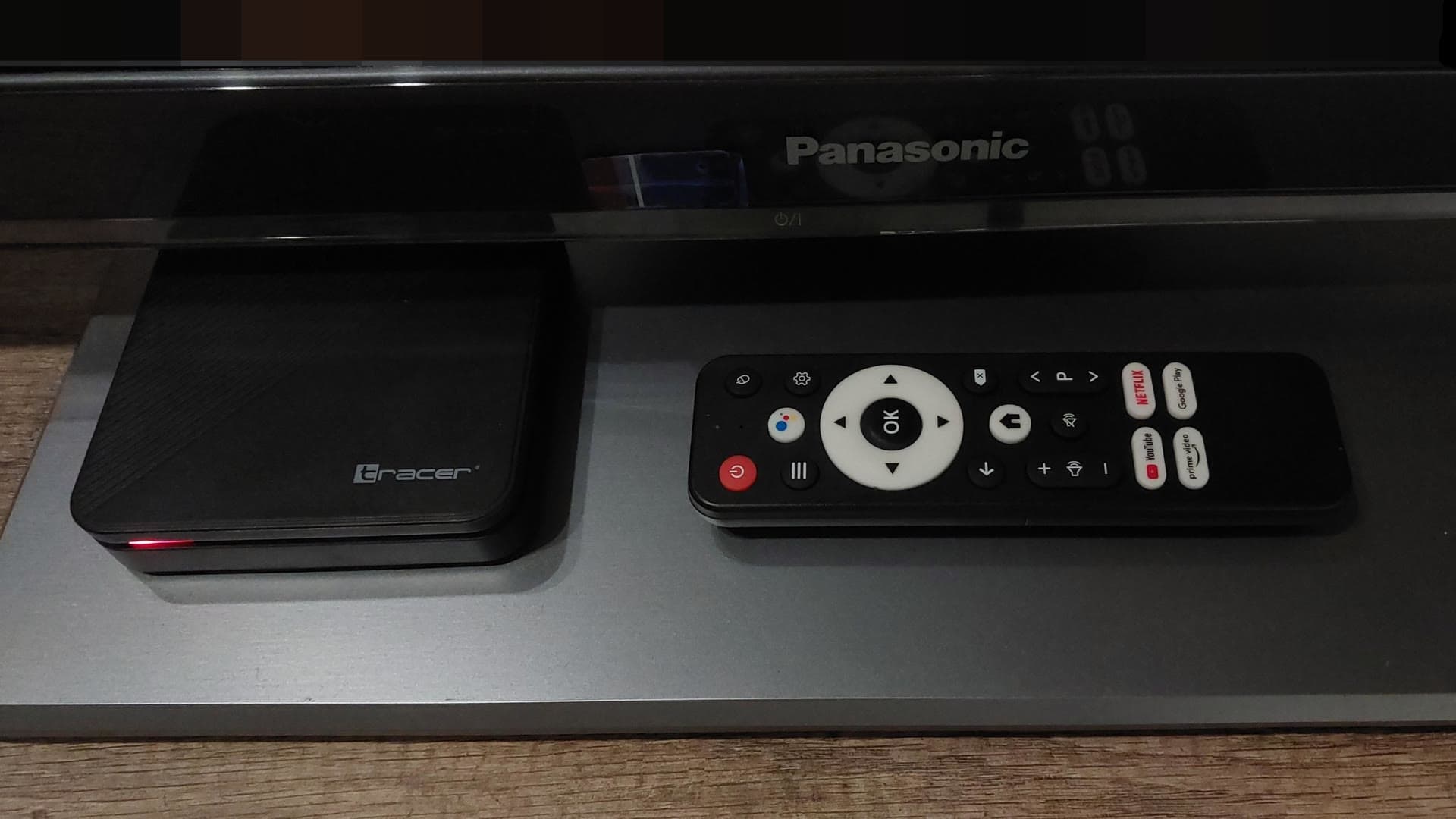
Anthropic researchers say their experiments suggest small AI models may be months away from being capable enough to self-replicate on commercial internet-connected devices such as smart ovens and Android TV boxes. Critics, including Gregory Kurtzer and Ravid Shwartz-Ziv, say the tests were simplified and do not show self-replication.
Read the full background
On October 12, 2026, Anthropic researchers William Zhou and Daniel Freeman published a post saying their experiments suggest small AI models may be months away from being capable enough to self-replicate on commercial internet-of-things devices, such as smart ovens and off-brand Android TV boxes. They say such a replicator would be hard to shut down because it would have no central point to switch off. Research post (opens in a new tab)
The post reports three main results. A 9-billion-parameter model set up inference on 8 of the 9 hardware types the researchers tested. They ran a 26-billion-parameter model split across 15 Android TV boxes at 0.39 tokens per second. And in a firewalled network of 8 cloud machines running an Android emulator, GLM-5.2 was the only open-weight model tested that completed the full copying cycle, reaching all 8 machines in 4 of 5 trials.
The post also states its limits. The emulated devices had an open port that required no login, which the authors say makes the result an upper bound on real-world success. The model directing the copying ran on a separate server because the emulated devices were too small to run it. The timing rests on a condition: if small models keep improving at their historical rate, the authors expect one to match GLM-5.2's level by the end of 2026, which they call a rough estimate.
Gregory Kurtzer, founder of Rocky Linux and chief executive of CIQ, wrote on X that the experiments showed no self-replication, no hacking and no agency, and that the setup was engineered to succeed. Kurtzer's post (opens in a new tab) AI researcher Ravid Shwartz-Ziv and The Register's Brandon Vigliarolo raised similar objections, while Wharton professor Ethan Mollick called the post a reminder to watch for capability thresholds. Fortune (opens in a new tab), The Register (opens in a new tab)
The disputed question is whether these experiments support Anthropic's warning about self-replication. Copying a model to new hardware is a different question from a model improving itself.
Timeline
1 timeline entry on this page. Dates: October 12, 2026
October 2026
Anthropic publishes research on small AI models copying themselves to cheap devices
Source release
Anthropic researchers publish experiments on whether small open-weight AI models can set up inference on unfamiliar hardware and copy themselves across a network of emulated Android devices, and say such models may be months away from being able to self-replicate on internet-of-things devices.
[01]Anthropic
Anthropic researchers report experiments on whether small AI models can set up inference on unfamiliar hardware and copy themselves across a network of emulated Android devices. They say small models may be months away from being capable enough to self-replicate on commercial internet-of-things devices, and describe the limits of their evaluation.
AI models may be capable of self-replicating without access to a datacenter · AnthropicResearch post of October 12, 2026: summary paragraphs, section B (replication across a cloud node fleet) and section G (conclusion)
Claims
Claims separate what was said from what is contested. Follow each source for the original wording and context.
What's disputed
Disputed claim
Anthropic
Small AI models may be months away from being capable enough to self-replicate on commercial internet-of-things devices, such as smart ovens and off-brand Android TV boxes.
Sources (1)
- AI models may be capable of self-replicating without access to a datacenter · AnthropicResearch post of October 12, 2026: summary paragraphs, section B (replication across a cloud node fleet) and section G (conclusion)
Response record
Responses
Choose one response filter, or select All responses to see the full record.
5 responses. Newest first.
Brandon VigliaroloReporter at The Register, writing an analysis of Anthropic's research Before this statement
These lines open the article, under a headline saying Anthropic conjured a threat that does not exist yet.
"Nothing sells AI products as well as fear. Using new research, Anthropic claims that self-replicating AI worms could be just months away from spreading across vulnerable IoT devices, which would be a problem if it came true. ... Doing more than a cursory reading of this report suggests that this threat is just as deserving of a big, honking asterisk as the rest."
CondemnedResponding to: Small AI models may be months away from being capable enough to self-replicate on commercial internet-of-things devices, such as smart ovens and off-brand Android TV boxes.
Full statement and sources
Brandon Vigliarolo writes that fear sells AI products and that a closer reading of Anthropic's report shows the threat deserves a large asterisk, pointing to the simplified hacking step, the separate inference server and the conditional timeline.
After the statement
The article ends by saying that basic security measures could make life harder for any future AI-powered botnet.
Anthropic conjures another threat that doesn't exist yet to stoke fears of AI apocalypse · The RegisterArticle of October 13, 2026, opening paragraph and the section 'Sanity check: This isn't going to end the world, either'Why this label?
The reference point is Anthropic's statement that its experiments suggest small AI models may be months away from being capable enough to self-replicate on commercial internet-of-things devices. Condemned: Vigliarolo argues that the report does not support its warning and criticizes Anthropic for publishing a threat that does not exist yet. The closest competing label is Challenged characterization; it loses because he rejects the warning's support rather than only its wording.
This label describes the statement's response within the context above.
Ethan MollickWharton School professor who studies AI, posting on X Before this statement
Mollick posts the day after Anthropic published its research.
"A worthwhile (and unnerving) reminder from Anthropic that we should be paying attention to AI ability thresholds, not just steady climbs In this case, the threshold is the capability needed for a self-replicating AI worm on IoT devices like off-brand TVs"
Defended or excusedResponding to: Small AI models may be months away from being capable enough to self-replicate on commercial internet-of-things devices, such as smart ovens and off-brand Android TV boxes.
Full statement and sources
Ethan Mollick calls Anthropic's research a worthwhile and unnerving reminder to watch for AI capability thresholds, here the capability needed for a self-replicating worm on IoT devices.
After the statement
The post ends with a link to Anthropic's research post.
Ethan Mollick on Anthropic's self-replication research · Ethan MollickPost on X, October 13, 2026, 10:03 a.m. Eastern, linking Anthropic's research postWhy this label?
The reference point is Anthropic's statement that its experiments suggest small AI models may be months away from being capable enough to self-replicate on commercial internet-of-things devices. Defended or excused: Mollick endorses the post as a worthwhile warning and adopts its framing of a capability threshold. The closest competing label is Mixed or conditional; it loses because the post raises no reservation about the experiments.
This label describes the statement's response within the context above.
Gregory KurtzerFounder and chief executive of CIQ and creator of Rocky Linux, posting on XDirectly involved Before this statement
Kurtzer quote-posts Anthropic's research post and opens by restating its headline as a question.
"AI models can self-replicate and spread like worms without datacenter infrastructure? Yeah, no. ... The experiment was engineered to succeed, and even then, it failed to demonstrate the headline. ... Stop confusing speculative scenarios with demonstrated capabilities. Fear isn't evidence."
CondemnedResponding to: Small AI models may be months away from being capable enough to self-replicate on commercial internet-of-things devices, such as smart ovens and off-brand Android TV boxes.
Full statement and sources
Gregory Kurtzer rejects the idea that AI models can self-replicate across devices without datacenters, says Anthropic's experiment was engineered to succeed and still failed to demonstrate its headline, and says fear is not evidence.
After the statement
The lines omitted from the quotation list seven objections, including that a test harness spawned the agents, that access was deliberately left unauthenticated and that the capable models ran elsewhere.
Gregory M. Kurtzer on Anthropic's self-replication research · Gregory KurtzerPost on X, October 13, 2026, 12:17 a.m. Eastern, quoting Anthropic's research postAnthropic says small AI models could soon be able to copy themselves onto everyday devicesArticle of October 13, 2026, section 'Fear isn't evidence'Why this label?
The reference point is Anthropic's statement that its experiments suggest small AI models may be months away from being capable enough to self-replicate on commercial internet-of-things devices. Condemned: Kurtzer expressly rejects the warning and says the experiments do not support it. The closest competing label is Challenged characterization; it loses because he goes beyond disputing the word self-replication and argues that the evidence fails to show the capability the warning describes.
This label describes the statement's response within the context above.
Ravid Shwartz-ZivAI researcher, posting on X Before this statement
Shwartz-Ziv quote-posts a summary of Anthropic's warning and presents his post as a guide to reading the company's announcements.
"The reality is a bit less dramatic, of course. ... Interesting engineering? Absolutely. Evidence of AI worms spreading autonomously through the real world? Not yet. But “we managed to run a very slow model on cheap TVs” doesn't make quite the same headline as “self-replicating AI is coming.”"
Challenged the characterizationResponding to: Small AI models may be months away from being capable enough to self-replicate on commercial internet-of-things devices, such as smart ovens and off-brand Android TV boxes.
Full statement and sources
Ravid Shwartz-Ziv calls Anthropic's work interesting engineering but says it is not yet evidence of AI worms spreading on their own in the real world, and that running a very slow model on cheap TVs would make a less dramatic headline.
After the statement
The omitted middle of the post says the researchers ran a model across 15 Android TV boxes at 0.39 tokens per second, and that the replication test used deliberately unauthenticated ports while the capable model ran on separate servers.
Ravid Shwartz Ziv on Anthropic's self-replication warning · Ravid Shwartz-ZivPost on X, October 12, 2026, 6:21 p.m. EasternAnthropic says small AI models could soon be able to copy themselves onto everyday devicesArticle of October 13, 2026, section 'Fear isn't evidence'Why this label?
The reference point is Anthropic's statement that its experiments suggest small AI models may be months away from being capable enough to self-replicate on commercial internet-of-things devices. Challenged characterization: he credits the engineering but disputes how the results were presented, saying they are not yet evidence of autonomous spread. The closest competing label is Condemned; it loses because his objection targets the framing of the findings rather than rejecting the research.
This label describes the statement's response within the context above.
 AnthropicAI company, in a research post by its researchers William Zhou and Daniel FreemanDirectly involved
Before this statement
These lines open the post, under the title AI models may be capable of self-replicating without access to a datacenter.
"Our experiments suggest that small AI models may be months away from being capable enough to self-replicate on commercial internet-of-things (IoT) devices, like smart ovens and off-brand Android TV boxes. ... If small models improve at their historical rate, they’ll match this capability level by the end of this year."
Defended or excusedResponding to: Small AI models may be months away from being capable enough to self-replicate on commercial internet-of-things devices, such as smart ovens and off-brand Android TV boxes.
Full statement and sources
Anthropic's researchers say their experiments suggest small AI models may be months away from being capable enough to self-replicate on commercial internet-of-things devices, and that small models would reach that level by the end of 2026 if they keep improving at their historical rate.
After the statement
Later sections say the evaluation kept the hacking step trivial, which makes the result an upper bound on real-world success, and call the timeline only a rough estimate.
AI models may be capable of self-replicating without access to a datacenter · AnthropicResearch post of October 12, 2026: summary paragraphs, section B (replication across a cloud node fleet) and section G (conclusion)Why this label?
The reference point is Anthropic's statement that its experiments suggest small AI models may be months away from being capable enough to self-replicate on commercial internet-of-things devices. Defended or excused: this is the research post that makes the statement and presents the experiments as its support. The closest competing label is Mixed or conditional; it loses because the post's conditions, such as the historical rate of improvement and the simplified hacking step, qualify its timing and scope without reversing its conclusion.
This label describes the statement's response within the context above.
Sources
(6)
Original text
AI models may be capable of self-replicating without access to a datacenter
Relevant passage: Research post of October 12, 2026: summary paragraphs, section B (replication across a cloud node fleet) and section G (conclusion)
About this source
Anthropic researchers report experiments on whether small AI models can set up inference on unfamiliar hardware and copy themselves across a network of emulated Android devices. They say small models may be months away from being capable enough to self-replicate on commercial internet-of-things devices, and describe the limits of their evaluation.
- Author
- William Zhou and Daniel Freeman, Anthropic
- Published
- Accessed
Reporting
Anthropic says small AI models could soon be able to copy themselves onto everyday devices
Relevant passage: Article of October 13, 2026, section 'Fear isn't evidence'
About this source
Fortune reports on Anthropic's research and on criticism from Gregory Kurtzer and Ravid Shwartz-Ziv, and notes the limits Anthropic acknowledged in its post.
- Author
- Beatrice Nolan
- Published
- Accessed
Analysis
Anthropic conjures another threat that doesn't exist yet to stoke fears of AI apocalypse
Relevant passage: Article of October 13, 2026, opening paragraph and the section 'Sanity check: This isn't going to end the world, either'
About this source
The Register's Brandon Vigliarolo summarizes Anthropic's research and argues that its simplified exploitation step, separate inference server and conditional timeline do not support the warning.
- Author
- Brandon Vigliarolo
- Published
- Accessed
Original post
Ethan Mollick on Anthropic's self-replication research
About this source
Mollick shares Anthropic's research post and says it points to a capability threshold worth watching.
- Author
- Ethan Mollick
- Published
- Accessed
Original post
Ravid Shwartz Ziv on Anthropic's self-replication warning
About this source
Shwartz-Ziv summarizes what Anthropic's experiments did and argues that they are not evidence of AI worms spreading in the real world.
- Author
- Ravid Shwartz Ziv
- Published
- Accessed
Original post
Gregory M. Kurtzer on Anthropic's self-replication research
About this source
Kurtzer lists seven objections to Anthropic's experiments and argues that they do not demonstrate the self-replication described in the research post's headline.
- Author
- Gregory M. Kurtzer
- Published
- Accessed
Share or embed this case
The embed keeps its attribution link to The Dispute Index. Credit the image to The Dispute Index and link to the case page.
Cite this record
- Publisher
- The Dispute Index
- Title
- Anthropic says small AI models may be months from being able to self-replicate on smart devices; critics question its experiments
- First published
- Last updated
- Permalink
- https://disputeindex.com/cases/anthropic-small-ai-models-self-replicate-smart-devices
The Dispute Index. "Anthropic says small AI models may be months from being able to self-replicate on smart devices; critics question its experiments". First published: 2026-10-14. Last updated: 2026-10-14. https://disputeindex.com/cases/anthropic-small-ai-models-self-replicate-smart-devices