
Abdul El-Sayed describes dangers from Israel and Iran; Pete Buttigieg draws an ally-enemy distinction
Case period:
Published by The Dispute Index editorial teamPublished Updated
Overview
Abdul El-Sayed declined to rank Israel and Iran as threats during Michigan's Senate debate, describing different dangers from each. Pete Buttigieg answered that Iran is an enemy and Israel an ally, while saying he would still vote for El-Sayed.
Read the full background
Asked during the October 8 debate whether Israel or Iran was the bigger threat to the United States, El-Sayed said Israel had lobbied the United States to go to war with Iran and that he did not consider a country that takes the United States into unneeded wars an ally. He then described one country as at risk of attacking the United States and the other as drawing it into wars. On October 14, Fox News played a shortened clip of that answer for Buttigieg, who drew an enemy-ally distinction but said he would still vote for El-Sayed, citing health care. The case concerns the comparison itself, rather than whether their disagreement ended Buttigieg's support.
People in this case
 Abdul El-SayedDirectly involved
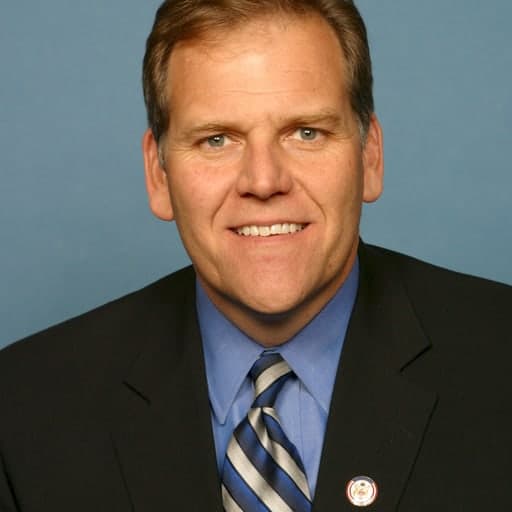 Mike RogersDirectly involved
Timeline
2 timeline entries on this page. Dates: October 8, 2026 to October 14, 2026
October 2026
El-Sayed declines to rank Israel and Iran as threats
Incident
At the WOOD TV8 debate in Grand Rapids, moderator Rick Albin twice asked El-Sayed whether Israel or Iran was the bigger threat to the United States. El-Sayed called the question ridiculous, said Israel had lobbied the United States to go to war with Iran, and said both countries had proven dangerous in their own way: one at risk of attacking the United States, the other drawing it into wars.
[01]WOOD TV8 video of the October 8 Michigan Senate debate: the Israel or Iran question
WOOD TV8's recording of the Grand Rapids debate between Abdul El-Sayed and Mike Rogers, moderated by Rick Albin. Albin played El-Sayed's earlier answer to NewsNation, then twice asked whether Israel or Iran was the bigger threat to the United States. El-Sayed called the question ridiculous, said Israel had lobbied the United States to go to war with Iran, and said both countries had proven dangerous in their own way.
WOOD TV8 video of the October 8 Michigan Senate debate: the Israel or Iran question29:56-32:15 Albin plays El-Sayed's earlier NewsNation answer, asks twice whether Israel or Iran is the bigger threat, and El-Sayed answers (final answer at 32:06)[02]LGBTQ Nation reports El-Sayed and Buttigieg's answers about Israel and Iran
Daniel Villarreal quotes both answers and Buttigieg's explanation that he will still vote for El-Sayed. The article contains commentary as well as reporting.
LGBTQ Nation reports El-Sayed and Buttigieg's answers about Israel and IranEl-Sayed clip, Buttigieg's answer and continued support for El-Sayed[03]The Daily Wire reports Buttigieg's disagreement with El-Sayed
Drew Berkemeyer reports the competing answers and Buttigieg's continued electoral support. El-Sayed describes different dangers rather than explicitly calling the countries equal threats.
The Daily Wire reports Buttigieg's disagreement with El-SayedOctober 8 debate answer and October 14 Fox interview quotationsButtigieg disputes the comparison while maintaining electoral support
Reaction
On Fox News' The Story, Martha MacCallum played a shortened clip of El-Sayed's answer and asked what Buttigieg's answer would have been. Buttigieg said Iran is an enemy and Israel an ally. Asked why the question was hard for El-Sayed, he said he was not sure, and said he would still vote for El-Sayed over Mike Rogers, citing health care.
[04]Fox News video: Pete Buttigieg on El-Sayed's Israel or Iran answer (The Story, October 14, 2026)
Fox News's upload of Martha MacCallum's interview with Pete Buttigieg on The Story, which aired October 14. MacCallum played a clip of El-Sayed's debate answer that left out his explanation, then asked what Buttigieg's answer would have been. Buttigieg also said he would vote for El-Sayed over Mike Rogers.
Fox News video: Pete Buttigieg on El-Sayed's Israel or Iran answer (The Story, October 14, 2026)0:54-1:27 MacCallum plays a shortened clip of El-Sayed's answer; 1:27-1:40 her question and Buttigieg's answer; 2:36-3:12 why the question was hard for El-Sayed and Buttigieg's vote[02]LGBTQ Nation reports El-Sayed and Buttigieg's answers about Israel and Iran
Daniel Villarreal quotes both answers and Buttigieg's explanation that he will still vote for El-Sayed. The article contains commentary as well as reporting.
LGBTQ Nation reports El-Sayed and Buttigieg's answers about Israel and IranEl-Sayed clip, Buttigieg's answer and continued support for El-Sayed[03]The Daily Wire reports Buttigieg's disagreement with El-Sayed
Drew Berkemeyer reports the competing answers and Buttigieg's continued electoral support. El-Sayed describes different dangers rather than explicitly calling the countries equal threats.
The Daily Wire reports Buttigieg's disagreement with El-SayedOctober 8 debate answer and October 14 Fox interview quotations
Claims
Claims separate what was said from what is contested. Follow each source for the original wording and context.
What's disputed
Disputed claim
Israel and Iran have each posed dangers to the United States in different ways.
Sources (2)
- WOOD TV8 video of the October 8 Michigan Senate debate: the Israel or Iran question29:56-32:15 Albin plays El-Sayed's earlier NewsNation answer, asks twice whether Israel or Iran is the bigger threat, and El-Sayed answers (final answer at 32:06)
- LGBTQ Nation reports El-Sayed and Buttigieg's answers about Israel and IranEl-Sayed clip, Buttigieg's answer and continued support for El-Sayed
Response record
Responses
Choose one response filter, or select All responses to see the full record.
3 matching responses. Newest first.
Pete ButtigiegFormer U.S. transportation secretary, interviewed on Fox NewsDirectly involved Before this statement
On Fox News' The Story on October 14, Martha MacCallum played a shortened clip of El-Sayed's debate answer that left out his explanation about Israel and Iran. She said a lot of people who saw it thought it should have been an easy answer and asked what Buttigieg's answer would have been.
"Iran is our enemy. Israel is not. They’re an ally, so that’s pretty clear to me."
Challenged the characterizationCase context: Abdul El-Sayed describes dangers from Israel and Iran; Pete Buttigieg draws an ally-enemy distinction
Full statement and sources
Buttigieg draws an enemy-versus-ally distinction when asked about El-Sayed's comparison, while maintaining his support for El-Sayed in the Senate race.
After the statement
Buttigieg went on to say that Michigan voters were focused on costs, which he blamed on tariffs and the Iran war. Asked why the question had been hard for El-Sayed, he said he was not sure and that he agrees with no candidate all of the time, and said he would vote for El-Sayed over Mike Rogers, citing health care.
Fox News video: Pete Buttigieg on El-Sayed's Israel or Iran answer (The Story, October 14, 2026)0:54-1:27 MacCallum plays a shortened clip of El-Sayed's answer; 1:27-1:40 her question and Buttigieg's answer; 2:36-3:12 why the question was hard for El-Sayed and Buttigieg's voteLGBTQ Nation reports El-Sayed and Buttigieg's answers about Israel and IranEl-Sayed clip, Buttigieg's answer and continued support for El-SayedThe Daily Wire reports Buttigieg's disagreement with El-SayedOctober 8 debate answer and October 14 Fox interview quotationsWhy this label?
Reference point: El-Sayed's refusal to rank Israel and Iran as threats and his comparison of the dangers they pose. Challenged the characterization: Buttigieg answers the question El-Sayed would not, classing Iran as an enemy and Israel as an ally rather than as a comparable danger. Condemned is the closest competing label and loses because he does not criticize the answer or El-Sayed and says he is not sure why the question was hard for him. His vote for El-Sayed concerns the candidacy, so it does not make this a defense of the answer.
This label describes the statement's response within the context above.
 Mike RogersRepublican nominee for U.S. Senate in MichiganDirectly involved
Before this statement
In the October 8 debate, El-Sayed called the question of whether Israel or Iran was the bigger threat to the United States ridiculous and said both had proven dangerous in their own way.
"Abdul El-Sayed can’t say if Israel or Iran is a greater threat to the United States ... Utterly disqualifying."
CondemnedCase context: Abdul El-Sayed describes dangers from Israel and Iran; Pete Buttigieg draws an ally-enemy distinction
Full statement and sources
Rogers criticizes El-Sayed for not saying whether Israel or Iran poses the greater threat to the United States.
After the statement
The report that quotes the post says Rogers has repeatedly criticized El-Sayed's opposition to Israel, and quotes an earlier Rogers statement saying the Jewish community was terrified of El-Sayed.
Mike Rogers criticizes El-Sayed's Israel-Iran comparisonRogers's quoted responseWhy this label?
Reference point: El-Sayed's refusal to rank Israel and Iran as threats and his comparison of the dangers they pose. Condemned: Rogers faults El-Sayed for not naming the greater threat and calls the answer disqualifying. Challenged the characterization loses because Rogers rejects the answer itself rather than only disputing how it describes Israel.
This label describes the statement's response within the context above.
 Abdul El-SayedMichigan Democratic Senate candidateDirectly involved
Before this statement
Moderator Rick Albin played El-Sayed's earlier answer to NewsNation, in which he called the question dumb, and asked again whether Israel or Iran was the bigger threat to the United States. El-Sayed called it a ridiculous hypothetical. He said Israel had lobbied the United States to go to war with Iran, that Iran had responded by bombing countries across the Middle East and choking off the world's energy supply, and that he did not consider a country that takes the United States into wars it need not fight an ally. He said that made both countries kind of dangerous. Albin then asked a final time.
"I think both of them have proven dangerous in their own way."
Defended or excusedCase context: Abdul El-Sayed describes dangers from Israel and Iran; Pete Buttigieg draws an ally-enemy distinction
Full statement and sources
El-Sayed calls the question of which country is the bigger threat ridiculous and says Israel and Iran have each proven dangerous to the United States in different ways.
After the statement
He then said one country was at risk of attacking the United States and the other was getting it into wars it had no business fighting. His earlier remarks tie the first to Iran and the second to Israel. He did not name either country as the greater threat or call the two equal.
WOOD TV8 video of the October 8 Michigan Senate debate: the Israel or Iran question29:56-32:15 Albin plays El-Sayed's earlier NewsNation answer, asks twice whether Israel or Iran is the bigger threat, and El-Sayed answers (final answer at 32:06)LGBTQ Nation reports El-Sayed and Buttigieg's answers about Israel and IranEl-Sayed clip, Buttigieg's answer and continued support for El-SayedThe Daily Wire reports Buttigieg's disagreement with El-SayedOctober 8 debate answer and October 14 Fox interview quotationsWhy this label?
Reference point: El-Sayed's refusal to rank Israel and Iran as threats and his comparison of the dangers they pose. Defended or excused: this is that answer, given and explained by El-Sayed, who repeats the comparison when pressed a final time. Explicitly stayed out is the closest competing label, since he called the question ridiculous and would not pick a country, but it loses because he went on to say both had proven dangerous rather than refusing to address the matter.
This label describes the statement's response within the context above.
Sources
(9)
Original video
WOOD TV8 video of the October 8 Michigan Senate debate: the Israel or Iran question
About this source
WOOD TV8's recording of the Grand Rapids debate between Abdul El-Sayed and Mike Rogers, moderated by Rick Albin. Albin played El-Sayed's earlier answer to NewsNation, then twice asked whether Israel or Iran was the bigger threat to the United States. El-Sayed called the question ridiculous, said Israel had lobbied the United States to go to war with Iran, and said both countries had proven dangerous in their own way.
- Author
- WOOD TV8
- Published
- Accessed
Original video
Fox News video: Pete Buttigieg on El-Sayed's Israel or Iran answer (The Story, October 14, 2026)
About this source
Fox News's upload of Martha MacCallum's interview with Pete Buttigieg on The Story, which aired October 14. MacCallum played a clip of El-Sayed's debate answer that left out his explanation, then asked what Buttigieg's answer would have been. Buttigieg also said he would vote for El-Sayed over Mike Rogers.
- Author
- Fox News
- Published
- Accessed
Original post
Hewitt praises Buttigieg's distinction and seeks further Democratic rejection
About this source
Hewitt interprets Buttigieg's comments as separating himself from El-Sayed and urges other Democrats to reject the position. This is Hewitt's assessment; Buttigieg maintained his electoral support.
- Published
- Accessed
Original post
Hugh Hewitt criticizes El-Sayed's Israel-Iran comparison
About this source
Hewitt quotes reporting of El-Sayed's comparison and argues that the answer disqualifies him from the Senate.
- Published
- Accessed
Reporting
Corbin Trent and Martha MacCallum debate El-Sayed's Israel-Iran answer
Relevant passage: October 15 exchange on The Story
About this source
Mediaite reports their exchange on The Story after MacCallum played Buttigieg discussing El-Sayed. It quotes Trent defending the answer and MacCallum criticizing the refusal to distinguish an ally from an enemy.
- Published
- Accessed
Reporting
Mike Rogers criticizes El-Sayed's Israel-Iran comparison
Relevant passage: Rogers's quoted response
About this source
The National News Desk reports Rogers calling the debate answer disqualifying. The report concerns the October 8 comparison, not a finding about national-security qualifications.
- Published
- Accessed
Reporting
Jewish Democrats assess El-Sayed's debate answers
Relevant passage: Named interviews
About this source
Named interviews assess the October 8 Israel-Iran comparison.
- Published
- Accessed
Reporting
The Daily Wire reports Buttigieg's disagreement with El-Sayed
Relevant passage: October 8 debate answer and October 14 Fox interview quotations
About this source
Drew Berkemeyer reports the competing answers and Buttigieg's continued electoral support. El-Sayed describes different dangers rather than explicitly calling the countries equal threats.
- Author
- Drew Berkemeyer
- Published
- Accessed
Reporting
LGBTQ Nation reports El-Sayed and Buttigieg's answers about Israel and Iran
Relevant passage: El-Sayed clip, Buttigieg's answer and continued support for El-Sayed
About this source
Daniel Villarreal quotes both answers and Buttigieg's explanation that he will still vote for El-Sayed. The article contains commentary as well as reporting.
- Author
- Daniel Villarreal
- Published
- Accessed
Share or embed this case
The embed keeps its attribution link to The Dispute Index. Credit the image to The Dispute Index and link to the case page.
Cite this record
- Publisher
- The Dispute Index
- Title
- Abdul El-Sayed describes dangers from Israel and Iran; Pete Buttigieg draws an ally-enemy distinction
- First published
- Last updated
- Permalink
- https://disputeindex.com/cases/abdul-el-sayed-israel-iran-threat-comparison-pete-buttigieg
The Dispute Index. "Abdul El-Sayed describes dangers from Israel and Iran; Pete Buttigieg draws an ally-enemy distinction". First published: 2026-10-18. Last updated: 2026-10-18. https://disputeindex.com/cases/abdul-el-sayed-israel-iran-threat-comparison-pete-buttigieg