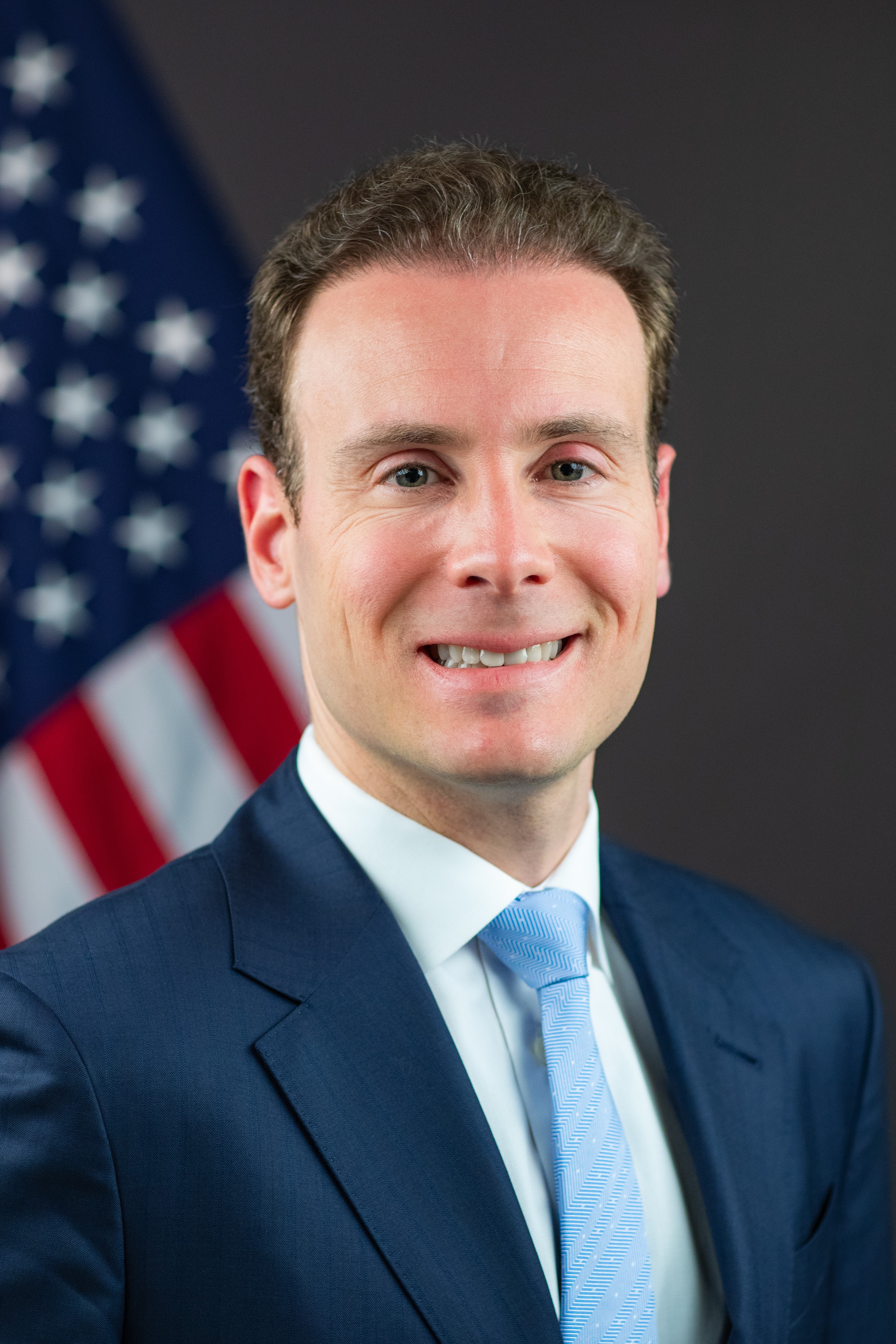
Michael S. Selig is the Chairman of the U.S. Commodity Futures Trading Commission, sworn in on December 22, 2025. A lawyer, he was previously a partner at Willkie Farr & Gallagher and chief counsel to the Securities and Exchange Commission's crypto task force.
Role at the time: Chairman of the Commodity Futures Trading Commission, in a CFTC press release
Defended or excused
Statement summary
CFTC Chairman Michael Selig says event contracts serve hedging and investment purposes and give the public information about the outcome of future events, that Congress made the CFTC the sole regulator of these markets, and that the commission will defend its exclusive jurisdiction.
“Event contracts do not just serve hedging and investment purposes—they also provide the public with information about the outcome of future events. Congress entrusted the CFTC to be the federal regulator with sole responsibility to oversee these markets. As I’ve said before, the CFTC has the expertise and responsibility to defend its exclusive jurisdiction over commodity derivatives, and that’s exactly what we’ll do.”
Read the official statement (opens in a new tab)CFTC Sues to Block State Enforcement in Utah Amid Ongoing Efforts to Preserve Jurisdiction · Commodity Futures Trading CommissionRelease Number 9315-26
Why we used this label
Relative to Kalshi's offering of event contracts, Selig defends their public information, hedging and investment functions. His jurisdiction argument supplies the legal basis for federal oversight.
Role at the time: Chairman of the Commodity Futures Trading Commission
Condemned
Statement summary
Michael S. Selig criticized state restrictions on federally regulated event markets when the CFTC announced lawsuits against Connecticut, Arizona and Illinois.
“The CFTC will continue to safeguard its exclusive regulatory authority over these markets and defend market participants against overzealous state regulators”
Read the official statement (opens in a new tab)CFTC announces lawsuits against Connecticut, Arizona and Illinois · Commodity Futures Trading CommissionRelease 9206-26; opening paragraph and Chairman Michael S. Selig quotation
Why we used this label
Selig criticizes the state regulators' intervention and argues that inconsistent requirements undermine consumer protection. That is substantive criticism of the challenged restrictions, beyond a disagreement over how to describe the contracts.
Utah's attorney general charged Kalshi and co-founders Tarek Mansour and Luana Lopes Lara with felony gambling promotion over sports wagers placed from Utah. Kalshi calls the case political overreach, and the CFTC says federal law overrides Utah's gambling laws for its exchanges.
Connecticut's September action against nine prediction-market companies intensified a dispute over sports-event contracts. State officials invoke gambling laws and consumer safeguards, while the CFTC argues that federal authority displaces the challenged restrictions.