Joe Walsh

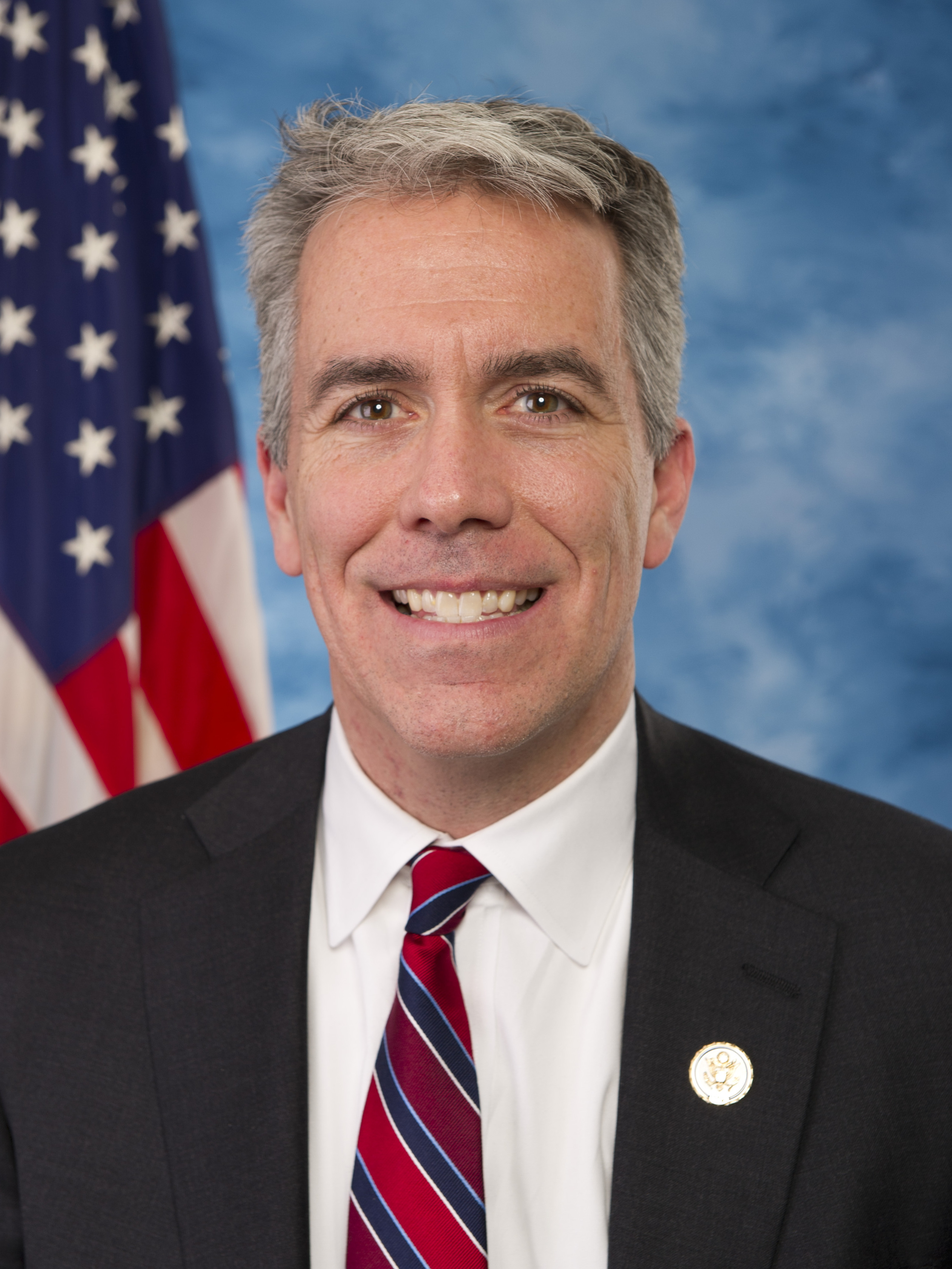
Portrait of Joe Walsh
United States Federal Government

Former Republican U.S. Representative for Illinois (2011-2013); political commentator and podcast host, now a vocal Trump critic. Not to be confused with the Eagles guitarist of the same name.

U.S. Representative (2011 to 2026)Website (opens in a new tab)

Statements by Joe Walsh

Portrait of Joe Walsh

Joe Walsh

Role at the time: Former U.S. representative and political commentator

Condemned

Response to this claim

Mamdani improperly turned the October 7 anniversary into a propaganda attack against Israel.

“Shame on you @NYCMayor. You can't just give one day for Israel to mourn? One day?”
Read the original post (opens in a new tab)Joe Walsh criticizes Mamdani's anniversary statement · Joe WalshPost quoting the NYCMayor anniversary statement
Why we used this label

He directly criticizes Mamdani's choice to include other grievances in this remembrance.

Portrait of Joe Walsh

Joe Walsh

Role at the time: Former U.S. Representative (R-IL); political commentator

Challenged the characterization

Statement summary

Joe Walsh disputed the framing that Macklemore's on-stage remarks were limited to the phrase "free Palestine," saying he said more than that and that it was offensive to some people, while defending both Macklemore's right to say it and Kraft's right to exclude him over it.

“Macklemore didn't just say free Palestine. He did more than that... a reason why a lot of folks got upset... Maybe not offensive to you, but offensive to some people. You'd acknowledge that or no?”
Watch the original video (opens in a new tab)Piers Morgan Uncensored: "Ed Sheeran Is a COWARD" — Macklemore Dropped From Tour Over 'Free Palestine' Speech23:30–26:12: Wajahat Ali's uninterrupted turn; 25:29–26:12: quoted passage on a generational and cultural turn against Israel; 26:14–26:36: Piers Morgan's reply. Episode chapter marker "Israel's declining popularity in America" is set at 26:22, within Morgan's reply.
Why we used this label

Walsh disputes Ana Kasparian's characterization that Macklemore merely said an innocuous "free Palestine," asserting he said more and that it upset and offended people. He does not go on to personally condemn Macklemore's conduct -- he explicitly defends Macklemore's right to have said it, framing the dispute as a free-speech and property-rights question for all parties rather than rendering his own verdict on the content.

Topics in this coverage