
Somin argues that Gorsuch and Thomas should have dissented in Culley
Ilya SominLaw professor writing at The Volokh Conspiracy
Somin argues that the reasoning in the concurrence undermines the majority's use of customs precedents and historical practice. He criticizes the ruling while seeing possible support for a broader constitutional challenge to civil forfeiture.
“Thus, by their own reasoning, Gorsuch and Thomas should have dissented.”
Analysis
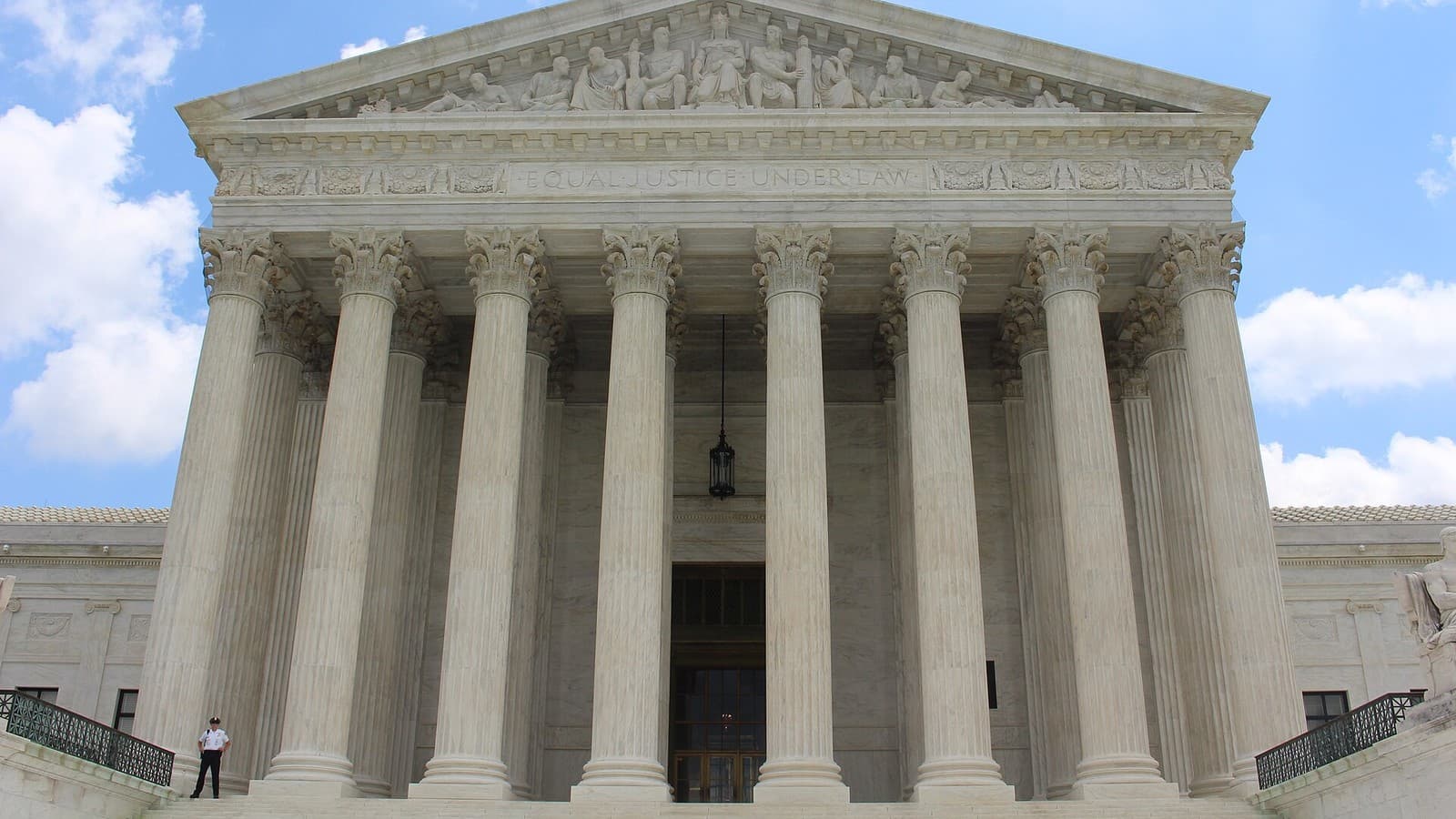
Where this statement fits
Supreme Court rules due process does not require a preliminary hearing before a seized car is held for forfeiture
In 2019, Alabama police seized cars owned by Halima Culley and Lena Sutton after arresting the people driving them on drug charges, and the state sought civil forfeiture. Both women later won their cars back as innocent owners, after about 20 and 15 months. They argued in federal court that due process required a prompt preliminary hearing on whether officials could keep the cars in the meantime. Alabama argued that a timely forfeiture hearing was enough. On May 9, 2024, the Supreme Court sided with Alabama, 6-3.
Source and context
Analysis
About this source
Somin criticizes the result while arguing that the separate opinions may support a broader future challenge.
Archived copy (opens in a new tab)Before the quotation
Somin argues that historical exceptions for customs cases do not justify the broader forfeiture procedures at issue. He says the concurrence's reasoning would make Alabama's procedures unconstitutional.
After the quotation
Somin also discusses the dissent's criticisms of incentives and burdens on poorer owners. He says the separate opinions may encourage a broader future challenge.
How this statement is classified
The label describes this statement's response within the context above.
Why this label?
The case concerns the ruling that due process does not require a separate preliminary retention hearing. Somin criticizes that outcome and argues that the concurring justices should have dissented.
- Recorded on
- Published here
More from this case
Read the full caseMarshall says the Court confirmed the owners' rights were respected
“The U.S. Supreme Court affirmed our previous victories in these cases. Law enforcement officers across Alabama work hard every day to keep their fellow citizens safe while respecting their constitutional rights. And the Court confirmed that those rights were respected”Read statement
Jackson joins the Culley dissent on retention hearings
“Action: Joined Justice Sotomayor's dissent in Culley v. Marshall on May 9, 2024.”Read statement
Kagan joins the Culley dissent on retention hearings
“Action: Joined Justice Sotomayor's dissent in Culley v. Marshall on May 9, 2024.”Read statement
Share or embed this statement
The embed keeps its attribution link to The Dispute Index. Credit the image to The Dispute Index and link to the statement page.
Cite this record
- Publisher
- The Dispute Index
- Title
- Somin argues that Gorsuch and Thomas should have dissented in Culley
- First published
- Last updated
- Permalink
- https://disputeindex.com/events/7606-somin-argues-that-the-reasoning-in-the-concurrence
Last updated marks the most recent saved version of this published statement.
The Dispute Index. "Somin argues that Gorsuch and Thomas should have dissented in Culley". First published: 2026-11-01. Last updated: 2026-11-01. https://disputeindex.com/events/7606-somin-argues-that-the-reasoning-in-the-concurrence