
Tinker v. Des Moines: Supreme Court protects antiwar armbands; Black dissents
The Supreme Court rejects the public schools' armband ban in Tinker v. Des Moines. Fortas finds no adequate basis to forecast substantial disruption. Black dissents, arguing that the decision undermines school discipline and subjects schools to students' whims.
Case period:
Published by The Dispute Index editorial teamPublished Updated
Overview
The students wore armbands opposing the Vietnam War in December 1965 and were suspended under a specific school prohibition. The majority did not immunize materially disruptive conduct. Tinker concerns public schools; applying it to another institution requires attention to that institution's legal status and the conduct involved.
People in this case
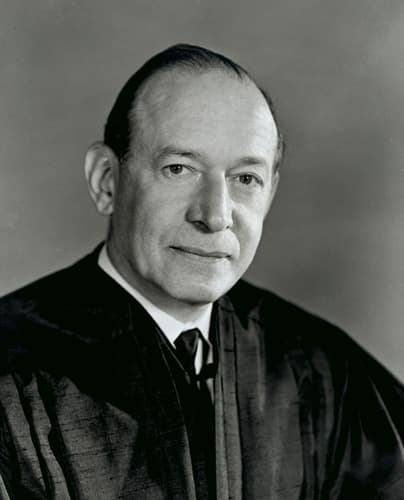
- Abe FortasDirectly involved
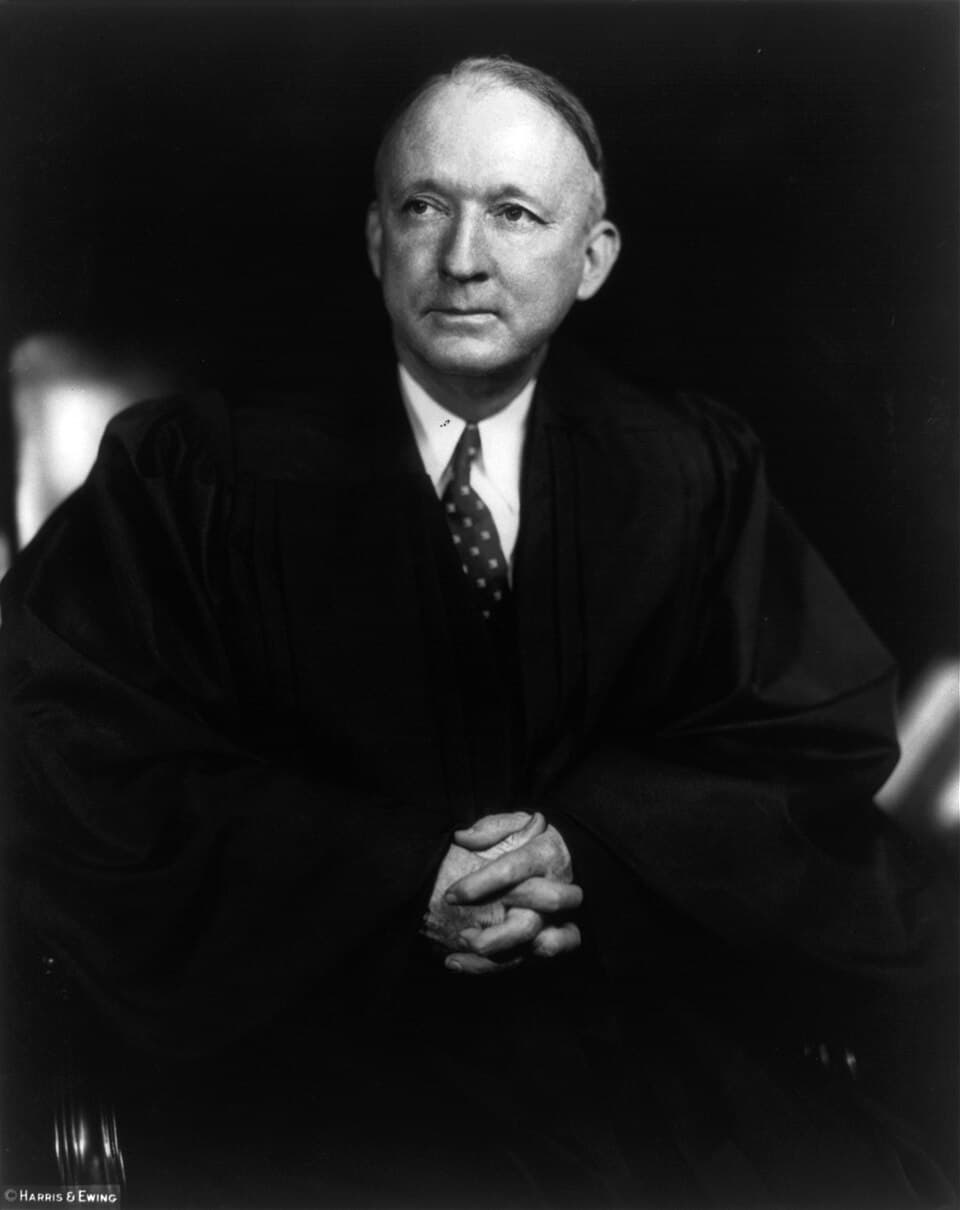 Hugo BlackDirectly involved
Timeline
2 timeline entries on this page. Dates: December 16, 1965 to February 24, 1969
December 1965
Students wear antiwar armbands and are suspended
Incident
The opinion recounts the December 1965 protest and suspensions under the schools' specific armband prohibition.
[01]Supreme Court of the United States
The Court reversed and remanded, 7-2. The case concerns public-school armbands and the justification for restricting student expression.
Tinker v. Des Moines Independent Community School District, 393 U.S. 503 · Supreme Court of the United States393 U.S. 503-526, Fortas majority and Black and Harlan dissents
February 1969
Supreme Court reverses and remands, 7-2
Fortas writes for the Court; Black and Harlan dissent separately. The majority finds no adequate basis for the restriction on this record.
[01]Supreme Court of the United States
The Court reversed and remanded, 7-2. The case concerns public-school armbands and the justification for restricting student expression.
Tinker v. Des Moines Independent Community School District, 393 U.S. 503 · Supreme Court of the United States393 U.S. 503-526, Fortas majority and Black and Harlan dissents
Response record
Responses
Choose one response filter, or select All responses to see the full record.
2 matching responses. Newest first.
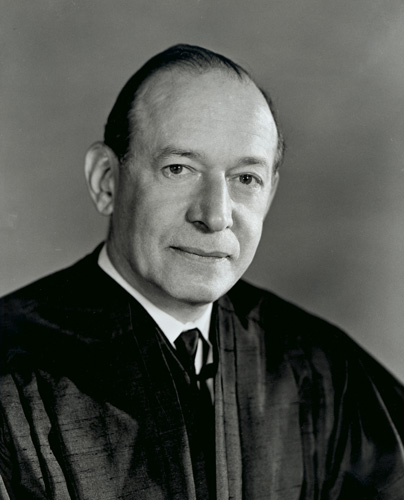 Abe FortasAssociate justice writing for the CourtDirectly involved
Before this statement
The opinion considers quiet armband expression and the absence of a supported disruption forecast.
"undifferentiated fear or apprehension of disturbance is not enough to overcome the right to freedom of expression."
CondemnedCase context: Tinker v. Des Moines: Supreme Court protects antiwar armbands; Black dissents
Full statement and sources
Writing for the Court, Fortas rejects undifferentiated fear as a basis for the armband ban.
After the statement
It recognizes authority to address material disruption or invasion of others' rights.
Tinker v. Des Moines Independent Community School District, 393 U.S. 503 · Supreme Court of the United States393 U.S. 503-526, Fortas majority and Black and Harlan dissentsTinker v. Des Moines, 393 U.S. 503: decision caption and opinion authorship · Supreme Court of the United States393 U.S. 503-504, caption, decision date and identification of Fortas as the majority opinion's authorWhy this label?
Relative to the school prohibition, the majority rejects fear alone as a sufficient basis for restricting expression.
This label describes the statement's response within the context above.
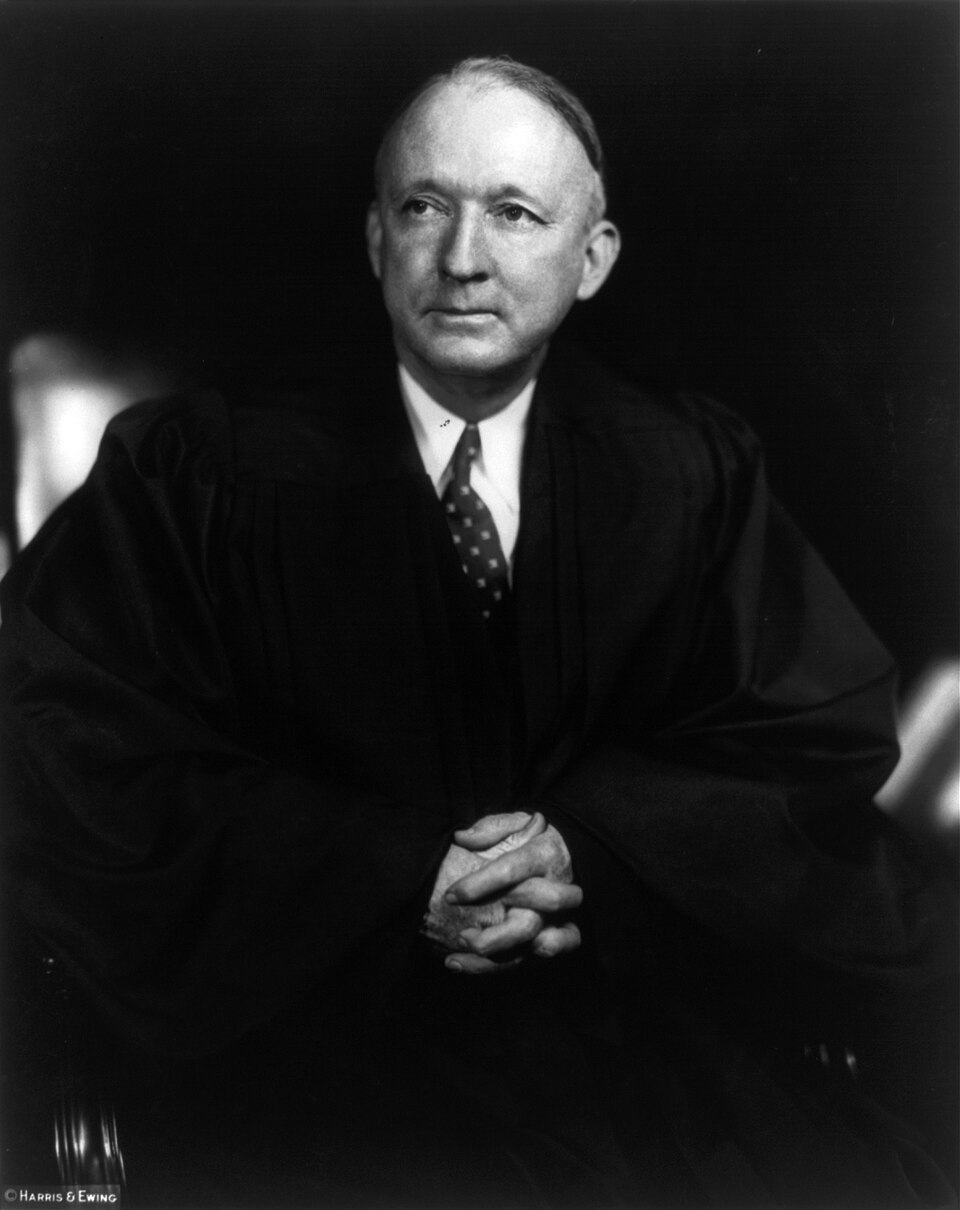 Hugo BlackAssociate justice dissentingDirectly involved
Before this statement
Black argues that political demonstration distracted students from lessons and implicates school discipline.
"School discipline, like parental discipline, is an integral and important part of training our children to be good citizens - to be better citizens."
Defended or excusedCase context: Tinker v. Des Moines: Supreme Court protects antiwar armbands; Black dissents
Full statement and sources
Black defends school discipline in dissent from the armband ruling.
After the statement
He rejects the conclusion that the Constitution requires schools to surrender control.
Tinker v. Des Moines Independent Community School District, 393 U.S. 503 · Supreme Court of the United States393 U.S. 503-526, Fortas majority and Black and Harlan dissentsWhy this label?
Relative to the school prohibition and discipline, Black would sustain the authorities' power and objects to judicial displacement of their control.
This label describes the statement's response within the context above.
Sources
(2)
Original text
Tinker v. Des Moines Independent Community School District, 393 U.S. 503
Relevant passage: 393 U.S. 503-526, Fortas majority and Black and Harlan dissents
About this source
The Court reversed and remanded, 7-2. The case concerns public-school armbands and the justification for restricting student expression.
- Author
- Supreme Court of the United States
- Published
- Accessed
Original text
Tinker v. Des Moines, 393 U.S. 503: decision caption and opinion authorship
Relevant passage: 393 U.S. 503-504, caption, decision date and identification of Fortas as the majority opinion's author
About this source
The opening pages identify the decision date and state that Justice Fortas delivered the Court's opinion. The complete opinion is available in the same document.
- Author
- Supreme Court of the United States
- Published
- Accessed
Share or embed this case
The embed keeps its attribution link to The Dispute Index. Credit the image to The Dispute Index and link to the case page.
Cite this record
- Publisher
- The Dispute Index
- Title
- Tinker v. Des Moines: Supreme Court protects antiwar armbands; Black dissents
- First published
- Last updated
- Permalink
- https://disputeindex.com/cases/tinker-des-moines-armbands-student-speech
The Dispute Index. "Tinker v. Des Moines: Supreme Court protects antiwar armbands; Black dissents". First published: 2026-10-31. Last updated: 2026-10-31. https://disputeindex.com/cases/tinker-des-moines-armbands-student-speech