
21 attorneys general sue to restore shell-company ownership reporting; Treasury says the exemption relieves small businesses
Twenty states and the District of Columbia sued to overturn FinCEN rules exempting U.S. companies from reporting their owners under the Corporate Transparency Act. The states call it a repeal by rulemaking, and Treasury says it relieves small businesses.
Case period:
Published by The Dispute Index editorial teamPublished Updated
Overview
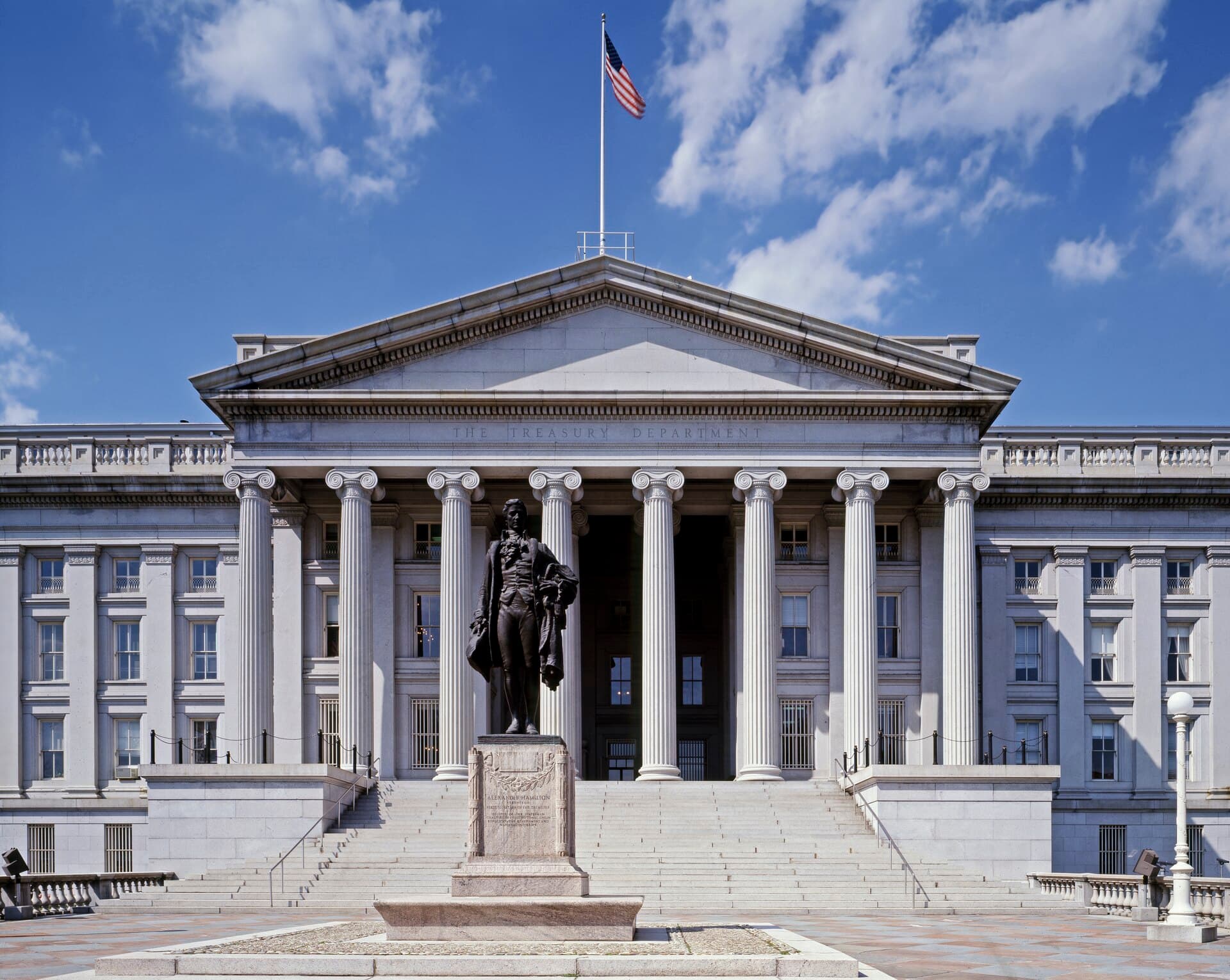
On October 27, 2026, attorneys general for 20 states and the District of Columbia, led by Oregon and Illinois, filed suit in the U.S. District Court for the District of Oregon against the Treasury Department, its Financial Crimes Enforcement Network (FinCEN) and other federal officials. They challenge FinCEN's March 2025 interim final rule and August 2026 final rule, which exempt all domestic companies and U.S. persons from reporting beneficial ownership information. The complaint says the rules exempt over 99.9% of the entities originally required to report and effectively repeal the Corporate Transparency Act, and it asks the court to vacate them and stop a planned purge of reported data. Treasury and FinCEN say the exemption relieves small businesses of burdens that the reports do not justify and that the law lets the Secretary exempt classes of entities.
Read the full background
Congress passed the Corporate Transparency Act in 2021 to require companies to report the people who own or control them to FinCEN, so that law enforcement could trace shell companies used to hide money. On March 2, 2025, Treasury said it would not enforce the reporting rule against U.S. citizens or domestic companies. FinCEN's interim final rule of March 26, 2025, exempted domestic companies, and a final rule published August 14, 2026, made that exemption permanent and extended it to U.S. company applicants. The states' complaint says the final rule also announces that FinCEN will purge existing ownership data for newly exempted entities by February 2027. Foreign companies registered to do business in the United States must still report their non-U.S. owners.
People in this case
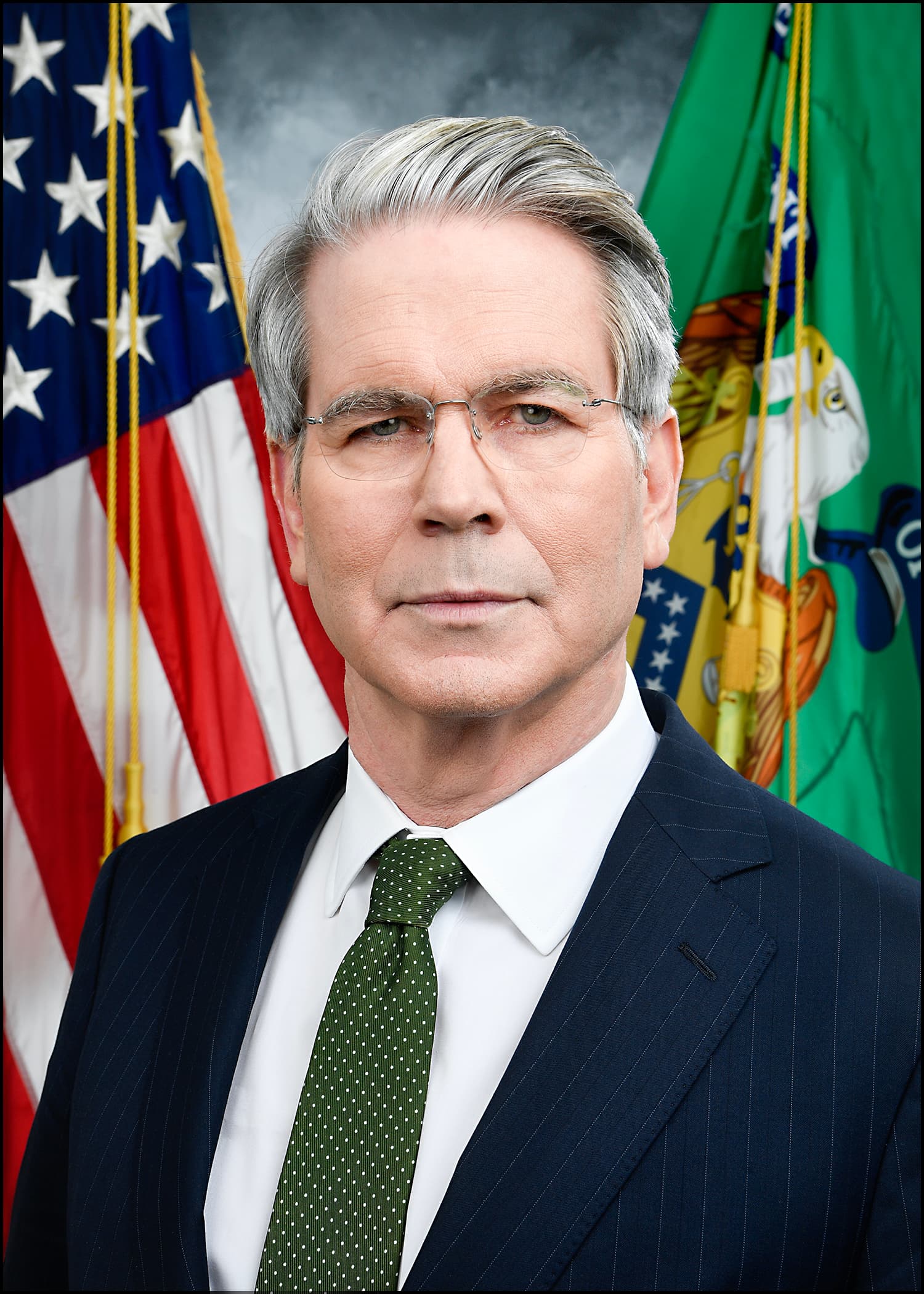 Scott BessentDirectly involved
 Dan RayfieldDirectly involved
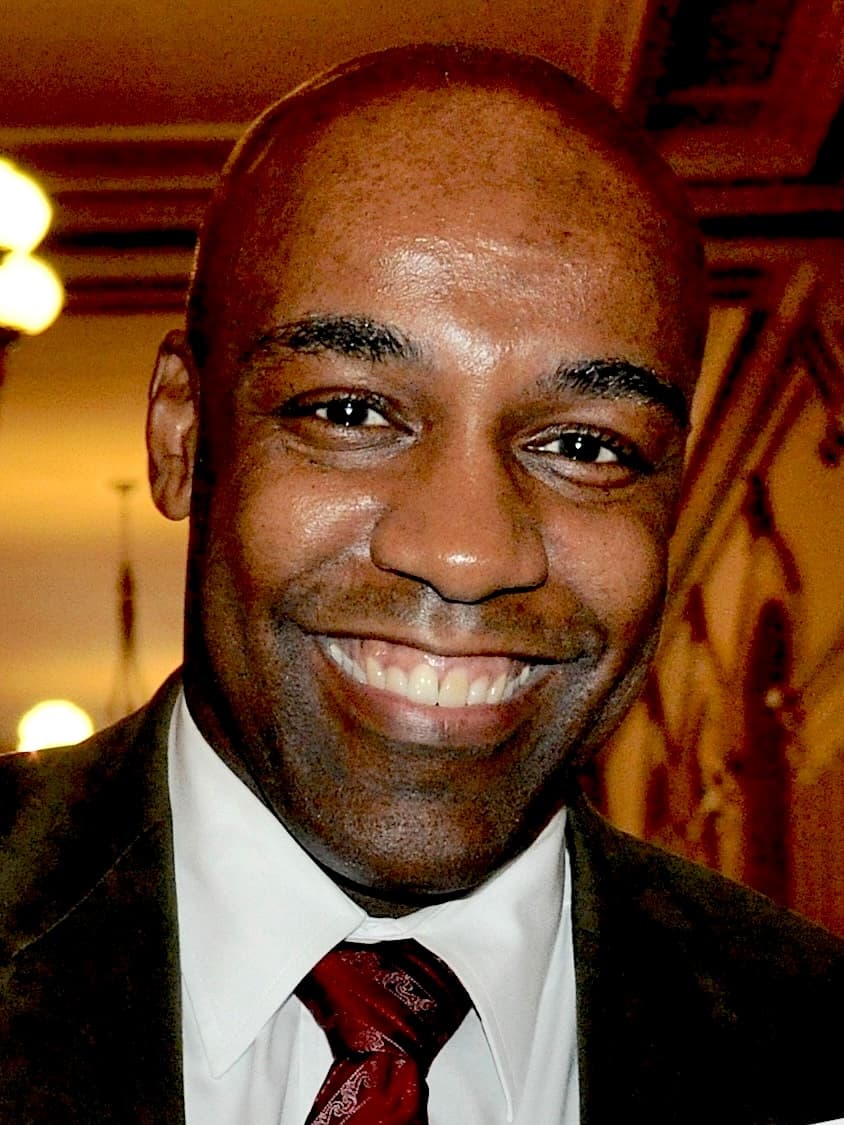 Kwame RaoulDirectly involved
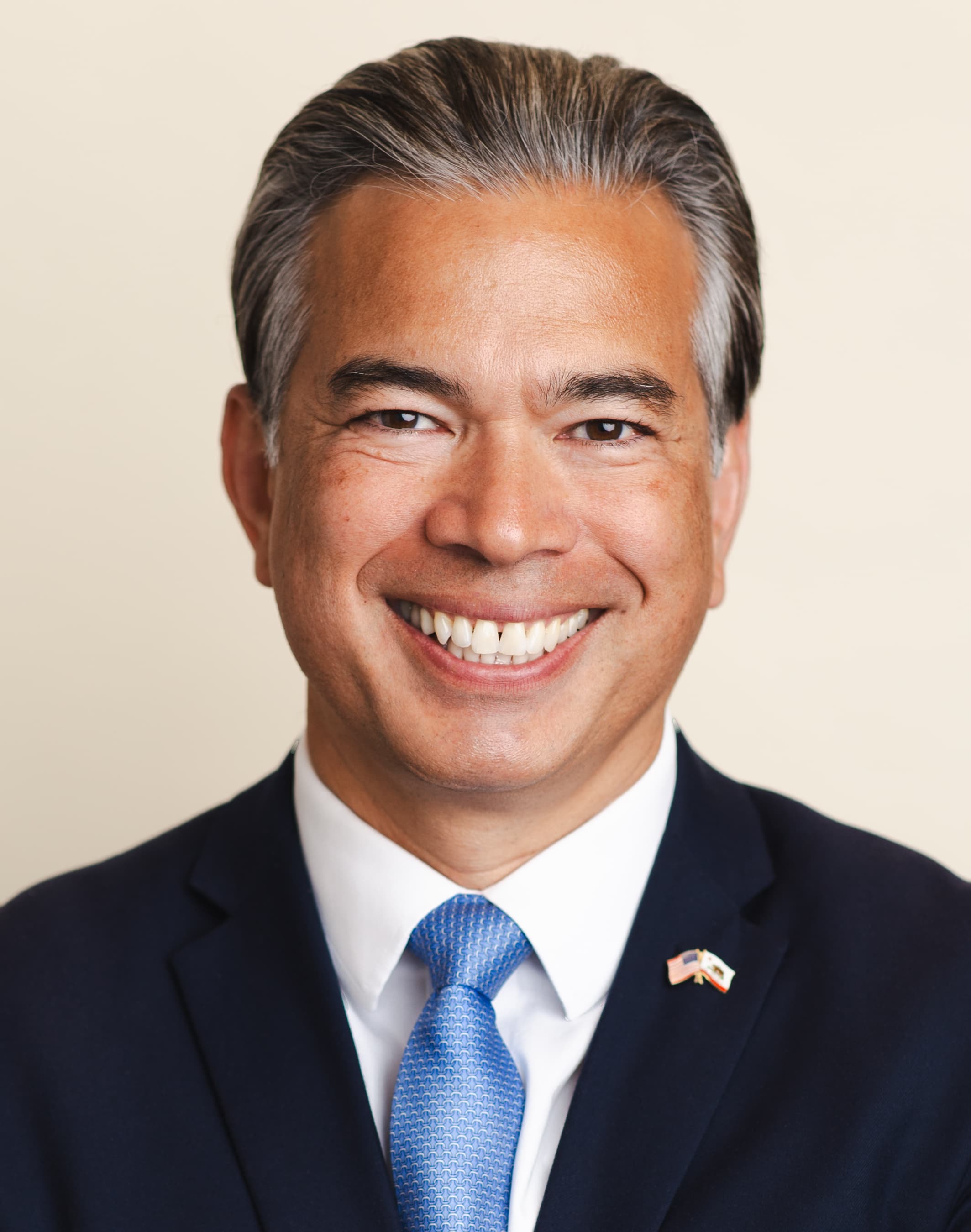 Rob BontaCommented
Timeline
8 timeline entries on this page. Dates: March 2, 2025 to October 28, 2026
March 2025
Treasury says it will not enforce ownership reporting against U.S. companies
Treasury announces that it will not enforce beneficial ownership reporting penalties against U.S. citizens or domestic companies and that it will propose narrowing the rule to foreign reporting companies.
[01]U.S. Department of the Treasury
Treasury press release of March 2, 2025, saying it would not enforce beneficial ownership reporting penalties against U.S. citizens or domestic companies and would narrow the rule to foreign companies, with a statement from Treasury Secretary Scott Bessent.
FinCEN's interim rule exempts domestic companies
FinCEN issues an interim final rule that exempts domestic companies from beneficial ownership reporting and keeps the requirement for foreign companies registered to do business in the United States, excluding their U.S. owners.
[02]U.S. Department of the Treasury
FinCEN's final rule, published in the Federal Register on August 14, 2026, adopting its March 2025 interim final rule with changes. It permanently exempts domestic companies and U.S. persons from beneficial ownership reporting under the Corporate Transparency Act and explains the agency's reasons.
FinCEN: Beneficial Ownership Information Reporting Requirement Revision (final rule, 91 FR, Aug. 14, 2026) · U.S. Department of the TreasuryFederal Register document 2026-16576[03]Oregon et al. v. Bessent et al., No. 6:26-cv-02359 (D. Or.): complaint
Complaint filed October 27, 2026, in the U.S. District Court for the District of Oregon by 20 states and the District of Columbia, led by Oregon and Illinois, against the Treasury Department, FinCEN and other federal officials. It asks the court to declare unlawful and vacate FinCEN's 2025 interim final rule and 2026 final rule exempting domestic companies from beneficial ownership reporting, and to block the deletion of information already reported.
May 2026
GAO recommends addressing gaps left by the exemptions
Source release
GAO releases a report finding that the March 2025 exemptions leave gaps in ownership information because state reporting requirements vary and may not identify beneficial owners. It recommends that Treasury identify steps to address illicit-finance risks and provide useful information to Congress and law enforcement while minimizing burdens on legitimate businesses. Treasury disagrees with the recommendation.
[04]GAO identifies ownership-information gaps after expanded exemptions
GAO recommends steps to address information gaps and illicit-finance risks while acknowledging regulatory burdens. Treasury disagrees. This overview concerns the March 2025 interim rule, before the August final rule.
GAO identifies ownership-information gaps after expanded exemptionsFull report overview, findings, methodology and recommendation[02]U.S. Department of the Treasury
FinCEN's final rule, published in the Federal Register on August 14, 2026, adopting its March 2025 interim final rule with changes. It permanently exempts domestic companies and U.S. persons from beneficial ownership reporting under the Corporate Transparency Act and explains the agency's reasons.
FinCEN: Beneficial Ownership Information Reporting Requirement Revision (final rule, 91 FR, Aug. 14, 2026) · U.S. Department of the TreasuryFederal Register document 2026-16576
August 2026
Small-business association welcomes the exemption but seeks permanence
Source release
The National Small Business Association publishes CEO Todd McCracken's response to the final rule. He welcomes the exemption as relief from costly reporting that he considers ineffective against money laundering. He also warns that regulatory decisions can be reversed and that the statute remains in force, saying his organization will continue seeking a lasting end to the requirements. These are the association's assessments.
[05]Small-business association welcomes the final exemption
McCracken applauds the exemption as relief from burdensome reporting but warns that future administrations could reverse it. He favors a permanent end to the requirements.
Small-business association welcomes the final exemptionTodd McCracken's full statementFinCEN makes the exemption permanent
FinCEN publishes a final rule adopting the interim rule with changes. It permanently exempts domestic companies and U.S. persons from beneficial ownership reporting, and the states' complaint says it announces a purge of existing ownership data for newly exempted entities by February 2027.
[02]U.S. Department of the Treasury
FinCEN's final rule, published in the Federal Register on August 14, 2026, adopting its March 2025 interim final rule with changes. It permanently exempts domestic companies and U.S. persons from beneficial ownership reporting under the Corporate Transparency Act and explains the agency's reasons.
FinCEN: Beneficial Ownership Information Reporting Requirement Revision (final rule, 91 FR, Aug. 14, 2026) · U.S. Department of the TreasuryFederal Register document 2026-16576[03]Oregon et al. v. Bessent et al., No. 6:26-cv-02359 (D. Or.): complaint
Complaint filed October 27, 2026, in the U.S. District Court for the District of Oregon by 20 states and the District of Columbia, led by Oregon and Illinois, against the Treasury Department, FinCEN and other federal officials. It asks the court to declare unlawful and vacate FinCEN's 2025 interim final rule and 2026 final rule exempting domestic companies from beneficial ownership reporting, and to block the deletion of information already reported.
Lawyers explain the final rule's practical effects
Source release
Harvard's corporate-governance forum publishes an analysis by Mayer Brown lawyers Matthew Bisanz, Brad A. Resnikoff and Marcella Barganz. They discuss the removal of domestic reporting obligations, exemptions for U.S. company applicants, changes to identifier updates and planned deletion of U.S.-person data. They distinguish these changes from continuing requirements for covered foreign companies and financial institutions' separate customer-due-diligence duties. The analysis is dated before the states' lawsuit.
[06]Mayer Brown lawyers analyze the final reporting rule
The authors explain the August rule's reporting exemptions, identifiers, planned data deletion and remaining obligations. This analysis precedes the states' October lawsuit.
Mayer Brown lawyers analyze the final reporting ruleKey provisions and practical implications, with full author and publication header
October 2026
Twenty states and the District of Columbia sue in federal court in Oregon
Claim
Attorneys general for 20 states and the District of Columbia, led by Oregon and Illinois, ask the U.S. District Court for the District of Oregon to vacate both rules and stop the data purge, arguing that the executive branch cannot repeal a law by rulemaking.
[03]Oregon et al. v. Bessent et al., No. 6:26-cv-02359 (D. Or.): complaint
Complaint filed October 27, 2026, in the U.S. District Court for the District of Oregon by 20 states and the District of Columbia, led by Oregon and Illinois, against the Treasury Department, FinCEN and other federal officials. It asks the court to declare unlawful and vacate FinCEN's 2025 interim final rule and 2026 final rule exempting domestic companies from beneficial ownership reporting, and to block the deletion of information already reported.
[07]New York Attorney General: Attorney General James Sues to Stop Federal Policy Shielding Criminals' Finances
Press release from New York Attorney General Letitia James announcing that New York joined the coalition suing over the Treasury rule, with her statement.
[08]California Attorney General: Attorney General Bonta Sues Trump Administration for Rolling Back Financial Crime Enforcement
Press release from California Attorney General Rob Bonta announcing that California joined the coalition suing over FinCEN's rule, with his statement.
FACT Coalition supports the states' legal challenge
Source release
The FACT Coalition publishes a response supporting the states' lawsuit. Co-director Erica Hanichak argues that Treasury has defeated Congress's intent and predicts that a court will invalidate the final rule. The coalition says the complaint echoes arguments it submitted during rulemaking and supports preserving ownership records. Its prediction describes its position, not a judicial decision.
[09]FACT Coalition supports the states' ownership-reporting lawsuit
The coalition argues that the rule defeats Congress's intent and expects the states to prevail. That expectation is advocacy, not a court ruling.
FACT Coalition supports the states' ownership-reporting lawsuitErica Hanichak's comments and the coalition's legal assessment
Response record
Responses
Choose one response filter, or select All responses to see the full record.
7 responses. First 6 shown initially. Newest first.
 Rob BontaCalifornia attorney general, in a press release announcing the lawsuit
Before this statement
Bonta said the Trump administration is unlawfully rolling back reporting requirements meant to help law enforcement track down bad actors who hide financial assets in shell companies, which he said are often used by cartels and criminals.
"Congress passed the Corporate Transparency Act with bipartisan support because it understood law enforcement needed an important additional tool to root out illegal financial transactions and corruption."
CondemnedCase context: 21 attorneys general sue to restore shell-company ownership reporting; Treasury says the exemption relieves small businesses
Full statement and sources
California Attorney General Rob Bonta says Congress passed the Corporate Transparency Act with bipartisan support because law enforcement needed an additional tool to root out illegal financial transactions and corruption.
After the statement
He said his office is committed to supporting law enforcement's efforts to enforce the laws that keep people safe and hold bad actors accountable.
Why this label?
The case concerns the Treasury rules exempting domestic companies from beneficial ownership reporting. Bonta calls the rollback unlawful and says Congress meant the law as a tool for law enforcement, which condemns the policy under scrutiny.
This label describes the statement's response within the context above.
 Letitia JamesNew York attorney general, in a press release announcing the lawsuit
Before this statement
New York's attorney general said New York joined a coalition of 20 other attorneys general in suing to block the Treasury rule. Her statement begins by saying secretive shell companies help drug traffickers, tax cheats and other criminals hide their illegal profits.
"The Trump administration is gutting a critical federal law that forces these companies out of hiding and helps law enforcement track down stolen funds."
CondemnedCase context: 21 attorneys general sue to restore shell-company ownership reporting; Treasury says the exemption relieves small businesses
Full statement and sources
New York Attorney General Letitia James says the Trump administration is gutting a federal law that forces shell companies out of hiding and helps law enforcement track down stolen funds, as New York joins the lawsuit against the Treasury rule.
After the statement
She said the states were taking action to uphold the law and ensure that criminal networks cannot abuse the system to hide their activities.
Why this label?
The case concerns the Treasury rules exempting domestic companies from beneficial ownership reporting. James says the administration is gutting the law and joins the suit to block the rule, which condemns the policy under scrutiny.
This label describes the statement's response within the context above.
 Dan RayfieldOregon attorney generalDirectly involved
Before this statement
Rayfield announces the states' challenge to the ownership-reporting rule.
"The federal administration has given a green light to all sorts of criminals"
CondemnedCase context: 21 attorneys general sue to restore shell-company ownership reporting; Treasury says the exemption relieves small businesses
Full statement and sources
Rayfield condemns the broad exemption as an unlawful reversal of Congress's effort to identify shell-company owners and says it impedes state investigators.
After the statement
He accuses the administration of welcoming financial crime and seeks restoration of the reporting database. These are his allegations.
Rayfield criticizes the ownership-reporting exemptionRayfield's separately attributed statementWhy this label?
He directly criticizes the administration's policy and its alleged consequences.
This label describes the statement's response within the context above.
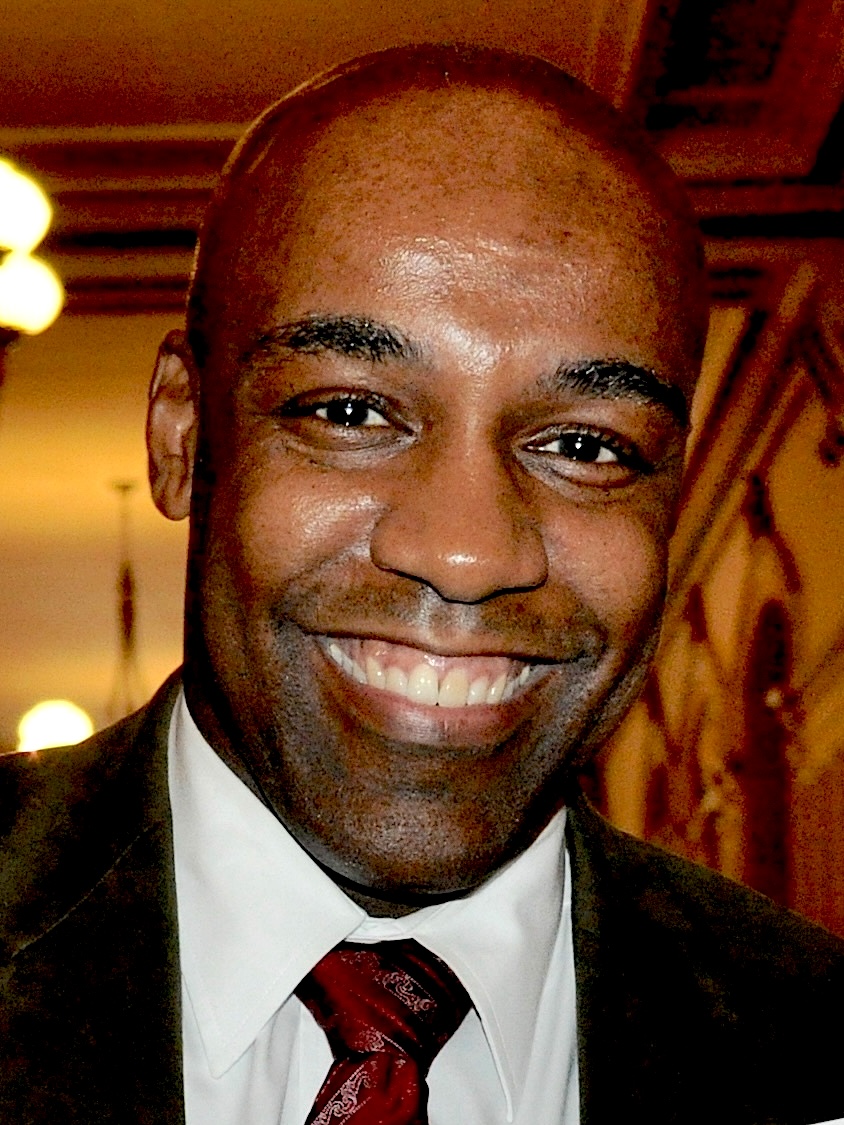 Kwame RaoulIllinois attorney generalDirectly involved
Before this statement
Raoul co-leads the lawsuit with Oregon and describes the reporting law as a bipartisan safeguard.
"The administration’s rule will empower tax cheats while simultaneously depriving law enforcement of essential data used to stop and prevent financial crimes."
CondemnedCase context: 21 attorneys general sue to restore shell-company ownership reporting; Treasury says the exemption relieves small businesses
Full statement and sources
Raoul accuses the administration of favoring financial wrongdoers and depriving law enforcement of information needed to investigate fraud and money laundering.
After the statement
He promises to challenge the policy. The plaintiffs seek a judgment against the rule and preservation of ownership information.
Raoul says the rule deprives investigators of ownership dataRaoul's separately attributed statementWhy this label?
He condemns the rule and the loss of information for investigators.
This label describes the statement's response within the context above.
 Sheldon WhitehouseU.S. senator from Rhode Island
Before this statement
Whitehouse and Grassley release GAO research on ownership transparency and fraud in federal awards.
"This new report shows that the Treasury Department’s shortsighted decision to gut the CTA leaves hundreds of billions of federal dollars at real risk to fraudsters."
CondemnedCase context: 21 attorneys general sue to restore shell-company ownership reporting; Treasury says the exemption relieves small businesses
Full statement and sources
Whitehouse criticizes the rollback after a GAO report examines fraud risks in federal awards. He argues that the reporting exemption weakens the information available to identify hidden owners and urges full implementation of the law.
After the statement
He calls on the administration to reverse course. His assessment of Treasury's policy is distinct from the audit's factual findings.
Whitehouse criticizes the exemption's effect on federal fraud detectionWhitehouse's individually attributed comments about federal-award fraudWhy this label?
He expressly criticizes Treasury's policy and calls for it to be reversed.
This label describes the statement's response within the context above.
 U.S. Department of the TreasuryFinancial Crimes Enforcement Network, a Treasury bureau, in its final ruleDirectly involved
Before this statement
FinCEN says it solicited comments from the public on the interim rule and said it would assess the rule's effect in light of the comments it received.
"The IFR's changes relieved U.S. small businesses of burdens imposed by the Reporting Rule, which the Secretary determined were not justified by the usefulness of the reports generated and the information they made available."
Defended or excusedCase context: 21 attorneys general sue to restore shell-company ownership reporting; Treasury says the exemption relieves small businesses
Full statement and sources
In its final rule, FinCEN says the interim rule relieved U.S. small businesses of reporting burdens that the Treasury Secretary determined were not justified by the usefulness of the reports and the information they made available.
After the statement
The rule says this determination was consistent with the Corporate Transparency Act, which it says directs the Secretary to minimize burdens on reporting companies.
FinCEN: Beneficial Ownership Information Reporting Requirement Revision (final rule, 91 FR, Aug. 14, 2026) · U.S. Department of the TreasuryFederal Register document 2026-16576Why this label?
The case concerns the Treasury rules exempting domestic companies from beneficial ownership reporting. FinCEN says the exemption relieved small businesses of burdens the reports did not justify, which defends the policy under scrutiny.
This label describes the statement's response within the context above.
Show fewer responses
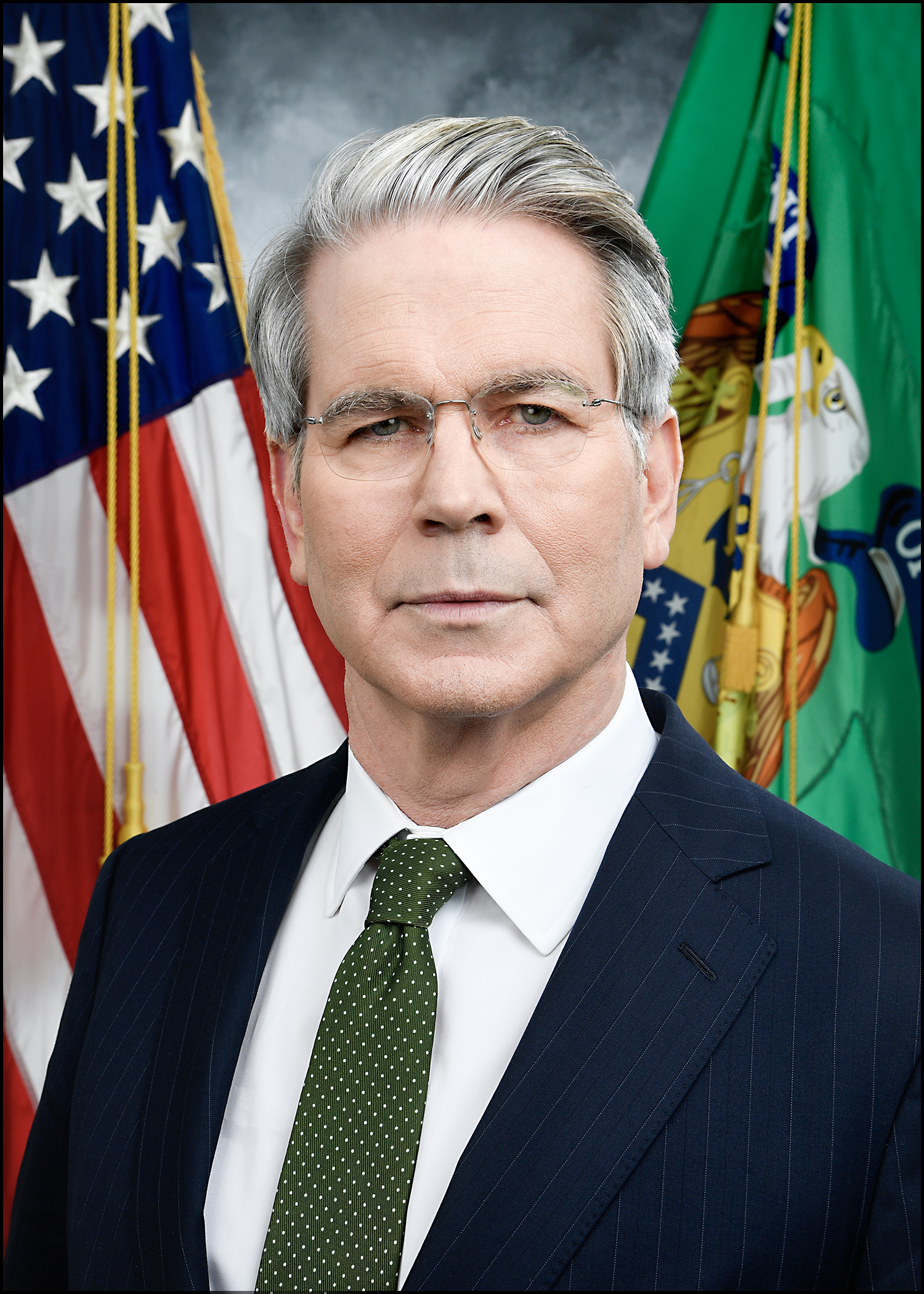 Scott BessentSecretary of the Treasury, in a Treasury press releaseDirectly involved
Before this statement
Treasury announced that it would not enforce beneficial ownership reporting penalties against U.S. citizens or domestic companies and would narrow the rule to foreign reporting companies. Bessent called the move a victory for common sense.
"Today's action is part of President Trump's bold agenda to unleash American prosperity by reining in burdensome regulations, in particular for small businesses that are the backbone of the American economy."
Defended or excusedCase context: 21 attorneys general sue to restore shell-company ownership reporting; Treasury says the exemption relieves small businesses
Full statement and sources
Treasury Secretary Scott Bessent says Treasury's decision not to enforce beneficial ownership reporting against U.S. citizens and domestic companies is part of President Trump's agenda of reining in burdensome regulations, in particular for small businesses.
After the statement
In the same release, Treasury says it will issue a proposed rulemaking that will narrow the scope of the rule to foreign reporting companies only.
Why this label?
The case concerns the Treasury rules exempting domestic companies from beneficial ownership reporting. Bessent presents the step that led to those rules as relief from burdensome regulation for small businesses, which defends the policy under scrutiny.
This label describes the statement's response within the context above.
Sources
(12)
Original text
Oregon et al. v. Bessent et al., No. 6:26-cv-02359 (D. Or.): complaint
Relevant passage: ECF No. 1
About this source
Complaint filed October 27, 2026, in the U.S. District Court for the District of Oregon by 20 states and the District of Columbia, led by Oregon and Illinois, against the Treasury Department, FinCEN and other federal officials. It asks the court to declare unlawful and vacate FinCEN's 2025 interim final rule and 2026 final rule exempting domestic companies from beneficial ownership reporting, and to block the deletion of information already reported.
- Author
- Attorneys general of 20 states and the District of Columbia
- Published
- Accessed
Official statement
FACT Coalition supports the states' ownership-reporting lawsuit
Relevant passage: Erica Hanichak's comments and the coalition's legal assessment
About this source
The coalition argues that the rule defeats Congress's intent and expects the states to prevail. That expectation is advocacy, not a court ruling.
- Author
- FACT Coalition
- Published
- Accessed
Analysis
Mayer Brown lawyers analyze the final reporting rule
Relevant passage: Key provisions and practical implications, with full author and publication header
About this source
The authors explain the August rule's reporting exemptions, identifiers, planned data deletion and remaining obligations. This analysis precedes the states' October lawsuit.
- Author
- Matthew Bisanz, Brad A. Resnikoff and Marcella Barganz
- Published
- Accessed
Official statement
Small-business association welcomes the final exemption
Relevant passage: Todd McCracken's full statement
About this source
McCracken applauds the exemption as relief from burdensome reporting but warns that future administrations could reverse it. He favors a permanent end to the requirements.
- Author
- National Small Business Association
- Published
- Accessed
Analysis
GAO identifies ownership-information gaps after expanded exemptions
Relevant passage: Full report overview, findings, methodology and recommendation
About this source
GAO recommends steps to address information gaps and illicit-finance risks while acknowledging regulatory burdens. Treasury disagrees. This overview concerns the March 2025 interim rule, before the August final rule.
- Author
- U.S. Government Accountability Office
- Published
- Accessed
Official statement
Whitehouse criticizes the exemption's effect on federal fraud detection
Relevant passage: Whitehouse's individually attributed comments about federal-award fraud
About this source
Whitehouse and Grassley release a later GAO report on federal-award fraud. Whitehouse's own comments link the exemption to risks facing federal funds.
- Author
- Office of Senator Sheldon Whitehouse
- Published
- Accessed
Official statement
Raoul says the rule deprives investigators of ownership data
Relevant passage: Raoul's separately attributed statement
About this source
Raoul criticizes the exemption and planned deletion of data. His office seeks a ruling against the rule; its legal assertions are allegations.
- Author
- Office of the Illinois Attorney General
- Published
- Accessed
Official statement
Rayfield criticizes the ownership-reporting exemption
Relevant passage: Rayfield's separately attributed statement
About this source
Rayfield alleges that the rule harms state law enforcement and unlawfully reverses Congress's policy. The release describes the plaintiffs' allegations.
- Author
- Oregon Department of Justice
- Published
- Accessed
Official statement
U.S. Treasury: Treasury Department Announces Suspension of Enforcement of Corporate Transparency Act Against U.S. Citizens and Domestic Reporting Companies
About this source
Treasury press release of March 2, 2025, saying it would not enforce beneficial ownership reporting penalties against U.S. citizens or domestic companies and would narrow the rule to foreign companies, with a statement from Treasury Secretary Scott Bessent.
- Author
- U.S. Department of the Treasury
- Published
- Accessed
Original text
FinCEN: Beneficial Ownership Information Reporting Requirement Revision (final rule, 91 FR, Aug. 14, 2026)
Relevant passage: Federal Register document 2026-16576
About this source
FinCEN's final rule, published in the Federal Register on August 14, 2026, adopting its March 2025 interim final rule with changes. It permanently exempts domestic companies and U.S. persons from beneficial ownership reporting under the Corporate Transparency Act and explains the agency's reasons.
- Author
- Financial Crimes Enforcement Network
- Published
- Accessed
Official statement
California Attorney General: Attorney General Bonta Sues Trump Administration for Rolling Back Financial Crime Enforcement
About this source
Press release from California Attorney General Rob Bonta announcing that California joined the coalition suing over FinCEN's rule, with his statement.
- Author
- Office of the California Attorney General
- Published
- Accessed
Official statement
New York Attorney General: Attorney General James Sues to Stop Federal Policy Shielding Criminals' Finances
About this source
Press release from New York Attorney General Letitia James announcing that New York joined the coalition suing over the Treasury rule, with her statement.
- Author
- Office of the New York Attorney General
- Published
- Accessed
Share or embed this case
The embed keeps its attribution link to The Dispute Index. Credit the image to The Dispute Index and link to the case page.
Cite this record
- Publisher
- The Dispute Index
- Title
- 21 attorneys general sue to restore shell-company ownership reporting; Treasury says the exemption relieves small businesses
- First published
- Last updated
- Permalink
- https://disputeindex.com/cases/states-sue-treasury-beneficial-ownership-reporting-exemption
The Dispute Index. "21 attorneys general sue to restore shell-company ownership reporting; Treasury says the exemption relieves small businesses". First published: 2026-10-29. Last updated: 2026-10-30. https://disputeindex.com/cases/states-sue-treasury-beneficial-ownership-reporting-exemption