
Sony v. Universal: Stevens and Blackmun split over home recording
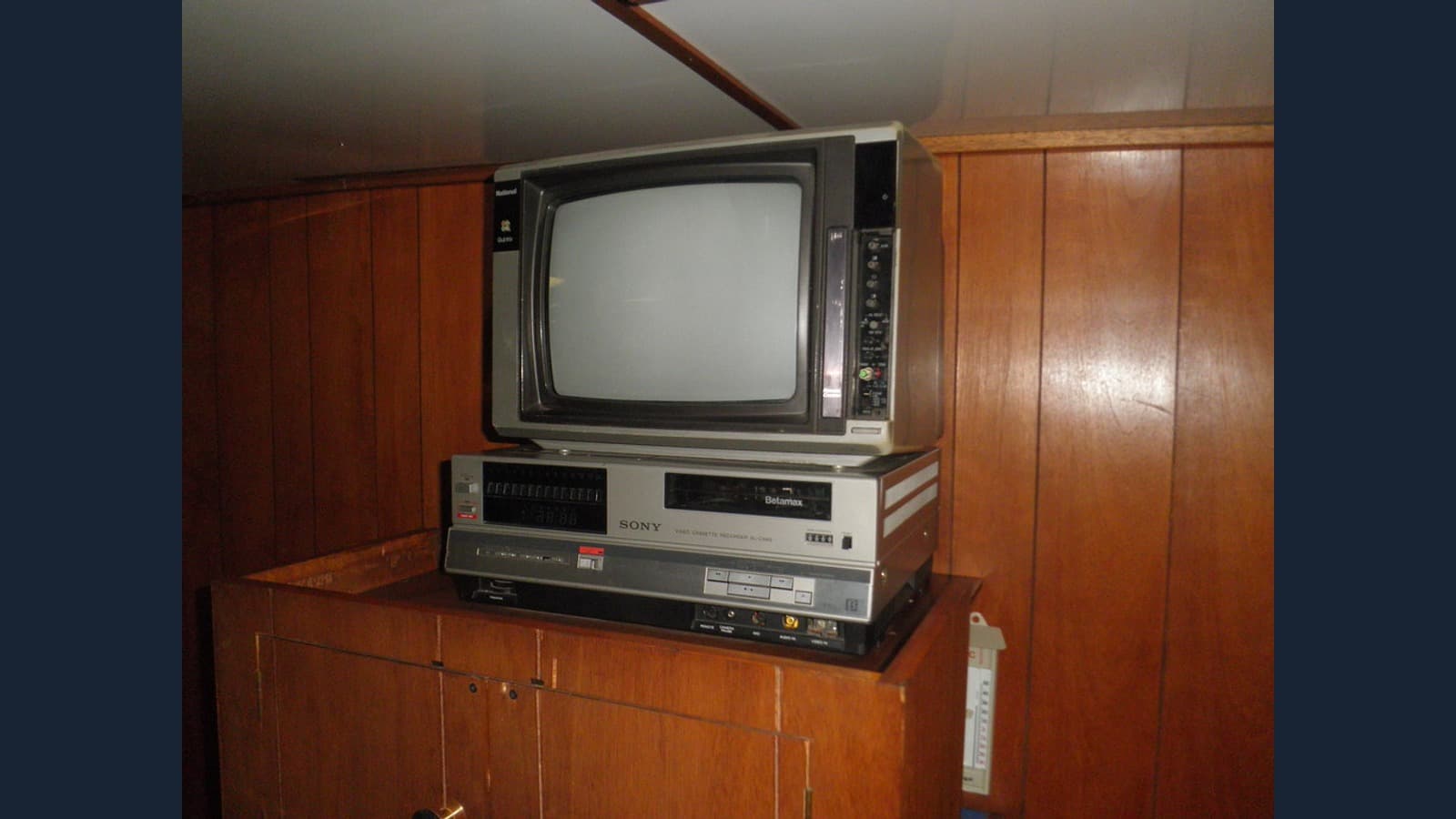
Stevens's majority protects Sony's Betamax sales because the device has substantial noninfringing uses. Blackmun's dissent disputes the treatment of home copying as fair use and argues that market harm deserves greater weight.
Case period:
Published by The Dispute Index editorial teamPublished Updated
Overview
The January 17, 1984 opinions (opens in a new tab) address Sony's liability for selling Betamax recorders used to copy television broadcasts. The Court rules 5-4 for Sony.
Stevens's majority reasons that a product capable of substantial noninfringing uses does not establish contributory infringement merely because some users copy protected works. It treats private, noncommercial time-shifting as fair use on the evidence before the Court.
Blackmun, joined by Marshall, Powell and Rehnquist, disputes the fair-use analysis and the handling of potential markets. His dissent would remand rather than accept the majority's disposition. The case does not decide whether every form of home copying is fair use.
People in this case
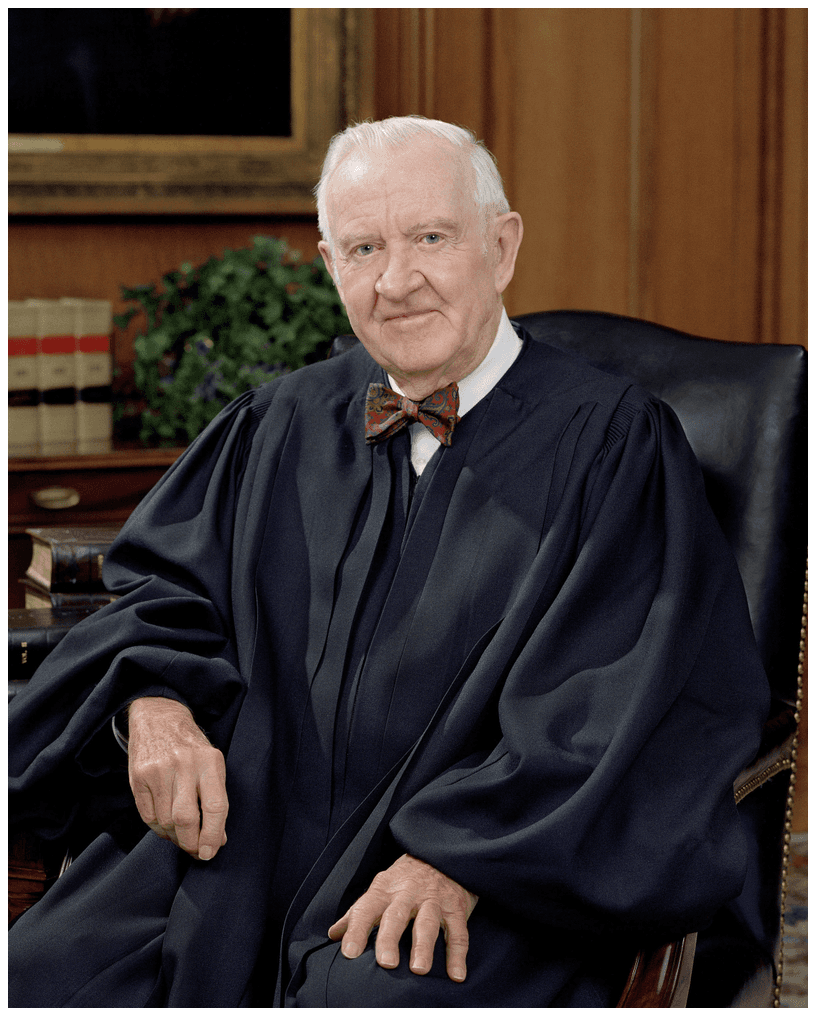 John Paul StevensDirectly involved
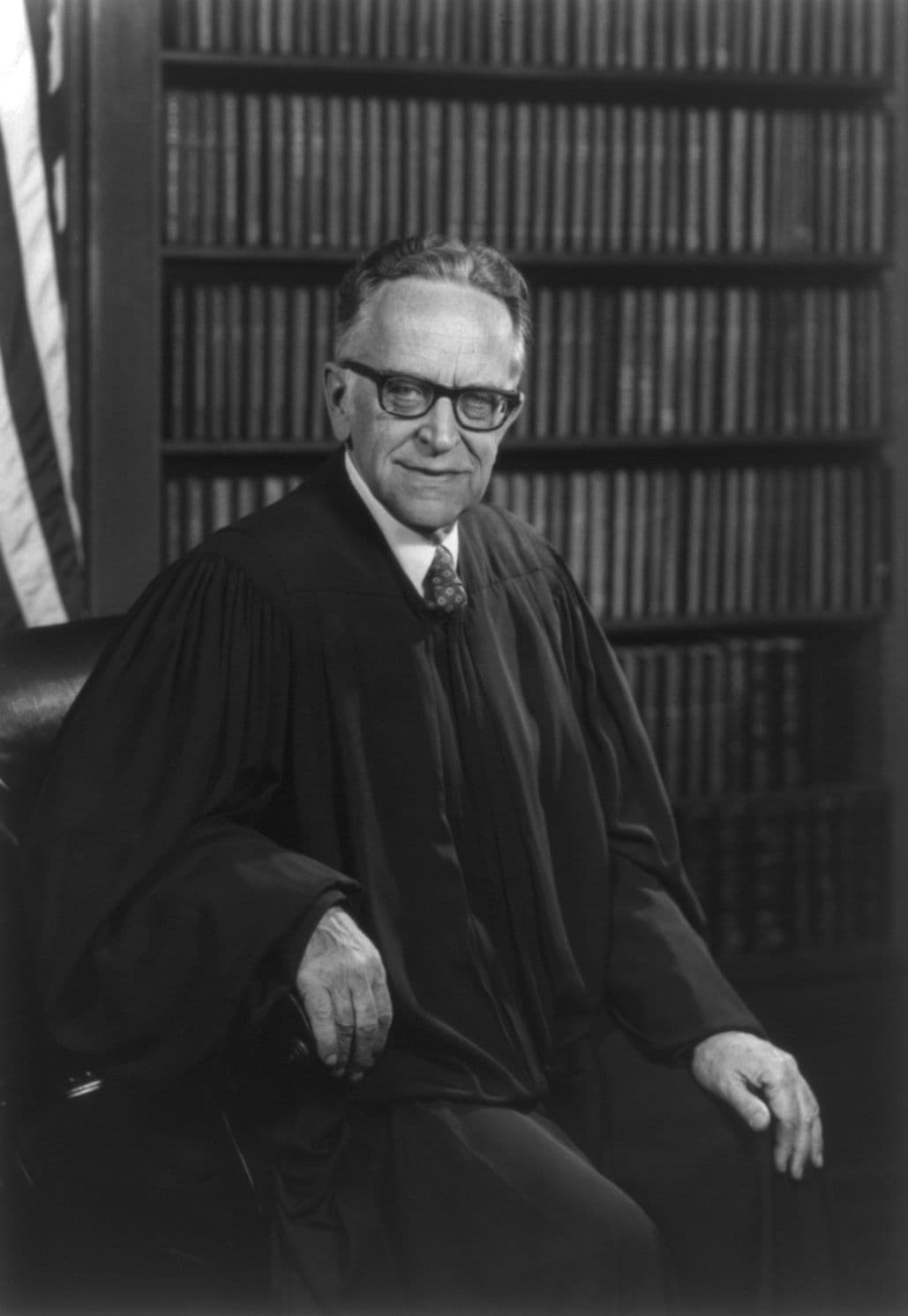 Harry A. BlackmunDirectly involved
Timeline
1 timeline entry on this page. Dates: January 17, 1984
January 1984
Supreme Court rejects contributory liability for Sony's Betamax sales
Source release
The Court rules 5-4. Stevens writes the majority; Blackmun dissents with Marshall, Powell and Rehnquist.
[01]Sony v. Universal: Supreme Court majority and dissent
The majority and dissent disagree about home time-shifting, market effects and contributory liability. The decision concerns the record before the Court.
Sony v. Universal: Supreme Court majority and dissent464 U.S. 417; Stevens majority Parts III-IV; Blackmun dissent Part IV
Response record
Responses
Choose one response filter, or select All responses to see the full record.
2 matching responses. Newest first.
 John Paul StevensAssociate justice writing the Supreme Court majorityDirectly involved
Before this statement
The majority considers authorized recording and noncommercial home time-shifting on the trial record and finds no demonstrated likelihood of the required market harm.
"The Betamax is, therefore, capable of substantial noninfringing uses. Sony's sale of such equipment to the general public does not constitute contributory infringement of respondent's copyrights."
Defended or excusedCase context: Sony v. Universal: Stevens and Blackmun split over home recording
Full statement and sources
The majority finds substantial noninfringing uses and rejects contributory liability for selling the equipment.
After the statement
Stevens concludes that Sony's sale of the equipment does not create contributory liability and reverses the court of appeals.
Sony v. Universal: Supreme Court majority and dissent464 U.S. 417; Stevens majority Parts III-IV; Blackmun dissent Part IVWhy this label?
Relative to Sony's sale of Betamax for home recording, Stevens's majority expressly justifies the challenged activity on the record presented.
This label describes the statement's response within the context above.
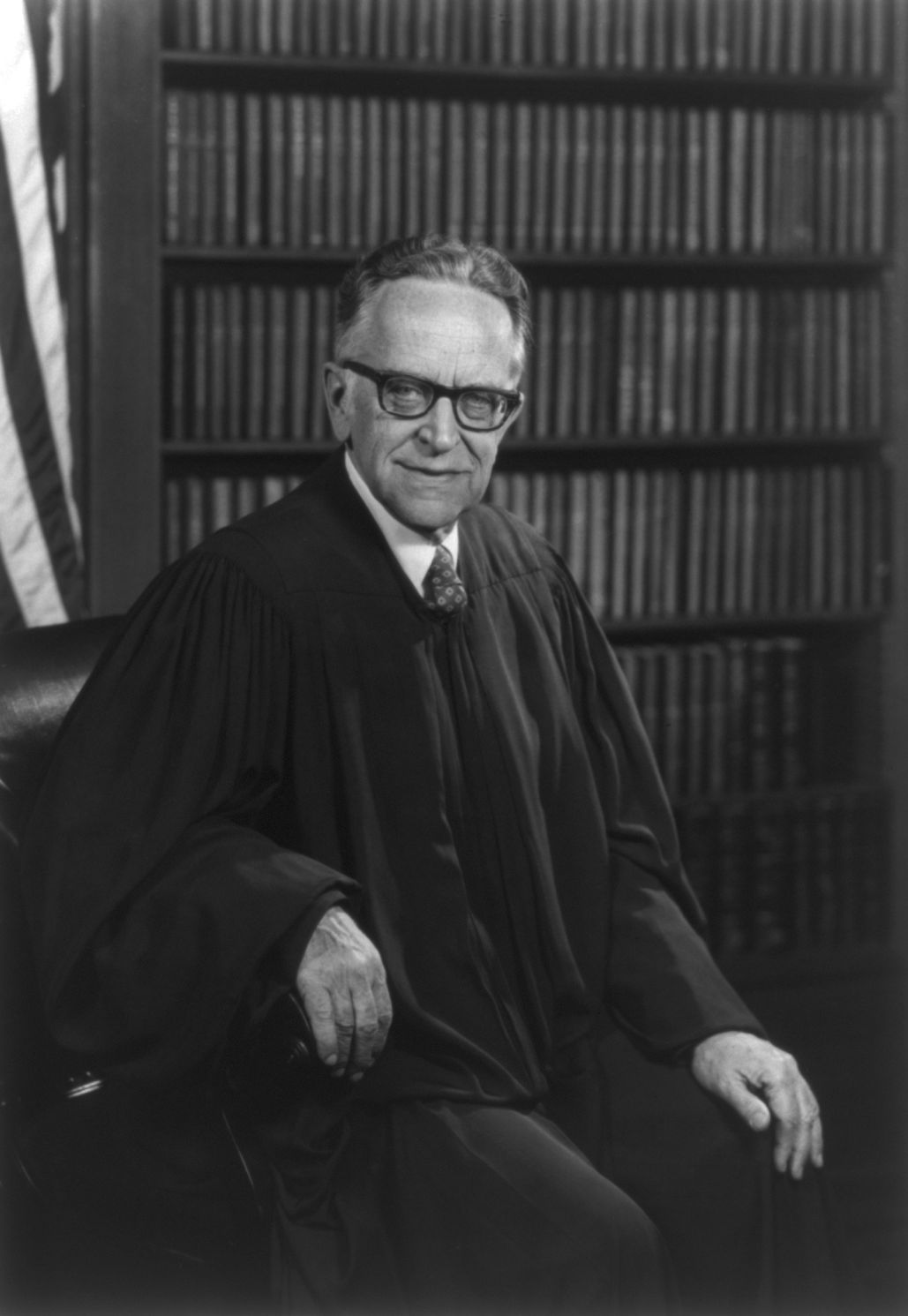 Harry A. BlackmunAssociate justice writing a dissent joined by three justicesDirectly involved
Before this statement
Blackmun argues that the majority underestimates the effects of copying on potential markets for the studios' works.
"Accordingly, even under the formulation of the fair use doctrine advanced by Sony, time-shifting cannot be deemed a fair use."
CondemnedCase context: Sony v. Universal: Stevens and Blackmun split over home recording
Full statement and sources
Blackmun concludes that time-shifting has a substantial adverse effect on the potential market for the studios' works and cannot be deemed a fair use, even under the formulation of the doctrine that Sony advances.
After the statement
He turns next to contributory infringement and argues that further factual consideration is needed rather than the majority's disposition.
Sony v. Universal: Supreme Court majority and dissent464 U.S. 417; Stevens majority Parts III-IV; Blackmun dissent Part IVWhy this label?
Relative to the justification for Sony's sale and the underlying home copying, Blackmun rejects the asserted fair-use basis.
This label describes the statement's response within the context above.
Sources
(1)
Original text
Sony v. Universal: Supreme Court majority and dissent
Relevant passage: 464 U.S. 417; Stevens majority Parts III-IV; Blackmun dissent Part IV
About this source
The majority and dissent disagree about home time-shifting, market effects and contributory liability. The decision concerns the record before the Court.
- Author
- John Paul Stevens and Harry A. Blackmun
- Published
- Accessed
Share or embed this case
The embed keeps its attribution link to The Dispute Index. Credit the image to The Dispute Index and link to the case page.
Cite this record
- Publisher
- The Dispute Index
- Title
- Sony v. Universal: Stevens and Blackmun split over home recording
- First published
- Last updated
- Permalink
- https://disputeindex.com/cases/sony-universal-betamax-time-shifting-stevens-blackmun
The Dispute Index. "Sony v. Universal: Stevens and Blackmun split over home recording". First published: 2026-10-28. Last updated: 2026-10-28. https://disputeindex.com/cases/sony-universal-betamax-time-shifting-stevens-blackmun