
Reno v. ACLU: Stevens and O'Connor split over online indecency limits
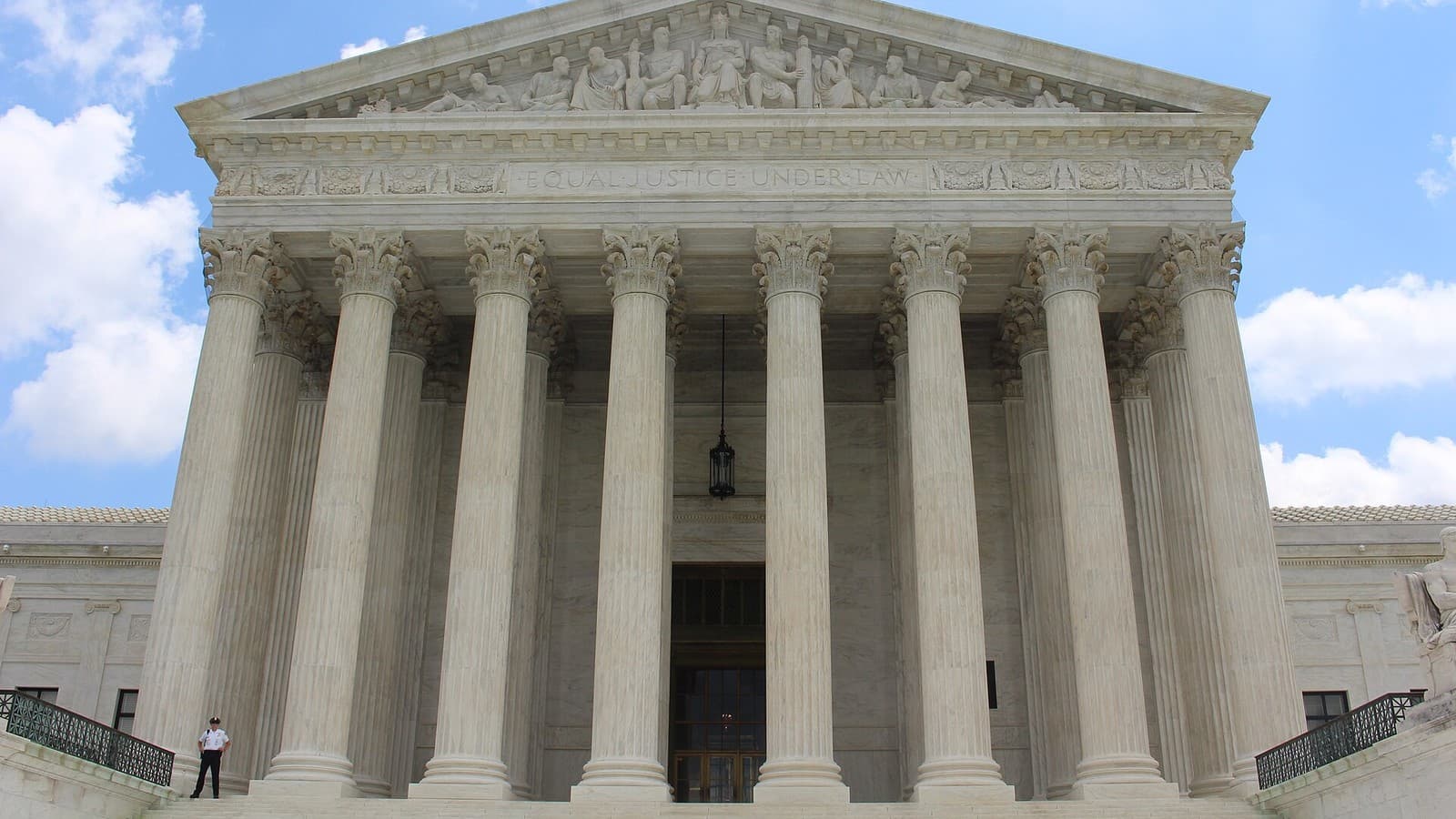
Stevens's majority rejects broad internet-indecency restrictions for burdening protected speech. O'Connor agrees that several applications are unconstitutional but would preserve some restrictions on indecent communications between adults and minors.
Case period:
Published by The Dispute Index editorial teamPublished Updated
Overview
The June 26, 1997 majority opinion (opens in a new tab) concludes that the challenged restrictions burden protected online expression too broadly. Stevens emphasizes the law's effect on adults' speech and the inadequacy of its defenses.
O'Connor's partial dissent, joined by Rehnquist (opens in a new tab), agrees that the law cannot broadly burden adult communications but would sustain some adult-to-minor applications. She does not defend every challenged provision or application.
People in this case
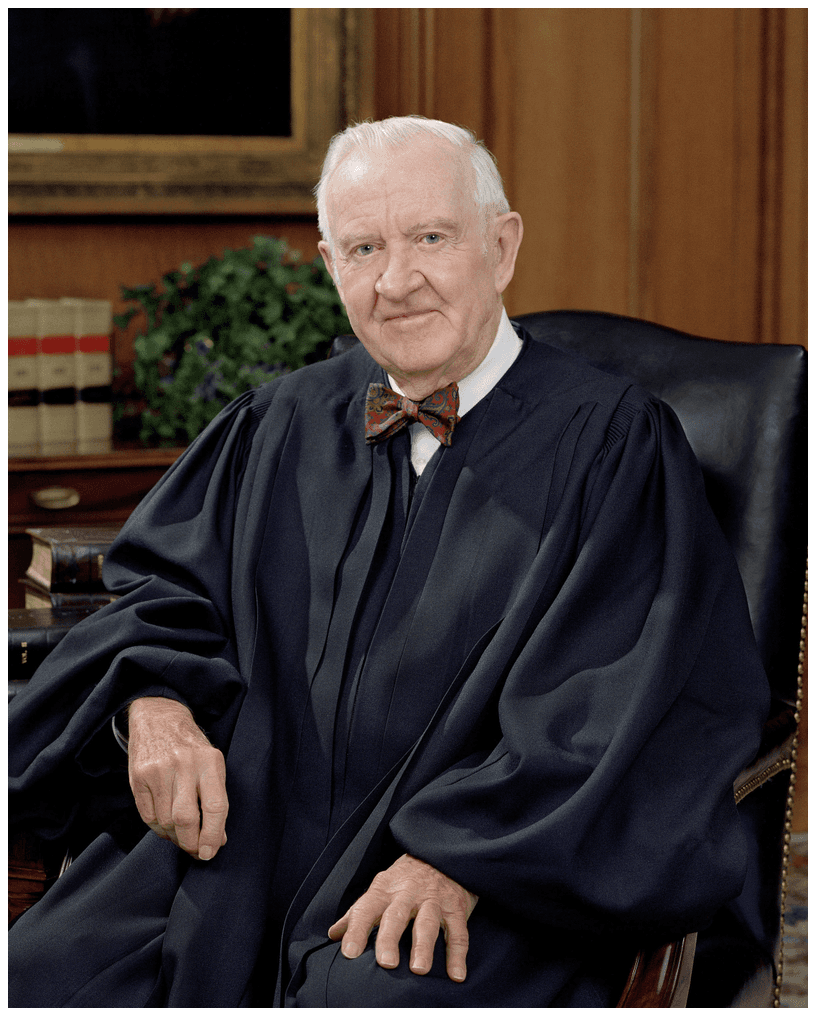 John Paul StevensDirectly involved
Timeline
8 timeline entries on this page. Dates: February 8, 1996 to June 26, 1997
February 1996
ACLU files its challenge to the online-indecency law
Source release
The ACLU files in federal district court in Philadelphia after President Clinton signs the law.
[01]ACLU chronology of the challenge to online indecency restrictions
The ACLU's retrospective chronology records the challenge and the government's direct appeal.
ACLU chronology of the challenge to online indecency restrictionsFebruary 1996 through March 1997 litigation milestones[02]ACLU describes the two cases before the March 1996 hearings
This contemporaneous release describes the ACLU suit and the coalition's separate suit.
ACLU describes the two cases before the March 1996 hearingsOpening account of the February filings and consolidationInternet coalition files a second challenge
Source release
The Citizens Internet Empowerment Coalition brings a separate challenge to the Communications Decency Act.
[01]ACLU chronology of the challenge to online indecency restrictions
The ACLU's retrospective chronology records the challenge and the government's direct appeal.
ACLU chronology of the challenge to online indecency restrictionsFebruary 1996 through March 1997 litigation milestones[02]ACLU describes the two cases before the March 1996 hearings
This contemporaneous release describes the ACLU suit and the coalition's separate suit.
ACLU describes the two cases before the March 1996 hearingsOpening account of the February filings and consolidationThe two online-speech challenges are consolidated
The coalition's suit is formally consolidated with ACLU v. Reno.
[01]ACLU chronology of the challenge to online indecency restrictions
The ACLU's retrospective chronology records the challenge and the government's direct appeal.
ACLU chronology of the challenge to online indecency restrictionsFebruary 1996 through March 1997 litigation milestones
June 1996
Three-judge court rules for the challengers
The district court rules against the challenged restrictions. The government later appeals that ruling.
[01]ACLU chronology of the challenge to online indecency restrictions
The ACLU's retrospective chronology records the challenge and the government's direct appeal.
ACLU chronology of the challenge to online indecency restrictionsFebruary 1996 through March 1997 litigation milestones
July 1996
Government appeals the district court ruling
Source release
The government files its appeal, taking Reno v. ACLU to the Supreme Court.
[01]ACLU chronology of the challenge to online indecency restrictions
The ACLU's retrospective chronology records the challenge and the government's direct appeal.
ACLU chronology of the challenge to online indecency restrictionsFebruary 1996 through March 1997 litigation milestones
December 1996
Supreme Court notes probable jurisdiction in the direct appeal
The Court notes probable jurisdiction and sets a briefing schedule for the government and appellees.
[03]Supreme Court journal for the October 1996 term
The Court records probable jurisdiction on December 6, 1996 and completed oral argument on March 19, 1997.
Supreme Court journal for the October 1996 termPrinted pages 347 and 645-646; PDF pages 336 and 610-611
March 1997
Supreme Court hears the online-indecency appeal
The Court hears oral argument in Reno v. ACLU.
[03]Supreme Court journal for the October 1996 term
The Court records probable jurisdiction on December 6, 1996 and completed oral argument on March 19, 1997.
Supreme Court journal for the October 1996 termPrinted pages 347 and 645-646; PDF pages 336 and 610-611
June 1997
Supreme Court invalidates the challenged online-indecency restrictions
Source release
Stevens writes the majority opinion. O'Connor partially dissents with Rehnquist, seeking to preserve some adult-to-minor applications.
[04]Reno v. ACLU: Stevens's majority opinion
The majority rejects the challenged Communications Decency Act restrictions for burdening protected speech.
Reno v. ACLU: Stevens's majority opinion521 U.S. 844; overbreadth and adult-speech analysis
Response record
Responses
Choose one response filter, or select All responses to see the full record.
2 matching responses. Newest first.
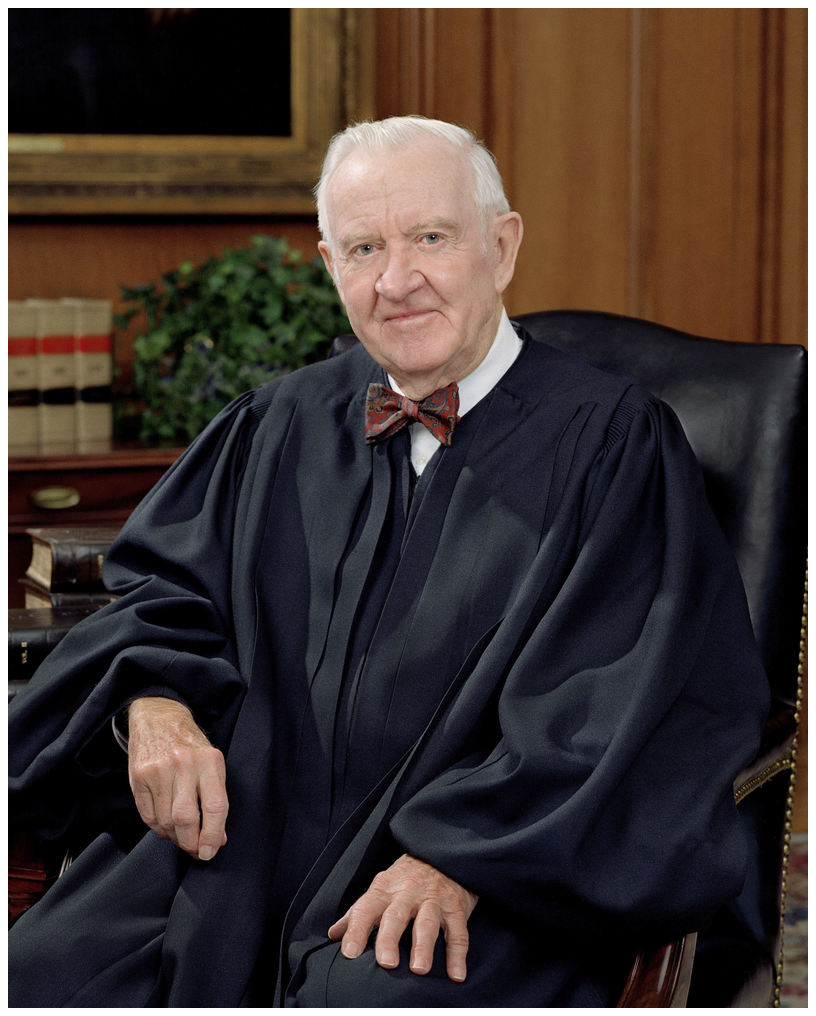 John Paul StevensAssociate justice writing the Supreme Court majorityDirectly involved
Before this statement
The opinion says the government failed to prove that its proposed defenses, including age verification, would significantly reduce the heavy burden on adult speech.
"We agree with the District Court's conclusion that the CDA places an unacceptably heavy burden on protected speech, and that the defenses do not constitute the sort of "narrow tailoring" that will save an otherwise patently invalid unconstitutional provision."
CondemnedCase context: Reno v. ACLU: Stevens and O'Connor split over online indecency limits
Full statement and sources
The majority agrees with the District Court that the CDA places an unacceptably heavy burden on protected speech and that its defenses are not the narrow tailoring that could save the provision.
After the statement
The opinion then compares the CDA with the speech restriction in Sable, saying the CDA threatens to torch a large segment of the Internet community. It severs only the term "or indecent" from one provision.
Reno v. ACLU: Stevens's majority opinion521 U.S. 844; overbreadth and adult-speech analysisWhy this label?
Relative to the CDA's online-indecency restrictions, Stevens's majority expressly rejects their burden on protected speech.
This label describes the statement's response within the context above.
Sandra Day O'ConnorAssociate justice concurring in the judgment in part and dissenting in part, joined by Chief Justice RehnquistDirectly involved Before this statement
O'Connor agrees that several provisions or applications improperly burden adult communications and would invalidate them to that extent.
"Insofar as the "indecency transmission" and "specific person" provisions prohibit the use of indecent speech in communications between an adult and one or more minors, however, they can and should be sustained."
Mixed or conditionalCase context: Reno v. ACLU: Stevens and O'Connor split over online indecency limits
Full statement and sources
O'Connor would sustain limited adult-to-minor applications while agreeing that other applications burden adults' protected speech.
After the statement
She would sustain some adult-to-minor applications and dissents from the majority's contrary conclusion. Rehnquist joins her opinion.
Reno v. ACLU: O'Connor's partial dissentConcluding paragraphs distinguishing adult-to-adult and adult-to-minor communicationsWhy this label?
Relative to the CDA restrictions as a whole, O'Connor rejects several applications but supports a limited adult-to-minor subset.
This label describes the statement's response within the context above.
Sources
(5)
Original text
Reno v. ACLU: Stevens's majority opinion
Relevant passage: 521 U.S. 844; overbreadth and adult-speech analysis
About this source
The majority rejects the challenged Communications Decency Act restrictions for burdening protected speech.
- Author
- John Paul Stevens
- Published
- Accessed
Original text
Supreme Court journal for the October 1996 term
Relevant passage: Printed pages 347 and 645-646; PDF pages 336 and 610-611
About this source
The Court records probable jurisdiction on December 6, 1996 and completed oral argument on March 19, 1997.
- Author
- Supreme Court of the United States
- Accessed
Official statement
ACLU describes the two cases before the March 1996 hearings
Relevant passage: Opening account of the February filings and consolidation
About this source
This contemporaneous release describes the ACLU suit and the coalition's separate suit.
- Author
- American Civil Liberties Union
- Published
- Accessed
Official statement
ACLU chronology of the challenge to online indecency restrictions
Relevant passage: February 1996 through March 1997 litigation milestones
About this source
The ACLU's retrospective chronology records the challenge and the government's direct appeal.
- Author
- American Civil Liberties Union
- Published
- Accessed
Original text
Reno v. ACLU: O'Connor's partial dissent
Relevant passage: Concluding paragraphs distinguishing adult-to-adult and adult-to-minor communications
About this source
O'Connor would preserve some adult-to-minor restrictions while agreeing that other applications burden adults' protected speech.
- Author
- Sandra Day O'Connor
- Published
- Accessed
Share or embed this case
The embed keeps its attribution link to The Dispute Index. Credit the image to The Dispute Index and link to the case page.
Cite this record
- Publisher
- The Dispute Index
- Title
- Reno v. ACLU: Stevens and O'Connor split over online indecency limits
- First published
- Last updated
- Permalink
- https://disputeindex.com/cases/reno-aclu-internet-indecency-stevens-oconnor
The Dispute Index. "Reno v. ACLU: Stevens and O'Connor split over online indecency limits". First published: 2026-10-28. Last updated: 2026-10-28. https://disputeindex.com/cases/reno-aclu-internet-indecency-stevens-oconnor