
Quebec Superior Court suspends the 2022 law that made the oath to the King optional for National Assembly members; Premier St-Pierre Plamondon condemns the ruling and appeals
A Quebec judge suspended the 2022 law that let National Assembly members skip the oath to the King. Premier Paul St-Pierre Plamondon's government condemned the ruling and appealed, while the law professor who brought the challenge says members cannot sit without the oath.
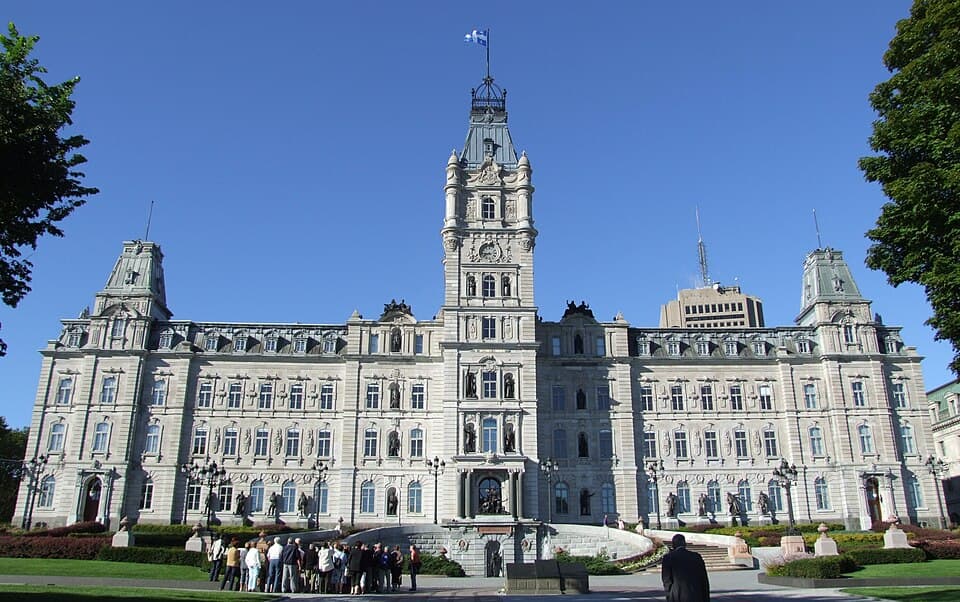
Case period:
Published by The Dispute Index editorial teamPublished Updated
Where it stands
ActiveAs of
Established
- On November 23, 2026, Justice Ian Demers suspended Bill 4, the 2022 law making the National Assembly oath the only oath required to sit, and ordered the judgment carried out even if appealed.Public Interest Litigation Institute c. Procureur général du Québec, Cour supérieure du Québec, no 500-17-139512-266, jugement du 23 novembre 2026 (opens in a new tab)
- All 127 members elected on October 5, 2026, took only the oath of loyalty to the people of Quebec when they were sworn in from October 15 to 29.Le serment au roi est obligatoire, statue la Cour supérieure du Québec (opens in a new tab)
- The Quebec government filed appeal proceedings on November 24 and wants the Court of Appeal to suspend the order for immediate effect.Serment au roi : tous les partis veulent siéger, Québec fait appel (opens in a new tab)Paul St-Pierre Plamondon on X: statement on the Superior Court judgment on the oath to the King (opens in a new tab)
Disputed
- Whether the National Assembly could make the oath optional on its own: the judgment says it needed the consent of Parliament and all ten provinces, while the Quebec government says the unanimous 2022 law reflects Quebecers' democratic will.Public Interest Litigation Institute c. Procureur général du Québec, Cour supérieure du Québec, no 500-17-139512-266, jugement du 23 novembre 2026 (opens in a new tab)Paul St-Pierre Plamondon on X: statement on the Superior Court judgment on the oath to the King (opens in a new tab)See the claim
- Whether members can sit without swearing the oath to the King: Lawrence David says they would be sitting illegally, while St-Pierre Plamondon says nothing in the judgment prevents them from sitting.Selon le premier ministre, la décision de la Cour supérieure n'empêche pas de siéger (opens in a new tab)See the claim
Not yet known
- Whether the Court of Appeal will rule on the order for immediate effect before the legislature is set to open on December 1.
- Whether the Speaker of the National Assembly will rule on members' right to sit, and whether any party's members will swear the oath to the King.
Overview
Section 128 of the Constitution Act, 1867 requires members of Parliament and of provincial legislatures to swear allegiance to the monarch. After three Parti Québécois members, including St-Pierre Plamondon, refused to swear it in 2022 and were barred from sitting, the National Assembly unanimously passed Bill 4, which declares that section 128 does not apply to Quebec. Lawrence David and the Public Interest Litigation Institute challenged the law in August 2026. They argue that the oath is part of the office of the lieutenant governor, which can be changed only with the consent of Parliament and all ten provinces.
People in this case
 Paul St-Pierre PlamondonDirectly involved
 Charles MilliardDirectly involved
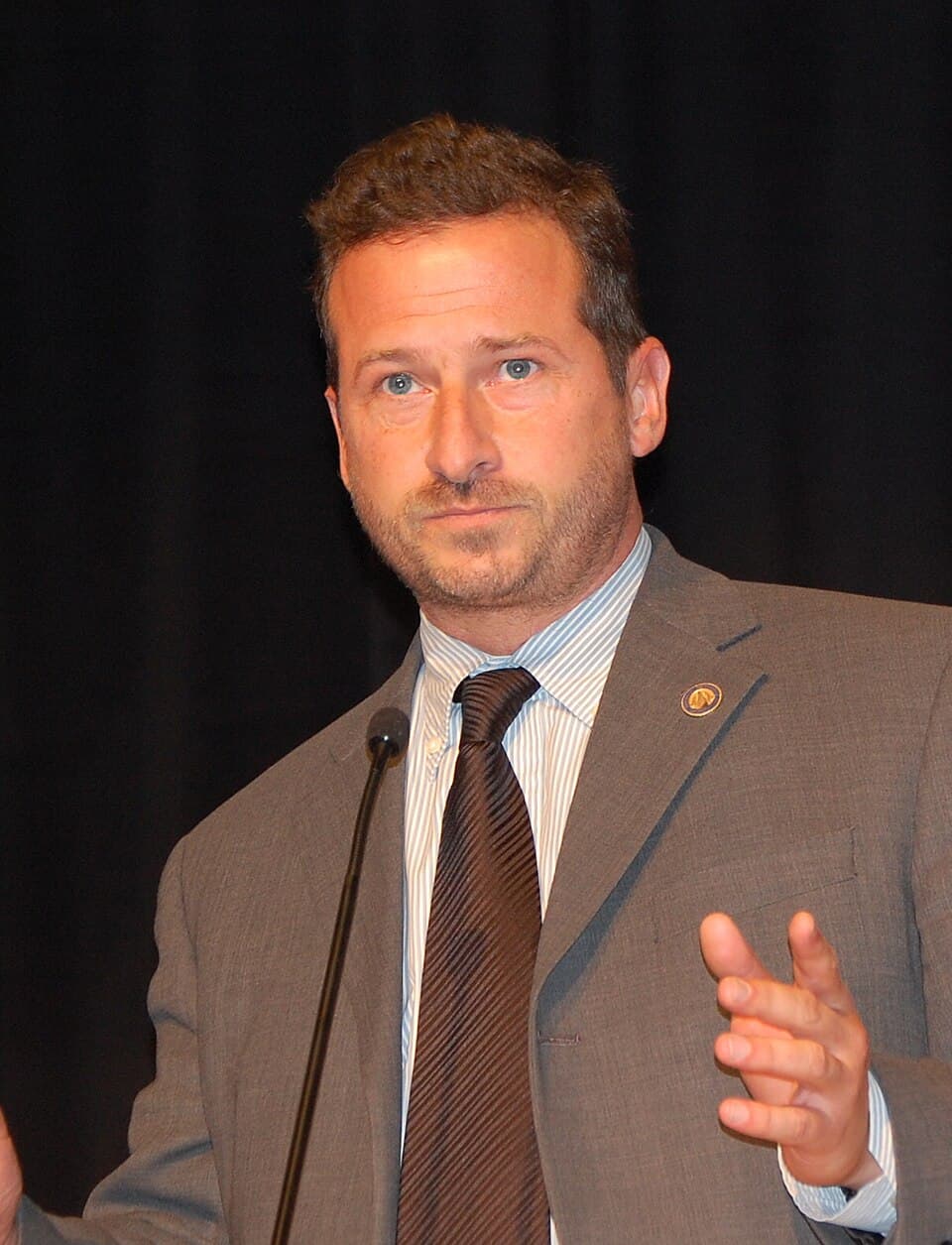 Yves-François BlanchetDirectly involved
Timeline
7 timeline entries on this page. Dates: December 9, 2022 to November 24, 2026
December 2022
National Assembly adopts Bill 4, declaring that the oath to the King does not apply to Quebec
The bill was introduced on December 6, 2022, after three Parti Québécois members, including Paul St-Pierre Plamondon, refused to swear the oath to King Charles III and were barred from taking their seats. It was adopted and assented to on December 9. Its one operative section adds an article to the Constitution Act, 1867 stating that section 128, which requires the oath, does not apply to Quebec.
October 2026
Lawrence David asks the Superior Court to suspend Bill 4 before the new legislature opens
David and the Public Interest Litigation Institute had challenged the law in August. The day after the October 5 general election, David filed a request to suspend it, arguing that the court had to rule before the new legislature opened.
Superior Court hears the request to suspend the oath law in Montreal
Justice Ian Demers heard the request at the Montreal courthouse. The attorney general of Quebec asked him to dismiss it at the outset because David lives in Ontario.
All 127 members elected on October 5 are sworn in without the oath to the King
The members were sworn in one at a time from October 15 to 29. None of them swore allegiance to the Crown; each took only the oath of loyalty to the people of Quebec set out in the National Assembly Act.
November 2026
Superior Court suspends Bill 4 with immediate effect
Justice Demers found the law manifestly invalid at this preliminary stage, suspended it and ordered the judgment carried out even if it is appealed. He wrote that the 127 members must also swear the oath to the King before taking office.
Premier St-Pierre Plamondon denounces the judgment and announces an appeal
Reaction
In a written statement on X, the premier said the government would appeal and ask the Court of Appeal to lift the order that the judgment take effect immediately. Earlier that day, at a news conference in Montreal, he called the judgment enigmatic and problematic and said he personally cannot swear allegiance to the King.
Quebec's attorney general files an appeal, and the Liberals ask the Speaker to rule before December 1
Justice Minister and Attorney General Marie-Claude Sarrazin announced that the government had filed appeal proceedings. She said suspending the court's stay order would let members sit from December 1 while the Court of Appeal rules on the judgment. Liberal house leader André Fortin asked Speaker Nathalie Roy to issue a private ruling on what the judgment means for members' right to sit.
Claims
Claims separate what was said from what is contested. Follow each source for the original wording and context.
What's disputed
Superior Court of Quebec
Quebec's National Assembly could not, on its own, make the oath to the King optional for its members, because taking the oath is part of the office of the lieutenant governor, which can be changed only with the consent of the House of Commons, the Senate and all ten provinces.
What is disputed
Justice Demers found the law manifestly invalid at this preliminary stage, relying on the Supreme Court of Canada's 1979 Blaikie decision, which said that taking the oath falls under the office of the lieutenant governor. The Quebec government says the law, passed unanimously in 2022, reflects the democratic will of Quebecers, says the constitutional rules behind the judgment have no democratic legitimacy in Quebec, and has appealed. Constitutional law professor Patrick Taillon told Le Devoir that the government's chances on appeal are real because the decision is controversial.
Sources (3)
- Public Interest Litigation Institute c. Procureur général du Québec, Cour supérieure du Québec, no 500-17-139512-266, jugement du 23 novembre 2026 · Superior Court of QuebecJudgment (sequence 9), 22 pages, in French; paragraphs 1 to 8, 86 to 92 and 100 to 109
- Le serment des députés au roi est obligatoire, tranche la Cour supérieureFull article, in French
Disputed claim
Copy link to this disputed claim by Lawrence DavidThe Superior Court judgment bars National Assembly members who have not sworn the oath to the King from sitting and passing laws.
What is disputed
Lawrence David told The Canadian Press that a member who does not swear the oath to the King is not constitutionally authorized to sit, take part in parliamentary business or vote on laws. Premier St-Pierre Plamondon says nothing in the judgment says members are prevented from sitting, and his written statement notes that the judgment's final orders do not themselves direct members to swear the oath. The judgment suspends the law with immediate effect and states in its reasons that the 127 members must swear the oath to the King before taking office.
Sources (3)
- Selon le premier ministre, la décision de la Cour supérieure n'empêche pas de siégerFull article, in French
- Public Interest Litigation Institute c. Procureur général du Québec, Cour supérieure du Québec, no 500-17-139512-266, jugement du 23 novembre 2026 · Superior Court of QuebecJudgment (sequence 9), 22 pages, in French; paragraphs 1 to 8, 86 to 92 and 100 to 109
In their own words
Their own account
Statements from the person or group whose act or claim this case is about. They are listed apart from the responses, and each label says what the speaker did with their own act or claim.
Superior Court of QuebecQuebec's court of general jurisdiction, in a judgment by Justice Ian Demers "The 127 members of the current legislature, who have sworn an oath only to the National Assembly, will also have to swear an oath to the King before taking office. If the stay were not ordered, all the laws of the National Assembly would be contrary to the Constitution and would have to be adopted again. (Translated from French. Original: Les 127 députés de l'actuelle législature, qui n'ont prêté serment qu'à l'Assemblée nationale, devront également prêter serment au roi avant d'occuper leur fonction. Si le sursis n'était pas ordonné, toutes les lois de l'Assemblée nationale seraient contraires à la Constitution et devraient être adoptées de nouveau.)"
Original-language text checked word for word against a linked source on . We did not check the English translation.
ExplainedResponding to: Quebec's National Assembly could not, on its own, make the oath to the King optional for its members, because taking the oath is part of the office of the lieutenant governor, which can be changed only with the consent of the House of Commons, the Senate and all ten provinces.
Full statement and sources
Ruling on a request to suspend Bill 4 before the case is heard on its merits, Justice Ian Demers found that the National Assembly did not have the power to abolish the oath on its own and suspended the law with immediate effect. He wrote that without the suspension all the laws of the National Assembly would be contrary to the Constitution, and that the paralysis that would follow is irreparable harm to the public interest.
Before the statement
The National Assembly passed Bill 4 in 2022 after three Parti Québécois members refused to swear the oath to the King after that year's general election. Every member elected since then has also refused it.
After the statement
The judgment says the oath has a central place in Canada's democracy because the member who takes it recognizes the primacy of the Constitution, personified by the King. It finds that Lawrence David and the Public Interest Litigation Institute have standing to bring the case in the public interest.
Public Interest Litigation Institute c. Procureur général du Québec, Cour supérieure du Québec, no 500-17-139512-266, jugement du 23 novembre 2026 · Superior Court of QuebecJudgment (sequence 9), 22 pages, in French; paragraphs 1 to 8, 86 to 92 and 100 to 109Le serment au roi est obligatoire, statue la Cour supérieure du QuébecFull article, in FrenchWhy this label?
The court says the National Assembly lacked the power to abolish the oath on its own and that members must swear it before taking office, so we labeled it Explained.
This label describes the statement's response within the context above.
Response record
Responses
Choose one response filter, or select All responses to see the full record.
5 matching responses. Newest first.
Lawrence DavidLaw professor at the University of Ottawa and president of the Public Interest Litigation Institute, which brought the challenge, in an interview with The Canadian PressDirectly involved "the Superior Court judgment states that members must swear the oath (to the King) if they want to open the legislative session. If they try to sit, they will be doing so illegally (Translated from French. Original: le jugement de la Cour supérieure affirme que les députés doivent prêter serment (au roi) s'ils veulent ouvrir la session législative. S'ils tentent de siéger, ils le feront illégalement)"
Original-language text checked word for word against a linked source on . We did not check the English translation.
Challenged the characterizationResponding to: The Superior Court judgment bars National Assembly members who have not sworn the oath to the King from sitting and passing laws.
Full statement and sources
Reached by The Canadian Press after the premier's remarks, David said the judgment is unequivocal that a member who does not swear the oath is not constitutionally authorized to sit, take part in parliamentary business or vote on laws. He accused St-Pierre Plamondon of demagoguery and disinformation for relying on the law's unanimous adoption.
Before the statement
St-Pierre Plamondon had said that nothing in the judgment prevents members from sitting.
After the statement
David said the Supreme Court has repeatedly held that a law's unanimous adoption does not make it constitutional, and called the judgment spectacularly expert.
Selon le premier ministre, la décision de la Cour supérieure n'empêche pas de siégerFull article, in FrenchLe serment au roi est obligatoire, statue la Cour supérieure du QuébecFull article, in FrenchWhy this label?
David disputes the premier's reading of the judgment and says it requires members to swear the oath before the session opens, so we labeled it Challenged the characterization.
This label describes the statement's response within the context above.
 Charles MilliardLeader of the Quebec Liberal Party, speaking to reportersDirectly involved
"There is no question of postponing the work, and there is no question either of sitting illegally. Once again, I heard the premier say that it is only one person who said we could not sit. I'm sorry; that person is a judge. So, we are not in a banana republic and we want to do things correctly and in an orderly way. (Translated from French. Original: Il n'est pas question qu'on reporte les travaux, puis il n'est pas question non plus de siéger illégalement. Encore une fois, j'ai entendu le premier ministre dire que c'est seulement une personne qui a dit qu'on ne pourrait pas siéger. Je m'excuse; cette personne-là, c'est un juge. Alors, on n'est pas dans une république de bananes et on veut faire les choses de façon correcte et de façon ordonnée.)"
Original-language text checked word for word against a linked source on . We did not check the English translation.
Mixed or conditionalResponding to: The Superior Court judgment bars National Assembly members who have not sworn the oath to the King from sitting and passing laws.
Full statement and sources
Liberal leader Charles Milliard said his party wants the Assembly to sit the following Tuesday. Responding to the premier's remark that only one person had said members could not sit, he noted that the person is a judge. Asked what he would do if the oath to the King were the only way through, he said he does not close the door to it but does not want to get there.
Before the statement
The Liberal opposition had formally asked the Speaker of the National Assembly to rule on whether members can sit.
After the statement
He said Quebecers have waited since the election was called on August 27 and that members are paid to sit.
Selon le premier ministre, la décision de la Cour supérieure n'empêche pas de siégerFull article, in FrenchLe serment au roi est obligatoire, statue la Cour supérieure du QuébecFull article, in FrenchWhy this label?
Milliard wants the Assembly to sit without delay and leaves the oath open as a last resort, while ruling out any sitting that would breach the judgment, so we labeled it Mixed or conditional.
This label describes the statement's response within the context above.
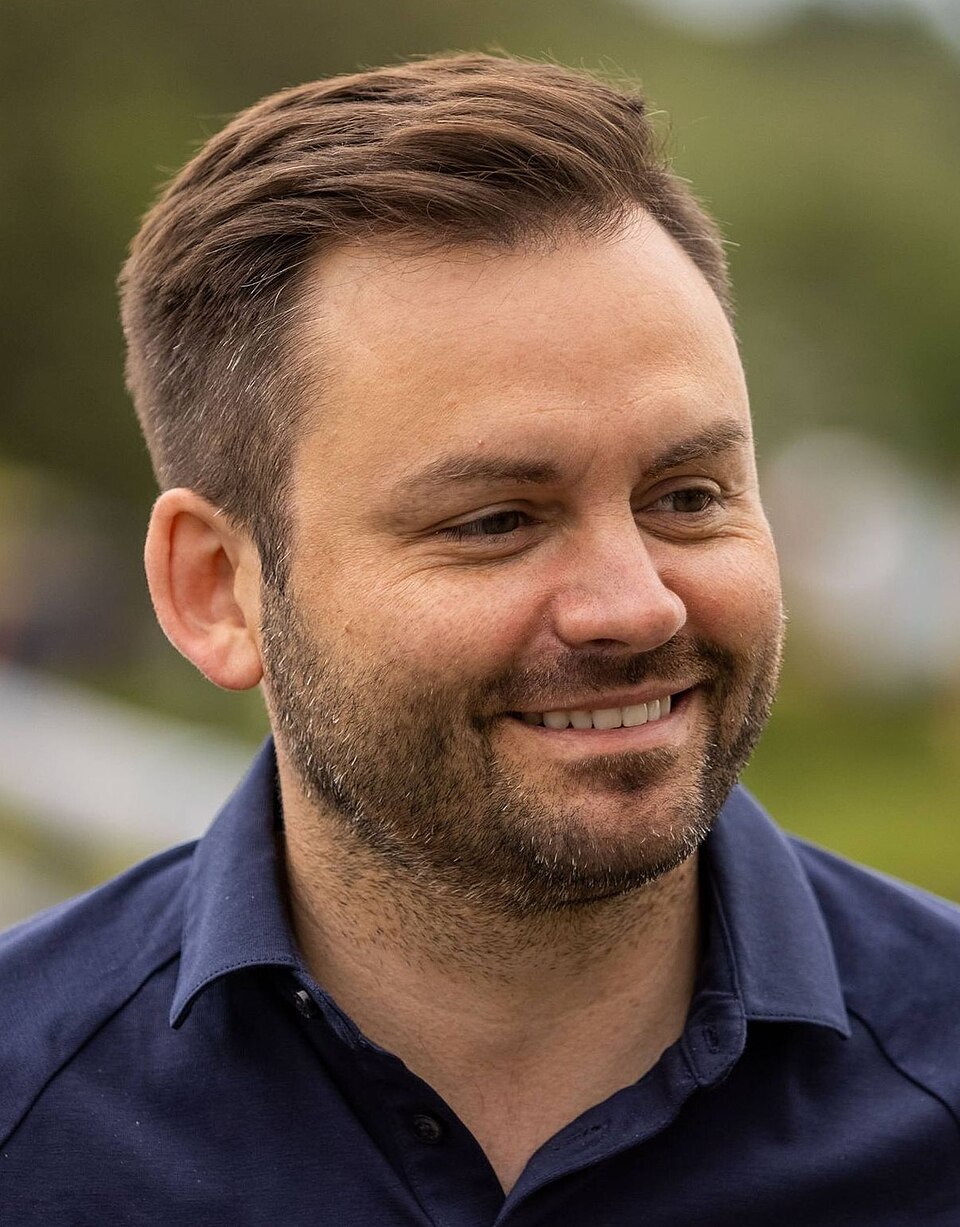 Paul St-Pierre PlamondonPremier of Quebec, speaking to reporters at an announcement in Quebec CityDirectly involved
"It's not written anywhere that we are prevented from sitting (Translated from French. Original: Ce n'est pas marqué nulle part qu'on est empêché de siéger)"
Original-language text checked word for word against a linked source on . We did not check the English translation.
Challenged the characterizationResponding to: The Superior Court judgment bars National Assembly members who have not sworn the oath to the King from sitting and passing laws.
Full statement and sources
A day after the judgment, St-Pierre Plamondon said he expects members to sit as planned on December 1. He said the government is weighing every option that would let them sit without being forced, by one individual, into what he called a dishonest and humiliating act, and that he would prefer the Court of Appeal to lift the suspension of the law.
Before the statement
The judgment suspended the 2022 law with immediate effect, and the National Assembly was scheduled to open its new legislature the following Tuesday, December 1.
After the statement
Lawrence David told The Canadian Press that the premier's reading is wrong and that members who try to sit without the oath would be sitting illegally.
Selon le premier ministre, la décision de la Cour supérieure n'empêche pas de siégerFull article, in FrenchSerment au roi : tous les partis veulent siéger, Québec fait appelFull article, in FrenchWhy this label?
St-Pierre Plamondon disputes the reading that the judgment stops members from sitting without the oath, so we labeled it Challenged the characterization.
This label describes the statement's response within the context above.
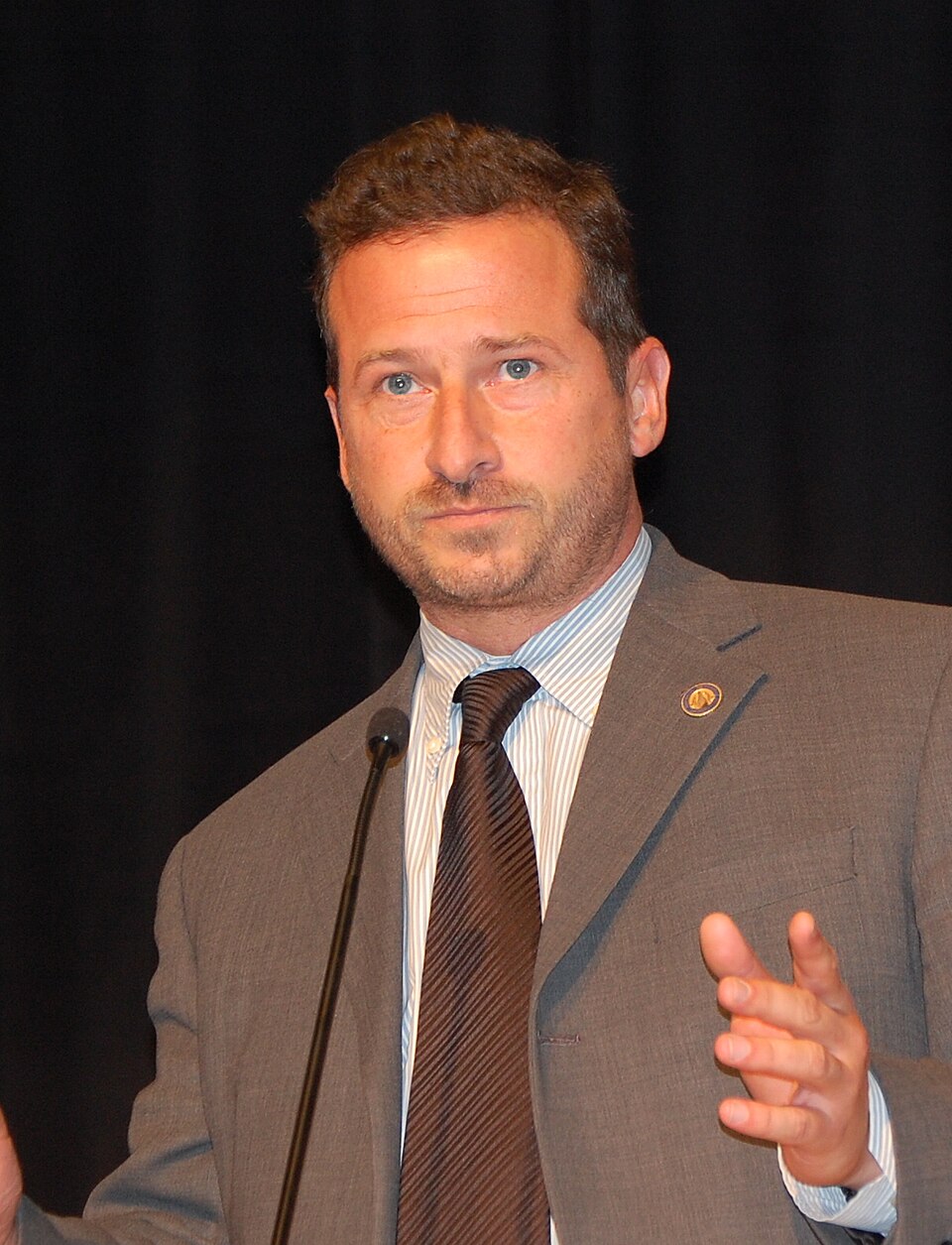 Yves-François BlanchetLeader of the Bloc Québécois in the House of Commons, in a post on XDirectly involved
"I do think the worst thing is a spiral of anger, and I have complete confidence that the members of the National Assembly, unanimously, will refuse the humiliation of once again kneeling before the King, and will find a way, now and for the long term, for the People alone, with full legitimacy, to receive the oath of elected members. (Translated from French. Original: Je pense en effet que la pire chose est une spirale de colère, et j'ai entièrement confiance que l'unanimité des députés de l'Assemblée nationale refusera l'humiliation de poser encore le genou par terre devant le roi, et trouvera un chemin dans l'immédiat et dans la durée pour que le Peuple, en toute légitimité, reçoive seul le serment des élus.)"
Original-language text checked word for word against a linked source on . We did not check the English translation.
CondemnedResponding to: Quebec's National Assembly could not, on its own, make the oath to the King optional for its members, because taking the oath is part of the office of the lieutenant governor, which can be changed only with the consent of the House of Commons, the Senate and all ten provinces.
Full statement and sources
Blanchet wrote that the worst outcome would be a spiral of anger and that he is confident the members of the National Assembly will unanimously refuse what he called the humiliation of kneeling before the King again. He said they will find a way for the people alone to receive the oath of elected members.
Before the statement
Blanchet's post opens by thanking Mathieu Boivin, whose X account he tags.
After the statement
The post tags three accounts: @BoivinMat, @kick1972 and @PaulPlamondon.
Yves-François Blanchet on X: reply on the oath to the KingPost on X, in FrenchWhy this label?
Blanchet calls swearing the oath to the King a humiliation and says he trusts every member to refuse it, so we labeled it Condemned.
This label describes the statement's response within the context above.
- Paul St-Pierre PlamondonPremier of Quebec and leader of the Parti Québécois, in a statement posted on XDirectly involved
"The Quebec government firmly denounces a judgment that clearly goes against the democratic will of Quebecers, who have expressed their wish to be done with the disloyal act of the oath to the British king and with the monarchical straitjacket in general. (Translated from French. Original: Le gouvernement du Québec dénonce fermement un jugement qui va clairement à l'encontre de la volonté démocratique des Québécois, qui ont exprimé leur volonté d'en finir avec l'acte déloyal du serment envers le roi britannique et avec le carcan monarchique en général.)"
Original-language text checked word for word against a linked source on . We did not check the English translation.
CondemnedResponding to: Quebec's National Assembly could not, on its own, make the oath to the King optional for its members, because taking the oath is part of the office of the lieutenant governor, which can be changed only with the consent of the House of Commons, the Senate and all ten provinces.
Full statement and sources
In a written statement posted the afternoon of the judgment, St-Pierre Plamondon said there is no question of making Quebec members swear the oath to King Charles III and that the government will appeal. He wrote that the Constitution of 1867 stems from a military conquest, that Quebec never signed the 1982 Constitution, and that the Constitution sets no penalty for members who do not swear the oath.
Before the statement
That morning the Superior Court suspended the 2022 law and said the 127 members, who swore allegiance only to the people of Quebec, must swear the oath to the King to sit.
After the statement
He wrote that the government will appeal to the Quebec Court of Appeal and ask it to lift the order that the judgment be carried out right away, and asked the other parties and the public for their support.
Paul St-Pierre Plamondon on X: statement on the Superior Court judgment on the oath to the KingPost on X, in FrenchLe serment au roi est obligatoire, statue la Cour supérieure du QuébecFull article, in FrenchWhy this label?
St-Pierre Plamondon says the judgment goes against the democratic will of Quebecers and calls the oath a disloyal act the government will not ask members to perform, so we labeled it Condemned.
This label describes the statement's response within the context above.
Sources
(9)
Original text
Public Interest Litigation Institute c. Procureur général du Québec, Cour supérieure du Québec, no 500-17-139512-266, jugement du 23 novembre 2026
Relevant passage: Judgment (sequence 9), 22 pages, in French; paragraphs 1 to 8, 86 to 92 and 100 to 109
About this source
Justice Ian Demers's judgment on the request by the Public Interest Litigation Institute, Lawrence David and Consumer Law Group to suspend Quebec's 2022 law that made the National Assembly oath the only oath members must take to sit. He rejects the attorney general's objection to their standing, suspends the law, and orders the judgment carried out even if it is appealed. The parties have until December 18, 2026, to file a schedule for the case on the merits. The copy is the signed PDF posted by the legal news site EnDroit.
- Author
- Justice Ian Demers
- Published
- Accessed
Original text
Loi visant à reconnaître le serment prévu par la Loi sur l'Assemblée nationale comme seul serment obligatoire pour y siéger (projet de loi no 4, 2022, chapitre 30)
Relevant passage: Annual statute, 2022, chapter 30, in French
About this source
The text of Bill 4 as adopted and assented to on December 9, 2022, three days after it was introduced. Its one operative section adds an article to the Constitution Act, 1867 stating that section 128, which requires members to swear the oath of allegiance, does not apply to Quebec.
- Author
- Éditeur officiel du Québec
- Published
- Accessed
Original post
Yves-François Blanchet on X: reply on the oath to the King
About this source
Blanchet's post quotes a radio column by Mathieu Boivin of 98.5 FM on the oath dispute and thanks the columnist for noting his call for calm. Blanchet tags the premier in the post.
- Author
- Yves-François Blanchet
- Published
- Accessed
Reporting
Quebec politicians decry court-ordered oath of allegiance to King Charles III
Relevant passage: Full article
About this source
Courthouse News Service's English report on the judgment. It summarizes Justice Demers's reasoning that Quebec needed the consent of Ottawa and the other provinces to abolish the oath, quotes the judgment and the premier's statement, and reports that none of the 127 members elected in October had sworn allegiance to the King.
- Author
- Tatiana Mulowayi-Pelletier
- Published
- Accessed
Reporting
Le serment des députés au roi est obligatoire, tranche la Cour supérieure
Relevant passage: Full article, in French
About this source
Le Devoir's report on the judgment. It quotes the judgment's warning that refusing immediate effect would leave every law of the new legislature at risk, constitutional law professor Patrick Taillon on the government's chances on appeal, and reactions from former minister Jean-François Roberge, Éric Duhaime, Sol Zanetti and Charles Milliard.
- Author
- Isabelle Porter
- Published
- Accessed
Reporting
Selon le premier ministre, la décision de la Cour supérieure n'empêche pas de siéger
Relevant passage: Full article, in French
About this source
A Canadian Press story on reactions the day after the judgment, carried by Le Canada Français. It quotes the premier's remarks at an announcement in Quebec City, Liberal leader Charles Milliard, Conservative leader Éric Duhaime, federal ministers Steven MacKinnon and Marc Miller, and Lawrence David, whom the agency reached for a response to the premier.
- Author
- La Presse Canadienne
- Published
- Accessed
Reporting
Serment au roi : tous les partis veulent siéger, Québec fait appel
Relevant passage: Full article, in French
About this source
Radio-Canada's follow-up the day after the judgment. It reports that Justice Minister and Attorney General Marie-Claude Sarrazin filed appeal proceedings, quotes the government's release and the premier's news conference in Quebec City, and reports that Liberal house leader André Fortin asked Assembly Speaker Nathalie Roy for a ruling on whether members can sit before the first sitting on December 1.
- Author
- Mireille Lavoie
- Published
- Accessed
Reporting
Le serment au roi est obligatoire, statue la Cour supérieure du Québec
Relevant passage: Full article, in French
About this source
Radio-Canada's report on the judgment, published the morning it was released and updated that evening. It quotes the judgment, the premier's remarks at a Montreal news conference, Justice Minister Marie-Claude Sarrazin, Lawrence David, Liberal leader Charles Milliard, Conservative leader Éric Duhaime, Sol Zanetti of Québec solidaire and Bloc Québécois leader Yves-François Blanchet. It reports that all 127 members sworn in from October 15 to 29 took only the oath to the people of Quebec.
- Author
- Jérôme Labbé
- Published
- Accessed
Original post
Paul St-Pierre Plamondon on X: statement on the Superior Court judgment on the oath to the King
About this source
The premier's written statement for the Quebec government, posted on his X account the afternoon of the judgment. He says the government will appeal and ask the Court of Appeal to lift the order that the judgment take effect immediately, argues that the Constitution sets no penalty for members who do not swear the oath, and asks the other parties and the public for support.
- Author
- Paul St-Pierre Plamondon
- Published
- Accessed
Share or embed this case
The embed keeps its attribution link to The Dispute Index. Credit the image to The Dispute Index and link to the case page.
Cite this record
- Publisher
- The Dispute Index
- Title
- Quebec Superior Court suspends the 2022 law that made the oath to the King optional for National Assembly members; Premier St-Pierre Plamondon condemns the ruling and appeals
- First published
- Last updated
- Permalink
- https://disputeindex.com/cases/quebec-superior-court-suspends-the-2022-law-that-made-the-oath-to-the-king-optional-for-national-assembly-members
The Dispute Index. "Quebec Superior Court suspends the 2022 law that made the oath to the King optional for National Assembly members; Premier St-Pierre Plamondon condemns the ruling and appeals". First published: 2026-11-25. Last updated: 2026-11-25. https://disputeindex.com/cases/quebec-superior-court-suspends-the-2022-law-that-made-the-oath-to-the-king-optional-for-national-assembly-members