
Should New York impose its pied-a-terre tax on New York City second homes?
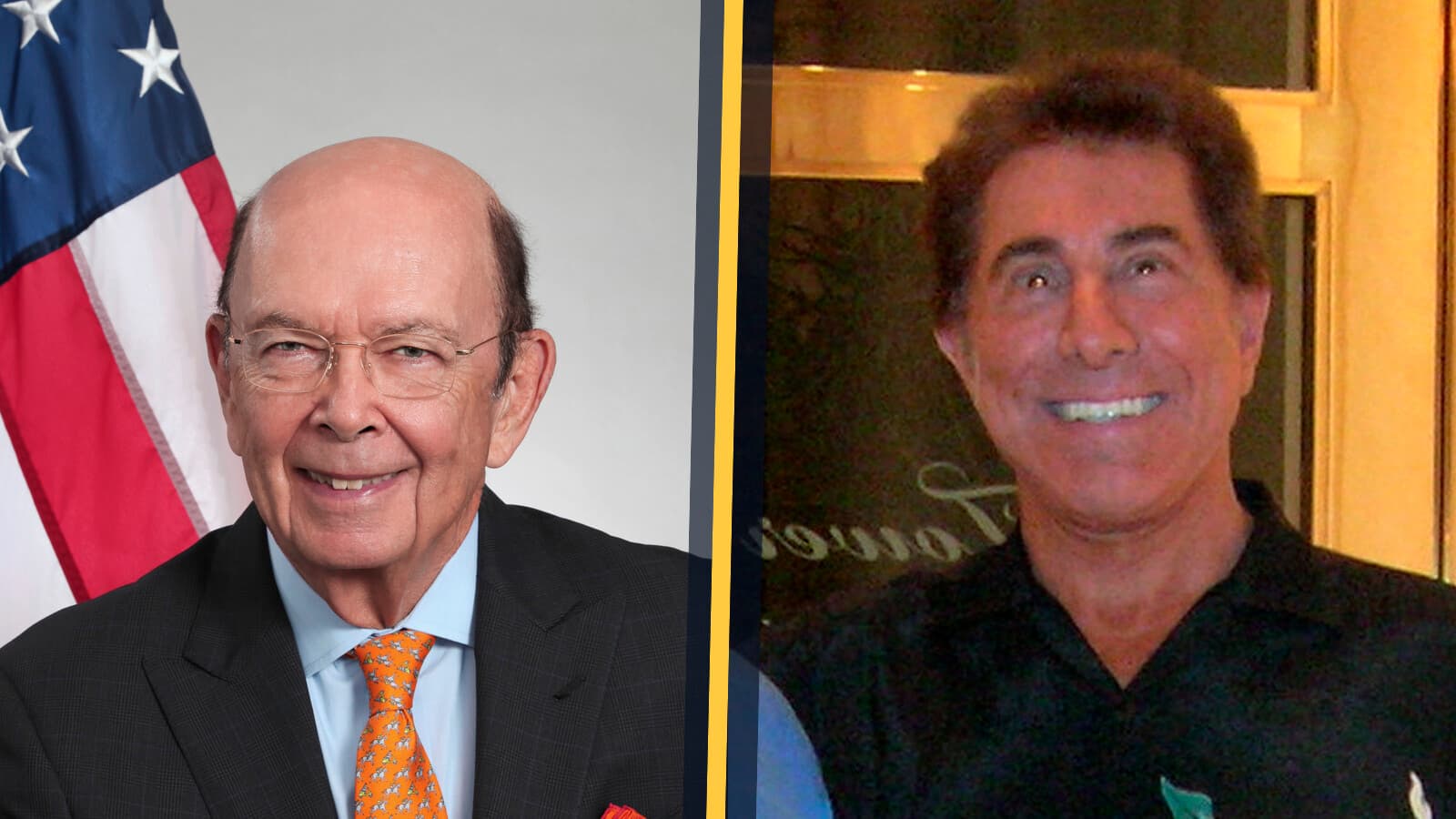
Wilbur Ross, Hilary Geary Ross and Steve Wynn challenge New York's second-home surcharge. Mamdani and Hochul defend taxing wealthy owners to fund city services. The dispute concerns fairness and constitutional limits.
Case period:
Published by The Dispute Index editorial teamPublished Updated
Overview
The enacted tax is based on whether a qualifying property is used as a primary residence, not simply whether its owner lives outside New York State. A city resident's second city home can qualify; a nonresident owner's property can be exempt if a qualifying tenant or immediate family member lives there as a primary residence.
For 2026-27 and 2027-28, the statutory thresholds are $5 million for one- to three-family homes and $1 million for condominium and cooperative units, using Department of Finance valuations. Those valuations are not purchase prices.
A separate September 29 ruling in O'Brien v. New York City addressed tax notices and the supplemental roll, not the statute's constitutionality. The Department of Finance now lists October 13 as the exemption-application deadline.
People in this case
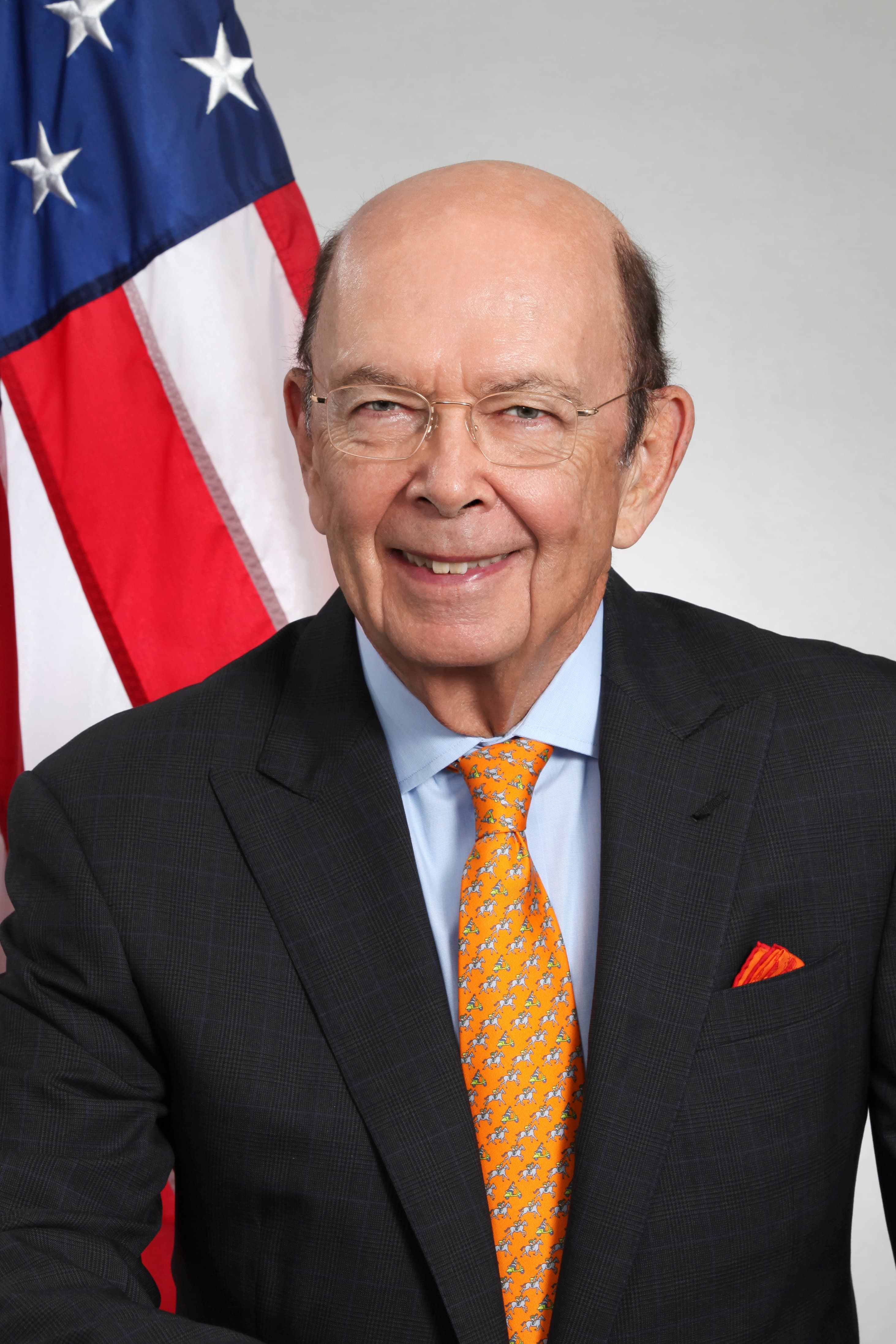 Wilbur RossDirectly involved
 Hilary Geary RossDirectly involved
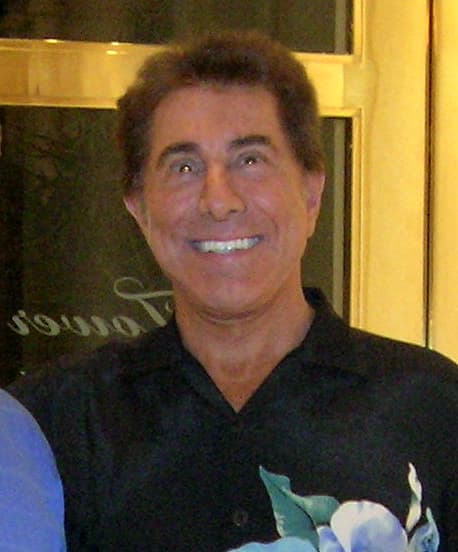 Steve WynnDirectly involved
 Zohran MamdaniDirectly involved
Timeline
15 timeline entries on this page. Dates: April 15, 2026 to October 6, 2026
April 2026
Hochul and Mamdani announce the second-home tax proposal
Source release
The governor and mayor propose a surcharge on luxury second homes to raise revenue for city services.
Comptroller publishes a lower revenue scenario for the proposed tax
Source release
The comptroller's fiscal note models earlier proposals and estimates roughly $340 million to $380 million after rental and behavioral adjustments. It identifies uncertainty about ownership, occupancy and administration; the figures are projections, rather than collections under the eventual law.
May 2026
New York enacts the surcharge
Incident
Hochul signs the revenue legislation adding Article 30-C. The enacted thresholds differ from the initial proposal.
July 2026
The surcharge's first fiscal year begins
Incident
Article 30-C imposes the surcharge beginning July 1, with phase-one thresholds for qualifying homes and cooperative and condominium units.
Department of Finance surcharge rules take effect
The official rules page lists the surcharge rules as adopted, with an effective date of July 14. The rules govern administration of a surcharge on certain real properties that do not serve as primary residences.
Mamdani announces initial property-owner notifications
Source release
The mayor's office announces mailed notifications and resources for owners, while defending revenue for parks, schools and libraries.
August 2026
Homeowners challenge the published roll and surcharge notices
The O'Brien petition is filed in Richmond County Supreme Court. It challenges the city's administration of the surcharge, including the published roll and notices, and seeks emergency relief. This proceeding is distinct from the later Ross and Wynn challenge to the statute.
Temporary order halts parts of the rollout before the city obtains a stay
Justice Wayne Ozzi signs a temporary restraining order affecting the roll, notices and enforcement of the response deadline. The city's filing stays the order the same evening, so the temporary order does not provide an ongoing pause in owners' response obligations.
Appellate order maintains the stay of the temporary restraint
Associate Justice Philip Hom grants leave to appeal and confirms the stay of the temporary restraining order. The city can continue the rollout while the restraint remains stayed.
September 2026
Lawyers examine uncertainty over trusts, ownership and primary residence
Source release
Holland & Knight publishes an analysis applying the surcharge rules to trusts, business entities and rental arrangements. The authors explain how ownership structure can affect eligibility and identify continuing uncertainty about the rules' application.
The Rosses and Wynn file their constitutional challenge
Claim
The plaintiffs sue New York State in Suffolk County, seeking declarations against the surcharge and its treatment of receipts.
A separate court order requires new tax notices
Incident
In O'Brien v. New York City, Justice Ozzi orders existing notices cancelled and individualized determinations before new notices. The ruling concerns implementation, not the constitutional merits of the Ross-Wynn complaint.
Hochul responds to the Ross and Wynn lawsuit
Reaction
Hochul says Ross and Wynn's objection strengthens the case for taxing luxury second homes.
October 2026
Lawyers distinguish the notice ruling from invalidation of the tax
Source release
Holland & Knight analyzes the September 29 ruling and the city's appeal. The authors say the decision addresses the notice and determination process without striking down the tax itself, and advise that the exemption filing process continues while the ruling is stayed.
Exemption deadline moves to October 13
Source release
New York City extends the second-home surcharge exemption-application deadline to October 13. The Department of Finance's guidance gives the new deadline for residential homes, condos and cooperative units; Day Pitney records the extension in its October 6 update.
Claims
Claims separate what was said from what is contested. Follow each source for the original wording and context.
What's disputed
Disputed claim
Copy link to this disputed claim by Kathy HochulWealthy owners of luxury second homes should contribute more to funding New York City's public services through a pied-a-terre surcharge.
Sources (2)
- Hochul announces pied-a-terre tax proposal for luxury second homesStatements by Kathy Hochul, Zohran Mamdani, Julie Menin and Brad Hoylman-Sigal.
- Hochul defends the pied-a-terre tax after Ross and Wynn sue · Kathy HochulFull quote-post of Laura Nahmias's report on constitutional challenges.
Disputed claim
Copy link to this disputed claim by Wilbur RossNew York's pied-a-terre surcharge unlawfully discriminates against nonresidents who already pay property taxes.
Sources (1)
- Ross v. New York: complaint challenging the pied-a-terre taxSuffolk index 628629/2026, NYSCEF document 2; paragraphs 1-19, 72-82 and 119-220; prayer for relief, page 39.
Disputed claim
Copy link to this disputed claim by Wilbur RossThe surcharge is a property tax whose receipts must count toward New York City's constitutional real-estate-tax limit.
Sources (1)
- Ross v. New York: complaint challenging the pied-a-terre taxSuffolk index 628629/2026, NYSCEF document 2; paragraphs 1-19, 72-82 and 119-220; prayer for relief, page 39.
In their own words
Their own account
Statements from the person or group whose act or claim this case is about. They are listed apart from the responses, and each label says what the speaker did with their own act or claim.
 Kathy HochulGovernor of New York
"they make the case for the pied-à-terre tax better than we ever could."
Stood by itCase context: Should New York impose its pied-a-terre tax on New York City second homes?
Full statement and sources
Hochul says Ross and Wynn's objection to paying more on luxury second homes reinforces her argument for the surcharge.
Before the statement
Quote-posting reporter Laura Nahmias's report that Ross and Wynn sued, Hochul writes: "When Steve Wynn and Wilbur Ross cast themselves as sympathetic figures over paying their fair share on multimillion-dollar second, third, fourth or fifth homes,"
After the statement
The quote-post ends with this sentence.
Hochul defends the pied-a-terre tax after Ross and Wynn sue · Kathy HochulFull quote-post of Laura Nahmias's report on constitutional challenges.Why this label?
Kathy Hochul responds to the lawsuit by saying Wilbur Ross and Steve Wynn make the case for the pied-a-terre tax better than its backers ever could, so we labeled it Stood by it.
This label describes the statement's response within the context above.
 Zohran MamdaniMayor of New York City
"collecting critical revenue to fund our parks, schools and libraries"
ExplainedCase context: Should New York impose its pied-a-terre tax on New York City second homes?
Full statement and sources
Mamdani defends the tax as a way to raise money for city services without shifting the burden onto working New Yorkers.
Before the statement
The mayor announces that property owners are receiving initial notifications.
After the statement
He commits to implementing the law and collecting the revenue.
Mamdani announces notices for the new pied-a-terre taxFirst quoted statement by Mayor Mamdani, beginning with his account of the city's fiscal challenges.Why this label?
Zohran Mamdani says the second-home surcharge raises money for parks, schools and libraries without shifting the burden onto working New Yorkers, so we labeled it Explained.
This label describes the statement's response within the context above.
Arguments
Documented position
Kathy Hochul, Zohran Mamdani and Brad Hoylman-Sigal
Second-home owners can help fund the services that sustain their properties
The tax's supporters say wealthy second-home owners benefit from city services and can contribute more without placing the same burden on working residents.
Limit of this argument
A fairness argument does not resolve whether the chosen tax structure complies with constitutional limits.
Read sources
Sources
- Hochul announces pied-a-terre tax proposal for luxury second homesStatements by Kathy Hochul, Zohran Mamdani, Julie Menin and Brad Hoylman-Sigal.
- Mamdani announces notices for the new pied-a-terre taxFirst quoted statement by Mayor Mamdani, beginning with his account of the city's fiscal challenges.
- Hochul defends the pied-a-terre tax after Ross and Wynn sue · Kathy HochulFull quote-post of Laura Nahmias's report on constitutional challenges.
Documented position
Wilbur Ross, Hilary Geary Ross and Steve Wynn, through their joint complaint
An additional residency-based burden must satisfy constitutional limits
The plaintiffs say they already pay property taxes and that a further burden based on residence lacks a sufficient justification. They also challenge excluding the receipts from the property-tax-limit calculation.
Limit of this argument
These are the plaintiffs' legal arguments, not holdings on the constitutionality of the surcharge.
Read sources
Sources
- Ross v. New York: complaint challenging the pied-a-terre taxSuffolk index 628629/2026, NYSCEF document 2; paragraphs 1-19, 72-82 and 119-220; prayer for relief, page 39.
- New York Tax Law Section 1350: non-primary-residence surchargeSection 1350, imposition of surcharge and phase-one and phase-two thresholds.
Response record
Responses
Choose one response filter, or select All responses to see the full record.
5 responses. Newest first.
 Hilary Geary RossAuthor and plaintiffDirectly involved
"These nonresidents, including Plaintiffs herein, already pay significant sums to the City in property taxes, the same taxes at the same rates paid by New York City residents occupying similarly assessed residential properties."
CondemnedCase context: Should New York impose its pied-a-terre tax on New York City second homes?
Full statement and sources
Hilary Geary Ross joins the constitutional challenge to the surcharge on the Rosses' Manhattan cooperative unit.
Before the statement
The pleading identifies her as a Florida resident and joint owner of the cooperative unit.
After the statement
The three plaintiffs advance a common legal position in one filing.
Ross v. New York: complaint challenging the pied-a-terre taxSuffolk index 628629/2026, NYSCEF document 2; paragraphs 1-19, 72-82 and 119-220; prayer for relief, page 39.Why this label?
Her participation in a pleading seeking invalidation is an attributable action opposing the tax.
This label describes the statement's response within the context above.
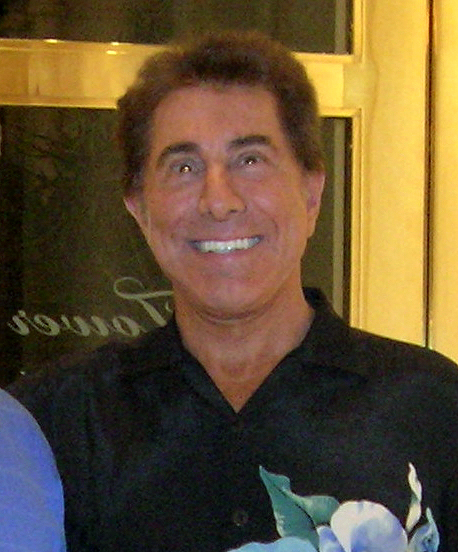 Steve WynnCasino developer and plaintiffDirectly involved
"Article 30-C is therefore unconstitutional to the extent it purports to exclude PAT Tax revenues from the amount raised by tax on real estate for purposes of Article VIII, § 10(e)."
CondemnedCase context: Should New York impose its pied-a-terre tax on New York City second homes?
Full statement and sources
Wynn joins the Rosses' legal challenge, including their argument that lawmakers cannot exclude property-tax receipts from the constitutional tax-limit calculation by changing the label.
Before the statement
The complaint identifies his Manhattan residential property as potentially liable for the surcharge.
After the statement
The tax-limit argument concerns how receipts are counted, not an allegation that the numerical limit has already been exceeded.
Ross v. New York: complaint challenging the pied-a-terre taxSuffolk index 628629/2026, NYSCEF document 2; paragraphs 1-19, 72-82 and 119-220; prayer for relief, page 39.Why this label?
He seeks judicial invalidation of the tax and its treatment of receipts.
This label describes the statement's response within the context above.
 Wilbur RossInvestor, former U.S. commerce secretary and plaintiffDirectly involved
"This case arises out of Defendant’s attempt to enact and enforce a discriminatory property tax that falls exclusively on nonresidents of New York City, in violation of the state and federal constitutions."
CondemnedCase context: Should New York impose its pied-a-terre tax on New York City second homes?
Full statement and sources
Wilbur Ross joins Hilary Geary Ross and Wynn in challenging the tax as discriminatory against nonresidents.
Before the statement
The complaint says the Rosses received a conditional surcharge notice for their Manhattan cooperative unit.
After the statement
The joint pleading argues that nonresidents already pay property taxes and use fewer city services.
Ross v. New York: complaint challenging the pied-a-terre taxSuffolk index 628629/2026, NYSCEF document 2; paragraphs 1-19, 72-82 and 119-220; prayer for relief, page 39.Why this label?
Seeking to invalidate the surcharge expresses rejection of the tax, not merely disagreement with a description of it.
This label describes the statement's response within the context above.
 Julie MeninSpeaker of the New York City Council
"This is a smart, sensible proposal"
Defended or excusedCase context: Should New York impose its pied-a-terre tax on New York City second homes?
Full statement and sources
Menin supports the proposal as a source of revenue for services and affordability measures without burdening working New Yorkers.
Before the statement
The governor announces the initial tax proposal.
After the statement
Menin also favors additional revenue from the highest earners.
Hochul announces pied-a-terre tax proposal for luxury second homesStatements by Kathy Hochul, Zohran Mamdani, Julie Menin and Brad Hoylman-Sigal.Why this label?
She explicitly approves the proposed second-home surcharge.
This label describes the statement's response within the context above.
 Brad Hoylman-SigalManhattan borough president
"This is about fairness"
Defended or excusedCase context: Should New York impose its pied-a-terre tax on New York City second homes?
Full statement and sources
Hoylman-Sigal supports the surcharge because wealthy second-home owners benefit from public services that protect their investments.
Before the statement
His statement appears in the governor's proposal announcement.
After the statement
He cites subways, schools and other services as benefits owners should help fund.
Hochul announces pied-a-terre tax proposal for luxury second homesStatements by Kathy Hochul, Zohran Mamdani, Julie Menin and Brad Hoylman-Sigal.Why this label?
He endorses the tax and supplies a fairness argument for imposing it.
This label describes the statement's response within the context above.
Sources
(15)
Original text
Ross v. New York: complaint challenging the pied-a-terre tax
Relevant passage: Suffolk index 628629/2026, NYSCEF document 2; paragraphs 1-19, 72-82 and 119-220; prayer for relief, page 39.
Excerpt
"This case arises out of Defendant’s attempt to enact and enforce a discriminatory property tax that falls exclusively on nonresidents of New York City, in violation of the state and federal constitutions. … These nonresidents, including Plaintiffs herein, already pay significant sums to the City in property taxes, the same taxes at the same rates paid by New York City residents occupying similarly assessed residential properties. … Article 30-C is therefore unconstitutional to the extent it purports to exclude PAT Tax revenues from the amount raised by tax on real estate for purposes of Article VIII, § 10(e)."
About this source
Joint pleading alleging unconstitutional discrimination and improper treatment of tax receipts. The plaintiffs' allegations and requested declarations are not a court judgment.
- Author
- Pillsbury Winthrop Shaw Pittman LLP, for Wilbur Ross, Hilary Geary Ross and Steve Wynn
- Published
- Accessed
Analysis
Holland & Knight analyzes the surcharge notice ruling and appeal
Relevant passage: Highlights, procedural history and potential next steps
About this source
The lawyers distinguish the notice-process ruling from invalidation of the statute and describe the appeal and asserted stay. The filing deadline discussed was later extended.
- Author
- Mark E. Haranzo, Monika Jain and Brian M. Balduzzi
- Published
- Accessed
Analysis
Holland & Knight analyzes surcharge ownership and residency rules
Relevant passage: Final rules, ownership scenarios and conclusion
About this source
The lawyers examine trusts, business entities, rental arrangements and uncertainty over the surcharge's application.
- Author
- Mark E. Haranzo, Monika Jain and Brian M. Balduzzi
- Published
- Accessed
Analysis
MGNY records the temporary order and stay in O'Brien
Relevant passage: August 10 and August 13 court actions
About this source
The account describes the temporary restraining order, the same-evening stay and the appellate order maintaining the stay.
- Published
- Accessed
Analysis
MGNY records the O'Brien rollout challenge
Relevant passage: August 7 filing chronology, with subsequent dated updates
About this source
The account distinguishes the challenge to the published roll and notices from the separate challenge to the surcharge statute.
- Published
- Accessed
Official statement
NYC Department of Finance non-primary residence surcharge rules
Relevant passage: Rule status, effective date and adopted rule summary
About this source
The official rules page identifies adopted rules with a July 14, 2026 effective date. It does not establish the date of adoption.
- Accessed
Analysis
NYC comptroller models possible pied-a-terre tax revenue
Relevant passage: Introduction, revenue estimates and conclusions
About this source
The pre-enactment fiscal note models earlier proposals. Its revenue range depends on rental exclusions and behavior, rather than measured collections under the enacted law.
- Published
- Accessed
Analysis
Day Pitney update on the second-home tax deadline and litigation
Relevant passage: Opening line: "Update as of October 6, 2026"
About this source
The alert was first published October 1, 2026 and carries a separately dated October 6 update reporting the extension to October 13. The cited passage is that October 6 update. Its legal discussion distinguishes the O'Brien notice challenge from the Ross and Wynn constitutional challenge.
- Author
- Jordana G. Schreiber and Ryan V. Leichsenring
- Accessed
Original text
O'Brien v. New York City: September 29 decision on tax notices
Relevant passage: Index 85217/2026, NYSCEF document 34; scope on pages 1-2; ordered relief on pages 21-22.
About this source
The order addresses the supplemental roll and mailed notices. It cancels the notices and requires individualized determinations before new notices. It does not declare the surcharge statute unconstitutional.
- Author
- Justice Wayne M. Ozzi, New York Supreme Court, Richmond County
- Published
- Accessed
Original post
Hochul defends the pied-a-terre tax after Ross and Wynn sue
About this source
Hochul adds her own defense of the tax to a reporter's account of the new lawsuits.
- Author
- Kathy Hochul
- Published
- Accessed
Official statement
Mamdani announces notices for the new pied-a-terre tax
Relevant passage: First quoted statement by Mayor Mamdani, beginning with his account of the city's fiscal challenges.
About this source
Mamdani defends collecting revenue for parks, schools and libraries while announcing the start of notifications.
- Author
- NYC Mayor's Office
- Published
- Accessed
Official statement
Hochul announces pied-a-terre tax proposal for luxury second homes
Relevant passage: Statements by Kathy Hochul, Zohran Mamdani, Julie Menin and Brad Hoylman-Sigal.
About this source
April proposal and attributed endorsements. Its proposed $5 million threshold should not be substituted for the enacted phase-one thresholds.
- Author
- Office of Governor Kathy Hochul
- Published
- Accessed
Official statement
NYC Department of Finance: non-primary residence surcharge
Relevant passage: Who is subject to the surcharge; rate table; notice extending the exemption-application deadline to October 13, 2026.
About this source
Current guidance describes primary-residence exemptions and 2026-27 and 2027-28 thresholds. The page states the application deadline has been extended to October 13, 2026.
- Accessed
Original text
New York Tax Law Section 1353: surcharge rates
Relevant passage: Section 1353(a), phase-one rates; Section 1353(b), phase-two rates.
About this source
Statutory rate bands. Department of Finance market values are not interchangeable with an owner's purchase price.
- Accessed
Original text
New York Tax Law Section 1350: non-primary-residence surcharge
Relevant passage: Section 1350, imposition of surcharge and phase-one and phase-two thresholds.
About this source
Enacted provision imposing a surcharge from July 1, 2026. Eligibility depends on use of the property as a primary residence and its statutory market value.
- Accessed
Share or embed this case
The embed keeps its attribution link to The Dispute Index. Credit the image to The Dispute Index and link to the case page.
Cite this record
- Publisher
- The Dispute Index
- Title
- Should New York impose its pied-a-terre tax on New York City second homes?
- First published
- Last updated
- Permalink
- https://disputeindex.com/cases/new-york-city-pied-a-terre-tax-nonresidents
The Dispute Index. "Should New York impose its pied-a-terre tax on New York City second homes?". First published: 2026-10-06. Last updated: 2026-10-06. https://disputeindex.com/cases/new-york-city-pied-a-terre-tax-nonresidents