
Was Mamdani right to require click-to-cancel for subscriptions?
Mamdani backs city enforcement against subscription traps. Industry comments challenged the added cancellation obligations and compliance costs, while the final rule changed its retention-offer clause but retained city penalties and restitution.
Claim in dispute
City enforcement is justified to stop businesses from trapping consumers in subscriptions.

Case period:
Published by The Dispute Index editorial teamPublished Updated
Overview
DCWP adopted the final rule under Mayor Mamdani's administration. On October 1, New York City began enforcing its click-to-cancel rule (opens in a new tab). The rule requires a simple cancellation mechanism as easy to use as the signup mechanism. It also requires access through the media a business accepts for consent and an online option for in-person enrollment. The legal text does not promise that every subscription can be canceled with one literal click.
Mamdani's announcement (opens in a new tab) presents the rule as an affordability measure and warns businesses that obstruct cancellation. Civil penalties begin at $525. Restitution follows a finding of a violation and covers qualifying charges after the consumer's first cancellation attempt.
In its May 7 letter (opens in a new tab), NetChoice supported fair subscription practices but opposed added city requirements and legal uncertainty. These are objections to the proposal, not a newly verified October response to the final rule.
The adoption explanation answers those comments. It says the final retention-offer clause was changed to clarify consistency with state law. Discounts and other offers are restricted when they obstruct or unreasonably delay cancellation, rather than prohibited across the board. The city retained expanded cancellation media, its penalty schedule and restitution provisions.
The question is whether those added city protections justify their compliance and enforcement costs.
The rule includes exemptions for specified franchise services, DFS-regulated entities and licensed alarm operators. It also exempts specified banks and other financial institutions, and sellers and administrators of qualifying service contracts.
People in this case
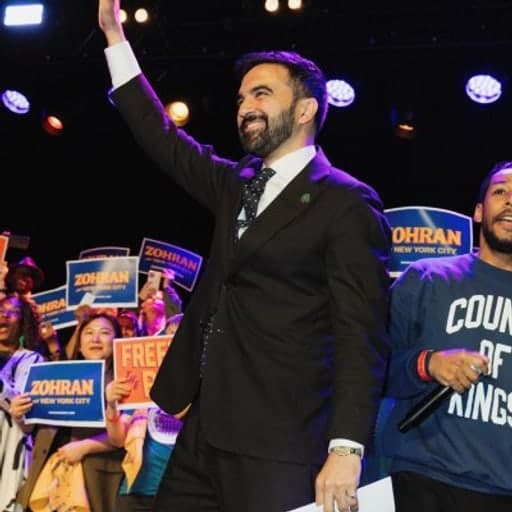 Zohran MamdaniDirectly involved
Timeline
3 timeline entries on this page. Dates: May 7, 2026 to October 1, 2026
May 2026
1 event
NetChoice submits objections to the proposed city rule
Reaction
NetChoice submitted a letter opposing added city subscription requirements and legal uncertainty.
[01]NetChoice opposition to NYC's proposed click-to-cancel rule
Tyler Fields writes on NetChoice's behalf about the proposed rule. These May objections preceded the July adoption and its revised retention-offer language.
NetChoice opposition to NYC's proposed click-to-cancel ruleComplete letter; state-law overlap and penalties sections.
64 days between recorded events
July 2026
1 event
NYC adopts the final subscription-cancellation rule
Source release
The final text clarifies permitted retention offers and retains expanded cancellation media, penalties and restitution. It sets October 1 as the effective date.
[02]NYC final click-to-cancel rule and adoption explanation
The final rule explains the response to public comments, changes the retention-offer clause and sets an October 1 effective date. Offers are restricted when they obstruct or unreasonably delay cancellation, not categorically prohibited.
NYC final click-to-cancel rule and adoption explanationSeven-page final rule; adoption explanation on pages 3-4 and sections 5-110.1 to 5-110.3.[03]Mamdani announces the final click-to-cancel rule
The release announces a final cancellation rule alongside a separate proposed junk-fee rule. Its savings figures are estimates, not measured outcomes.
Mamdani announces the final click-to-cancel ruleJuly 10 announcement, click-to-cancel section and Lina Khan quotation.
83 days between recorded events
October 2026
1 event
NYC begins click-to-cancel enforcement
Incident
The rule takes effect. The city announces a complaint portal and warns businesses about penalties for obstructing cancellation.
[04]Mamdani announces click-to-cancel enforcement
The mayor's office announces the rule's effective date and complaint portal, and quotes its supporters. The legal requirements are set out in the adopted rule.
Mamdani announces click-to-cancel enforcementOpening announcement, Mamdani quotation and What the Rule Requires.[02]NYC final click-to-cancel rule and adoption explanation
The final rule explains the response to public comments, changes the retention-offer clause and sets an October 1 effective date. Offers are restricted when they obstruct or unreasonably delay cancellation, not categorically prohibited.
NYC final click-to-cancel rule and adoption explanationSeven-page final rule; adoption explanation on pages 3-4 and sections 5-110.1 to 5-110.3.
Claims
Claims separate what was said from what is contested. Follow each source for the original wording and context.
What's disputed
Disputed claim
City enforcement is justified to stop businesses from trapping consumers in subscriptions.
Sources (1)
- Mamdani announces click-to-cancel enforcementOpening announcement, Mamdani quotation and What the Rule Requires.
Disputed claim
The proposed city rule would create legal uncertainty harmful to consumers and businesses.
NetChoice
Sources (1)
- NetChoice opposition to NYC's proposed click-to-cancel ruleComplete letter; state-law overlap and penalties sections.
Arguments
Documented position
NetChoice's May 7 letter
Added local obligations may create uncertainty
NetChoice argues that city rules duplicate state protections and add legal uncertainty.
Limit of this argument
The final text later clarified retention offers; the letter is not a verified renewed response to that text.
Read sources
Sources
- NetChoice opposition to NYC's proposed click-to-cancel ruleComplete letter; state-law overlap and penalties sections.
- NYC final click-to-cancel rule and adoption explanationSeven-page final rule; adoption explanation on pages 3-4 and sections 5-110.1 to 5-110.3.
Documented position
Mamdani and DCWP
City enforcement can make cancellation rights effective
The city argues that continuing cancellation barriers justify additional enforcement, restitution and access through the media businesses use for enrollment.
Limit of this argument
This does not establish how much money the rule will save or how every disputed cancellation screen will be treated.
Read sources
Sources
- Mamdani announces click-to-cancel enforcementOpening announcement, Mamdani quotation and What the Rule Requires.
- NYC final click-to-cancel rule and adoption explanationSeven-page final rule; adoption explanation on pages 3-4 and sections 5-110.1 to 5-110.3.
Response record
Responses
Latest recorded positions: 3. Dates: May 7, 2026 to October 1, 2026
Choose one response filter, or select All responses to see the full record.
3 responses on this page
 Zohran MamdaniMayor of New York CityDirectly involved
"No one should need 45 minutes of hold music to stop paying for something they never wanted"
Defended or excusedCase context: Was Mamdani right to require click-to-cancel for subscriptions?
Read more
Mamdani announced enforcement of the city's click-to-cancel rule, saying no one should need 45 minutes of hold music to stop paying for something they never wanted.
Before the statement
The announcement says the final rule is taking effect and introduces a complaint portal.
After the statement
The release describes civil penalties and restitution. The adopted rule supplies the legal cancellation standard.
Mamdani announces click-to-cancel enforcementOpening announcement, Mamdani quotation and What the Rule Requires.Why this label?
The reference point is whether the city was right to require easy cancellation of subscriptions. Mamdani says "No one should need 45 minutes of hold music to stop paying for something they never wanted" while announcing enforcement of the rule, which backs the requirement as justified, so we labeled it Defended or excused. The closest competing label is Condemned, since the quote criticizes obstructive cancellation practices; it loses because the case asks about the city's requirement and he is backing it.
This label describes the statement's response within the context above.
NYC Department of Consumer and Worker ProtectionNew York City consumer and worker protection agencyDirectly involved "the rule is fully consistent with the existing approach in the GBL"
Defended or excusedCase context: Was Mamdani right to require click-to-cancel for subscriptions?
Read more
DCWP defended the rule's consistency with state law while identifying its expanded city provisions.
Before the statement
The adoption explanation recounts objections that the rule was unnecessary or confusing.
After the statement
The agency identifies the rule's expanded penalties, restitution and cancellation media.
NYC final click-to-cancel rule and adoption explanationSeven-page final rule; adoption explanation on pages 3-4 and sections 5-110.1 to 5-110.3.Mamdani announces the final click-to-cancel ruleJuly 10 announcement, click-to-cancel section and Lina Khan quotation.Why this label?
The case examines added city subscription requirements. DCWP defends adopting the rule while acknowledging its expanded provisions.
This label describes the statement's response within the context above.
NetChoiceTrade association, through Government Affairs Associate Tyler FieldsDirectly involved "The legal uncertainty created by the proposed rule would itself cause harm to consumers and businesses alike."
CondemnedCase context: Was Mamdani right to require click-to-cancel for subscriptions?
Read more
NetChoice said the proposed city rule would create harmful legal uncertainty.
Before the statement
The letter supports fair subscription practices but objects to additional city obligations.
After the statement
The letter goes on to discuss the proposal's overlap with state law and its proposed penalties.
NetChoice opposition to NYC's proposed click-to-cancel ruleComplete letter; state-law overlap and penalties sections.Why this label?
The case examines added city subscription requirements. This letter criticizes the proposal, not easy cancellation itself; its May date does not establish renewed opposition to the final text.
This label describes the statement's response within the context above.
Sources
(4)
Original text
NYC final click-to-cancel rule and adoption explanation
Relevant passage: Seven-page final rule; adoption explanation on pages 3-4 and sections 5-110.1 to 5-110.3.
About this source
The final rule explains the response to public comments, changes the retention-offer clause and sets an October 1 effective date. Offers are restricted when they obstruct or unreasonably delay cancellation, not categorically prohibited.
- Author
- NYC Department of Consumer and Worker Protection
- Published
- Accessed
Official statement
Mamdani announces the final click-to-cancel rule
Relevant passage: July 10 announcement, click-to-cancel section and Lina Khan quotation.
About this source
The release announces a final cancellation rule alongside a separate proposed junk-fee rule. Its savings figures are estimates, not measured outcomes.
- Author
- NYC Mayor's Office
- Published
- Accessed
Original text
NetChoice opposition to NYC's proposed click-to-cancel rule
Relevant passage: Complete letter; state-law overlap and penalties sections.
About this source
Tyler Fields writes on NetChoice's behalf about the proposed rule. These May objections preceded the July adoption and its revised retention-offer language.
- Author
- Tyler Fields
- Published
- Accessed
Official statement
Mamdani announces click-to-cancel enforcement
Relevant passage: Opening announcement, Mamdani quotation and What the Rule Requires.
About this source
The mayor's office announces the rule's effective date and complaint portal, and quotes its supporters. The legal requirements are set out in the adopted rule.
- Author
- NYC Mayor's Office
- Published
- Accessed
Share or embed this case
The embed keeps its attribution link to The Dispute Index. Credit the image to The Dispute Index and link to the case page.
Cite this record
- Publisher
- The Dispute Index
- Title
- Was Mamdani right to require click-to-cancel for subscriptions?
- First published
- Last updated
- Permalink
- https://disputeindex.com/cases/mamdani-nyc-click-to-cancel-subscription-rule
The Dispute Index. "Was Mamdani right to require click-to-cancel for subscriptions?". First published: 2026-10-12. Last updated: 2026-10-12. https://disputeindex.com/cases/mamdani-nyc-click-to-cancel-subscription-rule