
Earl Spencer's memoir claims about King Charles's reaction to Diana's death
Charles Spencer's memoir alleges then-Prince Charles told him days after Diana's 1997 death that the world would "forget her soon enough," and that he sounded "giddily elated" on the call. Buckingham Palace neither confirmed nor denied the account, citing grief's effect on memory.
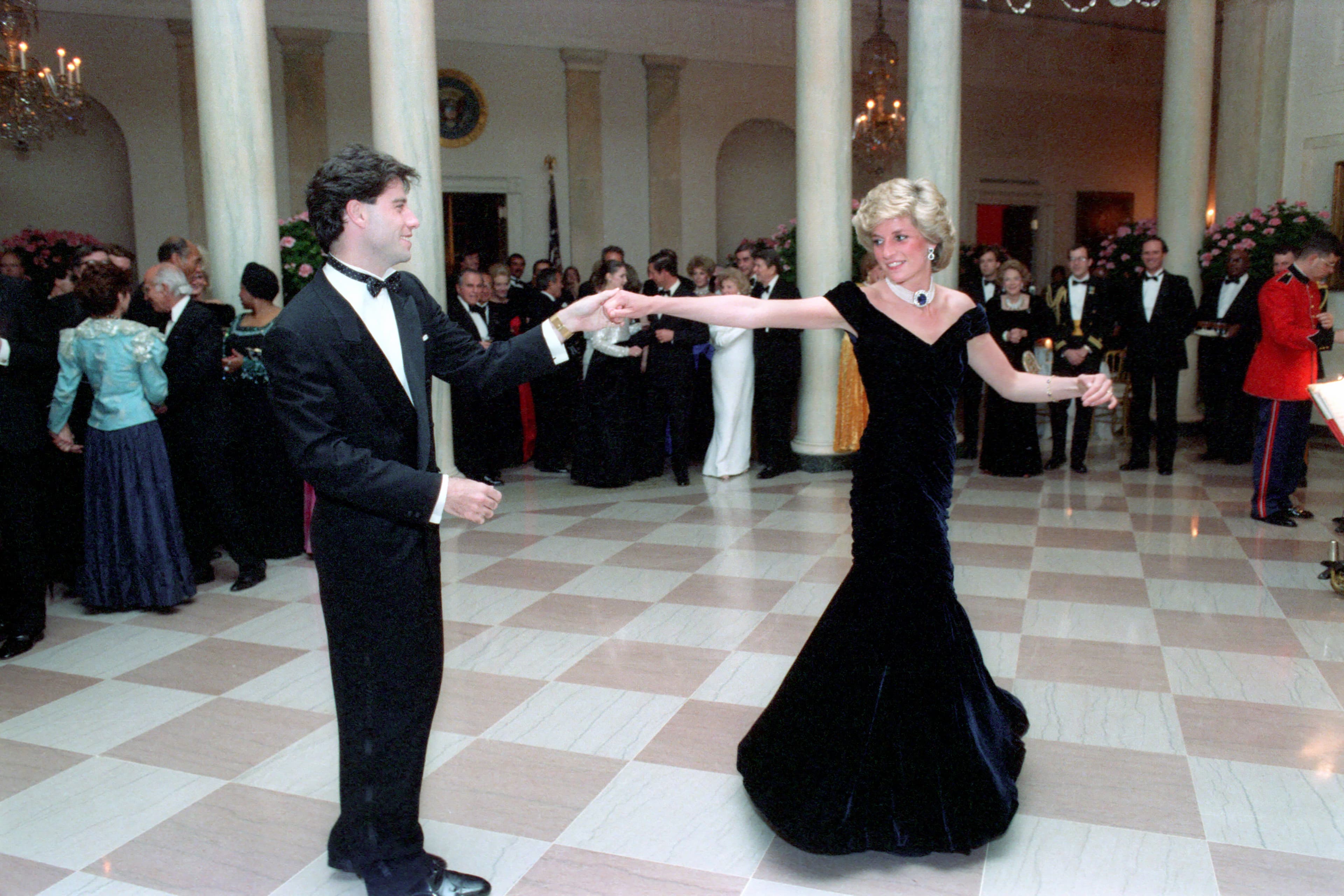
Case period:
Published by The Dispute Index editorial teamPublished Updated
Overview
Spencer's memoir, "Swan Song: Diana, My Sister" (Michael Joseph/Penguin Random House), began serialization/excerpting on September 16, 2026, ahead of its September 22, 2026 publication date. The book is Spencer's account of his life with Diana and the week of her death. This is a separate dispute from [case 31](/cases/31), which concerns King Charles's public statement restating Harry and Meghan's royal limits.
The Palace's decision to comment at all is what makes the statement unusual. It did not respond (opens in a new tab) to Prince Harry's 2023 memoir Spare, and declined to comment on Tom Bower's Rebel Prince and Omid Scobie's Endgame. The statement opens by asserting that the Palace does not comment on books as a matter of principle, and then comments. It questions Earl Spencer's recollection; it does not deny the remark.
People in this case
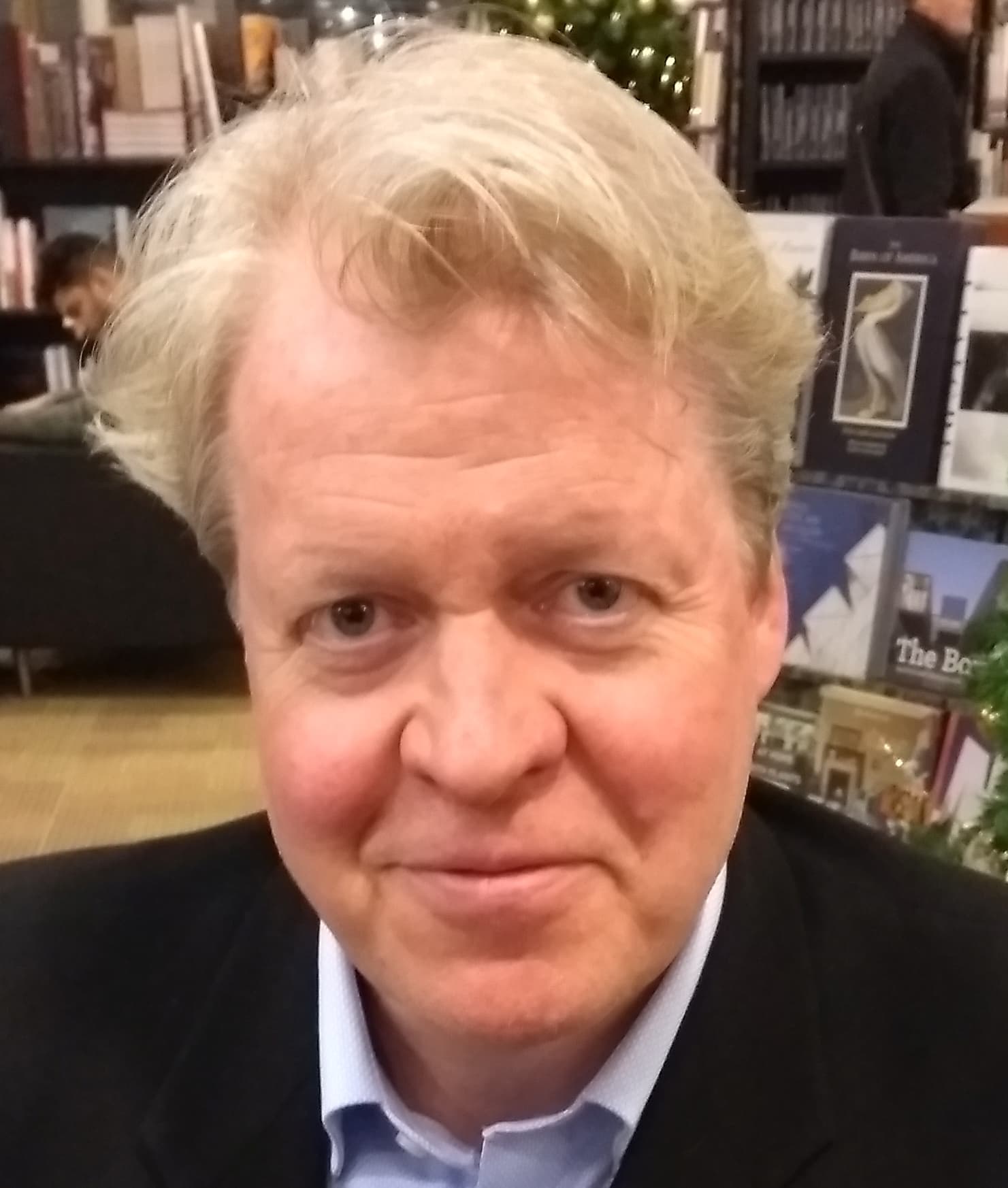 Charles SpencerDirectly involved
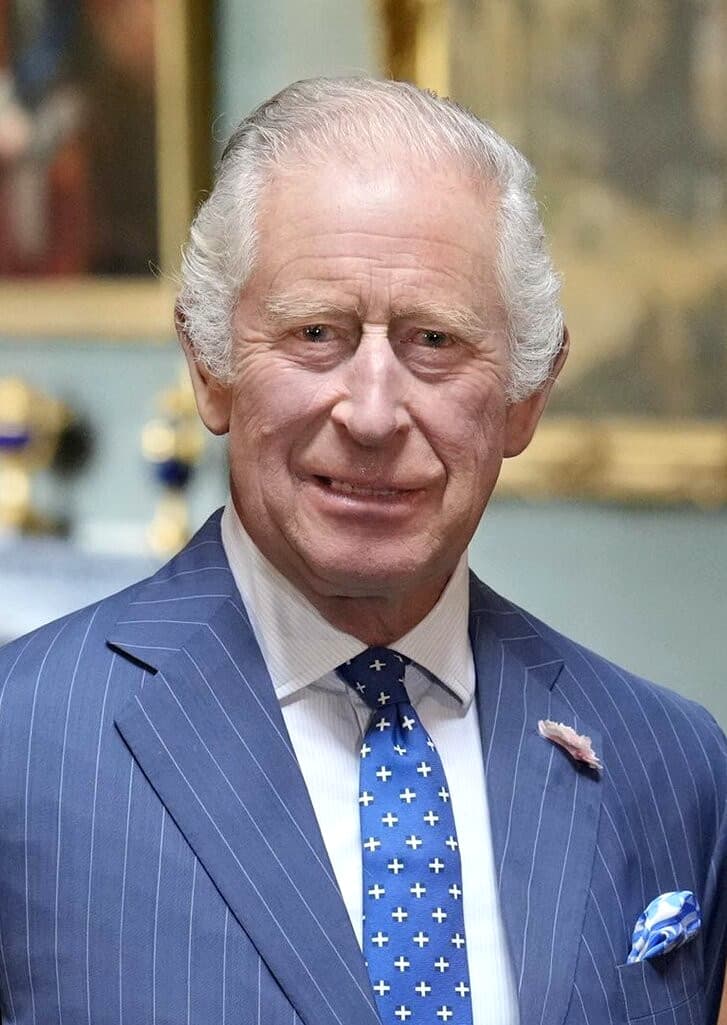 King Charles IIIDirectly involved
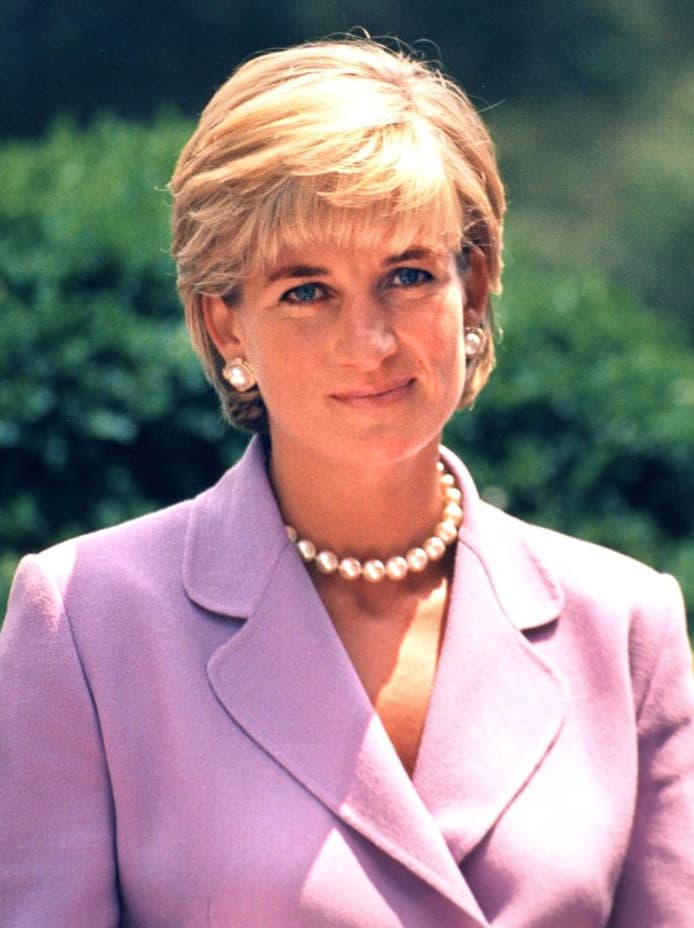 Diana, Princess of WalesDirectly involved
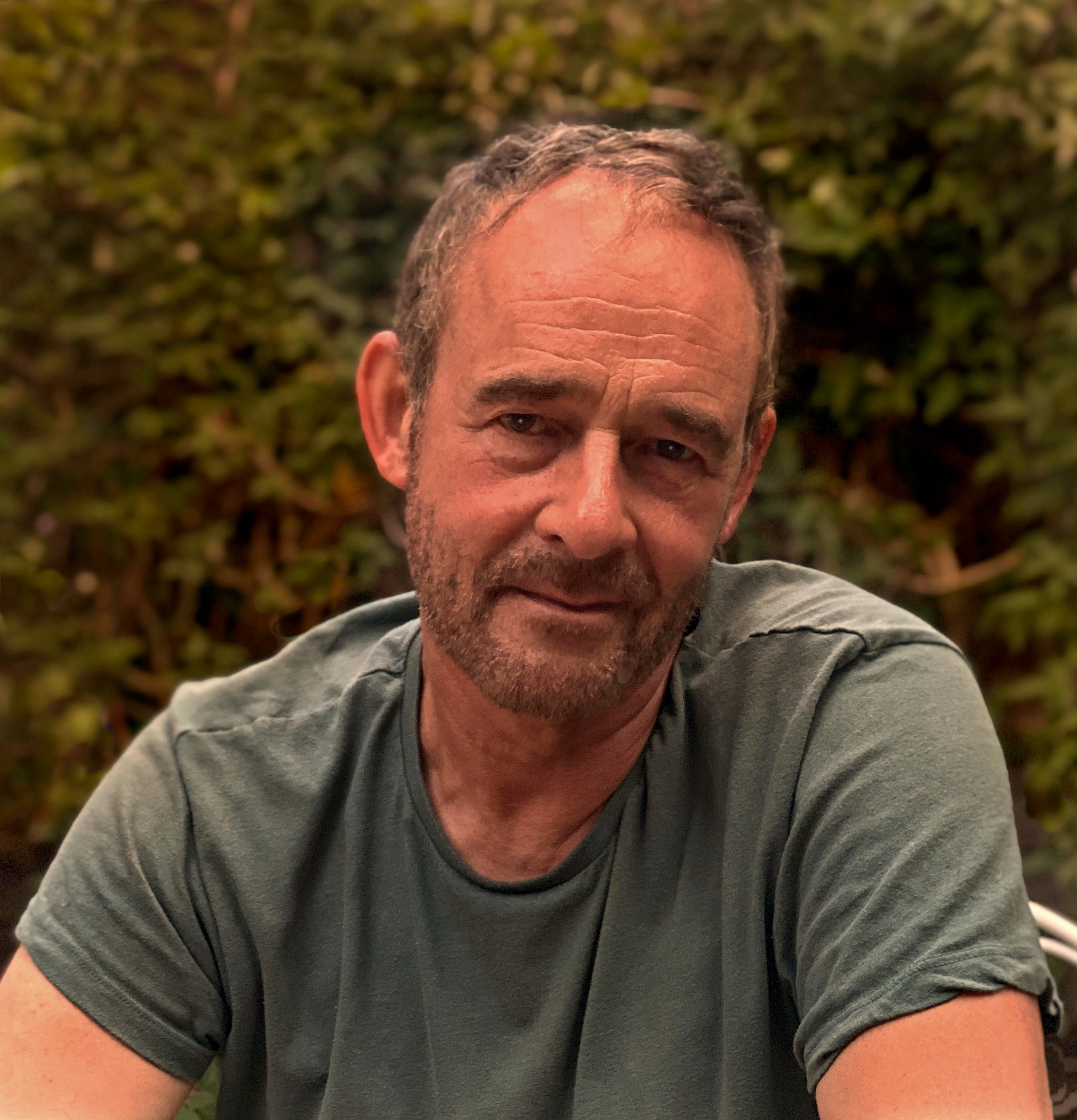 Andy WebbCommented
Timeline
9 timeline entries on this page. Dates: September 9, 1997 to October 2, 2026
September 1997
In 1997, Spencer publicly denied clashing with the Palace over the funeral
Nine days after Diana’s death, the Associated Press reported that Earl Spencer had issued a statement denying he had clashed with the Palace over the funeral plans, saying: “We were united in the aim of giving Diana a suitable funeral and all arrangements up to and including the service were agreed amicably between the Lord Chamberlain’s office and myself.” The statement concerns the funeral arrangements and his dealings with the Lord Chamberlain’s office. It does not address the telephone call from the then Prince Charles that this case turns on, and is recorded as dated context rather than as a contradiction of the 2026 account.
[01]Associated Press, 9 September 1997: Earl Spencer denies clashing with the Palace over funeral plans
Source excerpt
But Diana’s brother, the 9th Earl Spencer, in a statement late Monday night denied he had clashed with the palace over the funeral plans. He said: “We were united in the aim of giving Diana a suitable funeral and all arrangements up to and including the service were agreed amicably between the Lord Chamberlain’s office and myself.”
Contemporaneous wire report, from the New York Times archive. It records a statement Spencer issued nine days after Diana’s death. It concerns the funeral arrangements and his dealings with the Lord Chamberlain’s office; it does not address the telephone call from the then Prince Charles that this case turns on, and is recorded as dated context rather than as a contradiction of his 2026 account.
Associated Press, 9 September 1997: Earl Spencer denies clashing with the Palace over funeral plansParagraph following the Channel 4 report of the Palace’s funeral plans.
September 2026
"Swan Song: Diana, My Sister" excerpt reveals Charles's alleged remark
Source release
Charles Spencer's memoir "Swan Song: Diana, My Sister" began serialization, including the claim that then-Prince Charles told him "we'll forget her soon enough" in the days after Diana's death.
[02]Earl Spencer Claims Charles Told Him They Would "Forget" Diana "Soon Enough"
Source excerpt
He unleashed down the phone what I have always taken to be his pent-up contempt for Diana, and his horror that the world was so bowled over by her death. "Rest assured," he hissed, "we'll forget her soon enough!"
IBTimes UK report quoting the memoir "Swan Song: Diana, My Sister" directly: the alleged phone call in which then-Prince Charles told Spencer "we'll forget her soon enough," and Spencer's reply.
Buckingham Palace issues statement on Spencer's claim
Reaction
Buckingham Palace issued a rare on-record statement responding to Spencer's claim without directly confirming or denying it.
[03]Buckingham Palace rebuts claim in book by Princess Diana's brother
Source excerpt
While we do not comment on books as a matter of principle, His Majesty is mindful that the pain of fraternal grief can cloud reason, affect judgment and colour memory in ways others do not recognise, even many years after such a loss.
Carries the Buckingham Palace statement in full, preserving the Palace's own British spelling of “colour” and “recognise”. Several U.S. outlets, including Fox News and NBC News, print the same sentence with American spellings. The statement is a single sentence. It questions the reliability of Earl Spencer's recollection and does not deny the remark he attributes to Charles, a distinction several headlines describing the statement as a rebuttal do not carry.
Buckingham Palace rebuts claim in book by Princess Diana's brotherParagraph carrying the Buckingham Palace statement in full.[04]King Charles responds to Charles Spencer's claims about Princess Diana in a rare statement
Source excerpt
While we do not comment on books as a matter of principle, His Majesty is mindful that the pain of fraternal grief can cloud reason, affect judgment and color memory in ways others do not recognize, even many years after such a loss.
Fox News report giving the full text of Buckingham Palace's statement responding to Spencer's memoir claim.
Further memoir excerpts allege Charles sounded "giddily elated" after Diana's death
Source release
The Daily Mail published further excerpts from Charles Spencer's memoir "Swan Song: Diana, My Sister," in which he describes the telephone call he says he received from the then Prince Charles after Diana's death in 1997. Spencer writes that Charles sounded "giddily elated – like a lottery winner" and that the call was strangely matter-of-fact, and says he now suspects Charles's first reaction was to consider how the death might free him to marry Camilla. Buckingham Palace did not issue a new response, referring ITV News to its statement of the previous day, which said fraternal grief can cloud reason, affect judgment and colour memory. The allegation is Spencer's recollection and his stated supposition about Charles's state of mind; the book publishes on September 22.
[05]ITV News: "Charles sounded 'giddily elated like lottery winner' over Diana's death, Earl Spencer claims"
Source excerpt
he sounded giddily elated – like a lottery winner, I remember thinking at the time.
ITV News report of September 17, 2026, 7:37 PM on further excerpts from Charles Spencer's memoir "Swan Song: Diana, My Sister," published by the Daily Mail that day. The passages quoted describe the telephone call Spencer says he received from the then Prince Charles after Diana's death in 1997. This is a separate allegation from the "forgotten soon enough" quotation already recorded in this case, drawn from the same book. Buckingham Palace referred ITV News to its statement of the previous day rather than issuing a new one, indicating its position was unchanged. ITV's royal editor Chris Ship is quoted saying the Palace is unlikely to fall into a pattern of responding to repeated claims from the memoir. The quoted passages are Spencer's recollection and his inference about Charles's state of mind; neither is established here, and the book is not published until September 22.
Prince Harry's representatives decline to comment; Palace points back to its earlier statement
Reaction
BBC News reported that representatives of Prince Harry had said they did not want to comment on the book, and that Buckingham Palace pointed back to its September 16 statement rather than issuing a new response to the second tranche of excerpts. No direct quotation was attributed to Prince Harry or to his representatives; the declination is recorded as reported by the BBC in indirect speech. Spencer's memoir states that Charles told him he had informed Princes William and Harry of their mother's death in their bedrooms at Balmoral, which makes Harry a person named in the disputed account rather than an unrelated party.
[06]Charles 'sounded giddily elated' after Diana died, Earl Spencer claims
Source excerpt
Dickie Arbiter, who was press secretary to the late Queen at the time of Princess Diana's death and funeral, told BBC Newsnight that Charles was "devastated at the time" and that "it's not in his character".
BBC News report on the second tranche of memoir excerpts. It is the first source to carry substantive third-party responses to Spencer's account rather than only Spencer and the Palace. The BBC is reporting interviews conducted on its own programmes -- Arbiter on Newsnight, Bond on BBC Breakfast -- so the quotations are first-party to the broadcaster. The article also records that representatives of Prince Harry "have said they do not want to comment on the book" and that Buckingham Palace pointed back to its September 16 statement rather than issuing a new one.
Charles 'sounded giddily elated' after Diana died, Earl Spencer claimsClosing section, following the summary of the Daily Mail excerpts: the paragraphs carrying Dickie Arbiter's Newsnight remarks, Jennie Bond's BBC Breakfast remarks, and the note on Prince Harry's representatives.Spencer calls Palace response 'gaslighting' in new interview
Reaction
In a Mail on Sunday interview published September 19, Charles Spencer accused the King of 'gaslighting' him through the Palace's statement questioning the reliability of his recollection. Spencer said the response implied he had lied without directly denying his account. The allegation remains his characterization of the Palace response.
[07]Mail on Sunday interviews Earl Spencer about the Palace's response to his Diana memoir
Original Mail on Sunday interview with Charles Spencer about Buckingham Palace's September 16 response to his memoir. His 'gaslit' wording characterizes the Palace's response; it does not independently establish what was said in the disputed 1997 calls.
Mail on Sunday interviews Earl Spencer about the Palace's response to his Diana memoirParagraphs reporting Spencer's response to the Palace statement, beginning 'It is not every day you wake up to find...'"Swan Song: Diana, My Sister" is scheduled for publication
Penguin Press says the U.S. edition of "Swan Song: Diana, My Sister" is slated for publication on September 22, 2026.
[08]King Charles responds to criticism from Princess Diana's brother
ABC News Australia report corroborating the quote and Palace statement, and identifying Daily Mail as the serialization outlet and September 22, 2026 as the book's publication date.
[09]Penguin Press to Publish Charles Spencer’s Swan Song
Source excerpt
U.S. publication is slated for September 22, 2026.
Official Penguin Random House announcement that describes the U.S. release date as scheduled, rather than as a completed publication.
Penguin Press to Publish Charles Spencer’s Swan SongPublication-schedule paragraph“Swan Song: Diana, My Sister” is published
Source release
Associated Press and The Guardian reported on September 22 that Charles Spencer’s memoir “Swan Song: Diana, My Sister” had been published. The event confirms publication of the book; it does not resolve the memoir’s allegations about King Charles.
[10]A new book by Princess Diana’s brother has revived old wounds within the British royal family
Source excerpt
A new book published Tuesday by the brother of the late Princess Diana ...
Associated Press reported that Charles Spencer’s “Swan Song: Diana, My Sister” was published Tuesday, September 22. The report is used here to confirm publication of the memoir, not to resolve the memoir’s substantive claims about King Charles.
A new book by Princess Diana’s brother has revived old wounds within the British royal familyOpening paragraph beginning “A new book published Tuesday.”[11]Earl Spencer apologises to Piers Morgan over ‘incorrect assumption’
Source excerpt
the book, which was published on Tuesday
The Guardian reported that “Swan Song: Diana, My Sister” was published Tuesday and showed the book in a London bookshop on September 22. Its separate reporting on Spencer’s apology to Piers Morgan concerns a different memoir assertion and does not resolve the case’s claims about King Charles.
Earl Spencer apologises to Piers Morgan over ‘incorrect assumption’Paragraphs identifying the memoir as published Tuesday and the September 22 bookshop photograph caption.
October 2026
CTV airs Spencer's explanation of the funeral remark
Source release
In an interview airing October 2, Charles Spencer rejected the suggestion that the alleged remark meant the princes would forget the funeral or its emotional impact. He said Charles meant Diana herself. Spencer also defended including Diana's alleged valet comment. These are Spencer's recollections, not independent confirmation of the private conversations.
[12]Charles Spencer discusses memoir in CTV Your Morning interview
CTV Your Morning interview with Anne-Marie Mediwake, airing October 2. Private conversations are Spencer's recollections.
Charles Spencer discusses memoir in CTV Your Morning interviewSections: From wedding highs to divorce lows; A fight with the Royal Family
Claims
Claims separate what was said from what is contested. Follow each source for the original wording and context.
What was said
Attributed statement
In the days after Diana's death in 1997, then-Prince Charles told him by phone, "Rest assured, we'll forget her soon enough."
Attributed statement
During the phone call confirming Diana's death in 1997, then-Prince Charles "sounded giddily elated - like a lottery winner."
Sources (2)
- Charles 'sounded giddily elated' after Diana died, Earl Spencer claimsClosing section, following the summary of the Daily Mail excerpts: the paragraphs carrying Dickie Arbiter's Newsnight remarks, Jennie Bond's BBC Breakfast remarks, and the note on Prince Harry's representatives.
Response record
Responses
Choose one response filter, or select All responses to see the full record.
19 responses. First 6 shown initially. Newest first.
 Charles SpencerAuthor of Swan Song, interviewed by CTV Your MorningDirectly involved
Before this statement
The interview discussed criticism of the memoir's account of Diana's marital difficulties.
"At no point am I looking to discredit anyone."
Challenged the characterizationCase context: Earl Spencer's memoir claims about King Charles's reaction to Diana's death
Full statement and sources
Charles Spencer rejected criticism that including Diana's alleged valet comment was meant to discredit Charles. He said material about others was relevant to Diana's story.
After the statement
Spencer described the book as a celebration of Diana. The reported private exchange remains uncorroborated.
Charles Spencer discusses memoir in CTV Your Morning interviewSections: From wedding highs to divorce lows; A fight with the Royal FamilyWhy this label?
He rejects the claim that he intended to discredit Charles.
This label describes the statement's response within the context above.
- Charles SpencerAuthor of “Swan Song: Diana, My Sister” and brother of Diana, Princess of Wales, interviewed by CBS NewsDirectly involved
Before this statement
Spencer had just said that he does not follow the royal family: “I'm not interested in the royal family.”
"No, I'm absolutely not bitter. I can tell you, if I was bitter, this book would be more bitter."
Challenged the characterizationCase context: Earl Spencer's memoir claims about King Charles's reaction to Diana's death
Full statement and sources
Asked by CBS News whether he is bitter, Charles Spencer said he is “absolutely not bitter” and that if he were, his book “would be more bitter.” Asked whether he has a relationship with King Charles, he said he does not, that the relationship ended, and that “he’s still my king. I respect the crown and that’s it.”
After the statement
Spencer said of his relationship with Charles: “he came into my life as a brother-in-law and that relationship ended. And so, you know, he's still my king. I respect the crown and that's it.” Dickie Arbiter, on GB News, said Spencer “really has got an axe to grind.”
CBS News extended interview: Charles Spencer on Princess Diana · CBS News23:14-23:20Why this label?
On whether Spencer’s account of Charles’s words and demeanour after Diana’s death is accurate, Spencer rejects a characterization of his motive, that the book is driven by bitterness, rather than addressing the accuracy of his account. It is recorded because motive is a live element of the dispute, with critics such as Arbiter attributing an axe to grind and a financial motive. The closest competing label is condemns, which loses because he expresses no judgment of Charles in this answer.
This label describes the statement's response within the context above.
- Charles SpencerAuthor of “Swan Song: Diana, My Sister” and brother of Diana, Princess of Wales, interviewed by CBS NewsDirectly involved
Before this statement
The interviewer noted that Spencer had said Charles seemed unsympathetic when he called to discuss funeral arrangements and had used the word “giddy.” Spencer’s memoir excerpts say Charles “sounded giddily elated – like a lottery winner.”
"He sounded excited in a sort of upbeat way. … Yes, and obviously I'm not justifying or criticizing. I'm reporting that's the fact. … I said in the book that that might have been it, yeah, but that's obviously … I can't say what he was thinking"
Mixed or conditionalCase context: Earl Spencer's memoir claims about King Charles's reaction to Diana's death
Full statement and sources
Asked by CBS News what he meant by describing Charles as “giddy” in their call after Diana’s death, Charles Spencer said Charles “sounded excited in a sort of upbeat way.” Asked whether that was right after she had been killed, he said “Yes,” adding that he is “not justifying or criticizing” but “reporting that’s the fact.” Asked about his suggestion that Charles felt free to pursue Camilla, he said he had written that it “might have been it” but that he “can’t say what he was thinking.”
After the statement
The interviewer went on to ask about Princes William and Harry walking behind Diana’s coffin. In a separate interview with the BBC, Spencer also said he could not be sure of Charles’s thinking.
CBS News extended interview: Charles Spencer on Princess Diana · CBS News06:05-06:45Princess Diana's brother claims Charles sounded "like a lottery winner" after she died (CBS News) · CBS NewsParagraphs quoting Spencer on the CBS Sunday Morning interviewWhy this label?
On whether Spencer’s account of Charles’s words and demeanour after Diana’s death is accurate, Spencer reaffirms his observation that Charles sounded upbeat, presenting it as a reported fact, while disclaiming both judgment of it and certainty about Charles’s motive. That combination is mixed rather than a condemnation of the conduct, and is consistent in direction with his BBC answer that he could not be sure what Charles was thinking. The closest competing label is condemns, which loses because in this exchange he expressly says he is not criticizing.
This label describes the statement's response within the context above.
- Charles SpencerDiana’s brother and author of Swan Song: Diana, My Sister, speaking in a BBC interviewDirectly involved
Before this statement
In his memoir and prior public accounts, Spencer said that then-Prince Charles sounded “giddily elated” or unusually light after Diana’s death and suggested Charles might have seen the death as freeing him to marry Camilla. Buckingham Palace questioned the reliability of Spencer’s recollection without directly denying the underlying quotation.
"I cannot be sure, I'm saying that's what I assume from the tone is a possibility."
Mixed or conditionalCase context: Earl Spencer's memoir claims about King Charles's reaction to Diana's death
Full statement and sources
In a BBC interview, Charles Spencer said he inferred a possible explanation for the tone he says he heard in Charles’s voice after Diana’s death, but could not be sure what Charles was thinking.
After the statement
Spencer did not retract his perception of the tone. His BBC qualification narrows only the claim about what Charles was thinking: he presents that explanation as an inference rather than as certainty. The statement does not independently establish what was said or felt in the 1997 call.
Key takeaways from BBC interview as Earl Spencer defends claims about KingSection “Charles had ‘giddy tone’ after Diana’s death”; exchange in which Laura Kuenssberg asks whether Spencer can be sure what then-Prince Charles was thinking.Why this label?
Spencer maintains his personal perception of the tone while expressly limiting his claim about Charles’s internal motivation. “Mixed or conditional” records that qualification without judging the accuracy of either the 1997 account or his inference.
This label describes the statement's response within the context above.
- Charles SpencerDiana's brother and author of the forthcoming memoir Swan Song: Diana, My Sister, speaking in a Mail on Sunday interviewDirectly involved
Before this statement
Buckingham Palace's September 16 statement suggested fraternal grief can affect memory. Spencer publicly rejected that suggestion in a BBC interview released September 18 before speaking to the Mail on Sunday.
"It is not every day you wake up to find you’ve been gaslit by the King."
Challenged the characterizationCase context: Earl Spencer's memoir claims about King Charles's reaction to Diana's death
Full statement and sources
In a Mail on Sunday interview, Charles Spencer called Buckingham Palace's response to his memoir claim 'gaslighting.' He said it suggested he had lied without directly denying his account of the 1997 phone call.
After the statement
Spencer said the Palace response implied he had lied while avoiding a direct denial. 'Gaslit' is Spencer's characterization, not an independently established motive. The Mail on Sunday reported that the Palace declined to comment on further claims in the memoir.
Mail on Sunday interviews Earl Spencer about the Palace's response to his Diana memoirParagraphs reporting Spencer's response to the Palace statement, beginning 'It is not every day you wake up to find...'Why this label?
In this interview, Spencer primarily challenges the Palace's characterization of his recollection as clouded by grief, calling the response 'gaslighting' and saying it implied he had lied without directly denying his account. Unlike his earlier BBC interview, this excerpt does not add a new description of the 1997 call. The label records his challenge to the Palace response, not a judgment that the Palace intentionally misled him.
This label describes the statement's response within the context above.
Richard KayDaily Mail senior editor-at-large and former royal reporter who was a confidant of Diana, Princess of Wales, writing in the Daily Mail Before this statement
The column runs beside extracts from Spencer’s memoir, which the Mail is serialising, including the passages in which Spencer says Charles told him “we’ll forget her soon enough” and sounded “giddily elated.” Kay describes Buckingham Palace’s response to those extracts as “almost without precedent.”
"He and I spoke several times during that frightful week between Diana’s death and her funeral. … Then, pointedly and without further explanation, he said everyone he had been dealing with over the funeral – courtiers, officials, Downing Street – had been helpful, with one exception. Who, I asked? ‘Prince Charles,’ came the reply. He said they’d had a ‘furious row’. It was ‘about the boys’, but he was reluctant to go further. Cuttingly he added: ‘He has been utterly pathetic.’"
CondemnedCase context: Earl Spencer's memoir claims about King Charles's reaction to Diana's death
Full statement and sources
In a Daily Mail column, senior editor-at-large Richard Kay wrote that he spoke with Charles Spencer several times in the week between Diana’s death and her funeral, and that Spencer said everyone he had dealt with over the funeral had been helpful except Prince Charles, with whom he had had a “furious row” “about the boys.” Spencer added of Charles, “He has been utterly pathetic.” Kay says this chimes with Spencer’s memoir. He does not claim to have witnessed the telephone call Spencer describes.
After the statement
Kay adds that Spencer told him he found Charles’s wish to walk behind Diana’s coffin “weird,” and that it alarmed courtiers and the police. Kay attributes the memoir’s portrait of a “petulant and peevish” Prince of Wales to Spencer, not to his own observation.
Richard Kay: I spoke to Earl Spencer straight after Diana's death (Daily Mail)Section beginning “He and I spoke several times during that frightful week between Diana’s death and her funeral”Why this label?
On whether Spencer’s account of Charles’s words and demeanour after Diana’s death is accurate, Kay supports the accuracy of Spencer’s account in outline: what Spencer told him at the time about a hostile exchange with Charles is consistent with the memoir’s picture. His evidence is contemporaneous provenance, not first-hand knowledge of the call in which Spencer says Charles said “we’ll forget her soon enough,” and he does not claim otherwise. It is labelled condemns for consistency with how this case treats other corroborating accounts, and the rationale records that the evidence concerns a row over the funeral rather than the quoted remark.
This label describes the statement's response within the context above.
Show fewer responses
Dickie ArbiterRoyal commentator and former press spokesman for Queen Elizabeth II, interviewed on GB News Before this statement
The presenter had summarised Spencer’s claim that Charles said “we’ll forget her soon enough,” played Spencer’s reply in a BBC interview that “I’m telling the truth,” and asked Arbiter what the late Queen would have made of it.
"I have to say here and now, I worked for the King for five years. I was in very close proximity of him. I was his spokesman for five years. I do not believe he ever said that, let alone think that. It's just not in his DNA. He wouldn't even think anything like that. He wasn't capable of thinking like that. And I think Charles Spencer really has got an axe to grind. And you have to ask, why after 29 years? Why didn't he do it, say, on the 25th anniversary of Diana's death? Has he been harboring it for 29 years? I really do not understand why he's coming out with it now. I mean, yeah, it's a good line. It sells books and the books will fly off the shelves if people indeed want to read it or believe it. And he'll make a lot of money. It's interesting, isn't it? He once said in 1998 in a television interview, I will not profit on my sister. And what is he doing? Just that."
Challenged the characterizationCase context: Earl Spencer's memoir claims about King Charles's reaction to Diana's death
Full statement and sources
Interviewed on GB News, royal commentator Dickie Arbiter said that having worked for King Charles for five years he did not believe Charles ever said the words Spencer attributes to him, “let alone think that,” that Spencer “really has got an axe to grind,” and that the timing after 29 years suggests the claim is a “good line” that sells books. He said Spencer once said in a 1998 television interview that he would not profit from his sister. Later in the segment he said Spencer “needs money” and would earn it from the book, mainly in the United States.
After the statement
Arbiter said Charles will be “very disappointed” and that Prince William will be “very angry,” and called the claim that the Queen offered to restore Diana’s HRH title “a bit hard to believe.” His assertions about Spencer’s motives and finances, and about a 1998 interview, are his own; we did not locate that interview.
Why this label?
On whether Spencer’s account of Charles’s words and demeanour after Diana’s death is accurate, Arbiter disputes the attribution, saying Charles never said or thought what Spencer reports, and offers a competing account of Spencer’s motive. This is a challenge to the accuracy of Spencer’s characterization rather than a defence of any conduct, and is consistent in direction with his September 17 statement on BBC Newsnight. The closest competing label is condemns, which loses because he is disputing the account rather than criticizing conduct.
This label describes the statement's response within the context above.
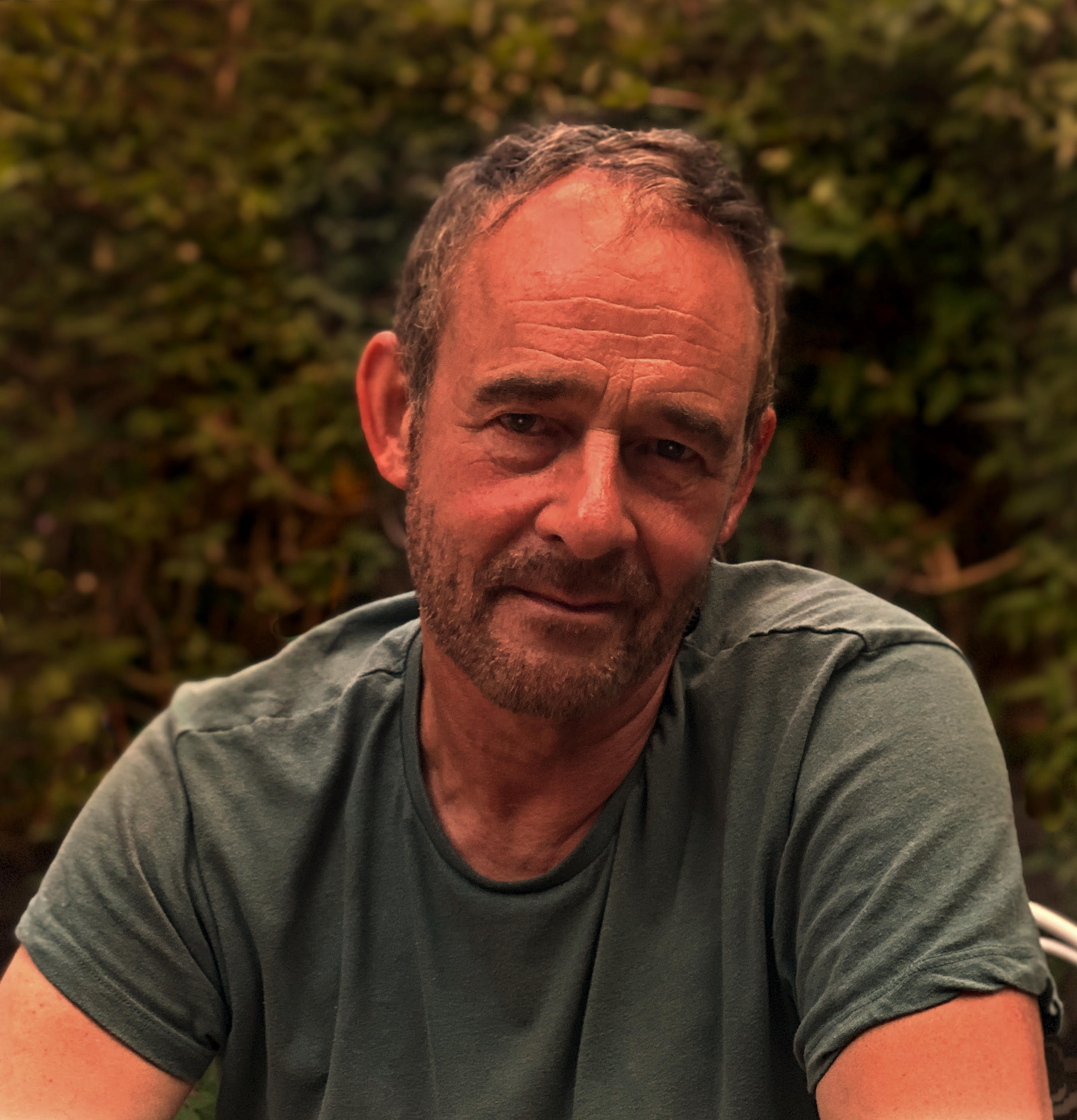 Andy WebbJournalist and documentary film-maker, author of “Dianarama,” interviewed on Times Radio
Before this statement
Said on Times Radio Breakfast on September 18. Webb came to know Spencer while researching his book on the 1995 Panorama interview with Diana.
"He came across to me as never anything less than a truth teller. … He’s a ferocious note taker. And indeed, the account of that conversation with King Charles about, you know, Diana will soon be forgotten — I can say now that that conversation itself had been, you know, relayed to me confidentially, and I’m sure not only me over the years."
CondemnedCase context: Earl Spencer's memoir claims about King Charles's reaction to Diana's death
Full statement and sources
Andy Webb, who worked with Spencer on a book about the 1995 Panorama interview, told Times Radio that Spencer had always struck him as a truth teller and a meticulous note-taker, and said the account of the conversation with Charles had been relayed to him privately years before the memoir was published.
After the statement
Webb is an acquaintance of Spencer's, which is disclosed here rather than treated as disqualifying. He does not claim to have witnessed the call; his account is that Spencer described it to him privately before the memoir. A second guest in the same segment argued the claims are “all entirely unprovable”; that is a different speaker and is not recorded here. The quoted wording is our transcription of the published audio.
Why this label?
On Webb supports the accuracy of Spencer’s account, which places him at the opposite pole from the Palace, Arbiter, Payne and Hardman. His contribution is corroborative rather than a criticism of Charles in his own voice: he vouches for Spencer’s reliability and, more materially, says the account was circulating privately long before publication, which bears on whether it was produced for the book. It is labelled condemns for consistency with how this case treats assertions of the account, and the rationale records that his evidence is provenance rather than first-hand knowledge of the call.
This label describes the statement's response within the context above.
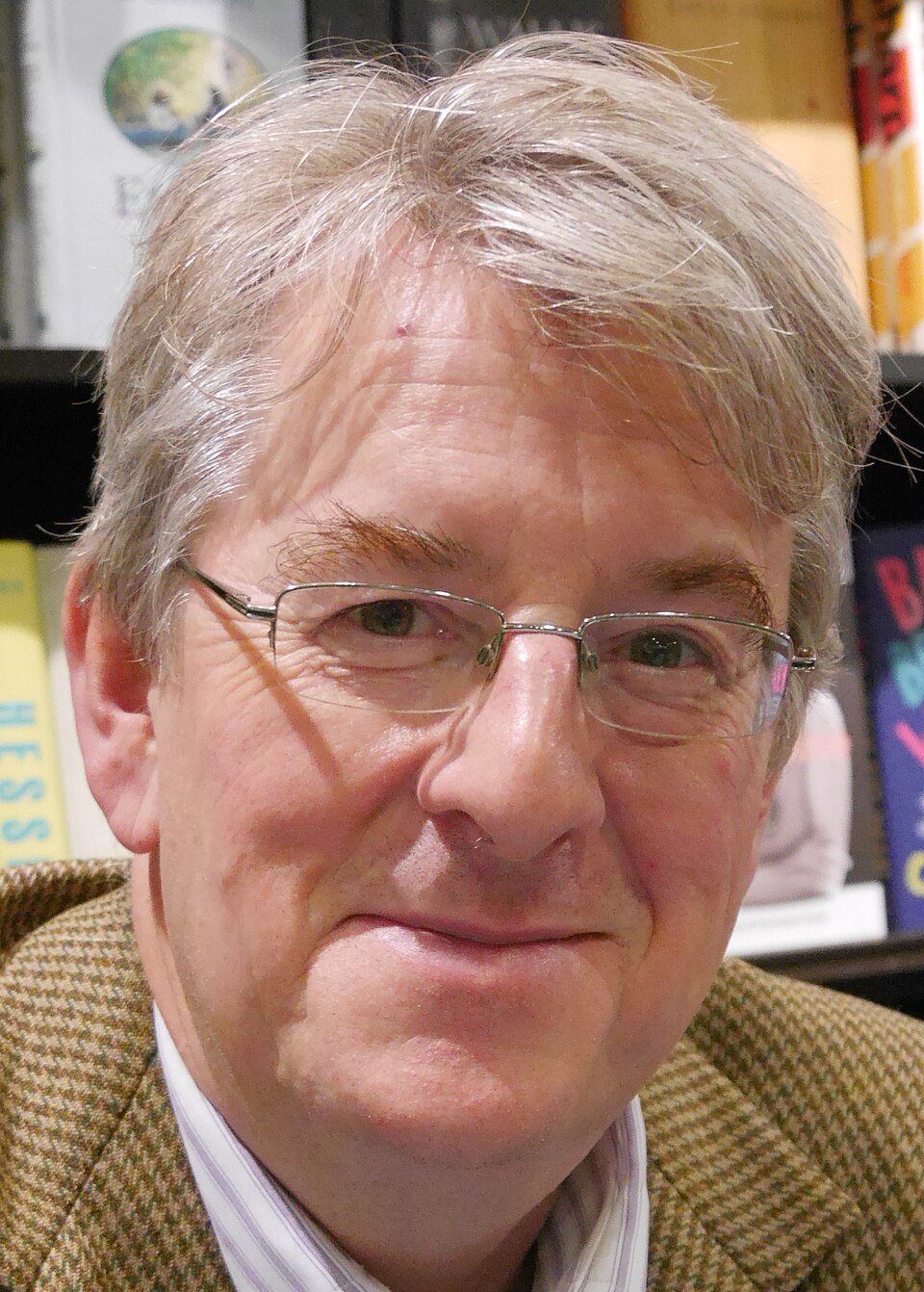 Robert HardmanJournalist and royal biographer, interviewed on Times Radio by Ed Vaizey
Before this statement
Said in a Times Radio interview on September 18, four days before the book’s publication.
"The person who was most visibly moved, the most emotional person in that entire funeral was Prince Charles. So this idea that he’s elated, that he’s somehow, you know, giddily dancing around the room, I’m afraid I don’t buy it. But that’s how Charles Spencer remembers it. So that’s his view. But the king clearly remembers it very differently."
Challenged the characterizationCase context: Earl Spencer's memoir claims about King Charles's reaction to Diana's death
Full statement and sources
Royal author Robert Hardman told Times Radio he did not accept the “giddily elated” characterisation, citing Charles’s visible emotion at the funeral, while acknowledging that it is how Spencer remembers the exchange.
After the statement
Hardman writes for the Daily Mail, which paid for the serialisation of the memoir. His evidence is his observation of Charles at the 1997 funeral; he was not party to the telephone call. The quoted wording is our transcription of the audio.
Why this label?
On Hardman rejects the accuracy of Spencer’s characterisation of Charles’s demeanour, offering his own observation of the funeral as counter-evidence. He stops short of alleging invention, expressly allowing that this is how Spencer remembers it and framing the disagreement as two differing recollections, which keeps it within “Challenged the characterization” rather than condemns.
This label describes the statement's response within the context above.
 Jennie BondRoyal commentator; BBC royal correspondent 1989-2003
Before this statement
Said on BBC Breakfast on September 18, 2026, the morning after the Daily Mail published the second tranche of excerpts from "Swan Song: Diana, My Sister" alleging that Charles sounded "giddily elated" on the call confirming Diana's death.
"I have no reason to disbelieve this is his memory of what happened, but there are usually two sides to a conversation and a story."
Mixed or conditionalResponding to: During the phone call confirming Diana's death in 1997, then-Prince Charles "sounded giddily elated - like a lottery winner."
Full statement and sources
Jennie Bond told BBC Breakfast she had no reason to doubt that Spencer's account reflects his own memory, while noting there are "usually two sides" to such an account; she separately described his "vindictive account" as "extraordinary."
After the statement
Bond covered the royal household for the BBC from 1989 to 2003, including the period of Diana's death, but was not a party to the call Spencer describes. Her remark is the more equivocal of the two commentator responses carried in the same BBC report; Dickie Arbiter rejected the account outright the previous evening.
Charles 'sounded giddily elated' after Diana died, Earl Spencer claimsClosing section, following the summary of the Daily Mail excerpts: the paragraphs carrying Dickie Arbiter's Newsnight remarks, Jennie Bond's BBC Breakfast remarks, and the note on Prince Harry's representatives.Why this label?
On whether Spencer's account of Charles's words and demeanour is accurate, Bond holds two materially different positions at once. She credits the account's sincerity ("no reason to disbelieve this is his memory of what happened"), which withholds any suggestion that Spencer is inventing it, and in the same breath withholds endorsement of it as an accurate record of the exchange ("there are usually two sides to a conversation and a story"). She also characterizes the account as "vindictive" and "extraordinary," a judgment about how Spencer has told it rather than about whether it is true. “Challenged the characterization” loses because she expressly does not dispute Spencer's rendering -- she declines to treat his memory as the whole of it, which is a weaker and genuinely two-sided position. “Condemned” loses because her criticism is of the memoir's tone and motive, not of the case's underlying matter.
This label describes the statement's response within the context above.
- Charles SpencerAuthor of the forthcoming memoir "Swan Song: Diana, My Sister"; Princess Diana's brotherDirectly involved
Before this statement
Buckingham Palace had issued an unusual public statement on September 16, saying grief "can cloud reason, affect judgement and colour memory in ways others do not recognise," in response to Spencer's memoir excerpts published by the Daily Mail (recorded at 901, 979, 980). The Palace declined to comment further on these new remarks.
"I've only ever had two calls on the line with Prince Charles at any stage of my life. I was hyper alert to what he was saying and those are precisely the words that he said and I promise that to you now. Genuinely, that is what he said. I don't hear him saying he didn't say that. [...] He went ballistic, would be the right term, and started really going for my family as a whole, about their sense of duty, not being adequate enough, and ranted for a while, I have no idea how long, but it was a significant period, and I just listened. And then he stopped and I thought, oh now, now he's gonna pull himself together and say something more appropriate. And then he said, 'we'll forget her soon enough.' I really was so stunned, and I just, after a stunned silence, I said, I cannot believe you just said that. And I hung up on him. [...] They've sort of smudged that one, haven't they? They've said that recollections may vary. [...] I'm telling the truth."
CondemnedCase context: Earl Spencer's memoir claims about King Charles's reaction to Diana's death
Full statement and sources
In a BBC interview with Laura Kuenssberg, responding directly to Buckingham Palace's statement that grief can "cloud reason, affect judgement and colour memory," Earl Spencer said he stood by his account word for word, explaining that he had only ever had two phone calls with Charles and was "hyper alert" to what was said. He gave a fuller account of the call, saying Charles "went ballistic" and ranted about the Spencer family's sense of duty before saying "we'll forget her soon enough," after which Spencer said he hung up on him. He characterized the Palace's response as having "smudged" the matter by suggesting recollections may vary.
After the statement
Spencer's book, Swan Song: Diana, My Sister, is due for publication the following week. The full interview was scheduled to air on BBC iPlayer and BBC One that Sunday.
'I'm telling the truth': Earl Spencer defends Diana book claims about Charles in BBC interview · BBCBBC News article carrying an exclusive interview conducted at Althorp; full interview airs on BBC iPlayer and BBC One that Sunday.Why this label?
Spencer reaffirms and expands his account here, insisting on its accuracy and directly rejecting the Palace's suggestion that his memory may be unreliable. This continues the same condemnation of Charles's alleged conduct recorded at 979 and 980, but is a separately dated, distinct statement: it is his first response to the Palace's specific rebuttal (901), made in a different venue (a broadcast interview rather than memoir excerpts) and adds new detail (Charles going "ballistic," Spencer hanging up on him) not previously captured. The closest competing label is “Challenged the characterization”, since part of the interview disputes the Palace's characterization of his memory as unreliable; that loses because the interview goes well beyond disputing that characterization to restate and add detail to the substantive condemnation of Charles's conduct.
This label describes the statement's response within the context above.
Dickie ArbiterRoyal commentator; Buckingham Palace press secretary 1988-2000, including at the time of Diana's death and funeral Before this statement
Said on BBC Newsnight on the evening of September 17, 2026, hours after the Daily Mail published the second tranche of excerpts from "Swan Song: Diana, My Sister," in which Spencer wrote that Charles sounded "giddily elated - like a lottery winner" on the call confirming Diana's death.
"There's no way he could have ever said anything like that. Charles Spencer is just talking hogwash."
Challenged the characterizationResponding to: During the phone call confirming Diana's death in 1997, then-Prince Charles "sounded giddily elated - like a lottery winner."
Full statement and sources
Dickie Arbiter, Buckingham Palace press secretary at the time of Diana's death and funeral, told BBC Newsnight that Charles was "devastated at the time" and that "it's not in his character," rejecting Spencer's account of the call.
After the statement
Arbiter was press secretary at Buckingham Palace at the time of Diana's death, but was not a party to the private telephone call Spencer describes; his rejection rests on his assessment of Charles's character and of his demeanour during that period, not on direct knowledge of the call. He is the first named figure outside the Palace and the Spencer family to dispute the account on the record.
Charles 'sounded giddily elated' after Diana died, Earl Spencer claimsClosing section, following the summary of the Daily Mail excerpts: the paragraphs carrying Dickie Arbiter's Newsnight remarks, Jennie Bond's BBC Breakfast remarks, and the note on Prince Harry's representatives.BBC Newsnight clip: Dickie Arbiter rejects Earl Spencer's "giddily elated" claimVideo clip posted by the programme's official account, with the pull-quote carried in the post text.Why this label?
On whether Spencer's account of Charles's words and demeanour is accurate, Arbiter disputes the attribution outright, saying there is "no way" Charles could have said anything like that and offering a competing description of his state at the time ("devastated"). That is a challenge to the accuracy of Spencer's characterization rather than a defence of any conduct: the case does not put Charles's behaviour up for moral evaluation, it puts Spencer's rendering of it in question. This is the same label carried by Buckingham Palace's statement, though Arbiter goes further: the Palace questioned the reliability of Spencer's memory without denying the remark, while Arbiter denies it. “Condemned” loses because Arbiter's criticism of Spencer is a means of rejecting the account, not an evaluation of the case's underlying conduct.
This label describes the statement's response within the context above.
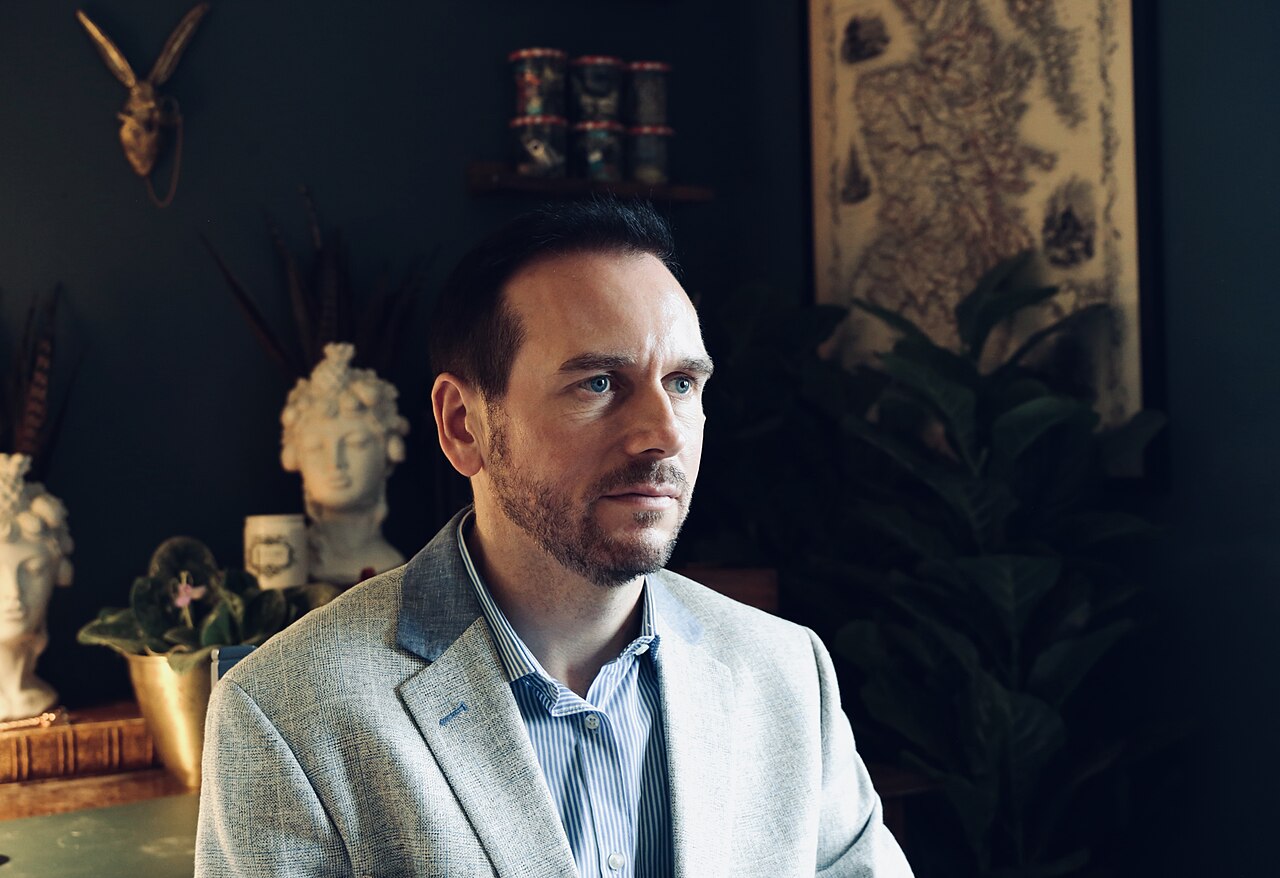 Grant HarroldFormer royal butler to King Charles at Highgrove House (2004-2011), speaking on the podcast The Royals Uncensored
Before this statement
Harrold spoke with co-hosts Katie Nicholl and Jo Elvin the day after the Daily Mail began serializing Spencer's memoir and Buckingham Palace issued its initial statement.
"The King certainly didn't want Diana forgotten, I saw that firsthand! This is a nuclear strike at the heart of the monarchy. This is extraordinary, what's come out. I was quite shocked. Look, it's completely possible that maybe it was an exchange of some kind, but I was around, especially in those days after Princess Diana had obviously died... and from my experience - and this is me being very honest and open with everyone here - he still, I believe, had feelings for [her], I think he still cared for her. He still wore her wedding ring as far as I could see, and that obviously was removed, obviously, after his next wedding. And there were other things around that very much meant she was still part of their lives. Now, why would you still want those memories? Why would you keep those things, those personal things around, if you were telling the word that, she'll be forgotten?"
Challenged the characterizationCase context: Earl Spencer's memoir claims about King Charles's reaction to Diana's death
Full statement and sources
On the podcast The Royals Uncensored, Grant Harrold, who worked as a royal butler for Charles at Highgrove from 2004 to 2011, said "the King certainly didn't want Diana forgotten," and that he saw that "firsthand." He said it is "completely possible that maybe it was an exchange of some kind," but that from his own experience in the period after Diana's death, he believed Charles still had feelings for her, citing that Charles continued to wear her wedding ring until his remarriage and kept other personal items connected to her.
After the statement
Harrold did not say he witnessed the phone call Spencer describes; his account is based on his general experience working for Charles in the period afterward.
Ex-royal butler slams Earl Spencer's 'nuclear strike' at King Charles in bombshell Diana book (The Express)Paragraphs quoting Grant Harrold's remarks on The Royals Uncensored podcast, September 17, 2026Why this label?
On whether Spencer's account of Charles's words and demeanour after Diana's death is accurate, Harrold does not flatly deny the exchange occurred — he calls it "completely possible" — so this is not a denial like Arbiter's. Instead he disputes the characterization that Charles was indifferent to Diana or wanted her forgotten, offering his own firsthand observations (the wedding ring, kept personal items) as counter-evidence. The closest competing label is condemns, which this case uses for accounts that support Charles's side; it loses here because Harrold does not reject Spencer's account of the words as false, only the broader characterization of Charles's feelings that the account implies.
This label describes the statement's response within the context above.
Ken WharfeFormer Metropolitan Police royal protection officer who was Diana, Princess of Wales’s personal protection officer from 1987 to late 1993, interviewed on Times Radio Before this statement
Presenter Dominic O’Connell introduced Wharfe after summarising Spencer’s claim that Charles told him “rest assured we’ll forget her soon enough” and Buckingham Palace’s statement the previous evening suggesting grief could have affected Spencer’s judgment and memory. He asked whether Spencer’s account of Charles’s reaction to Diana’s death rang true.
"Well, I mean, it's not for me to say that it's true what the King is alleged to have said. I can see why Spencer has written this book. Do I think that the King said something like this? Well, he's quite capable of it. And maybe in this line here, when discussing with Spencer about Diana's death and so forth, you know, when he was meant to be saying, well, you know, she'd be soon forgotten. I can see him grimacing over that statement. But that's not to say that he actually said it or actually meant it. But I do believe that Spencer, from the times that I've met him and known him, I don't see him actually making things up here to sell his book. Personally, I think Spencer is right."
Mixed or conditionalCase context: Earl Spencer's memoir claims about King Charles's reaction to Diana's death
Full statement and sources
Interviewed on Times Radio’s The Times at One, former royal protection officer Ken Wharfe said it was “not for me to say that it's true what the King is alleged to have said,” but that Charles is “quite capable of it” and that he could imagine him “grimacing” over the line without having “actually said it or actually meant it.” He said he does not see Spencer “making things up here to sell his book” and that “Personally, I think Spencer is right,” while adding that he “wasn't privy to the conversation.” Asked about criticism that Spencer is cashing in on his sister’s legacy, he said he does not take that line.
After the statement
Later in the interview, asked about the Palace’s response, Wharfe said he was not privy to the conversation between Spencer and the King but could not see why Spencer would lie. He said the Palace, which he said has usually made no comment on memoirs, had this time effectively said the account was untrue.
Times Radio: King Charles is ‘quite capable’ of making comments attributed to him by Earl Spencer, says Ken Wharfe01:12–02:50 and 06:25–06:48 (Wharfe, in answer to Dominic O'Connell)Why this label?
On whether Spencer’s account of Charles’s words and demeanour after Diana’s death is accurate, Wharfe declines to say the remark was made (“not for me to say”) and allows that Charles is “quite capable of it” but may not have “actually said it or actually meant it.” Separately he says Spencer is credible, “right,” and has no reason to lie. Because he supports Spencer’s good faith while leaving the accuracy of the specific words unresolved, the statement is “Mixed or conditional”. The closest competing label is condemns, which this case uses for accounts that corroborate Spencer; it loses here because Wharfe expressly declines to confirm the words and suggests Charles may not have meant them.
This label describes the statement's response within the context above.
Robert JobsonRoyal commentator and author of Our King: Charles III, writing a column in The Sun Before this statement
The column follows Spencer’s claim that Charles told him “we’ll forget her soon enough” days after Diana died and Buckingham Palace’s statement of September 16 suggesting that grief can affect memory. Jobson writes that he was in Westminster Abbey for Diana’s funeral, in the press seats.
"In reality, Charles was devastated after Diana’s death. Now, anyone who knows King Charles knows he can have a filthy temper. It was more explosive when he was younger. He is not a vindictive man, but cross him and he can lose it. It flares up, it doesn’t last long, and he doesn’t hold grudges. He apologises soon afterwards. But he can say things in the heat of the moment, and it shouldn’t be dismissed that this could have been said. Funerals are one of the most emotional times for any family, royal or not."
Mixed or conditionalCase context: Earl Spencer's memoir claims about King Charles's reaction to Diana's death
Full statement and sources
In a column in The Sun, royal commentator and author Robert Jobson wrote that only Charles and Earl Spencer know what was said on the phone call and that Charles was “devastated after Diana’s death.” He also wrote that Charles “can have a filthy temper,” that he “can say things in the heat of the moment,” and that “it shouldn’t be dismissed that this could have been said.” He concluded that “The King is not a cruel man” and that the comment Spencer says he heard “wasn’t kind.”
After the statement
Jobson writes that at the funeral Charles “looked very emotional throughout” and “looked close to tears,” and that “towards the end of her life, he and Diana were getting on much better.” He also recounts that Charles confided in the Queen Mother’s long-time servant William “Billy” Tallon, saying, “You know, we were very much in love in the early days”; the column does not say how Jobson knows this.
I KNOW Charles was devastated when Diana died – he’s kind not cruel & wouldn’t be so flippant about mother of his kids (The Sun)Column: opening paragraphs, the paragraph beginning “In reality, Charles was devastated,” and the paragraphs from “Now, anyone who knows King Charles” to the endWhy this label?
On whether Spencer’s account of Charles’s words and demeanour after Diana’s death is accurate, Jobson does not deny that Charles may have said it: he writes that Charles “can say things in the heat of the moment” and that it “shouldn’t be dismissed that this could have been said.” He also rejects the portrait of a callous Charles, saying Charles was “devastated” and “not a cruel man.” Because he neither confirms nor refutes the account and takes different positions on the remark’s plausibility and on Charles’s state of mind, the statement is “Mixed or conditional”. The closest competing label is “Challenged the characterization”, which loses because he concedes the remark is plausible rather than only disputing its portrayal.
This label describes the statement's response within the context above.
Julian PayneCommunications secretary to the then Prince of Wales, 2016–2021, speaking on BBC Radio 4’s Today programme Before this statement
Given on BBC Radio 4's Today programme on September 17, the same day the Daily Mail published the second tranche of excerpts. Payne worked for Charles during the 20th anniversary of Diana’s death in 2017, when media interest required the household to discuss her repeatedly.
"What I remember was he was very clear that there was never to be any criticism, never to be any pushback on the narratives that were usually highly critical of him. He was absolutely emphatic that we were to respect her memory and not undermine it in any way."
Challenged the characterizationCase context: Earl Spencer's memoir claims about King Charles's reaction to Diana's death
Full statement and sources
Julian Payne, who ran Charles’s communications from 2016 to 2021, told BBC Radio 4’s Today programme that he did not recognise the way the King is being characterised in Spencer’s account, and described Charles as emphatic that Diana’s memory was to be respected and never publicly contested.
After the statement
Vanity Fair reports that Charles has authorised trusted aides to speak on his behalf, and the Guardian, noting Payne remains close to the King, infers his defence came with official sanction. Neither is established here. Payne worked for Charles two decades after the events described and was not party to the call.
Vanity Fair: Charles’s former communications secretary says he does not recognise the characterisationParagraphs carrying Julian Payne’s remarks to BBC Radio 4’s Today programme.Why this label?
On whether Spencer’s account of Charles’s words and demeanour is accurate, Payne disputes the characterisation, saying he does not recognise it and offering a contrary account of how Charles spoke about Diana in private. He does not deny the telephone call occurred or claim direct knowledge of it; his evidence is his own experience of Charles’s standing instructions years later. That is a challenge to the characterisation rather than a denial of the specific remark, which is the same label the Palace statement and Dickie Arbiter carry here.
This label describes the statement's response within the context above.
- Charles SpencerAuthor of "Swan Song: Diana, My Sister" and brother of Diana, Princess of Wales, in excerpts published by the Daily MailDirectly involved
Before this statement
Excerpts published the previous day carried Spencer's claim that Charles told him by telephone, "Rest assured, we'll forget her soon enough," which is this case's central quotation. Buckingham Palace responded with a rare on-record statement saying fraternal grief can cloud reason, affect judgment and colour memory.
"Unlike my other callers, who were stunned, barely able to articulate their condolences and offers of help, he sounded giddily elated – like a lottery winner, I remember thinking at the time. … It all sounded strangely matter-of-fact, given the enormity of the disaster. … Looking back now, I suspect the prince's first reaction must have been to think more of how this event might free him to marry the woman he loved, rather than appreciating the loss of one he did not."
CondemnedCase context: Earl Spencer's memoir claims about King Charles's reaction to Diana's death
Full statement and sources
In further excerpts from his memoir "Swan Song: Diana, My Sister," published by the Daily Mail on September 17, Charles Spencer describes the telephone call he says he received from the then Prince Charles after Diana's death in 1997. He writes that, unlike other callers, Charles sounded giddily elated, like a lottery winner, and that the call was strangely matter-of-fact given the enormity of what had happened. He says Charles told him he had informed William and Harry of their mother's death that morning in their bedrooms at Balmoral. Spencer adds that, looking back, he suspects Charles's first reaction was to consider how the death might free him to marry Camilla rather than to register the loss. The account is Spencer's recollection and the inference about Charles's state of mind is expressly his own supposition; neither is established here.
After the statement
Asked about the new claims, Buckingham Palace referred ITV News to that same statement rather than issuing a fresh one. ITV's royal editor Chris Ship said the Palace is unlikely to fall into a pattern of responding to repeated claims from the book. "Swan Song: Diana, My Sister" is due to publish on September 22.
Why this label?
Spencer is the author of that account and here extends it, characterising Charles's demeanour on the call as elation and imputing a self-interested motive. That is an adverse judgment on the conduct under scrutiny, made by its principal accuser. The closest competing label is “Challenged the characterization”, which is how Buckingham Palace's reply (901) is classified; it does not fit Spencer, who is not disputing a description but advancing one.
This label describes the statement's response within the context above.
- Charles SpencerAuthor of "Swan Song: Diana, My Sister" and brother of Diana, Princess of Wales, writing in the memoir as serialisedDirectly involved
Before this statement
The memoir recounts the days immediately after Diana's death in a car crash in Paris in August 1997, when Spencer was receiving condolence calls. He contrasts the call he attributes to Charles with those from other callers.
"He unleashed down the phone what I have always taken to be his pent-up contempt for Diana, and his horror that the world was so bowled over by her death. "Rest assured," he hissed, "we'll forget her soon enough!""
CondemnedCase context: Earl Spencer's memoir claims about King Charles's reaction to Diana's death
Full statement and sources
In his memoir "Swan Song: Diana, My Sister," serialised from September 16, Charles Spencer writes that the then Prince Charles telephoned him in the days after Diana's death in 1997 and said, "Rest assured, we'll forget her soon enough." Spencer describes the remark as hissed and attributes it to what he calls Charles's pent-up contempt for Diana and his horror at the scale of public grief. This is the central allegation of the case. The quotation is Spencer's recollection of a private call almost three decades earlier; the characterisations of Charles's tone and motive are his own, and Buckingham Palace has neither confirmed nor denied the words.
After the statement
Buckingham Palace responded in a rare on-record statement that it does not comment on books as a matter of principle, but that His Majesty is mindful that "the pain of fraternal grief can cloud reason, affect judgment and colour memory in ways others do not recognise, even many years after such a loss." Further excerpts published on September 17 carried Spencer's separate claim that Charles sounded "giddily elated" on the call, recorded separately. The book publishes on September 22.
Why this label?
Spencer is the author of that account and makes the allegation at the centre of the case, attributing to Charles both the remark and a contemptuous motive for it. That is an adverse judgment on the conduct under scrutiny by its principal accuser, and it sits opposite Buckingham Palace's reply, classified “Challenged the characterization” for questioning the reliability of the recollection without denying the words. The closest competing label is “Challenged the characterization”; it does not fit, because Spencer is advancing a description rather than disputing one.
This label describes the statement's response within the context above.
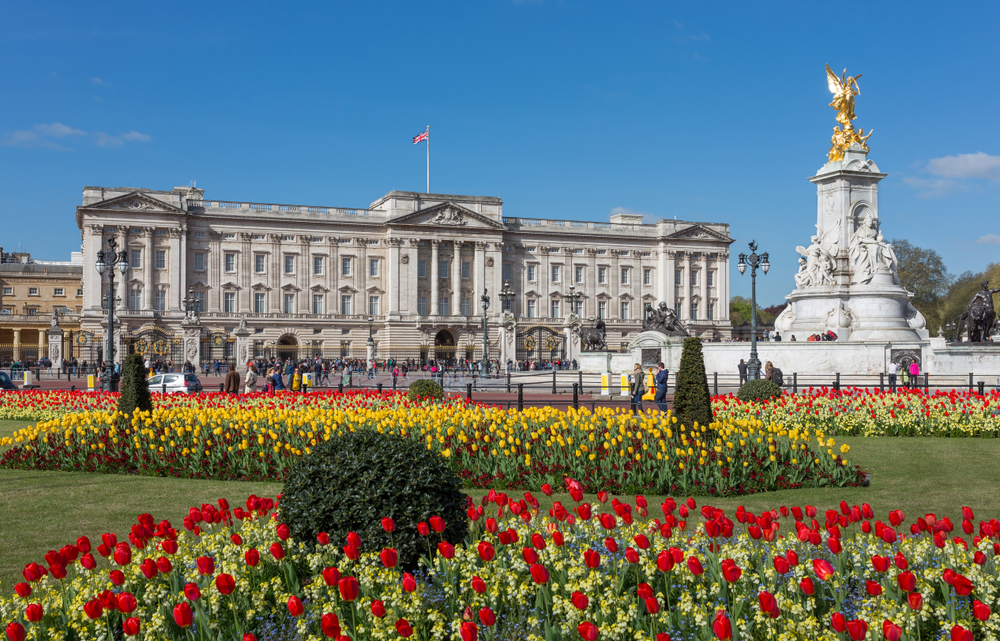 Buckingham PalaceOfficial statement issued by a Buckingham Palace spokesperson on behalf of King Charles III
Before this statement
Issued the same day Charles Spencer's memoir "Swan Song: Diana, My Sister" began serialization, in which Spencer wrote that then-Prince Charles made the "we'll forget her soon enough" remark to him by phone in the days after Diana's 1997 death.
"While we do not comment on books as a matter of principle, His Majesty is mindful that the pain of fraternal grief can cloud reason, affect judgment and colour memory in ways others do not recognise, even many years after such a loss."
Challenged the characterizationResponding to: In the days after Diana's death in 1997, then-Prince Charles told him by phone, "Rest assured, we'll forget her soon enough."
Full statement and sources
Buckingham Palace, without directly confirming or denying the alleged remark, said in a statement that grief "can cloud reason ... and colour memory."
After the statement
The statement did not directly confirm or deny that the specific remark was made, and no named Palace official was quoted; the statement was attributed to a Buckingham Palace spokesperson.
Buckingham Palace rebuts claim in book by Princess Diana's brotherParagraph carrying the Buckingham Palace statement in full.Why this label?
The Palace statement does not confirm or deny that Charles made the specific remark Spencer attributes to him. Instead, without addressing the quotation directly, it suggests Spencer's account may be distorted by "fraternal grief" clouding "reason," "judgment," and "memory" many years on -- disputing the reliability of Spencer's characterization of what was said, rather than either admitting or flatly denying it.
This label describes the statement's response within the context above.
Sources
(27)
Reporting
Earl Spencer Claims Charles Told Him They Would "Forget" Diana "Soon Enough"
Excerpt
"He unleashed down the phone what I have always taken to be his pent-up contempt for Diana, and his horror that the world was so bowled over by her death. "Rest assured," he hissed, "we'll forget her soon enough!""
About this source
IBTimes UK report quoting the memoir "Swan Song: Diana, My Sister" directly: the alleged phone call in which then-Prince Charles told Spencer "we'll forget her soon enough," and Spencer's reply.
- Published
- Accessed
Interview
Charles Spencer discusses memoir in CTV Your Morning interview
Relevant passage: Sections: From wedding highs to divorce lows; A fight with the Royal Family
About this source
CTV Your Morning interview with Anne-Marie Mediwake, airing October 2. Private conversations are Spencer's recollections.
- Author
- Kendra Mangione
- Published
- Accessed
Reporting
Earl Spencer apologises to Piers Morgan over ‘incorrect assumption’
Relevant passage: Paragraphs identifying the memoir as published Tuesday and the September 22 bookshop photograph caption.
Excerpt
"the book, which was published on Tuesday"
About this source
The Guardian reported that “Swan Song: Diana, My Sister” was published Tuesday and showed the book in a London bookshop on September 22. Its separate reporting on Spencer’s apology to Piers Morgan concerns a different memoir assertion and does not resolve the case’s claims about King Charles.
- Published
- Accessed
Reporting
A new book by Princess Diana’s brother has revived old wounds within the British royal family
Relevant passage: Opening paragraph beginning “A new book published Tuesday.”
Excerpt
"A new book published Tuesday by the brother of the late Princess Diana ..."
About this source
Associated Press reported that Charles Spencer’s “Swan Song: Diana, My Sister” was published Tuesday, September 22. The report is used here to confirm publication of the memoir, not to resolve the memoir’s substantive claims about King Charles.
- Published
- Accessed
Reporting
Ex-royal butler slams Earl Spencer's 'nuclear strike' at King Charles in bombshell Diana book (The Express)
Relevant passage: Paragraphs quoting Grant Harrold's remarks on The Royals Uncensored podcast, September 17, 2026
Excerpt
"The King certainly didn't want Diana forgotten, I saw that firsthand!"
About this source
The Express's report of remarks Grant Harrold made on The Royals Uncensored podcast (with co-hosts Katie Nicholl and Jo Elvin) on September 17, 2026. It identifies Harrold as a former royal butler who worked for Charles at Highgrove between 2004 and 2011.
- Author
- The Express
- Published
- Accessed
Original text
I KNOW Charles was devastated when Diana died – he’s kind not cruel & wouldn’t be so flippant about mother of his kids (The Sun)
Relevant passage: Column: opening paragraphs, the paragraph beginning “In reality, Charles was devastated,” and the paragraphs from “Now, anyone who knows King Charles” to the end
Excerpt
"But he can say things in the heat of the moment, and it shouldn’t be dismissed that this could have been said."
About this source
Robert Jobson's column in The Sun, published at 22:01 BST on September 17, 2026. It identifies him as author of the Sunday Times bestseller Our King: Charles III, says he reported on the royals for more than 35 years and attended Diana's funeral from the press seats, and responds to Earl Spencer's claim that Charles told him “we’ll forget her soon enough.”
- Author
- Robert Jobson
- Published
- Accessed
Original video
Times Radio: King Charles is ‘quite capable’ of making comments attributed to him by Earl Spencer, says Ken Wharfe
Excerpt
"Personally, I think Spencer is right."
About this source
Times Radio's 8:15 video of Ken Wharfe's interview on The Times at One with presenter Dominic O'Connell, posted to its YouTube channel on September 17, 2026. O'Connell introduces Wharfe as Princess Diana's personal protection officer from 1987 to late 1993. The video opens with a 24-second excerpt of Wharfe's remarks before the interview begins at 00:24.
- Author
- Times Radio
- Published
- Accessed
Original video
GB News: 'King Charles wouldn't even think that' - ex-Palace spokesman on Earl Spencer's allegations
Excerpt
"I do not believe he ever said that, let alone think that."
About this source
GB News' 10:30 video of a segment in which the presenter interviews royal commentator Dickie Arbiter, introduced as the former press spokesman for Queen Elizabeth II. Arbiter's remarks on Spencer's claim and motive begin at 01:37; he returns to Spencer's finances at 05:00.
- Author
- GB News
- Published
- Accessed
Reporting
Princess Diana's brother claims Charles sounded "like a lottery winner" after she died (CBS News)
Relevant passage: Paragraphs quoting Spencer on the CBS Sunday Morning interview
Excerpt
""I said in the book that that might have been it, yeah," he told CBS News."
About this source
CBS News' report previewing the interview, which quotes Spencer saying he is “not justifying or criticizing” and that Charles's attitude may have reflected feeling free to pursue Camilla.
- Author
- CBS News
- Accessed
Original video
CBS News extended interview: Charles Spencer on Princess Diana
Charles Spencer says he is not bitter, in an extended CBS News interview, Sept. 20, 2026.
Excerpt from 22:58 to 23:24 of the CBS News video. DI added its logo in the corner.
Video: CBS News. Excerpt used for news reporting and commentary
Watch the full original video (opens in a new tab) (relevant passage: 23:14-23:20)
Excerpt
"No, I'm absolutely not bitter."
About this source
The closing minutes of CBS News' extended interview with Charles Spencer, in which he is asked whether he is bitter and whether he has a relationship with King Charles.
- Author
- CBS News
- Published
- Accessed
Original video
CBS News extended interview: Charles Spencer on Princess Diana
Charles Spencer discusses Princess Diana in an extended CBS News interview, Sept. 20, 2026.
Excerpt from 6:02 to 6:48 of the CBS News video. DI added its logo in the corner.
Video: CBS News. Excerpt used for news reporting and commentary
Watch the full original video (opens in a new tab) (relevant passage: 06:05-06:45)
Excerpt
"I'm not justifying or criticizing. I'm reporting that's the fact."
About this source
CBS News' 25:50 extended interview with Charles Spencer about his memoir Swan Song: Diana, My Sister, published September 20, 2026 alongside the CBS Sunday Morning broadcast. This passage concerns his account that Charles sounded upbeat during their phone call after Diana's death.
- Author
- CBS News
- Published
- Accessed
Original text
Richard Kay: I spoke to Earl Spencer straight after Diana's death (Daily Mail)
Relevant passage: Section beginning “He and I spoke several times during that frightful week between Diana’s death and her funeral”
Excerpt
"Cuttingly he added: ‘He has been utterly pathetic.’"
About this source
Column by the Daily Mail's senior editor-at-large Richard Kay, headlined with the claim that what Spencer told him at the time about his row with Charles “chimes with his damning memoir.” It runs beside extracts from Spencer's memoir Swan Song: Diana, My Sister, which the Mail is serialising.
- Author
- Richard Kay
- Published
- Accessed
Interview
Key takeaways from BBC interview as Earl Spencer defends claims about King
Relevant passage: Section “Charles had ‘giddy tone’ after Diana’s death”; exchange in which Laura Kuenssberg asks whether Spencer can be sure what then-Prince Charles was thinking.
Excerpt
"I cannot be sure, I'm saying that's what I assume from the tone is a possibility."
About this source
BBC’s published summary of its interview with Charles Spencer reports that he described a “giddy tone” and “lightness” in Charles’s voice after Diana’s death. When asked whether he could be sure what Charles was thinking, Spencer said his explanation was an inference from the tone, not certainty about Charles’s internal motivation.
- Author
- BBC News
- Published
- Accessed
Interview
Mail on Sunday interviews Earl Spencer about the Palace's response to his Diana memoir
Relevant passage: Paragraphs reporting Spencer's response to the Palace statement, beginning 'It is not every day you wake up to find...'
About this source
Original Mail on Sunday interview with Charles Spencer about Buckingham Palace's September 16 response to his memoir. His 'gaslit' wording characterizes the Palace's response; it does not independently establish what was said in the disputed 1997 calls.
- Author
- Mark Hookham
- Published
- Accessed
Official statement
Penguin Press to Publish Charles Spencer’s Swan Song
Relevant passage: Publication-schedule paragraph
Excerpt
"U.S. publication is slated for September 22, 2026."
About this source
Official Penguin Random House announcement that describes the U.S. release date as scheduled, rather than as a completed publication.
- Accessed
Interview
'I'm telling the truth': Earl Spencer defends Diana book claims about Charles in BBC interview
Relevant passage: BBC News article carrying an exclusive interview conducted at Althorp; full interview airs on BBC iPlayer and BBC One that Sunday.
Excerpt
"I've only ever had two calls on the line with Prince Charles at any stage of my life. I was hyper alert to what he was saying and those are precisely the words that he said and I promise that to you now. [...] They've sort of smudged that one, haven't they? They've said that recollections may vary. [...] I'm telling the truth."
About this source
BBC News's report on Laura Kuenssberg's exclusive interview with Earl Spencer at his Althorp estate, published September 18, 2026, responding directly to Buckingham Palace's September 16 statement that grief "can cloud reason, affect judgement and colour memory." The Palace declined to respond to these further comments. This is a new, separately dated statement from Spencer's earlier memoir-excerpt claims.
- Author
- Laura Kuenssberg
- Published
- Accessed
Archived source
Associated Press, 9 September 1997: Earl Spencer denies clashing with the Palace over funeral plans
Relevant passage: Paragraph following the Channel 4 report of the Palace’s funeral plans.
Excerpt
"But Diana’s brother, the 9th Earl Spencer, in a statement late Monday night denied he had clashed with the palace over the funeral plans. He said: “We were united in the aim of giving Diana a suitable funeral and all arrangements up to and including the service were agreed amicably between the Lord Chamberlain’s office and myself.”"
About this source
Contemporaneous wire report, from the New York Times archive. It records a statement Spencer issued nine days after Diana’s death. It concerns the funeral arrangements and his dealings with the Lord Chamberlain’s office; it does not address the telephone call from the then Prince Charles that this case turns on, and is recorded as dated context rather than as a contradiction of his 2026 account.
- Author
- Associated Press
- Published
- Accessed
Original video
Times Radio: Andy Webb says Spencer is “never anything less than a truth teller”
Excerpt
"He came across to me as never anything less than a truth teller. … He’s a ferocious note taker. And indeed, the account of that conversation with King Charles about, you know, Diana will soon be forgotten — I can say now that that conversation itself had been, you know, relayed to me confidentially, and I’m sure not only me over the years."
About this source
Webb knows Spencer through work on his book about the 1995 Panorama interview. The quotation is our transcription of the published audio. A second guest in the same segment argues the claims are “all entirely unprovable”; that passage is a different speaker and is not attributed to Webb here.
- Author
- Times Radio
- Published
- Accessed
Original video
Times Radio: Robert Hardman on Earl Spencer’s “giddily elated” claim
Excerpt
"The person who was most visibly moved, the most emotional person in that entire funeral was Prince Charles. So this idea that he’s elated, that he’s somehow, you know, giddily dancing around the room, I’m afraid I don’t buy it. But that’s how Charles Spencer remembers it. So that’s his view. But the king clearly remembers it very differently."
About this source
Interview with Ed Vaizey. The quoted wording is our transcription of the audio. Hardman writes for the Daily Mail, which paid for the serialisation of the memoir he is discussing.
- Author
- Times Radio
- Published
- Accessed
Reporting
Vanity Fair: Charles’s former communications secretary says he does not recognise the characterisation
Relevant passage: Paragraphs carrying Julian Payne’s remarks to BBC Radio 4’s Today programme.
Excerpt
"Julian Payne, who ran Charles’s communications from 2016 to 2021 and worked with the prince during the 20th anniversary of Diana’s death in 2017, told BBC Radio 4’s Today that he did not recognize “the way the king is being characterized in those remarks.”"
About this source
Carries the fullest text of Payne’s BBC Radio 4 remarks of September 17. The same article reports that Charles has authorised trusted aides to speak on his behalf, and the Guardian’s analysis of the same day notes Payne remains close to the King, inferring that his defence came with official sanction. That inference is the Guardian’s, not established here.
- Author
- Katie Nicholl
- Published
- Accessed
Original post
BBC Newsnight clip: Dickie Arbiter rejects Earl Spencer's "giddily elated" claim
Excerpt
"The man was devastated... Charles Spencer is just talking hogwash."
About this source
The programme's own clip of the interview, posted by the official BBC Newsnight account at 22:07 UTC on September 17, 2026. It fixes the date of Arbiter's remarks to the Newsnight broadcast of that evening, the night before BBC News published its written report. The post text joins two parts of Arbiter's answer with an ellipsis; the fuller, unelided quotations are carried in the BBC News article.
- Author
- BBC Newsnight
- Published
- Accessed
Reporting
Charles 'sounded giddily elated' after Diana died, Earl Spencer claims
Relevant passage: Closing section, following the summary of the Daily Mail excerpts: the paragraphs carrying Dickie Arbiter's Newsnight remarks, Jennie Bond's BBC Breakfast remarks, and the note on Prince Harry's representatives.
Excerpt
"Dickie Arbiter, who was press secretary to the late Queen at the time of Princess Diana's death and funeral, told BBC Newsnight that Charles was "devastated at the time" and that "it's not in his character"."
About this source
BBC News report on the second tranche of memoir excerpts. It is the first source to carry substantive third-party responses to Spencer's account rather than only Spencer and the Palace. The BBC is reporting interviews conducted on its own programmes -- Arbiter on Newsnight, Bond on BBC Breakfast -- so the quotations are first-party to the broadcaster. The article also records that representatives of Prince Harry "have said they do not want to comment on the book" and that Buckingham Palace pointed back to its September 16 statement rather than issuing a new one.
- Author
- Patrick Jackson and Sean Coughlan
- Published
- Accessed
Reporting
ITV News: "Charles sounded 'giddily elated like lottery winner' over Diana's death, Earl Spencer claims"
Excerpt
"he sounded giddily elated – like a lottery winner, I remember thinking at the time."
About this source
ITV News report of September 17, 2026, 7:37 PM on further excerpts from Charles Spencer's memoir "Swan Song: Diana, My Sister," published by the Daily Mail that day. The passages quoted describe the telephone call Spencer says he received from the then Prince Charles after Diana's death in 1997. This is a separate allegation from the "forgotten soon enough" quotation already recorded in this case, drawn from the same book. Buckingham Palace referred ITV News to its statement of the previous day rather than issuing a new one, indicating its position was unchanged. ITV's royal editor Chris Ship is quoted saying the Palace is unlikely to fall into a pattern of responding to repeated claims from the memoir. The quoted passages are Spencer's recollection and his inference about Charles's state of mind; neither is established here, and the book is not published until September 22.
- Author
- ITV News
- Published
- Accessed
Reporting
'Never complain, never explain': Buckingham Palace broke its own golden rule over Princess Diana claims
Relevant passage: Paragraphs on the Palace's past non-responses and the quoted royal correspondents.
Excerpt
"Charles has also stuck to the same approach and has not responded to Harry's 2023 memoir Spare... Similarly, the palace declined to comment on Tom Bower's book Rebel Prince and Omid Scobie's 2023 book Endgame."
About this source
Collected as the evidence for describing the Palace's September 16 statement as rare. It records that the Palace did not respond to Prince Harry's Spare and declined to comment on Tom Bower's Rebel Prince and Omid Scobie's Endgame. It quotes Sky News's Laura Bundock calling the statement “a really remarkable intervention” and BBC former royal correspondent Jennie Bond calling it “'recollections may vary' with bells on”. These are characterisations by correspondents, not findings.
- Author
- Alison Coldridge, Yahoo Entertainment
- Published
- Accessed
Reporting
Buckingham Palace rebuts claim in book by Princess Diana's brother
Relevant passage: Paragraph carrying the Buckingham Palace statement in full.
Excerpt
"While we do not comment on books as a matter of principle, His Majesty is mindful that the pain of fraternal grief can cloud reason, affect judgment and colour memory in ways others do not recognise, even many years after such a loss."
About this source
Carries the Buckingham Palace statement in full, preserving the Palace's own British spelling of “colour” and “recognise”. Several U.S. outlets, including Fox News and NBC News, print the same sentence with American spellings. The statement is a single sentence. It questions the reliability of Earl Spencer's recollection and does not deny the remark he attributes to Charles, a distinction several headlines describing the statement as a rebuttal do not carry.
- Author
- ABC News
- Published
- Accessed
Reporting
King Charles responds to criticism from Princess Diana's brother
About this source
ABC News Australia report corroborating the quote and Palace statement, and identifying Daily Mail as the serialization outlet and September 22, 2026 as the book's publication date.
- Published
- Accessed
Reporting
King Charles responds to Charles Spencer's claims about Princess Diana in a rare statement
Excerpt
"While we do not comment on books as a matter of principle, His Majesty is mindful that the pain of fraternal grief can cloud reason, affect judgment and color memory in ways others do not recognize, even many years after such a loss."
About this source
Fox News report giving the full text of Buckingham Palace's statement responding to Spencer's memoir claim.
- Published
- Accessed
Corrections
(4)
Corrections address errors in our reporting or labels. When a speaker changes their position, we add a separate statement and link it to the earlier one.
Reporting correction
Correction to: Statement by Julian Payne
- Previous language
- Given the day after the second tranche of excerpts.
- Corrected language
- Given on BBC Radio 4's Today programme on September 17, the same day the Daily Mail published the second tranche of excerpts.
We said Julian Payne spoke the day after the Daily Mail published the second set of excerpts from Charles Spencer's memoir. The Daily Mail published that set on Thursday, September 17, the day Payne spoke on Today, according to Vanity Fair and the Guardian. The date of the statement, September 17, and the quoted words are unchanged.
This corrects our account of what happened.
Carries the fullest text of Payne’s BBC Radio 4 remarks of September 17. The same article reports that Charles has authorised trusted aides to speak on his behalf, and the Guardian’s analysis of the same day notes Payne remains close to the King, inferring that his defence came with official sanction. That inference is the Guardian’s, not established here.
Reporting correction
Correction to: Statement by Grant Harrold
- Previous language
- Harrold spoke with co-hosts Katie Nicholl and Jo Elvin two days after the Daily Mail began serializing Spencer's memoir and the day after Buckingham Palace's initial statement. Harrold did not say he witnessed the January 1997 phone call itself; his account is based on his general experience working for Charles in the period afterward.
- Corrected language
- Harrold spoke with co-hosts Katie Nicholl and Jo Elvin the day after the Daily Mail began serializing Spencer's memoir and Buckingham Palace issued its initial statement. Harrold did not say he witnessed the phone call Spencer describes; his account is based on his general experience working for Charles in the period afterward.
We said Grant Harrold spoke two days after the Daily Mail began serializing Charles Spencer's memoir. The first excerpt appeared on September 16 and Harrold spoke on September 17, one day later. We also dated the phone call Spencer describes to January 1997. Spencer places it in the days after Diana's death on August 31, 1997. We corrected both lines. The quoted words, the date of the statement and the classification are unchanged.
This corrects our account of what happened.
The Express's report of remarks Grant Harrold made on The Royals Uncensored podcast (with co-hosts Katie Nicholl and Jo Elvin) on September 17, 2026. It identifies Harrold as a former royal butler who worked for Charles at Highgrove between 2004 and 2011.
Archived copy (opens in a new tab)Reporting correction
Correction to: /cases/king-charles-earl-spencer-diana-forgotten-soon-enough
- Previous language
- The published timeline title states that "Swan Song: Diana, My Sister" “publishes” on September 22, 2026.
- Corrected language
- The timeline will describe September 22, 2026 as the book’s scheduled U.S. publication date until the release is independently verified as having occurred.
The published timeline used completed-event language before the announced publication date. Penguin Random House describes the U.S. release as slated for September 22, 2026.
This corrects our account of what happened.
Official Penguin Random House announcement that describes the U.S. release date as scheduled, rather than as a completed publication.
Reporting correction
Correction to: Earl Spencer's memoir claims about King Charles's reaction to Diana's death
- Previous language
- The source excerpt shown with the timeline entry rendered the Palace statement with American spellings, “color memory in ways others do not recognize”, while the response record on the same page rendered the Palace's own spellings, “colour memory in ways others do not recognise”. The case also described the statement as rare without giving the basis for it.
- Corrected language
- The statement is now sourced to a report that preserves the Palace's own spelling, so one wording appears throughout the case. The case context now records why the statement is unusual: the Palace did not respond to Spare and declined to comment on Rebel Prince and Endgame, and the statement asserts the no-comment principle before commenting.
The statement was first sourced to a U.S. report that Americanised two words, so the same sentence appeared two different ways on one page. The wording is unchanged in substance; the spelling now matches the Palace's. Separately, the word “rare” was carried over from reporting without supporting evidence on the page. A reader raised the underlying question on Bluesky on September 17, 2026.
This corrects our account of what happened.
Carries the Buckingham Palace statement in full, preserving the Palace's own British spelling of “colour” and “recognise”. Several U.S. outlets, including Fox News and NBC News, print the same sentence with American spellings. The statement is a single sentence. It questions the reliability of Earl Spencer's recollection and does not deny the remark he attributes to Charles, a distinction several headlines describing the statement as a rebuttal do not carry.
Collected as the evidence for describing the Palace's September 16 statement as rare. It records that the Palace did not respond to Prince Harry's Spare and declined to comment on Tom Bower's Rebel Prince and Omid Scobie's Endgame. It quotes Sky News's Laura Bundock calling the statement “a really remarkable intervention” and BBC former royal correspondent Jennie Bond calling it “'recollections may vary' with bells on”. These are characterisations by correspondents, not findings.
Share or embed this case
The embed keeps its attribution link to The Dispute Index. Credit the image to The Dispute Index and link to the case page.
Cite this record
- Publisher
- The Dispute Index
- Title
- Earl Spencer's memoir claims about King Charles's reaction to Diana's death
- First published
- Last updated
- Permalink
- https://disputeindex.com/cases/king-charles-earl-spencer-diana-forgotten-soon-enough
The Dispute Index. "Earl Spencer's memoir claims about King Charles's reaction to Diana's death". First published: 2026-09-17. Last updated: 2026-09-17. https://disputeindex.com/cases/king-charles-earl-spencer-diana-forgotten-soon-enough