
U.S. denies a visa to Bethlehem priest Issa Thaljieh, who says it was because he is Palestinian
The U.S. denied a visa to Father Issa Thaljieh, parish priest at Bethlehem's Church of the Nativity, ahead of November events in Washington. He says his Palestinian identity was the reason; the State Department says every visa decision is a national security decision.
Case period:
Published by The Dispute Index editorial teamPublished Updated
Overview
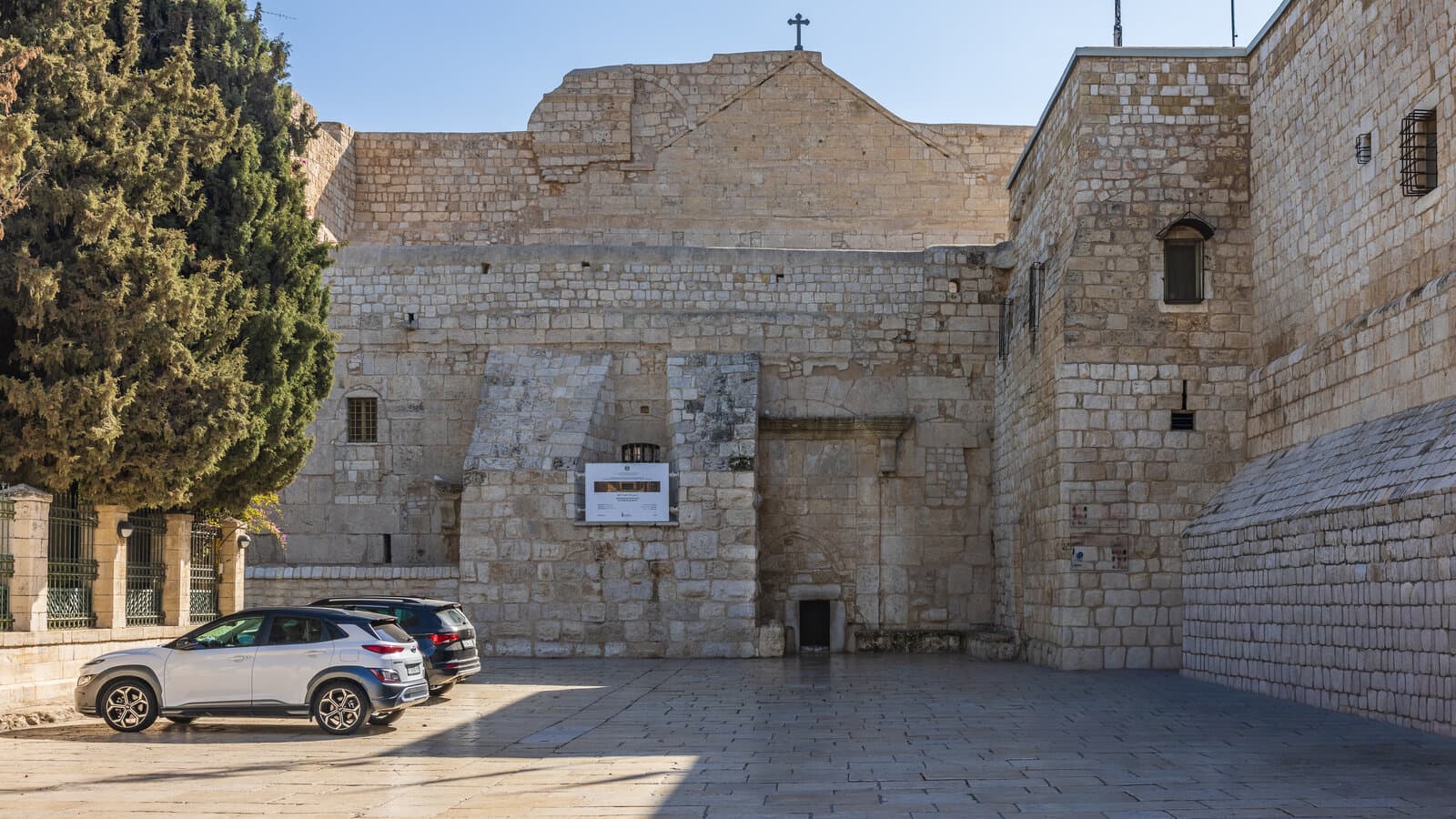
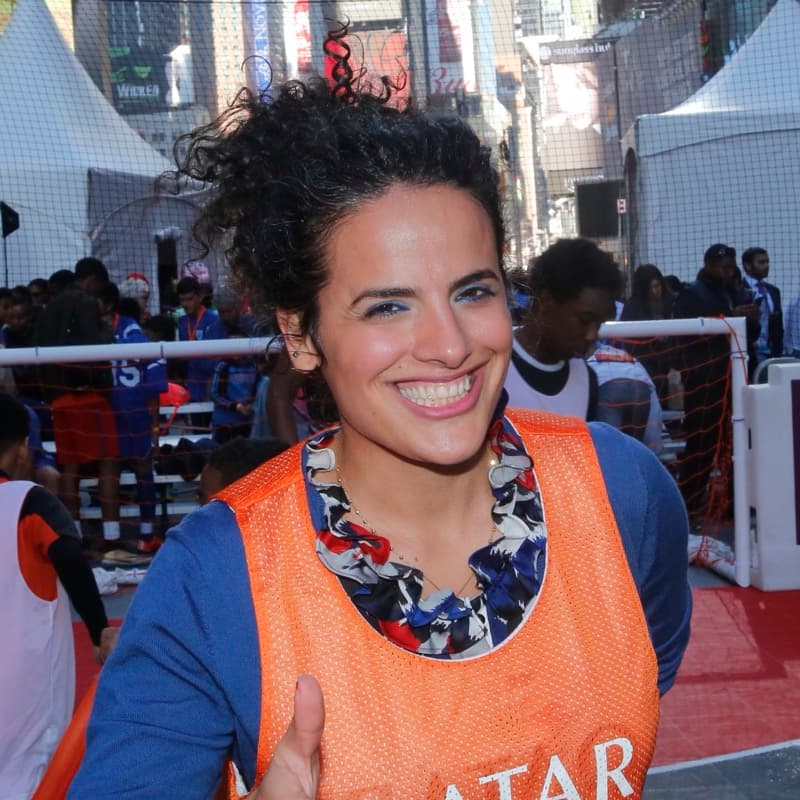
Father Issa Thaljieh, the Greek Orthodox parish priest at the Church of the Nativity in Bethlehem, was denied a U.S. visa before a weekend of Christian events in the Washington area in November 2026. He had been expected at the Not in Christ's Name conference in Potomac, Maryland, on November 14 and at a November 16 press conference near the Capitol organized by Orthodox Christians for Palestine, which announced the refusal on November 8. His sister, the Palestinian football pioneer Honey Thaljieh, spoke in his place.
In a statement released by the Vulnerable People Project, Thaljieh said his interview at the U.S. Embassy put considerable emphasis on his being Palestinian and that he felt this was the main factor in the decision. He later told Anadolu that he had applied hoping for an exception to the Trump administration's restrictions on Palestinian travel documents, was told none could be granted, and believes his nationality and Palestinian identity were the only reason for the refusal.
A State Department spokesperson told The Jerusalem Post that U.S. embassies and consulates are prioritizing thorough vetting of each visa case, issue a visa only when the applicant can show that he or she meets all requirements of U.S. law, and treat every visa decision as a national security decision. The paper reported that the department had not clarified the specific grounds for the refusal, and that it was unclear whether the application was rejected under the blanket restriction on Palestinian Authority documents or after an individual security assessment.
Read the full background
Proclamation 10998, which President Trump signed on December 16, 2025, fully suspends the entry of foreign nationals traveling on documents issued or endorsed by the Palestinian Authority, as immigrants and nonimmigrants, from January 1, 2026. The proclamation says such travelers cannot currently be properly vetted, citing U.S.-designated terrorist groups active in the West Bank and Gaza, the likely effect of the recent war on vetting and screening, and the Palestinian Authority's weak or nonexistent control of those areas. It allows case-by-case exceptions, including when the Secretary of State finds that a person's travel would serve a U.S. national interest. The Jerusalem Post noted that it sets no specific exemption for religious leaders or clergy.
The Vulnerable People Project, a Catholic group whose founder, Jason Jones, was to share a conference panel with Thaljieh, said in its November 13 release that the Rev. Munther Isaac, a Palestinian Lutheran pastor, had also been denied a visa. Isaac wrote on November 14 that he had not applied, because he expected a refusal under the restrictions on Palestinian Authority passport holders, and he cited Thaljieh's refusal as confirmation.
Thaljieh told Anadolu that he took part in the November 14 conference by Zoom. At the organizers' November 16 press conference at the United Methodist Building, Palestinian and American clergy urged Congress to hold Israeli settlers and the Israeli military accountable for violence against Palestinians.
People in this case
 Qasim RashidCommented
 Bishara BahbahCommented
 Munther IsaacCommented
 Honey ThaljiehCommented
Timeline
4 timeline entries on this page. Dates: December 16, 2025 to November 16, 2026
December 2025
Trump proclamation suspends entry for travelers using Palestinian Authority documents
President Trump signed Proclamation 10998, which fully suspends the entry of foreign nationals traveling on documents issued or endorsed by the Palestinian Authority, as immigrants and nonimmigrants, from January 1, 2026. It allows case-by-case exceptions, including when the Secretary of State finds that a person's travel would serve a U.S. national interest.
November 2026
Organizers say Father Issa Thaljieh was denied a U.S. visa
Incident
In a press release for its November 16 press conference on Capitol Hill, Orthodox Christians for Palestine said Father Issa Thaljieh, parish priest at the Church of the Nativity in Bethlehem, had been denied a U.S. visa and that his sister, Honey Thaljieh, would speak in his place.
Thaljieh joins the U.S. conference by Zoom instead of in person
Unable to travel, Thaljieh took part by Zoom in the November 14 conference he had been invited to attend, he told Anadolu. The Jerusalem Post identified the event as the Not in Christ's Name conference in Potomac, Maryland.
Honey Thaljieh speaks for her brother at the Capitol Hill press conference
Orthodox Christians for Palestine held its November 16 press conference in Washington, where clergy urged Congress to stand up for churches affected by Israeli settler and military violence. Honey Thaljieh spoke for her brother, according to a November 16 post by Sam Husseini.
In their own words
Their own account
Statements from the person or group whose act or claim this case is about. They are listed apart from the responses, and each label says what the speaker did with their own act or claim.
 U.S. Department of StateFederal department that runs U.S. embassies and consulates and issues visas, in a spokesperson's statement to The Jerusalem Post
"Our embassies and consulates around the world are prioritizing thoroughly vetting each visa case above all else. They do not issue a visa unless the applicant can credibly demonstrate he or she meets all requirements under US law. Every visa decision is a national security decision"
ExplainedCase context: U.S. denies a visa to Bethlehem priest Issa Thaljieh, who says it was because he is Palestinian
Full statement and sources
Contacted about the refusal, a State Department spokesperson tells The Jerusalem Post that U.S. embassies and consulates are prioritizing thorough vetting of each visa case, issue a visa only when the applicant can show that he or she meets all legal requirements, and treat every visa decision as a national security decision.
Before the statement
The Jerusalem Post reports that Thaljieh believes his Palestinian identity was the main factor in the refusal. When the paper contacted the State Department, a spokesman said the Trump administration continues to put America and its interests first by fully enforcing U.S. immigration laws and ensuring lawful travel through the visa process.
After the statement
The Jerusalem Post adds that it remains unclear whether Thaljieh's application was rejected under the blanket restriction on Palestinian Authority documents or after an individual security assessment, and that the State Department has not clarified the specific grounds for the refusal.
Bethlehem priest denied US visa, says Palestinian identity was central to decision · The Jerusalem PostWhy this label?
The case concerns the U.S. refusal of Father Issa Thaljieh's visa. Asked about the refusal, the State Department, which made the decision, describes its vetting as thorough and lawful and says every visa decision is a national security decision, without giving a reason specific to Thaljieh or answering his account, so we labeled it Explained.
This label describes the statement's response within the context above.
Response record
Responses
Choose one response filter, or select All responses to see the full record.
6 responses. Newest first.
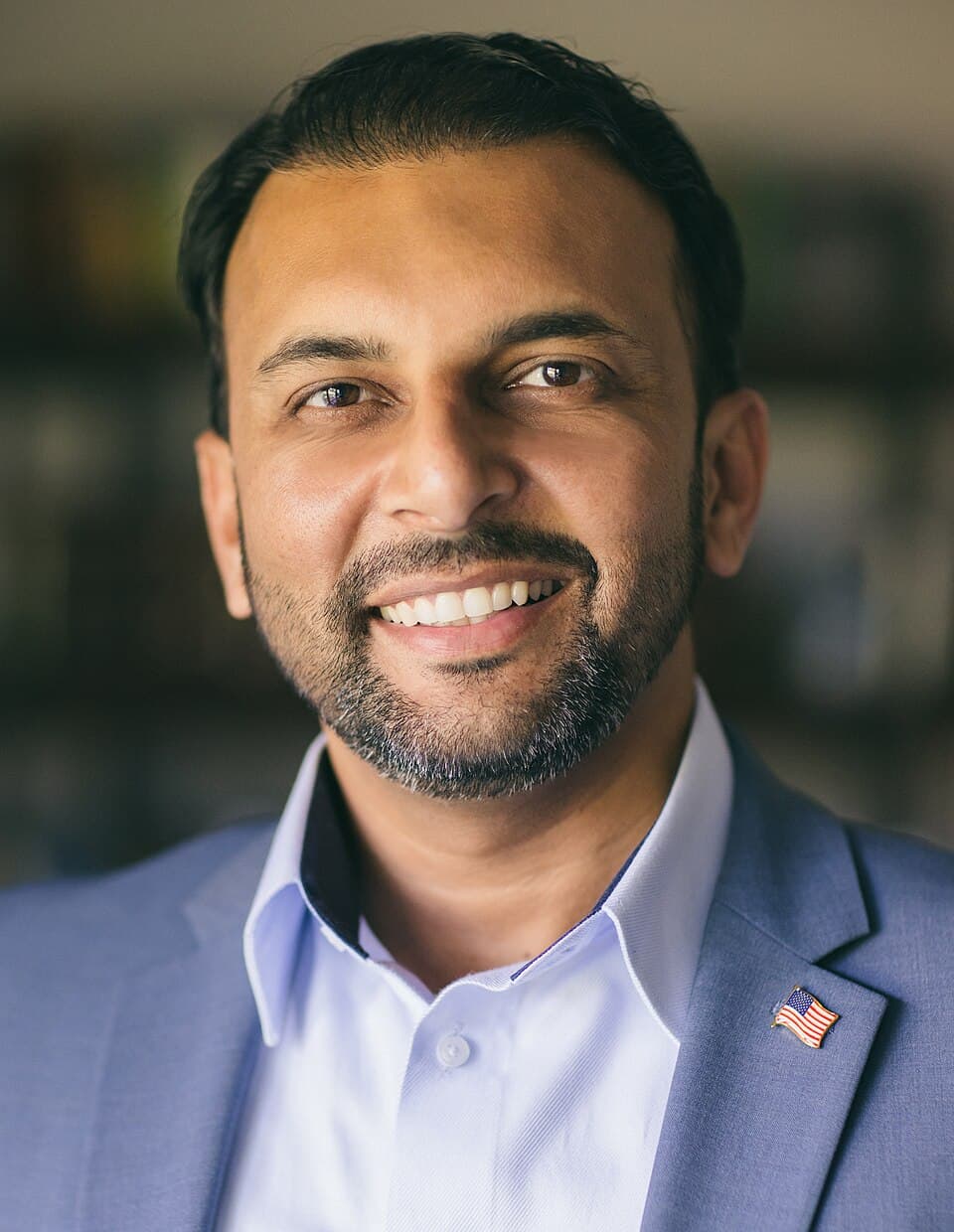
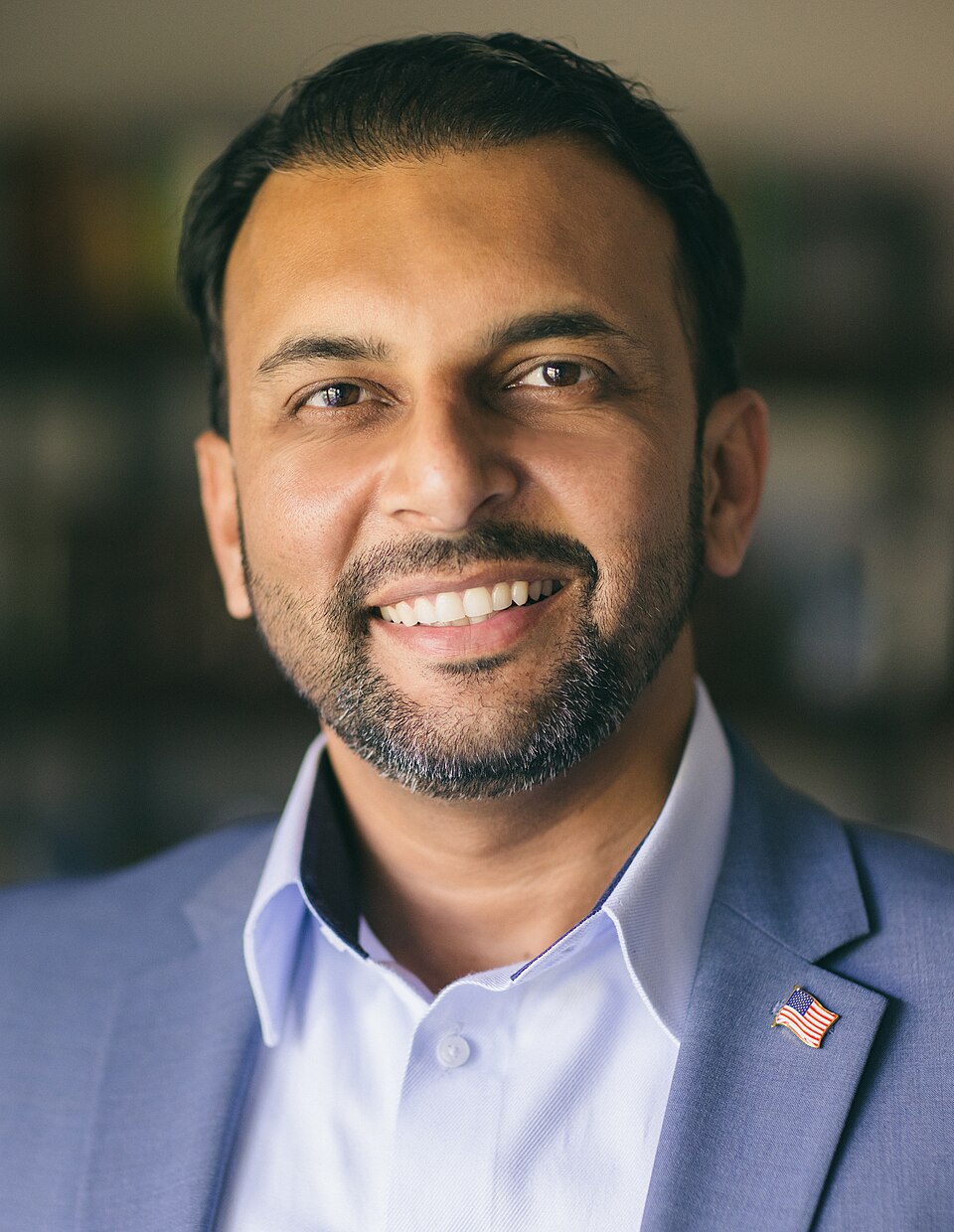 Qasim RashidHuman rights lawyer and author, in a post on X
"The US State Dept has BLOCKED Father Issa Thaljieh, the Greek Orthodox Christian parish priest at the Church of the Nativity in Bethlehem, from entering the United States. And Trump & Rubio BLOCKED him. REMINDER: The only people persecuting Christians in the USA are Christian Nationalists."
CondemnedCase context: U.S. denies a visa to Bethlehem priest Issa Thaljieh, who says it was because he is Palestinian
Full statement and sources
Rashid writes that the State Department blocked Thaljieh from entering the United States, blames President Trump and Secretary Rubio, and says the only people persecuting Christians in the United States are Christian nationalists.
Before the statement
The Jerusalem Post reported on November 15 that Thaljieh, the Greek Orthodox parish priest at the Church of the Nativity, had been denied entry to the United States, and that he said he felt his Palestinian identity was the main factor behind the decision.
After the statement
Rashid's post also quotes Thaljieh's statement that he had hoped to share the reality of Christian life in Bethlehem and speak about the challenges facing his community. The Jerusalem Post reports that a State Department spokesperson, contacted about the refusal, said every visa decision is a national security decision.
Qasim Rashid X post on the visa refusal for Father Issa Thaljieh · Qasim RashidPost on XBethlehem priest denied US visa, says Palestinian identity was central to decision · The Jerusalem PostWhy this label?
The case concerns the U.S. refusal of Father Issa Thaljieh's visa. Rashid says President Trump and Secretary Rubio blocked the priest from entering the country and adds that Christian nationalists are the only people persecuting Christians in the United States, so we labeled it Condemned.
This label describes the statement's response within the context above.
Issa ThaljiehGreek Orthodox parish priest at the Church of the Nativity in Bethlehem, in an interview with AnadoluDirectly involved "I believe the reason for the rejection is that I'm a Palestinian and live in this Holy Land My application was rejected because of my nationality and Palestinian identity. That is the main reason, and there is no other reason."
CondemnedCase context: U.S. denies a visa to Bethlehem priest Issa Thaljieh, who says it was because he is Palestinian
Full statement and sources
Thaljieh tells Anadolu that he believes his U.S. visa application was rejected because he is Palestinian and lives in the Holy Land, and that his nationality and Palestinian identity were the only reason.
Before the statement
Thaljieh tells Anadolu that he applied for the visa despite the restrictions introduced under President Trump, hoping he might qualify for an exception, and that he was told an exception could not be granted. He says he had hoped to convey Bethlehem's message of love and peace before Christmas and to describe Palestinians' suffering under Israeli occupation.
After the statement
He tells Anadolu that he also wanted to join Orthodox parishioners in the United States in worship and discuss the pressures driving Christians to leave Bethlehem, and that he took part in the conference remotely by Zoom.
Bethlehem priest says US denied him visa for being PalestinianInterview quotes in the first half of the articleWhy this label?
The case concerns the U.S. refusal of Father Issa Thaljieh's visa. Thaljieh says his application was rejected because of his nationality and Palestinian identity and that there was no other reason, an account that faults the decision itself, so we labeled it Condemned.
This label describes the statement's response within the context above.
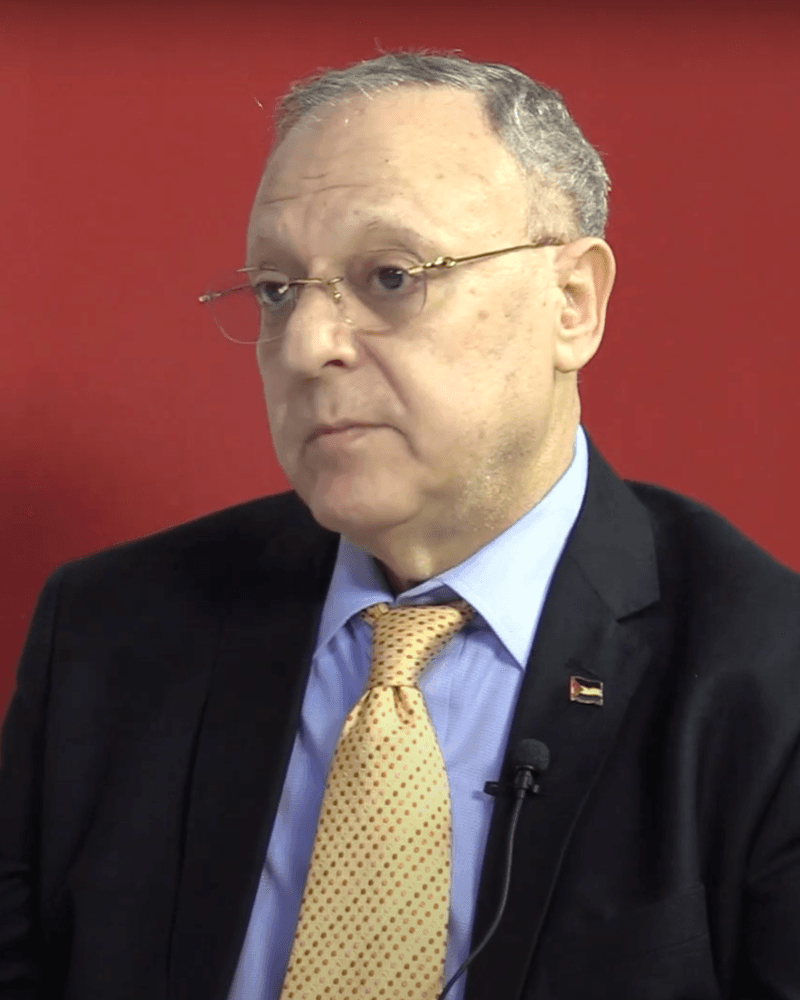
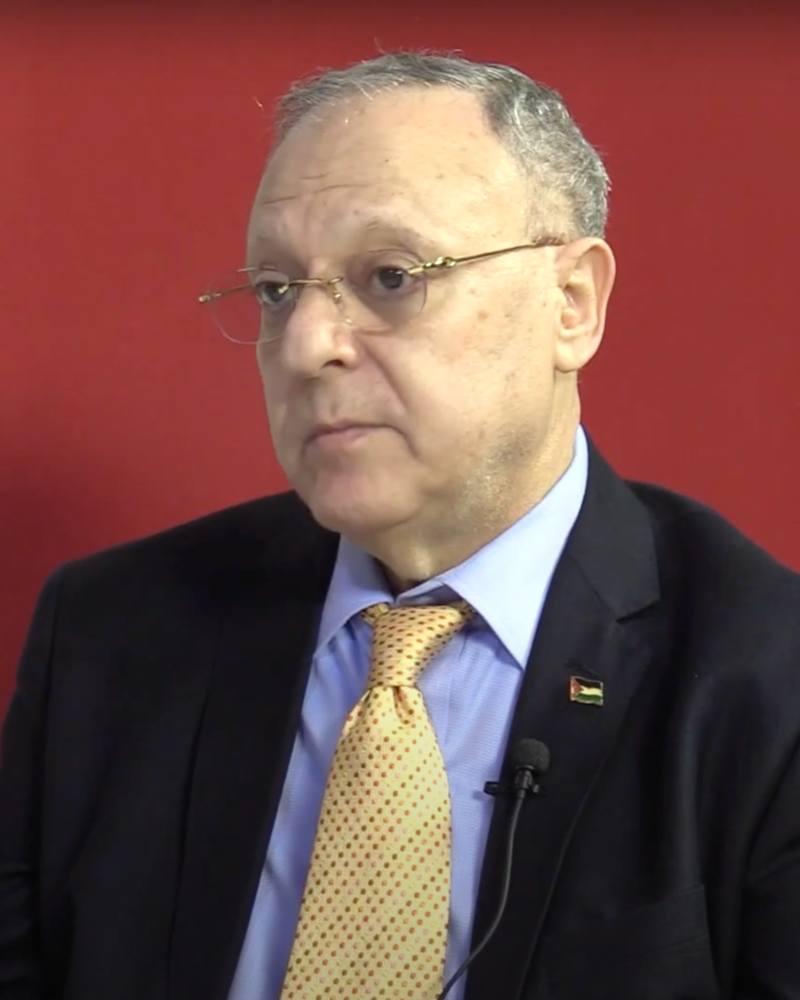 Bishara BahbahChairman of Arab Americans for Peace and founder of Arab Americans for Trump, in a post on X
"How much danger do you think two Palestinian Christian clergymen pose to US national security? Why are Marco Rubio and Amb. Huckabee so fearful of two clergy members exposing the plight of Christian Palestinians under Israeli occupation?"
CondemnedCase context: U.S. denies a visa to Bethlehem priest Issa Thaljieh, who says it was because he is Palestinian
Full statement and sources
Bahbah asks how much danger two Palestinian Christian clergymen could pose to U.S. national security, and why Secretary Rubio and Ambassador Huckabee are so fearful of two clergy members exposing the plight of Christian Palestinians under Israeli occupation.
Before the statement
The Jerusalem Post reports that Thaljieh was denied entry to the United States on unspecified national security grounds and that the State Department has not clarified the specific grounds for the refusal.
After the statement
Bahbah's post also says that the U.S. embassy in Jerusalem denied entry visas to both Pastor Munther Isaac and Father Issa Thaljieh. The Jerusalem Post reports that Isaac rejected this claim, writing on Facebook, "I did not apply for a US visa".
Bishara Bahbah X post on the visa refusals for two Palestinian clergymen · Bishara BahbahPost on XBethlehem priest denied US visa, says Palestinian identity was central to decision · The Jerusalem PostWhy this label?
The case concerns the U.S. refusal of Father Issa Thaljieh's visa. Bahbah asks how much danger two Palestinian Christian clergymen could pose to U.S. national security and why Rubio and Huckabee are so fearful of them describing the plight of Christian Palestinians, disputing the security grounds and suggesting that fear of their testimony lay behind the decision, so we labeled it Condemned.
This label describes the statement's response within the context above.
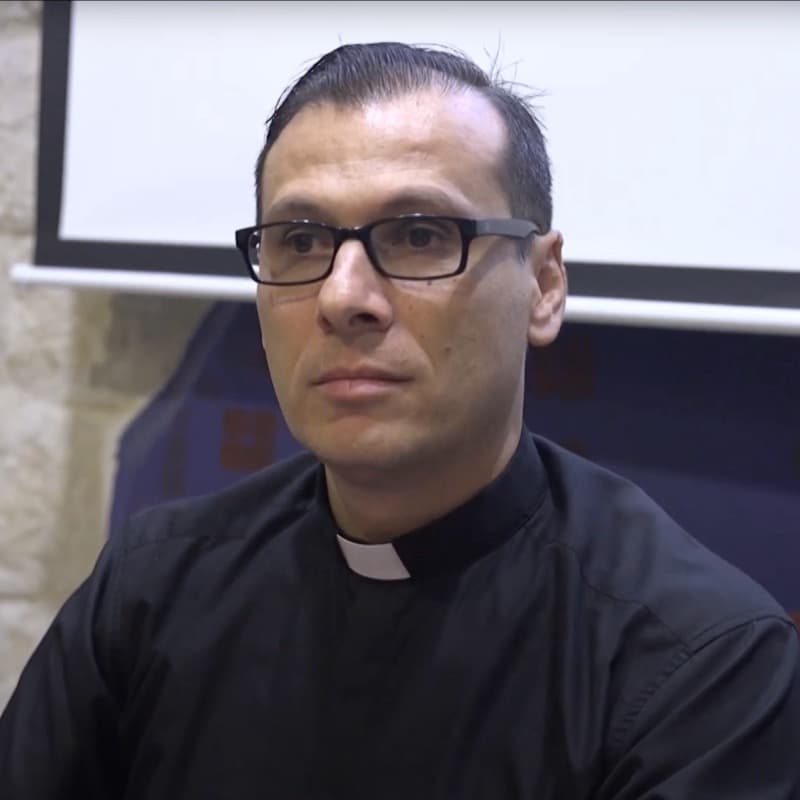
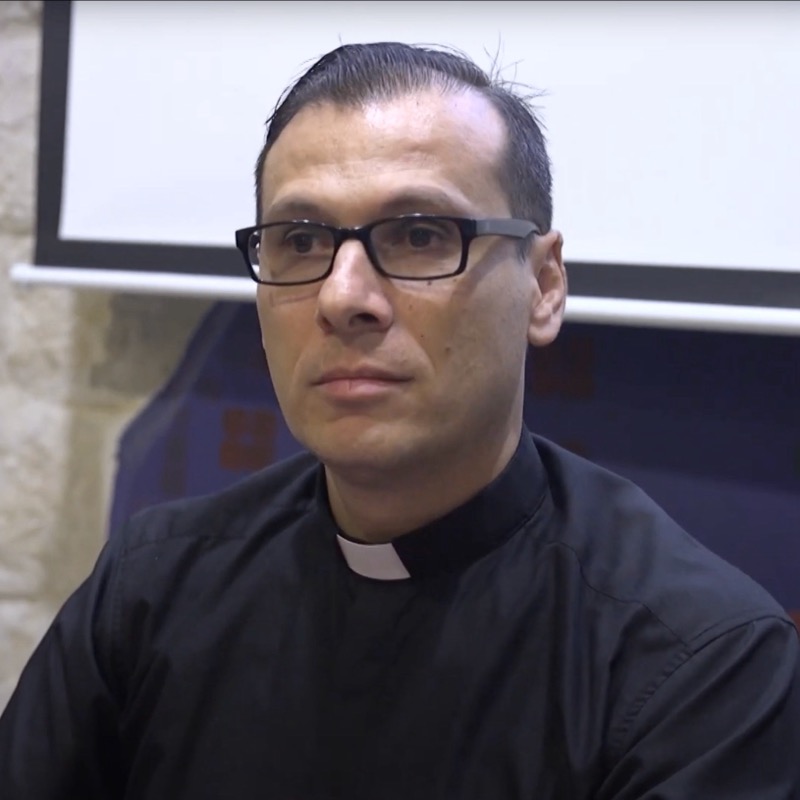 Munther IsaacPalestinian Lutheran pastor and director of the Bethlehem Institute for Peace and Justice, in a post on X
"The recent experience of Father Issa Thaljieh, an Orthodox parish priest at Bethlehem's Church of the Nativity, confirmed what I had been hearing. He applied for a U.S. visa, attended his interview, and was still denied a visa. For us as Palestinian Christians, these restrictions make it harder to stay connected with the wider church and to meet with our American partners and the people who support our work. They even keep us from sharing the realities on the ground in person. In these already difficult days, being kept apart deepens our sense of isolation."
CondemnedCase context: U.S. denies a visa to Bethlehem priest Issa Thaljieh, who says it was because he is Palestinian
Full statement and sources
Isaac says Thaljieh's refusal, after applying and attending an interview, confirmed what he had heard about the restrictions, and that the restrictions make it harder for Palestinian Christians to stay connected with the wider church and their American partners and deepen their isolation.
Before the statement
Isaac writes that some reports about his absence from the Church at the Crossroads conference in Atlanta suggested he had been personally banned from entering the United States. He says he did not apply for a visa, because he knew the Trump administration's restrictions apply to all Palestinians who hold a Palestinian Authority passport and friends who applied had not received visas.
After the statement
Between the two passages, Isaac links a Christian Newswire report on Thaljieh's case and, for more on the decision, which he says was issued on December 16, 2025 and took effect on January 1, 2026, an Associated Press report and the Federal Register text of Presidential Proclamation 10998.
Munther Isaac X post on the U.S. visa restrictions and Father Issa Thaljieh's refusal · Munther IsaacPost on XWhy this label?
The case concerns the U.S. refusal of Father Issa Thaljieh's visa. Isaac points to the refusal as confirmation of restrictions that he says keep Palestinian Christians from the wider church and from sharing conditions on the ground in person, deepening their isolation, so we labeled it Condemned.
This label describes the statement's response within the context above.
Jason JonesFounder and president of the Vulnerable People Project, in the group's press release "Our government is even taking it a step further - keeping a Palestinian Christian pastor from addressing the topic with Americans. Christians in America deserve to hear from him. President Trump and Secretary Rubio have to reverse this decision and let him come - if only for the sake of their own credibility with the American public."
CondemnedCase context: U.S. denies a visa to Bethlehem priest Issa Thaljieh, who says it was because he is Palestinian
Full statement and sources
Jones says the U.S. government is keeping a Palestinian Christian pastor from addressing Americans, that Christians in America deserve to hear from Thaljieh, and that President Trump and Secretary Rubio must reverse the decision and let him come.
Before the statement
The Vulnerable People Project's release says Thaljieh's experience in his U.S. Embassy interview led him to believe that his Palestinian nationality and identity were the primary reasons for the denial. Jones says he and Thaljieh were supposed to discuss why American audiences are kept from seeing the true face of Palestinian Christians in the Holy Land, and that the government is now doing exactly what Israeli government tour guides have done with American visitors.
After the statement
The release urges the State Department to explain the basis for the denial and promptly review the application, and asks American bishops, pastors and members of Congress to press for Thaljieh's admission. Jones adds that American Christians need to see the Holy Land beyond tour buses arranged by Israel's foreign ministry.
VPP Demands Reversal After Trump Admin Denies Visas for Two Bethlehem Christian LeadersPress release distributed by Christian Newswire for the Vulnerable People ProjectWhy this label?
The case concerns the U.S. refusal of Father Issa Thaljieh's visa. Jones, who was to share a conference panel with Thaljieh, says the government is keeping a Palestinian Christian pastor from speaking to Americans and calls on President Trump and Secretary Rubio to reverse the decision, so we labeled it Condemned.
This label describes the statement's response within the context above.
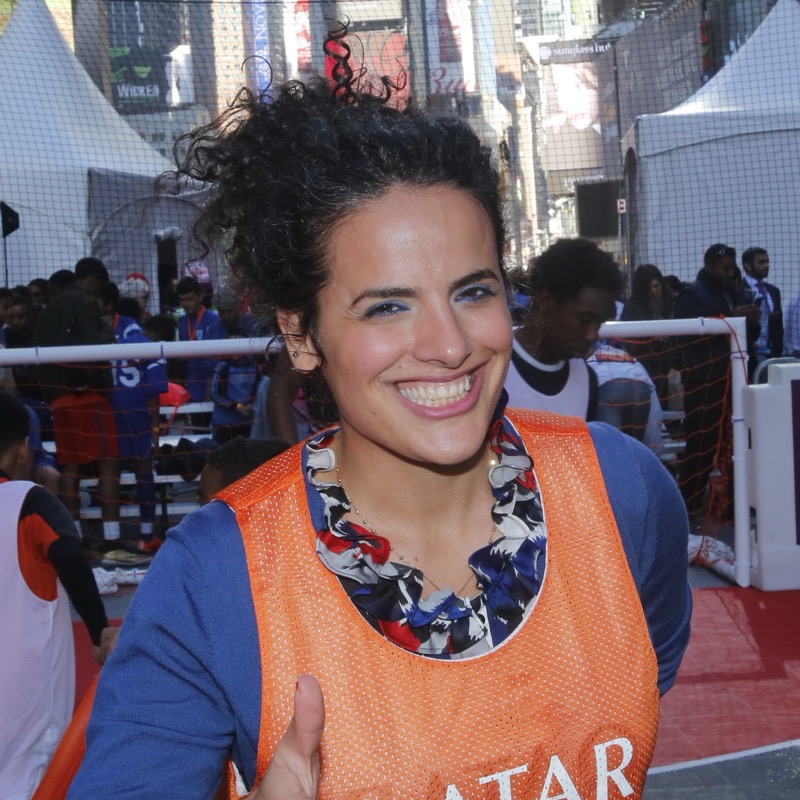 Honey ThaljiehFormer captain of the Palestine women's national football team and sister of Father Issa Thaljieh, in an Orthodox Christians for Palestine press release
"My brother could not enter America to tell you what is happening in Bethlehem. But you cannot deny a visa to a truth. You cannot silence a people by keeping one priest outside the room."
CondemnedCase context: U.S. denies a visa to Bethlehem priest Issa Thaljieh, who says it was because he is Palestinian
Full statement and sources
Honey Thaljieh says her brother could not enter the United States to describe what is happening in Bethlehem, that a visa cannot be denied to a truth, and that a people cannot be silenced by keeping one priest outside the room.
Before the statement
The Orthodox Christians for Palestine release says Father Issa Thaljieh, parish priest at the Church of the Nativity in Bethlehem, was denied a U.S. visa, and that his sister, Palestinian football pioneer Honey Thaljieh, will speak in his place at the November 16 press conference.
After the statement
She adds that she will stand in Washington as his sister and as a daughter of Bethlehem, carrying the voices of families determined to remain on their land, and that they are asking for justice, dignity and the right to stay in their homes.
Not in Christ's Name: Palestinian and American Clergy Stand Together Before CongressPress release dated November 8, 2026Why this label?
The case concerns the U.S. refusal of Father Issa Thaljieh's visa. His sister says the refusal kept him from telling Americans what is happening in Bethlehem and that keeping one priest outside the room cannot silence a people, so we labeled it Condemned.
This label describes the statement's response within the context above.
Sources
(10)
Interview
Bethlehem priest says US denied him visa for being Palestinian
Relevant passage: Interview quotes in the first half of the article
About this source
Anadolu interviews Father Issa Thaljieh in Bethlehem. He says he applied for a U.S. visa despite the restrictions on Palestinian travel documents, hoping for an exception, was told none could be granted, and believes his Palestinian identity was the reason for the refusal. He also says he joined the U.S. conference by Zoom and describes pressures pushing Christians to leave the Holy Land.
- Author
- Qais Omar Darwesh Omar and Sahin Demir
- Published
- Accessed
Original post
Sam Husseini X post on Honey Thaljieh speaking for her brother
About this source
Sam Husseini posts that Honey Thaljieh was speaking for her brother, the Church of the Nativity priest denied a U.S. visa, at the Palestinian and U.S. clergy event, with a link to the event announcement.
- Author
- Sam Husseini
- Published
- Accessed
Reporting
Trump admin denies visa to Palestinian Christian leader
About this source
Baptist News Global reports the visa refusal and the November 16 press conference in Washington hosted by Orthodox Christians for Palestine, quoting Thaljieh, a State Department spokesperson, Munther Isaac, Honey Thaljieh and other clergy.
- Author
- Jeff Brumley
- Published
- Accessed
Original text
Proclamation 10998: Restricting and Limiting the Entry of Foreign Nationals To Protect the Security of the United States
Relevant passage: 90 FR 59717; Sec. 4(h), Sec. 6(e) and Sec. 10
About this source
President Trump's proclamation of December 16, 2025, published in the Federal Register, fully suspends the entry of foreign nationals traveling on documents issued or endorsed by the Palestinian Authority, allows case-by-case national-interest exceptions, and takes effect on January 1, 2026.
- Author
- Donald J. Trump
- Published
- Accessed
Original post
Bishara Bahbah X post on the visa refusals for two Palestinian clergymen
About this source
Bahbah asks how much danger two Palestinian Christian clergymen could pose to U.S. national security and questions why Secretary Rubio and Ambassador Huckabee would fear them speaking about Christian Palestinians.
- Author
- Bishara Bahbah
- Published
- Accessed
Original post
Qasim Rashid X post on the visa refusal for Father Issa Thaljieh
About this source
Rashid writes that the State Department blocked Thaljieh from entering the United States, quotes Thaljieh's hope to share the reality of Christian life in Bethlehem, and blames President Trump and Secretary Rubio.
- Author
- Qasim Rashid
- Published
- Accessed
Original post
Munther Isaac X post on the U.S. visa restrictions and Father Issa Thaljieh's refusal
About this source
Isaac says reports that he was personally barred from the United States were wrong because he never applied for a visa, explains that he expected a refusal under the restrictions on Palestinian Authority passport holders, cites Thaljieh's refusal as confirmation, and describes how the restrictions affect Palestinian Christians.
- Author
- Munther Isaac
- Published
- Accessed
Official statement
Not in Christ's Name: Palestinian and American Clergy Stand Together Before Congress
Relevant passage: Press release dated November 8, 2026
About this source
Orthodox Christians for Palestine announces a November 16 press conference at the United Methodist Building on Capitol Hill. The release says Father Issa Thaljieh was denied a U.S. visa and that his sister, Honey Thaljieh, will speak in his place, and it quotes her statement along with statements from other clergy.
- Author
- Orthodox Christians for Palestine
- Published
- Accessed
Official statement
VPP Demands Reversal After Trump Admin Denies Visas for Two Bethlehem Christian Leaders
Relevant passage: Press release distributed by Christian Newswire for the Vulnerable People Project
About this source
The Vulnerable People Project's press release calls on President Trump and Secretary Rubio to reverse the visa refusal. It quotes Thaljieh's written statement about his U.S. Embassy interview and quotes the group's founder, Jason Jones. It also says Munther Isaac was denied a visa, which Isaac later said was not the case because he never applied.
- Author
- Jason Jones
- Published
- Accessed
Reporting
Bethlehem priest denied US visa, says Palestinian identity was central to decision
About this source
The Jerusalem Post reports the visa refusal, quotes Thaljieh's statement about his embassy interview and a State Department spokesperson's emailed response, notes Munther Isaac's correction that he did not apply for a visa, and describes Proclamation 10998's suspension of visas for Palestinian Authority document holders. It says the State Department has not clarified the specific grounds for the refusal.
- Author
- Jerusalem Post Staff
- Published
- Accessed
Share or embed this case
The embed keeps its attribution link to The Dispute Index. Credit the image to The Dispute Index and link to the case page.
Cite this record
- Publisher
- The Dispute Index
- Title
- U.S. denies a visa to Bethlehem priest Issa Thaljieh, who says it was because he is Palestinian
- First published
- Last updated
- Permalink
- https://disputeindex.com/cases/issa-thaljieh-us-visa-denial
The Dispute Index. "U.S. denies a visa to Bethlehem priest Issa Thaljieh, who says it was because he is Palestinian". First published: 2026-11-18. Last updated: 2026-11-18. https://disputeindex.com/cases/issa-thaljieh-us-visa-denial