
DHS rejects GAO's call for stronger ICE body-camera activation controls
GAO says ICE needs stronger controls to record required encounters. DHS rejects automatic activation because of operational and privacy risks. Their disagreement concerns one recommendation; DHS agreed with six others in the report.
Case period:
Published by The Dispute Index editorial teamPublished Updated
Overview
GAO describes ICE's policy as requiring cameras during arrests, searches, warrant service and other enforcement actions, with exemptions such as undercover work or the presence of confidential informants. GAO says ICE relies on supervisors and on personnel reporting their own failures to activate, while CBP has implemented automated controls in similar environments.
DHS's response says existing policy and supervisory oversight are enough to ensure compliance. It cites the risk of recording sensitive interactions with informants or victims, or bystanders engaged in First Amendment activities in areas where camera use is restricted.
People in this case
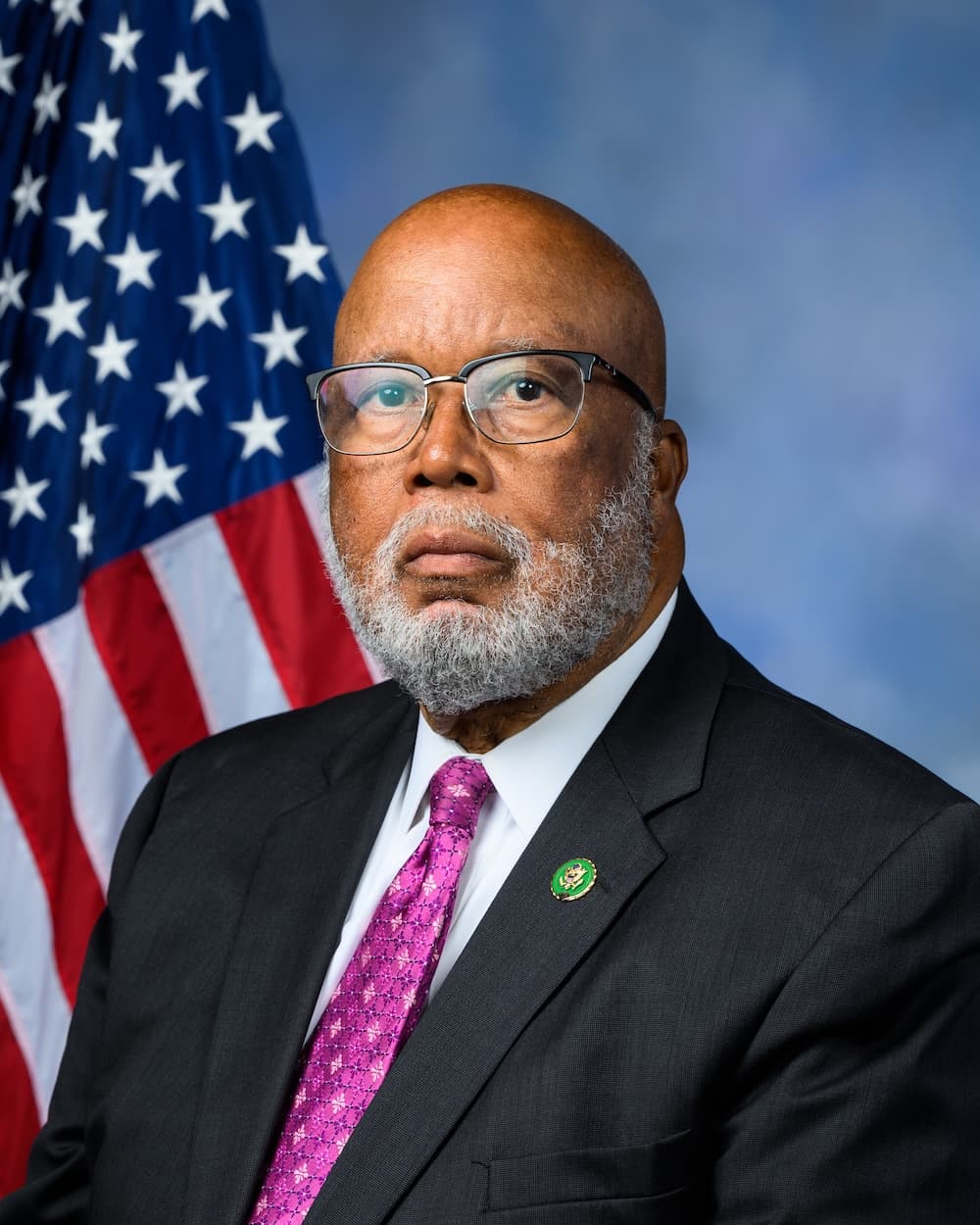 Bennie ThompsonDirectly involved
Timeline
3 timeline entries on this page. Dates: August 28, 2026 to October 14, 2026
August 2026
DHS rejects GAO's camera-activation recommendation
Reaction
In a letter responding to GAO's draft report, DHS did not concur with the recommendation that ICE add controls such as automatic camera activation, citing operational and privacy risks. It concurred with the other six recommendations.
[01]U.S. Government Accountability Office
GAO's report page lists the report as published September 15 and publicly released October 14. Appendix I reproduces DHS's August 28, 2026 letter, which concurs with six recommendations and does not concur with Recommendation 5.
Federal Law Enforcement: CBP and ICE Should Improve Body-Worn Camera Program Management (GAO-26-108157) · U.S. Government Accountability OfficeTable 1, p. 8; Recommendation 5 and Agency Comments, pp. 31-34; Appendix I (DHS letter), pp. 35-39[02]ICE Won't Automatically Switch On Body Cameras, Citing Privacy Concerns
Jackie Llanos reports DHS's August 28 response to GAO, quotes from the department's letter and a statement from Rep. Bennie Thompson.
ICE Won't Automatically Switch On Body Cameras, Citing Privacy ConcernsDHS's August 28 response to GAO and Thompson's statement
September 2026
GAO issues its body-camera report
Source release
GAO's report to congressional requesters made seven recommendations to CBP and ICE, including additional activation controls for ICE. GAO maintained that recommendation despite DHS's objections.
[01]U.S. Government Accountability Office
GAO's report page lists the report as published September 15 and publicly released October 14. Appendix I reproduces DHS's August 28, 2026 letter, which concurs with six recommendations and does not concur with Recommendation 5.
Federal Law Enforcement: CBP and ICE Should Improve Body-Worn Camera Program Management (GAO-26-108157) · U.S. Government Accountability OfficeTable 1, p. 8; Recommendation 5 and Agency Comments, pp. 31-34; Appendix I (DHS letter), pp. 35-39
October 2026
GAO report becomes public
Source release
GAO publicly released the report. Thompson criticized ICE's refusal of automatic activation and said he would introduce legislation to require it.
[02]ICE Won't Automatically Switch On Body Cameras, Citing Privacy Concerns
Jackie Llanos reports DHS's August 28 response to GAO, quotes from the department's letter and a statement from Rep. Bennie Thompson.
ICE Won't Automatically Switch On Body Cameras, Citing Privacy ConcernsDHS's August 28 response to GAO and Thompson's statement
Claims
Claims separate what was said from what is contested. Follow each source for the original wording and context.
What's disputed
Disputed claim
U.S. Department of Homeland Security
Automatic activation creates operational and privacy risks that justify rejecting the additional camera controls.
What is disputed
DHS's refusal to implement GAO's Recommendation 5 on additional ICE camera-activation controls.
Sources (2)
- Federal Law Enforcement: CBP and ICE Should Improve Body-Worn Camera Program Management (GAO-26-108157) · U.S. Government Accountability OfficeTable 1, p. 8; Recommendation 5 and Agency Comments, pp. 31-34; Appendix I (DHS letter), pp. 35-39
- ICE Won't Automatically Switch On Body Cameras, Citing Privacy ConcernsDHS's August 28 response to GAO and Thompson's statement
Disputed claim
U.S. Government Accountability Office
Additional activation controls would give greater assurance that ICE records encounters required by policy.
What is disputed
DHS's refusal to implement GAO's Recommendation 5 on additional ICE camera-activation controls.
Sources (1)
- Federal Law Enforcement: CBP and ICE Should Improve Body-Worn Camera Program Management (GAO-26-108157) · U.S. Government Accountability OfficeTable 1, p. 8; Recommendation 5 and Agency Comments, pp. 31-34; Appendix I (DHS letter), pp. 35-39
Response record
Responses
Choose one response filter, or select All responses to see the full record.
3 matching responses. Newest first.
 Bennie ThompsonRanking Democrat on the House Homeland Security CommitteeDirectly involved
Before this statement
In a statement to The Washington Sun about the GAO report, Thompson said DHS's body-worn camera program is deficient and needs to be revamped.
"Worse yet, ICE — which has shown time and again it thinks it is immune to accountability — is unwilling to implement automatic activation for its cameras, increasing the risk of missing critical recordings."
CondemnedCase context: DHS rejects GAO's call for stronger ICE body-camera activation controls
Full statement and sources
Thompson criticizes ICE's refusal and says it increases the risk of missing important recordings.
After the statement
The Washington Sun reported that Thompson called ICE's rejection of the recommendation unacceptable and said he would introduce legislation to ensure all body cameras are automatically turned on.
ICE Won't Automatically Switch On Body Cameras, Citing Privacy ConcernsDHS's August 28 response to GAO and Thompson's statementWhy this label?
Thompson directly criticizes the refusal of activation controls at the center of the case.
This label describes the statement's response within the context above.
U.S. Government Accountability OfficeCongressional auditing agencyDirectly involved Before this statement
In its comments on a draft of the report, DHS did not agree with GAO's recommendation that ICE add controls such as automated camera activation, citing operational and privacy risks.
"We maintain that additional controls, such as automated camera activation, would provide greater assurance that body-worn cameras meet ICE’s desired results for transparency, accountability, and public trust."
CondemnedResponding to: Additional activation controls would give greater assurance that ICE records encounters required by policy.
Full statement and sources
GAO maintains that stronger activation controls would better meet ICE's accountability and transparency goals.
After the statement
GAO said the added assurance could be particularly useful when unplanned incidents result in use of force, and noted that CBP uses these types of controls in similar environments. The report became public October 14.
Federal Law Enforcement: CBP and ICE Should Improve Body-Worn Camera Program Management (GAO-26-108157) · U.S. Government Accountability OfficeTable 1, p. 8; Recommendation 5 and Agency Comments, pp. 31-34; Appendix I (DHS letter), pp. 35-39Why this label?
GAO rejects the reasons DHS gave for refusing Recommendation 5 and maintains that ICE needs additional activation controls.
This label describes the statement's response within the context above.
 U.S. Department of Homeland SecurityDepartment response to GAO's draft reportDirectly involved
Before this statement
In an August 28 letter, DHS did not concur with GAO's Recommendation 5. It said automatic activation, which is triggered when a firearm or Taser is drawn, carries significant operational risks, including false activations during routine movement.
"Such triggers could result in the unauthorized recording of sensitive interactions with informants or victims, or the recording of bystanders engaged in protected First Amendment activities in areas where camera use is restricted"
Defended or excusedResponding to: Automatic activation creates operational and privacy risks that justify rejecting the additional camera controls.
Full statement and sources
DHS rejects automatic camera activation for ICE, saying it could record sensitive interactions with informants or victims, or bystanders engaged in First Amendment activities.
After the statement
The letter said ICE had determined that the privacy, evidentiary and operational risks of automatic activation outweigh its potential benefits, and that existing policy and supervisory oversight are sufficient. DHS asked GAO to consider the recommendation resolved and closed.
Federal Law Enforcement: CBP and ICE Should Improve Body-Worn Camera Program Management (GAO-26-108157) · U.S. Government Accountability OfficeTable 1, p. 8; Recommendation 5 and Agency Comments, pp. 31-34; Appendix I (DHS letter), pp. 35-39ICE Won't Automatically Switch On Body Cameras, Citing Privacy ConcernsDHS's August 28 response to GAO and Thompson's statementWhy this label?
DHS justifies its refusal of Recommendation 5 by arguing that automatic activation would create privacy and operational risks.
This label describes the statement's response within the context above.
Sources
(2)
Original text
Federal Law Enforcement: CBP and ICE Should Improve Body-Worn Camera Program Management (GAO-26-108157)
Relevant passage: Table 1, p. 8; Recommendation 5 and Agency Comments, pp. 31-34; Appendix I (DHS letter), pp. 35-39
About this source
GAO's report page lists the report as published September 15 and publicly released October 14. Appendix I reproduces DHS's August 28, 2026 letter, which concurs with six recommendations and does not concur with Recommendation 5.
- Published
- Accessed
Reporting
ICE Won't Automatically Switch On Body Cameras, Citing Privacy Concerns
Relevant passage: DHS's August 28 response to GAO and Thompson's statement
About this source
Jackie Llanos reports DHS's August 28 response to GAO, quotes from the department's letter and a statement from Rep. Bennie Thompson.
- Author
- Jackie Llanos
- Published
- Accessed
Share or embed this case
The embed keeps its attribution link to The Dispute Index. Credit the image to The Dispute Index and link to the case page.
Cite this record
- Publisher
- The Dispute Index
- Title
- DHS rejects GAO's call for stronger ICE body-camera activation controls
- First published
- Last updated
- Permalink
- https://disputeindex.com/cases/ice-gao-automatic-body-camera-activation
The Dispute Index. "DHS rejects GAO's call for stronger ICE body-camera activation controls". First published: 2026-10-15. Last updated: 2026-10-15. https://disputeindex.com/cases/ice-gao-automatic-body-camera-activation