
Democratic leaders sue to stop federal demands on state voter rolls and ballots; DOJ says its letters to states have no legal effect
Case period:
Published by The Dispute Index editorial teamPublished Updated
Overview
Democratic committees and congressional leaders ask a federal judge to bar the administration from directing states to remove voters, withhold ballots or set ballots aside. DOJ says its letters to states are non-binding and that the plaintiffs lack standing.
Read the full background
On October 20, the DSCC, the DCCC, the Democratic Governors Association, the Nevada State Democratic Party, Senate Democratic Leader Chuck Schumer, House Democratic Leader Hakeem Jeffries and California voter Erick Jose Jimenez sued President Trump, DOJ, Attorney General Todd Blanche, DHS and Homeland Security Secretary Markwayne Mullin in federal court in Washington. The complaint points to DHS lists of suspected noncitizen voters sent to states, including Nevada, and to the administration's demand that California withhold or set aside the ballots of more than 20,000 registered voters. It argues that the executive branch has no authority over state voter list maintenance, ballot issuance or ballot counting, and that the administration's actions, including warnings of prosecution aimed at election officials, violate Section 11(b) of the Voting Rights Act and the Tenth Amendment.
In its October 28 opposition, DOJ argues for the defendants that the letters are not self-executing, that states decide whether to comply and that the government would need a court order to compel any state to act. It says federal law makes noncitizen voting a crime that the executive branch may investigate and prosecute, and that the plaintiffs lack standing.
At an October 29 hearing, Chief Judge James Boasberg ordered the government to identify the states that had received its letters, questioned whether the plaintiffs had standing and said he intended to rule by November 2. Both sides filed further briefs on standing on October 31 and November 1. These are preliminary proceedings, and the complaint states the plaintiffs' allegations, not findings.
People in this case
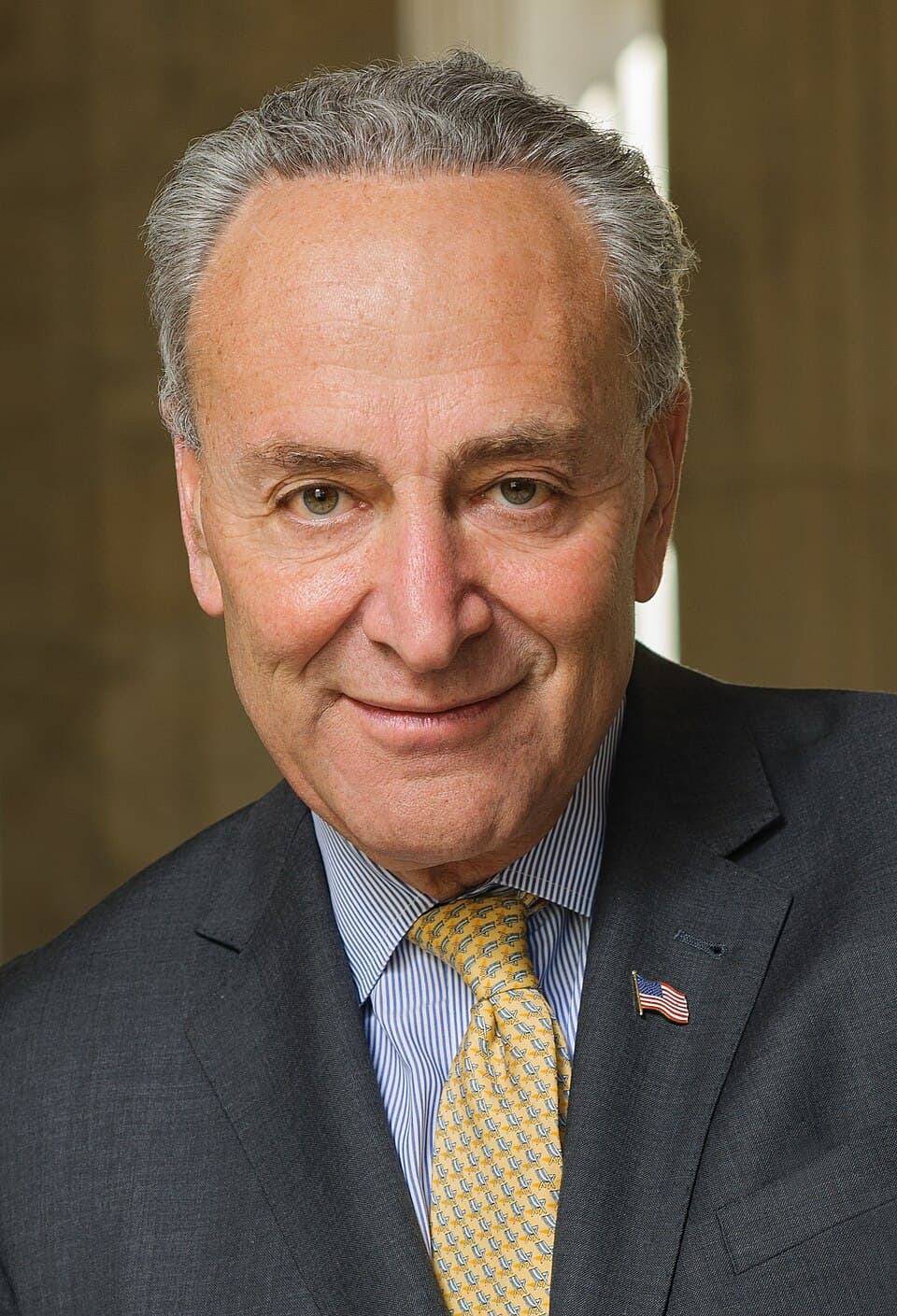 Chuck SchumerDirectly involved
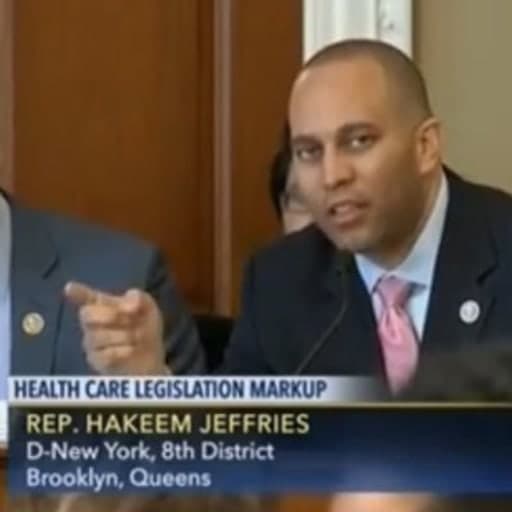 Hakeem JeffriesDirectly involved
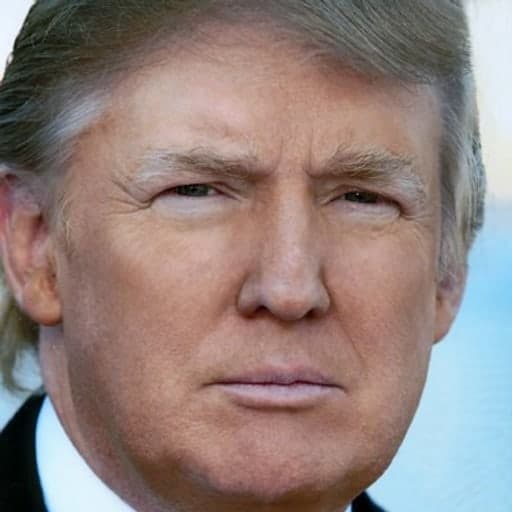 Donald TrumpDirectly involved
Timeline
5 timeline entries on this page. Dates: October 20, 2026 to October 31, 2026
October 2026
Democratic committees and leaders sue over federal pressure on state elections
Source release
The DSCC, the DCCC, the Democratic Governors Association, the Nevada State Democratic Party, Chuck Schumer, Hakeem Jeffries and California voter Erick Jose Jimenez sue President Trump, DOJ, Attorney General Todd Blanche, DHS and Secretary Markwayne Mullin in federal court in Washington.
[01]United States District Court for the District of Columbia
The plaintiffs' 44-page complaint. It names President Trump, DOJ, Attorney General Todd Blanche, DHS and Secretary Markwayne Mullin, and asserts claims under Section 11(b) of the Voting Rights Act, ultra vires claims and Tenth Amendment claims. The complaint states the plaintiffs' allegations, not findings.
Complaint, DSCC v. Trump, No. 1:26-cv-03674 (D.D.C. filed Oct. 20, 2026), ECF 1 · United States District Court for the District of ColumbiaECF 1, introduction (paragraphs 1 to 7), parties and prayer for reliefPlaintiffs ask for a temporary restraining order
The plaintiffs ask the court to bar the defendants from imposing themselves on state procedures for removing registered voters, issuing ballots and counting ballots.
[02]United States District Court for the District of Columbia
The plaintiffs' three-page motion asking the court to bar the defendants from imposing themselves on state procedures for removing registered voters, issuing ballots and counting ballots.
Plaintiffs' motion for a temporary restraining order and preliminary injunction, DSCC v. Trump, No. 1:26-cv-03674 (D.D.C. Oct. 26, 2026), ECF 19 · United States District Court for the District of ColumbiaECF 19, pages 1-2DOJ opposes the request
DOJ argues for the defendants that the letters to states are not self-executing, that the plaintiffs lack standing and that the requested injunction is overbroad.
[03]United States Department of Justice
DOJ's 53-page brief for all defendants. It argues that the letters to states are not self-executing, that the plaintiffs lack standing, that the executive branch may enforce the federal ban on noncitizen voting, and that the requested injunction is overbroad.
Defendants' opposition to the motion for a temporary restraining order and preliminary injunction, DSCC v. Trump, No. 1:26-cv-03674 (D.D.C. Oct. 28, 2026), ECF 25 · United States Department of JusticeECF 25, introduction (pp. 1-2) and standing argument (p. 8)Judge orders the government to list the states it contacted
At a hearing, Chief Judge James Boasberg orders the administration to identify the states that received DOJ letters, questions whether the plaintiffs have standing and says he intends to rule by November 2.
[04]Associated Press
Associated Press report on the October 29 hearing before Chief Judge James Boasberg, republished by WDIV ClickOnDetroit. It reports the order to identify the states that received DOJ letters, the judge's questions about standing and his plan to rule by November 2.
AP: Judge presses the Trump administration for details on its campaign to stop noncitizens from voting · Associated PressFull articleBoth sides file further briefs on standing
The plaintiffs file a supplemental brief on October 31 arguing that their candidates have standing under Bost v. Illinois State Board of Elections. DOJ responds on November 1 that they cannot show candidate, competitor or organizational standing.
[05]United States District Court for the District of Columbia
The plaintiffs' 25-page supplemental brief on standing, relying on the Supreme Court's decision in Bost v. Illinois State Board of Elections for their candidates' standing.
Plaintiffs' supplemental brief in support of the motion for a temporary restraining order, DSCC v. Trump, No. 1:26-cv-03674 (D.D.C. Oct. 31, 2026), ECF 30 · United States District Court for the District of ColumbiaECF 30, introduction and standing argument[06]United States Department of Justice
DOJ's 17-page response arguing that the plaintiffs cannot establish candidate, competitor or organizational standing and that the requested relief should be denied.
Defendants' response to plaintiffs' supplemental brief, DSCC v. Trump, No. 1:26-cv-03674 (D.D.C. Nov. 1, 2026), ECF 31 · United States Department of JusticeECF 31, introduction and argument
Claims
Claims separate what was said from what is contested. Follow each source for the original wording and context.
What's disputed
Disputed claim
Democratic Senatorial Campaign Committee
The executive branch has no authority to direct states to remove registered voters from their rolls, to withhold ballots from registered voters, or to set aside or refuse to count the ballots they cast.
What is disputed
DOJ says its letters only ask states to set aside ballots of suspected noncitizens pending review, that it would need a court order to compel any state to act, and that federal law makes noncitizen voting a crime the executive branch may investigate and prosecute.
Sources (1)
- Complaint, DSCC v. Trump, No. 1:26-cv-03674 (D.D.C. filed Oct. 20, 2026), ECF 1 · United States District Court for the District of ColumbiaECF 1, introduction (paragraphs 1 to 7), parties and prayer for relief
Disputed claim
United States Department of Justice
The DOJ letters asking states to set aside ballots of suspected noncitizens have no independent legal effect, because states decide whether to comply and the government would need a court order to compel them.
What is disputed
The plaintiffs argue that the letters, combined with warnings of prosecution aimed at election officials, pressure states to remove voters and set aside lawful ballots.
Sources (1)
- Defendants' opposition to the motion for a temporary restraining order and preliminary injunction, DSCC v. Trump, No. 1:26-cv-03674 (D.D.C. Oct. 28, 2026), ECF 25 · United States Department of JusticeECF 25, introduction (pp. 1-2) and standing argument (p. 8)
Response record
Responses
Choose one response filter, or select All responses to see the full record.
2 matching responses. Newest first.
 United States Department of JusticeDepartment of Justice, in its brief for the defendants (Civil Division, Federal Programs Branch)Directly involved
Before this statement
The brief says that despite states' traditional authority in managing elections, Congress has made noncitizen voting in federal elections unlawful under 18 U.S.C. 611.
"The Executive Branch may investigate and prosecute alleged violations of that federal prohibition within the limits of its lawful authority. That statute is not challenged here. Thus, Defendants' challenged actions are supported by the double font of constitutional and statutory authority, making Defendants' likelihood of success on the merits strong."
Defended or excusedResponding to: The executive branch has no authority to direct states to remove registered voters from their rolls, to withhold ballots from registered voters, or to set aside or refuse to count the ballots they cast.
Full statement and sources
DOJ says the executive branch may investigate and prosecute violations of the federal ban on noncitizen voting within the limits of its lawful authority, notes that the statute is not challenged, and says the defendants' challenged actions are supported by constitutional and statutory authority.
After the statement
The brief then argues that the government's interest in combating voter fraud outweighs what it calls the plaintiffs' speculative injuries, and asks the court to deny the motion.
Defendants' opposition to the motion for a temporary restraining order and preliminary injunction, DSCC v. Trump, No. 1:26-cv-03674 (D.D.C. Oct. 28, 2026), ECF 25 · United States Department of JusticeECF 25, introduction (pp. 1-2) and standing argument (p. 8)Why this label?
DOJ defends the actions the plaintiffs challenge, saying they are supported by constitutional and statutory authority.
This label describes the statement's response within the context above.
 Democratic Governors AssociationJoint statement published by the DGA; signers include DGA Chair Andy Beshear, Hakeem Jeffries, Suzan DelBene, Chuck Schumer, Kirsten Gillibrand and Daniele Monroe-MorenoDirectly involved
Before this statement
The signers released the statement after filing a lawsuit in the federal District Court for the District of Columbia ahead of the midterm elections.
"Donald Trump and Republicans are trying to bully state and local election officials into denying ballots to eligible American voters. This is an unacceptable attack on free and fair elections, and we are taking the Trump administration to court to stop it."
CondemnedResponding to: The executive branch has no authority to direct states to remove registered voters from their rolls, to withhold ballots from registered voters, or to set aside or refuse to count the ballots they cast.
Full statement and sources
In a joint statement with Democratic congressional leaders and party committees, the DGA says Trump and Republicans are pressing election officials to deny ballots to eligible voters and announces the lawsuit.
After the statement
The statement says the Constitution leaves elections to the states and that the plaintiffs are asking the court to block the administration from forcing states to purge eligible voters or leave lawfully cast ballots uncounted.
Statement on New Lawsuit to Stop Trump's Illegal Efforts to Federalize Elections and Intimidate Voters (Democratic Governors Association) · Democratic Governors AssociationFull statementWhy this label?
The statement condemns the federal pressure on state and local election officials that this case examines, calling it an unacceptable attack on free and fair elections.
This label describes the statement's response within the context above.
Sources
(7)
Original text
Complaint, DSCC v. Trump, No. 1:26-cv-03674 (D.D.C. filed Oct. 20, 2026), ECF 1
Relevant passage: ECF 1, introduction (paragraphs 1 to 7), parties and prayer for relief
About this source
The plaintiffs' 44-page complaint. It names President Trump, DOJ, Attorney General Todd Blanche, DHS and Secretary Markwayne Mullin, and asserts claims under Section 11(b) of the Voting Rights Act, ultra vires claims and Tenth Amendment claims. The complaint states the plaintiffs' allegations, not findings.
- Published
- Accessed
Original text
Defendants' response to plaintiffs' supplemental brief, DSCC v. Trump, No. 1:26-cv-03674 (D.D.C. Nov. 1, 2026), ECF 31
Relevant passage: ECF 31, introduction and argument
About this source
DOJ's 17-page response arguing that the plaintiffs cannot establish candidate, competitor or organizational standing and that the requested relief should be denied.
- Published
- Accessed
Original text
Plaintiffs' supplemental brief in support of the motion for a temporary restraining order, DSCC v. Trump, No. 1:26-cv-03674 (D.D.C. Oct. 31, 2026), ECF 30
Relevant passage: ECF 30, introduction and standing argument
About this source
The plaintiffs' 25-page supplemental brief on standing, relying on the Supreme Court's decision in Bost v. Illinois State Board of Elections for their candidates' standing.
- Published
- Accessed
Official statement
Statement on New Lawsuit to Stop Trump's Illegal Efforts to Federalize Elections and Intimidate Voters (Democratic Governors Association)
Relevant passage: Full statement
About this source
Joint statement from House Democratic Leader Hakeem Jeffries, DCCC Chair Suzan DelBene, Senate Democratic Leader Chuck Schumer, DSCC Chair Kirsten Gillibrand, DGA Chair Andy Beshear and Nevada State Democratic Party Chair Daniele Monroe-Moreno after the lawsuit was filed. The DCCC published the same text.
- Published
- Accessed
Reporting
AP: Judge presses the Trump administration for details on its campaign to stop noncitizens from voting
Relevant passage: Full article
About this source
Associated Press report on the October 29 hearing before Chief Judge James Boasberg, republished by WDIV ClickOnDetroit. It reports the order to identify the states that received DOJ letters, the judge's questions about standing and his plan to rule by November 2.
- Author
- Michael Kunzelman, Associated Press
- Published
- Accessed
Original text
Plaintiffs' motion for a temporary restraining order and preliminary injunction, DSCC v. Trump, No. 1:26-cv-03674 (D.D.C. Oct. 26, 2026), ECF 19
Relevant passage: ECF 19, pages 1-2
About this source
The plaintiffs' three-page motion asking the court to bar the defendants from imposing themselves on state procedures for removing registered voters, issuing ballots and counting ballots.
- Published
- Accessed
Original text
Defendants' opposition to the motion for a temporary restraining order and preliminary injunction, DSCC v. Trump, No. 1:26-cv-03674 (D.D.C. Oct. 28, 2026), ECF 25
Relevant passage: ECF 25, introduction (pp. 1-2) and standing argument (p. 8)
About this source
DOJ's 53-page brief for all defendants. It argues that the letters to states are not self-executing, that the plaintiffs lack standing, that the executive branch may enforce the federal ban on noncitizen voting, and that the requested injunction is overbroad.
- Author
- Kathryn Barragan, U.S. Department of Justice, Civil Division, Federal Programs Branch
- Published
- Accessed
Share or embed this case
The embed keeps its attribution link to The Dispute Index. Credit the image to The Dispute Index and link to the case page.
Cite this record
- Publisher
- The Dispute Index
- Title
- Democratic leaders sue to stop federal demands on state voter rolls and ballots; DOJ says its letters to states have no legal effect
- First published
- Last updated
- Permalink
- https://disputeindex.com/cases/dscc-v-trump-federal-pressure-state-voter-rolls
The Dispute Index. "Democratic leaders sue to stop federal demands on state voter rolls and ballots; DOJ says its letters to states have no legal effect". First published: 2026-11-02. Last updated: 2026-11-02. https://disputeindex.com/cases/dscc-v-trump-federal-pressure-state-voter-rolls