
DOJ's constitutional challenge to the Presidential Records Act

Case period:
Published by The Dispute Index editorial teamPublished Updated
Overview
DOJ argues that the Presidential Records Act exceeds Congress's powers and intrudes on presidential independence. Historians and watchdog groups defend public ownership and preservation requirements. A preliminary injunction against White House officials is under appeal.
Read the full background
An April 1 Office of Legal Counsel opinion concluded that the entire Act is unconstitutional. The plaintiffs' August 19 appeal brief argues that Congress may require prospective public ownership and preservation under the Property and Necessary and Proper Clauses, with safeguards for executive control and privilege. The May 20 preliminary injunction runs against White House officials, not personally against the President or Vice President. The appeal was argued October 16; an argument is not a ruling. Public ownership does not require immediate unrestricted public disclosure.
People in this case
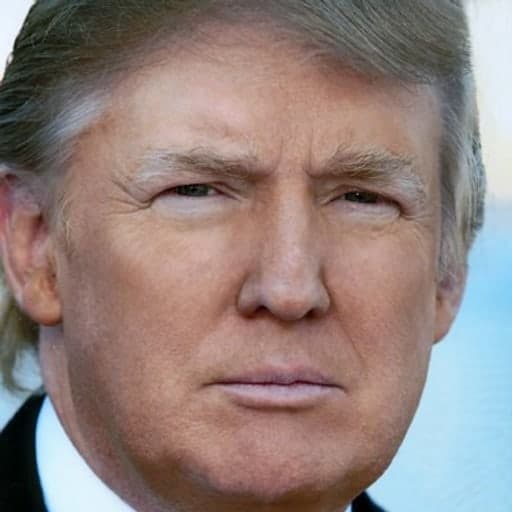 Donald TrumpDirectly involved
Timeline
3 timeline entries on this page. Dates: April 1, 2026 to August 19, 2026
April 2026
OLC declares the records law unconstitutional
Source release
The opinion rejects the entire Act on congressional-power and separation-of-powers grounds.
[01]OLC opinion on the Presidential Records Act
OLC argues that the Act exceeds congressional powers and intrudes on executive independence. This is the administration's legal position.
OLC opinion on the Presidential Records ActPages 1 and 50-52
May 2026
District court orders White House officials to preserve records
As described in the appeal brief, the preliminary injunction binds White House officials, not the President or Vice President personally.
[02]Appellees' brief defending the Presidential Records Act
The plaintiffs oppose the facial constitutional challenge and defend public ownership and preservation requirements, including protections for executive control and privilege.
Appellees' brief defending the Presidential Records ActIntroduction and printed pages 22-28
August 2026
Plaintiffs defend the injunction on appeal
Source release
The joint response brief defends Congress's authority and challenges the administration's facial constitutional theory.
[02]Appellees' brief defending the Presidential Records Act
The plaintiffs oppose the facial constitutional challenge and defend public ownership and preservation requirements, including protections for executive control and privilege.
Appellees' brief defending the Presidential Records ActIntroduction and printed pages 22-28
Claims
Claims separate what was said from what is contested. Follow each source for the original wording and context.
What's disputed
Disputed claim
United States Department of Justice
The Presidential Records Act is unconstitutional in its entirety.
What is disputed
OLC asserts this legal conclusion. The plaintiffs contest both its congressional-power and separation-of-powers arguments.
Sources (1)
- OLC opinion on the Presidential Records ActPages 1 and 50-52
Arguments
Documented position
Department of Justice Office of Legal Counsel
Presidential autonomy
OLC argues that Congress lacks enumerated power for this intrusion and that preservation and access rules burden presidential independence and advice.
Limit of this argument
The plaintiffs argue that public ownership and privilege safeguards answer these objections.
Read sources and related claim
Related claim
The Presidential Records Act is unconstitutional in its entirety.
Sources
- OLC opinion on the Presidential Records ActPages 1 and 50-52
Documented position
Joint appellees' brief
Public ownership and preservation authority
The plaintiffs invoke the Property and Necessary and Proper Clauses and argue that the administration cannot establish invalidity in every application.
Limit of this argument
Preservation is not immediate unrestricted disclosure, and executive control and privilege remain relevant.
Read sources and related claim
Related claim
The Presidential Records Act is unconstitutional in its entirety.
Sources
- Appellees' brief defending the Presidential Records ActIntroduction and printed pages 22-28
Response record
Responses
Choose one response filter, or select All responses to see the full record.
2 matching responses. Newest first.
 American OversightJoint brief by AHA, American Oversight, Freedom of the Press Foundation and CREWDirectly involved
Before this statement
The brief argues that the administration's facial challenge fails because it does not show the Act has no constitutional application or identify a provision that cannot be severed.
"The Property Clause and the Necessary and Proper Clause each authorize Congress to prospectively assert public ownership over future Presidential records"
CondemnedCase context: DOJ's constitutional challenge to the Presidential Records Act
Full statement and sources
In their joint appeal brief, the plaintiffs argue that the Property Clause and the Necessary and Proper Clause let Congress assert public ownership of future presidential records and require their preservation.
After the statement
The brief goes on to say the Act serves important legislative purposes and is tailored to protect presidential confidentiality and executive control over records.
Appellees' brief defending the Presidential Records ActIntroduction and printed pages 22-28Why this label?
The reference point is the administration's constitutional challenge to the whole Act. American Oversight and its co-plaintiffs reject that challenge in their brief and argue that Congress has the power to require preservation of presidential records.
This label describes the statement's response within the context above.
 United States Department of JusticeDepartment of Justice Office of Legal Counsel opinionDirectly involved
Before this statement
The Counsel to the President asked whether the 1978 Act is constitutional, and OLC concludes that it is not.
"The PRA is unconstitutional for two independent but interlocking reasons: It exceeds Congress’s enumerated and implied powers, and it aggrandizes the Legislative Branch at the expense of the constitutional independence and autonomy of the Executive."
Defended or excusedCase context: DOJ's constitutional challenge to the Presidential Records Act
Full statement and sources
OLC argues that the Act exceeds Congress's powers and intrudes on executive independence.
After the statement
OLC then argues that the Act serves no valid legislative purpose and exceeds Congress's oversight, preservation, regulatory and spending powers.
OLC opinion on the Presidential Records ActPages 1 and 50-52Why this label?
OLC supplies the constitutional grounds for the administration's challenge to the records law. Its position supports that challenge, rather than opposing it.
This label describes the statement's response within the context above.
Sources
(4)
Original text
OLC opinion on the Presidential Records Act
Relevant passage: Pages 1 and 50-52
About this source
OLC argues that the Act exceeds congressional powers and intrudes on executive independence. This is the administration's legal position.
- Published
- Accessed
Reporting
The parties explain the presidential-records appeal
Relevant passage: White House response and preservation arguments
About this source
Carrie Johnson reports the competing legal arguments and a White House response from Lauren Bis. The article precedes the day's argument.
- Published
- Accessed
Official statement
Chukwu and Weicksel defend presidential-record preservation
Relevant passage: Statements by Chioma Chukwu and Sarah Weicksel
About this source
American Oversight publishes separately attributed statements ahead of the appeal argument and explains the preliminary injunction.
- Published
- Accessed
Original text
Appellees' brief defending the Presidential Records Act
Relevant passage: Introduction and printed pages 22-28
About this source
The plaintiffs oppose the facial constitutional challenge and defend public ownership and preservation requirements, including protections for executive control and privilege.
- Published
- Accessed
Share or embed this case
The embed keeps its attribution link to The Dispute Index. Credit the image to The Dispute Index and link to the case page.
Cite this record
- Publisher
- The Dispute Index
- Title
- DOJ's constitutional challenge to the Presidential Records Act
- First published
- Last updated
- Permalink
- https://disputeindex.com/cases/doj-presidential-records-act-constitutional-challenge
The Dispute Index. "DOJ's constitutional challenge to the Presidential Records Act". First published: 2026-10-19. Last updated: 2026-10-19. https://disputeindex.com/cases/doj-presidential-records-act-constitutional-challenge