
Supreme Court declines to review California's implicit bias requirement for medical education courses; Justices Thomas and Alito dissent
The Supreme Court declined on November 16, 2026 to hear a doctor's challenge to California's rule that continuing medical education courses cover implicit bias. Justice Thomas, joined by Justice Alito, dissented, saying a state cannot regulate its way out of First Amendment scrutiny.
Case period:
Published by The Dispute Index editorial teamPublished Updated
Overview
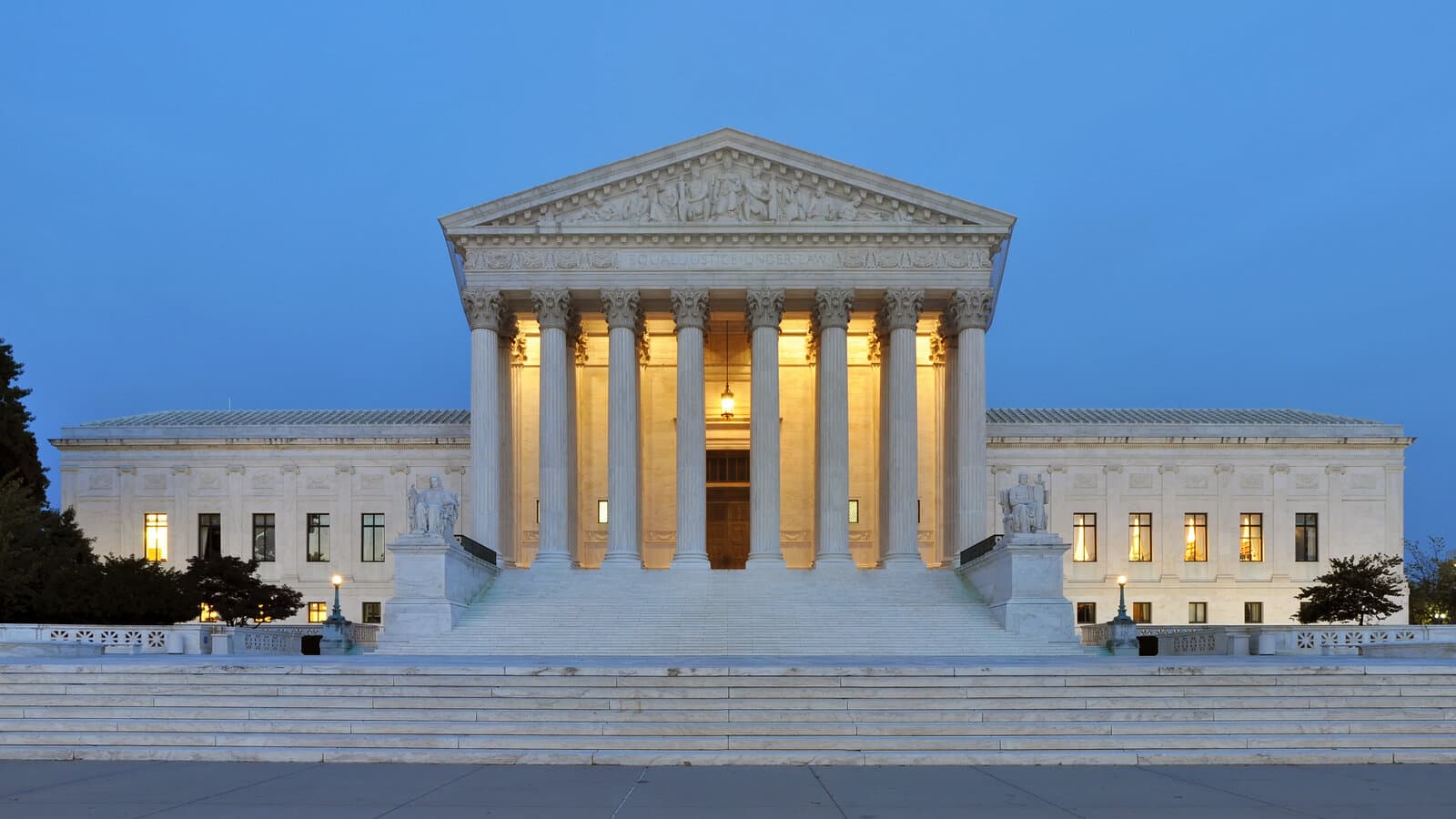
On November 16, 2026, the U.S. Supreme Court declined to hear Khatibi v. Yip, a First Amendment challenge to a 2019 California law that requires continuing medical education courses for physicians to include curriculum on implicit bias. Los Angeles ophthalmologist Azadeh Khatibi, who teaches such courses, and the advocacy group Do No Harm, represented by Pacific Legal Foundation, argue that the requirement forces private instructors to deliver the state's preferred message. A federal district court and the Ninth Circuit held that courses eligible for state credit are government speech, which the Free Speech Clause does not restrict. The denial leaves that ruling in place.
Justice Neil Gorsuch would have granted review. Justice Clarence Thomas, joined by Justice Samuel Alito, dissented. Thomas wrote that the Ninth Circuit's reasoning misunderstands the Court's precedents and that the Court should reconsider the government-speech test it described in Shurtleff v. City of Boston, concluding: "A State cannot regulate its way out of First Amendment scrutiny." California, defending the law for the officers of the Medical Board of California, told the Court that the Ninth Circuit's ruling is narrow and that granting review would threaten to transform regulation of the medical profession.
Read the full background
California requires licensed physicians to complete 50 hours of continuing medical education every two years. Assembly Bill 241, written by then-Assemblymember Sydney Kamlager-Dove and signed by Gov. Gavin Newsom on October 2, 2019, requires that by January 1, 2022 the courses contain curriculum on the understanding of implicit bias (AB 241 (opens in a new tab)). Instructors can meet it with examples of how implicit bias affects physicians' perceptions and treatment decisions, or with strategies to address how unintended biases in decision-making may contribute to health care disparities. California told the Supreme Court that the second option lets instructors avoid taking a position on whether implicit bias exists (brief in opposition (opens in a new tab)).
Khatibi, Dr. Marilyn Singleton and Do No Harm sued in federal court in Los Angeles in August 2023 (Pacific Legal Foundation (opens in a new tab)). The district court dismissed the case in May 2024. On July 25, 2025, a Ninth Circuit panel, in an opinion by Judge Jacqueline H. Nguyen, held that courses eligible for credit are government speech, weighing the history, public perception and control factors described in Shurtleff (Ninth Circuit opinion (opens in a new tab)). On December 29, 2025, the court denied rehearing en banc over dissents by Judges Lawrence VanDyke and Eric Tung, each joined by Judge Patrick Bumatay (Ninth Circuit order (opens in a new tab)).
The petition was filed on April 28, 2026. The board's officers first waived a response, and the Court asked for one in June (docket (opens in a new tab)). Three justices wanted to hear the case, one short of the four votes needed to grant review (The Hill (opens in a new tab)). In his dissent, Thomas asked whether, under the Ninth Circuit's reasoning, California could require continuing education instructors to deliver the state's preferred message on the availability of abortion or on gender-transition surgery (dissent (opens in a new tab)).
People in this case
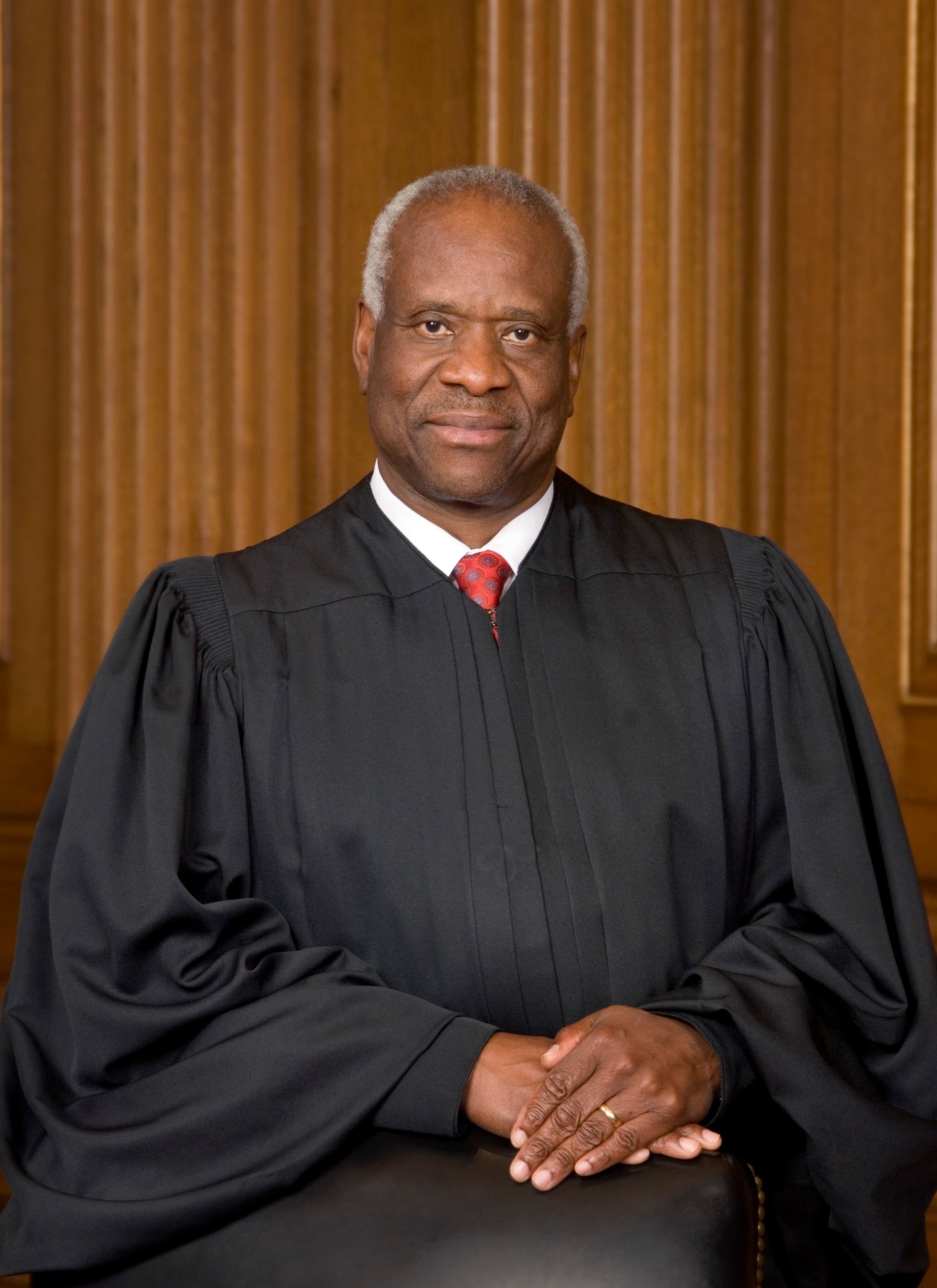 Clarence ThomasDirectly involved
Timeline
8 timeline entries on this page. Dates: October 2, 2019 to November 16, 2026
October 2019
Gov. Gavin Newsom signs AB 241, requiring implicit bias curriculum in physicians' continuing education
Assembly Bill 241, by Assemblymember Sydney Kamlager-Dove, becomes Chapter 417 of the Statutes of 2019. It requires that by January 1, 2022, all continuing education courses for physicians and surgeons contain curriculum that includes the understanding of implicit bias.
August 2023
Dr. Azadeh Khatibi, Dr. Marilyn Singleton and Do No Harm sue over the requirement
Claim
Represented by Pacific Legal Foundation, the two physicians and Do No Harm file suit in federal district court in Los Angeles, arguing that the implicit bias mandate forces physician educators to espouse views favored by the government, in violation of the First Amendment.
May 2024
District court dismisses the suit, treating the requirement as government speech
The U.S. District Court for the Central District of California dismisses the amended complaint, concluding that the implicit bias training requirement is government speech.
July 2025
Ninth Circuit panel affirms, holding that credit-eligible courses are government speech
In an opinion by Judge Jacqueline H. Nguyen, joined by Judges A. Wallace Tashima and Salvador Mendoza Jr., the Ninth Circuit holds that continuing medical education courses eligible for credit in California are government speech and affirms the dismissal.
December 2025
Ninth Circuit denies rehearing en banc over dissents by Judges VanDyke and Tung
The Ninth Circuit denies the petitions for panel rehearing and rehearing en banc. Judge Lawrence VanDyke and Judge Eric Tung each write a dissent, and each joins the other's, as does Judge Patrick Bumatay.
April 2026
Khatibi and Do No Harm ask the Supreme Court to hear the case
Claim
Pacific Legal Foundation files a petition for a writ of certiorari for Dr. Khatibi and Do No Harm. Amicus briefs supporting the petition follow from the Cato Institute, Montana and other states, and several other groups.
August 2026
California files its brief opposing review after the Court asks for a response
The board's officers waived a response in May, and on June 11 the Court requested one. California's brief in opposition argues that the Ninth Circuit's ruling is narrow, consistent with precedent and important to the states' regulation of physician education.
November 2026
Supreme Court denies review; Gorsuch would grant, and Thomas, joined by Alito, dissents
The Court denies the petition, leaving the Ninth Circuit's ruling in place. Justice Gorsuch says he would grant it, and Justice Thomas, joined by Justice Alito, writes a nine-page dissent. Three votes for review fall one short of the four needed.
In their own words
Their own account
Statements from the person or group whose act or claim this case is about. They are listed apart from the responses, and each label says what the speaker did with their own act or claim.
 Medical Board of CaliforniaCalifornia's physician licensing agency, through the brief in opposition filed for its officers by the California Department of Justice
"Because that narrow, state-specific ruling is consistent with the precedents of this Court and other courts of appeals, certiorari should be denied. Conversely, granting review and entertaining petitioners' constitutional theory would threaten to transform regulation of the medical profession."
Stood by itCase context: Supreme Court declines to review California's implicit bias requirement for medical education courses; Justices Thomas and Alito dissent
Full statement and sources
In the brief opposing review, filed for the Medical Board's officers, California says the Ninth Circuit's holding that its continuing medical education program is government speech is narrow and state-specific, and that taking the case would threaten to transform regulation of the medical profession.
Before the statement
The brief says the Ninth Circuit held that California's continuing medical education program is a form of government speech, that the holding covers only those requirements and not other professional licensing, and that it leaves the petitioners free to teach whatever they wish in their own expressive capacity.
After the statement
The brief goes on to say that the petitioners' theory would subject all content-based rules for these courses, in every state, to strict scrutiny, and would imperil longstanding regulations meant to ensure the competence of doctors and protect patient health.
Khatibi v. Yip, No. 25-1240: brief in opposition for the Medical Board of California officialsStatement, pages 1 to 6; Argument, pages 6 to 7Supreme Court won't review implicit bias mandate for California medical courses · The HillThe Hill article as republished by Yahoo News, updated November 16, 2026Why this label?
The case concerns California's requirement that continuing medical education courses for physicians include implicit bias training, which a doctor and Do No Harm challenged as compelled speech. The board, which administers the requirement, defends the program as the state's own speech meant to keep doctors competent and asks the Court to leave the ruling in place, so we labeled it Stood by it.
This label describes the statement's response within the context above.
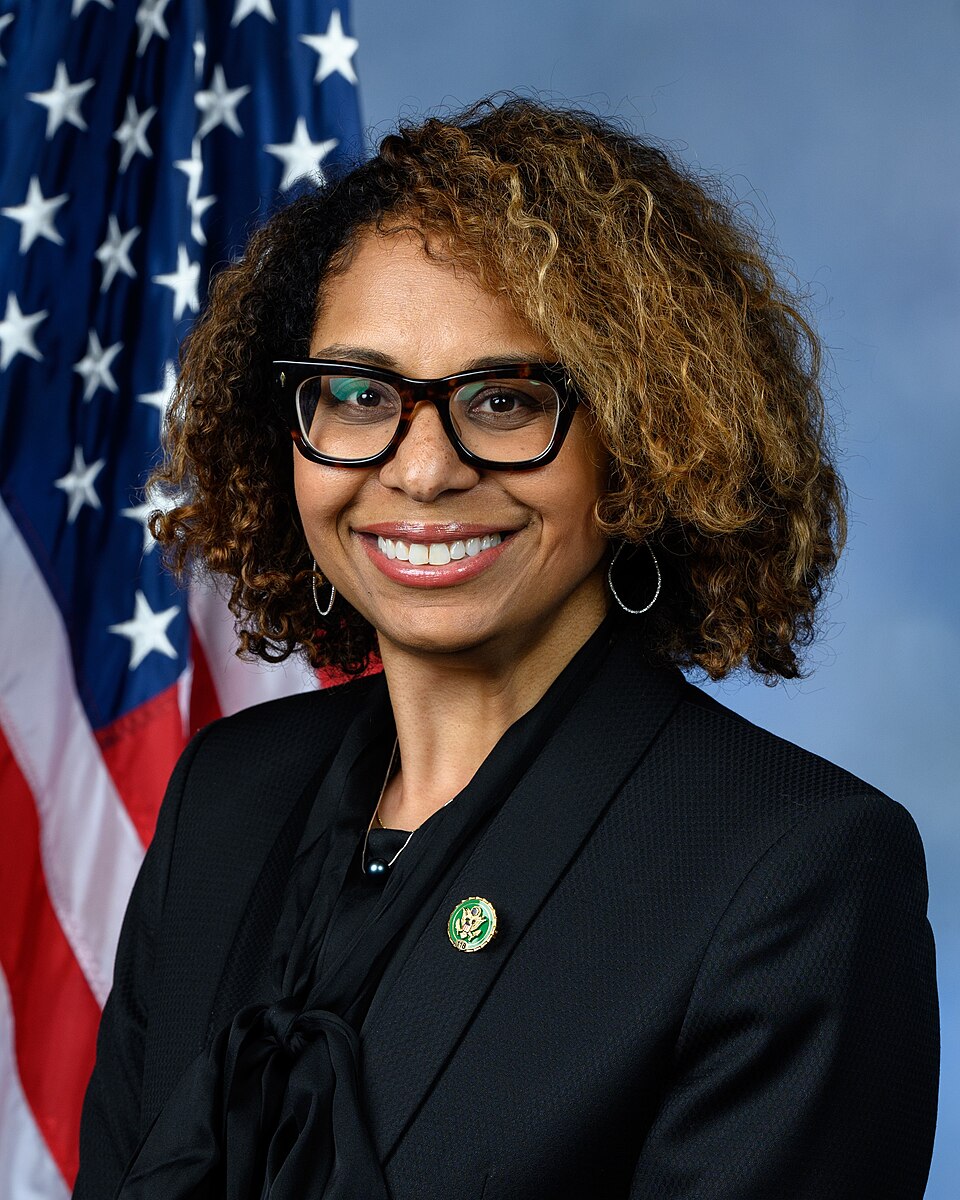 Sydney Kamlager-DoveCalifornia Assembly member from the 54th District, who introduced Assembly Bills 241, 242 and 243, in a CalMatters commentary
"All fields and professions require training. The object is to improve the decisions and skills that professionals make and have, which is what implicit bias training is designed to do. Implementing curriculum that has been proven to reduce biases before consequential decisions are made in courts, emergency rooms and beside the flashing lights atop a police car is imperative."
ExplainedCase context: Supreme Court declines to review California's implicit bias requirement for medical education courses; Justices Thomas and Alito dissent
Full statement and sources
Writing while her bills were before the Legislature, Kamlager-Dove argues that implicit bias training improves professionals' decisions and that curriculum proven to reduce biases before decisions are made in courts, emergency rooms and policing is imperative.
Before the statement
Kamlager-Dove opens by citing studies she says show that undetected biases produce unequal treatment, including a finding that women who see female doctors are more likely to survive a heart attack, and says neuroscientists find that people can replace such biases through education and training.
After the statement
She closes by saying that saving the lives of people who have traditionally been marginalized will move society toward a more fair and just society. A second commentary on the same page, by David A. Lehrer, argues against the bills.
Implicit bias legislation (commentary by Assemblymember Sydney Kamlager-Dove) · CalMattersKamlager-Dove's commentary, the first of two on the pageWhy this label?
The case concerns California's requirement that continuing medical education courses for physicians include implicit bias training, which a doctor and Do No Harm challenged as compelled speech. Kamlager-Dove, who introduced the bill that created the requirement, gives her reasons for it before it became law, arguing that implicit bias training improves professionals' decisions and is supported by research, so we labeled it Explained.
This label describes the statement's response within the context above.
Response record
Responses
Choose one response filter, or select All responses to see the full record.
2 matching responses. Newest first.
Do No HarmMedical advocacy nonprofit and co-petitioner in the case, in a statement by its executive director, Kristina RasmussenDirectly involved "Medical professionals should not be compelled by the government to participate in evidence-free implicit-bias trainings We will keep fighting for constitutionally protected free speech to ensure that healthcare providers are never conscripted to deliver the government's message."
CondemnedCase context: Supreme Court declines to review California's implicit bias requirement for medical education courses; Justices Thomas and Alito dissent
Full statement and sources
In a statement by its executive director, Kristina Rasmussen, Do No Harm says the government should not compel medical professionals to take part in implicit bias trainings it calls evidence-free, says it is encouraged that some justices recognized the First Amendment issues, and vows to keep fighting.
Before the statement
The statement says the Supreme Court declined to take up the challenge by Do No Harm and Dr. Khatibi to California's mandate that continuing medical education courses contain implicit bias curricula, and that Justices Gorsuch, Thomas and Alito would have granted certiorari.
After the statement
Rasmussen adds that Do No Harm remains committed to pursuing every avenue to eradicate political influence in the medical field. The statement then quotes Justice Thomas's dissent and recounts the group's 2023 lawsuit and the Ninth Circuit's ruling.
Do No Harm Statement on Supreme Court Declining to Hear Challenge Against California's Implicit-Bias Mandate · Do No HarmStatement posted November 17, 2026Supreme Court won't review implicit bias mandate for California medical courses · The HillThe Hill article as republished by Yahoo News, updated November 16, 2026Why this label?
The case concerns California's requirement that continuing medical education courses for physicians include implicit bias training, which a doctor and Do No Harm challenged as compelled speech. Do No Harm, a plaintiff in the case, says the government should not compel medical professionals to take part in implicit bias trainings and that providers should never be conscripted to deliver the government's message, so we labeled it Condemned.
This label describes the statement's response within the context above.
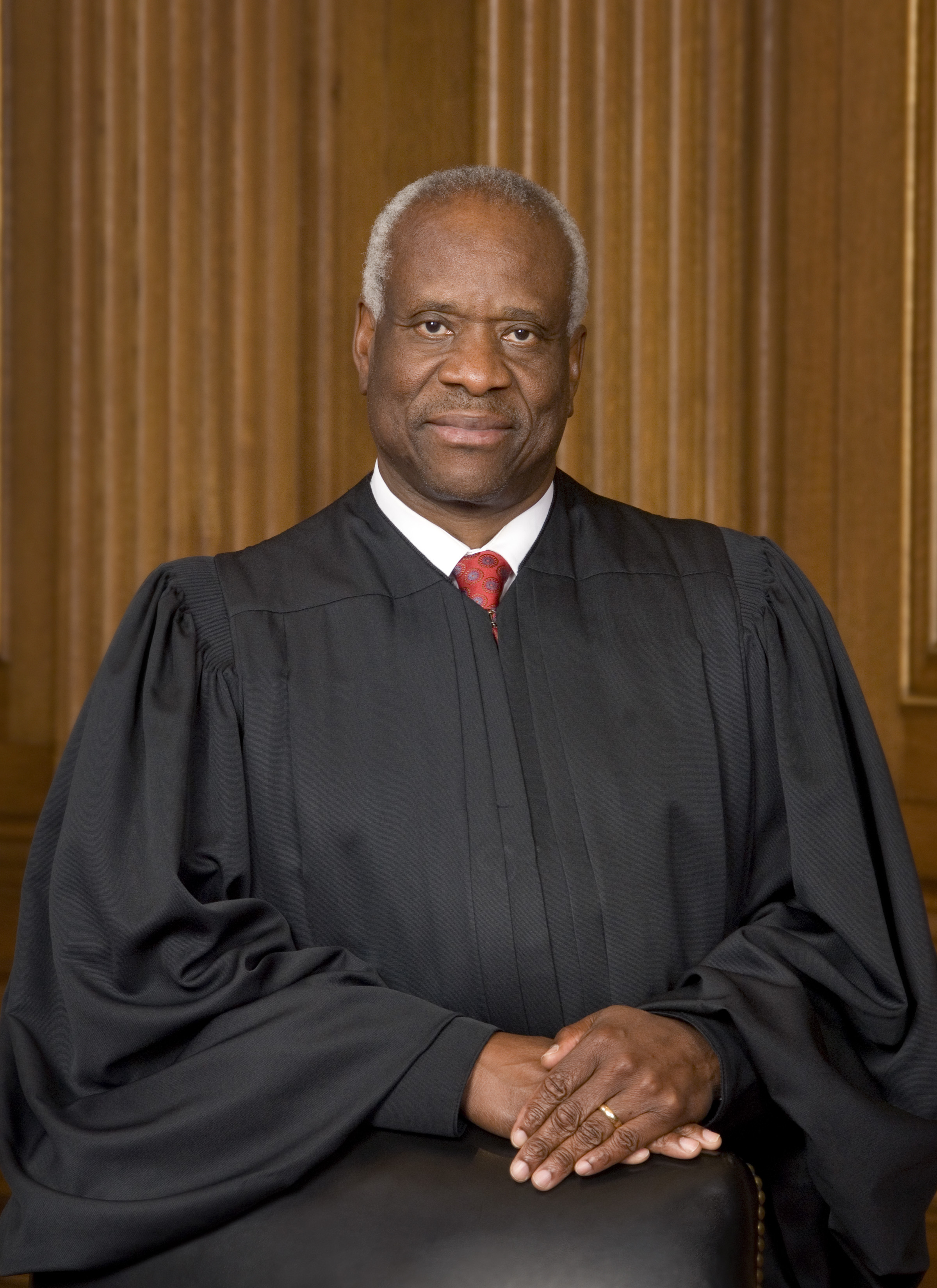 Clarence ThomasAssociate justice of the U.S. Supreme Court, in a dissent from the denial of certiorari joined by Justice Samuel AlitoDirectly involved
"That logic fundamentally misunderstands this Court's precedents and the Constitution. First Amendment protections do not give way simply because a State heavily regulates speech. A State cannot regulate its way out of First Amendment scrutiny. We should not permit the government-speech doctrine to be wielded as "a cover for censorship" or a cloak for compelled speech."
CondemnedCase context: Supreme Court declines to review California's implicit bias requirement for medical education courses; Justices Thomas and Alito dissent
Full statement and sources
Dissenting from the denial of review, Thomas says the Ninth Circuit wrongly treated California's implicit bias requirement as government speech because the state heavily regulates continuing medical education, and that the Court should have taken the case to clarify the government-speech doctrine and reconsider the Shurtleff test.
Before the statement
The dissent opens by saying that in 2022 California began requiring private instructors in privately run and privately accredited continuing medical education courses to discuss how implicit bias affects health care outcomes, and that the Ninth Circuit held First Amendment scrutiny did not apply because the breadth of the state's regulation makes the courses government speech.
After the statement
He ends by saying that because the case offered a chance to clarify that aspect of the government-speech doctrine, he respectfully dissents from the denial of certiorari.
Khatibi v. Yip, No. 25-1240: order denying certiorari and Justice Thomas's dissent · Supreme Court of the United StatesOrder and dissent from the denial of certiorari, pages 1 to 9Conservative justices push for crackdown on implicit bias training · Courthouse News ServiceArticle, November 16, 2026Why this label?
The case concerns California's requirement that continuing medical education courses for physicians include implicit bias training, which a doctor and Do No Harm challenged as compelled speech. Thomas calls the requirement an attempt to regulate private expression, says the First Amendment applies when the government makes private speakers communicate its viewpoint, and warns against using the government-speech doctrine as a cloak for compelled speech, so we labeled it Condemned.
This label describes the statement's response within the context above.
Sources
(14)
Original text
Khatibi v. Yip, No. 25-1240: order denying certiorari and Justice Thomas's dissent
Relevant passage: Order and dissent from the denial of certiorari, pages 1 to 9
About this source
The Supreme Court's November 16, 2026 order denying review of the doctors' challenge to California's implicit bias requirement for continuing medical education courses. It notes that Justice Gorsuch would grant the petition, then sets out Justice Thomas's dissent, joined by Justice Alito, which argues that the Ninth Circuit misapplied the government-speech test and that the Court should reconsider that test. This is the revised version the Court posted on November 17, 2026, which changes one word on page 8.
- Author
- Justice Clarence Thomas, joined by Justice Samuel Alito
- Published
- Accessed
Official statement
PLF asks the Supreme Court to affirm that licensure shouldn't come at the expense of free speech
Relevant passage: Article, April 28, 2026
About this source
Pacific Legal Foundation's article on the day it filed the petition describes Dr. Khatibi's background, the 2019 law and the Ninth Circuit loss, and quotes attorney Caleb Trotter calling implicit bias training compelled speech.
- Author
- Pacific Legal Foundation
- Published
- Accessed
Official statement
New lawsuit challenges California's mandatory implicit bias training in healthcare
Relevant passage: Press release, August 1, 2023
About this source
Pacific Legal Foundation announces that Dr. Azadeh Khatibi, Dr. Marilyn Singleton and Do No Harm filed suit in federal court in Los Angeles that day, arguing that the implicit bias requirement forces physician educators to espouse views favored by the government.
- Author
- Pacific Legal Foundation
- Published
- Accessed
Official statement
Bills Signed into Law Requiring Implicit Bias Training for Judges, Court Personnel, and Healthcare Professionals
Relevant passage: Post, October 4, 2019
About this source
The Equal Justice Society, which worked with Kamlager-Dove on the bills, announces that Gov. Gavin Newsom signed AB 241 and AB 242 that week, requiring implicit bias training for health care professionals, judges and court staff.
- Author
- Keith Kamisugi, Equal Justice Society
- Published
- Accessed
Original text
California AB 241 (2019), chaptered text
Relevant passage: Chapter 417, Statutes of 2019; amended Business and Professions Code section 2190.1
About this source
The enacted text of Assembly Bill 241 by Assemblymember Sydney Kamlager-Dove, approved by the governor on October 2, 2019. It requires that, by January 1, 2022, all continuing education courses for physicians and surgeons contain curriculum on the understanding of implicit bias.
- Author
- California Legislature
- Published
- Accessed
Original text
Implicit bias legislation (commentary by Assemblymember Sydney Kamlager-Dove)
Relevant passage: Kamlager-Dove's commentary, the first of two on the page
About this source
In a CalMatters commentary, the author of Assembly Bills 241, 242 and 243 argues for implicit bias training for health care workers, judges and police. A second commentary on the same page, by David A. Lehrer, argues against the bills.
- Author
- Sydney Kamlager-Dove
- Published
- Accessed
Reporting
Conservative justices push for crackdown on implicit bias training
Relevant passage: Article, November 16, 2026
About this source
Courthouse News reports the denial, quotes several passages of Justice Thomas's dissent, including his hypotheticals about abortion and gender-transition surgery, and notes that Justice Alito joined the dissent and Justice Gorsuch would have granted the petition.
- Published
- Accessed
Reporting
Supreme Court won't review implicit bias mandate for California medical courses
Relevant passage: The Hill article as republished by Yahoo News, updated November 16, 2026
About this source
The Hill reports that the challenge fell one vote short of review, quotes Justice Thomas's dissent and a statement from Do No Harm's executive director, and quotes California's court filing arguing that review would threaten to transform regulation of the medical profession.
- Author
- Zach Schonfeld
- Published
- Accessed
Official statement
Do No Harm Statement on Supreme Court Declining to Hear Challenge Against California's Implicit-Bias Mandate
Relevant passage: Statement posted November 17, 2026
About this source
Do No Harm's statement on the denial quotes executive director Kristina Rasmussen, quotes two passages from Justice Thomas's dissent, and recounts the group's 2023 lawsuit and its April 2026 petition to the Supreme Court.
- Author
- Do No Harm
- Published
- Accessed
Official statement
Supreme Court won't hear doctor's challenge to California's compelled-speech mandate; three justices disagree
Relevant passage: Press release, November 16, 2026
About this source
Pacific Legal Foundation, which represents Dr. Khatibi and Do No Harm, announces the denial, quotes senior attorney Caleb Trotter, and notes that Justice Thomas, joined by Justice Alito, dissented and that Justice Gorsuch would have granted the petition.
- Author
- Pacific Legal Foundation
- Published
- Accessed
Original text
Khatibi v. Hawkins, No. 24-3108 (9th Cir. Dec. 29, 2025): order denying rehearing en banc, with dissents
Relevant passage: Order, page 3; VanDyke dissent, pages 4 to 22
About this source
The Ninth Circuit denies the petitions for panel rehearing and rehearing en banc. Judge VanDyke, joined by Judges Bumatay and Tung, and Judge Tung, joined by Judges Bumatay and VanDyke, dissent, arguing that private instructors' courses are not government speech.
- Author
- Ninth Circuit; dissents by Judge Lawrence VanDyke and Judge Eric Tung
- Published
- Accessed
Original text
Khatibi v. Hawkins, No. 24-3108 (9th Cir. July 25, 2025): opinion
Relevant passage: Opinion, Part III and conclusion, pages 15 to 38
About this source
The Ninth Circuit panel affirms the dismissal of the suit. Applying the history, public-perception and control factors from Shurtleff v. City of Boston, it holds that continuing medical education courses eligible for credit in California are government speech and so are not subject to the Free Speech Clause.
- Author
- Judge Jacqueline H. Nguyen, for a panel with Judges A. Wallace Tashima and Salvador Mendoza Jr.
- Published
- Accessed
Original text
Khatibi v. Yip, No. 25-1240: brief in opposition for the Medical Board of California officials
Relevant passage: Statement, pages 1 to 6; Argument, pages 6 to 7
About this source
California's brief for the board's officers asks the Court to deny review. It describes the 2019 implicit bias requirement and its two options for instructors, summarizes the lower-court rulings, and argues that the Ninth Circuit's holding is narrow, consistent with precedent and needed to protect states' authority over physician education.
- Author
- California Department of Justice (Attorney General Rob Bonta, Solicitor General Samuel T. Harbourt, Deputy Solicitor General Zach ZhenHe Tan and others)
- Published
- Accessed
Original text
Khatibi v. Yip, No. 25-1240: Supreme Court docket
Relevant passage: Docket entries from April 28, 2026 to November 16, 2026
About this source
The docket lists the petition filed April 28, 2026, amicus briefs supporting the petitioners, the board officials' waiver of a response, the Court's June 11 request for one, the brief in opposition filed August 12, the reply, five conference distributions and the November 16 denial.
- Author
- Supreme Court of the United States
- Published
- Accessed
Share or embed this case
The embed keeps its attribution link to The Dispute Index. Credit the image to The Dispute Index and link to the case page.
Cite this record
- Publisher
- The Dispute Index
- Title
- Supreme Court declines to review California's implicit bias requirement for medical education courses; Justices Thomas and Alito dissent
- First published
- Last updated
- Permalink
- https://disputeindex.com/cases/california-implicit-bias-medical-education-supreme-court-thomas-dissent
The Dispute Index. "Supreme Court declines to review California's implicit bias requirement for medical education courses; Justices Thomas and Alito dissent". First published: 2026-11-18. Last updated: 2026-11-18. https://disputeindex.com/cases/california-implicit-bias-medical-education-supreme-court-thomas-dissent